17 Shark Species You Should Know About
Sharks have been swimming in Earth’s oceans for over 400 million years, making them older than trees and even dinosaurs. These incredible predators have evolved into more than 500 different species, each with its own unique adaptations and characteristics. From the massive whale shark that feeds on tiny plankton to the lightning-fast mako that can outswim most fish, the diversity in the shark world is truly remarkable.
Whether you’re fascinated by marine life or just curious about these often misunderstood creatures, getting to know different shark species helps us appreciate the complexity of ocean ecosystems. Here is a list of 17 shark species that showcase the incredible variety found in our seas.
Great White Shark
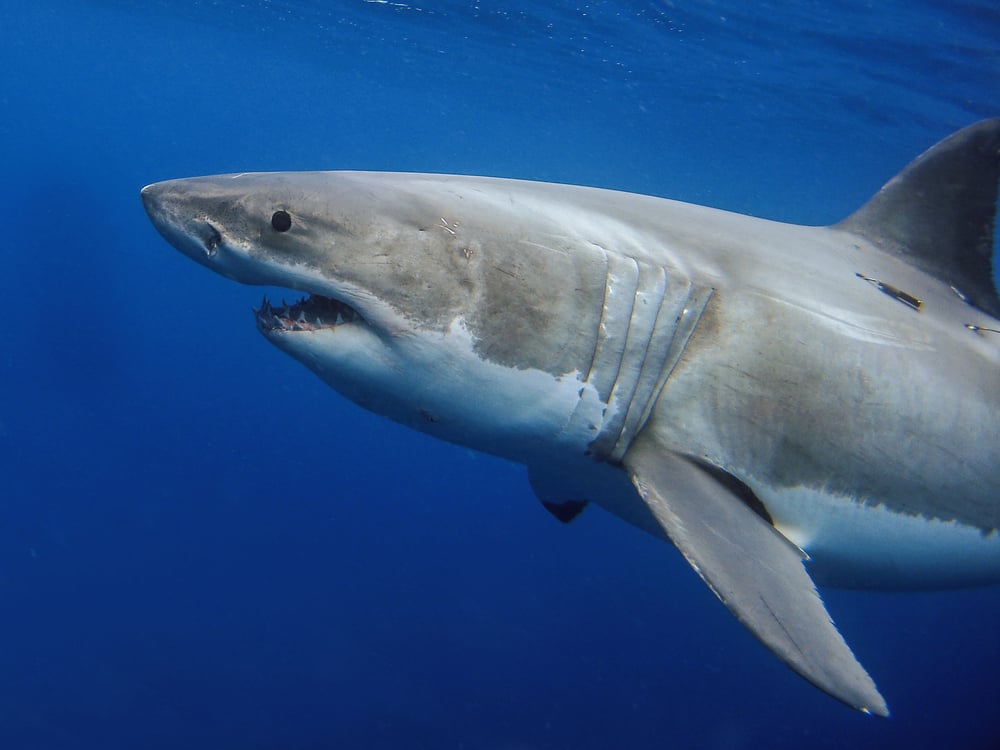
The great white shark is notable for its size, with the largest preserved female specimen measuring 5.83 m (19.1 ft) in length and around 2,000 kg (4,400 lb) in weight at maturity. These apex predators are instantly recognizable by their torpedo-shaped bodies and distinctive coloring – dark gray on top that sharply transitions to white underneath. This countershading makes them nearly invisible when viewed from above or below, giving them a serious advantage when hunting seals and sea lions.
Tiger Shark
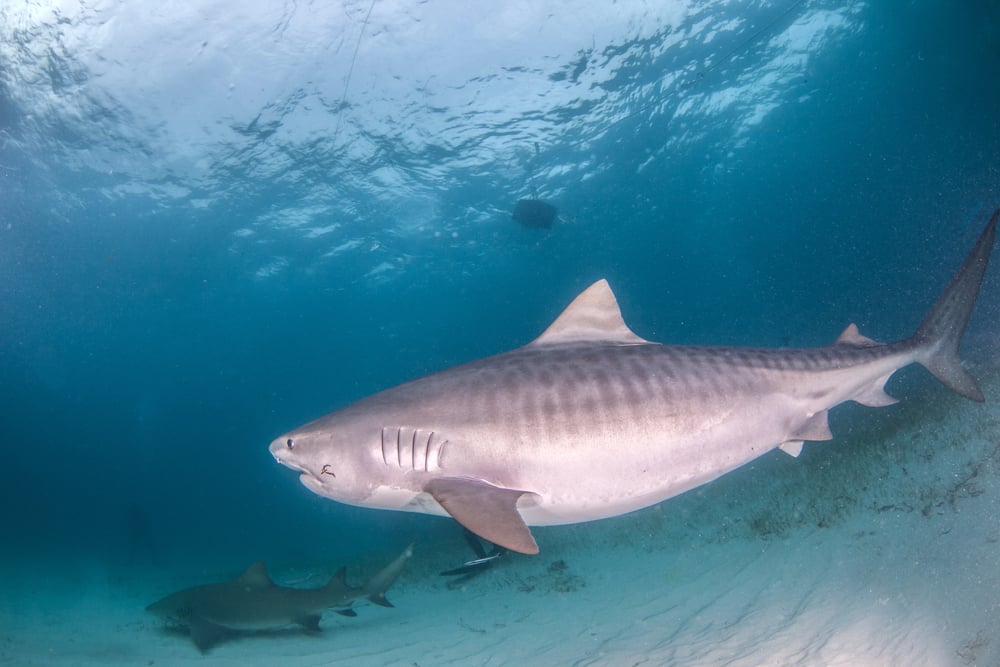
Tiger sharks get their name from the dark, vertical stripes found mainly on juveniles, which fade as they mature. These stripes help young tigers blend into sun-dappled waters, making them harder to spot. As the second-largest predatory shark after the great white, tiger sharks often measure between 10 to 14 feet long and can weigh between 286 and 1,400 lbs. They’re known as the ‘wastebaskets of the sea’ because they’ll eat just about anything – from fish and seals to license plates and old tires.
Bull Shark
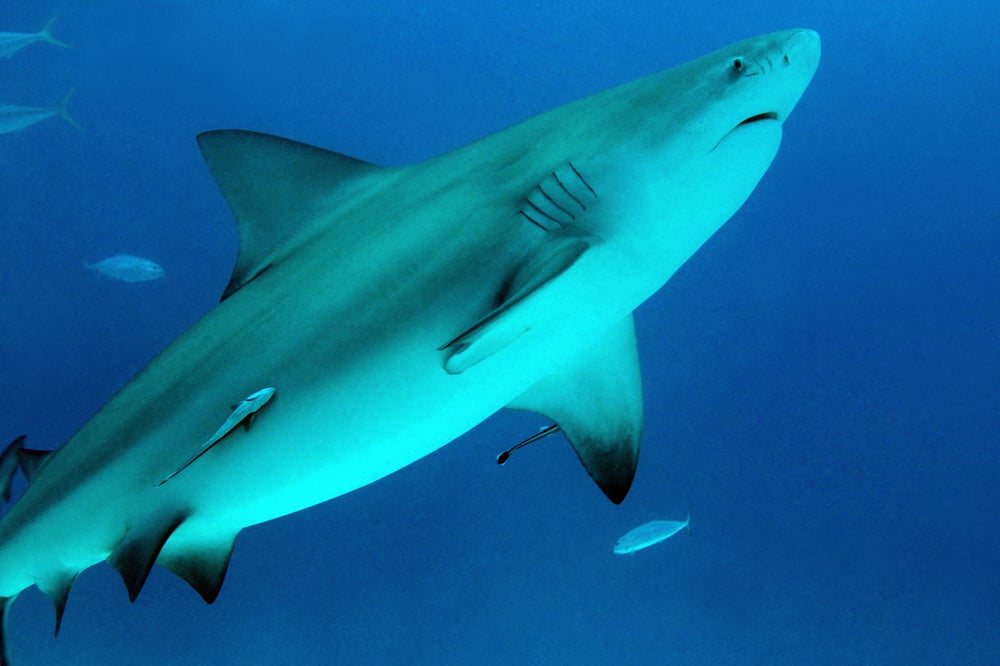
Bull sharks are the ultimate tough guys of the shark world, and they’ve earned their reputation through sheer aggression and adaptability. Most bull sharks measure between 7-11 feet long when they reach maturity and weigh between 200 and 500 lbs. What makes them truly special is their ability to survive in both saltwater and freshwater – you can find them hundreds of miles up rivers like the Amazon and Mississippi. Their stocky build and small eyes give them a perpetually grumpy expression that matches their territorial nature.
Great Hammerhead Shark
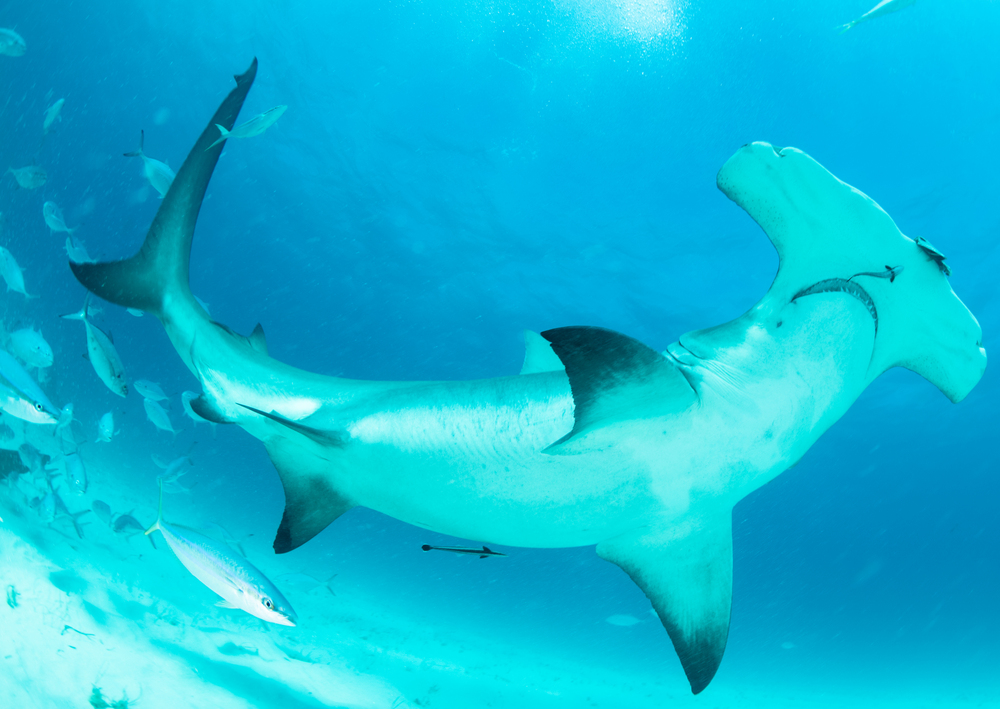
The great hammerhead is like nature’s version of a living hammer, and that’s not just because of their distinctive head shape. The largest species of hammerhead has an average length of 13.1 feet (4.0 m) and weight of 500 pounds (230 kg). Great hammerheads spend 90% of their time swimming sideways, which might look odd but actually helps them use their heads as weapons to pin down stingrays – their favorite meal.
Whale Shark
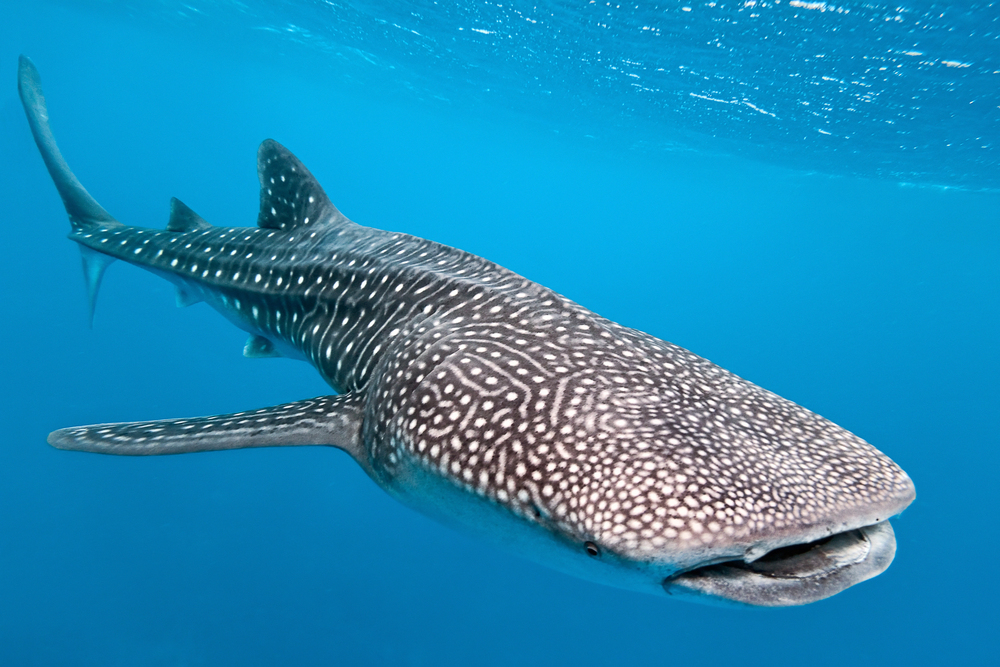
Think of whale sharks as the gentle giants of the ocean – they’re massive but completely harmless to humans. Whale sharks may grow up to 18 metres (59 feet) in length, making them not just the largest shark but the largest fish in the world. Despite their intimidating size, they feed exclusively on tiny plankton, small fish, and fish eggs. Swimming next to one is like floating beside a polka-dotted school bus that’s perfectly content to ignore you.
Basking Shark
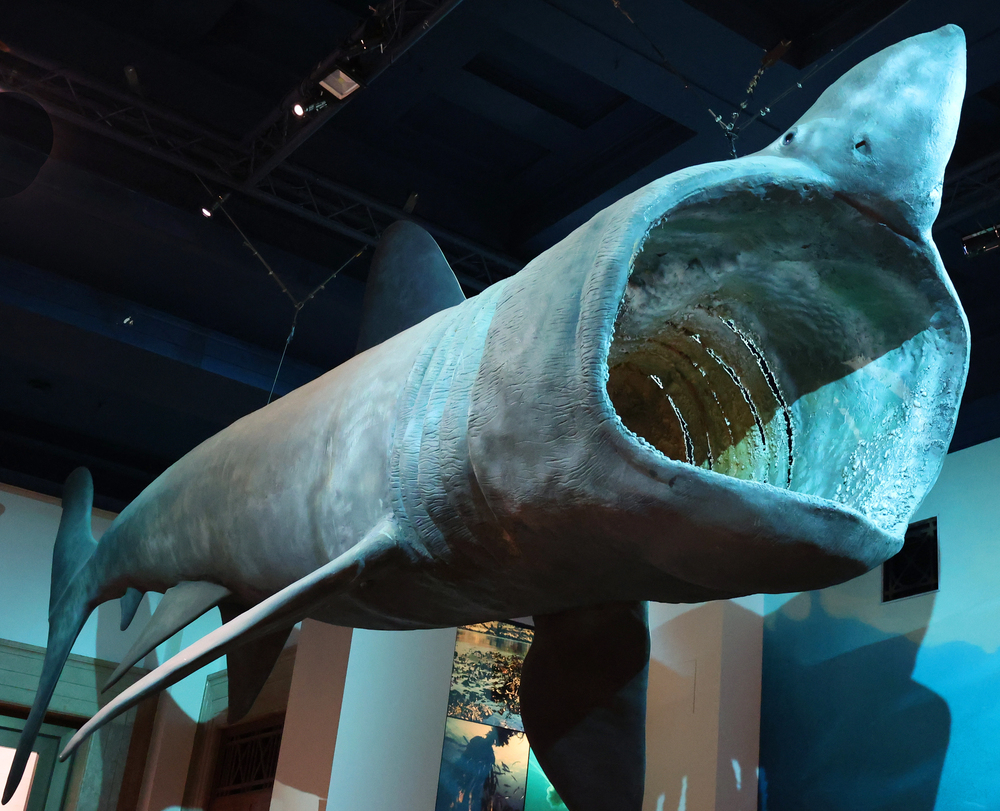
— Photo by meunierd
Basking sharks may reach 14 metres (46 feet) fully grown and, like whale sharks, are harmless giants that subsist on plankton strained from the sea. You’ll often see them near the surface with their huge mouths wide open, filter-feeding as they cruise along. Their name comes from their habit of ‘basking’ at the surface on sunny days, though they’re actually just feeding. These sharks have gill rakers that work like a fine-mesh net to trap their microscopic meals.
Shortfin Mako Shark
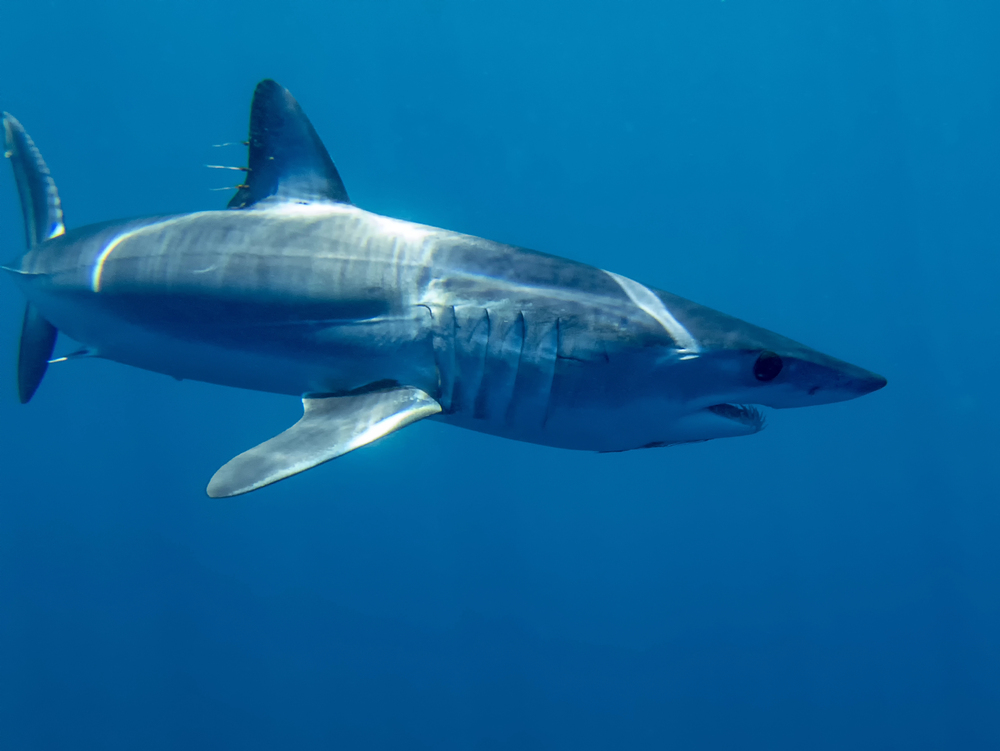
If sharks had a racecar, it would be the shortfin mako. Shortfin mako sharks have very pointed snouts and long gill slits, with dark blue/gray backs, light metallic blue sides, and white undersides. They’re built for speed with their streamlined bodies and can reach bursts of up to 45 mph – fast enough to leap completely out of the water when hooked by fishermen. Their torpedo shape and powerful tail make them the cheetahs of the sea.
Nurse Shark
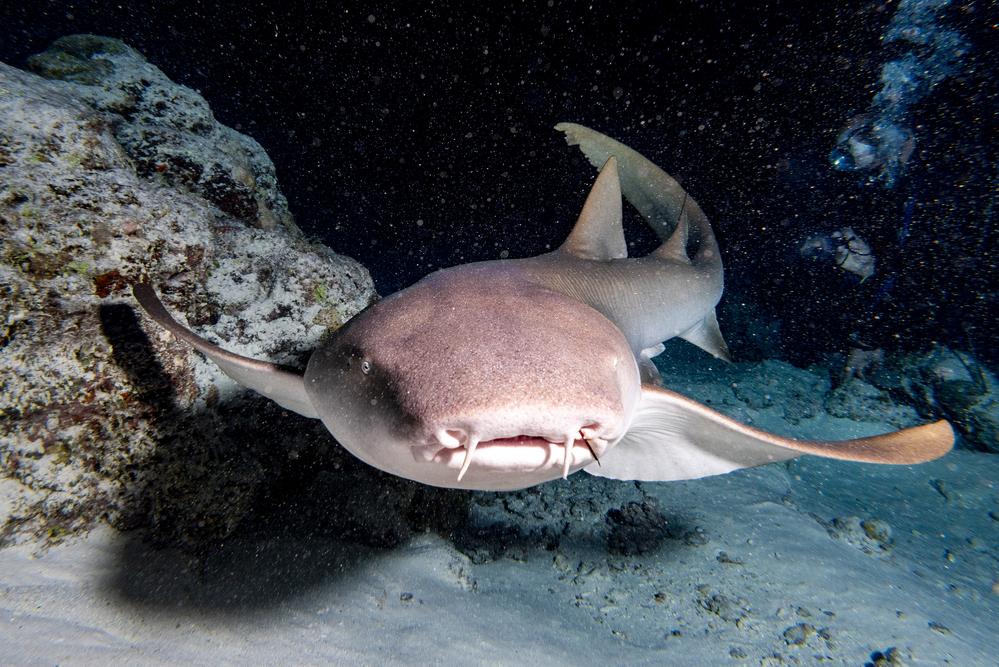
Nurse sharks are the couch potatoes of the shark family, and there’s something endearing about their lazy lifestyle. These bottom-dwellers spend most of their day resting in caves or under ledges, often piled up in groups like sleeping puppies. They have small mouths perfect for sucking up crabs, lobsters, and small fish from crevices in the reef. Unlike most sharks that need to keep swimming to breathe, nurse sharks can pump water over their gills while stationary.
Sand Tiger Shark
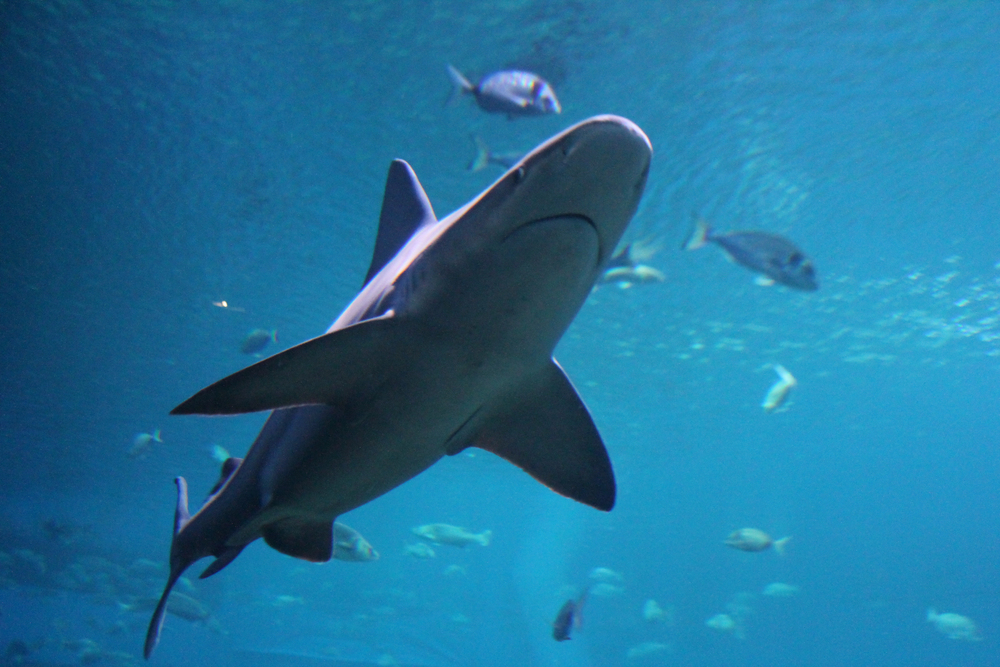
Sand tiger sharks grow to about 10.5 feet (3.2 m) and have their first dorsal fin set far back on the body, closer to pelvic fins than pectoral fins. What makes them unique is their ability to gulp air at the surface and store it in their stomachs, allowing them to hover motionless in the water like underwater blimps. Their menacing appearance with protruding teeth makes them look fiercer than they actually are – they’re generally docile unless threatened.
Blacktip Shark
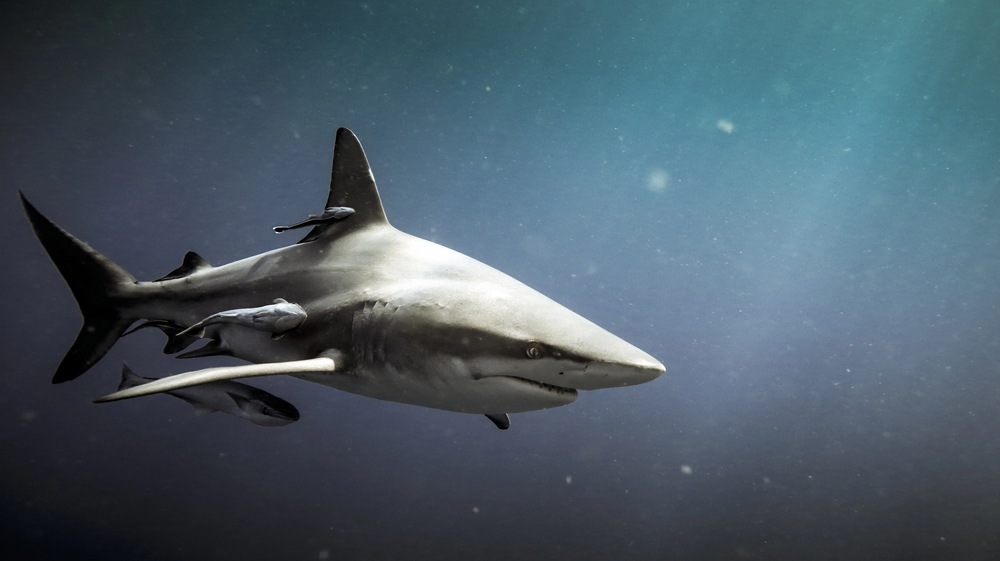
Blacktip sharks are the acrobats of the shark world, known for their spectacular leaping abilities when excited or feeding. These sharks grow to about 6 feet in length and are easily identified by their black-tipped fins that look as if they were dipped in jet black paint. They’re commonly found in shallow coastal waters and are one of the most abundant shark species in many tropical and subtropical regions. Their energetic feeding frenzies create quite a spectacle when they chase schools of fish.
Blue Shark
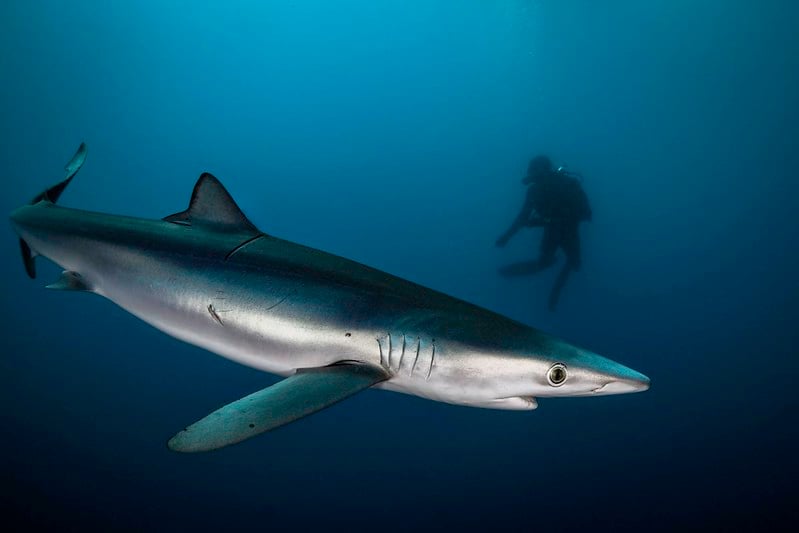
Blue sharks are the marathon swimmers of the ocean, capable of crossing entire ocean basins during their migrations. Their deep blue coloration on top and bright white underneath makes them strikingly beautiful creatures. They have long, slender bodies with proportionally large pectoral fins that help them glide efficiently through open ocean waters. Blue sharks are curious by nature and often approach divers, though they’re generally harmless to humans.
Thresher Shark
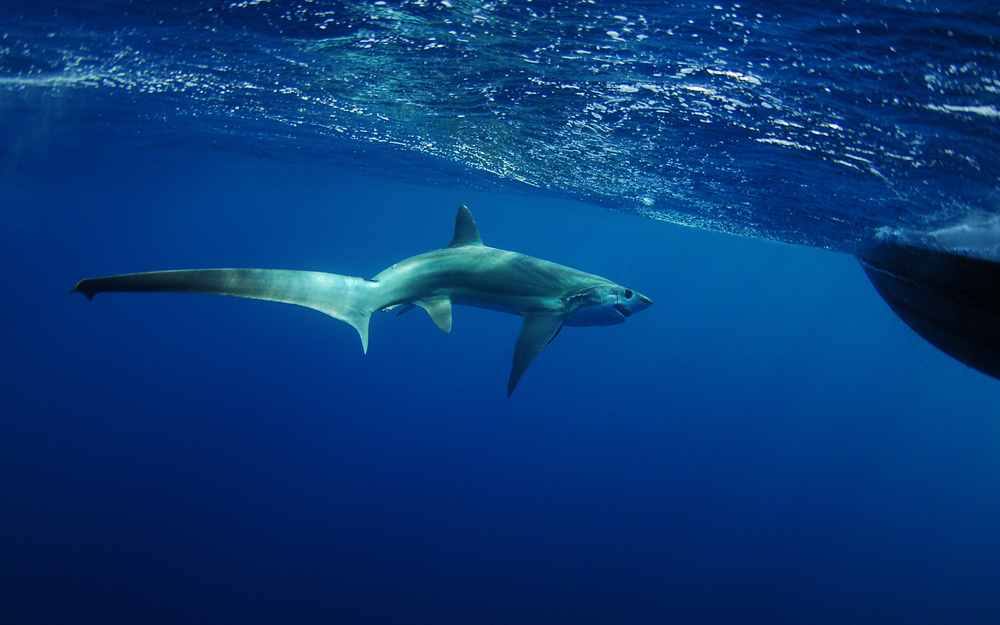
Thresher sharks can be identified by their distinctive tails, which have strongly elongated upper lobes, with almost half of the bigeye thresher shark’s length consisting of its elongated tail fin. They use this incredible tail like a whip to stun schools of fish before eating them. Watching a thresher hunt is like seeing a medieval knight wielding a massive sword – they’ll swim in circles around a school of fish, then strike with their tail to knock out multiple prey at once.
Scalloped Hammerhead
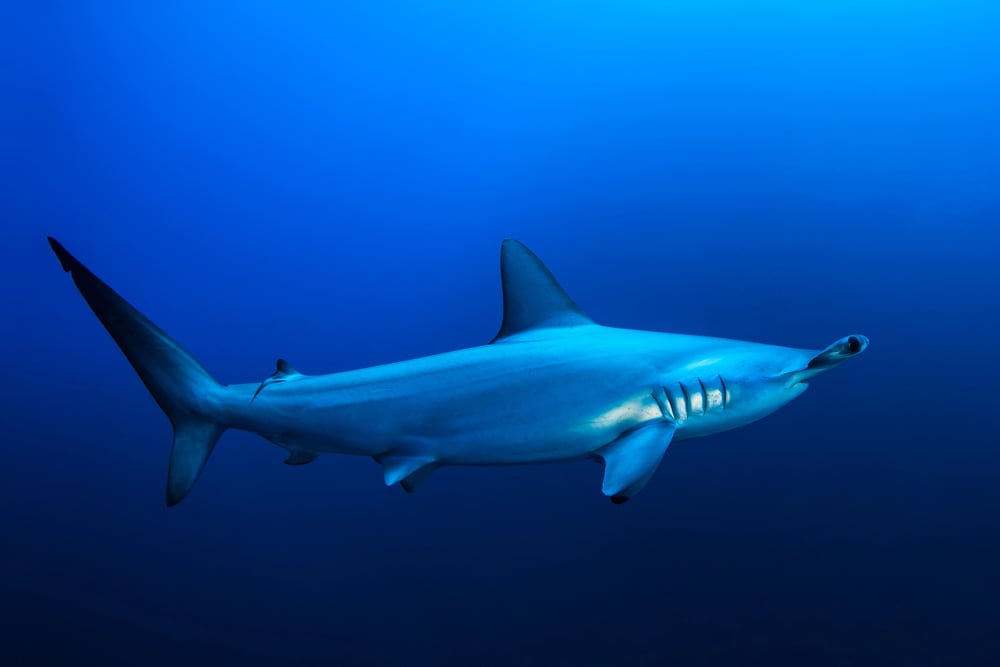
The scalloped hammerhead grows to about 12 ft (3.7 m) and has a head that is broadly arched and hammer-shaped, marked by a prominent indentation at midline. This ‘scalloped’ notch distinguishes them from their smooth hammerhead cousins. These sharks are famous for forming massive schools during the day around seamounts and islands, creating one of the ocean’s most spectacular sights. At night, they spread out to hunt alone in deeper waters.
Greenland Shark
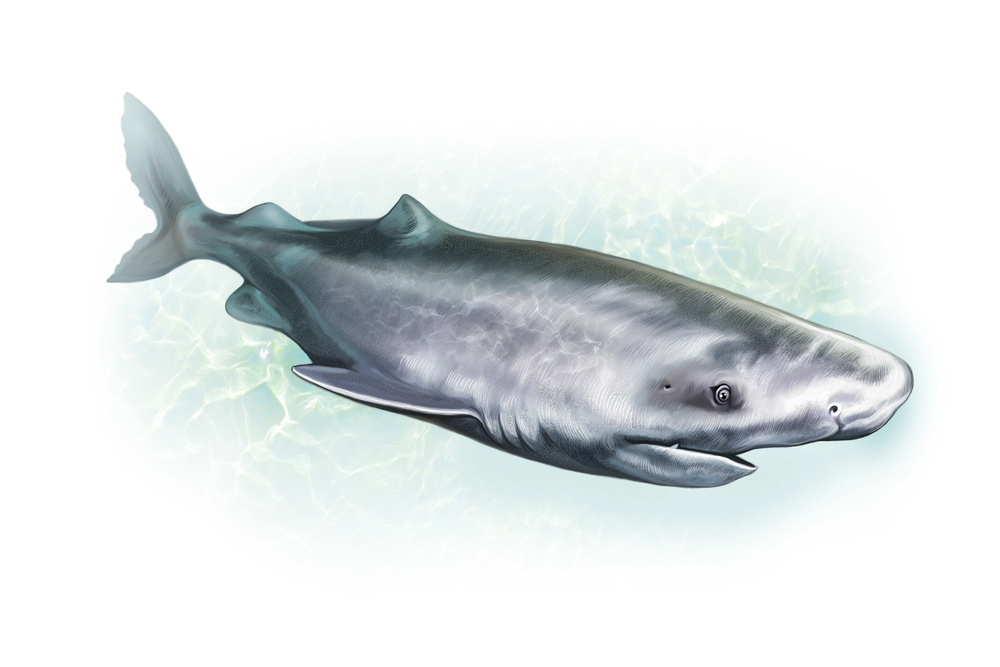
Greenland sharks are the ancient wanderers of the Arctic, and they might be the most mysterious sharks on our list. Greenland sharks, the longest-lived vertebrate animals in the world, have been measured at 6.4 metres long, or just under 21 feet. Scientists believe some individuals could be over 400 years old, meaning sharks alive today might have been swimming when Shakespeare was writing his plays. They move incredibly slowly in the frigid Arctic waters and have even been found with polar bear remains in their stomachs.
Goblin Shark
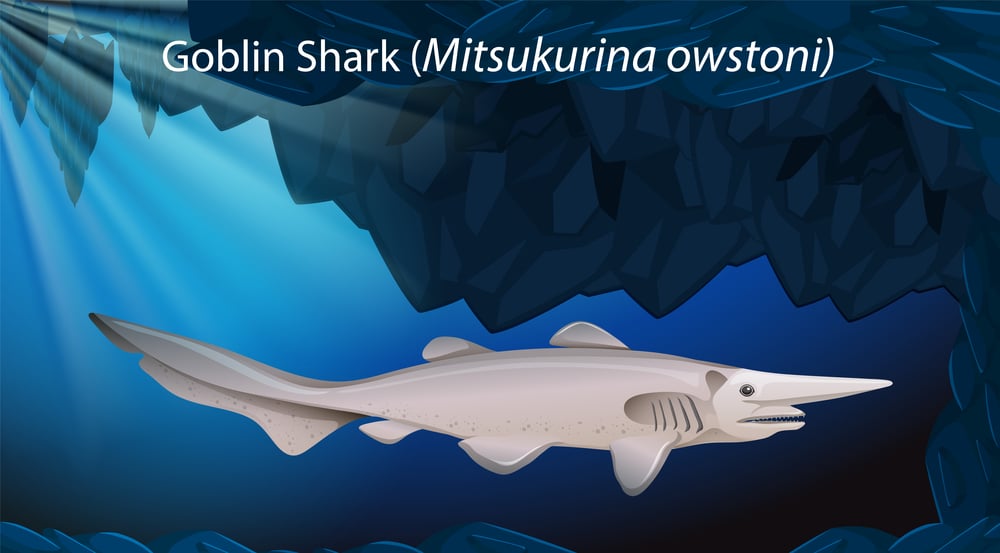
The goblin shark looks like something from a science fiction movie, with its bizarre extendable jaw that shoots out to catch prey. These deep-sea creatures are considered living fossils, virtually unchanged for millions of years. Their pink coloration and flattened snout make them instantly recognizable, though few people ever see them since they live in deep waters. When they feed, their jaws literally pop out of their mouth like a jack-in-the-box.
Angel Shark
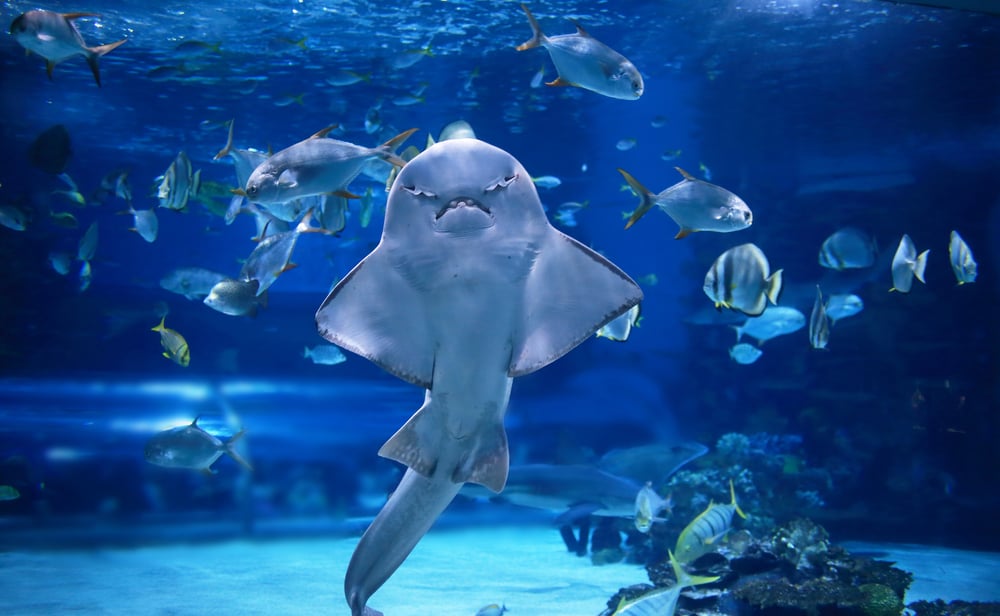
Angel sharks are masters of disguise that lie buried in sandy sea floors, waiting for unsuspecting fish to swim overhead. The common angelshark is a cartilaginous fish that once occurred in waters throughout the Mediterranean Sea and along the eastern Atlantic Ocean. Their flattened bodies and wing-like pectoral fins make them look more like rays than typical sharks. They’re ambush predators that can remain motionless for hours before striking with lightning speed.
Cookiecutter Shark
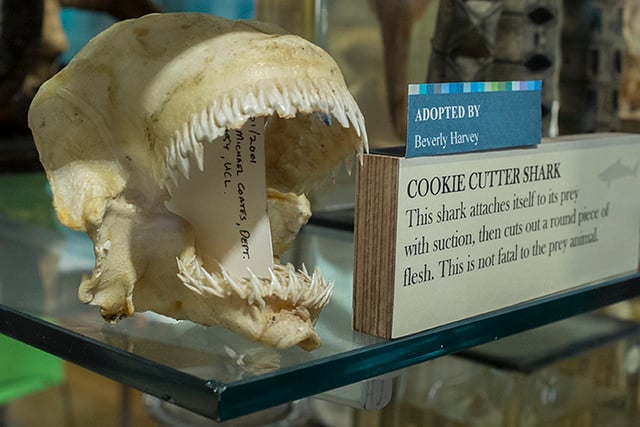
Cookiecutter sharks take small bites out of their prey leaving unique scarring. These small sharks have developed one of the ocean’s most unusual feeding strategies – they attach to large animals like whales, dolphins, and even submarines, then twist their bodies to remove a perfectly round chunk of flesh. The circular scars they leave behind are so distinctive that scientists can identify cookiecutter shark attacks on marine mammals from miles away.
From Ancient Seas to Modern Conservation
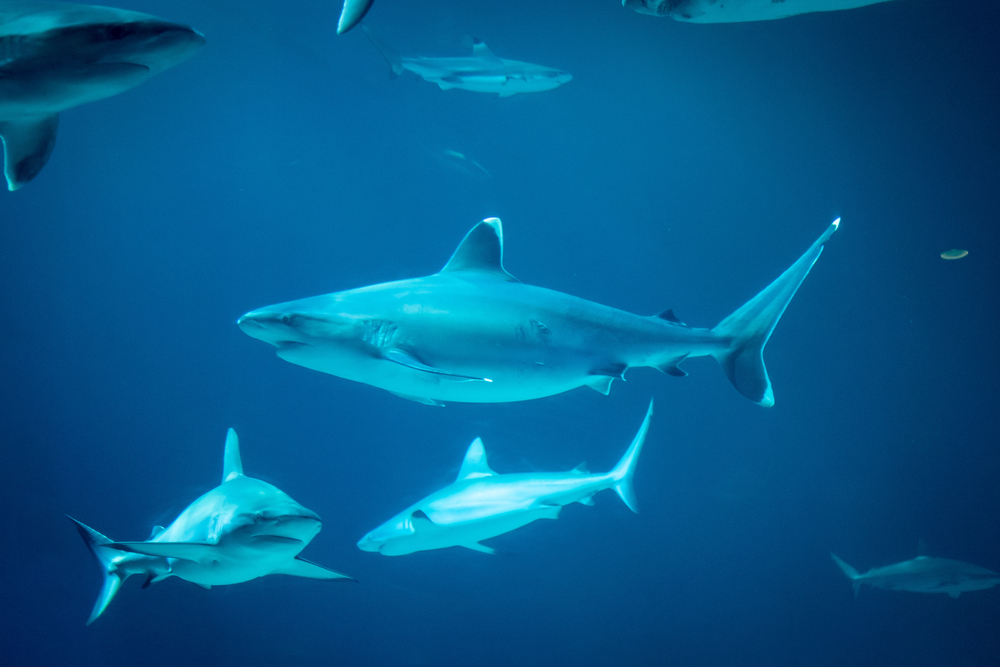
There are over 400 shark species, with around 100 million sharks killed annually, often targeted for their fins. These incredible creatures that have survived mass extinctions and adapted to every ocean environment now face their greatest challenge yet – us. Understanding the diversity and importance of different shark species isn’t just about satisfying curiosity; it’s about recognizing that each species plays a crucial role in maintaining healthy ocean ecosystems. From the tiny cookiecutter to the massive whale shark, every species represents millions of years of evolution perfectly adapted to their ecological niche.
More from Go2Tutors!

- The Romanov Crown Jewels and Their Tragic Fate
- 13 Historical Mysteries That Science Still Can’t Solve
- Famous Hoaxes That Fooled the World for Years
- 15 Child Stars with Tragic Adult Lives
- 16 Famous Jewelry Pieces in History
Like Go2Tutors’s content? Follow us on MSN.