15 Famous Museums That Got Robbed Blind
Museums are supposed to be safe havens for priceless art and cultural treasures, protected by state-of-the-art security systems and trained guards. But throughout history, bold thieves have proven that even the most secure institutions aren’t burglar-proof.
From Mission Impossible-style rope descents to broad daylight heists, these criminals have walked away with hundreds of millions in stolen masterpieces. Some of these cases remain unsolved decades later, while others have become legendary tales of daring and stupidity in equal measure.
Here is a list of 15 museums that learned the hard way that no vault is truly impenetrable.
Isabella Stewart Gardner Museum
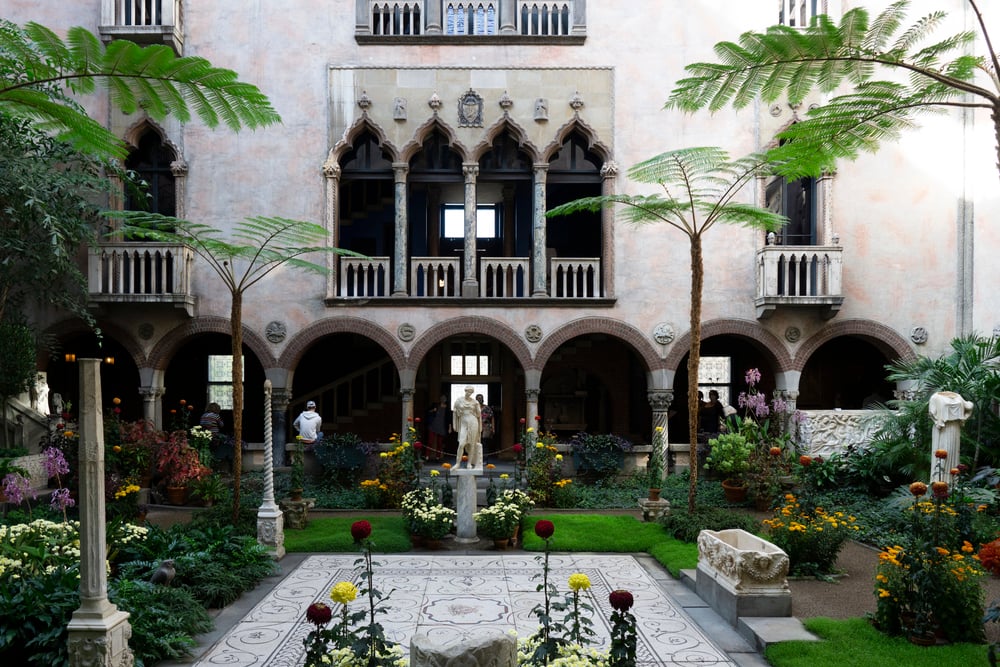
The granddaddy of all art heists happened in Boston on St. Patrick’s Day 1990. Two thieves dressed as police officers convinced a night guard to let them in, claiming they were responding to a disturbance call.
Once inside, they tied up both guards and spent 81 minutes casually selecting 13 masterpieces worth $500 million. They grabbed works by Vermeer, Rembrandt, and Degas, cutting some paintings right out of their frames with razor blades.
The bizarre part is what they left behind – they ignored several pieces worth more than what they took, suggesting they had no clue about art values.
Montreal Museum of Fine Arts
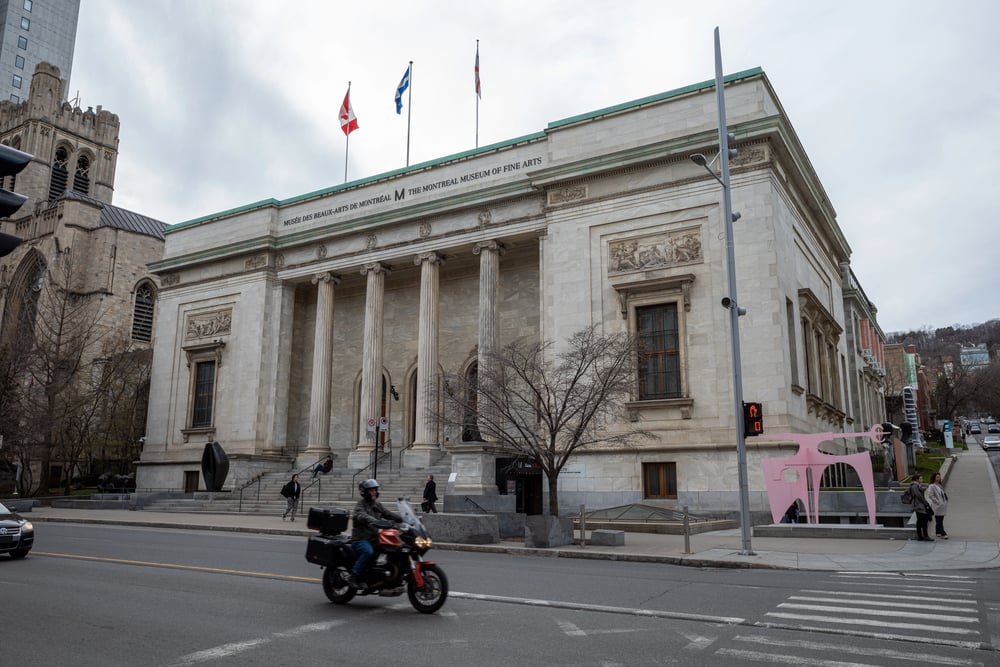
Canada’s biggest art theft reads like a Hollywood script from 1972. Three men climbed a tree beside the museum, scaled onto the roof using lineman spikes, and descended through a skylight that was under repair.
They slid down a 15-meter rope into the gallery and made off with 18 paintings, including a rare Rembrandt landscape. When a guard hesitated to follow orders, one thief fired a shotgun twice into the ceiling to make his point.
The crew later tried to ransom the art back for $250,000 but the deal fell through, and the paintings vanished forever.
The Louvre
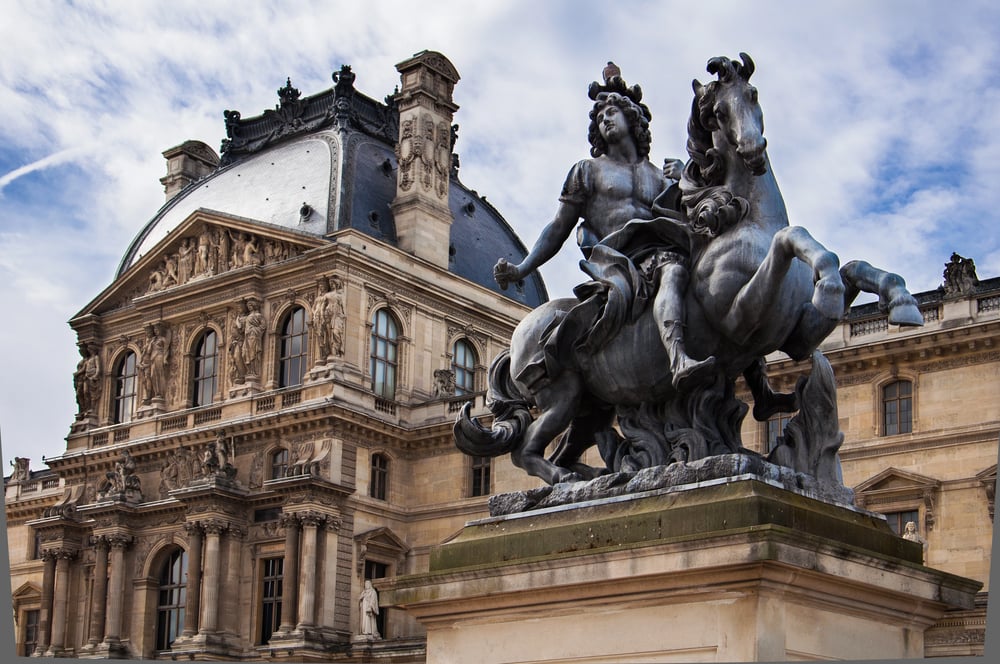
Before it became the world’s most famous painting, the Mona Lisa was just another artwork hanging in the Louvre – until Vincenzo Peruggia made it disappear in 1911. This Italian handyman simply hid in a closet overnight, walked out with the painting under his coat the next morning, and kept it in his apartment for two years.
Nobody even noticed it was missing for 28 hours. The theft turned Da Vinci’s mysterious lady into a global sensation, with newspapers covering the international manhunt.
Peruggia was eventually caught when he tried to sell it in Florence, claiming he was a patriotic hero returning Italian art to its homeland.
Munch Museum

Two armed men walked into Oslo’s Munch Museum in broad daylight in 2004, threatened visitors and guards at gunpoint, and calmly removed ‘The Scream’ and ‘Madonna’ from the walls. The whole operation took just a few minutes during regular museum hours.
What made this heist particularly puzzling was that it didn’t seem motivated by money – the paintings were too famous to sell on any black market. The works were recovered two years later, but investigators never figured out the real motive behind one of Europe’s most brazen art thefts.
Musée d’Art Moderne de la Ville de Paris
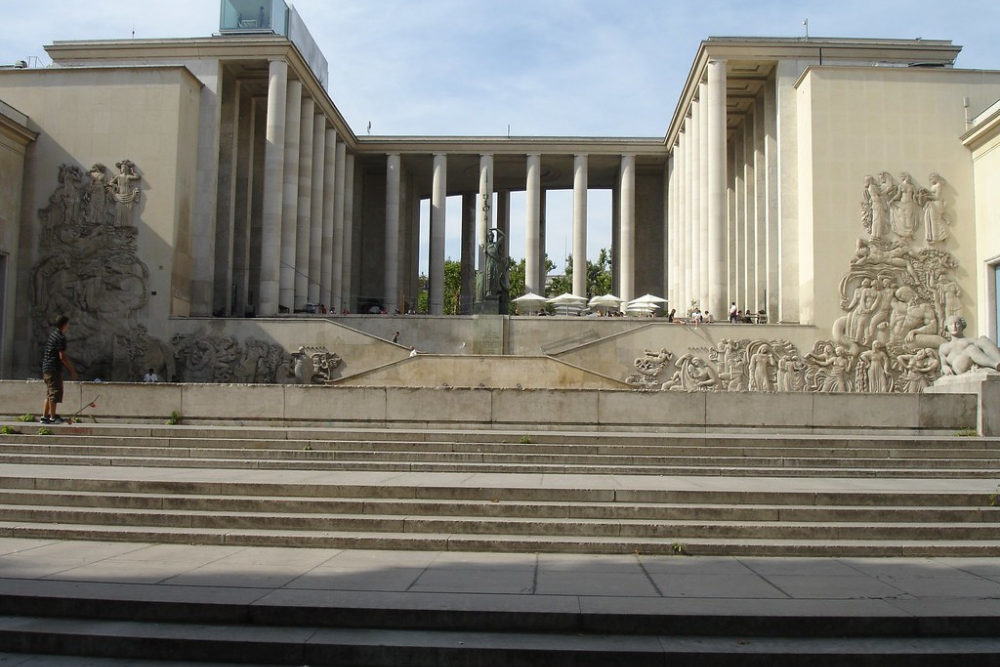
A cat burglar nicknamed ‘Spider-Man’ pulled off one of the slickest heists in Paris history in 2010. Vjeran Tomic had been casing the museum for weeks, even spraying acid on a window to weaken it for his eventual break-in.
He squeezed through that window one night and initially planned to steal just one painting. But when the alarm didn’t sound, he got greedy and grabbed four more masterpieces by Picasso, Matisse, Modigliani, and Braque worth $70 million.
The paintings have never been recovered, and Tomic’s accomplices may have destroyed them when the heat got too intense.
Dresden Green Vault

Germany’s royal treasure chamber suffered what might be the fastest billion-dollar heist in history during 2019. Thieves cut the power to the building at 4 a.m. and had exactly one minute before backup systems kicked in.
They smashed display cases with an axe and grabbed priceless jewelry including a sword encrusted with 800 diamonds and the 49-carat Dresden White Diamond. The total haul was valued at $1.2 billion, making it one of the largest thefts ever.
Six men were eventually arrested, but most of the treasure remains missing and may have been broken down and sold piecemeal.
Van Gogh Museum

Amsterdam’s Van Gogh Museum learned that even modern security couldn’t stop determined thieves in 2002. Two men nicknamed ‘the Monkey’ used a ladder to scale the building’s exterior wall, then smashed through a window with sledgehammers.
They escaped with two paintings worth millions before disappearing into the night. The theft was particularly bold because it happened in one of the world’s most security-conscious cities.
Both paintings were eventually recovered, but not before a lengthy international investigation that involved organized crime connections.
Singer Laren Museum

The COVID-19 pandemic created unexpected opportunities for criminals, as this Dutch museum discovered in March 2020. With most institutions closed due to lockdowns, a thief used a sledgehammer to break into the eerily quiet building and walked off with a Van Gogh painting on loan from another museum.
The work, ‘The Parsonage Garden at Nuenen in Spring,’ was painted in 1884 and represents one of Van Gogh’s early masterpieces. The timing seemed deliberately chosen to take advantage of reduced security during the global crisis.
Ashmolean Museum
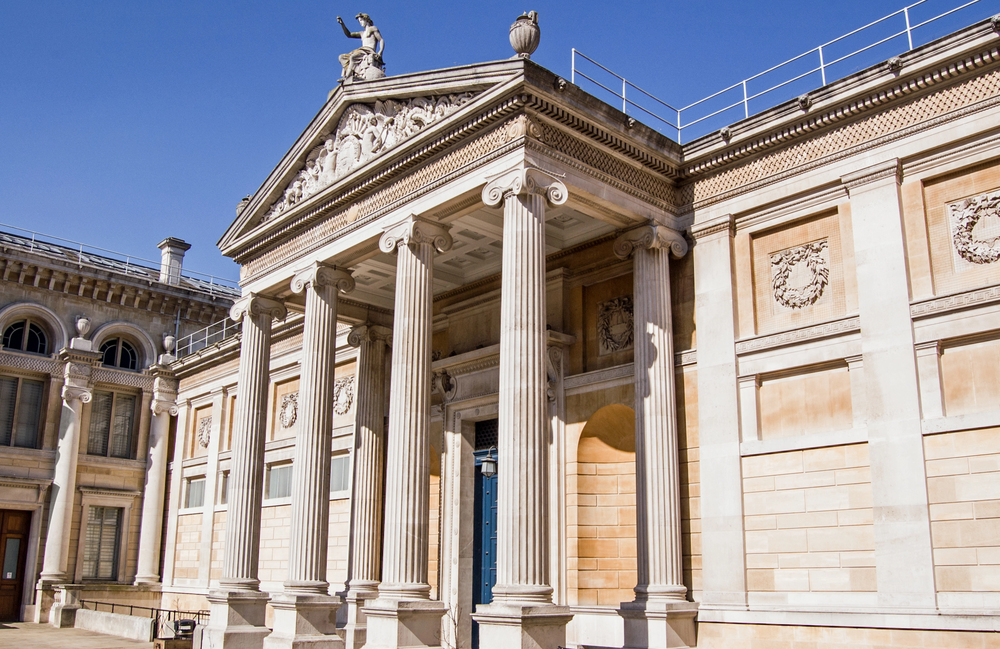
Oxford’s Ashmolean Museum fell victim to a Mission Impossible-style heist on New Year’s Eve 1999. As party-goers celebrated the new millennium, a lone thief rappelled through a skylight, tossed smoke canisters to confuse security cameras, and made off with a Cézanne painting worth $4.8 million.
The Hollywood-esque break-in was meticulously planned and perfectly executed. The painting, ‘View of Auvers-sur-Oise,’ has never been recovered despite international efforts to track it down.
Kunsthal Rotterdam

Seven paintings by masters like Picasso, Monet, and Matisse disappeared from this Dutch museum in 2012 in what should have been a straightforward theft. Unfortunately, this story has a devastating ending that every art lover dreads.
When Romanian thieves Radu Dogaru and his accomplices couldn’t find buyers for the hot masterpieces, Dogaru’s mother Olga reportedly burned them in her wood stove to destroy evidence. Investigators later found ashes and nail fragments consistent with canvas and paint in the stove, suggesting $100 million worth of irreplaceable art went up in smoke.
Musée Marmottan Monet
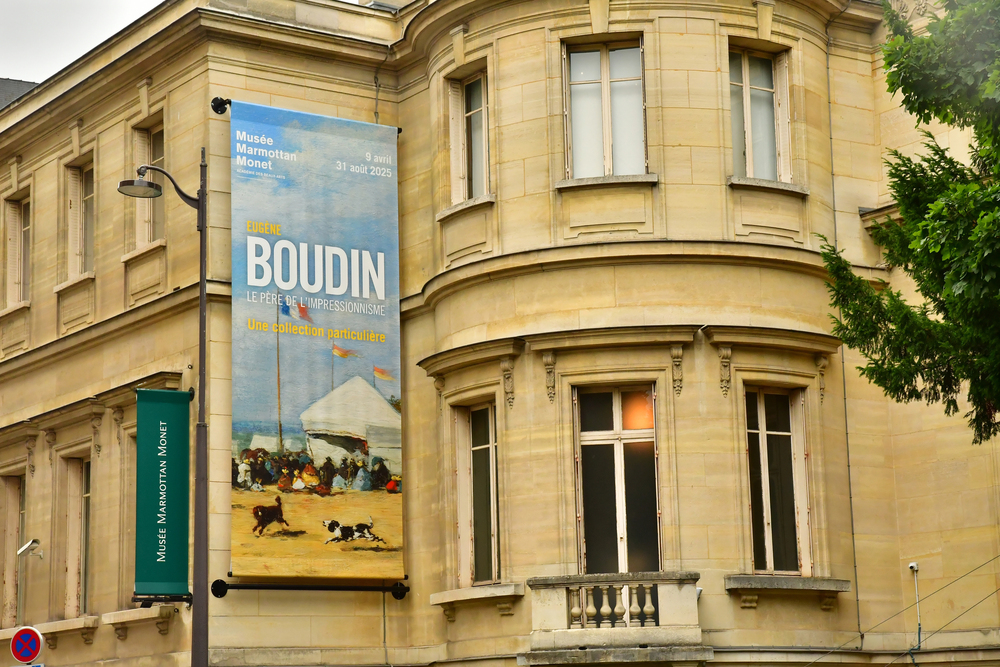
Five armed thieves stormed into this Paris museum during opening hours in 1985, forcing visitors and guards to lie on the floor while they selected nine Impressionist masterpieces. The crown jewel of their haul was Monet’s ‘Impression, Sunrise’ – the painting that gave the entire Impressionist movement its name.
They also grabbed works by Renoir and Berthe Morisot before vanishing into the city. The paintings were recovered five years later in Corsica after a member of the Japanese mafia involved in the heist was arrested, proving that art theft truly is an international business.
Whitworth Art Gallery

Sometimes the most embarrassing part of an art theft isn’t losing the paintings – it’s where they turn up afterward. Three watercolors by Van Gogh, Picasso, and Gauguin were stolen from this Manchester gallery in 2003, but the story took a ridiculous turn when police received an anonymous tip.
The masterpieces were found two days later stashed behind a public restroom in a local park. British tabloids couldn’t resist dubbing the bathroom hideout ‘the Loovre,’ and the incident became a source of bemused embarrassment for the art world.
Worcester Art Museum

This Massachusetts museum got hit by professionals in 1972 who knew exactly what they wanted. Two men working for a career criminal named Florian Monday walked in and walked out with four paintings, including the museum’s prized Rembrandt.
The theft was part of a larger pattern of art crimes that plagued American museums during the 1970s. While some of the Worcester pieces were eventually recovered, others remain missing, demonstrating how organized crime networks used stolen art as portable currency for decades.
National Gallery Oslo

‘The Scream’ has actually been stolen twice, and the first theft in 1994 was even more audacious than the 2004 heist. Thieves scaled a ladder, broke a window, and snatched Munch’s iconic painting while leaving behind a mocking note that read ‘Thanks for the poor security.’
They later demanded $1 million in ransom, timing their crime to coincide with the Winter Olympics when Norway was in the global spotlight. The painting was recovered three months later, but not before becoming the poster child for inadequate museum security worldwide.
Montreal Museum of Fine Arts (2011)

The same Montreal museum that suffered Canada’s biggest art theft got hit again almost 40 years later, this time by a much more subtle thief. A visitor calmly walked through the galleries in 2011 and simply removed a small Persian relief from the wall, slipping it into his bag in broad daylight.
He returned weeks later and pulled the same trick with a Roman marble sculpture. The brazen daylight thefts weren’t discovered until security footage was reviewed.
One piece was eventually recovered when someone tried to sell it in Edmonton, but the Roman sculpture remains missing.
From Castles to Bunkers
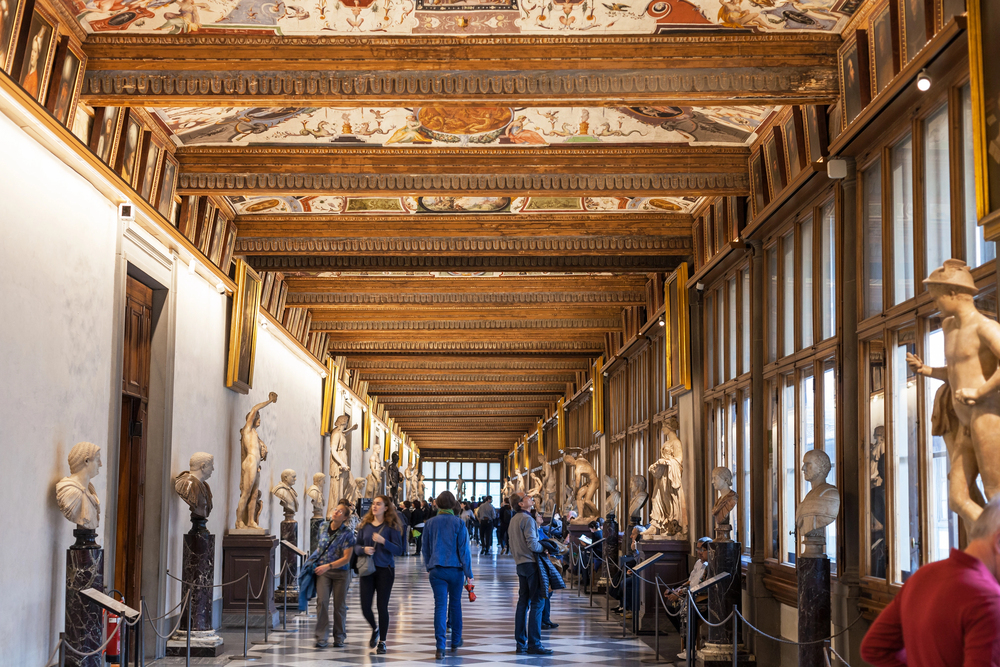
The thread connecting all these heists isn’t just the staggering dollar amounts or the brazen methods – it’s how they changed the way we think about protecting cultural treasures. The Isabella Stewart Gardner Museum still displays empty frames where the stolen paintings once hung, a haunting reminder that even four decades later, some wounds never heal.
Meanwhile, the Montreal Museum’s 1972 theft proved that sometimes the most elaborate security systems are no match for three guys with climbing spikes and a good ladder. These cases show that human ingenuity – whether used for good or evil – will always find ways around even the most sophisticated defenses, turning our most sacred cultural spaces into crime scenes that capture the world’s imagination.
More from Go2Tutors!

- The Romanov Crown Jewels and Their Tragic Fate
- 13 Historical Mysteries That Science Still Can’t Solve
- Famous Hoaxes That Fooled the World for Years
- 15 Child Stars with Tragic Adult Lives
- 16 Famous Jewelry Pieces in History
Like Go2Tutors’s content? Follow us on MSN.More from Go2Tutors!
- The Romanov Crown Jewels and Their Tragic Fate
- 13 Historical Mysteries That Science Still Can’t Solve
- Famous Hoaxes That Fooled the World for Years
- 15 Child Stars with Tragic Adult Lives
- 16 Famous Jewelry Pieces in History
Like Go2Tutors’s content? Follow us on MSN.