16 Unusual Pet Laws in America
America’s love affair with pets has created some truly bizarre legal situations over the years. From circus elephants causing parking headaches to ferrets being banned for environmental concerns, lawmakers have crafted some wonderfully weird regulations that’ll make you scratch your head and chuckle at the same time.
These strange laws often stem from very real historical situations—like traveling circuses bringing exotic animals to small towns, or concerns about invasive species disrupting local ecosystems. While some of these regulations make perfect sense when you understand their origins, others seem downright ridiculous by today’s standards.
Here’s a list of 16 unusual pet laws that are still technically on the books across America today.
California’s Ferret Ban

California and Hawaii are the only two states that completely ban ferrets as pets. This prohibition dates back to 1933, making it one of the oldest exotic pet bans in the country. The California Department of Fish and Wildlife justifies the ban by saying abandoned or escaped pet ferrets would pose a threat to native wildlife and natural resources if they established a feral population.
Violating this law can result in fines up to $1,000 and even jail time. Though prosecutions are rare.
No Pets in Hair Salons in Juneau, Alaska

In Juneau, Alaska, no animal can ‘enter into any barber shops or establishments for the practice of hairdressing or beauty culture’. This means your pampered pooch can’t accompany you for your weekly trim, no matter how well-behaved they might be. The law likely exists to maintain hygiene standards in establishments that handle sharp tools and chemicals around people’s faces—which makes sense when you think about it.
Elephant Parking Meter Laws in Florida
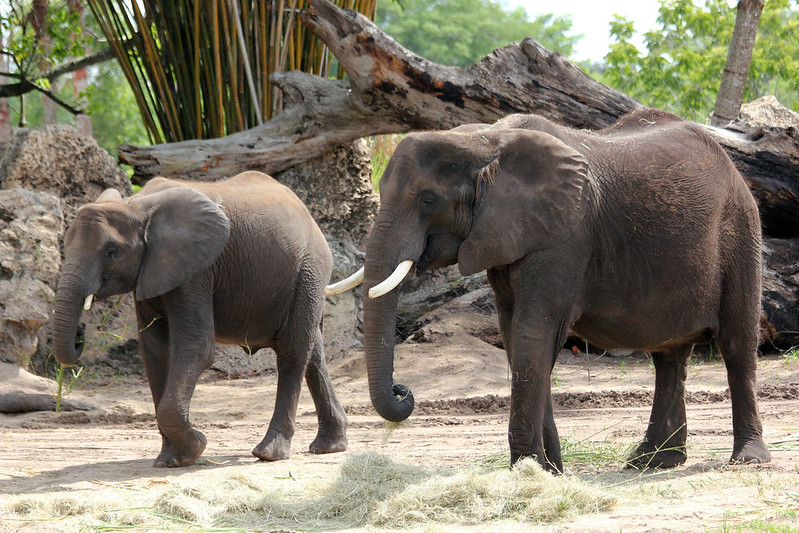
Florida technically still has a law on the books fining you for leaving an elephant at a parking meter and letting that meter expire. This law originated in Sarasota, where John Ringling moved his circus’s winter operations in 1927. Elephants were used for heavy lifting and moving work while erecting circus tents, and were possibly left temporarily at metered parking spots. Though there’s no record of recent enforcement, it remains a amusing reminder of Florida’s circus history.
West Virginia’s Ferret Hunting Ban
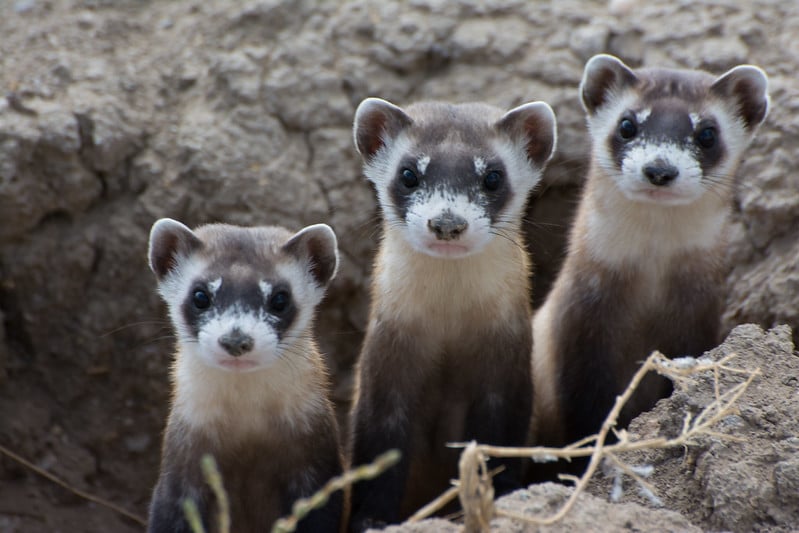
According to West Virginia Code section 20-2-5(a)(12), any attempt to ‘hunt, catch, take, kill, injure, or pursue a wild animal or wild bird with the use of a ferret’ is a misdemeanor. This law recognizes that domestic ferrets aren’t exactly known for their hunting prowess—they’re more likely to take a nap than catch anything in the wild. The regulation ensures that hunters stick to more traditional and effective methods.
New York City’s Ferret Prohibition
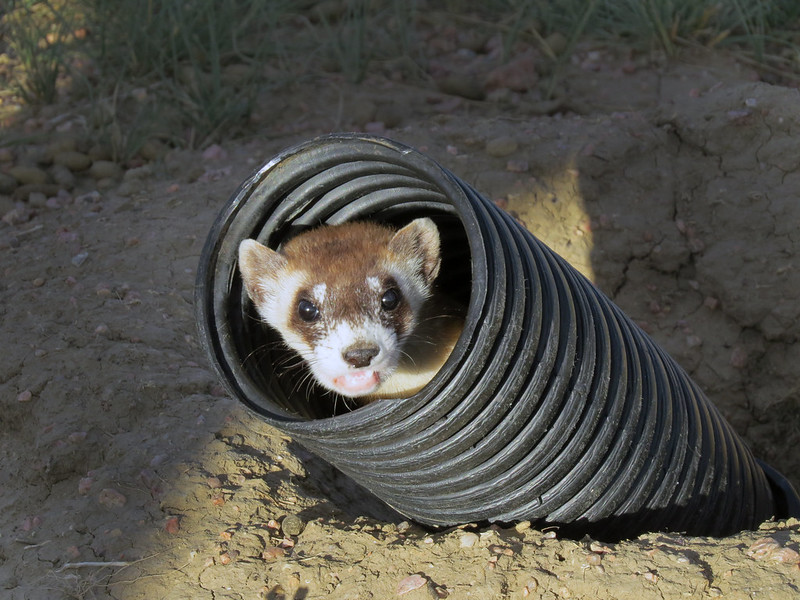
While New York state allows ferret ownership, New York City has banned ferrets entirely. The city health department claims ‘ferrets are known for their unpredictable behavior, and they are prone to vicious, unprovoked attacks on humans’. They were banned in the city in 1999 by Mayor Rudolph Giuliani. Ferret enthusiasts argue this characterization is unfair, but the ban remains in effect across all five boroughs. Go figure.
Montana’s Railroad Animal Laws

In Montana, it’s illegal to guide an animal onto a railroad track with the intent to injure the train.
What’s particularly interesting? The law focuses on protecting the train rather than the animal. If the train is damaged, the person responsible may face a fine of up to $50,000, five years in jail, or both. This unusual priority in the law’s wording suggests that train damage was a more pressing concern than animal welfare when it was written.
Ohio’s Horse Mating Restrictions

In Ohio, no horse owner is allowed to let their stallion mate with a mare anywhere near a public street or alley. Still, the law gets more specific—it only applies to male equines, so technically if a mare starts the encounter, it would be completely legal. This gender-specific restriction creates an amusing legal loophole that probably wasn’t intentional but exists nonetheless.
Georgia’s Protected Wildlife Regulations
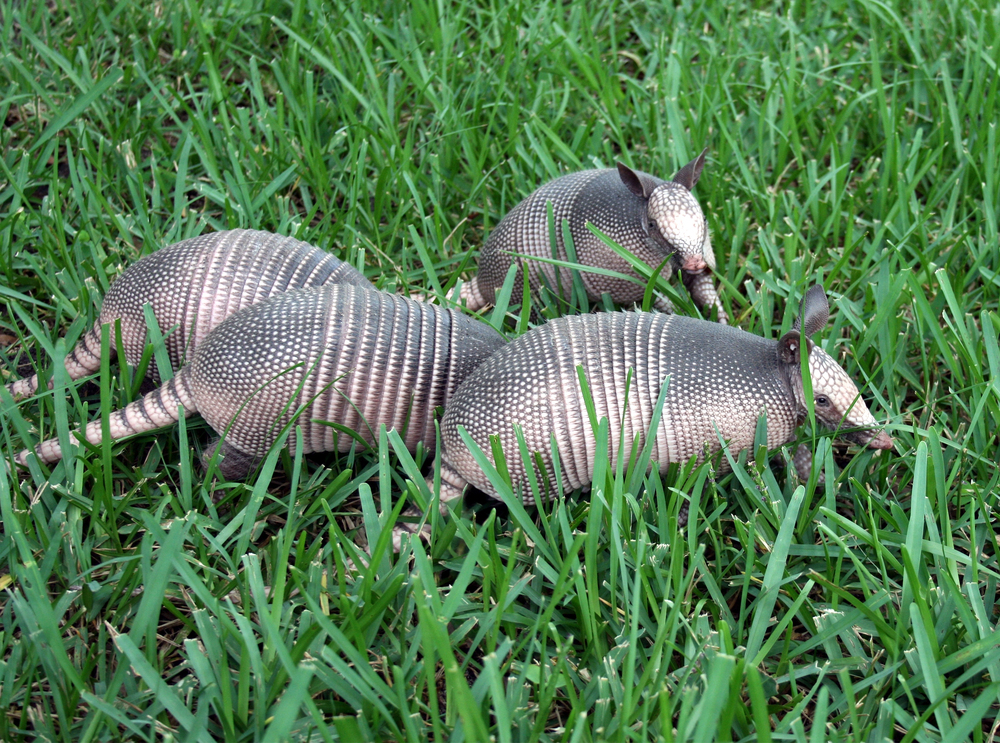
Georgia prohibits holding live armadillos, coyotes, groundhogs, and beaver without proper permits or licenses. The state also has strict rules about native species. All species of birds encountered in wild Georgia are protected by state and federal laws except English sparrows, European starlings, and pigeons. These regulations help protect Georgia’s native ecosystem from well-meaning but misguided pet enthusiasts.
Hawaii’s Strict Ferret Laws
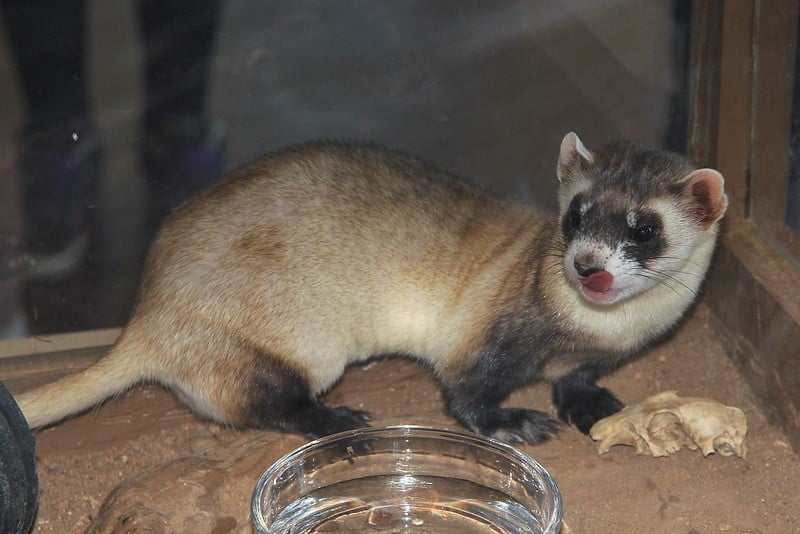
Hawaii law strictly forbids pet ferrets on the grounds of being potential carriers of the rabies virus. This is particularly interesting since for an animal to catch rabies, it must come in contact with an infected animal. Given Hawaii’s isolated location and strict quarantine laws for incoming animals, the actual risk of rabies transmission from ferrets seems minimal. Even so, the state maintains this prohibition.
California’s Jumping Frog Competition Laws
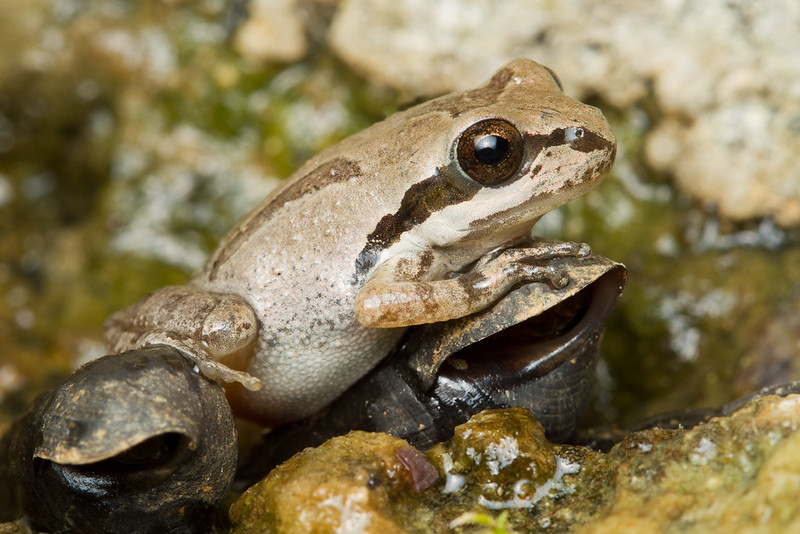
In California, while any person may possess live frogs to use in frog-jumping competitions, if such a frog dies or is killed, the frog may not be eaten or used for any other purpose. This law protects competition frogs from becoming someone’s dinner after a disappointing performance. It’s an oddly specific regulation that suggests someone tried to make frog legs out of failed competitors at some point—which is both disturbing and weirdly creative when you think about the entrepreneurial spirit involved.
Washington’s Bigfoot Protection Laws

Skamania County, Washington considers the Sasquatch, Yeti, Bigfoot, or ‘Giant Hairy Ape’ an endangered species, and slaying one is a misdemeanor punishable by one year in county jail, a $1,000 fine, or both. This ordinance was adopted on April 1, 1969 (April Fool’s Day), but it remains legally binding. Whether this law has ever been tested in court remains a mystery.
Pennsylvania’s Dog Chasing Laws

In Pennsylvania, if your dog is seen chasing you by someone who doesn’t understand the dynamic, that person can legally eliminate your dog. This law creates a dangerous misunderstanding where playful behavior between owners and pets could be mistaken for an attack. The regulation puts the burden on observers to correctly interpret the situation, which can lead to tragic mistakes. Pretty unsettling stuff.
Minneapolis Tethering Restrictions

In Minneapolis, it’s illegal to tether a dog, or any other animal, to a post, pole, or tree within city limits. This law aims to prevent animal abandonment and ensure pets receive proper care and attention.
Unlike many unusual pet laws, this one serves a clear animal welfare purpose by preventing owners from leaving their pets unattended for extended periods.
Quaker Parakeet Bans
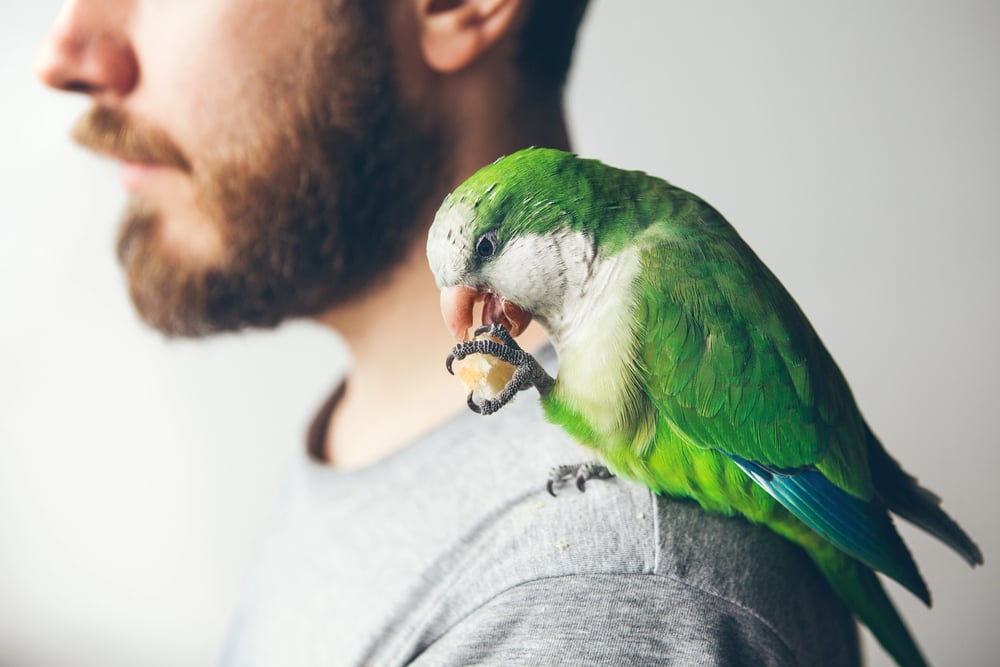
Quaker parakeets are currently illegal to own in California, Connecticut, Colorado, Georgia, Hawaii, Kentucky, Pennsylvania, Rhode Island, Tennessee, and Wyoming. The reason for these strict regulations is that these formerly-popular household pets have been known to escape and form colonies in the wild, causing damage to local agriculture. In some states like Ohio, New York, Virginia, Vermont, Maine, and New Jersey, ownership is possible with proper permits and microchipping.
New Jersey’s Pet Seatbelt Requirements

New Jersey’s laws regarding animal treatment have dog-owning motorists concerned about potential penalties for drivers with unrestrained dogs in cars, with fines ranging from $250 to $1,000 per offense. Police Superintendent Col. Frank Rizzo clarified that ‘dogs and cats become projectiles in a crash’, making this safety regulation more sensible than it initially appears. The law requires pets to be in crates or wearing special seatbelts while traveling.
Alaska’s Elephant Farming Ban
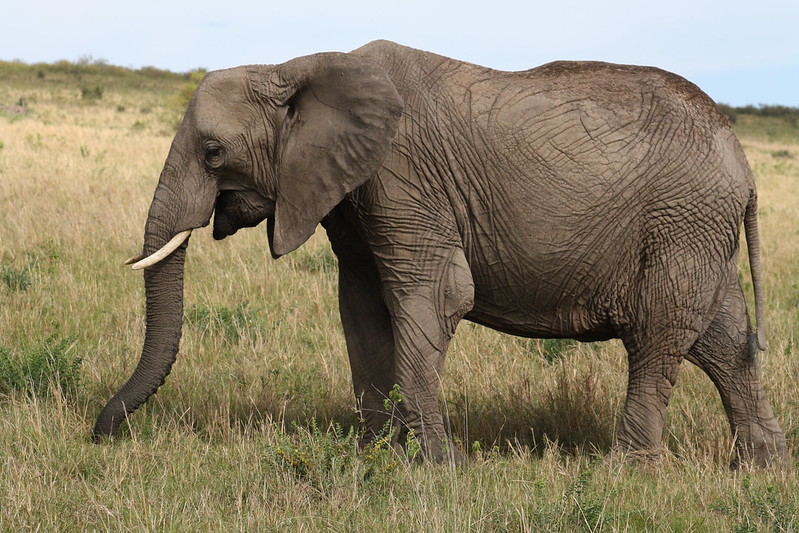
While not explicitly mentioned in current searches, historical records indicate Alaska once had regulations preventing the use of elephants for agricultural work. This makes sense given Alaska’s climate—elephants would be thoroughly miserable in sub-zero temperatures. The law likely existed to prevent circus owners from attempting to use their animals for farming during Alaska’s brief growing season, protecting both the elephants and any farmers who might have gotten creative with their labor choices.
From Circus Days to Modern Pet Ownership

These unusual pet laws tell the story of America’s evolving relationship with animals. Many originated during the golden age of traveling circuses, when exotic animals regularly passed through small towns, creating unexpected situations that required immediate legal solutions. Others reflect genuine environmental concerns about invasive species or public safety issues that arose as pet ownership became more diverse and exotic.
While some of these laws seem ridiculous today, they remind us that behind every strange regulation lies a real situation that prompted lawmakers to say ‘we need a rule about this.’ Whether it’s protecting trains from vengeful animal owners or ensuring ferrets don’t overrun California, these laws represent creative solutions to problems most of us never knew existed.
More from Go2Tutors!

- 16 Historical Figures Who Were Nothing Like You Think
- 12 Things Sold in the 80s That Are Now Illegal
- 15 VHS Tapes That Could Be Worth Thousands
- 17 Historical “What Ifs” That Would Have Changed Everything
- 18 TV Shows That Vanished Without a Finale
Like Go2Tutors’s content? Follow us on MSN.