Luxury Fruits Sold at High Prices
Walking through a high-end department store in Tokyo or Dubai, you might spot a single melon wrapped in cushioned packaging, priced higher than a month’s rent. This isn’t a mistake.
The world of luxury fruits operates on its own logic, where perfection, rarity, and cultural significance push prices into territory that most people find baffling. But these fruits exist, people buy them, and the market keeps growing.
Square Watermelons That Cost More Than Round Ones
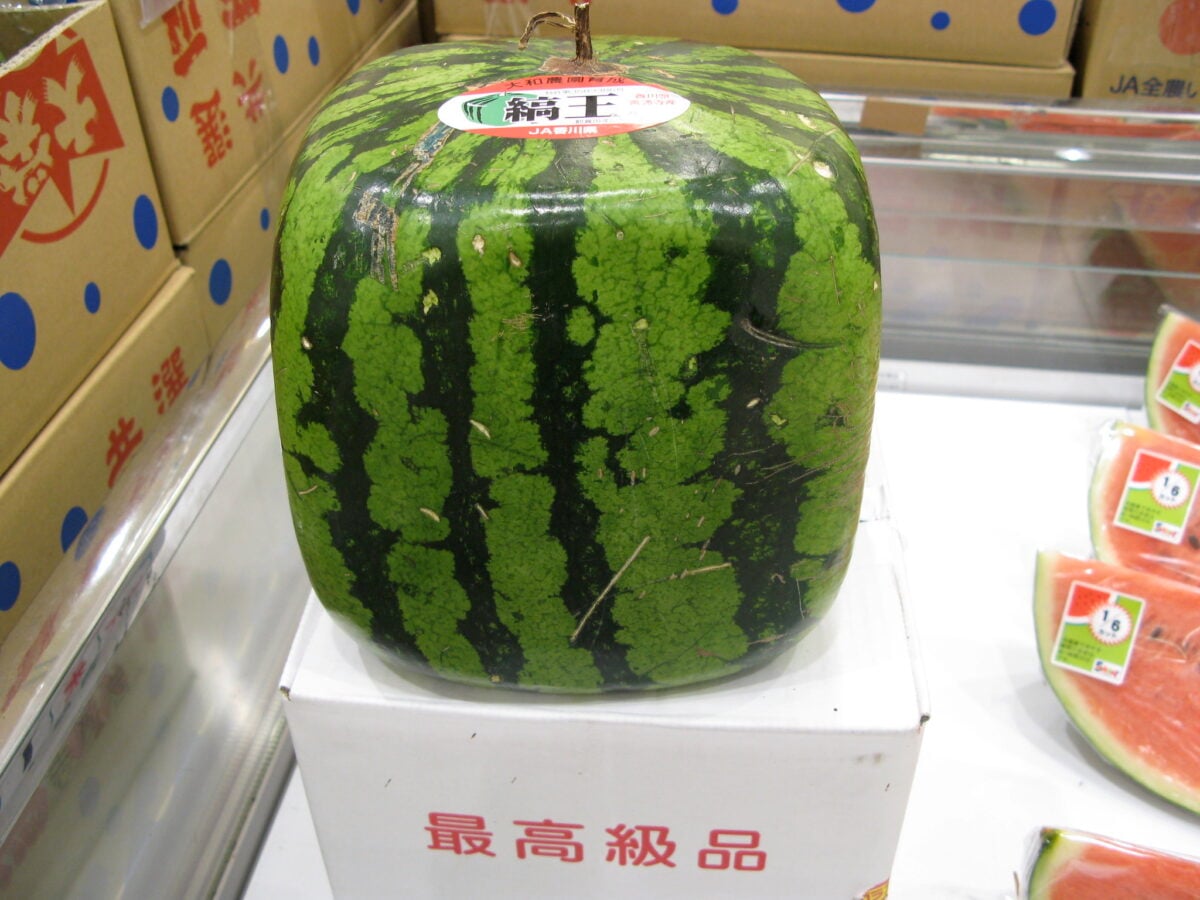
Japanese farmers grow watermelons in glass boxes, forcing them into perfect cube shapes as they develop. The result looks like something from a geometry textbook.
These square watermelons sell for $100 to $200 each, sometimes more during peak season. The shape makes them easier to stack and store in small Japanese refrigerators.
But that practical benefit doesn’t fully explain the price. These watermelons serve as decorative items more than food.
Many people display them rather than eat them. The novelty factor drives demand, and farmers produce limited quantities, keeping prices high.
Densuke Watermelon From Hokkaido
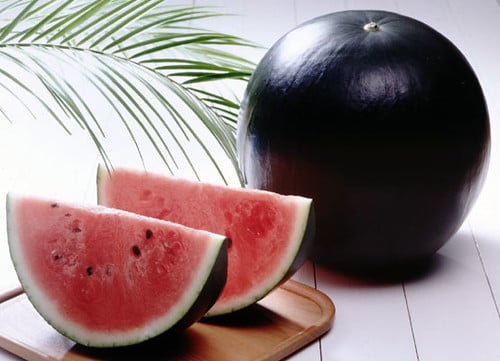
Only about 10,000 Densuke watermelons grow each year, all on the northern Japanese island of Hokkaido. The black rind makes them instantly recognizable.
One sold at auction for $6,100 in 2008. These watermelons taste sweeter than regular varieties, with crisp flesh and fewer seeds.
But the taste alone doesn’t justify the price tag. Scarcity plays a bigger role.
The limited growing region and small annual harvest create competition among buyers. People purchase them as luxury gifts, particularly for business relationships where expensive presents carry social meaning.
Yubari King Melons Command Auction Prices
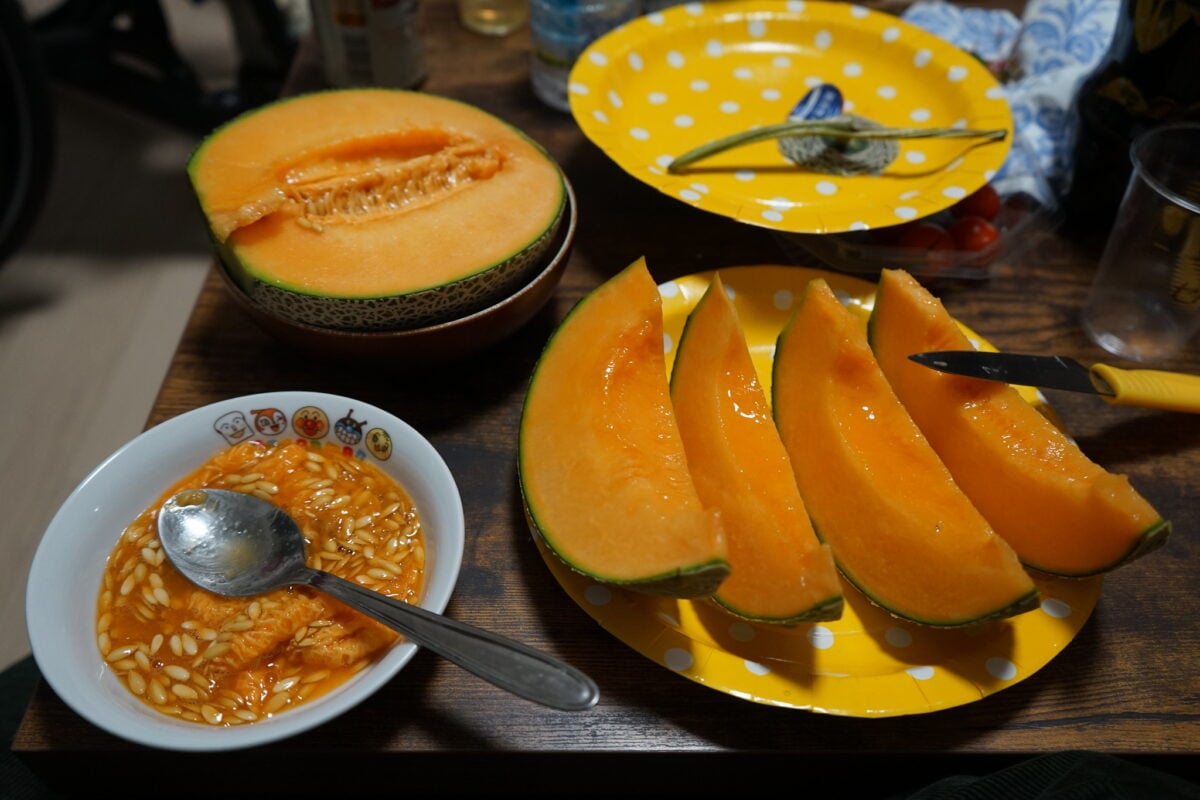
Two Yubari King melons sold for $29,000 at a 2019 auction in Japan. These melons come from Yubari city in Hokkaido, where specific growing conditions produce fruit with perfect symmetry and intense sweetness.
Farmers pamper each melon, growing only one or two per vine to concentrate all the plant’s energy. The auction system inflates prices beyond what even wealthy consumers would normally pay.
Companies buy these melons for publicity, using them as marketing tools. But regular Yubari Kings still sell for $200 to $500 per pair in upscale fruit shops.
The melon represents the pinnacle of Japanese fruit cultivation, where appearance matters as much as taste.
Ruby Roman Grapes Set Records
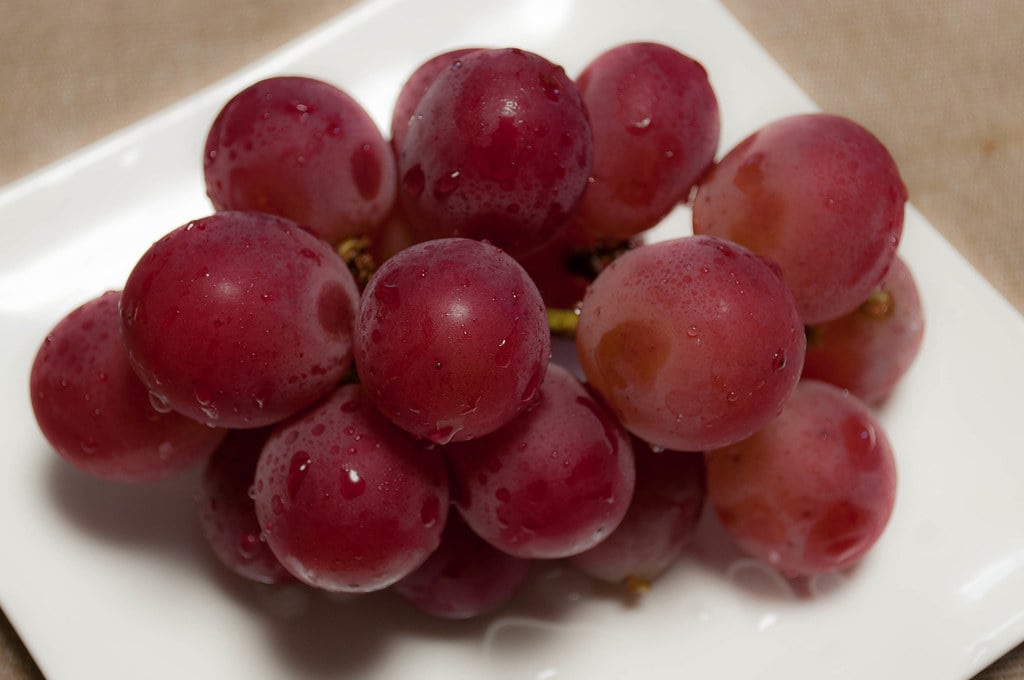
A single bunch of Ruby Roman grapes fetched $12,000 at auction in 2020. Each grape in the bunch must meet strict criteria: 20 grams minimum weight, 3 centimeters minimum diameter, and 18% sugar content.
Anything less doesn’t qualify for the Ruby Roman designation. These grapes grow only in Ishikawa Prefecture.
Farmers spend years perfecting their technique, and most bunches don’t pass inspection. The ones that do become status symbols. You eat them one at a time, savoring each grape individually.
The experience feels absurd when you calculate the cost per bite, but that’s partly the point.
Sembikiya Queen Strawberries

Tokyo’s Sembikiya fruit parlor sells strawberries for $70 per box. Each strawberry must achieve identical size, shape, and color.
Workers inspect them multiple times, removing any with blemishes. The strawberries taste excellent, but so do many varieties that cost a fraction of the price.
What you’re buying is visual perfection. These strawberries look like they were designed by a committee obsessed with uniformity.
Japanese gift-giving culture values this kind of meticulous presentation. The strawberries say something about how much effort you put into selecting a gift, which matters in business and personal relationships.
Taiyo no Tamago Mangoes From Miyazaki
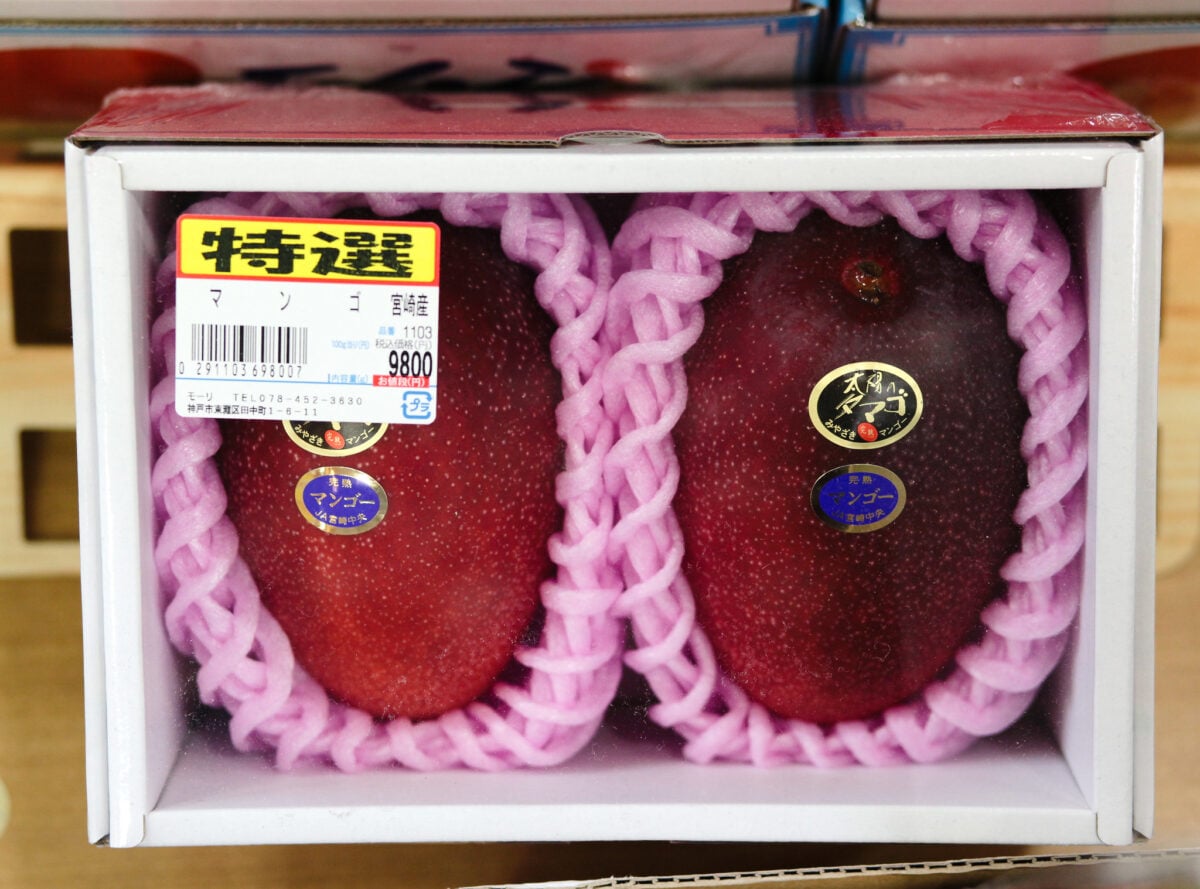
These “Egg of the Sun” mangoes sell for $50 to $3,000 depending on grade. The most expensive ones meet standards that include weight over 350 grams, sugar content above 15%, and flawless appearance.
Farmers grow them in greenhouses, protecting each mango with a small net during development. The flavor profiles of these mangoes genuinely differ from regular varieties.
They’re sweeter and less fibrous. But even enthusiasts admit that a $3,000 mango doesn’t taste 100 times better than a $30 one.
The price reflects craftsmanship, exclusivity, and the Japanese philosophy of pursuing perfection in every detail.
Dekopon Citrus Fruits With Perfect Sweetness
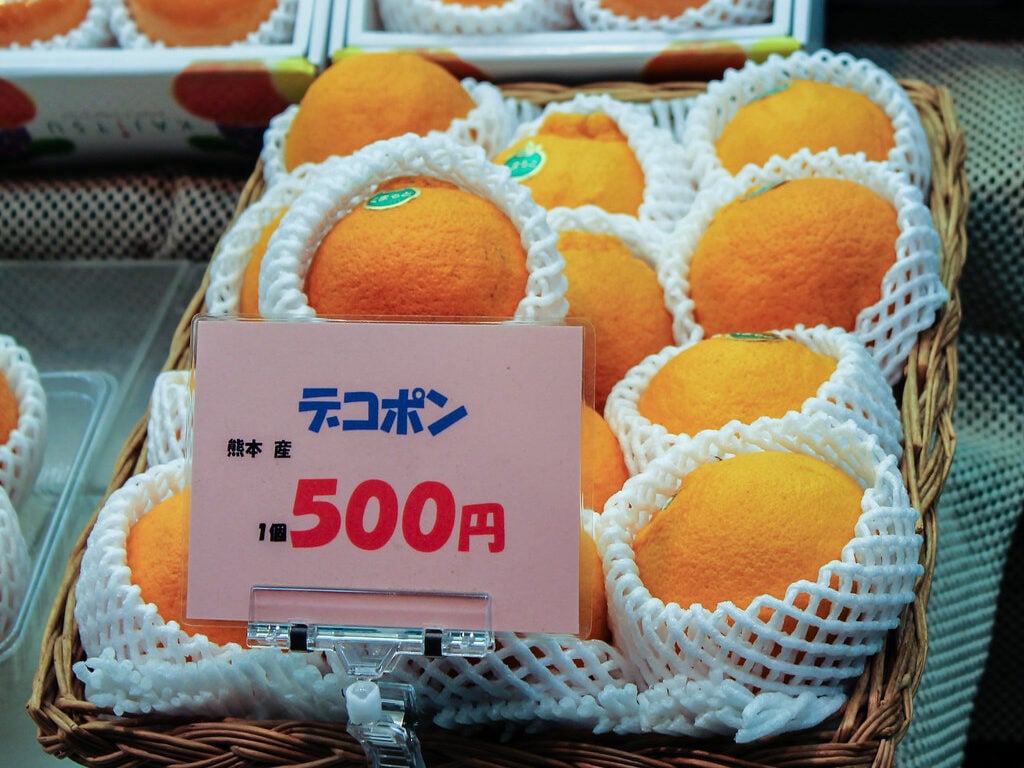
Dekopons sell for $5 to $80 each, depending on quality. This seedless citrus fruit combines the best traits of oranges and mandarins.
The top of the fruit bulges distinctively, making it easy to identify. To earn the Dekopon name, the fruit must achieve at least 13% sugar content and acid levels below 1%.
You can find cheaper versions of the same hybrid under different names, but they don’t match the quality control that comes with certified Dekopons. The sweetness hits differently when you know every fruit passed rigorous testing.
It’s a strange psychological effect, but it works.
White Jewel Strawberries Cost $10 Each
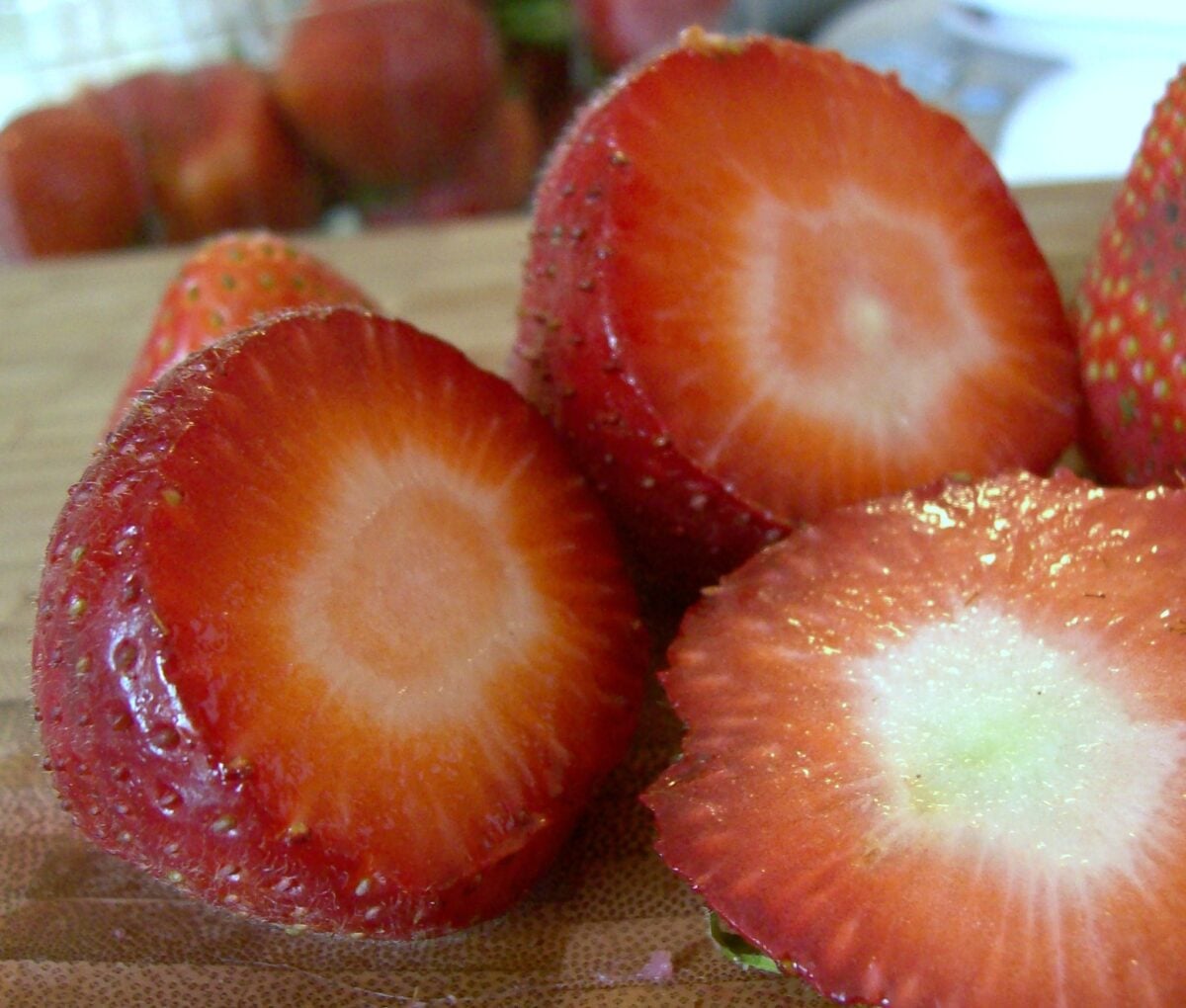
These albino strawberries from Japan have pale pink to white flesh. They taste milder than red strawberries, with subtle flavor notes that some describe as pineapple-like.
A package of six can cost $60 or more. Growers developed White Jewels specifically for the luxury market.
The unusual appearance makes them conversation starters at high-end restaurants and exclusive gatherings. You’re not just buying fruit.
You’re buying something most people have never seen before, which has its own value in certain social contexts.
Sekai Ichi Apples Weigh Over Two Pounds
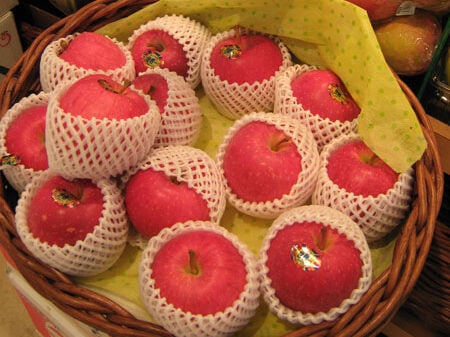
These “World’s Number One” apples from Japan weigh 2 to 4 pounds each and sell for $20 to $30. Farmers hand-pollinate the blossoms and thin the fruit aggressively, leaving only one or two apples per cluster.
The apples develop into massive specimens with honey-sweet flavor and crisp texture. The size impresses people, but it also creates a practical problem.
One apple is too much for most people to eat in a single sitting. These work better as shared experiences or displays.
The apples keep well, which helps justify the price if you view them as multi-day investments.
Bijin-hime Strawberries Grown in Caves
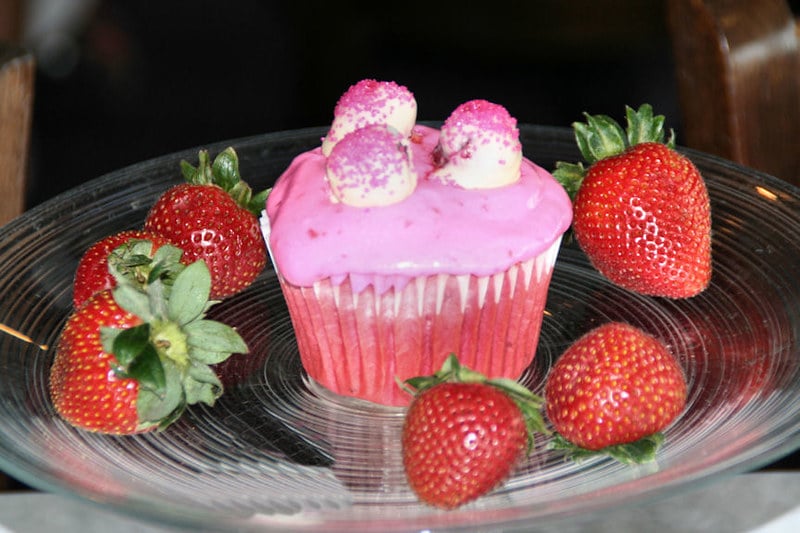
Okayama Prefecture produces these “Beautiful Princess” strawberries in caves with controlled environments. Each strawberry sells for around $10.
The cool cave temperatures slow growth, concentrating sugars and producing intensely flavored fruit. The cave-growing method adds mystique to the marketing.
Ancient versus modern, natural versus controlled, traditional versus innovative. These contrasts appeal to consumers who want stories attached to their food.
The strawberries taste great, but the narrative enhances the experience.
Lost Gardens Pineapples From England
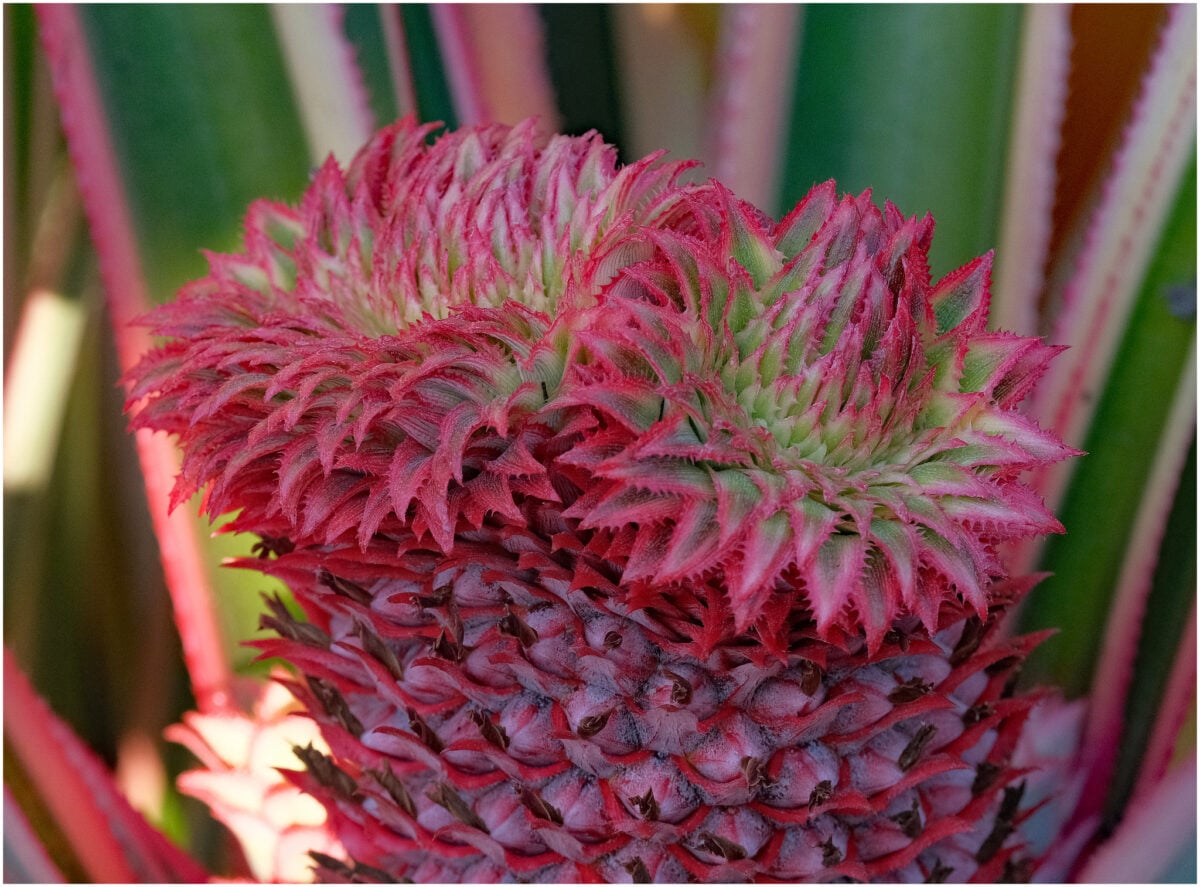
British growers produce pineapples in Victorian-style heated glass houses, selling them for $15,000 each. The pineapples take two years to mature.
Each plant requires constant attention and precise temperature control. These pineapples exist more as historical curiosities than practical luxury items.
They demonstrate that growing tropical fruit in England is possible but absurd. A few wealthy collectors buy them for the novelty, and some high-end restaurants serve them to create memorable experiences.
The price has less to do with quality and more to do with the sheer impracticality of the entire operation.
Buddha Shaped Pears
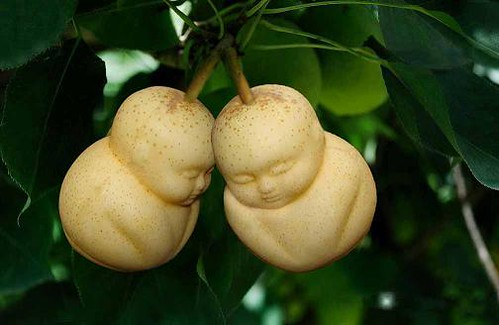
Chinese farmers grow pears inside Buddha-shaped molds, creating fruit that looks like tiny statues. These sell for $9 to $15 each.
The taste doesn’t differ from regular pears, but the shape transforms them into gifts or decorative items. The technique works with other fruits too.
You see similar products shaped like babies or hearts. It’s an agricultural novelty, pure and simple.
People buy them for fun, as presents, or to post on social media. The price reflects the extra labor and the uniqueness factor.
Ube Ice Cream Topped With Luxury Durian
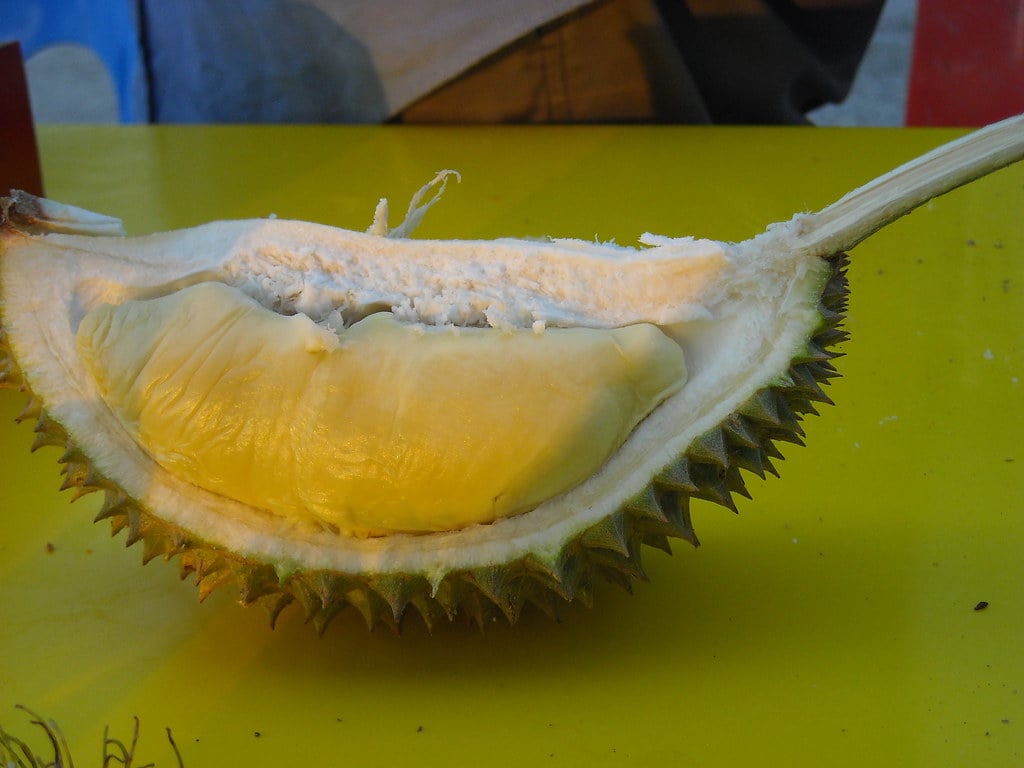
A single scoop might mix violet yam gelato with golden chunks of Musang King, a fruit so prized it pulls prices skyward. Costing up to thirty dollars a kilo, this spiky treasure dwarfs cheaper cousins at market stands.
Some diners pay fifty bucks just to taste the pairing in air-conditioned comfort. Not everyone agrees it is worth every cent.
Folks who love Musang King say it tastes like sweet custard, smooth on the tongue. Still, its sharp odor scares plenty away.
Even so, true admirers spend big money to get top-grade fruit. When paired with high-end ice cream and fancy serving styles, things feel richer.
Cost covers more than just what’s on the plate – it includes time, skill, setting.
Value and How People See It
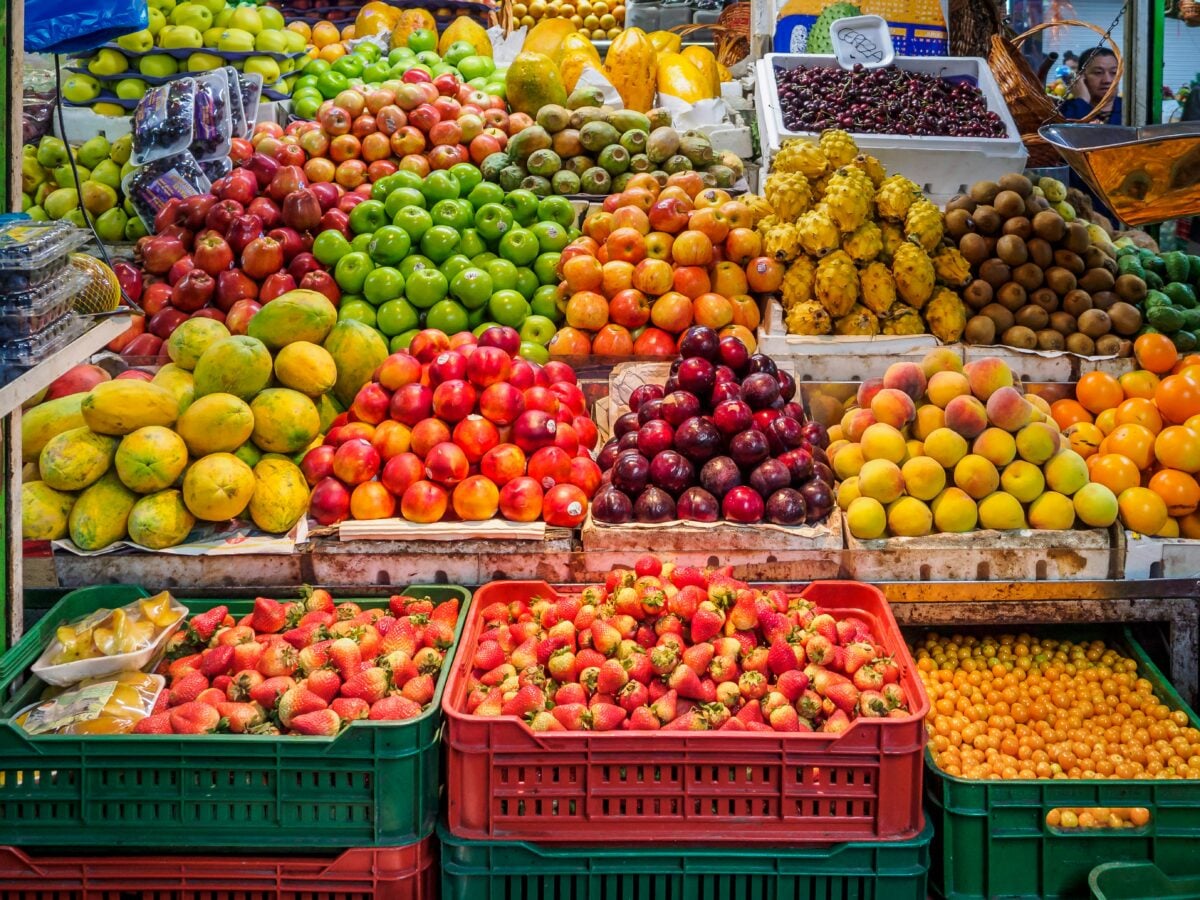
A fruit can cost a fortune, even if it doesn’t taste that much different. Good flavor helps, yet not enough to explain the price.
Instead, look at what happens before it reaches your hand – grown slowly, watched closely, made rare on purpose. Packaging turns into art, farms become stories.
People buy more than sweetness; they pay for status, for moments, for being seen holding something few others can name. Fine things can speak without being noticed.
Owning one, or giving it away, fills some folks just right – no matter if others see no change when tested unseen. What counts sits inside as much as on the tongue.
For those who spend years shaping one kind of crop into its best self, that awareness holds every effort they have made.
More from Go2Tutors!

- The Romanov Crown Jewels and Their Tragic Fate
- 13 Historical Mysteries That Science Still Can’t Solve
- Famous Hoaxes That Fooled the World for Years
- 15 Child Stars with Tragic Adult Lives
- 16 Famous Jewelry Pieces in History
Like Go2Tutors’s content? Follow us on MSN.