17 Kung Fu Legends from Hong Kong’s Golden Era
Hong Kong’s film industry in the 1970s and 80s gave the world some of the most exciting fight scenes ever made. It wasn’t just about action. It was about rhythm, style, and people who trained their whole lives to make every move count.
Some became global icons. Others stayed local legends. All of them helped shape kung fu cinema forever.
Bruce Lee brought speed and philosophy
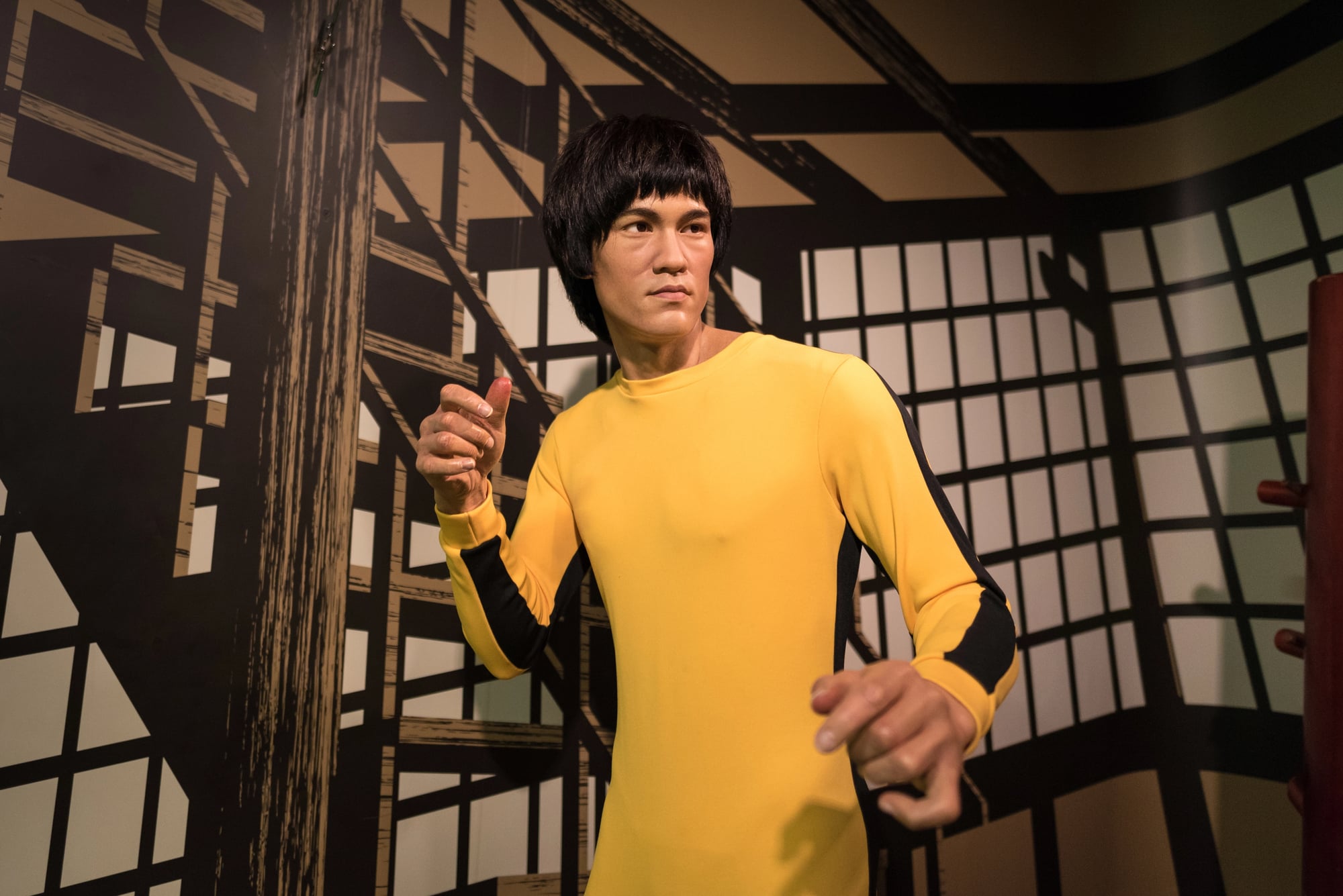
Bruce Lee wasn’t just fast. He was electric.
His style was clean, powerful, and impossible to ignore. He made kung fu feel real, not just for fun but for life.
Even in just a few films, he changed everything. The world never forgot.
Jackie Chan made fighting funny
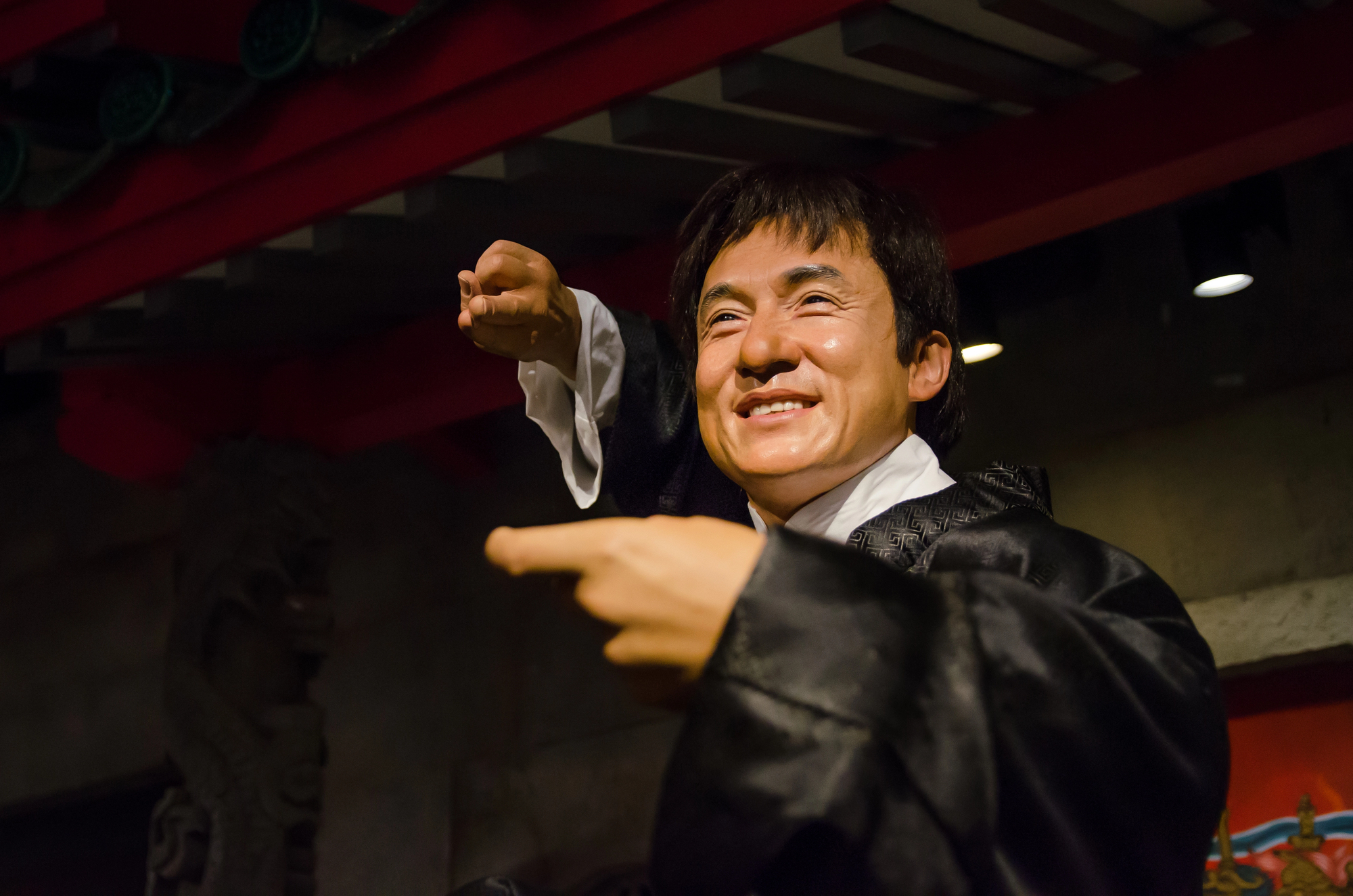
Jackie Chan took kung fu and mixed it with stunts and comedy. He fell, flipped, and fought with anything he could grab.
People loved that he wasn’t always the strongest—but he was always the most creative. Every move had heart and timing.
He turned bruises into box office gold.
Like Go2Tutors’s content? Follow us on MSN.
Sammo Hung brought size and speed
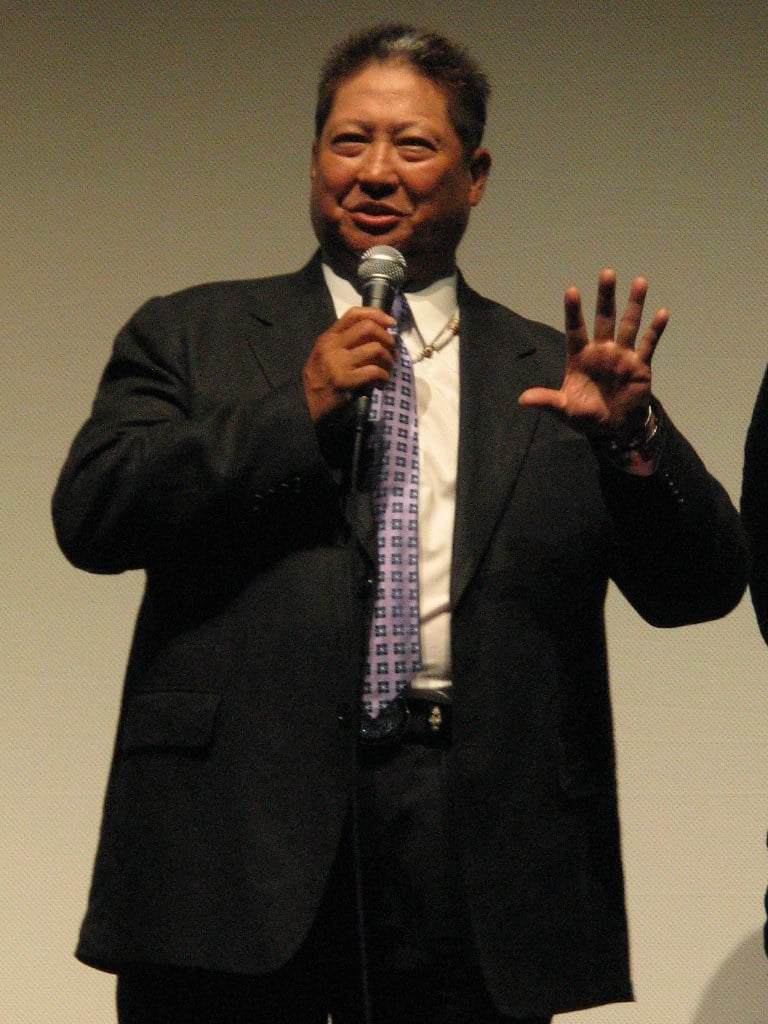
Sammo Hung didn’t look like a typical action star, but he moved like one. He was fast, sharp, and deeply trained in martial arts.
He could choreograph a fight or carry a scene as a lead. He also opened doors for new actors behind the scenes.
His influence ran deep.
Yuen Biao was all about agility
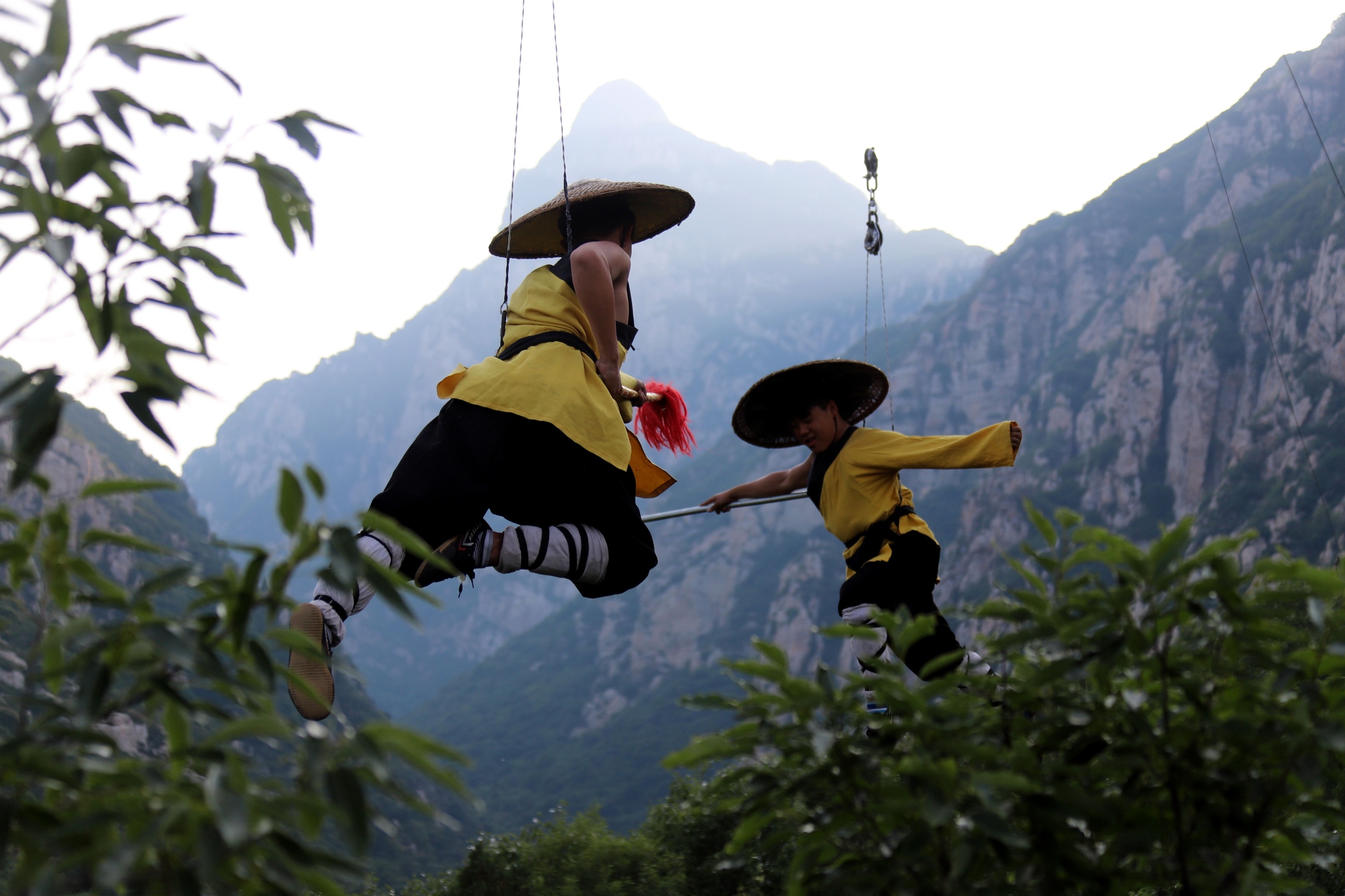
Yuen Biao flew across rooftops and bounced off walls like gravity didn’t apply. He trained with Jackie Chan and Sammo Hung in the same opera school.
His timing and energy gave every scene extra punch. He often played the underdog—but he always stood out.
Angela Mao didn’t hold back
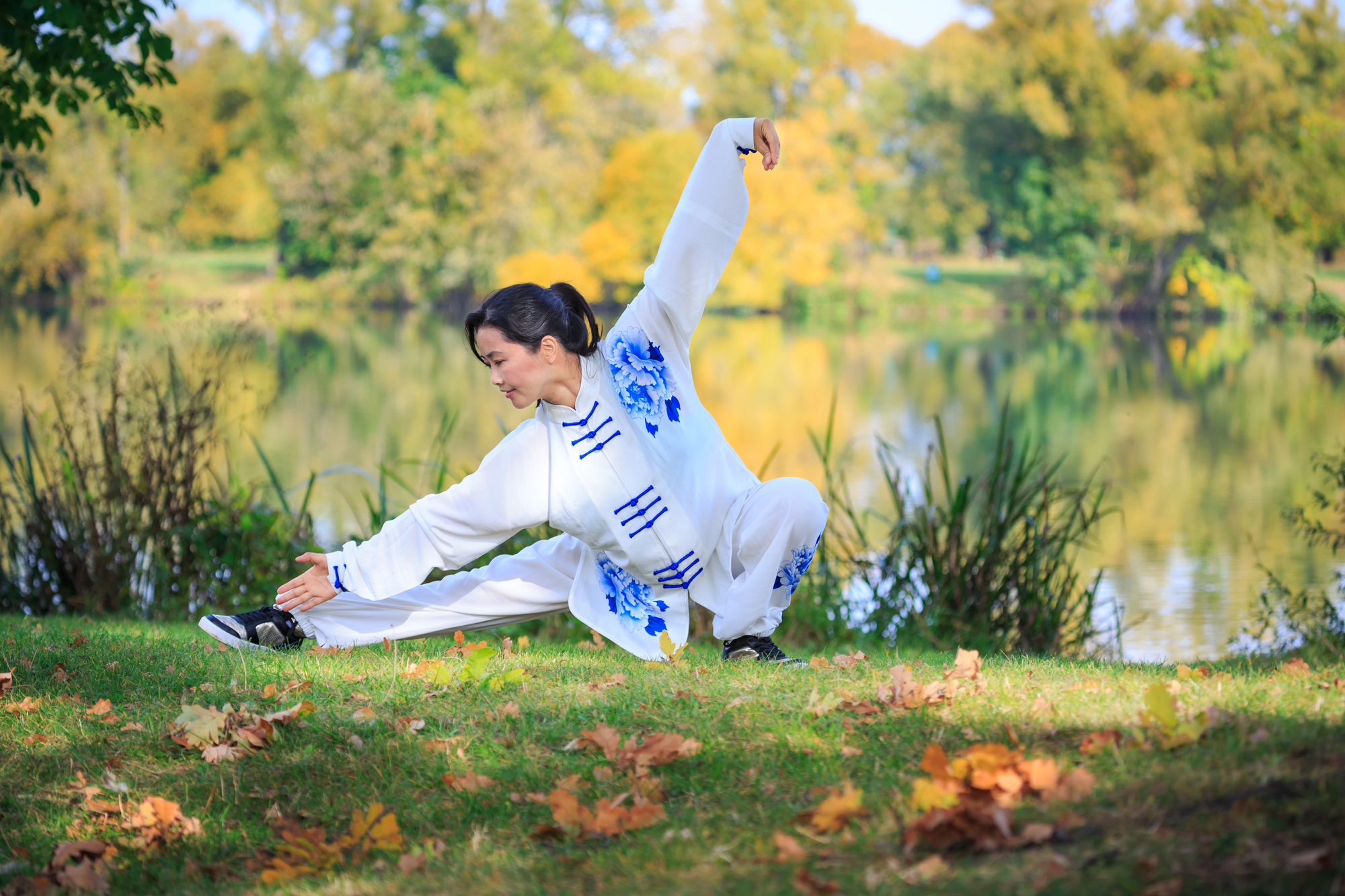
Angela Mao wasn’t just tough “for a woman”—she was tough, period. She kicked hard, moved fast, and held her own with the best.
Her roles gave girls someone fierce to look up to. Her nickname “Lady Kung Fu” stuck for a reason.
Like Go2Tutors’s content? Follow us on MSN.
Lo Lieh played the villain everyone feared
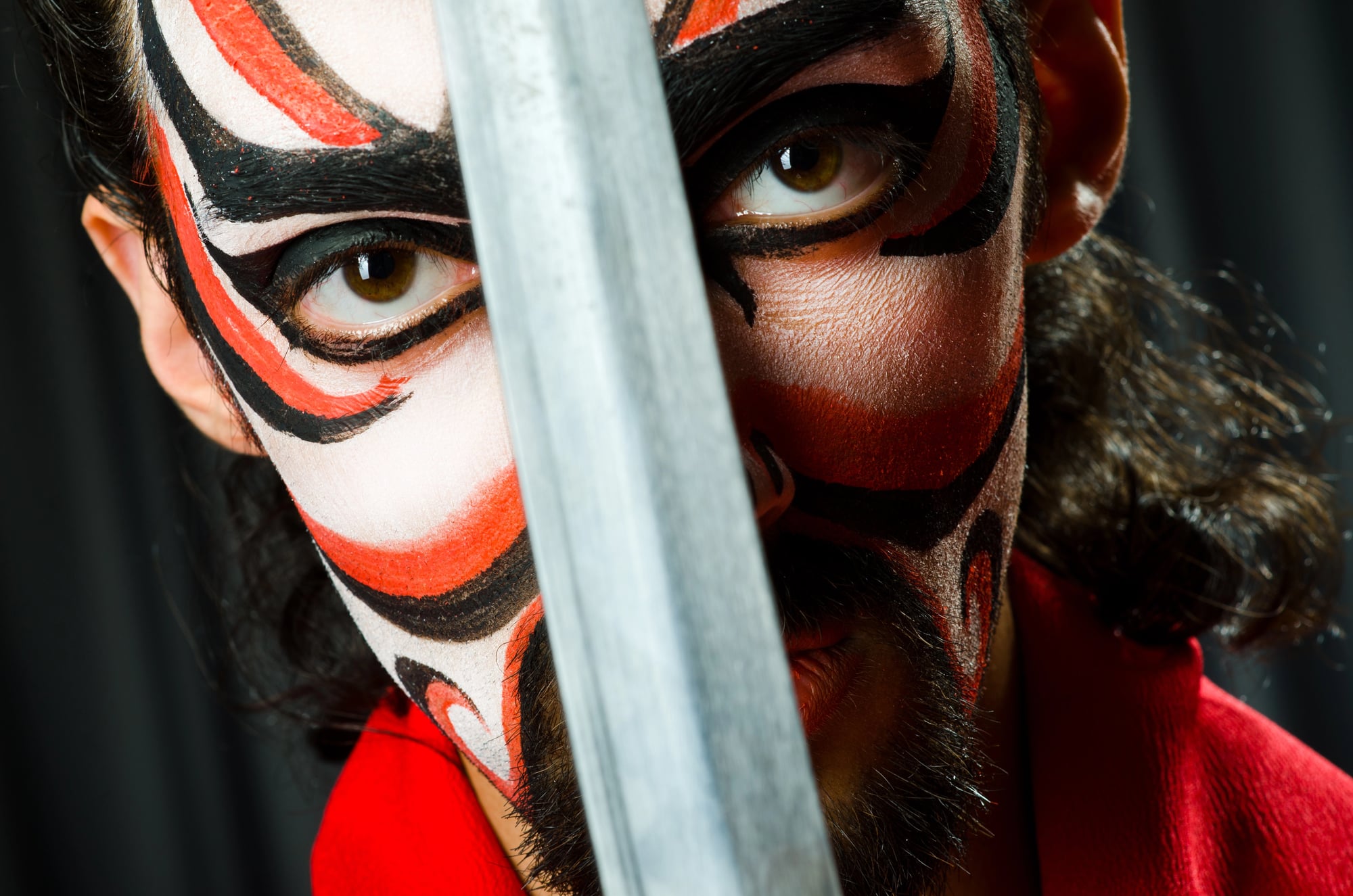
Lo Lieh had a face that worked well for serious roles. He starred in Five Fingers of Death, which helped kick off the kung fu craze in the West.
Later, he became the go-to villain in many films. He brought tension to every scene.
His calm, cold style made fights feel more real.
Gordon Liu trained the 36th chamber
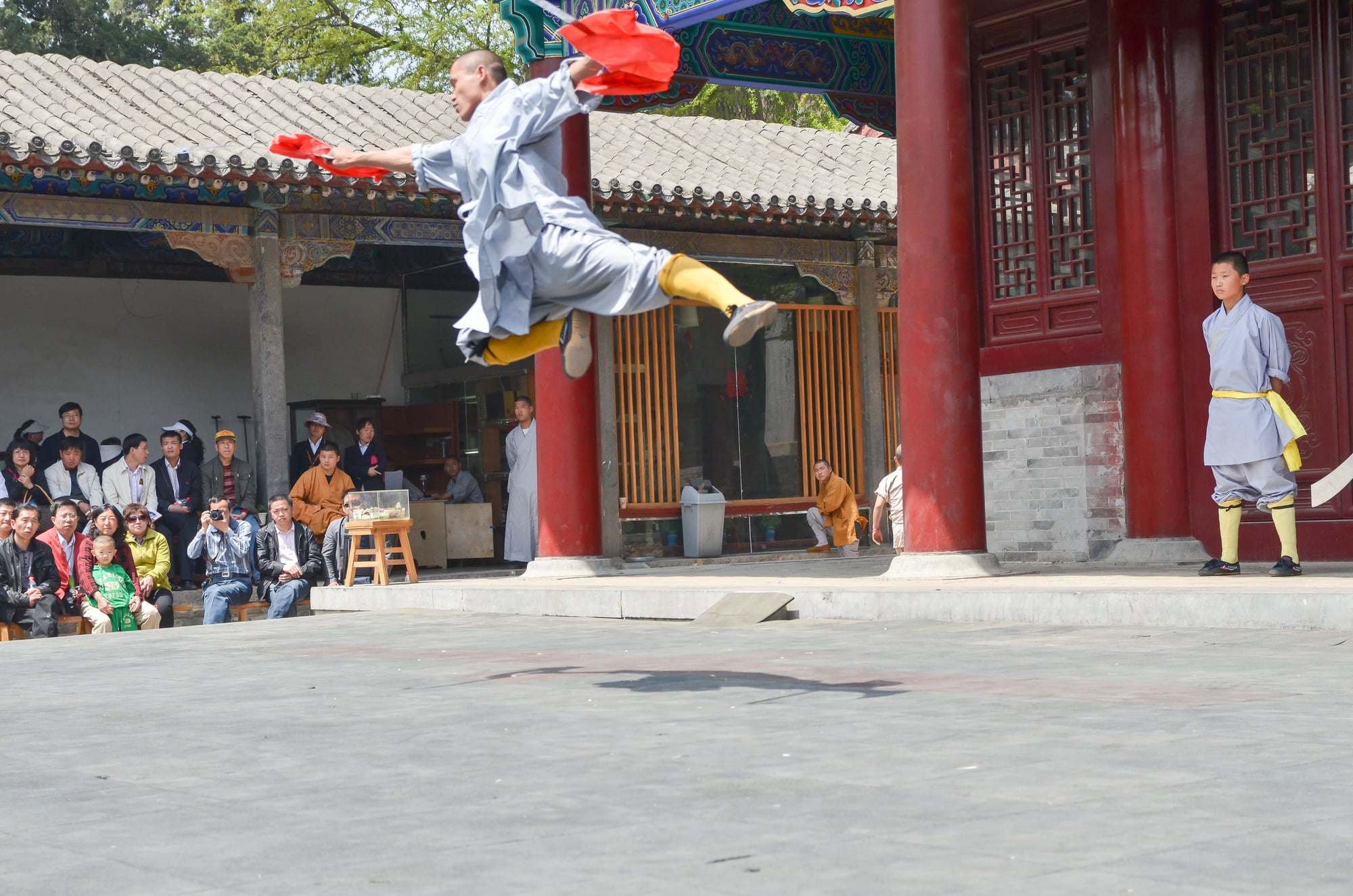
Gordon Liu starred in The 36th Chamber of Shaolin, one of the most respected kung fu films ever made. His performance felt strong but also thoughtful.
He played characters who grew through discipline and training. His look—shaved head and sharp eyes—became iconic.
He made kung fu feel almost spiritual.
Donnie Yen brought speed to a new level
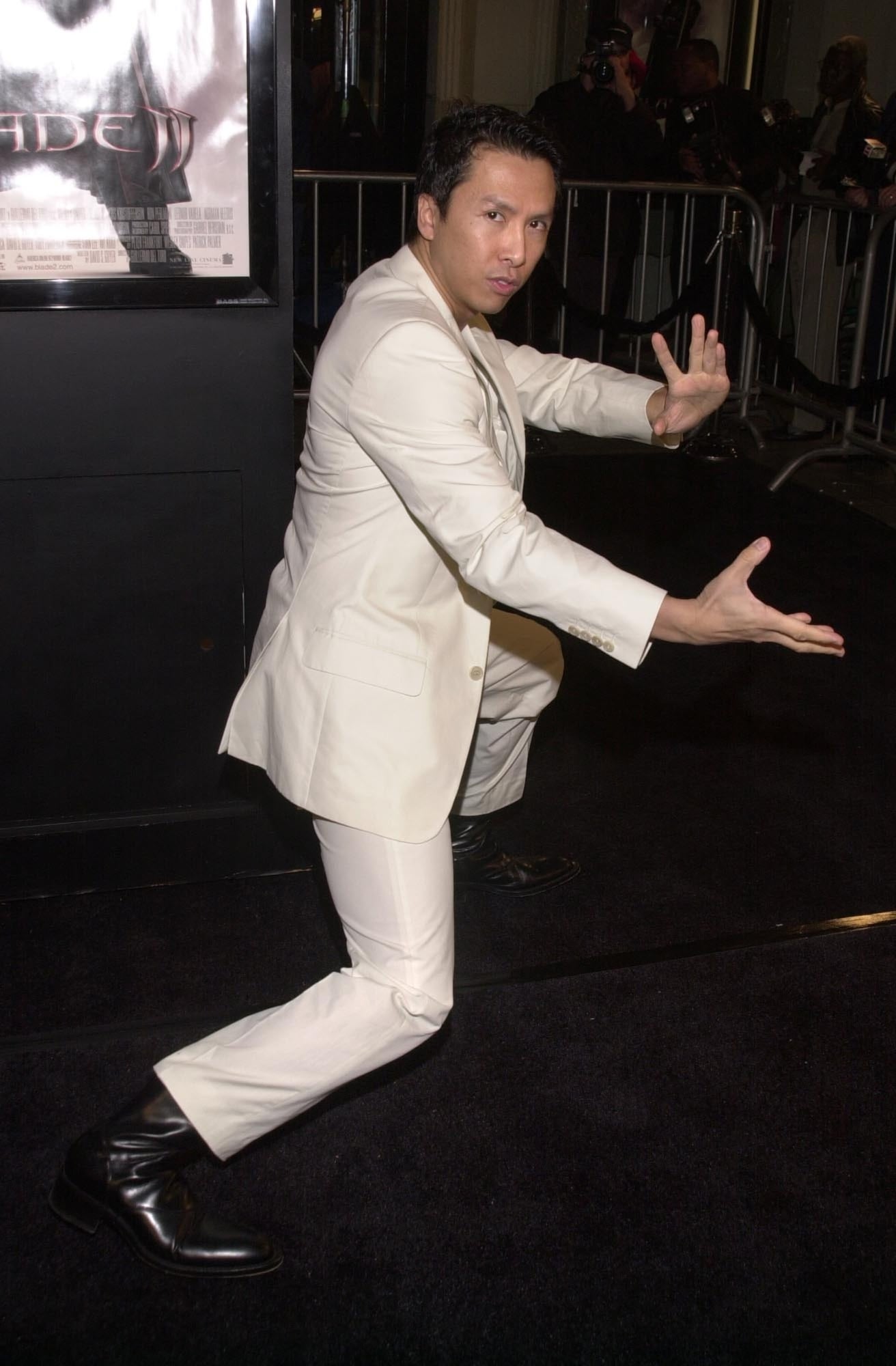
Donnie Yen entered the scene near the tail end of the golden era but carried its spirit forward. His fight scenes were clean, fast, and brutal.
He trained in multiple styles, and it showed. Later, he brought new attention to old-school values with roles like Ip Man.
He made tradition feel modern.
Like Go2Tutors’s content? Follow us on MSN.
Ti Lung gave heroes heart

Ti Lung had the look of a classic leading man, but he could fight too. In The Avenging Eagle and other hits, he played characters who cared deeply but didn’t hesitate in battle.
He gave emotional weight to his roles. His acting matched his moves.
David Chiang mixed drama with action
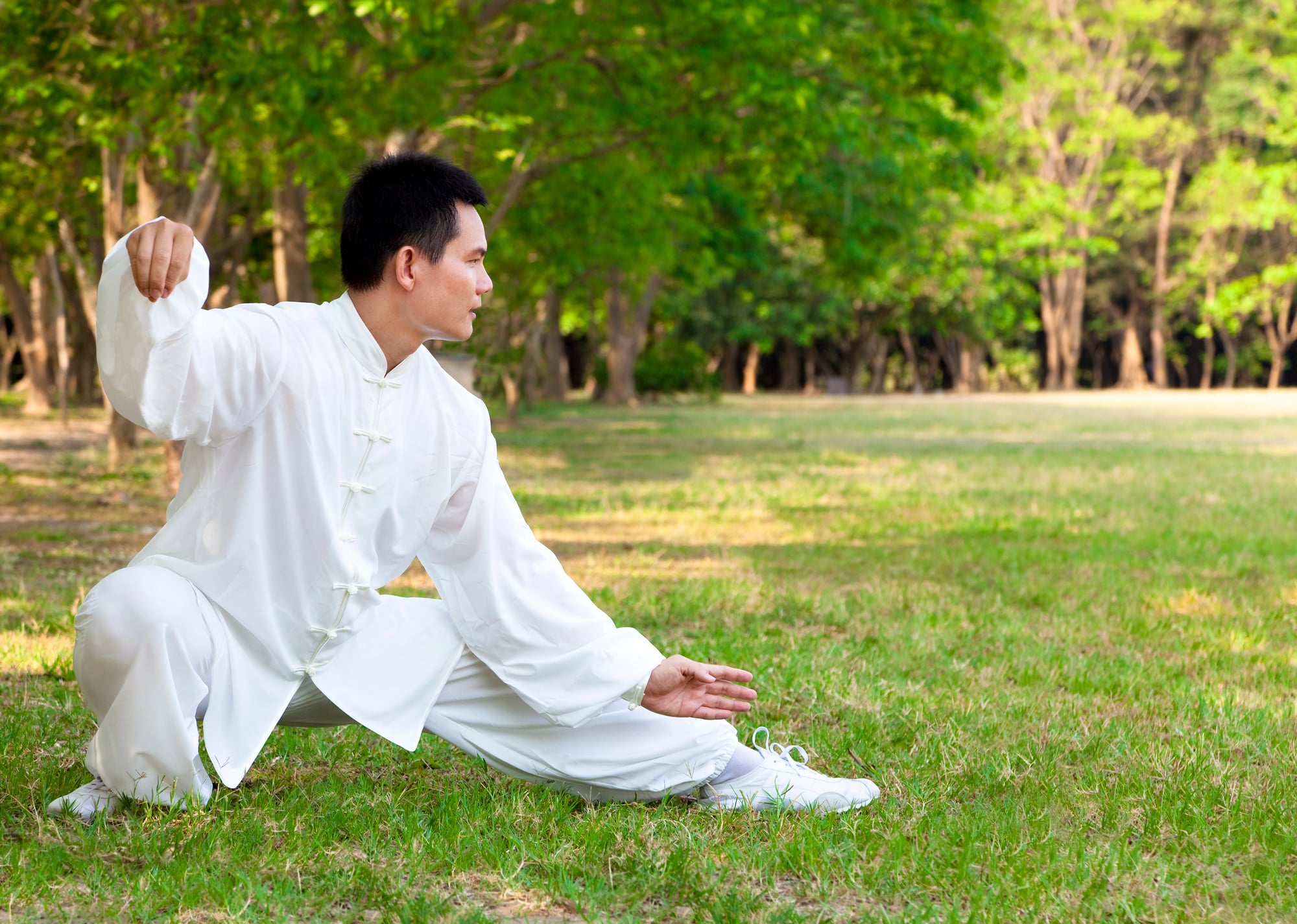
David Chiang often teamed up with Ti Lung, and the two made a powerful pair. He had a cooler, sharper style.
His characters always seemed like they had a secret. He wasn’t just fighting for fun—he had something to prove.
Cheng Pei-pei was the first female sword fighter
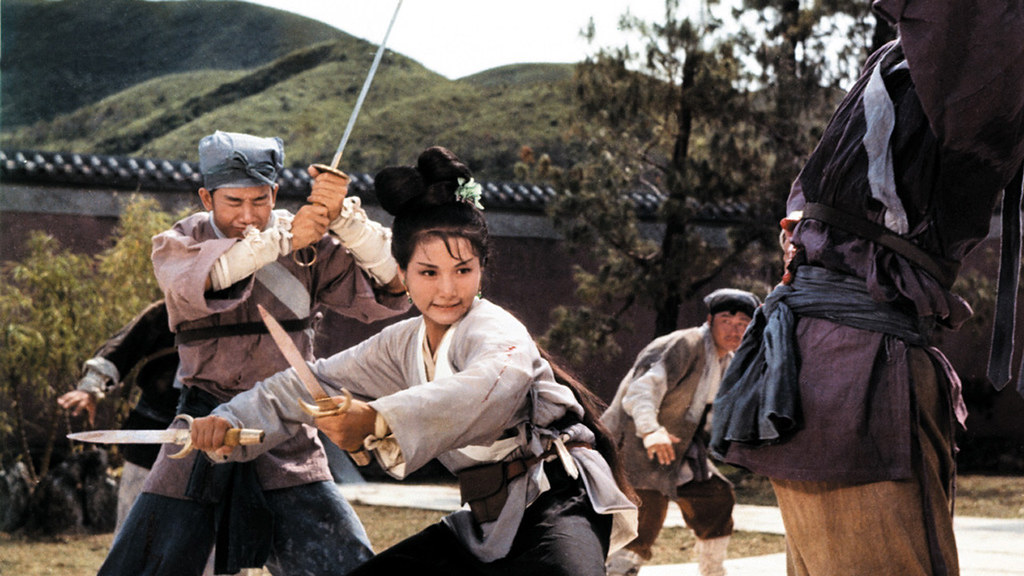
Before many others, Cheng Pei-pei showed that women could lead action films. In Come Drink With Me, she played a warrior who didn’t need saving.
Her sword skills looked smooth and sharp. She helped start a new kind of story—one where women fought back.
Like Go2Tutors’s content? Follow us on MSN.
Jimmy Wang Yu made rebels cool
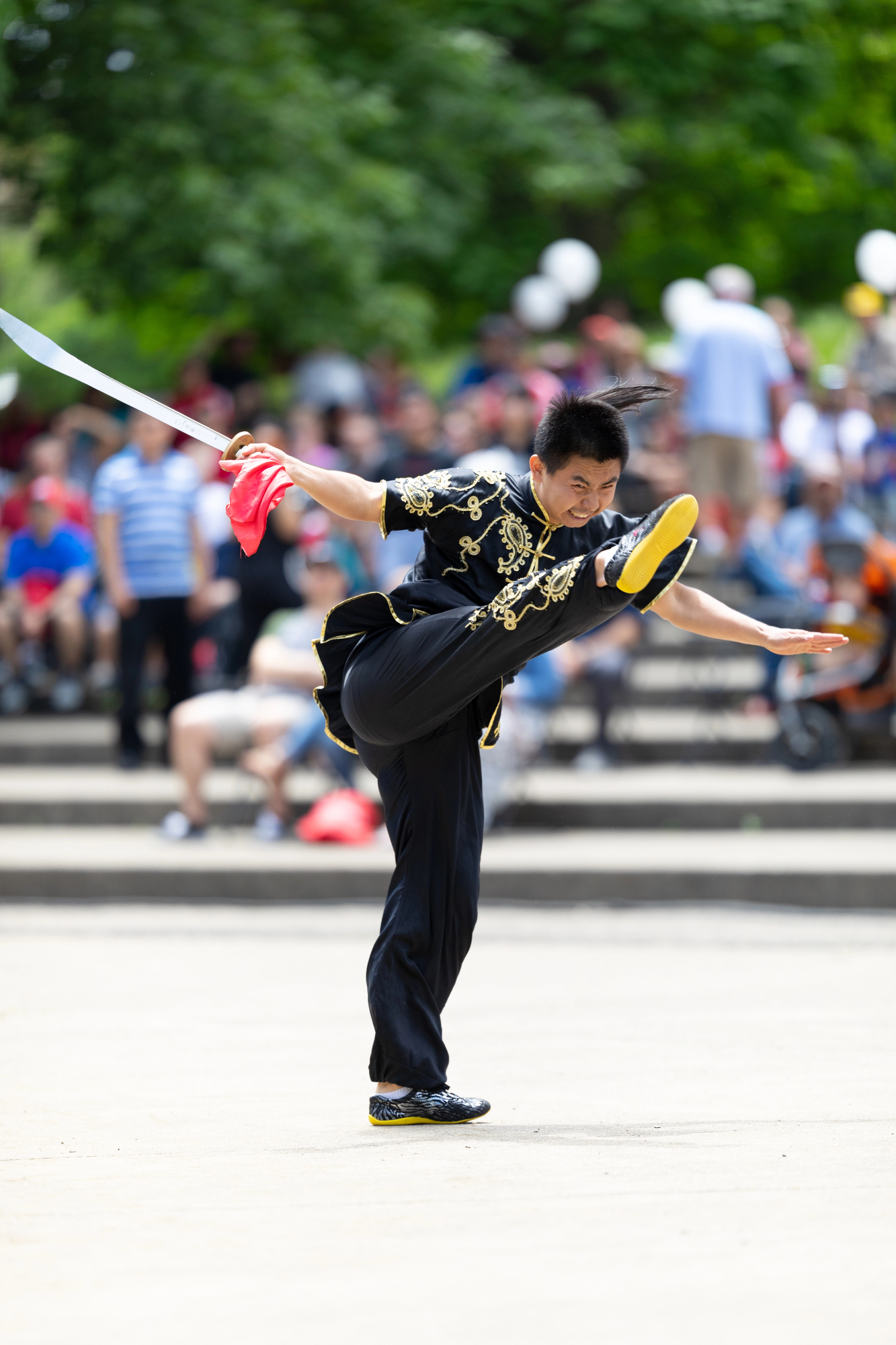
Jimmy Wang Yu starred in The One-Armed Swordsman, a film that redefined kung fu cinema. His characters were rough around the edges but full of grit.
He didn’t rely on flashy moves. He fought like he meant it, every time.
His style was simple, but his screen presence was huge.
Hwang Jang-lee kicked like a machine
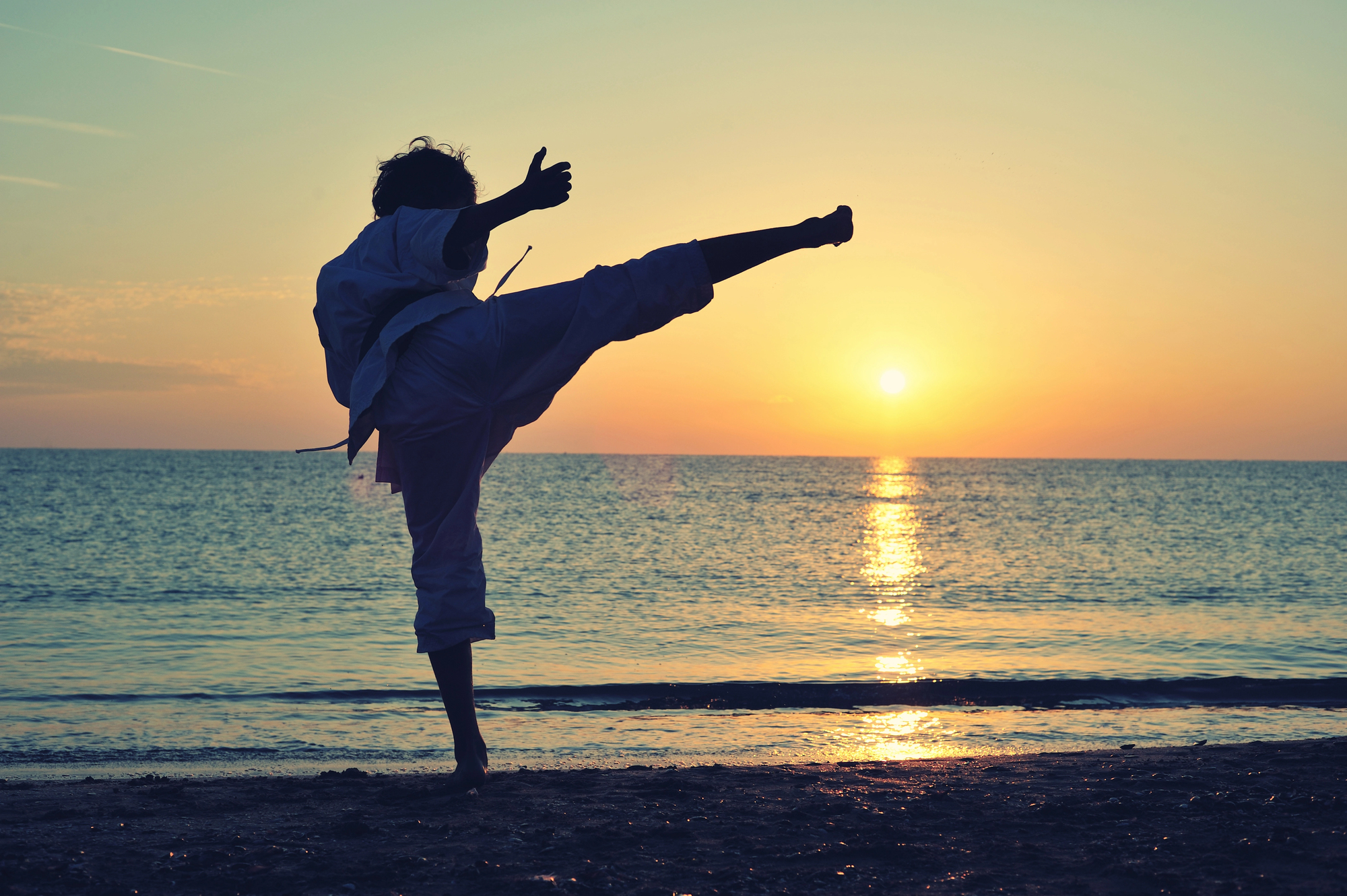
Hwang Jang-lee was known for one thing—his deadly kicks. He often played the villain and could land kicks that looked too fast to follow.
His background in taekwondo made his style stand out. He gave the good guys someone serious to beat.
Philip Ko brought style to villains
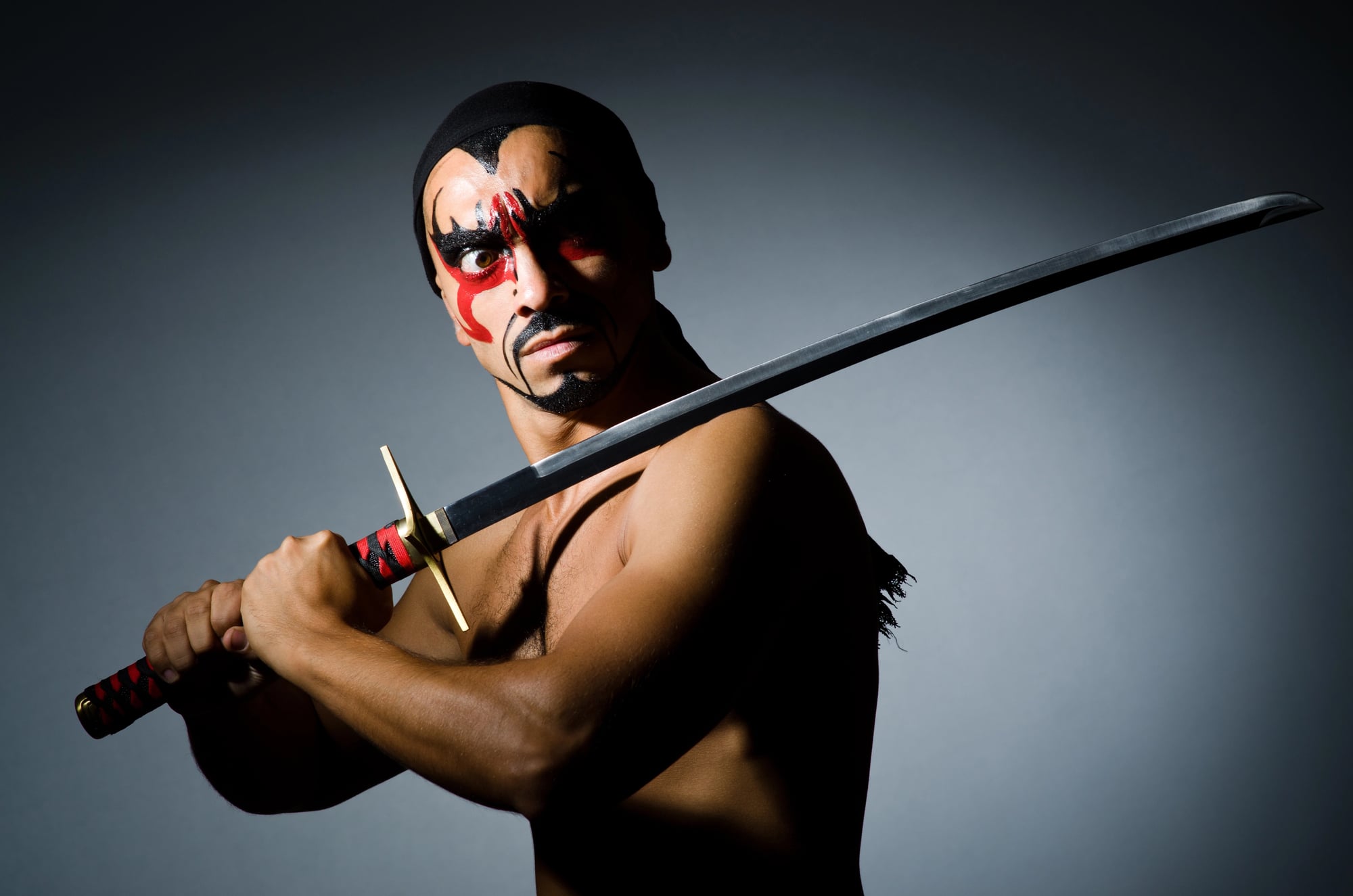
Philip Ko had a long career playing bad guys, but he made them interesting. His expressions, timing, and movements made his fights memorable.
Even when he lost on screen, he looked great doing it. He was one of those faces fans always recognized.
Like Go2Tutors’s content? Follow us on MSN.
Lam Ching-ying brought discipline
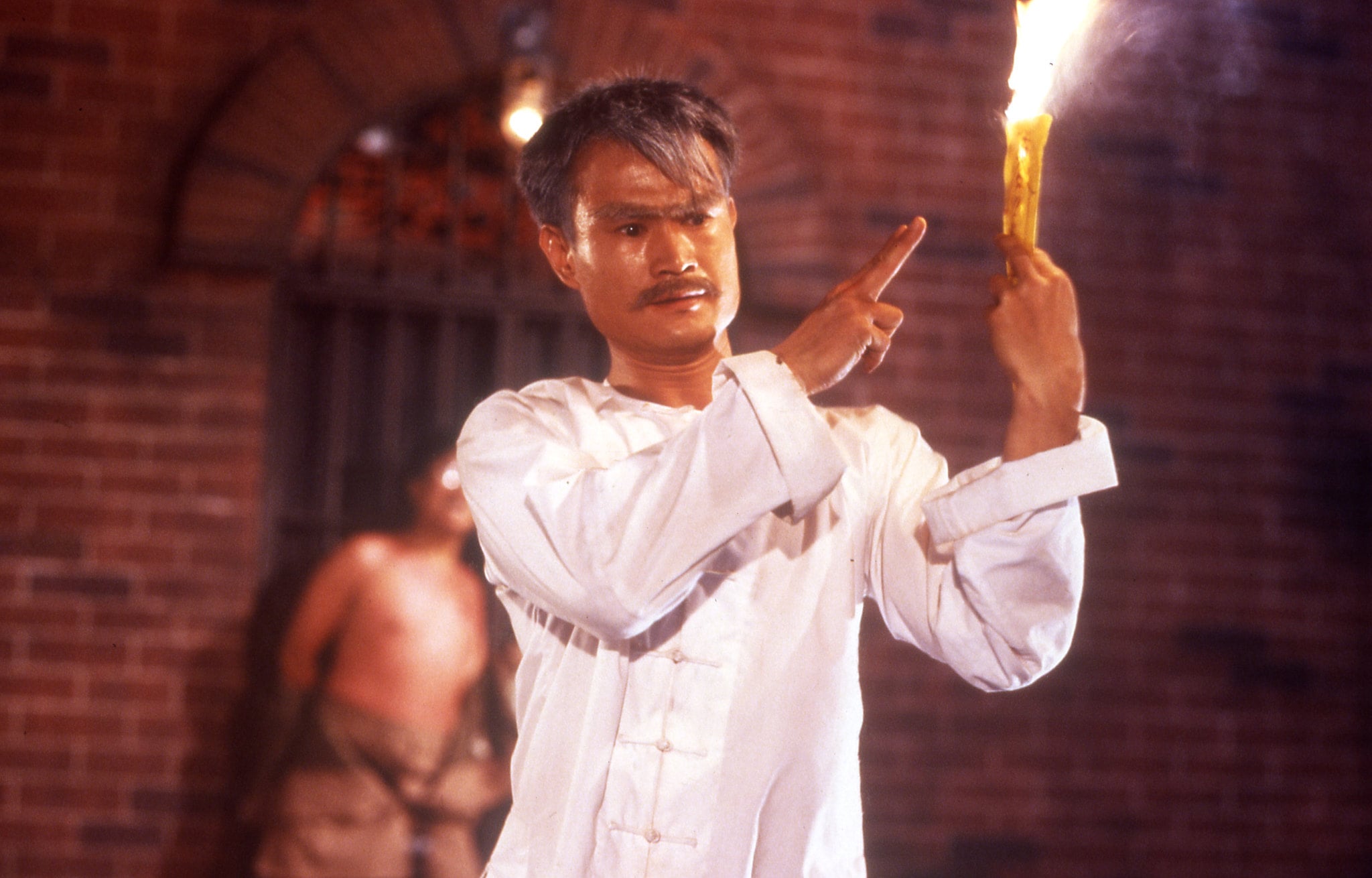
Lam Ching-ying often played quiet, serious characters. In Mr. Vampire, he mixed kung fu with horror and comedy.
He moved with precision and control. He also worked as a stunt coordinator, keeping scenes sharp and real.
He respected the craft, and it showed.
Cynthia Rothrock brought Western power

Though not from Hong Kong, Cynthia Rothrock became a star there. She trained hard and blended into local films with ease.
Her kicks were sharp, and her attitude was fierce. She showed that outsiders could still learn the language of kung fu—and speak it well.
Kara Hui added real emotion
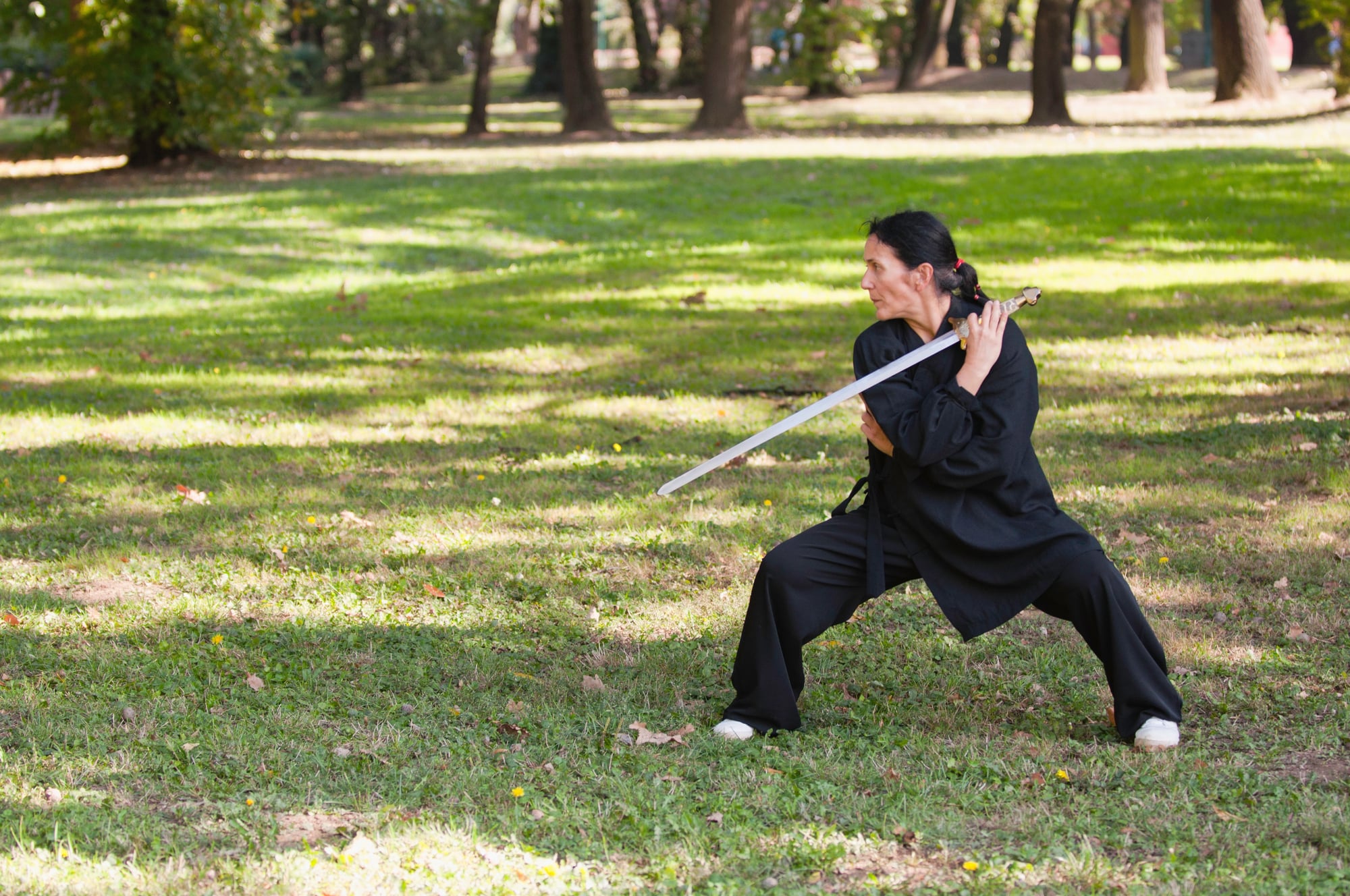
Kara Hui had acting skills that went beyond fighting. In films like My Young Auntie, she showed strength mixed with humor and heart.
She didn’t just hit hard—she made people care. She kept her characters layered and real.
Like Go2Tutors’s content? Follow us on MSN.
The impact never faded
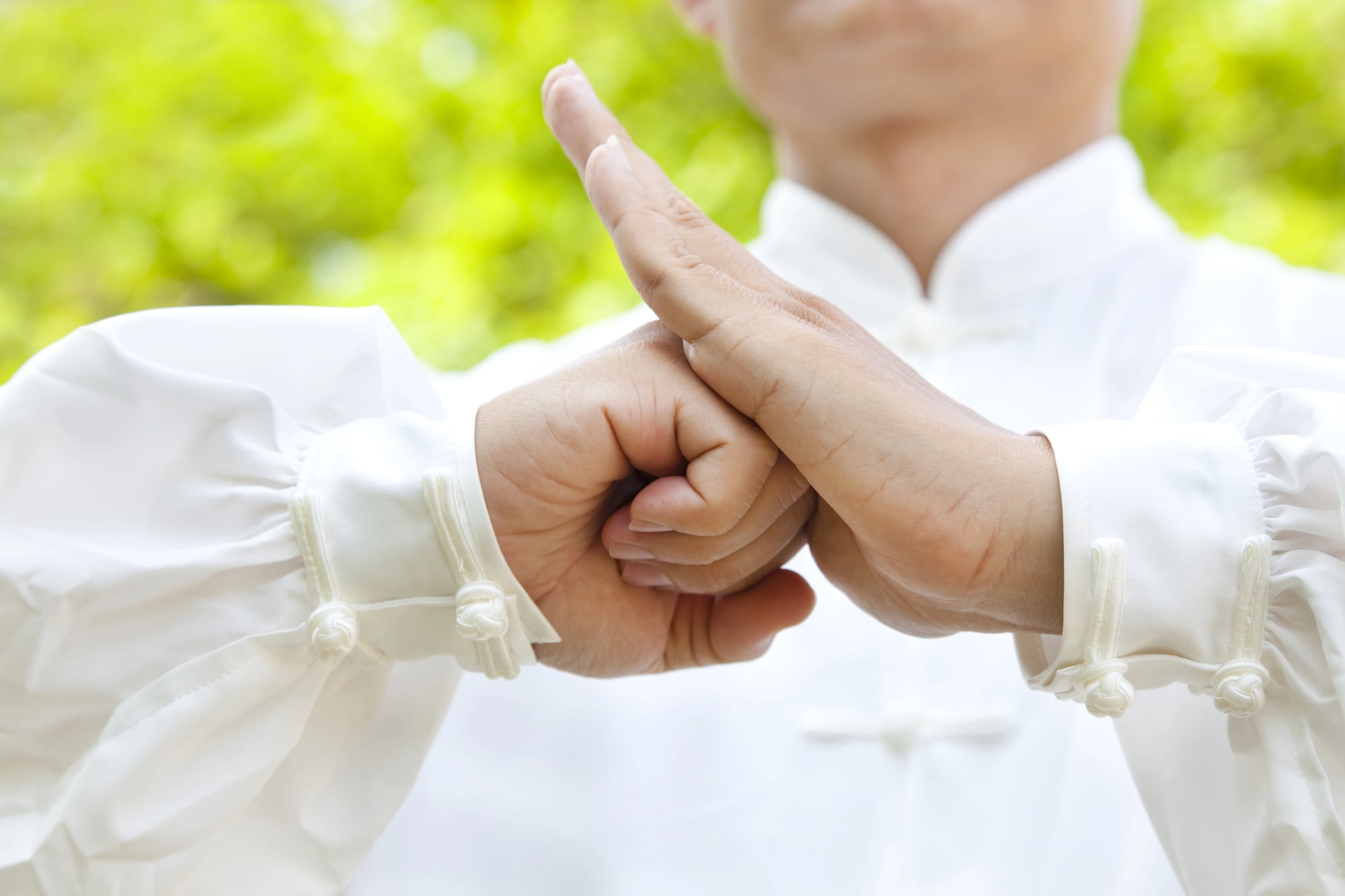
The golden era may have passed, but its legacy lives on. These stars didn’t just punch and kick—they told stories with their bodies.
They brought kung fu to the world and made it something to admire, copy, and celebrate. Without them, action films wouldn’t look the same today.
And their moves still echo on screens everywhere.
More from Go2Tutors!

- 16 Historical Figures Who Were Nothing Like You Think
- 12 Things Sold in the 80s That Are Now Illegal
- 15 VHS Tapes That Could Be Worth Thousands
- 17 Historical “What Ifs” That Would Have Changed Everything
- 18 TV Shows That Vanished Without a Finale
Like Go2Tutors’s content? Follow us on MSN.