How Netflix Changed the Way We Binge TV
Remember when Thursday nights meant gathering around the TV at exactly 8 PM to catch your favorite show? Those days feel ancient now. Today, we consume entire seasons in weekend marathons, skip intros with a single click, and let algorithms decide what we watch next. This transformation didn’t happen by accident—it was engineered by Netflix, a company that turned binge-watching from an occasional indulgence into the dominant way we experience television.
Netflix didn’t just give us more shows to watch; it fundamentally rewired how we think about TV consumption. The company took what was once considered excessive viewing behavior and made it mainstream, acceptable, even expected. Here’s a list of the key ways Netflix revolutionized our relationship with television and created the binge-watching culture that defines modern entertainment.
House of Cards Breaks All the Rules
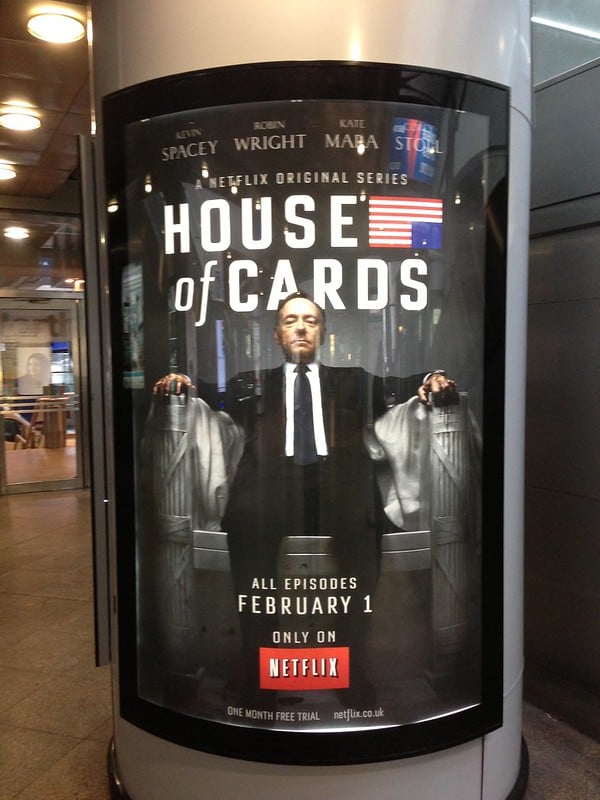
Netflix’s first major original series, House of Cards, premiered on February 1, 2013, with all 13 episodes released simultaneously. Bold move. This wasn’t just another TV show launch—it was a declaration of war against traditional television. While networks had been drip-feeding audiences one episode per week for decades, Netflix dumped an entire political thriller into viewers’ laps and said ‘go wild.’ Director David Fincher supported this radical approach because he had personally binged Breaking Bad on Netflix and understood how consuming a show in chunks created ‘a different kind of relationship with the characters’. The gamble paid off spectacularly, proving that audiences were hungry for a new way to watch TV.
Data Drives Every Decision
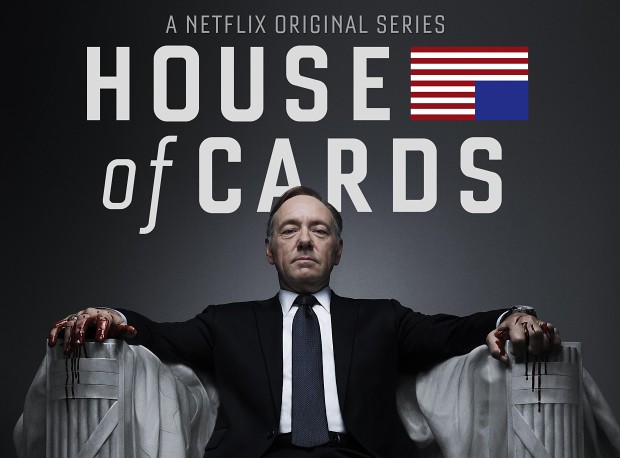
Netflix used viewer data to create House of Cards, analyzing what users liked to watch, how long they watched, and when they stopped watching. This wasn’t creative intuition—it was cold, hard mathematics. The streaming giant knew that people who liked political dramas also enjoyed shows starring Kevin Spacey and those directed by David Fincher. Netflix created multiple versions of the House of Cards trailer, each tailored to different audience segments based on their viewing history. Traditional networks were still making shows based on gut feelings and focus groups, while Netflix was building entertainment experiences with the precision of a Formula 1 car. (And let’s be honest, it worked way better than anyone expected.)
The Algorithm Becomes Your TV Guide
Gone are the days of channel surfing or consulting TV Guide. Netflix’s recommendation engine watches you watching, learning your preferences with every click, pause, and rewind. Streaming platforms analyze how long you watch, when you pause, what genres you prefer, and use that data to suggest your next binge. These algorithms don’t just recommend shows—they actively shape what gets made.
If data shows viewers love supernatural thrillers with strong female leads, you can bet Netflix will greenlight three more just like it. Your viewing habits become a vote in an invisible election that determines what shows exist.
Autoplay Eliminates Choice
Netflix’s autoplay feature removes the need to even use your remote—when one episode ends, the next one starts automatically. This seemingly small feature represents a massive psychological shift that most people barely notice until they try to stop watching. Traditional TV required active decisions: change the channel, check the guide, or turn off the television. Netflix eliminated those friction points, making it easier to keep watching than to stop. The ‘skip intro’ function allows viewers to make the narrative flow feel more seamless, creating an insular flow that takes users directly to the next episode rather than back to the home page. Every design choice serves one goal: keeping you glued to your screen.
Binge-Watching Goes Mainstream
In 2014, 73% of Netflix users defined binge-watching as watching between 2-6 episodes of the same TV show in one sitting. What was once considered antisocial behavior became the new normal. Within their first year as subscribers, over 90% of Netflix users had binged at least one show from start to finish, typically taking just 3 days to complete an entire series. Netflix didn’t just respond to existing binge-watching habits—it accelerated them, normalized them, and built an entire business model around them. Suddenly, admitting you spent Saturday watching eight hours of television wasn’t embarrassing—it was relatable.
Weekly Episodes Become Obsolete
Around 60% of U.S. adults aged 18 to 45 prefer all episodes of a season to be released at the same time. Netflix taught viewers that waiting is optional, that instant gratification isn’t just possible but preferable. Traditional networks built their entire advertising and engagement model around appointment television—the idea that viewers would tune in at specific times each week.
Netflix obliterated this concept, proving that audiences would rather control their own viewing schedules than submit to network programming decisions. The weekly episode release became as outdated as rabbit ears antennas.
Social Viewing Changes Forever
Traditional TV created water cooler moments—shared cultural experiences where everyone discussed the same episode at the same time. Netflix’s binge model eliminated these synchronized viewing experiences, as critics noted that ‘after you binge, you don’t have a place to talk about it because everyone is on a different cadence’. Instead of collective anticipation for next week’s episode, Netflix created individual viewing journeys. Some viewers finished entire seasons in days while others stretched them across months. The water cooler was digitized, extending conversations to Facebook and Twitter, but the shared timing that created cultural moments largely disappeared. Kind of sad when you think about it.
Content Creation Follows Viewing Habits
Netflix’s binge-watching model fundamentally changed the basic unit of storytelling from the episode to the season, with storytellers increasingly catering to longer narratives that can run hundreds of minutes. Writers stopped crafting individual episodes as standalone experiences and started thinking in terms of 13-hour movies. Plot lines could develop more slowly, character arcs could stretch across entire seasons, and cliffhangers became less important than overall narrative momentum.
This shift influenced not just Netflix originals but the entire television industry, as other networks adapted their storytelling to compete with binge-friendly content. Shows became more cinematic, more serialized, more… well, bingeable.
Psychological Habits Form Rapidly
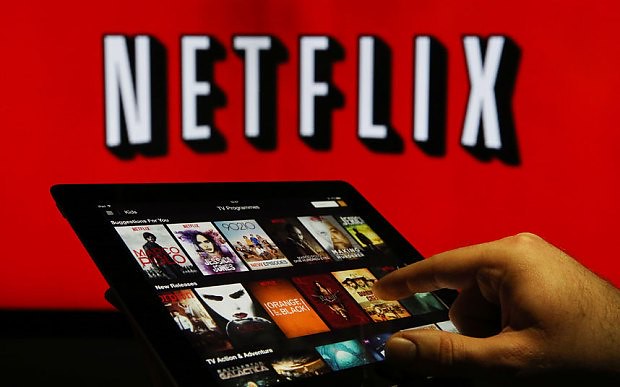
Research shows that a binge-watching habit explains considerable variance in the frequency of binge-watching behavior. Netflix didn’t just change what we watch—it rewired our brains to expect instant access to entertainment. Studies found that 98% of binge-watchers were more likely to have poor sleep quality and reported more fatigue, yet the behavior continued to spread. The platform created viewing patterns that became almost compulsive, with users reporting difficulty stopping mid-season even when they wanted to. Netflix succeeded in making binge-watching feel less like a choice and more like a natural response to good storytelling.
Traditional Networks Scramble to Adapt

From 2015 to 2020, appointment viewing frequency and duration decreased while binge-watching and serial viewing increased. Legacy networks watched in horror as their century-old model crumbled. CBS, NBC, and ABC had built empires on the assumption that audiences would show up at specific times each week.
Netflix proved that assumption wrong, forcing traditional broadcasters to launch their own streaming services and experiment with full-season releases. Following Netflix’s success, many other media companies began adopting data-driven content production approaches. The entire industry had to evolve or risk extinction. Talk about disruption.
Global Viewing Habits Shift Permanently

Binge-viewing accelerated to the point where watching multiple episodes in one sitting became the norm rather than the exception. Netflix’s influence spread far beyond American living rooms, creating global viewing habits that transcended cultural boundaries. During COVID-19, 73.7% of viewers in Southeast Asian countries reported increased binge-watching time, demonstrating how deeply Netflix’s model had penetrated international markets. The company didn’t just change American TV—it exported a new way of consuming entertainment to the entire world.
The New Entertainment Landscape
— Photo by boggy22
Netflix transformed television from a schedule-based medium into an on-demand experience. In 2013, Netflix released all episodes of House of Cards simultaneously, which was described as ‘a revolutionary move’ that changed everything. The company proved that audiences didn’t want to wait, didn’t want interruptions, and didn’t want their entertainment parcelled out in weekly installments. This wasn’t just technological innovation—it was cultural disruption that made traditional television feel as antiquated as radio serials.
Netflix didn’t just stream TV shows; it reimagined what television could be in the digital age, creating viewing habits that now define how we experience entertainment in the 21st century. And honestly? There’s probably no going back.
More from Go2Tutors!

- 16 Historical Figures Who Were Nothing Like You Think
- 12 Things Sold in the 80s That Are Now Illegal
- 15 VHS Tapes That Could Be Worth Thousands
- 17 Historical “What Ifs” That Would Have Changed Everything
- 18 TV Shows That Vanished Without a Finale
Like Go2Tutors’s content? Follow us on MSN.



