Local Myths That Influenced Scientific Discoveries
People have been telling stories for thousands of years. Some were meant to explain thunder, others to warn children about wandering too far from home.
But here’s something interesting: these old tales didn’t just entertain people around campfires. They actually pushed scientists to make real discoveries that changed how we understand the world.
Let’s look at how ancient stories and local legends helped shape modern science in ways most people never realized.
The kraken and the giant squid

Sailors used to terrify each other with stories about massive sea monsters that could pull entire ships underwater. Norwegian fishermen called it the kraken, describing a creature so huge it could be mistaken for an island.
Scientists dismissed these tales as drunken fantasy for centuries. Then in the 1850s, dead specimens started washing up on beaches across Europe.
The giant squid turned out to be real, growing up to 43 feet long with eyes the size of dinner plates. Those old sailors weren’t making things up after all.
Dragon bones in ancient China

Chinese villagers found massive bones in the ground and assumed they belonged to dragons from their mythology. They ground these ‘dragon bones’ into powder for traditional medicine, believing the creatures held magical properties.
Paleontologists eventually realized these weren’t mythical at all. They were dinosaur fossils that helped scientists piece together what prehistoric life actually looked like.
The myth led researchers to dig sites they might have otherwise ignored.
Vampire legends and porphyria

Eastern European villages lived in fear of the undead rising from graves to drink blood. The stories were so specific: vampires couldn’t stand sunlight, garlic made them sick, and they had prominent teeth.
Medical researchers studying these legends in the 1960s connected the symptoms to porphyria, a real blood disorder. People with this condition experience extreme sensitivity to sunlight and their gums can recede, making teeth look larger.
The folklore was actually describing a genetic disease that nobody understood at the time.
Thunderbird stories and pterosaur research

Native American tribes across the continent told stories about enormous birds that created thunder with their wings. The Lakota people described creatures so large they could carry off buffalo.
When paleontologists started finding pterosaur fossils in North America, they noticed something odd. The locations matched up almost perfectly with where thunderbird legends were strongest.
Some researchers now think indigenous peoples found fossils first and built accurate stories around what they discovered.
Will-o’-the-wisp and swamp gas

European peasants reported seeing mysterious lights floating over marshes and graveyards at night. They called them will-o’-the-wisp or ghost lights, believing they were spirits trying to lead travelers to their doom.
Chemists eventually figured out these lights were real phenomena caused by decomposing organic matter releasing phosphine and methane. The gases spontaneously ignite when they hit air.
The myth was based on actual chemistry that people observed but couldn’t explain.
Mermaids and manatee sightings

Sailors from every seafaring culture reported seeing half-human, half-fish creatures in the water. Christopher Columbus even logged mermaid sightings during his voyages, though he noted they weren’t as beautiful as the stories claimed.
Marine biologists now understand that exhausted sailors were probably seeing manatees and dugongs from a distance. These marine mammals surface to breathe, and in poor visibility, their behavior can look surprisingly human.
The myth helped scientists understand how the brain fills in gaps when people are tired and want to see something familiar.
Cyclops legends and elephant skulls

Ancient Greeks told stories about one-eyed giants living in caves. The descriptions were detailed and consistent across different regions.
Paleontologists working in Mediterranean caves in the 1900s found dwarf elephant skulls with a large central nasal opening. From the front, the skull looks exactly like it belonged to a one-eyed creature.
The Greeks were finding these fossils and creating logical explanations based on what they could see.
Raining fish and waterspouts

Villages in Honduras and other regions reported fish literally falling from the sky during storms. Scientists called it folklore and superstition for years.
Then meteorologists started documenting waterspouts, which are basically tornados over water. These phenomena actually can suck up small fish and frogs, carry them for miles, and drop them over land.
The locals were reporting accurate observations that seemed impossible until weather science caught up.
Yeti tracks and Himalayan bears

Sherpa guides and Himalayan villagers described a large, hairy creature that walked upright through the mountains. Western explorers heard these stories and launched expeditions to find the yeti.
While they never found a mythical ape-man, zoologists did discover the Tibetan blue bear, an extremely rare species that sometimes walks on its hind legs. The tracks in the snow that people attributed to the yeti were real, just misidentified.
Spontaneous human combustion and the wick effect
Victorian newspapers were full of reports about people bursting into flames with no apparent cause. The stories seemed ridiculous until forensic scientists started investigating the actual cases.
They discovered the wick effect, where a person’s clothing acts like a candle wick and their body fat becomes the fuel. It’s rare and requires specific conditions, but it’s real.
The sensational myth led to genuine research into how fires behave.
Foo fighters and orb lightning

World War II pilots from multiple countries reported seeing glowing orbs following their planes during combat missions. They called them foo fighters and filed official reports.
The military took it seriously because too many credible witnesses were seeing the same thing. Physicists eventually connected these sightings to orb lightning, a rare atmospheric electrical phenomenon that science still doesn’t fully understand.
The wartime observations gave researchers valuable data about when and where these events occur.
Basilisk legends and venom research

Medieval Europeans believed in a serpent whose gaze could kill instantly. The basilisk appeared in bestiaries with detailed descriptions of its effects on victims.
Herpetologists studying these old texts realized the symptoms matched cobras spitting venom. Several African and Asian cobra species can spray venom accurately up to six feet, aiming for eyes.
The burning pain and potential blindness made it seem like the creature had a deadly stare. The myth contained accurate observations wrapped in supernatural explanation.
Sleeping sickness spirits and tsetse flies
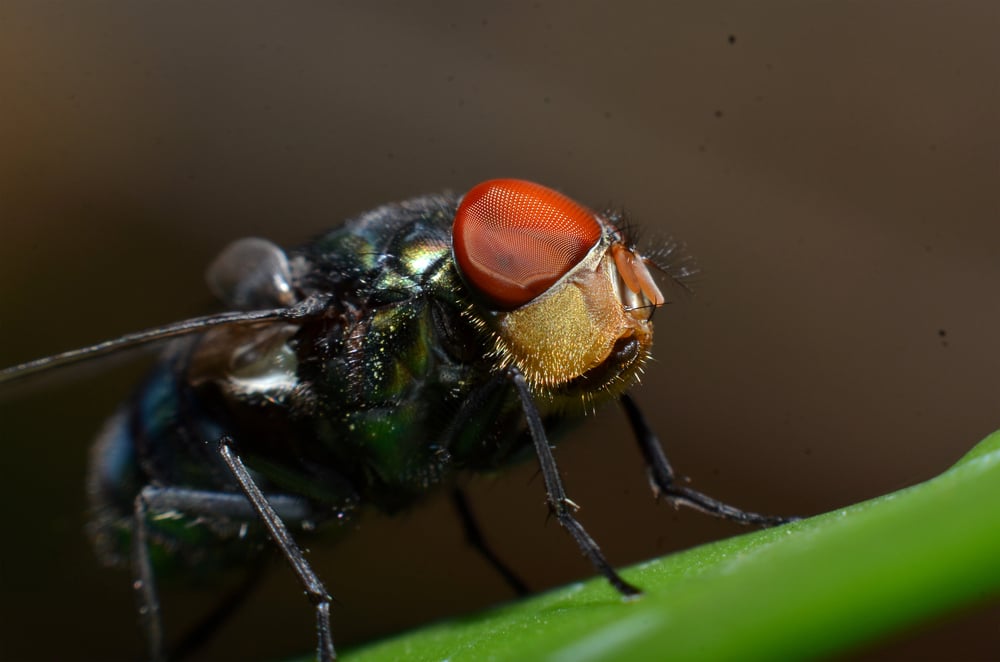
African communities told stories about evil spirits that made people fall into endless sleep. Colonial doctors initially dismissed these as superstition.
Then tropical medicine researchers connected the sleeping sickness epidemic to tsetse fly bites, which transmit trypanosomiasis. The “spirits” were actually parasites visible only under microscopes.
Local people had been accurately describing the disease’s effects for generations before Western medicine arrived.
Earthquake lights and piezoelectricity
Japanese communities reported seeing strange lights in the sky before major earthquakes hit. Scientists were skeptical until photographs and videos started confirming the phenomenon.
Geophysicists now understand that certain types of rock produce electrical charges when compressed. These charges can create visible light in the atmosphere right before tectonic plates shift.
The myth turned out to be an early warning system that people observed but couldn’t explain scientifically.
Petrifying springs, while full of minerals

Some small towns in England once thought springwater had magical powers to harden things into stone. Items were left hanging in the stream – over weeks they’d grow stiff and crusty.
Scientists later found out the liquid carried so many minerals it built up chalk layers on surfaces. What looked like solid rock was just a thick outer shell forming slowly.
Odd tales from folks there pushed experts to check what made those waters act strange.
Witch salves plus mind-altering herbs

Back in medieval times, accused witches often said they used special ointments to fly. Experts believed those claims came from pain-driven delusions – until plant researchers looked into old recipe details.
Instead of myths, the blends had strong mind-altering substances from weeds such as black henbane and deadly nightshade. Rubbed on the body, these triggered visions of soaring or floating away.
Turns out, trial records preserved early clues about natural drugs long before lab science existed.
Fire-resistant lizards plus goo from their bodies

Ancient Romans thought salamanders survived fires unharmed. Back then, Pliny the Elder described these odd sightings clearly.
Scientists who focus on amphibians later found that salamanders ooze a gooey liquid if scared. That wet stuff comes out fast – helping shield them from high temperatures for just a moment.
As soon as salamanders crawled out of burning logs, their slimy coats let them live just long enough to get away. Back then, Romans saw actual survival tricks – yet explained them using what they knew about life.
Where ancient tales blend with fresh insights

These links between myths and science reveal a key truth about how people notice things. Folks have long watched their surroundings closely – despite not having gear to grasp what was happening.
Those tales weren’t just wild guesses; they tried making sense of actual events with the info on hand back then. Scientists today, when actually hearing those old accounts rather than ignoring them, stumbled upon solutions to puzzles they hadn’t thought of.
Native insights and handed-down stories still guide experts toward findings that are out there, ready to be uncovered.
More from Go2Tutors!

- The Romanov Crown Jewels and Their Tragic Fate
- 13 Historical Mysteries That Science Still Can’t Solve
- Famous Hoaxes That Fooled the World for Years
- 15 Child Stars with Tragic Adult Lives
- 16 Famous Jewelry Pieces in History
Like Go2Tutors’s content? Follow us on MSN.



