The Romanov Crown Jewels and Their Tragic Fate
Once symbols of unmatched imperial splendour, the Romanov crown jewels told a story of absolute power and divine right. Diamonds the size of walnuts, pearls like moons—objects so dazzling they seemed immune to time.
Yet within a few years, the empire that created them dissolved in blood and exile. Below are the jewels that once glittered under candlelight in the Winter Palace, and how they met their extraordinary, often sorrowful ends.
The Great Imperial Crown
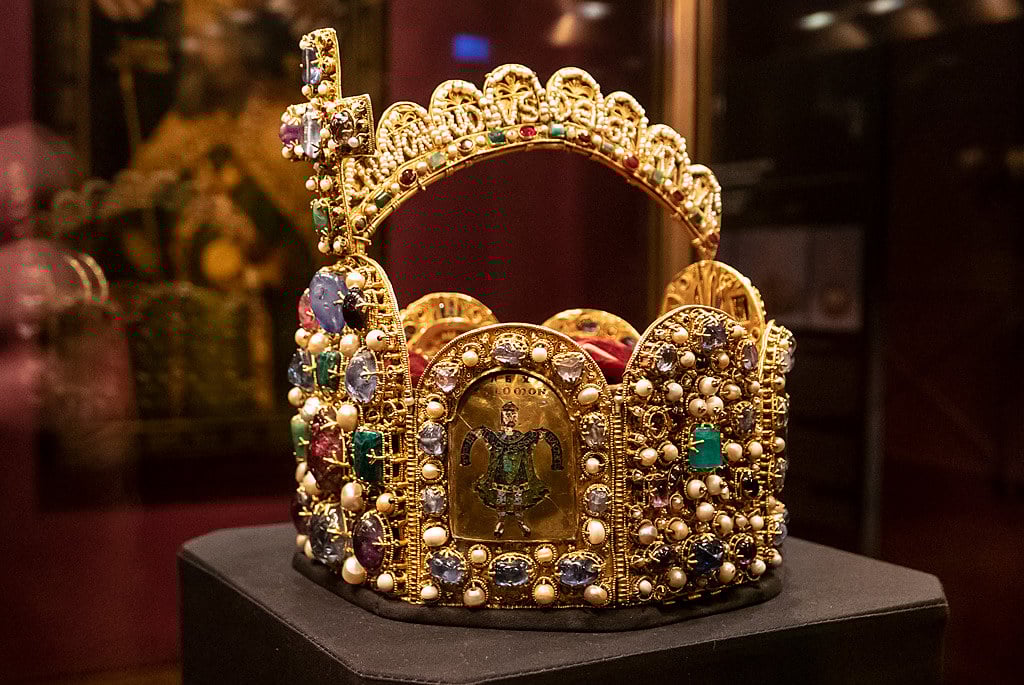
Created for Catherine the Great’s coronation in 1762, this masterpiece of Russian craftsmanship contained nearly 5,000 diamonds and a massive red spinel at its crest. It was worn by every monarch that followed, including Nicholas II—the last Romanov Tsar.
After the Revolution, it was confiscated and locked away in the Kremlin Armoury. Still, the sight of it today feels ghostly, as if it remembers the empire that fell around it.
The Orlov Diamond
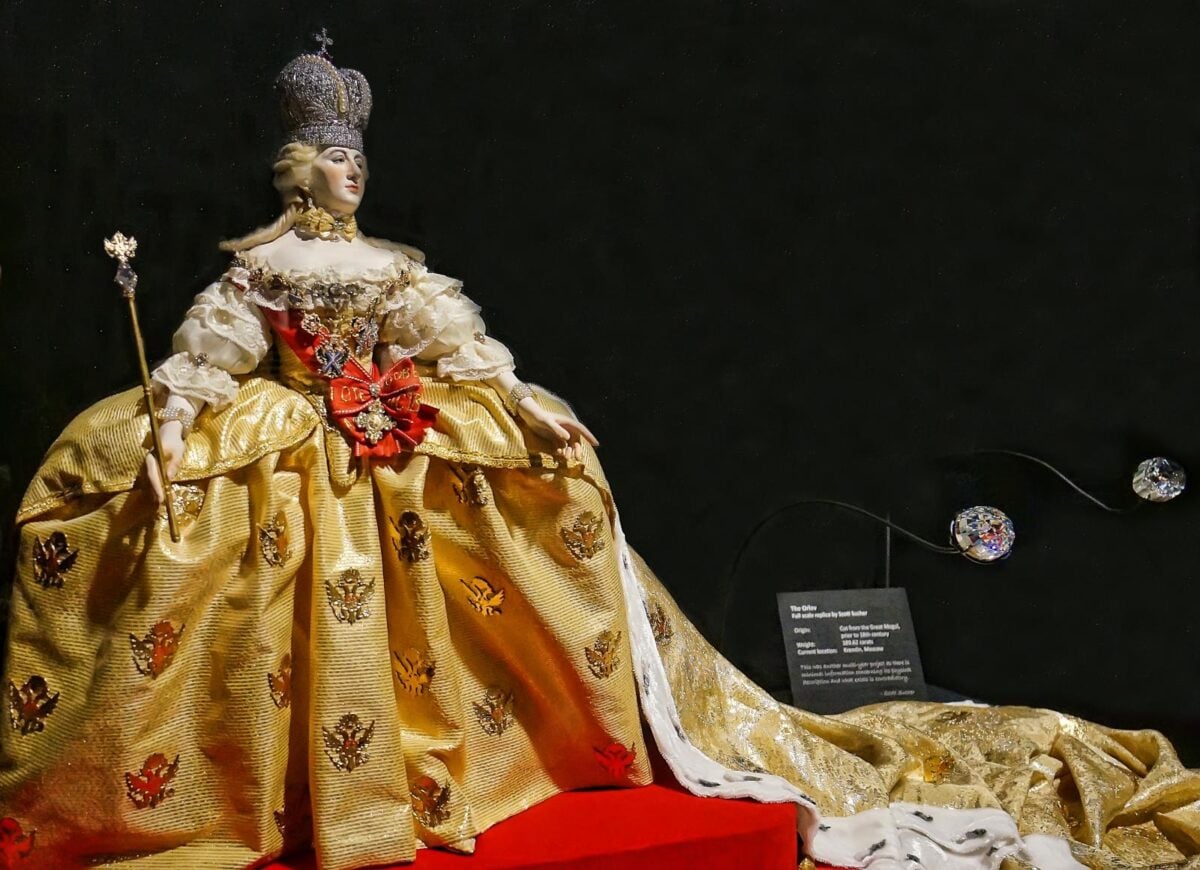
A 189-carat Indian diamond shaped like half an egg, rumoured to have once been the eye of a Hindu temple idol. Count Orlov gifted it to Catherine the Great in a bid to win her affection.
He failed romantically, but the gem became immortal, set into her Imperial Sceptre.Unlike so many treasures, it survived intact.
You can still see its pale green fire in Moscow, though its past life feels almost too strange to believe.
Like Go2Tutors’s content? Follow us on MSN.
The Imperial Fabergé Eggs
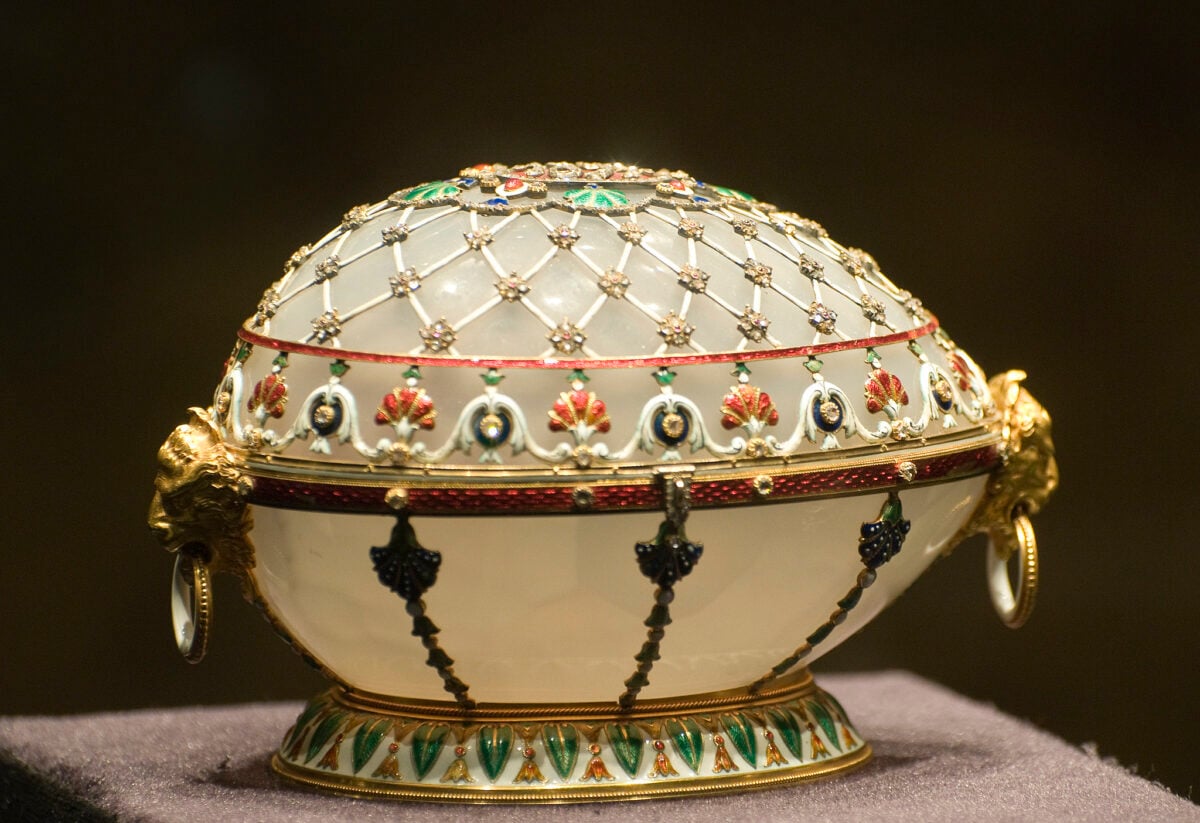
Each Easter, the Tsar presented the Empress with a new Fabergé egg—a tradition that blurred the line between art and obsession. Some opened to reveal miniature portraits, others tiny mechanical surprises.
When the dynasty collapsed, most were seized by the Bolsheviks. A few vanished during chaos and war.
A quick rundown of their fate:
• Some rest in museums in Moscow and St. Petersburg.
• Others lie in private collections abroad.
• A handful are simply gone—last seen in trunks and vaults never reopened.
The Diamond Diadem
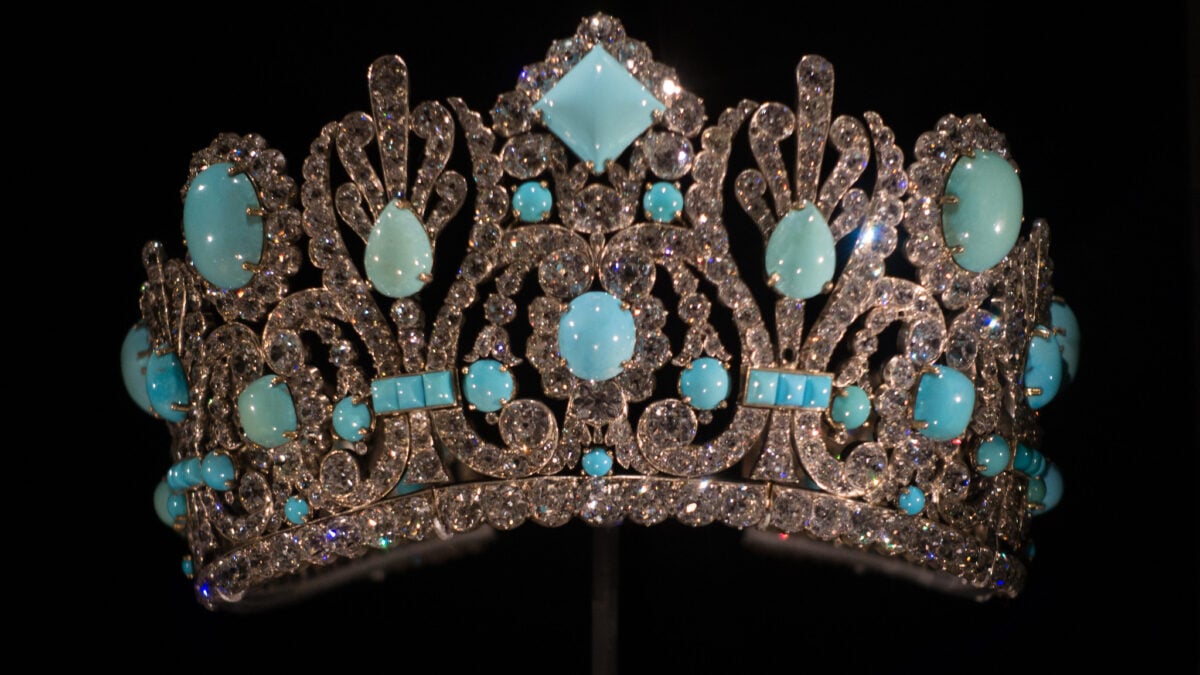
Designed for Empress Elizabeth Alexeievna, this diadem’s 1,500 diamonds once framed the faces of queens and grand duchesses in court portraits. Its intricate floral pattern seemed to shimmer like frost.
It too was taken by the new Soviet government and quietly sold off in the 1920s to raise funds for the regime. A few Western collectors knew what they were buying. Most didn’t.
The Nuptial Crown
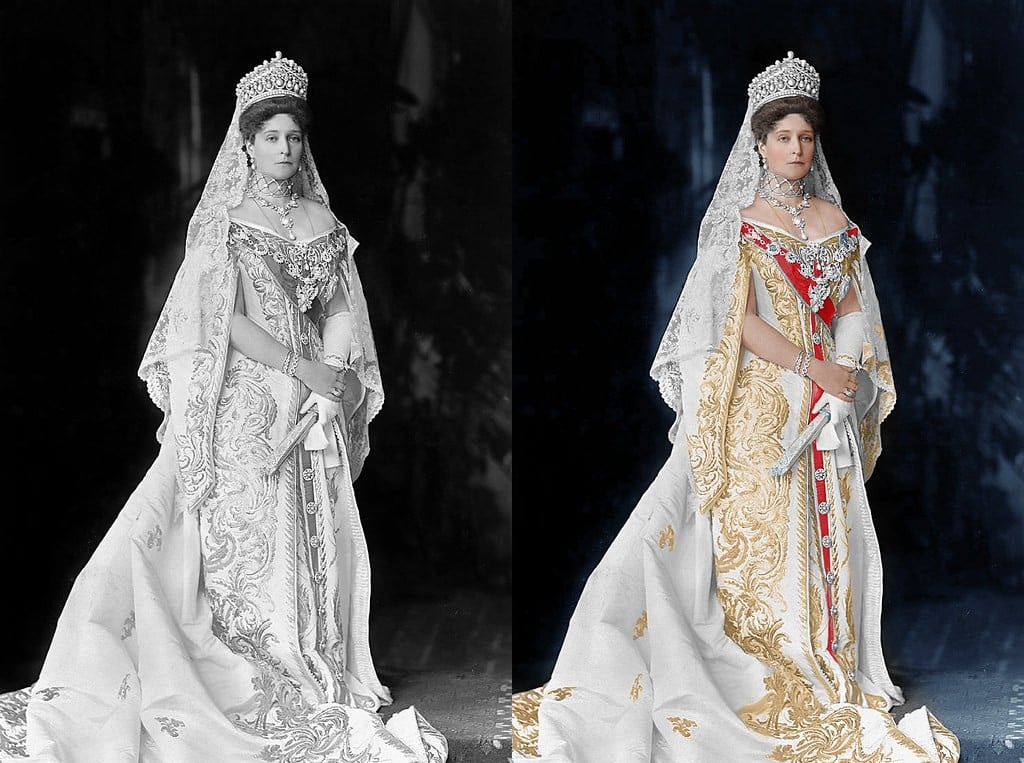
This smaller crown, set with rows of pearls and brilliants, was traditionally worn by imperial brides. The last to wear it was Alexandra Feodorovna, wife of Nicholas II, at her wedding in 1894.
When she later faced her final days in captivity, she kept only her faith and a few trinkets hidden in her clothing. The Nuptial Crown was long gone—an echo of vows made in better times.
Like Go2Tutors’s content? Follow us on MSN.
The Romanov Sapphires
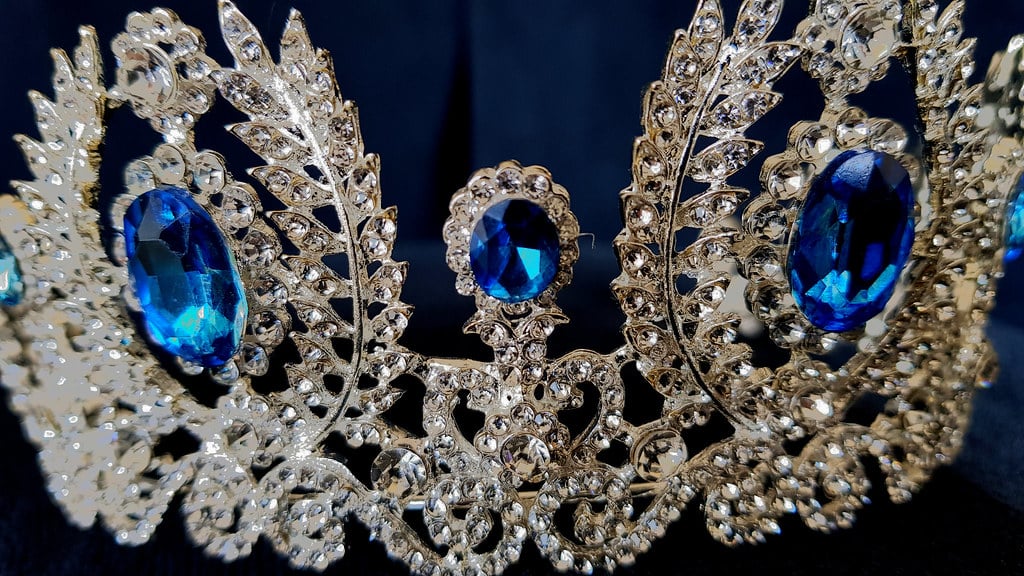
Some of the largest sapphires ever mined adorned the Romanov collection. Deep blue and endlessly polished, they were said to calm the mind of rulers and ward off envy.
During the Revolution, several were smuggled abroad—stitched into garments, sewn into dolls, hidden in bread loaves. A few surfaced years later in Paris auctions.
Others disappeared into legend.
The Coronation Necklace

Crafted for Empress Maria Feodorovna, it contained thirty-six perfectly matched diamonds and a single teardrop-shaped pearl. At court, it shimmered like morning dew against white silk.
After 1917, it was cataloged by the Soviets as “Item No. 418.” That’s all. Just a number in an inventory that outlived its wearers.
The Kokoshnik Tiara
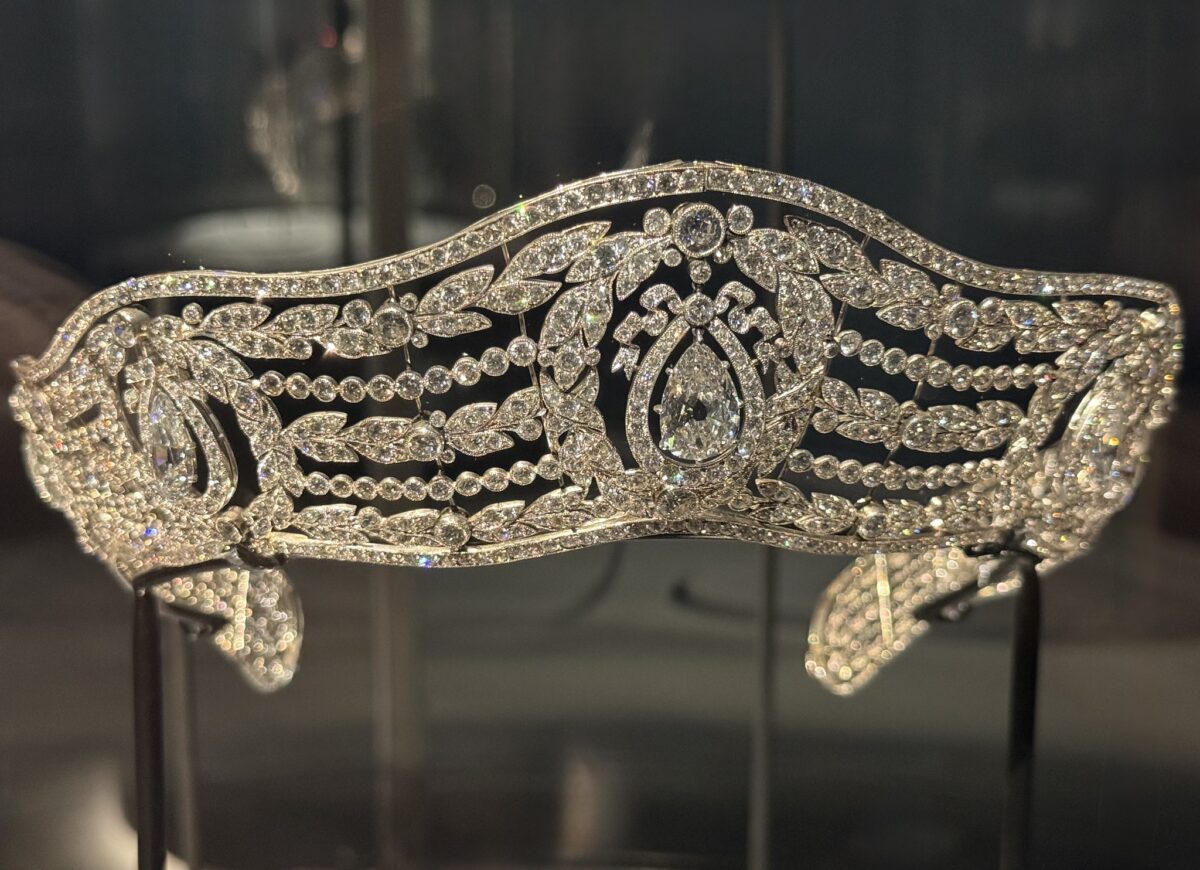
A favourite among the Romanov women, this tiara mimicked the traditional Russian peasant headdress, transformed into platinum and diamond splendor. It was both patriotic and impossibly glamorous.
Some say one version made its way to Britain, influencing royal tiara designs there. A quiet reminder that even in exile, Russia’s artistry left a mark.
Like Go2Tutors’s content? Follow us on MSN.
The Grand Duchess’s Emerald Brooch
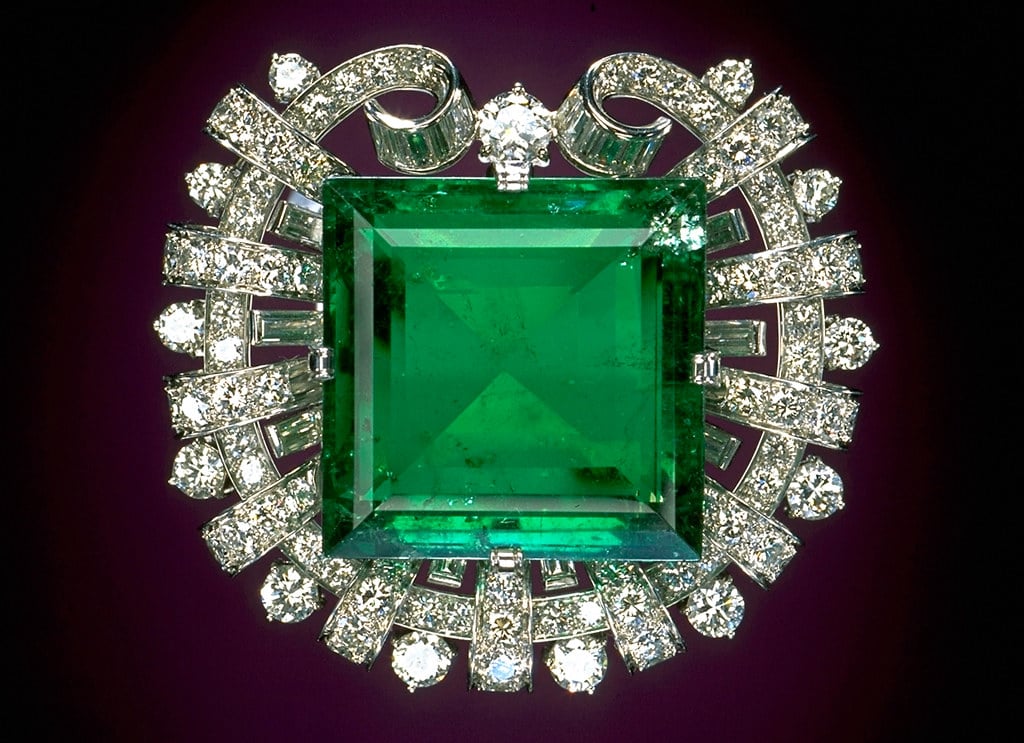
A simple setting by imperial standards—only one massive emerald surrounded by diamonds. It was worn by Grand Duchess Maria Pavlovna, who managed to flee Russia with a few jewels sewn into her clothing.
The brooch was later sold discreetly in Paris to fund her exile. Still, it outlived its purpose, passed through the hands of dealers, and resurfaced in museums as “anonymous Russian, circa 1900.”
The Unfinished Egg
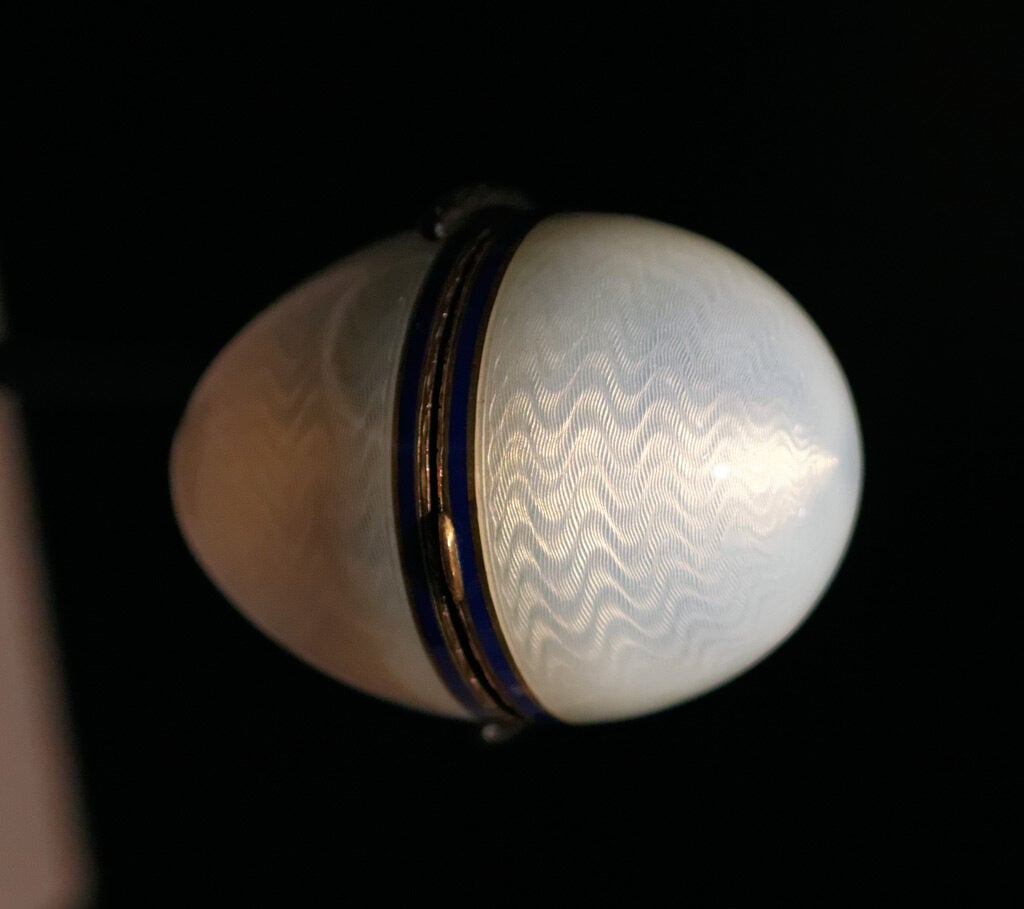
The last Fabergé egg commissioned for Easter 1917 was never completed. The Revolution came too soon.
Fabergé himself fled Russia shortly afterward. The half-finished piece—enamel incomplete, goldwork frozen mid-process—became a haunting symbol of a story cut short.
Even beauty, it seems, can die mid-sentence.
Like Go2Tutors’s content? Follow us on MSN.
Echoes of a Lost Empire
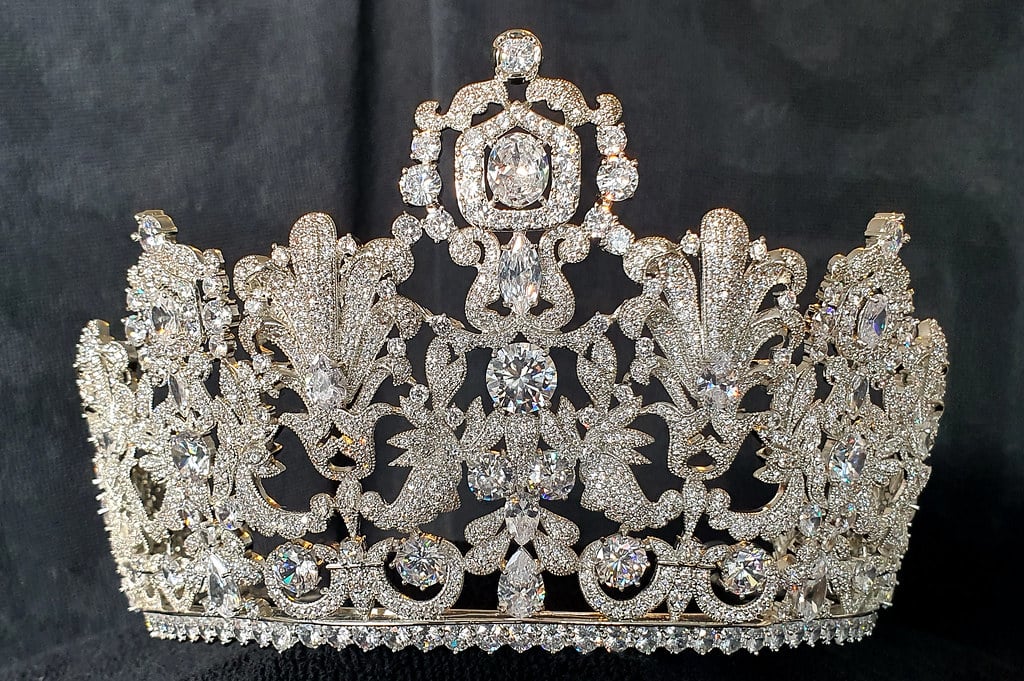
Today, what remains of the Romanov jewels sits behind glass, dazzling but silent. Others rest in private hands, their origins whispered about but never confirmed.
And yet, each gem still carries the weight of an empire—proof that even the brightest treasures can’t outshine the darkness of history.
More from Go2Tutors!

- 16 Historical Figures Who Were Nothing Like You Think
- 12 Things Sold in the 80s That Are Now Illegal
- 15 VHS Tapes That Could Be Worth Thousands
- 17 Historical “What Ifs” That Would Have Changed Everything
- 18 TV Shows That Vanished Without a Finale
Like Go2Tutors’s content? Follow us on MSN.



