US State Flags and What They Mean
State flags tell stories that go far beyond colorful fabric flapping in the wind. Each design carries decades or centuries of history, cultural pride, and carefully chosen symbols that represent what makes each state unique. From Alaska’s simple constellation to Maryland’s bold heraldic pattern, these flags capture everything from natural wonders to founding principles.
Understanding state flag symbolism reveals fascinating insights into American regional identity and history. Here’s a list of 17 notable US state flags and the meanings behind their distinctive designs.
Alaska

The Alaska flag showcases eight gold stars forming the Big Dipper constellation and the North Star on a dark blue field. Designed by 13-year-old Benny Benson in 1927, the flag’s symbolism is straightforward yet powerful. The blue represents Alaska’s vast skies and forget-me-not flowers, while the gold stars honor the state’s northern location and the guiding principles that led to statehood.
California
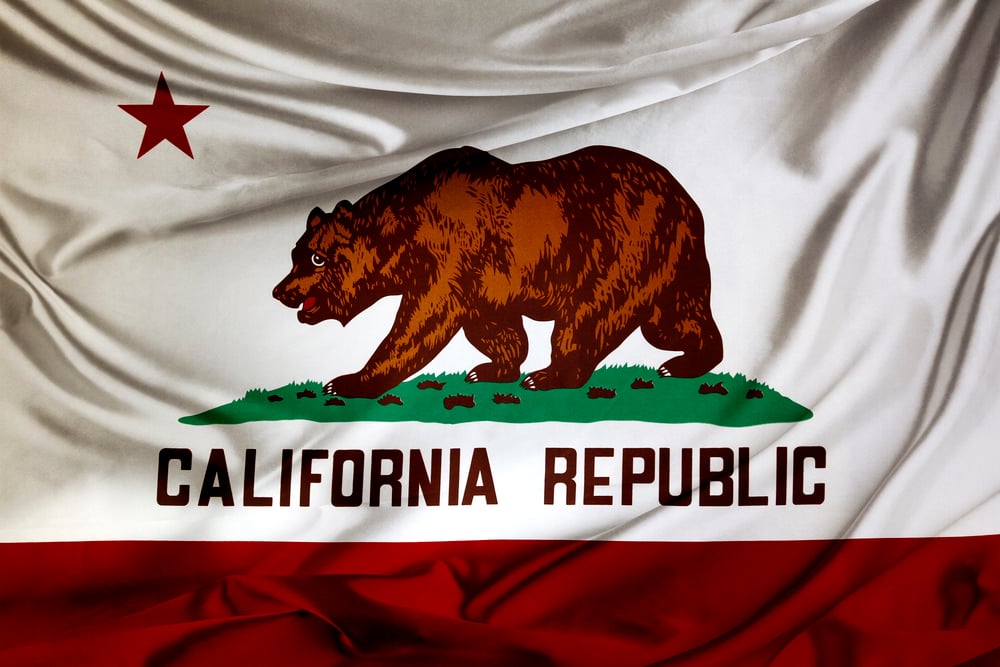
California’s flag displays a brown grizzly bear walking on green grass toward a red star, with ‘California Republic’ written below. The bear represents strength and courage, honoring the extinct California grizzly that once roamed the state. The red star symbolizes sovereignty. The green grass strip represents the state’s fertile valleys and agricultural abundance.
Colorado
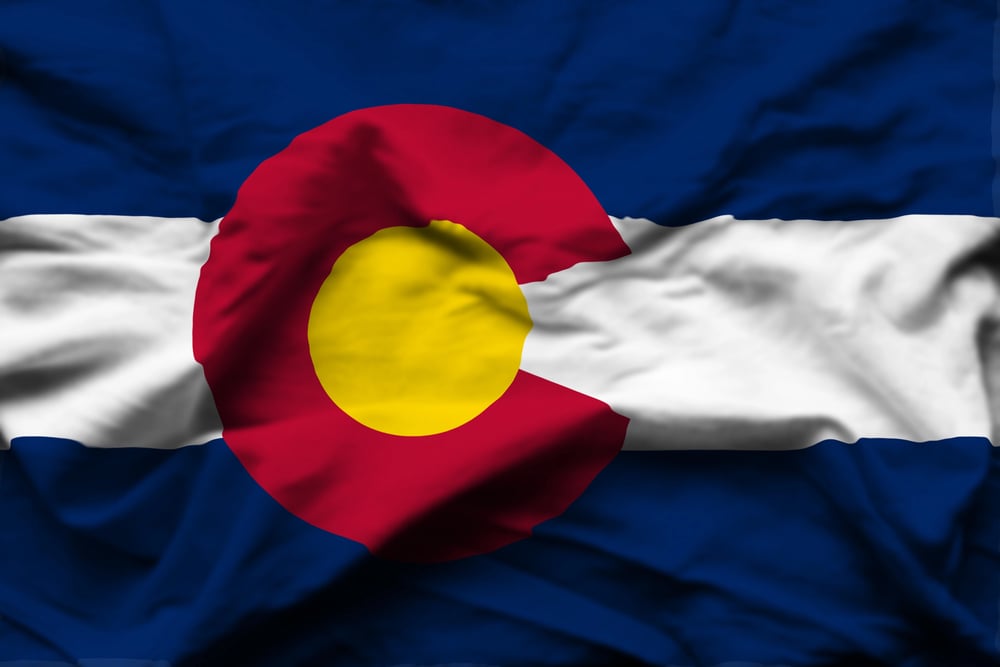
The Colorado flag features horizontal blue and white stripes with a red ‘C’ containing a golden circle. The blue stripes represent the clear skies over Colorado’s mountains, while white symbolizes the snow-capped peaks. The red ‘C’ stands for the state name and the ruddy earth, while the golden circle inside represents the abundant sunshine that blesses the state year-round.
Delaware
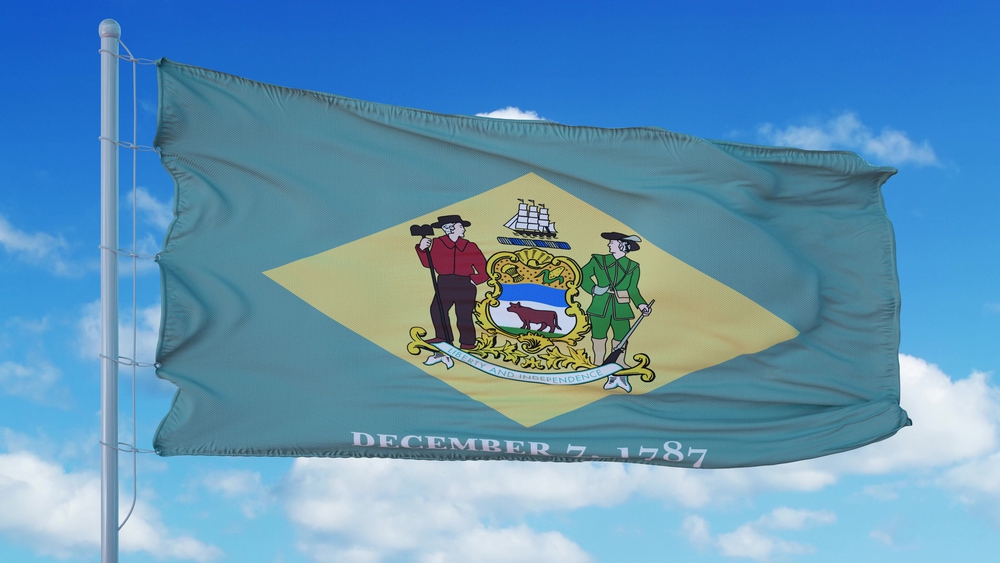
Delaware’s flag displays the state coat of arms centered on a buff-colored background, the same shade used in Revolutionary War uniforms. The coat of arms features a farmer and soldier flanking a shield, representing the importance of both agriculture and military defense. The ship on the shield symbolizes Delaware’s coastal commerce, while the date December 7, 1787, proudly marks Delaware as the first state to ratify the Constitution. Pretty impressive for the second smallest state.
Hawaii
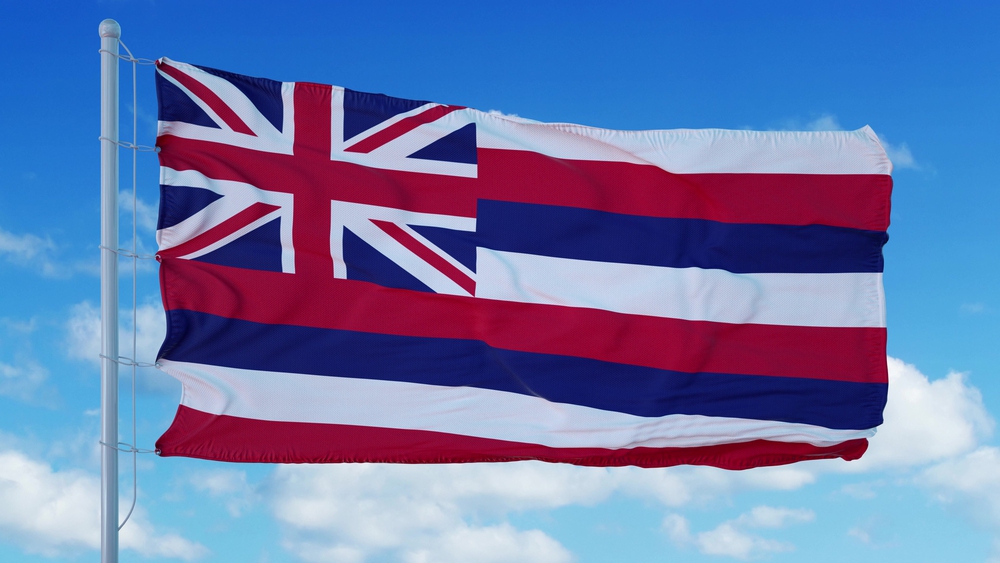
Hawaii’s flag uniquely combines the British Union Jack in the corner with eight alternating red, white, and blue stripes. The Union Jack acknowledges Hawaii’s historical ties to Britain, while the eight stripes represent the eight main Hawaiian islands. This design reflects Hawaii’s position as a bridge between American and Pacific cultures, honoring both its Polynesian roots and its path to statehood.
Maryland
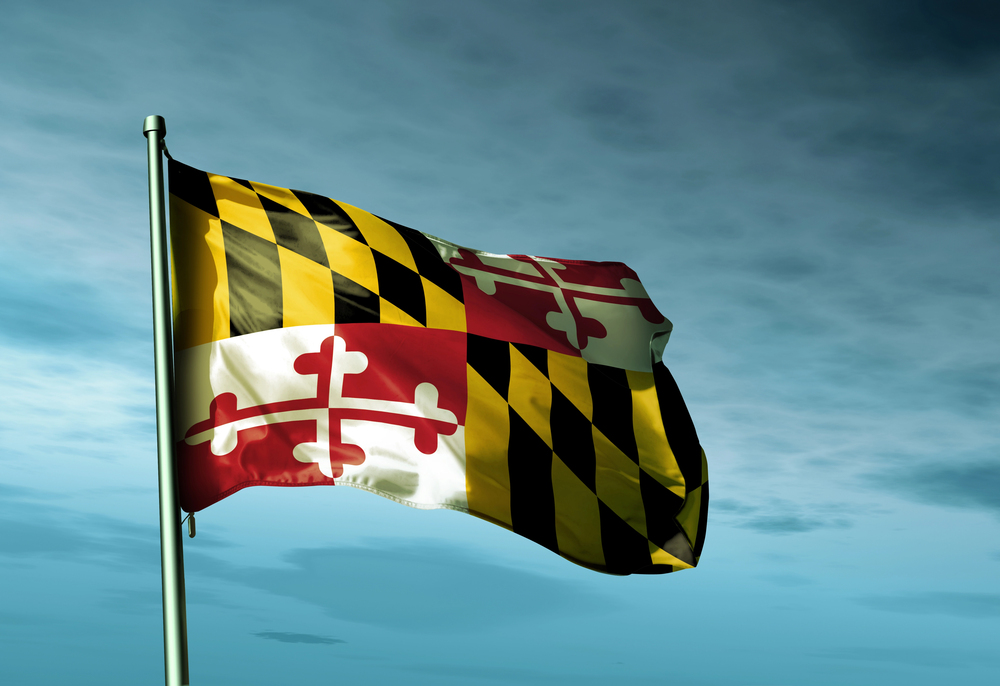
Maryland’s flag displays the distinctive heraldic banner of the Calvert and Crossland families, featuring alternating quadrants of black and gold checkerboard and red and white crosses. This design makes Maryland’s flag one of the most recognizable in the nation. The black and gold represent the Calvert family who founded Maryland, while the red and white honor the Crossland family, creating a unique piece of colonial heraldry still flying today.
New Mexico
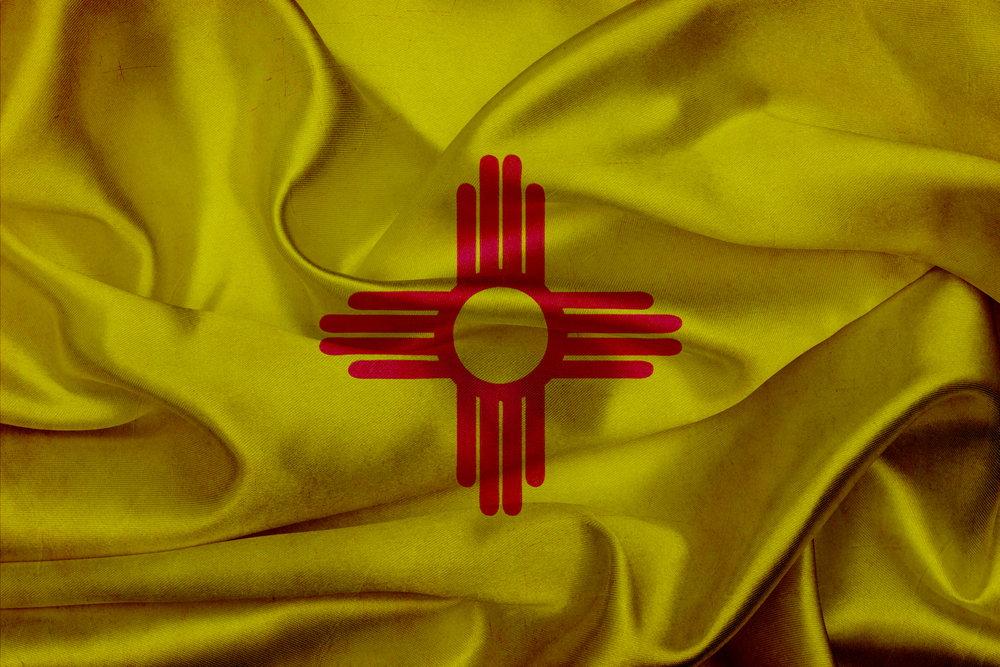
New Mexico’s flag displays a red Zia sun symbol centered on a bright yellow field, creating one of the most distinctive state flags. The Zia symbol represents the sun with four rays extending in each cardinal direction, sacred to the Zia Pueblo people. Each group of four rays represents important concepts: the four seasons, four directions, four times of day, and the four stages of life, reflecting the deep spiritual connection between New Mexico’s landscape and its Native American heritage.
Ohio
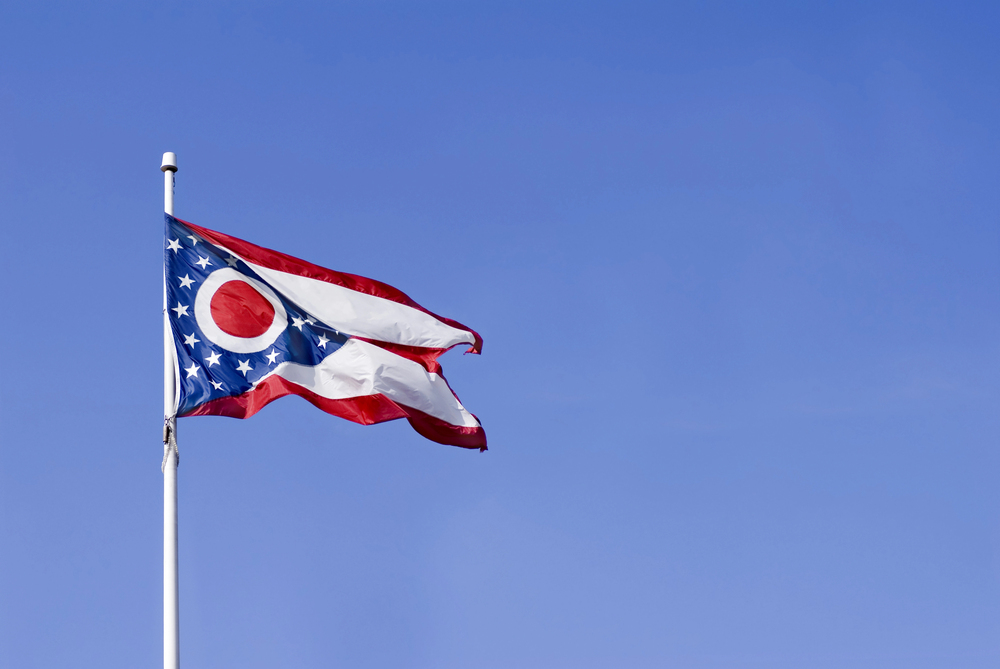
Ohio’s unique pennant-shaped flag features a blue triangular field with a red circle surrounded by white, creating a distinctive design unlike any other state flag. The pennant shape represents Ohio’s distinctive position among states, while the red circle with white border represents the ‘O’ in Ohio. Seventeen stars around the circle commemorate Ohio as the 17th state, making this the only state flag that isn’t rectangular.
Oregon
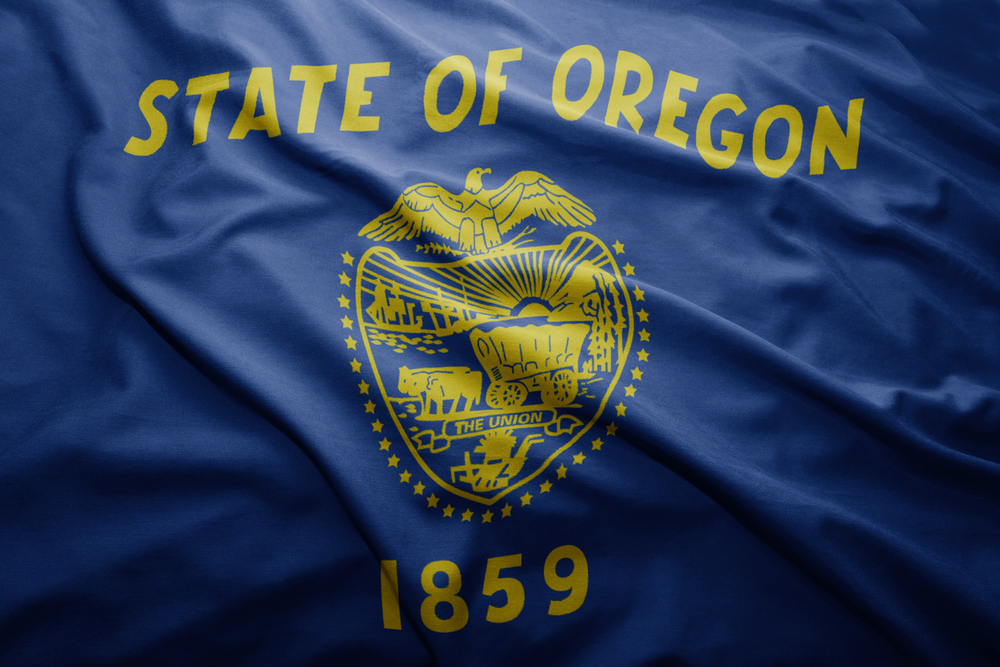
Oregon holds the distinction of having different designs on both sides of its state flag, the only state flag with this feature. The front shows the state seal on a navy blue field with ‘State of Oregon 1859’ above and below. The reverse side displays Oregon’s state animal, a golden beaver, representing the fur trade that brought early settlers to Oregon and established the state’s economic foundation.
South Carolina
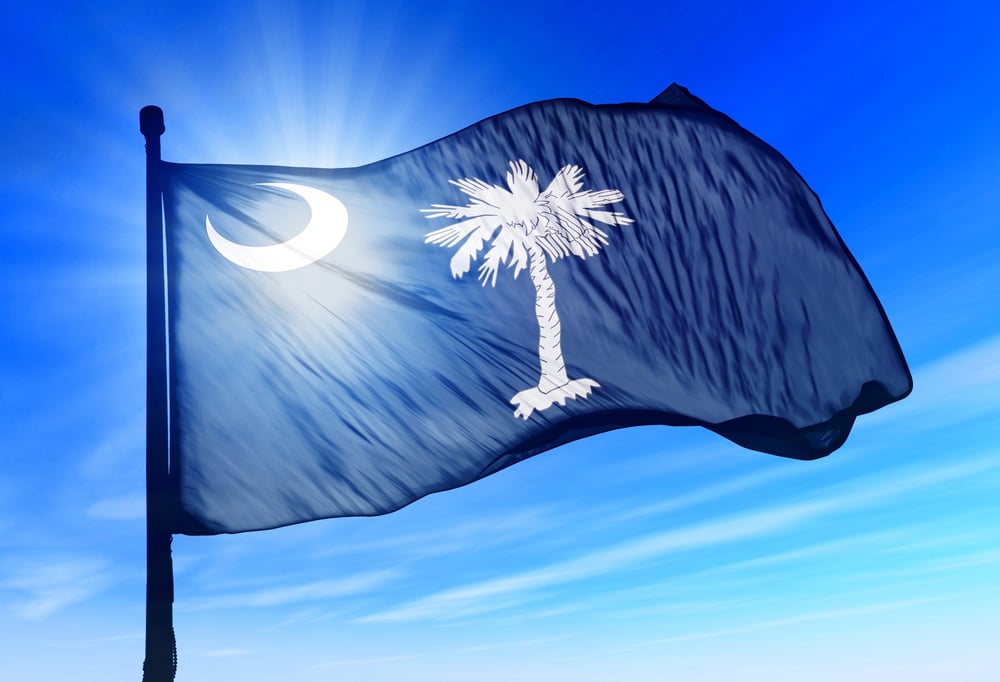
South Carolina’s flag features a white palmetto tree and crescent on a blue field, adopted in 1861 with roots dating to the Revolutionary War. The palmetto tree honors Fort Moultrie’s palmetto log walls that successfully defended Charleston Harbor in 1776. The crescent represents the silver emblem worn on Revolutionary War caps by South Carolina troops, creating a flag that celebrates both natural state symbols and military heritage.
Tennessee

Tennessee’s flag features three white stars on a blue circle, surrounded by a white band and set against a red field. The three stars represent the three geographic regions of Tennessee: East, Middle, and West, unified by the encircling white band. The blue circle symbolizes the eternal bond between these regions, while the red field represents the courage and determination of Tennessee’s people throughout history.
Texas
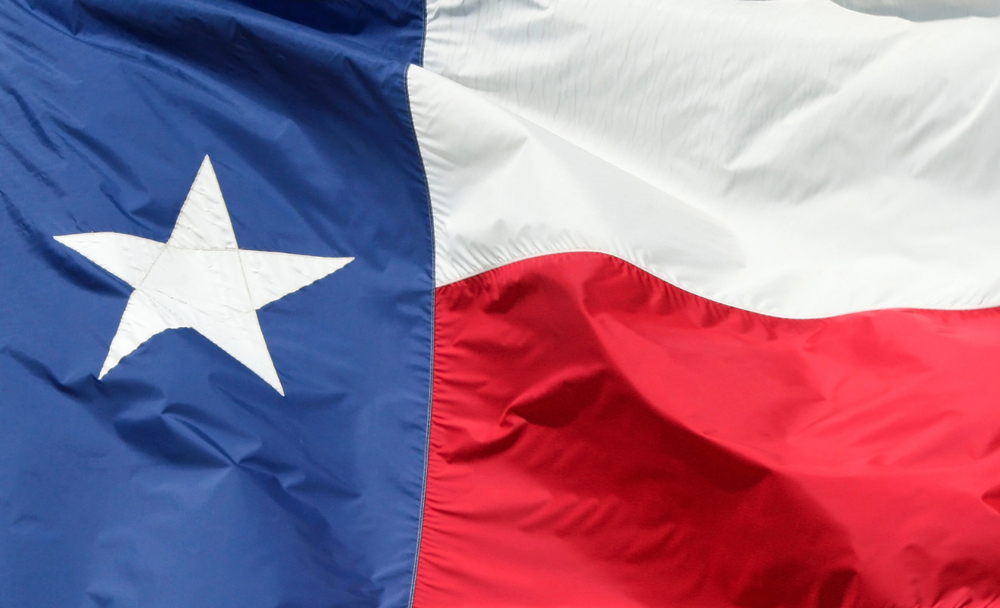
The Texas flag displays a single white star on a blue vertical stripe beside horizontal white and red stripes, earning its nickname as the ‘Lone Star Flag.’ The blue represents loyalty, white stands for purity, and red symbolizes bravery. The single star represents Texas’s pride in its former status as an independent republic and its unified identity as one indivisible state, making it one of America’s most recognizable flags.
Utah
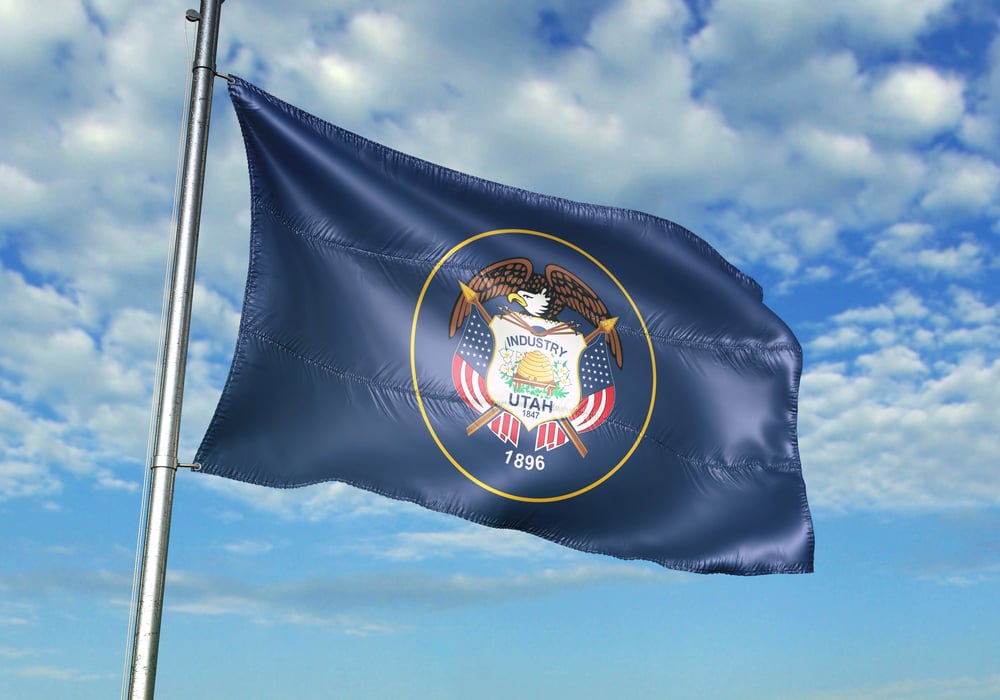
Utah’s flag underwent a redesign in 2024, replacing the traditional seal-on-blue format with a more distinctive design featuring a white beehive on a dark blue field with red stripes. The beehive represents industry and community cooperation, core values in Utah’s heritage. The blue symbolizes trust and stability, while the red represents courage and determination, creating a modern flag that honors Utah’s pioneering spirit and collaborative culture.
Vermont
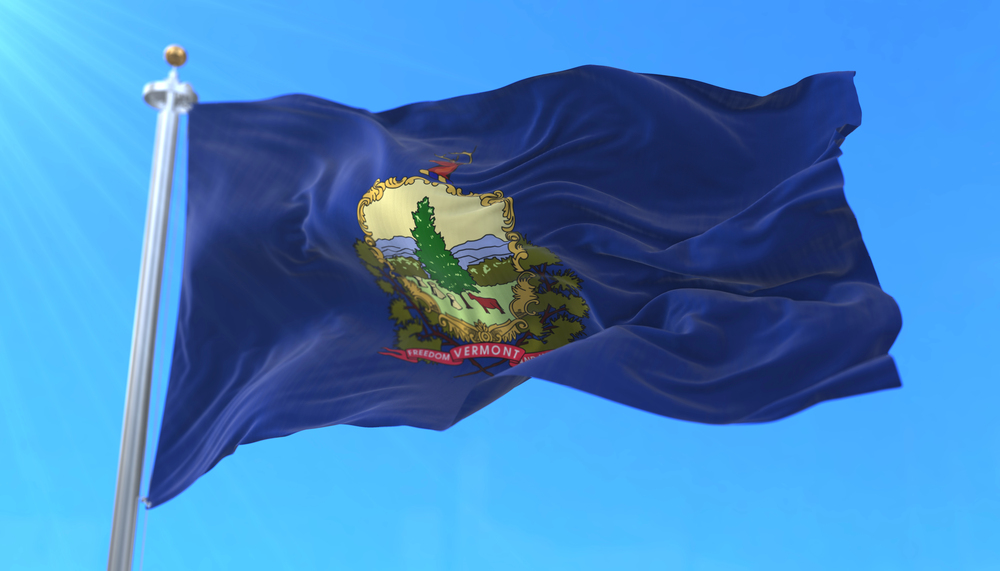
Vermont’s flag shows the state coat of arms centered on a blue field, featuring a shield with mountains, forests, and wheat sheaves representing the state’s natural beauty and agricultural heritage. A deer’s head above the shield honors Vermont’s wildlife, while pine branches on either side represent the state’s extensive forests. The banner below displays Vermont’s motto ‘Freedom and Unity,’ reflecting the state’s commitment to both individual liberty and collective cooperation.
Virginia
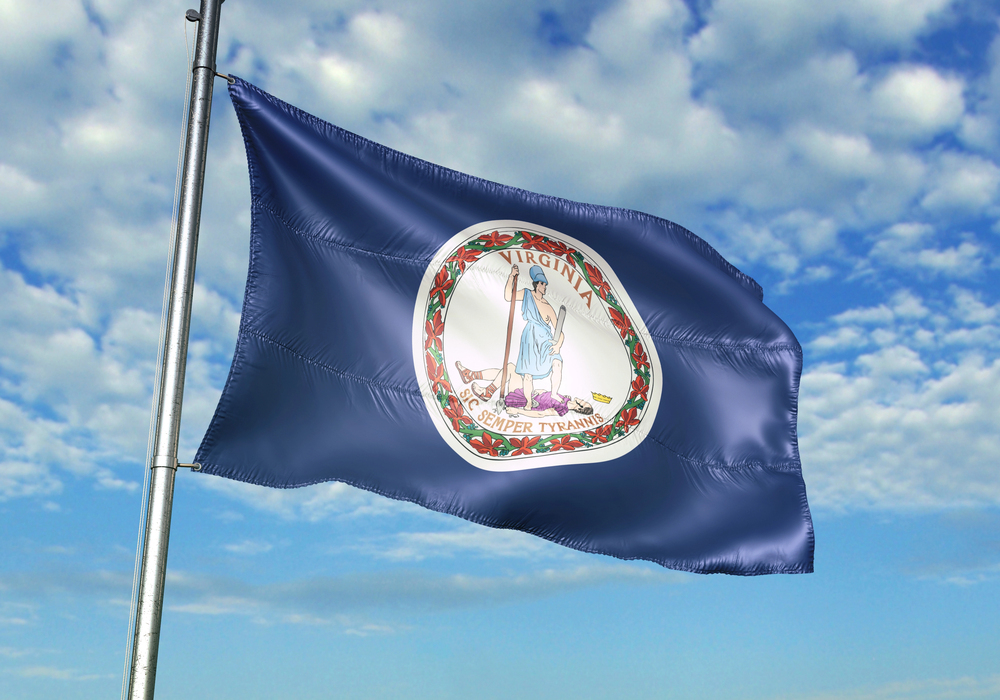
Virginia’s flag displays the state seal on a blue field, showing Virtue trampling on Tyranny with the motto ‘Sic Semper Tyrannis’ (‘Thus Always to Tyrants’). Virtue appears as a woman in Amazon dress holding a spear and sword, standing over the fallen figure of Tyranny. This powerful imagery reflects Virginia’s role in American independence and its ongoing commitment to defeating oppressive government through virtuous leadership.
Washington
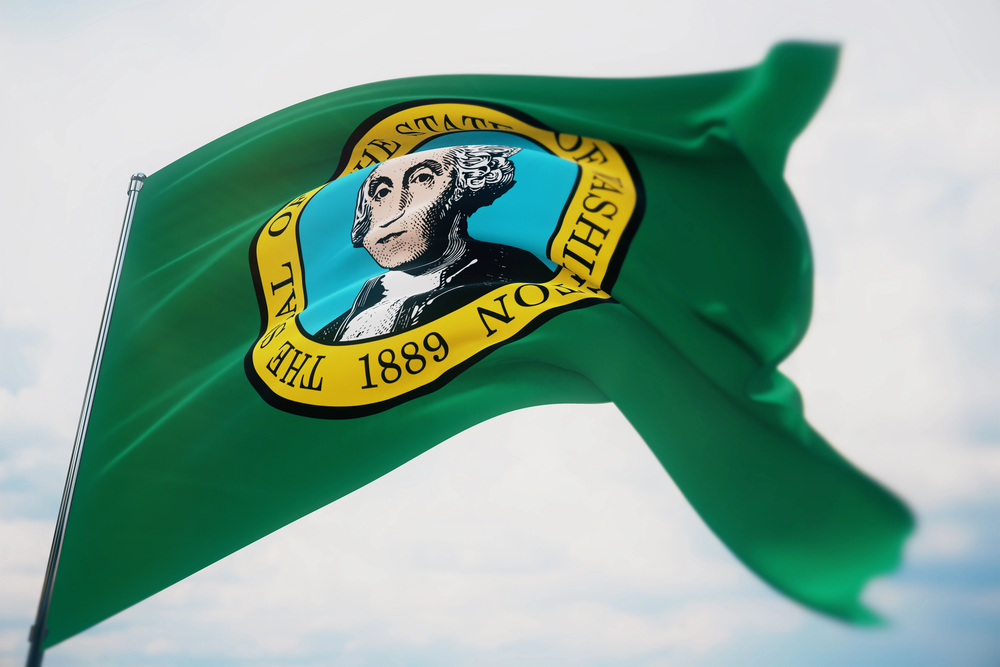
Washington’s flag features the state seal centered on a green field, making it the only state flag with a green background. The seal shows George Washington’s profile, honoring the first president for whom the state was named. The green background represents Washington’s lush forests and agricultural lands, particularly in the western part of the state where evergreen trees dominate the landscape year-round.
Wyoming
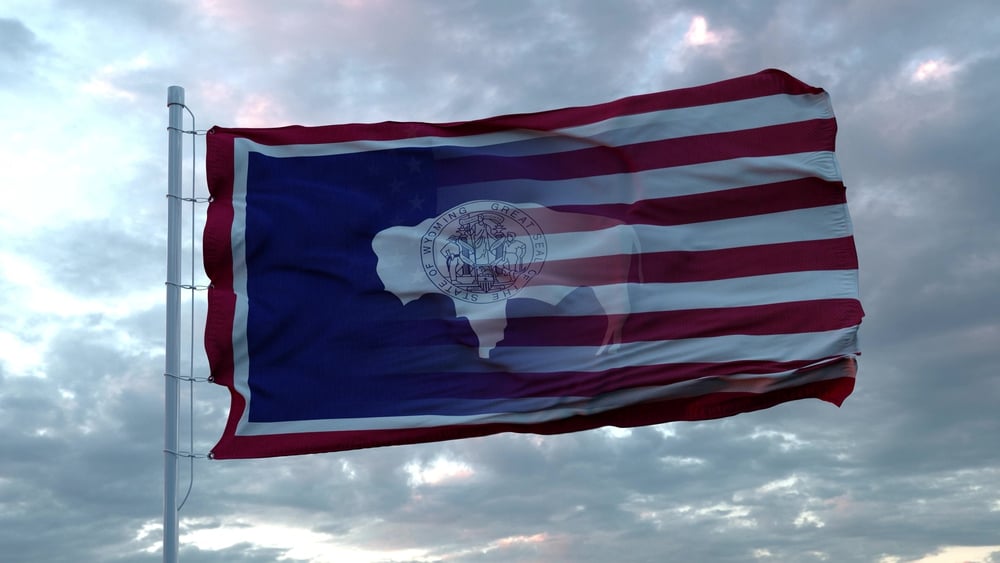
Wyoming’s flag shows the state seal centered on a white bison silhouette against a blue field with red and white borders. The bison represents Wyoming’s wildlife heritage and the state’s commitment to conservation. The state seal contains symbols of ranching, mining, and agriculture, the three pillars of Wyoming’s economy, while the red border symbolizes the Native Americans who first inhabited the land and the blood shed by early pioneers.
Stars, Stripes, and Stories That Endure

These 17 flags represent far more than government symbols hanging outside courthouses and schools across America. They capture the dreams of settlers heading west, the pride of communities built around natural resources, and the ongoing evolution of what it means to call each place home. From Maryland’s medieval heraldry to New Mexico’s ancient Zia symbol, these designs bridge centuries of history while pointing toward each state’s unique future. Still, every star, stripe, and symbol tells part of America’s larger story, one flag at a time.
More from Go2Tutors!

- The Romanov Crown Jewels and Their Tragic Fate
- 13 Historical Mysteries That Science Still Can’t Solve
- Famous Hoaxes That Fooled the World for Years
- 15 Child Stars with Tragic Adult Lives
- 16 Famous Jewelry Pieces in History
Like Go2Tutors’s content? Follow us on MSN.