Natural Wonders Shaped by Climate Change
Our planet’s most beautiful places are changing before our eyes. From giant glaciers that have stood for thousands of years to colorful coral reefs that teem with life, these natural wonders face new challenges every day. Climate change has become their biggest threat, altering landscapes in ways that would have seemed impossible just decades ago.
The changes happening today will shape what future generations get to see and experience. Let’s explore how our warming world is transforming these incredible places.
The Great Barrier Reef’s fight for survival
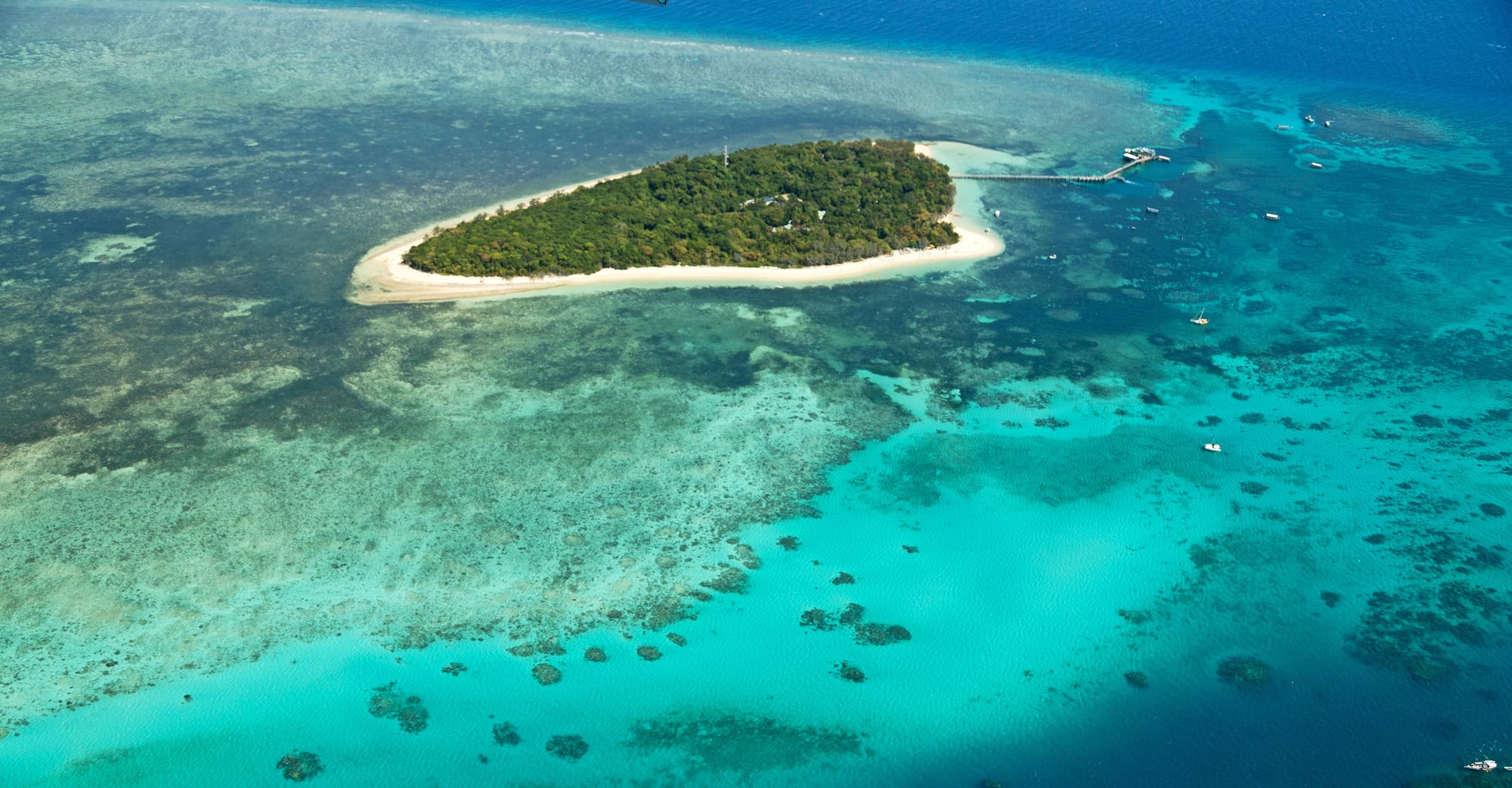
Australia’s Great Barrier Reef has become the poster child for climate damage to natural wonders. In the years 2024, 2017 and 2020, the Coral Sea reached 400-year highs, with 2024 being the warmest on record by a large margin.
Rising ocean temperatures cause coral bleaching, where stressed corals expel the colorful algae that keep them alive. The reef has lost about half of its coral cover since the 1990s.
Scientists work around the clock to find ways to help corals adapt to warmer waters.
Amazon rainforest on the brink
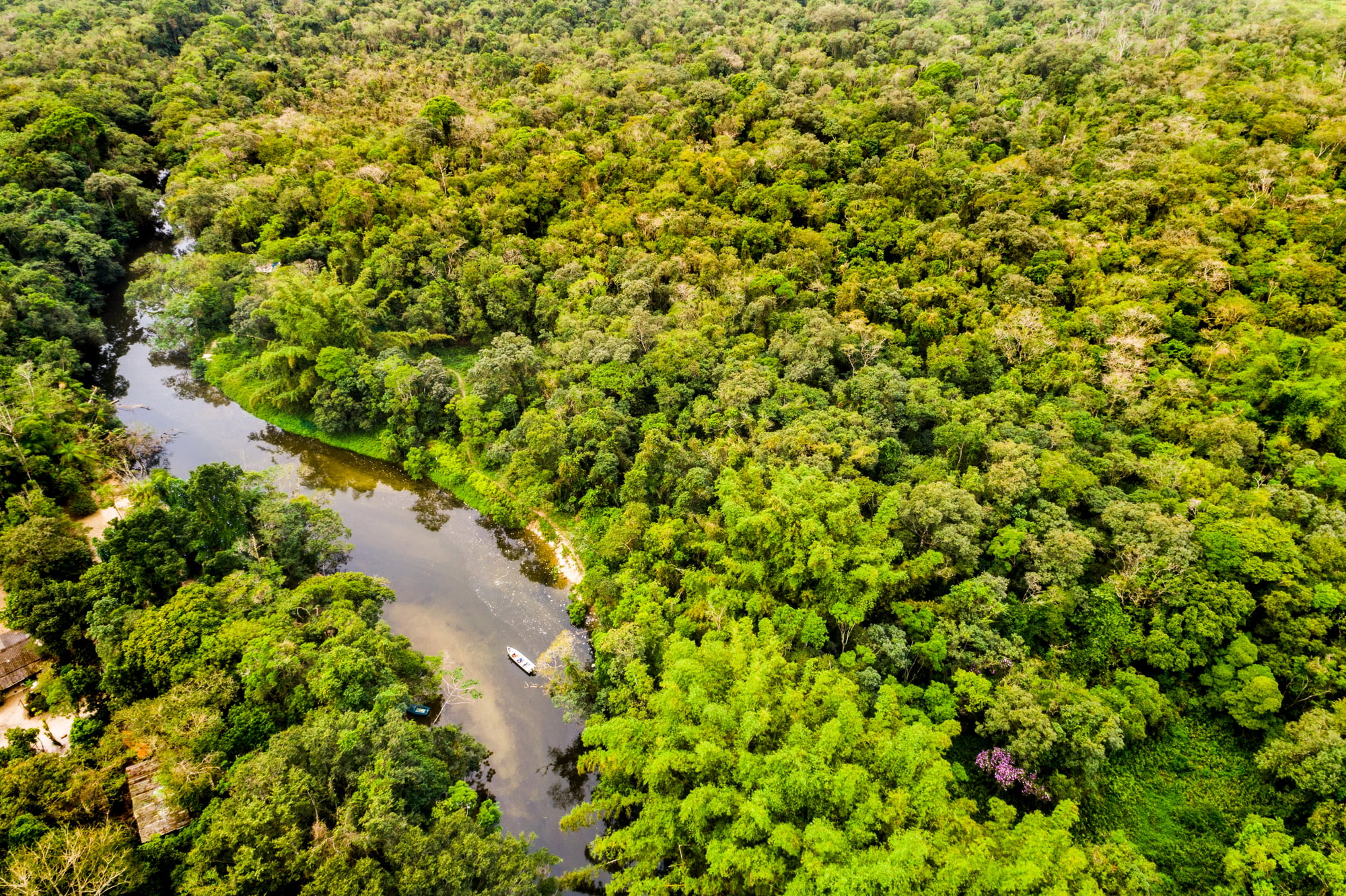
For 65 million years, Amazonian forests remained relatively resilient to climatic variability. Now, the region is increasingly exposed to unprecedented stress from warming temperatures, extreme droughts, deforestation and fires.
The rainforest produces its own rainfall through a natural cycle, but this system breaks down when temperatures get too high. Parts of the Amazon already release more carbon than they absorb.
Some areas may transform from lush forests into dry grasslands within our lifetime.
Glaciers melting at record pace
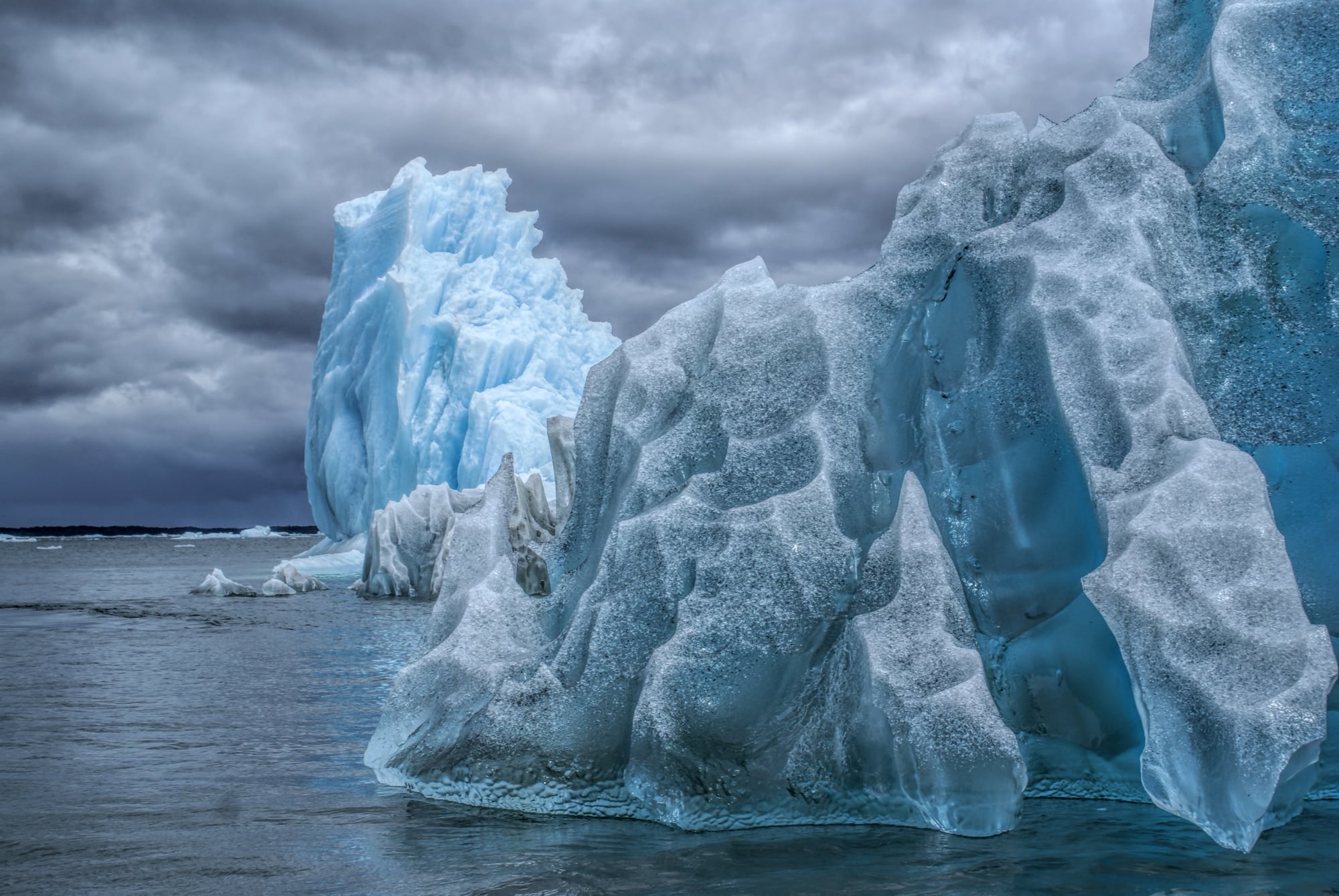
Mountain glaciers around the world shrink faster each year. The Alps have lost about 60% of their glacier ice since the 1850s, and the rate keeps accelerating.
Glacier National Park in Montana had 150 glaciers in 1910 but now has fewer than 30. These ice giants feed major rivers that billions of people depend on for water.
Their disappearance changes entire watersheds and threatens water security for communities downstream.
Giant Sequoias under siege
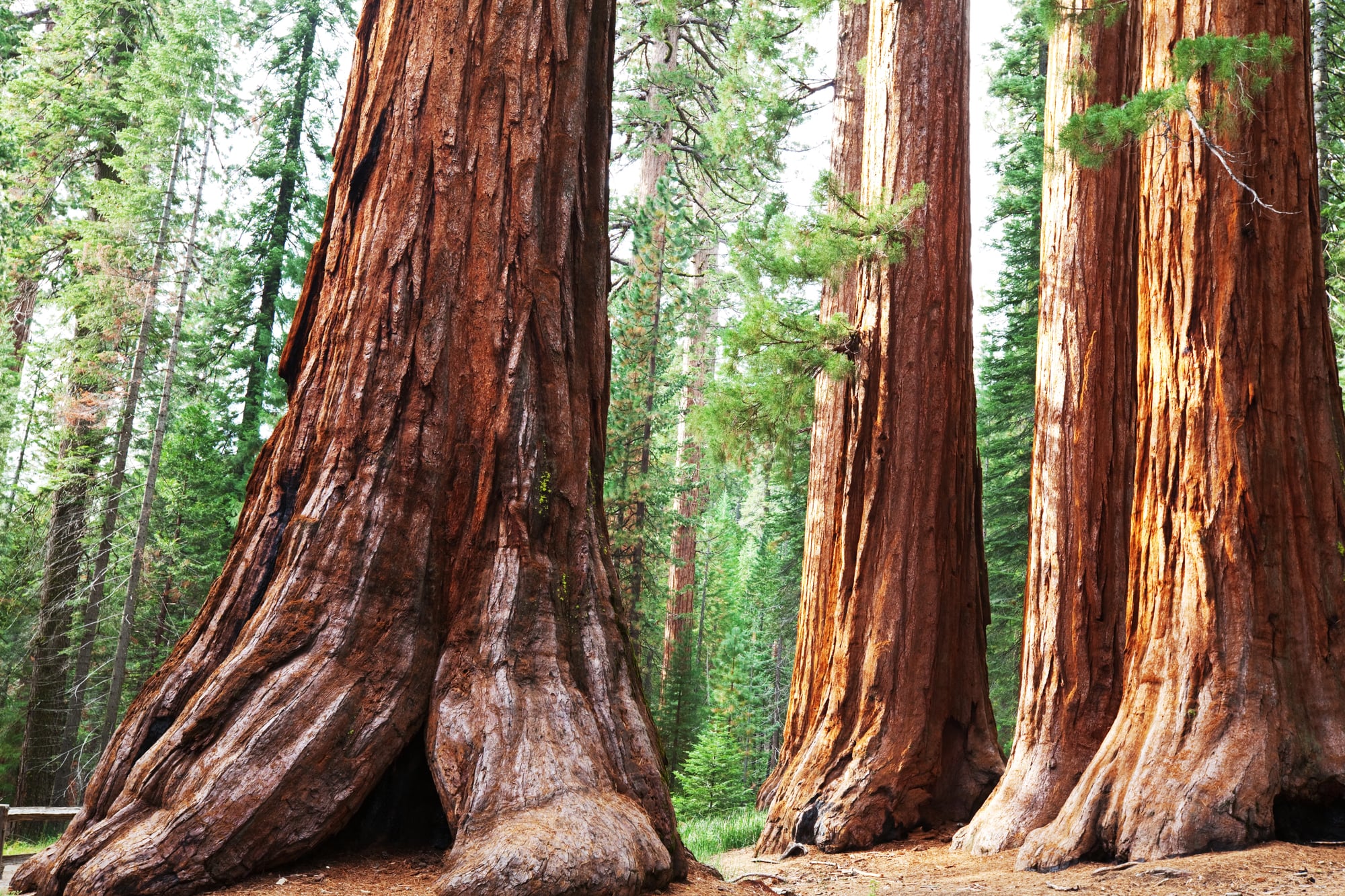
California’s ancient Sequoia trees have survived for over 3,000 years by adapting to natural fire cycles. Climate change has made wildfires hotter and more frequent than these giants can handle.
The 2020 Castle Fire alone killed thousands of mature Sequoias in a single event. Park rangers now wrap the biggest trees in fire-resistant blankets during major blazes.
These living monuments to Earth’s history face their greatest challenge in millennia.
Arctic sea ice shrinking away
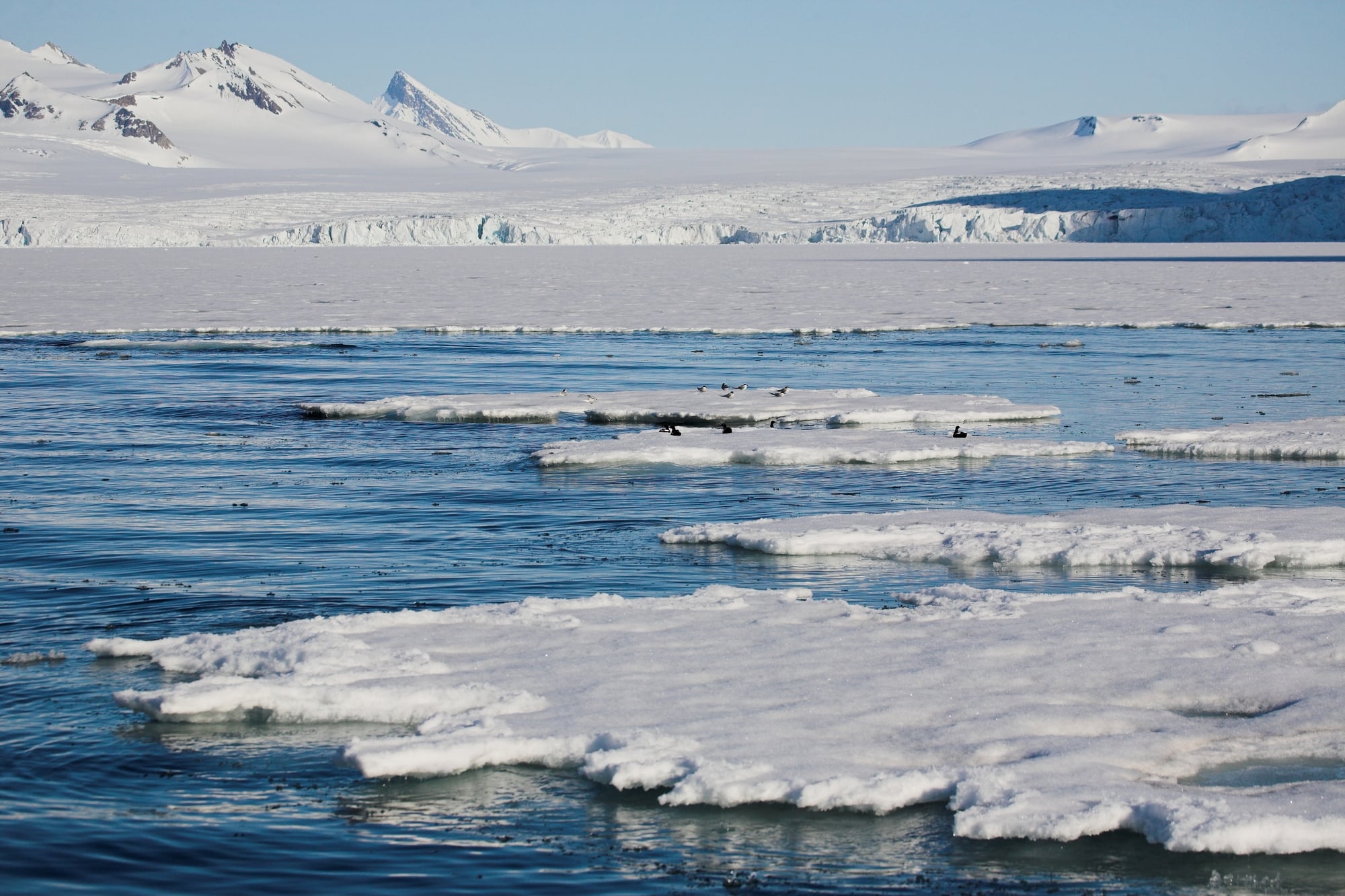
The Arctic Ocean loses about 13% of its sea ice every decade. Polar bears depend on this ice to hunt seals, their main food source.
As ice forms later and melts earlier each year, bears have less time to build up fat reserves. Some populations have dropped by 30% in recent decades.
The white ice also reflects sunlight back to space, so losing it makes the planet warm even faster.
Coral triangle losing its colors
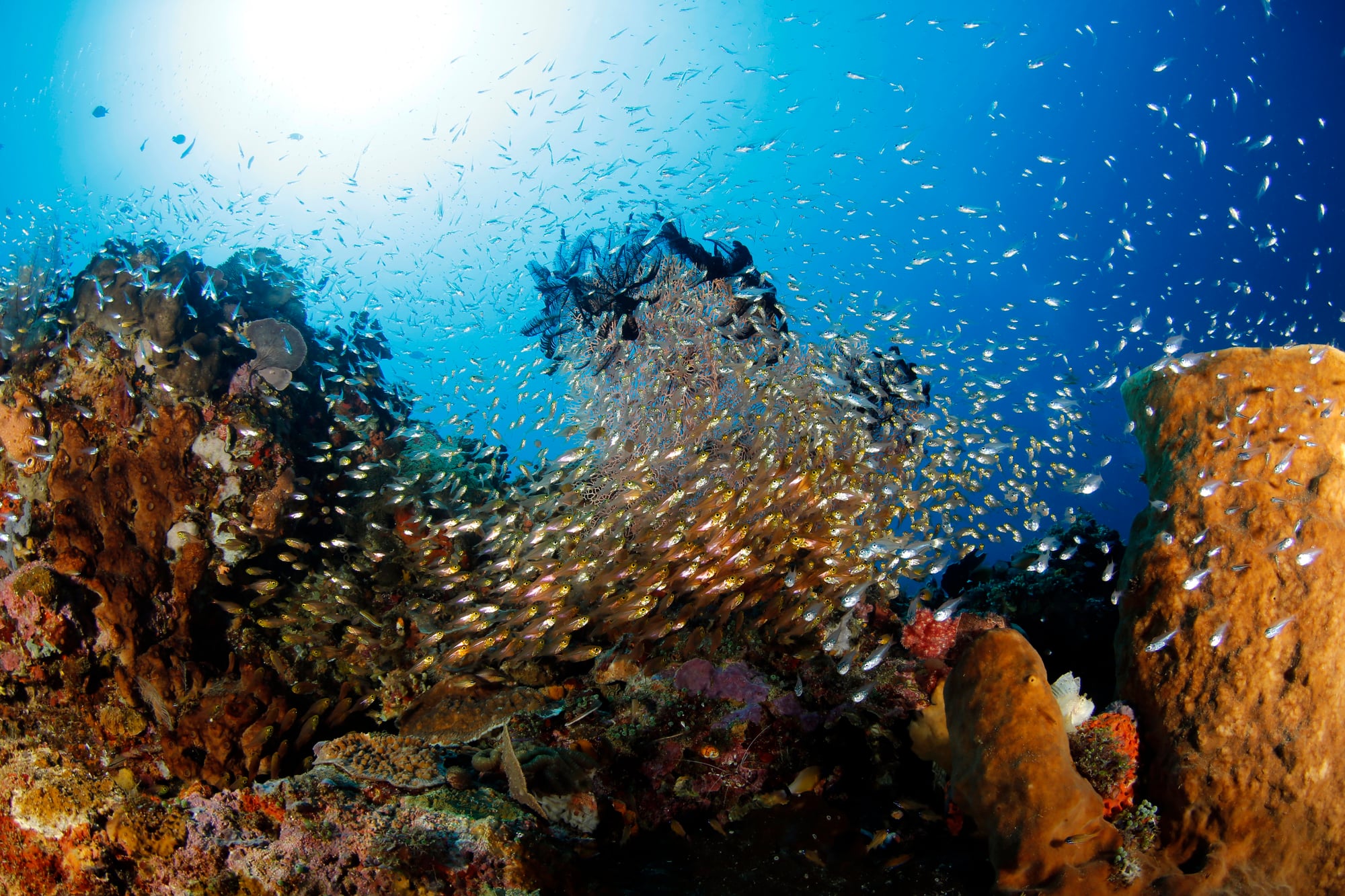
The Coral Triangle in Southeast Asia contains the richest marine life on Earth. This area spanning Indonesia, Malaysia, and the Philippines hosts 75% of all known coral species.
Rising water temperatures and ocean acidity from carbon dioxide absorption stress these delicate ecosystems. Bleaching events that once happened every 25 years now occur every 6 years.
Local communities that depend on fishing and tourism face uncertain futures.
Madagascar’s unique species at risk
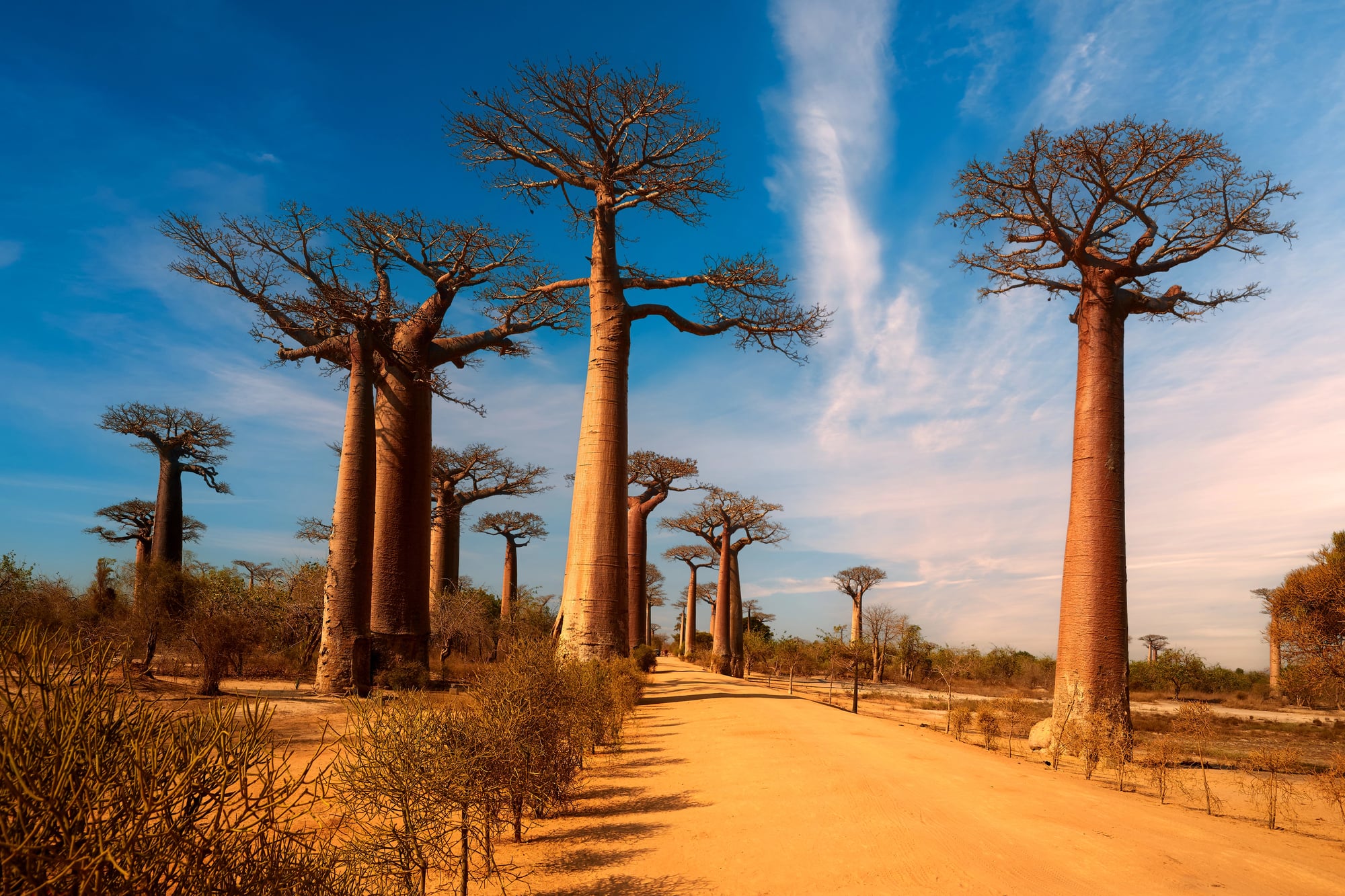
Madagascar split from Africa 160 million years ago, creating a natural laboratory where unique animals evolved. The island’s forests provide homes for lemurs, fossas, and thousands of plants found nowhere else on Earth.
Cyclones have become stronger and more frequent due to warmer ocean temperatures. Extended dry seasons stress the remaining forests.
About 90% of Madagascar’s original forest cover has already disappeared.
Himalayas losing their snow crown
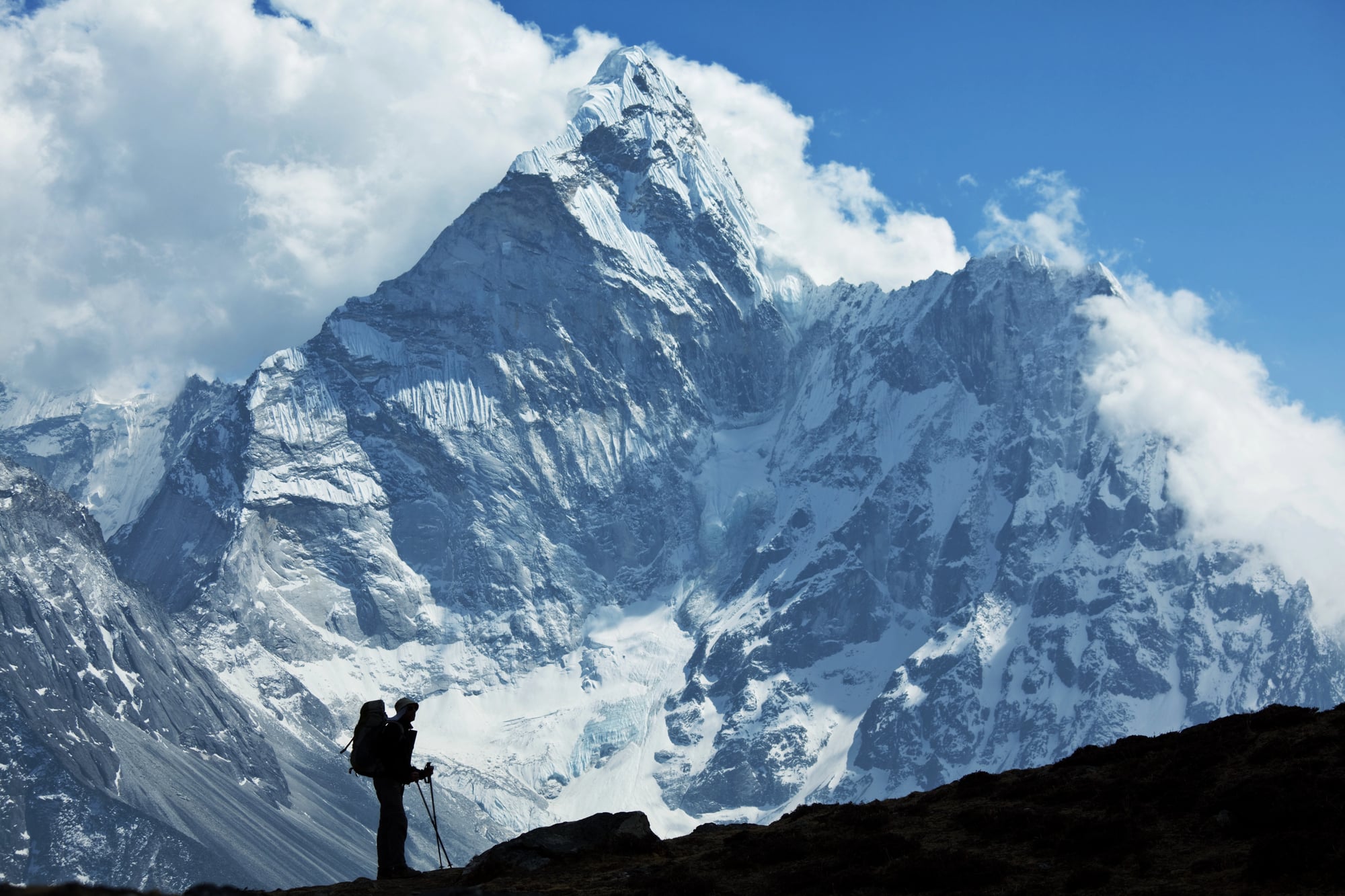
The Hindu Kush Himalayas contain more ice than anywhere except the polar regions. These mountains feed ten major river systems that provide water for nearly 2 billion people.
Rising temperatures cause glaciers to melt and change precipitation patterns from snow to rain. Scientists predict the region could lose two-thirds of its glaciers by 2100.
This would create floods followed by severe water shortages across Asia.
Sahara desert expanding south
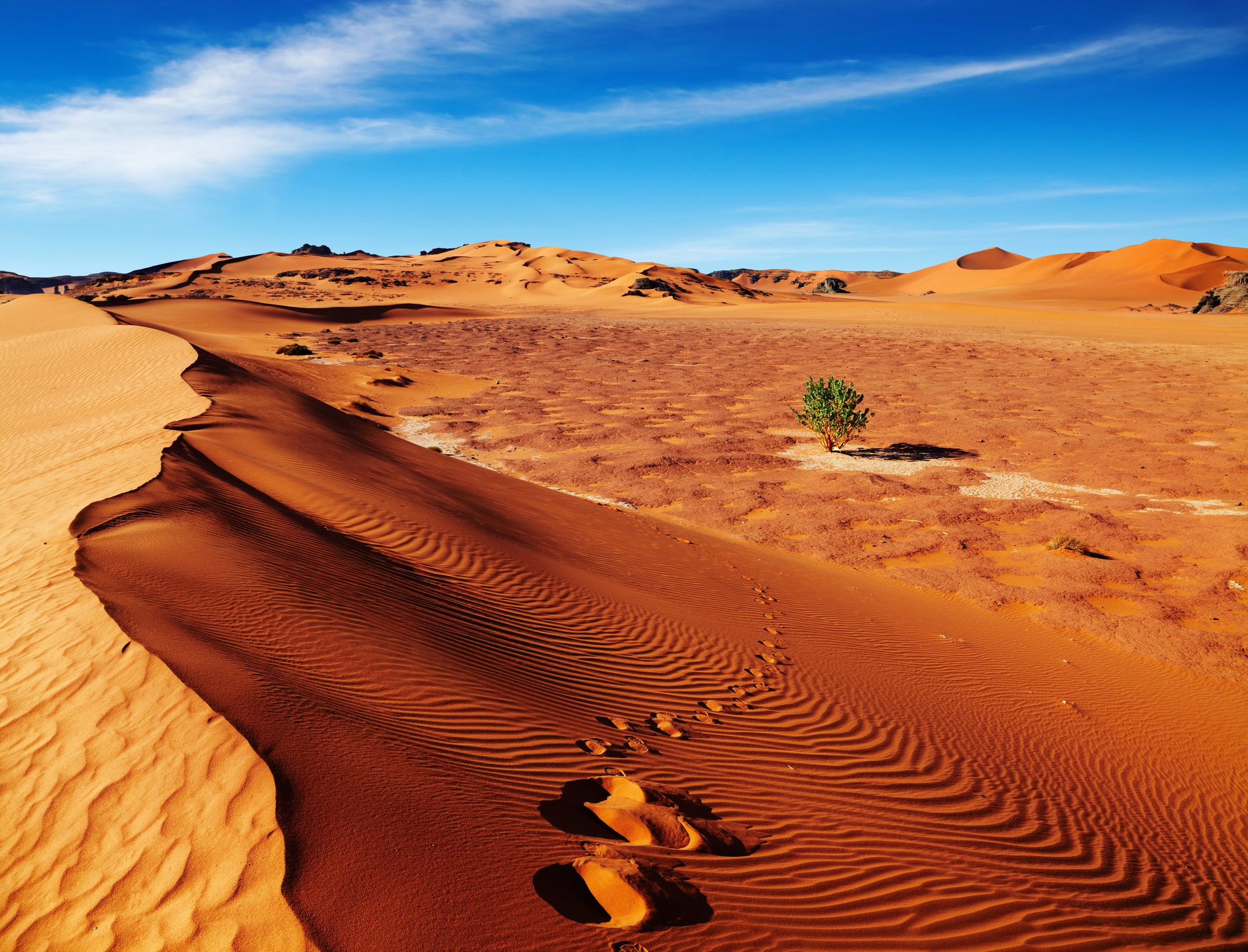
The Sahara Desert grows larger every year, swallowing up farmland and forcing people to migrate. Climate change makes the edges of the desert hotter and drier, killing plants that once held the soil together.
The desert has expanded by about 10% since 1920. Countries like Chad and Niger lose thousands of acres of productive land annually.
This process pushes wildlife into smaller areas and reduces biodiversity across the region.
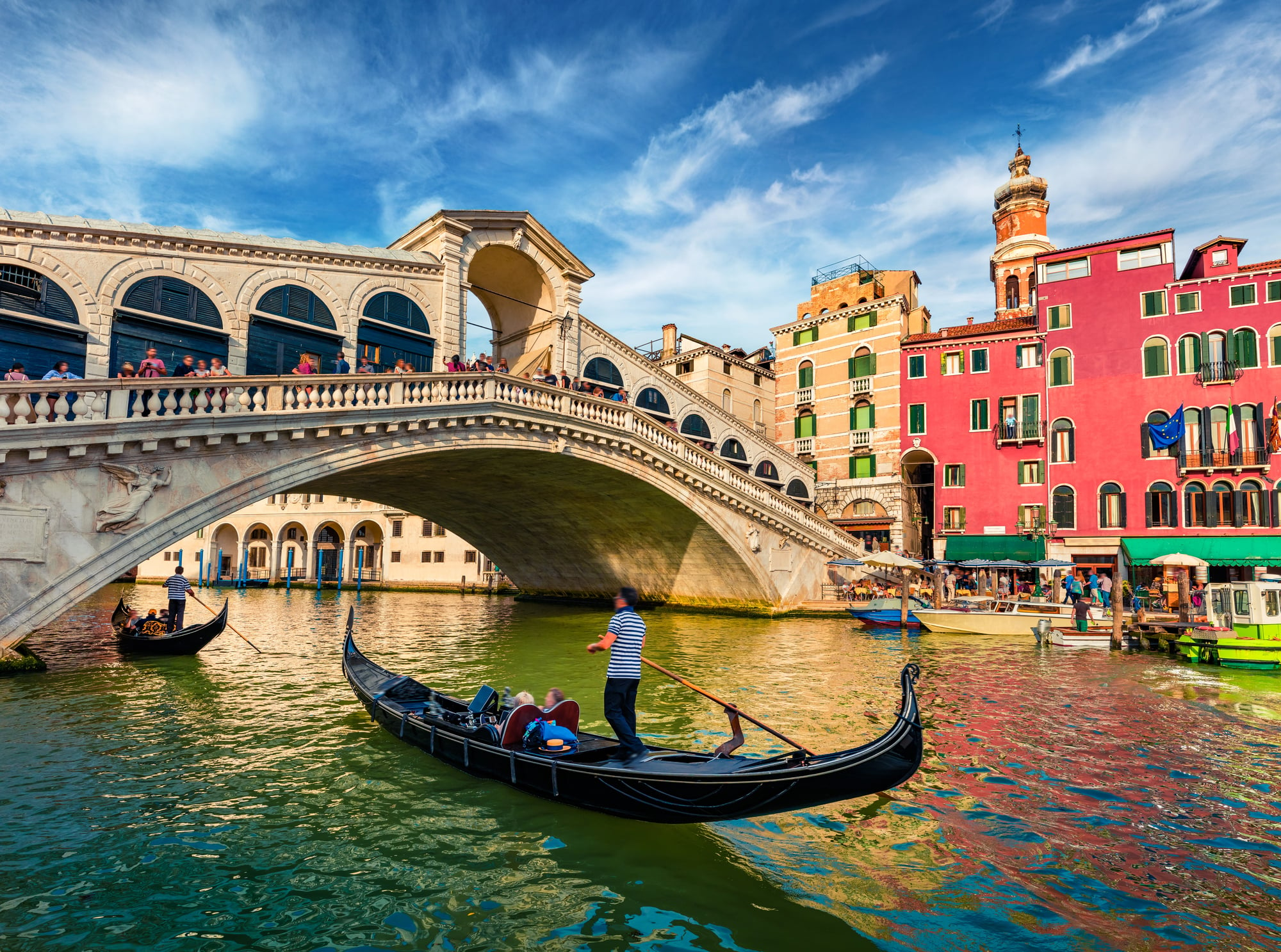
Venice sinking faster
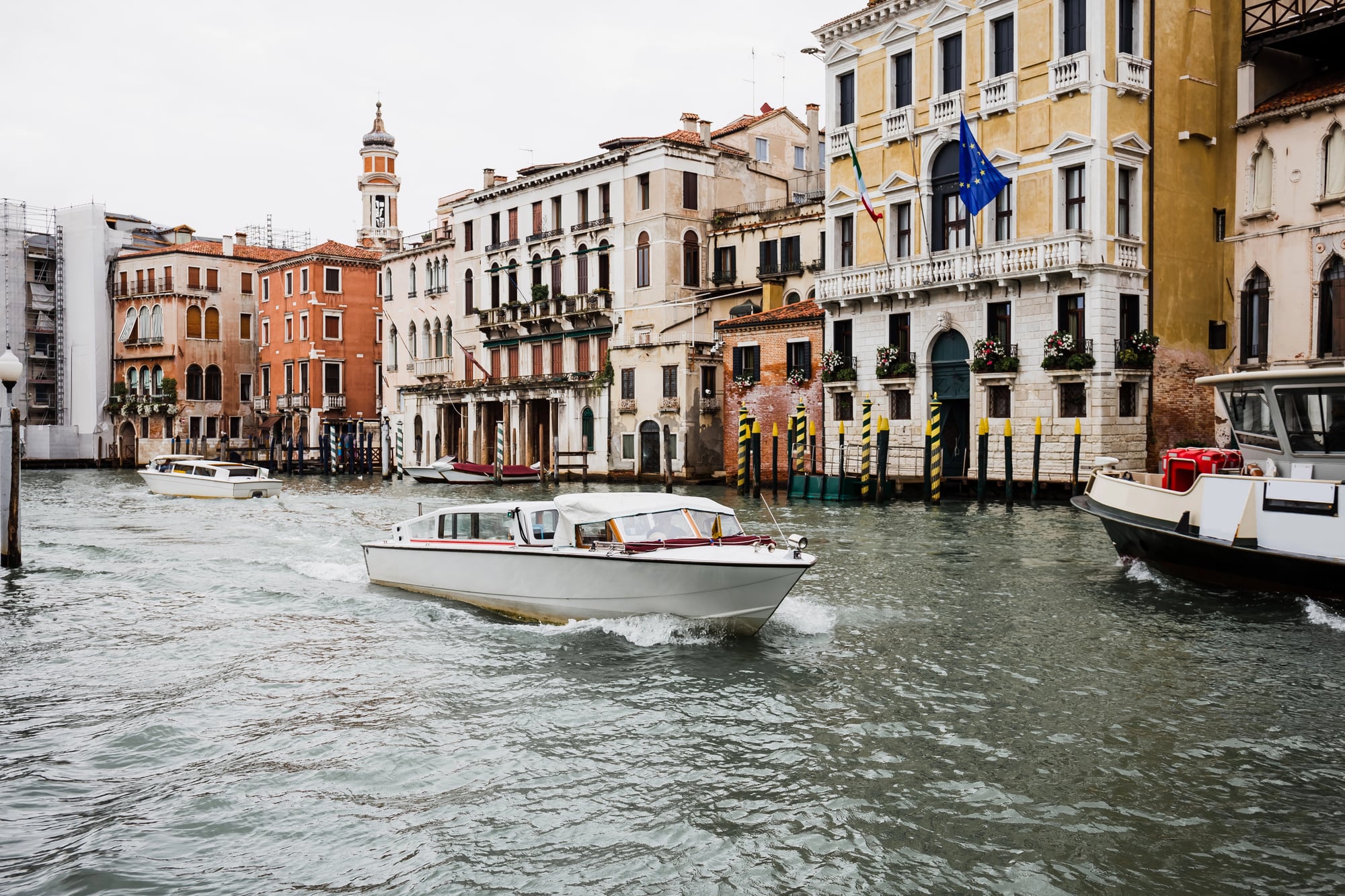
Italy’s floating city faces a double threat from climate change. Rising sea levels make the famous acqua alta floods more frequent and severe.
The city also continues to sink as underground water is pumped out for industrial use. Historic buildings absorb salt water that damages their foundations.
The MOSE flood barrier system helps during extreme events, but it cannot solve the long-term problem of rising seas.
Maldives racing against time
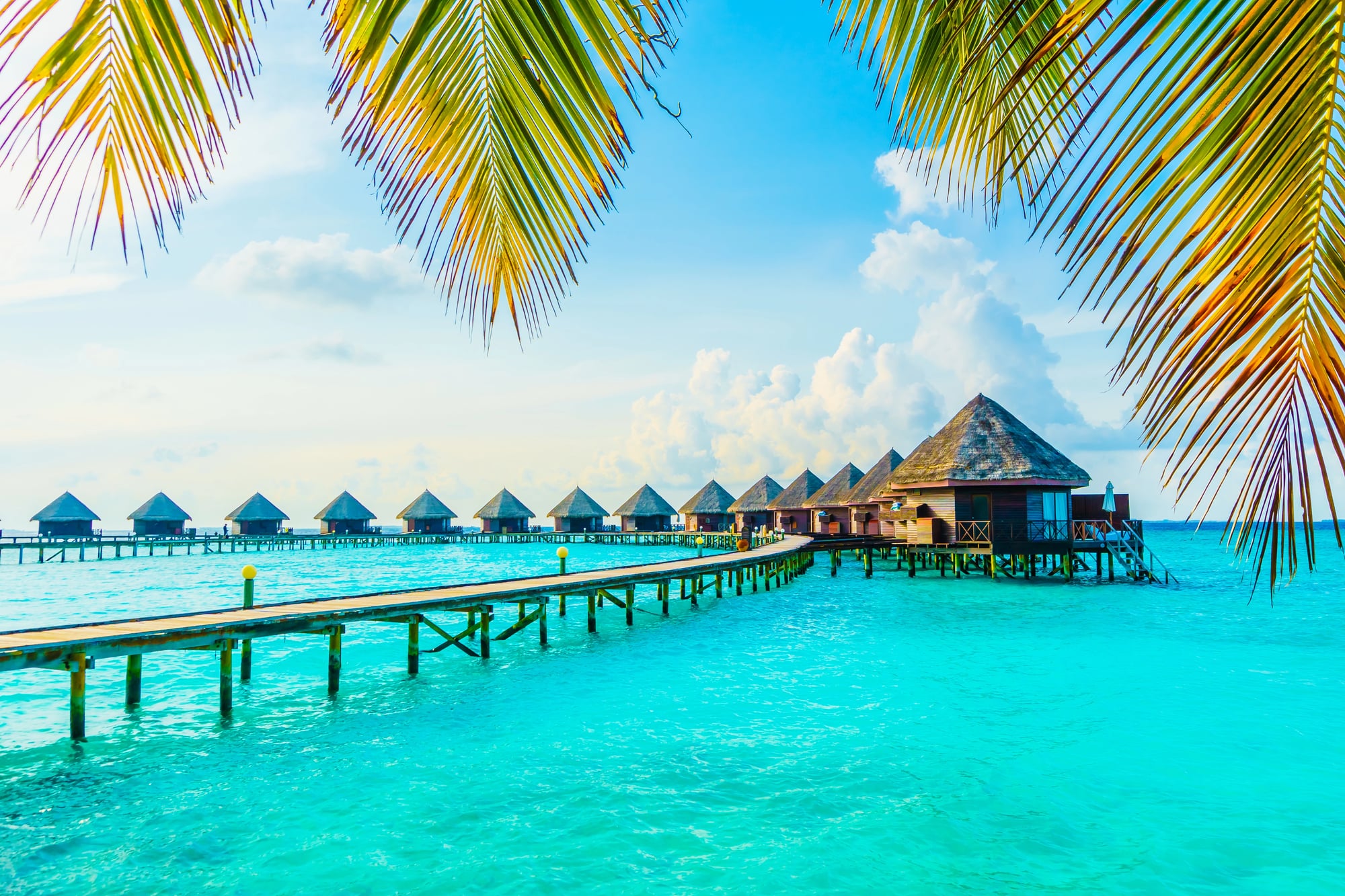
The Maldives consists of 1,200 coral islands with an average height of just 4 feet above sea level. These tropical islands could become uninhabitable within 50 to 100 years as oceans rise.
The government has started buying land in other countries as a backup plan for its citizens. Some resorts build floating platforms and underwater hotels to adapt to higher waters.
The entire nation may need to relocate, making it the first country to disappear due to climate change.
When landscapes tell a story
These changing natural wonders represent more than just scenic losses. They serve as early warning systems that show how quickly our planet can transform when pushed beyond its limits.
The number of world heritage sites threatened by climate change has increased from 35 in 2014 to 62 in 2017. Each melting glacier, bleached coral, and shifting desert tells part of a larger story about Earth’s changing climate.
Understanding these changes helps us prepare for what comes next and motivates action to protect what remains. Today’s generation has the chance to be the last to witness some of these transformations and the first to reverse others.
More from Go2Tutors!

- The Romanov Crown Jewels and Their Tragic Fate
- 13 Historical Mysteries That Science Still Can’t Solve
- Famous Hoaxes That Fooled the World for Years
- 15 Child Stars with Tragic Adult Lives
- 16 Famous Jewelry Pieces in History
Like Go2Tutors’s content? Follow us on MSN.