9 Ugliest Animals in the World
Beauty is subjective, especially when it comes to the animal kingdom. What humans might find visually challenging, nature designed with purpose and precision. These creatures might not win any conventional beauty contests, but they’re perfectly adapted to their environments and absolutely fascinating in their own right.
Mother Nature doesn’t follow human beauty standards, and frankly, she doesn’t care about our opinions. Here is a list of 9 animals that challenge our conventional ideas of what makes a creature ‘attractive.’
Blobfish
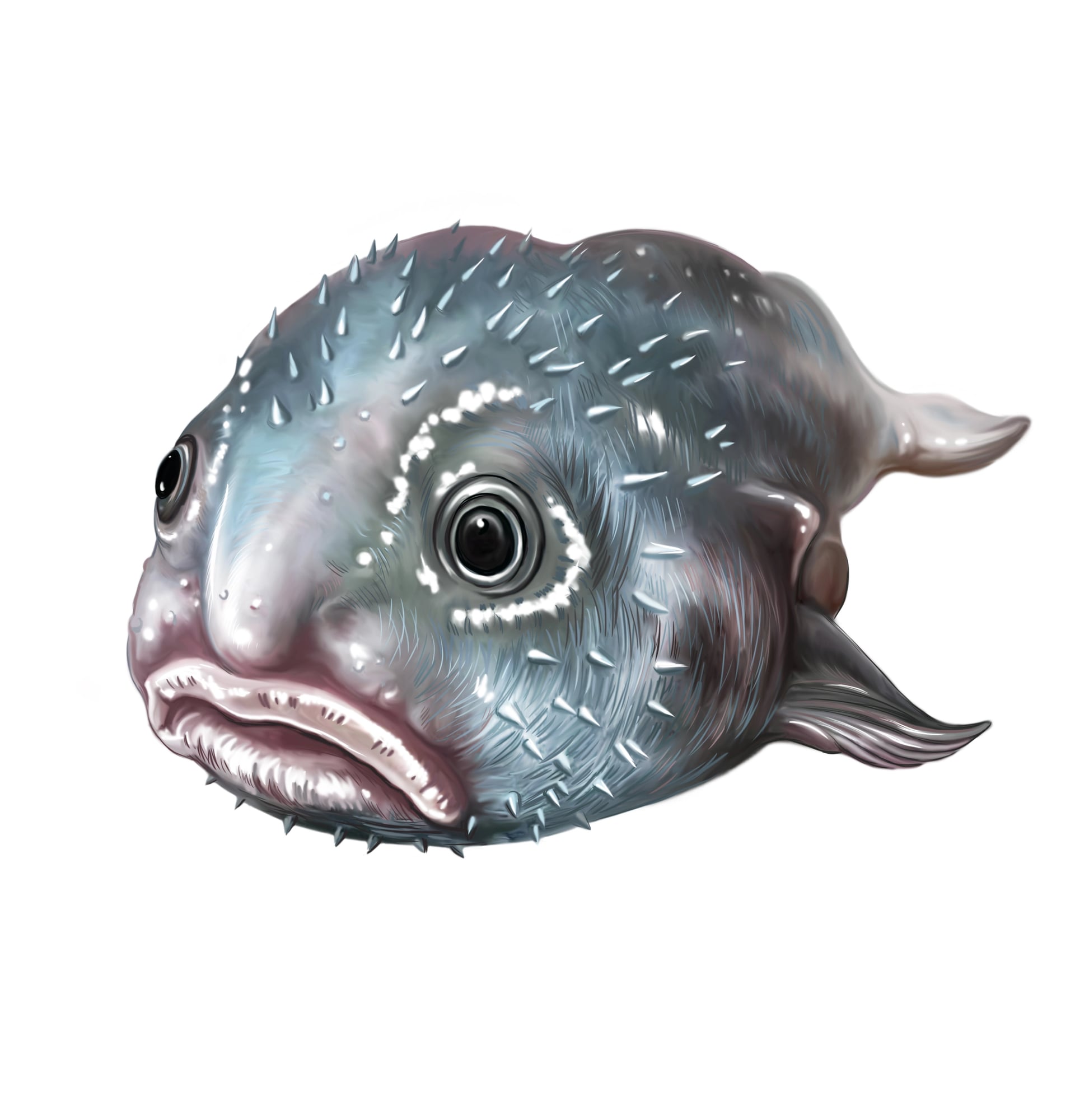
The blobfish became an internet sensation for all the wrong reasons. When brought to the surface from its deep-sea home off the coasts of Australia and New Zealand, this gelatinous creature loses its natural shape and looks like a pink, droopy mess.
Down in the depths where it belongs, about 2,000 to 4,000 feet below sea level, the blobfish actually looks like a normal fish thanks to the intense water pressure that keeps its body intact.
Mole Rat
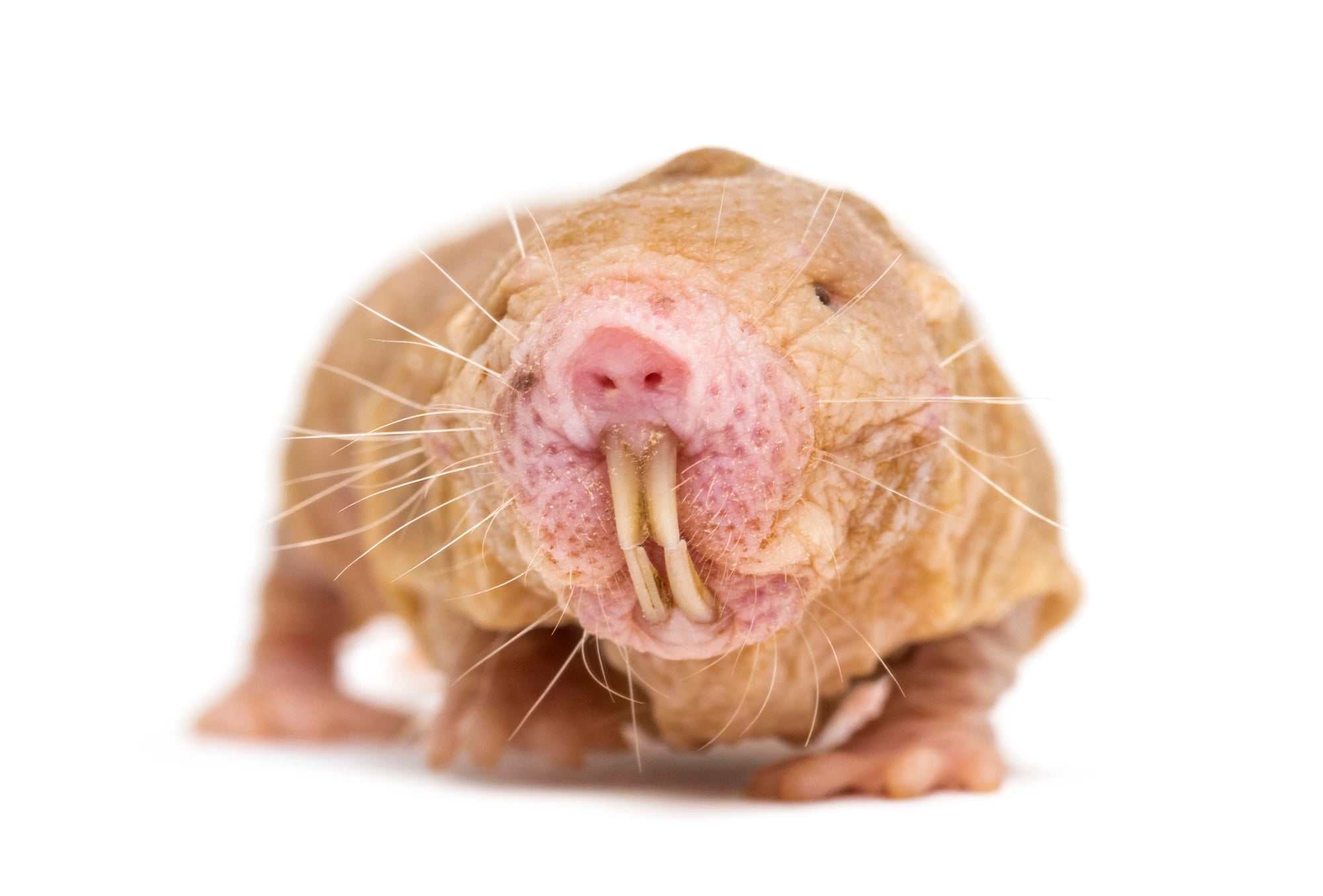
Picture a wrinkled, pink sausage with buck teeth, and you’ve got the mole rat. These nearly hairless rodents live in underground colonies in East Africa and look like they’ve been turned inside out.
Their loose, baggy skin helps them navigate tight tunnel systems, while their prominent front teeth work like tiny shovels for digging. Plus, they’re practically immune to cancer and can live up to 30 years, which is ancient for a rodent.
Star-Nosed Mole
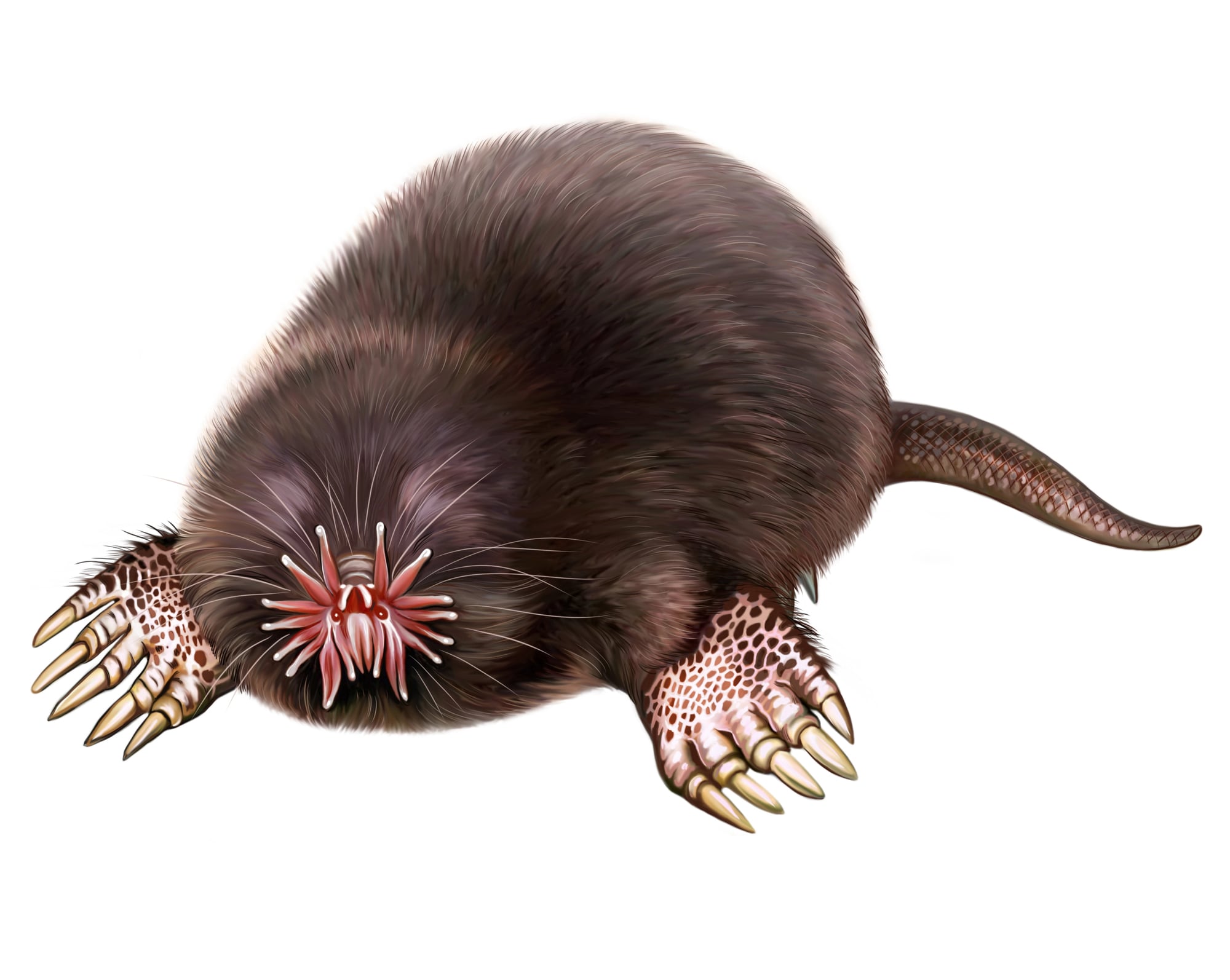
The star-nosed mole looks like someone attached a pink sea anemone to a regular mole’s face. That bizarre star-shaped appendage contains 22 fleshy tentacles that are incredibly sensitive to touch.
This creature can identify and consume small prey in just 230 milliseconds, making it one of the fastest-eating mammals on Earth. Those weird tentacles can touch 13 different spots in a single second.
Proboscis Monkey
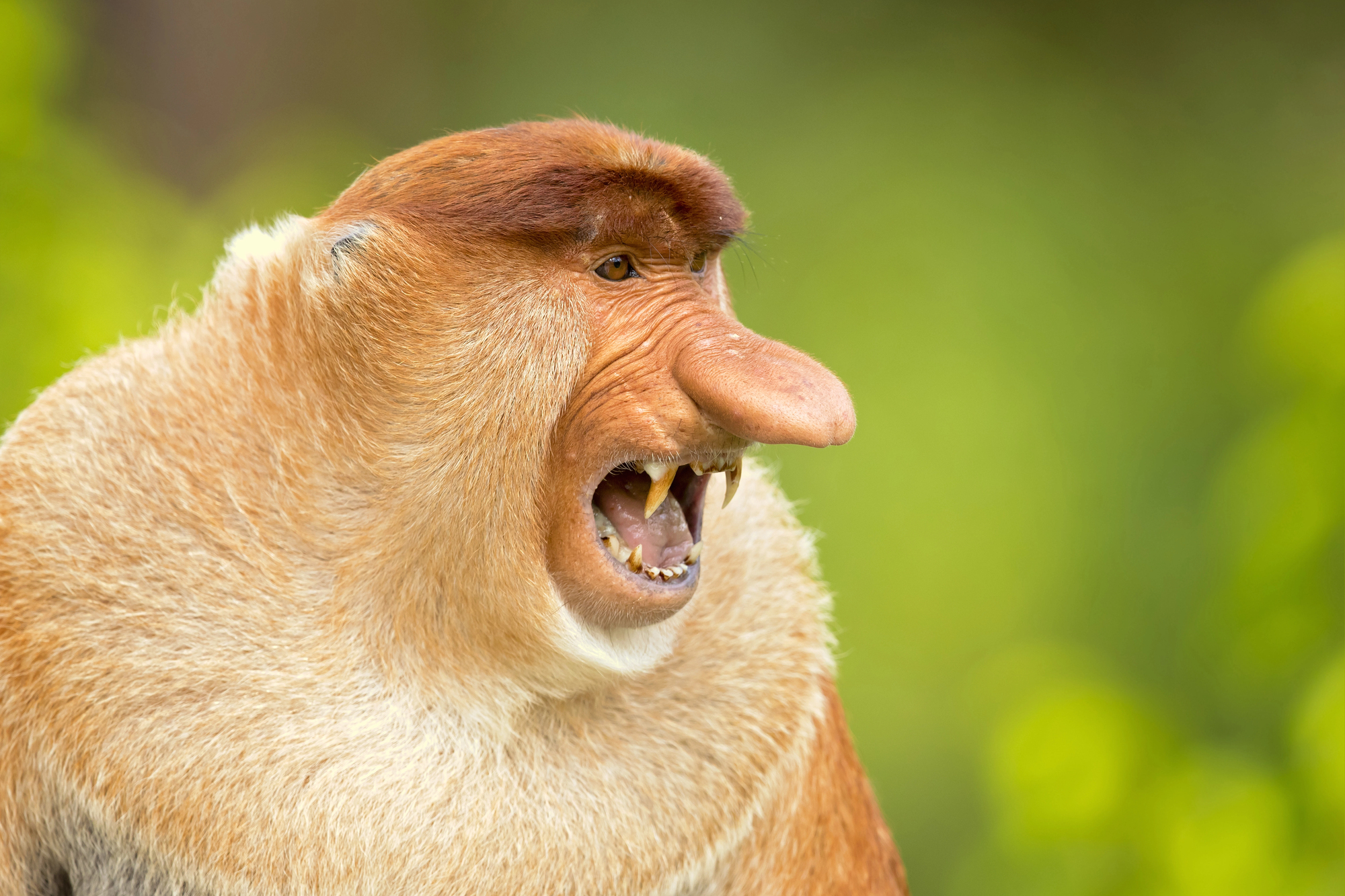
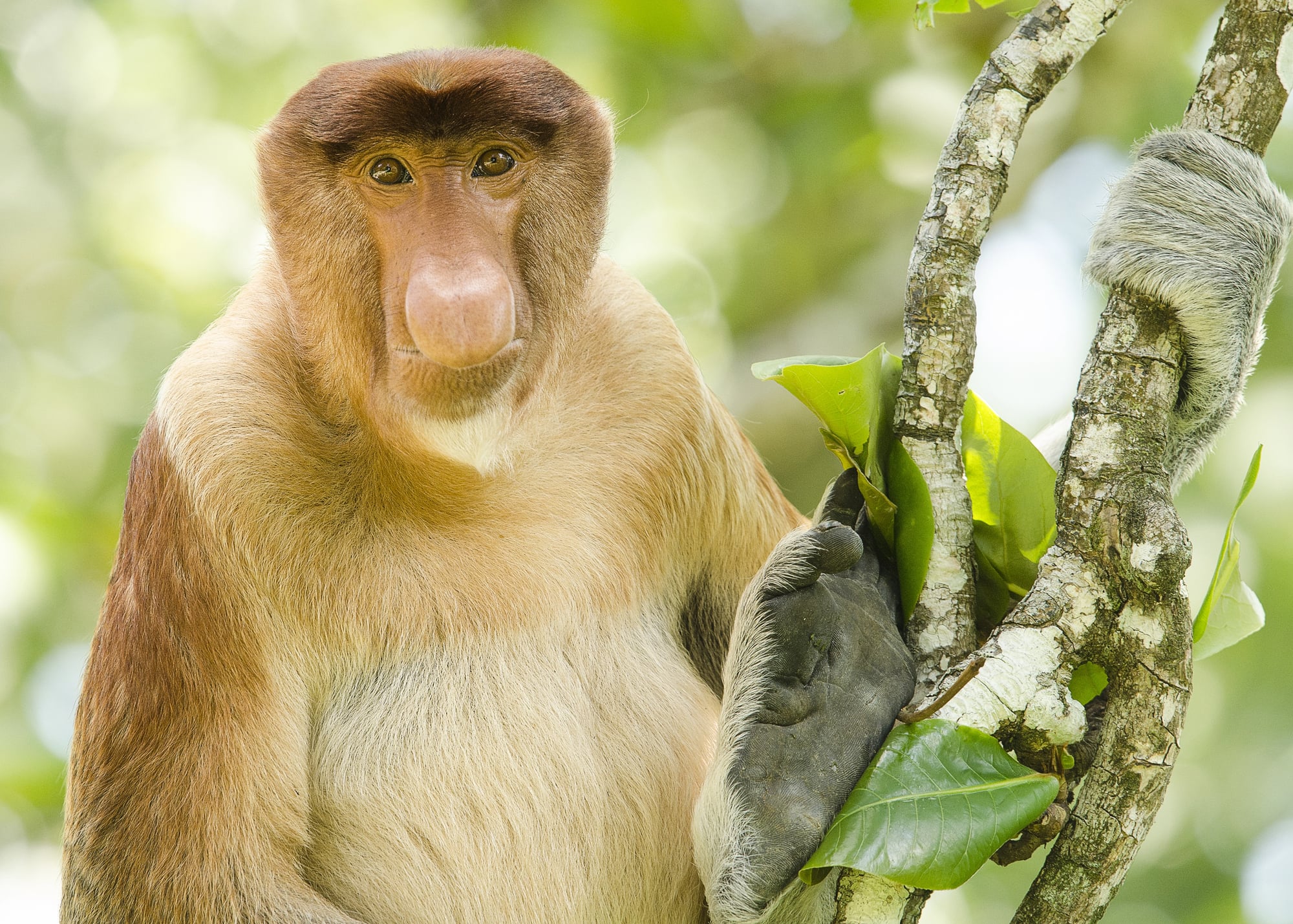
Male proboscis monkeys sport enormous, drooping noses that can grow up to 7 inches long. These oversized schnozzes aren’t just for show – they amplify the monkey’s calls and attract mates.
Females actually prefer males with bigger noses, proving that beauty standards vary wildly across species. These monkeys live in the mangrove forests of Borneo, where their distinctive profiles make them impossible to mistake for any other primate.
Warthog
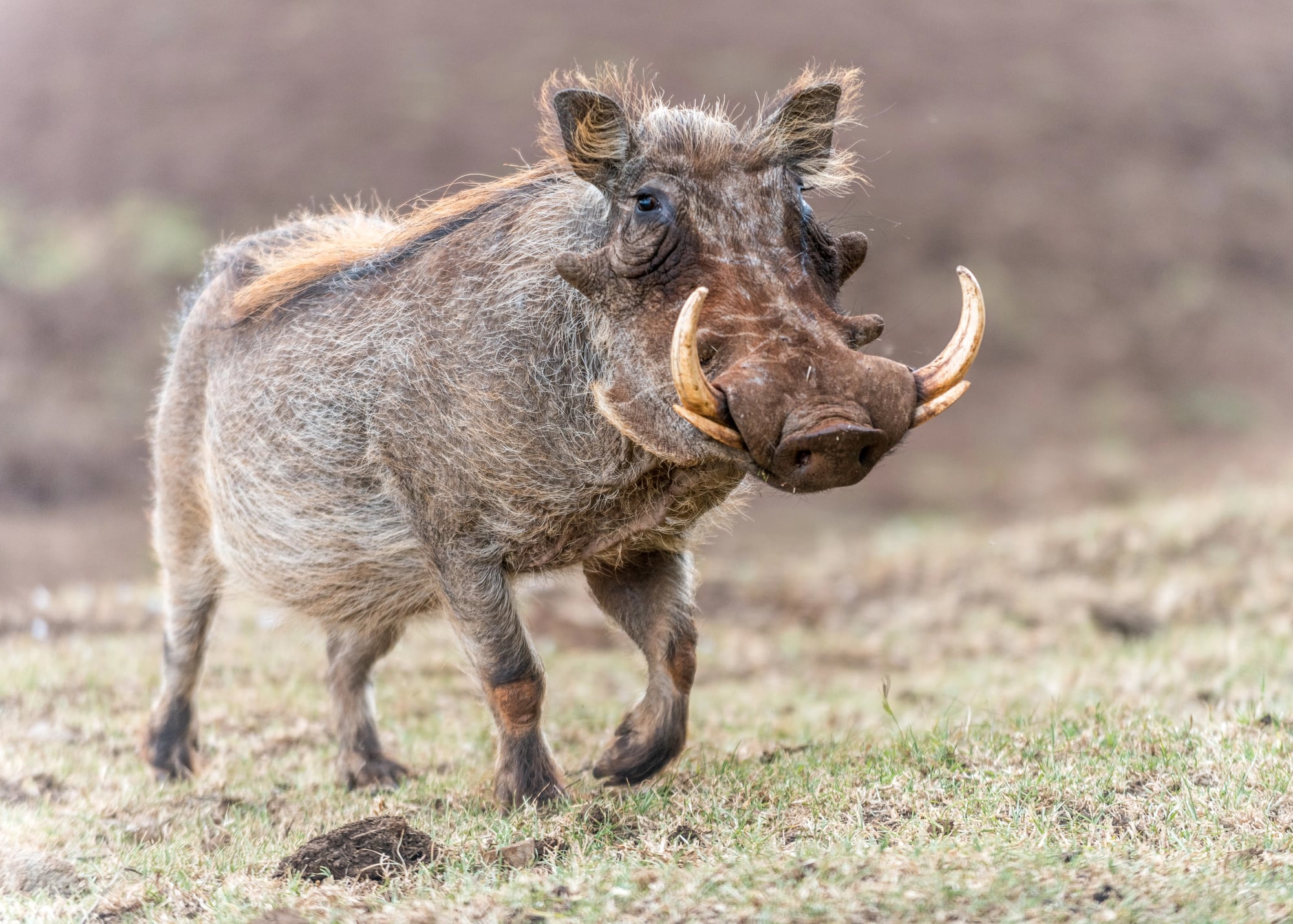
Warthogs earned their name from the four large, wart-like protrusions on their faces. These aren’t actually warts but rather fat deposits that protect their heads during fights with other warthogs.
Their sparse hair, muddy appearance, and prominent tusks give them a perpetually disheveled look. Despite their rough exterior, warthogs are surprisingly fast runners and can reach speeds up to 30 miles per hour when escaping predators.
Aye-Aye
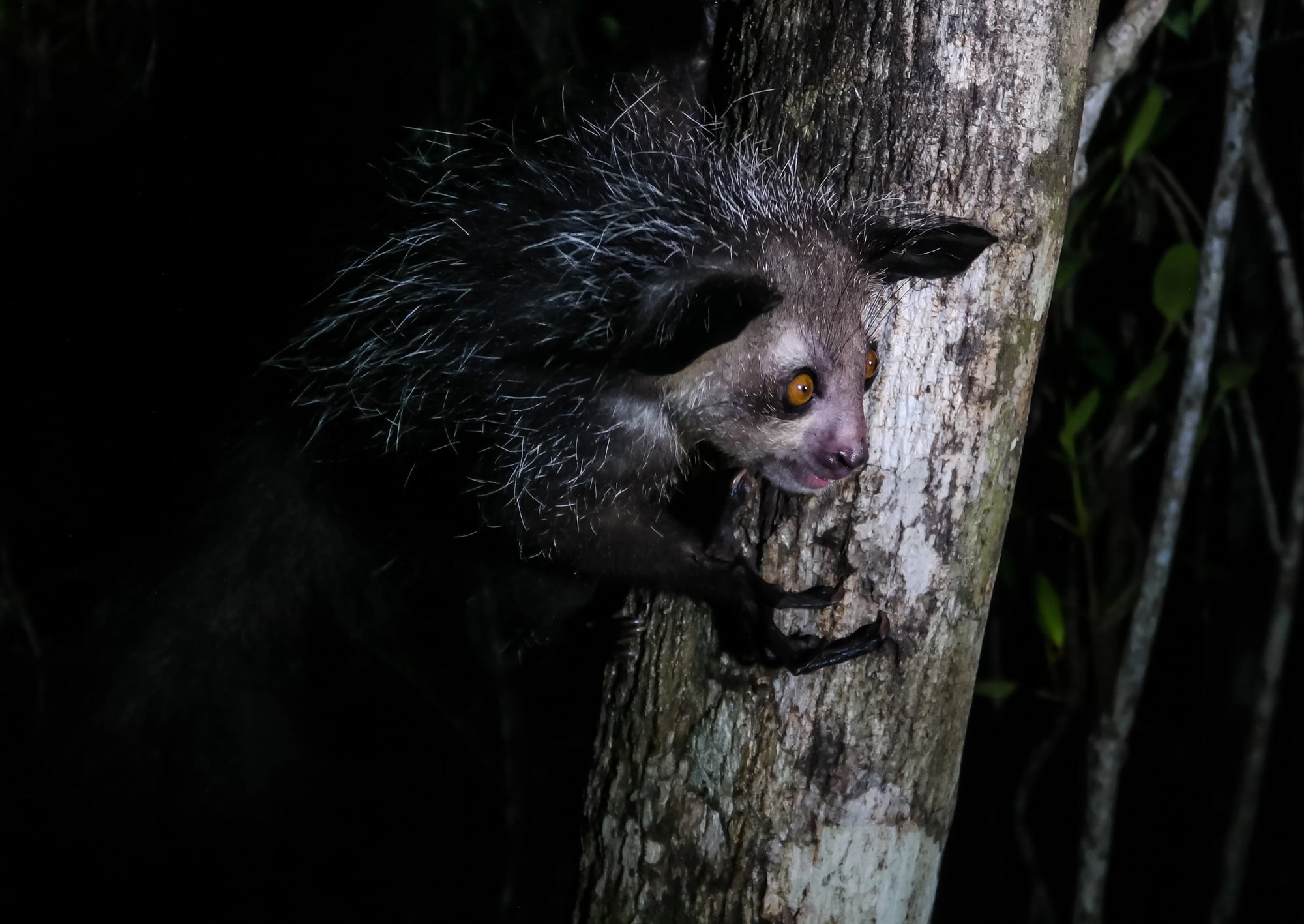
The aye-aye combines the worst features of several animals: bat-like ears, beaver-like teeth, and a skeletal middle finger that’s twice as long as the others. This bizarre lemur from Madagascar uses that creepy finger to tap on tree bark, listening for insects underneath, then uses the same finger to fish them out.
Local superstition considers the aye-aye a harbinger of bad luck, which hasn’t helped this already endangered species.
Horseshoe Bat
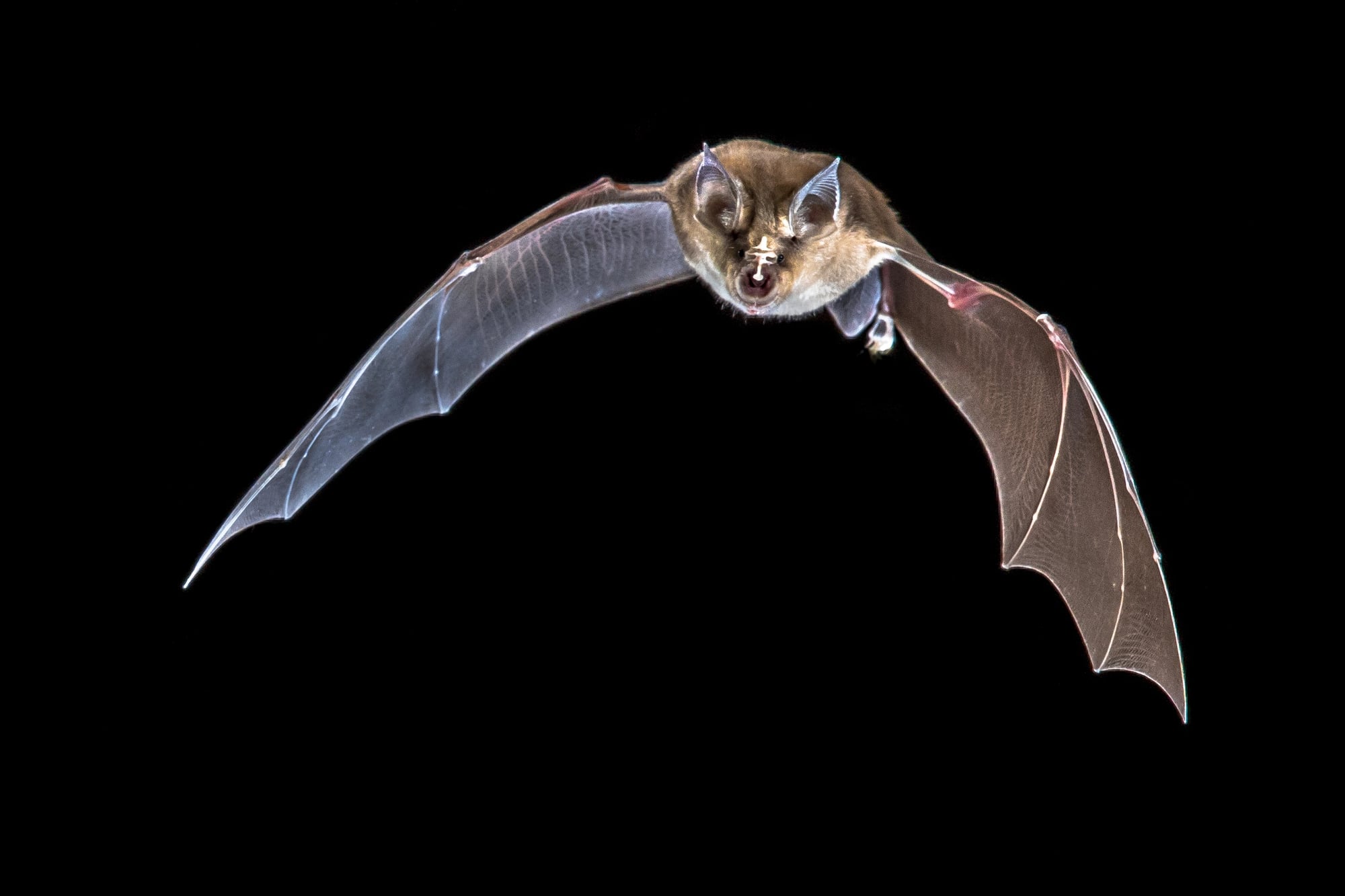
Horseshoe bats have faces that look like someone crossed a bat with a leaf blower. Their elaborate nose structures, called noseleaves, help focus their echolocation calls with incredible precision.
These complex facial features might look ridiculous to us, but they give horseshoe bats some of the most sophisticated sonar systems in the animal kingdom. They can detect objects as thin as human hair in complete darkness.
Matamata Turtle
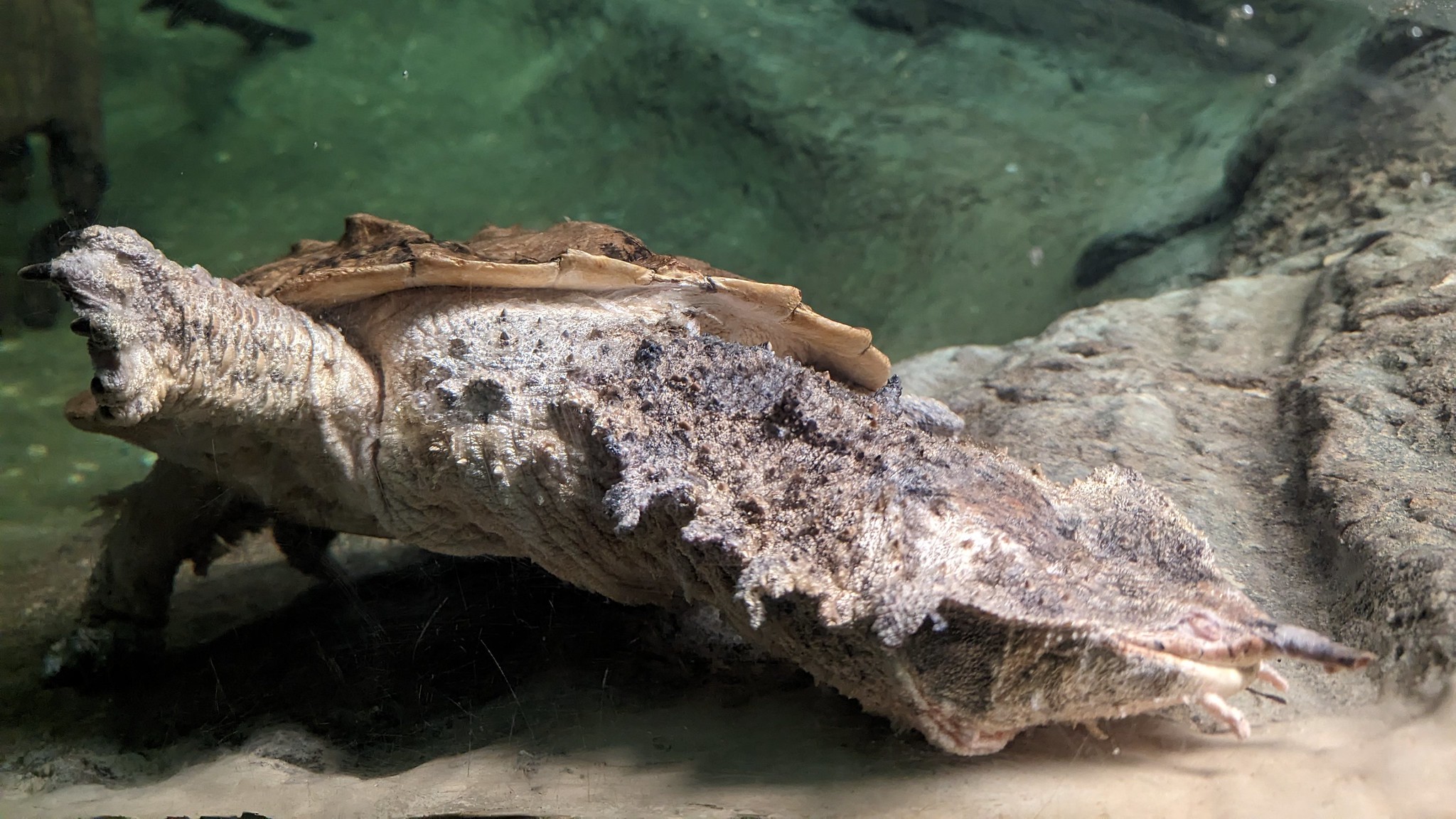
The matamata turtle resembles a pile of dead leaves more than a living reptile. Its shell is covered in ridges and bumps, while its triangular head sports numerous skin flaps and protrusions.
This camouflage makes it nearly invisible on the muddy bottoms of South American rivers and streams. When small fish swim nearby, the matamata opens its enormous mouth and sucks them in like a vacuum cleaner.
Anglerfish
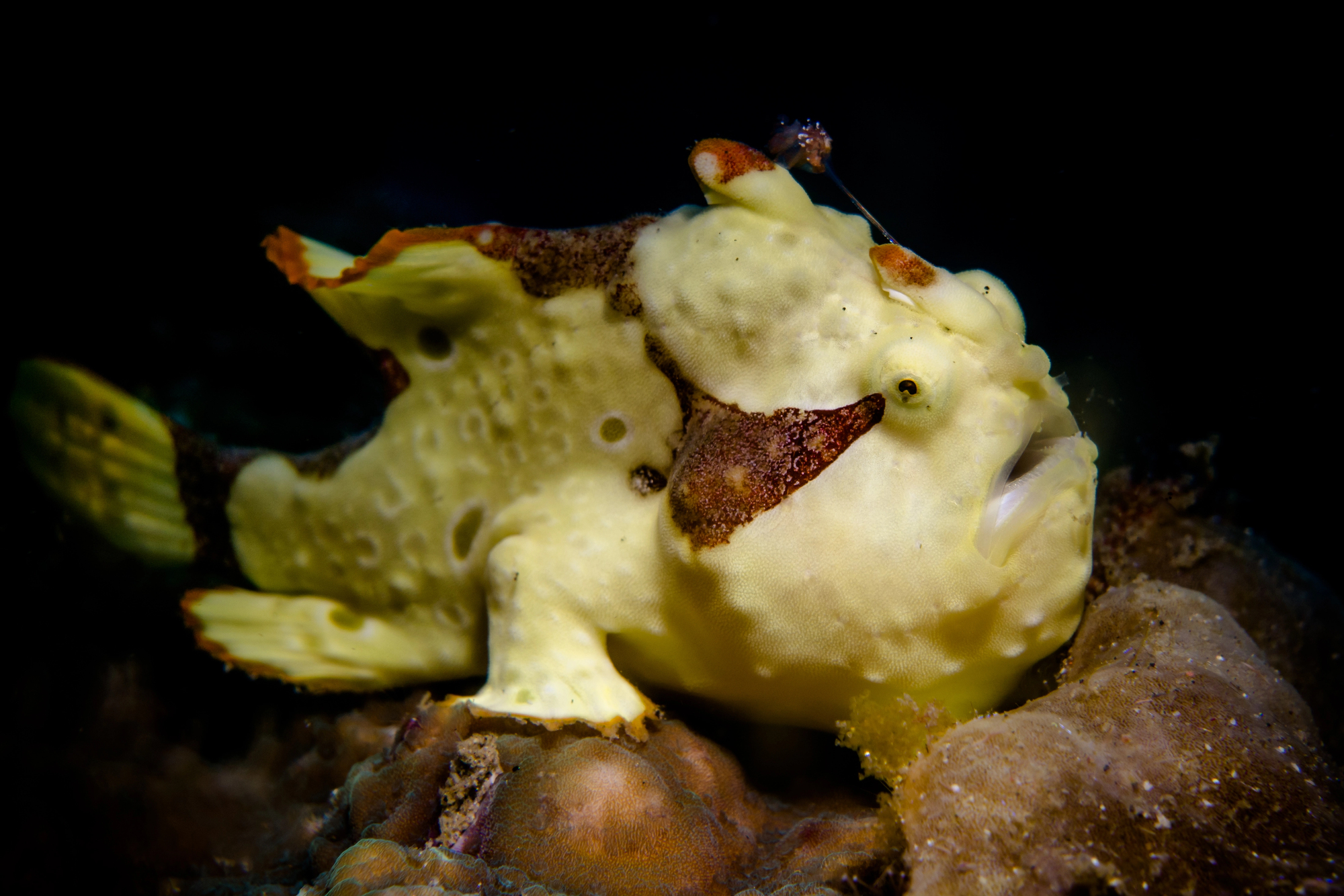
Deep-sea anglerfish win the prize for most nightmarish appearance. These creatures have enormous mouths filled with needle-sharp teeth and a bioluminescent lure that dangles in front of their faces like a fishing rod.
Some species have males that are tiny compared to females and actually fuse permanently to their mate’s body. The male becomes nothing more than a sperm-producing appendage, which is probably the strangest relationship arrangement in the entire animal kingdom.
Beauty Redefined
These creatures prove that nature values function over form. Each ‘ugly’ feature serves a specific purpose, whether it’s catching prey, attracting mates, or surviving in harsh environments.
What we perceive as unattractive often represents millions of years of successful evolution. These animals have thrived in their respective habitats precisely because of their unusual appearances, not in spite of them.
Perhaps it’s time we appreciate nature’s practical approach to design rather than judging by human beauty standards.
More from Go2Tutors!

- The Romanov Crown Jewels and Their Tragic Fate
- 13 Historical Mysteries That Science Still Can’t Solve
- Famous Hoaxes That Fooled the World for Years
- 15 Child Stars with Tragic Adult Lives
- 16 Famous Jewelry Pieces in History
Like Go2Tutors’s content? Follow us on MSN.