Apps That Ruined Their Own Updates
Every now and then, your favorite app pushes an update that makes you wonder if the developers actually use their own product. Sometimes these changes are so bad that users revolt, ratings plummet, and the internet erupts with complaints.
The worst part? Many of these apps were working just fine before someone decided to ‘improve’ them.
Here is a list of apps that shot themselves in the foot with their own updates.
Snapchat’s 2018 Redesign

Snapchat’s controversial 2018 redesign sparked one of the biggest user revolts in app history. The update mixed Stories with private messages on a single Friends page, making it nearly impossible to find conversations or watch Stories the way users were accustomed to.
Over 1.2 million people signed a Change.org petition demanding Snapchat revert the changes. The backlash got so intense that when Kylie Jenner tweeted she wasn’t opening Snapchat anymore, the company’s market value dropped by $1.3 billion in just days.
Even after Snapchat promised tweaks and tabs to address concerns, users remained furious about changes nobody asked for.
Reddit’s API Pricing Disaster

Reddit’s 2023 decision to charge astronomical fees for API access created a full-scale rebellion. Thousands of subreddits went private in protest, including massive communities with over 10 million subscribers each.
The pricing changes forced popular third-party apps like Apollo, Reddit is Fun, and Boost to shut down completely. Users complained that Reddit was destroying the very tools that made the platform usable, especially for moderators who relied on these apps to manage communities.
The controversy even affected Google search results quality, since so many helpful Reddit threads became inaccessible during the blackout.
Twitter’s Transformation into X

Elon Musk’s rebranding of Twitter to X in 2023 brought a flood of one-star reviews. Nearly 78 percent of U.S. iOS reviews became one-star ratings following the rebrand, with users calling the new logo ugly and the changes disruptive.
The platform removed core features like Circles and changed the verification system into a paid subscription model. Users with astigmatism and dyslexia complained that the new Chirp font was barely readable, while others reported headaches from the increased color contrast.
The removal of the block function for public accounts and constant interface tweaks left many long-time users searching for alternatives.
Instagram’s Algorithm Chaos

Instagram’s 2024 algorithm changes left creators frustrated and confused. The platform started showing posts primarily to people who don’t follow you rather than your actual audience, essentially turning Instagram into a TikTok clone.
Larger creators saw their reach to existing followers plummet, while smaller accounts weren’t seeing the promised boost either. The update prioritized ‘Views’ as the main metric over followers and likes, fundamentally changing how success was measured on the platform.
Many users complained that building a community became pointless when Instagram refused to show your content to people who actually wanted to see it.
YouTube Removes Dislikes
YouTube’s November 2021 decision to hide dislike counts created waves of criticism across the platform. The company claimed it was protecting smaller creators from harassment, but users argued it removed a crucial tool for identifying misleading tutorials, clickbait, and low-quality content.
Browser extensions like Return YouTube Dislike quickly emerged to restore the functionality, proving how unpopular the change was. Critics pointed out that creators could still delete negative comments, making the dislike count one of the few honest feedback mechanisms that couldn’t be censored.
The move seemed particularly suspicious given that YouTube’s own 2018 Rewind video held the record for most dislikes before the count disappeared.
Skype’s Snapchat Wannabe Phase

Skype’s 2017 redesign stands as a textbook example of misunderstanding your audience. Microsoft tried to attract younger users by adding Snapchat-style Stories called Highlights, along with excessive emojis and bright colors that cluttered the interface.
The app’s rating plummeted from 3.5 stars to just 1.5 stars in the U.S., while UK users hammered it down to a single star. Basic tasks like starting a call became buried under unnecessary menus and features nobody requested.
The backlash was so severe that Microsoft had to publicly apologize and roll back many changes within a year, admitting that Highlights didn’t resonate with users and calling became harder to execute.
iOS 18’s Buggy Launch
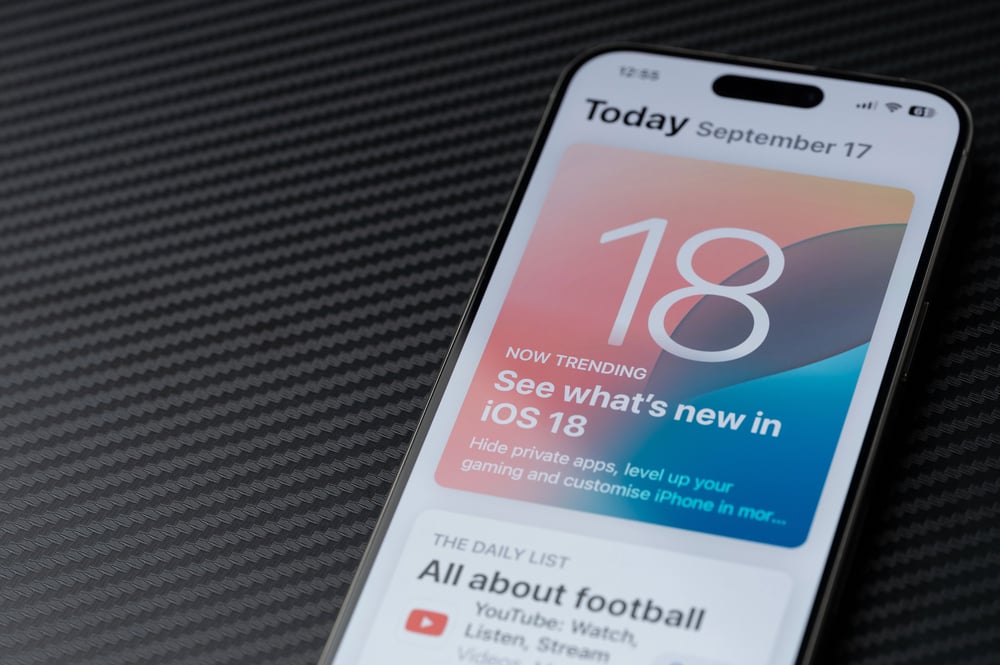
Apple’s iOS 18 update has been called one of the worst in recent memory. Users reported crashes, UI glitches, and sluggish performance from day one of the release.
The Photos app redesign particularly angered users, with many finding the new layout confusing and hard to navigate. Reports flooded in about apps randomly logging users out, settings reverting to defaults, and permissions getting reset.
Even astrophotographers complained that the iPhone 16 Pro camera added unwanted color banding to nighttime shots. The update felt rushed and untested, breaking the trust Apple had built with users who expected polish and stability.
Samsung’s Update Woes
Samsung users across multiple devices reported that recent updates actively damaged their phones’ functionality. The S Pen on Z Fold devices stopped working properly after updates, while others complained their phones wouldn’t stay powered on long enough to troubleshoot issues.
Users felt Samsung was intentionally degrading older devices through updates to push sales of new models. The frustration reached a point where some users suggested a class action lawsuit, arguing that perfectly functional phones were being bricked by forced updates.
The recurring theme was that phones worked flawlessly until Samsung pushed an update nobody could refuse.
Netflix’s iPad Interface

Netflix’s iPad app update removed the ability to add DVDs to your queue and introduced a UI that made scrolling and searching nearly impossible. The changes eliminated functionality users relied on without adding anything useful in return.
The app became so frustrating to navigate that many users simply stopped using Netflix on their iPads altogether. This happened during a period when Netflix was the dominant streaming platform, showing that even market leaders aren’t immune to terrible design decisions.
The update demonstrated a fundamental misunderstanding of how people actually used the app.
Snapchat’s Three-Tab Experiment

Snapchat tried another redesign in 2025, reducing the app from five tabs to just three by removing the popular Snap Map and private chat tabs. Users immediately hated the change, complaining it felt like Snapchat was forcing them to watch Spotlight content they didn’t want.
The stripped-down interface sacrificed functionality for minimalism that nobody requested. After testing revealed that North America lost a million active users, Snapchat actually cancelled the redesign before full rollout.
The company admitted that their most engaged users consistently preferred the five-tab layout and familiar navigation they already knew.
Facebook’s Trust Collapse
Facebook’s numerous updates and scandals throughout 2024 led to it becoming one of the most deleted apps. Users cited concerns over data privacy, the platform’s role in spreading misinformation, and an overall sense that Facebook no longer served their needs.
Younger demographics abandoned the platform in droves, finding other social networks more engaging and trustworthy. Each update seemed to prioritize advertiser interests over user experience, making the feed feel less like a place to connect with friends and more like a relentless advertising machine.
The platform that once defined social networking became something users actively avoided.
TikTok’s Privacy Nightmare
Despite its massive popularity, TikTok saw significant deletions in 2024 due to privacy concerns and excessive screen time issues. Government scrutiny over data handling practices made users increasingly wary about what information the app was collecting.
Many people who initially loved TikTok found themselves deleting it after recognizing how addictive and time-consuming it had become. The app’s constant algorithm tweaks also meant users never quite knew what content they’d see next, creating an unpredictable experience.
Updates that should have improved the app instead highlighted its fundamental problems with user data and attention manipulation.
Pokémon Go’s Bug Fest

Pokémon Go earned its spot as the buggiest gaming app of 2024, with 153 mentions of glitches per 1,000 Google Play reviews. Players constantly dealt with crashes that interrupted gameplay at crucial moments.
One frustrated user summed it up perfectly by asking how you’re supposed to catch them all when the app keeps crashing due to bugs. Updates that promised new features regularly broke existing functionality instead.
The game’s developers seemed unable to maintain stability while adding new content, creating a cycle where each update fixed some problems while introducing new ones.
Fidelity’s Portfolio Disaster

Fidelity’s iPad app update transformed an easy-to-use portfolio management tool into a cluttered mess. The redesign added visual gewgaws and multiple unnecessary steps to accomplish basic portfolio management tasks.
Users who had relied on the app for years suddenly found themselves struggling to navigate interfaces that used to be intuitive. The update prioritized flashy design elements over the core functionality that made the app valuable in the first place.
It became another example of fixing what wasn’t broken and making the experience worse in the process.
News Pro’s Navigation Nightmare
The News Pro iPad app update added complexity where simplicity once reigned. Previously easy navigation became burdened with extra steps and options that cluttered the interface.
Stories that used to flow naturally now required multiple taps to access. The update removed the straightforward experience users valued and replaced it with unnecessary complications.
Without any actual bugs to fix or flaws in the previous version, someone simply decided to change the UI for the worse. The app became so frustrating that many users deleted it entirely.
Adobe Creative Suite’s Feature Bloat

Adobe software has methodically accumulated complexity over years of updates, turning once-streamlined tools into cluttered mazes. Each upgrade adds kitchen-sink functionality that breaks down into multiple layers of menus and options.
Users of Adobe software consistently complain about unfathomable clutter and increasing numbers of steps required for common tasks. What used to take one click now requires navigating through multiple sub-menus and dialog boxes.
The barnacleware that’s accumulated over time has made Adobe products harder to use despite ostensibly adding more capabilities.
Call of Duty Mobile’s Performance Issues

Call of Duty Mobile became the second buggiest gaming app of 2024, with 114 bug mentions per 1,000 reviews. Players reported that their kill streaks often came to an abrupt end due to crashes and glitches rather than actual gameplay.
Updates meant to improve the mobile gaming experience regularly introduced new technical problems. The app struggled with stability issues that made competitive play frustrating and unreliable.
Each update seemed to trade one set of problems for another without ever achieving the smooth performance players expected from a major franchise.
Go Program Way2Go Card

The Go Program Way2Go Card banking app officially earned the title of buggiest app of 2024, with 325 bug mentions per 1,000 Google Play reviews. Users couldn’t log into the app consistently, with one reviewer calling it the worst app they’d ever used in terms of crashing, bugs, and glitching.
The few times users managed to log in, the app immediately logged them out again. Updates failed to address fundamental stability problems that made the app essentially unusable for managing finances.
For an app meant to help people access their money, the constant technical failures created serious real-world problems.
When Updates Become Downgrades

The pattern across these failed updates reveals a common thread. Companies push changes that prioritize trends, business metrics, or executive whims over the actual people using their apps daily.
Whether it’s Snapchat trying to become Instagram, Skype attempting to attract teens, or platforms hiding metrics that help users make informed decisions, the result is the same: angry users and plummeting ratings. These cautionary tales prove that sometimes the best update is no update at all, especially when your app already works the way millions of people need it to.
More from Go2Tutors!

- The Romanov Crown Jewels and Their Tragic Fate
- 13 Historical Mysteries That Science Still Can’t Solve
- Famous Hoaxes That Fooled the World for Years
- 15 Child Stars with Tragic Adult Lives
- 16 Famous Jewelry Pieces in History
Like Go2Tutors’s content? Follow us on MSN.