Extreme Weather Records That Defy Belief
Nature has a way of showing off sometimes. Just when people think they’ve seen it all, Mother Earth throws a curveball that makes everyone’s jaw drop.
These aren’t your typical rainy days or chilly winters. Ready to have your mind blown by some of the most unbelievable weather records ever documented? These stories will make your worst weather day seem like a gentle breeze.
Death Valley’s record-breaking heat
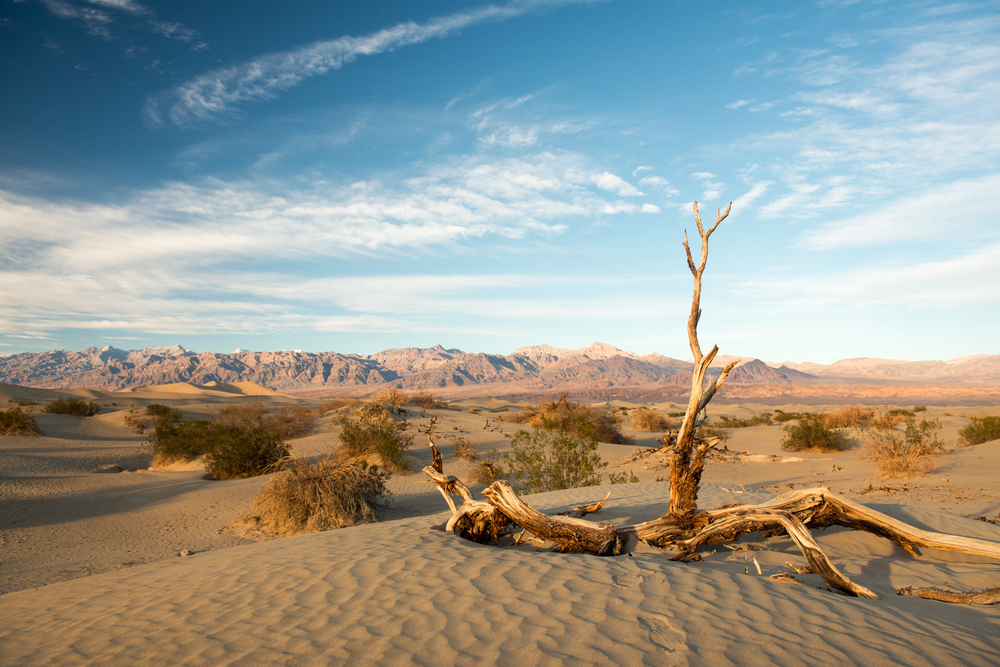
The highest temperature ever, 56.7°C (134°F), was recorded there at Greenland Ranch on 10 July 1913. That’s hot enough to cook food just by leaving it outside.
People joke about frying eggs on sidewalks, but in Death Valley that summer day, it was actually possible. Park rangers tell stories of visitors who tried to walk barefoot on the sand and had to be rescued because their feet were getting burned.
Although some doubts have been cast around the accuracy of this reading, a more recent temperature of 54.4°C (129.9°F) was registered in Death Valley on 16 August 2020.
Antarctic’s bone-chilling cold
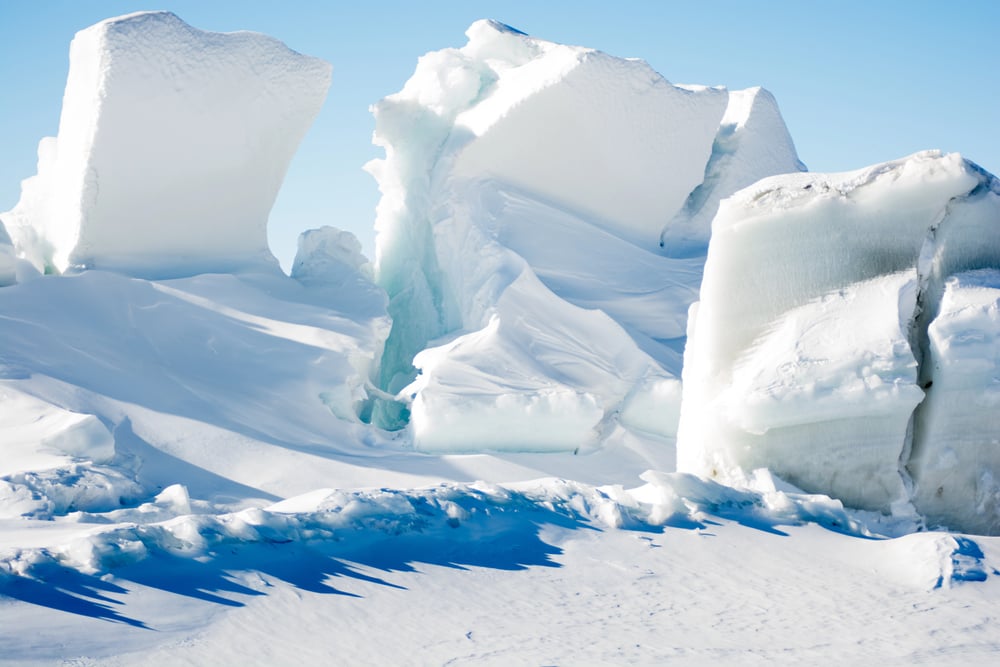
Antarctica holds the record for the coldest temperature ever measured on Earth at minus 128.6 degrees Fahrenheit. That’s so cold that your breath would freeze solid before it even left your mouth.
At this temperature, regular clothes become as stiff as cardboard, and exposed skin would freeze in less than a minute. Even bundled up in the best winter gear, humans can only survive outside for a few minutes.
Scientists working in these conditions have to use special equipment because regular instruments simply stop working.
Like Go2Tutors’s content? Follow us on MSN.
Mount Washington’s record wind gust
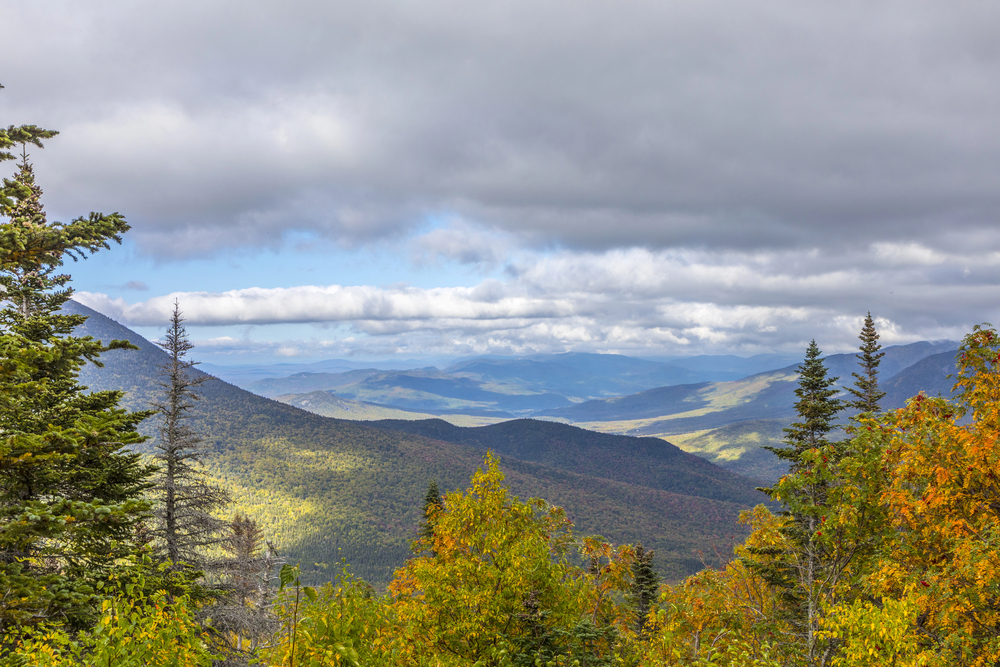
“Big Wind” whipped the Mount Washington Observatory in New Hampshire at 231 mph (372 km/h). The weather station on top of this mountain regularly experiences some of the worst weather in the world.
On that record-breaking day, the wind was so strong that it knocked down the building’s weather instruments and nearly blew away the meteorologists who were trying to record the data. They had to crawl on their hands and knees and hold onto chains just to move around outside.
The building’s windows were specially designed to withstand extreme conditions, but even they were bowing inward from the pressure.
Cherrapunji’s monsoon madness
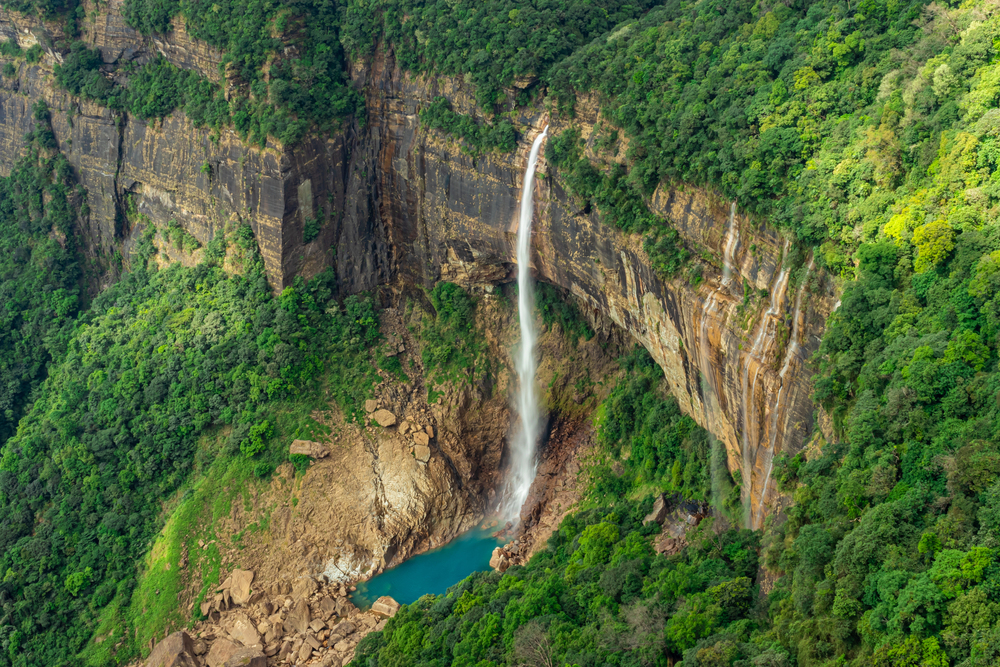
The town of Cherrapunji in India once received 905 inches of rain in a single year. That’s more than 75 feet of water falling from the sky over 12 months.
To understand how much water that really is, imagine a three-story building completely underwater. The constant rain turned streets into rivers and made normal life almost impossible.
People had to build their houses on stilts and use boats to get around town during the worst of the monsoon season. Some years, the rain was so heavy that it carved new valleys and changed the entire landscape.
Hail stones the size of grapefruits
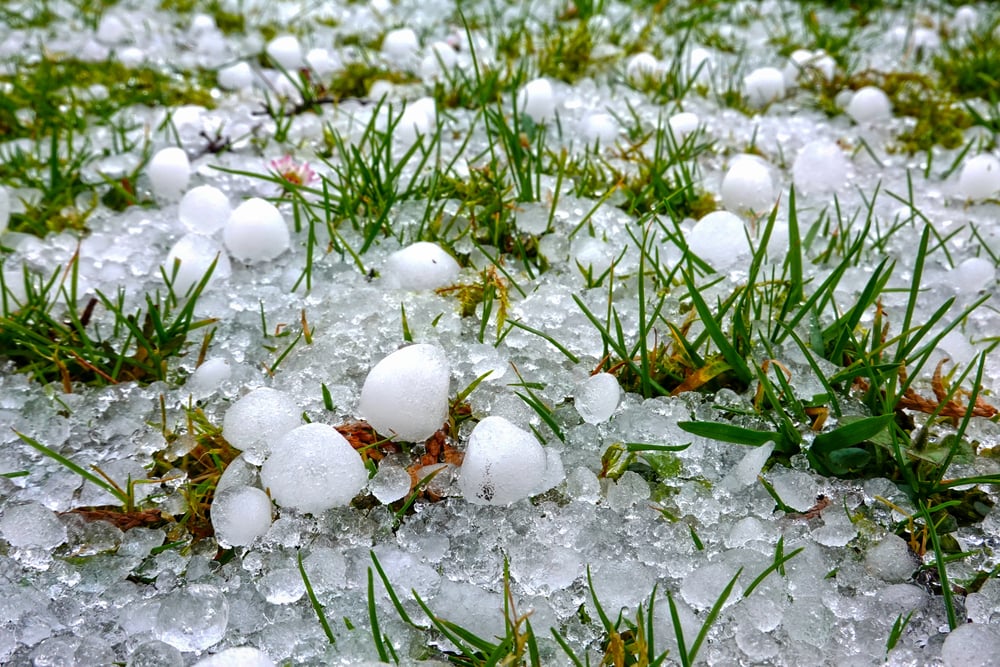
The largest hailstone ever recorded in the United States was found in Vivian, South Dakota, measuring 8 inches across and weighing almost 2 pounds. This chunk of ice was bigger than a softball and could have easily killed someone if it hit them.
During that same storm, smaller hailstones broke through car roofs and shattered windows throughout the town. Insurance companies received thousands of claims for damaged cars, houses, and crops.
Farmers lost entire fields of corn and soybeans in just a few minutes as the giant ice chunks pounded their crops into the ground.
Like Go2Tutors’s content? Follow us on MSN.
Lightning strikes 25,000 times per minute
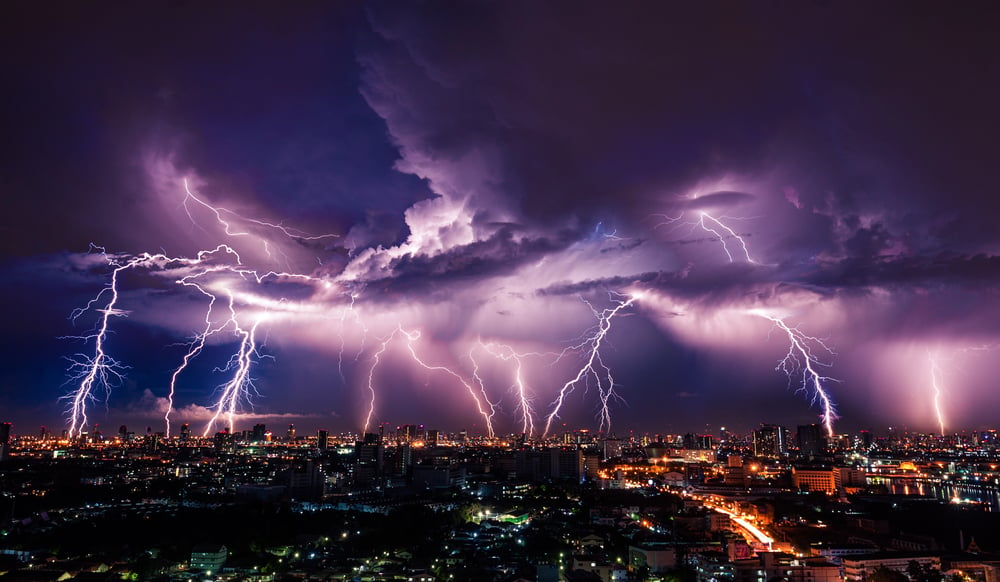
Lake Maracaibo in Venezuela holds the record for the most lightning strikes in one place. During peak season, this area sees about 25,000 lightning strikes per minute for up to 10 hours straight.
The constant flashing makes the night sky look like a never-ending fireworks show. Local fishermen have learned to predict when the lightning will start and head for shore before it begins.
The electrical activity is so intense that pilots flying over the area can navigate by the light from the lightning strikes.
Record-breaking rainfall in one minute
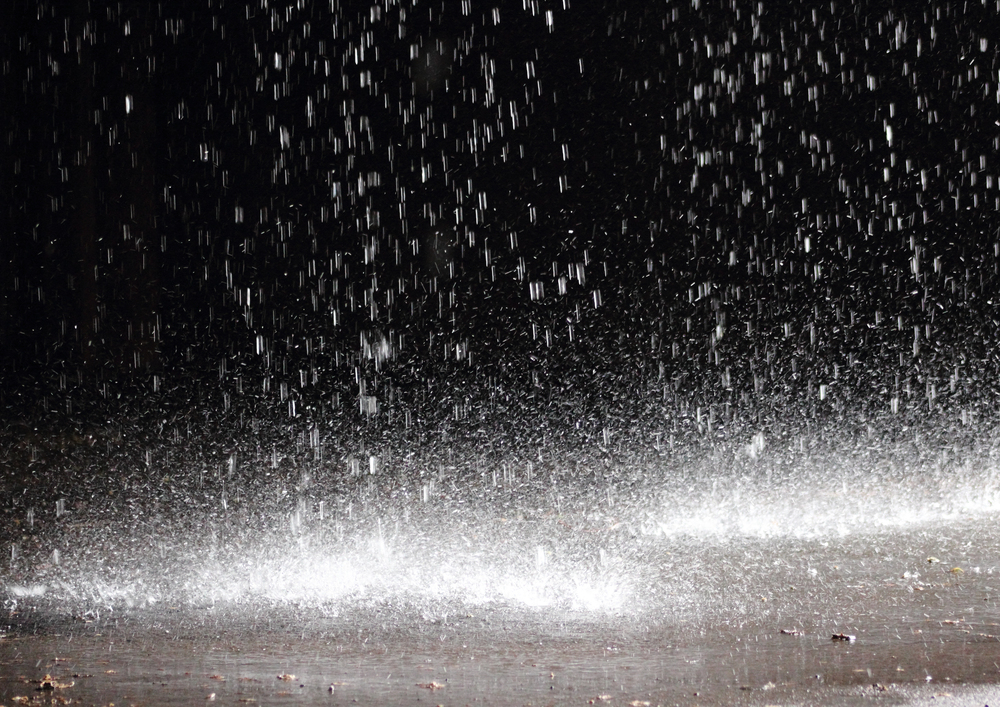
The most rain ever recorded in one minute fell in Unionville, Maryland, where 1.23 inches dropped in 60 seconds.
That might not sound like much, but imagine turning on every faucet and shower in your house at full blast and multiplying that by 100.The rain came down so hard that it created instant flooding and turned streets into rushing rivers.
People couldn’t see more than a few feet in front of them, and cars were swept away by the sudden rush of water. Emergency responders had to use boats to rescue people who got trapped in the flash flood.
Hurricane Patricia’s record winds
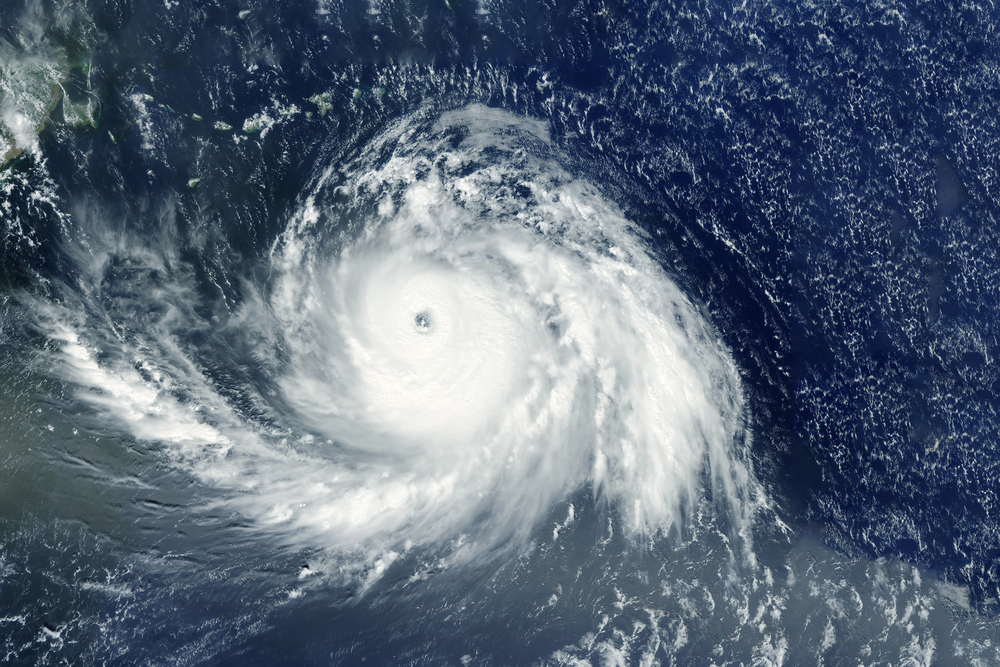
Hurricane Patricia holds the record for the strongest sustained winds in a hurricane at 215 mph. These winds were so powerful that they could have easily lifted cars, trucks, and even small buildings into the air.
The storm was so intense that meteorologists had trouble believing their own measurements. Satellite images showed the hurricane’s eye was perfectly formed and incredibly small, creating a tight spiral of destruction.
Fortunately, the storm weakened before making landfall, but at its peak, it was essentially a giant blender in the ocean.
Like Go2Tutors’s content? Follow us on MSN.
Coldest road on Earth
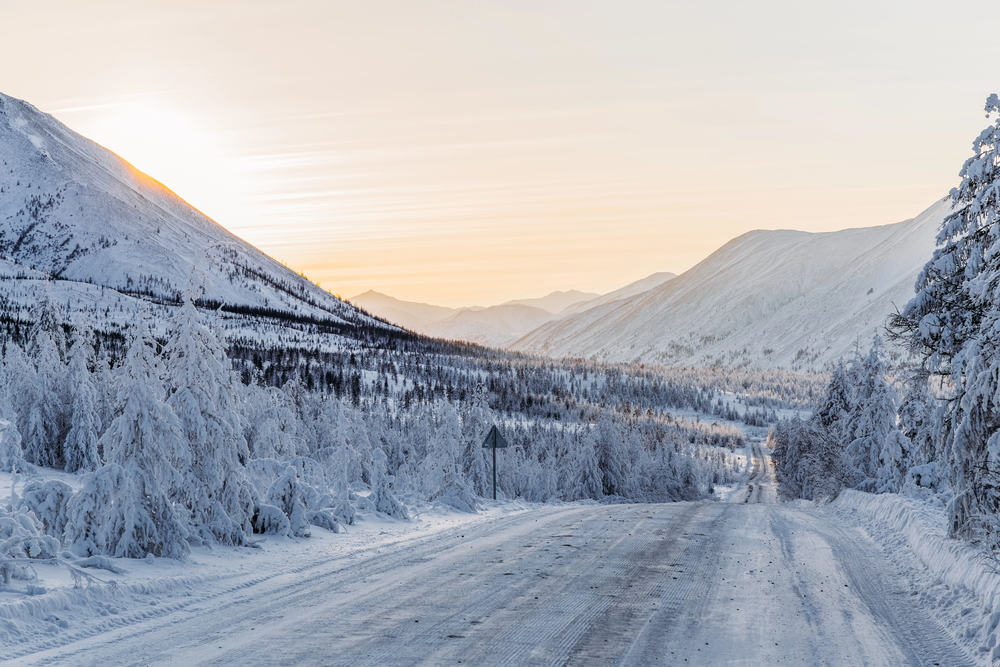
The Kolyma Highway (M56) in Russia is the coldest road on Earth where temperatures can drop to minus 96 degrees Fahrenheit. Cars break down constantly because their engines freeze solid, and even antifreeze turns into slush.
Truckers who drive this route have to keep their engines running 24 hours a day because if they turn them off, they might never start again. An escaped jail inmate turned himself in just so that he could warm up rather than face another night in this brutal cold.
The road is so dangerous that fuel can freeze in gas tanks, and tires become as hard as rocks.
Drought that lasted a decade
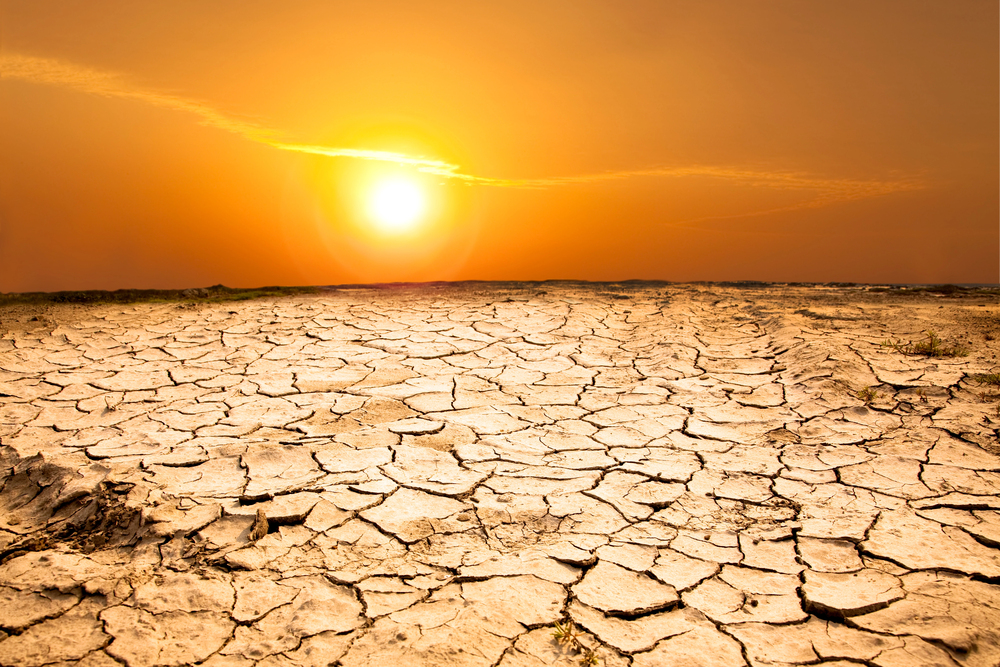
The longest recorded drought lasted 400 years in the Atacama Desert in Chile. Some weather stations in this desert have never recorded a single drop of rain since they were built.
The ground is so dry that it’s compared to the surface of Mars, and scientists actually use this desert to test equipment for space missions. Plants and animals that live here have adapted to survive with almost no water at all.
When it finally does rain once every few decades, the entire desert blooms with flowers that have been waiting underground for years.
Pressure drop that popped eardrums

The lowest barometric pressure ever recorded was during Typhoon Tip in 1979, when pressure dropped to 25.69 inches of mercury. This created a pressure difference so extreme that people’s eardrums would pop just from being outside.
The storm was so massive that it covered an area larger than the entire continental United States. Ships caught in the storm reported waves over 100 feet tall, and the pressure was so low that it actually affected the ocean level, creating a bulge of water several feet higher than normal.
Like Go2Tutors’s content? Follow us on MSN.
Temperature that broke thermometers
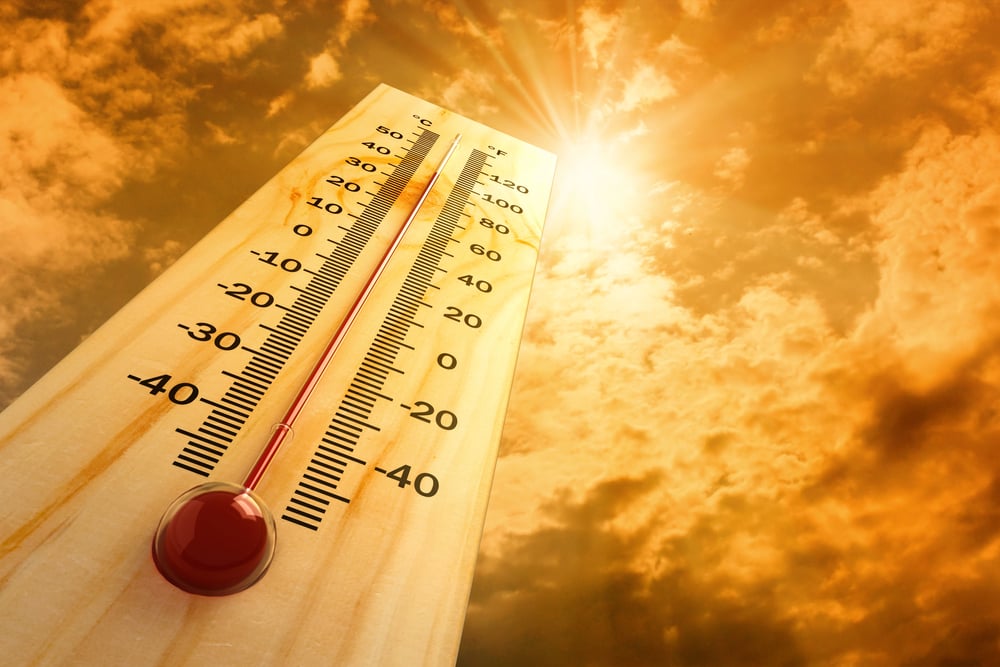
In Iran’s Dasht-e Lut desert, ground temperatures have been measured at over 177 degrees Fahrenheit. This is hot enough to cause severe burns just from touching the sand.
Regular thermometers can’t even measure temperatures this high without breaking. Satellite images show this area glowing white-hot during summer months. No plants or animals can survive here, and even bacteria struggle to live in these conditions.
Scientists who study this area have to use special heat-resistant equipment and can only work there for a few minutes at a time.
Fog so thick it stopped a city
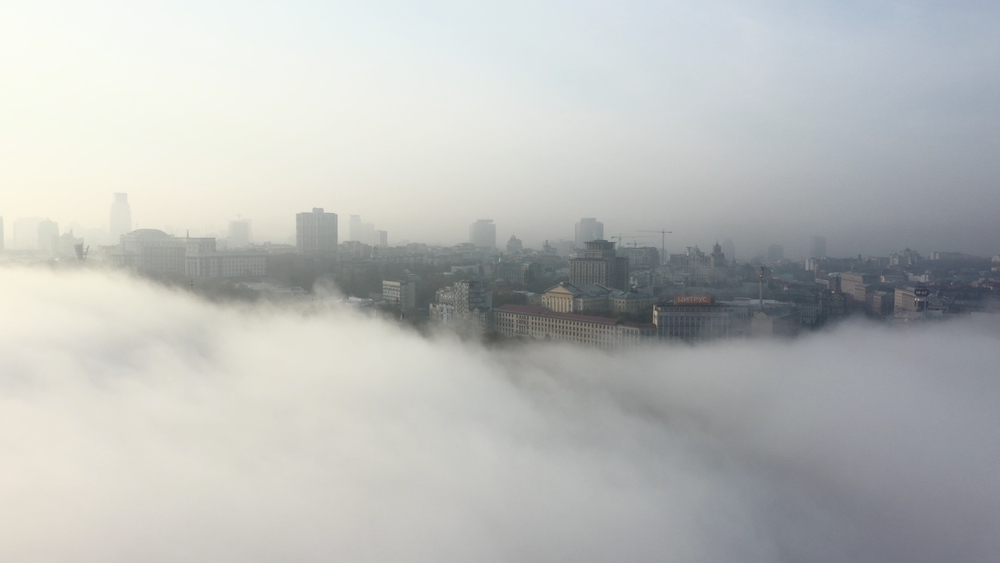
The thickest fog ever recorded had visibility of just three inches, meaning people couldn’t see their own hand when they held it arm’s length away. This happened in London during the Great Smog of 1952, when the fog mixed with pollution to create a deadly combination.
Buses had to stop running because drivers couldn’t see the road at all. People got lost just trying to walk to their neighbor’s house.
The fog was so thick that it seeped into buildings and theaters had to cancel shows because audience members couldn’t see the stage.
Wind that moved mountains
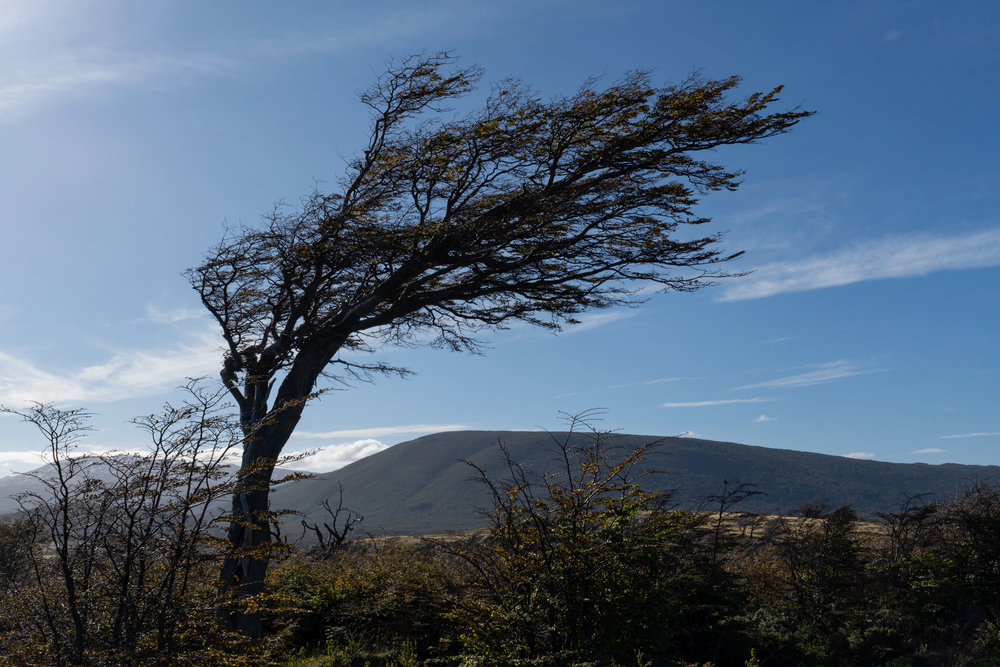
The fastest non-tornado wind gust ever recorded was 253 mph on Barrow Island in Australia during Cyclone Olivia. This wind was strong enough to literally move boulders and reshape the landscape.
Trees that had been growing for hundreds of years were snapped like twigs. The wind stripped paint off buildings and sandblasted cars until they looked like they’d been through a war zone.
Weather instruments were destroyed by flying debris before they could record even higher speeds, so the actual peak winds might have been even stronger.
Like Go2Tutors’s content? Follow us on MSN.
When weather rewrites the record books

These extreme weather events remind us that our planet is capable of producing conditions that push the very limits of what’s physically possible. Yet short-term extremes are sometimes visible symptoms of larger changes in climate.
Numerous local high-temperature records in recent years, for example, collectively point to Earth’s ongoing warming: Globally, 2016 was the hottest year on record, with 2020 a close second.
More from Go2Tutors!

- 16 Historical Figures Who Were Nothing Like You Think
- 12 Things Sold in the 80s That Are Now Illegal
- 15 VHS Tapes That Could Be Worth Thousands
- 17 Historical “What Ifs” That Would Have Changed Everything
- 18 TV Shows That Vanished Without a Finale
Like Go2Tutors’s content? Follow us on MSN.