World Book Day: 15 Banned Books Everyone Should Know About
Books have long been both celebrated and feared for their power to challenge, transform, and enlighten. Throughout history, societies have attempted to control which ideas reach the public by banning literature deemed too dangerous, controversial, or subversive.
These attempts at censorship often backfire, drawing more attention to the very works authorities hoped to suppress. Here is a list of 15 significant banned books that have shaped literary history despite—or perhaps because of—attempts to silence them.
Each title represents important cultural touchstones that continue to resonate with readers today.
To Kill a Mockingbird
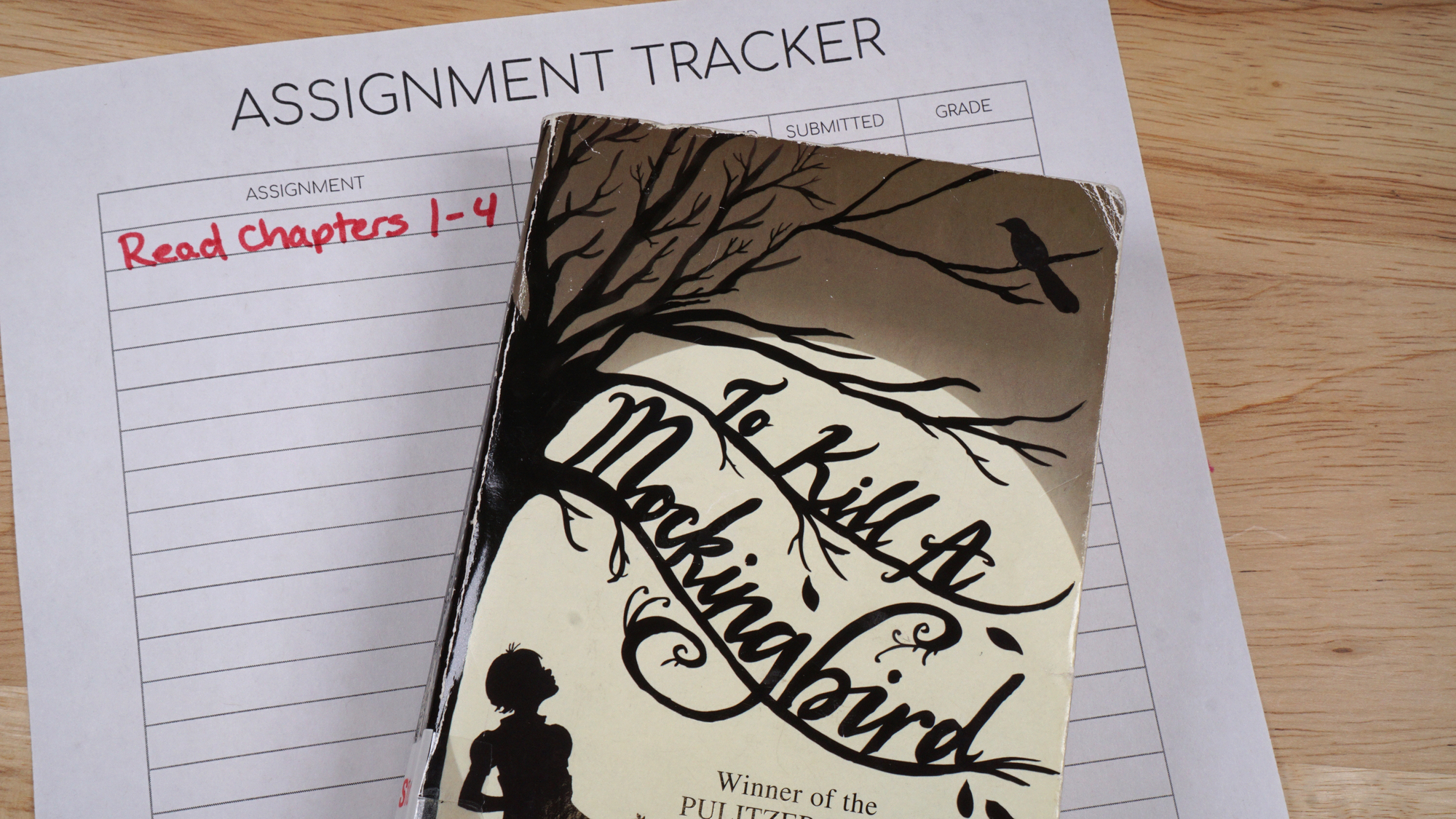
Harper Lee’s Pulitzer Prize-winning novel about racial injustice in the American South has faced numerous challenges since its publication in 1960. School districts across America have repeatedly attempted to remove it from curricula due to its use of racial slurs and discussion of complex topics like discrimination and assault.
The book remains one of the most taught and most challenged works in American classrooms, praised for its moral stance against prejudice while criticized for its uncomfortable portrayal of racial dynamics.
1984

George Orwell’s dystopian masterpiece has been banned in multiple countries since its publication in 1949. The Soviet Union prohibited it until 1990, finding its anti-totalitarian themes too provocative for public consumption.
Even in the United States, the book has faced challenges for its political content and descriptions of social control. Orwell’s cautionary tale about surveillance and thought control feels increasingly relevant in our modern digital age, with terms like ‘Big Brother’ and ‘thoughtcrime’ becoming part of our everyday vocabulary.
The Color Purple
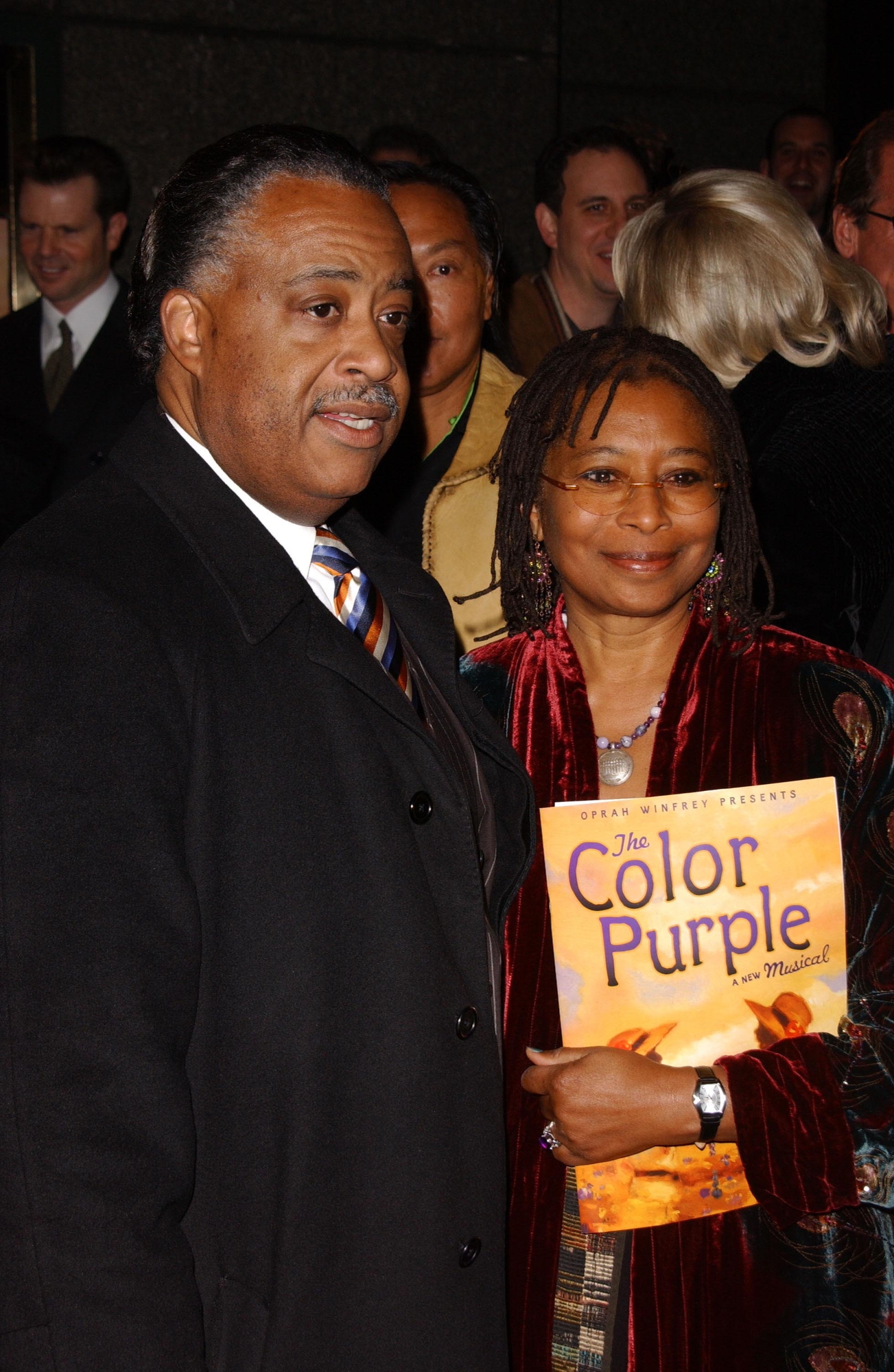
Alice Walker’s powerful novel about African American women in the rural South won both the Pulitzer Prize and National Book Award, yet it has frequently appeared on banned book lists. Schools and libraries have challenged it for its frank depictions of abuse, difficult language, and portrayals of relationships.
The book’s unflinching examination of racism, economic hardship, and resilience makes it an important work that continues to move readers despite attempts to restrict its availability.
Brave New World
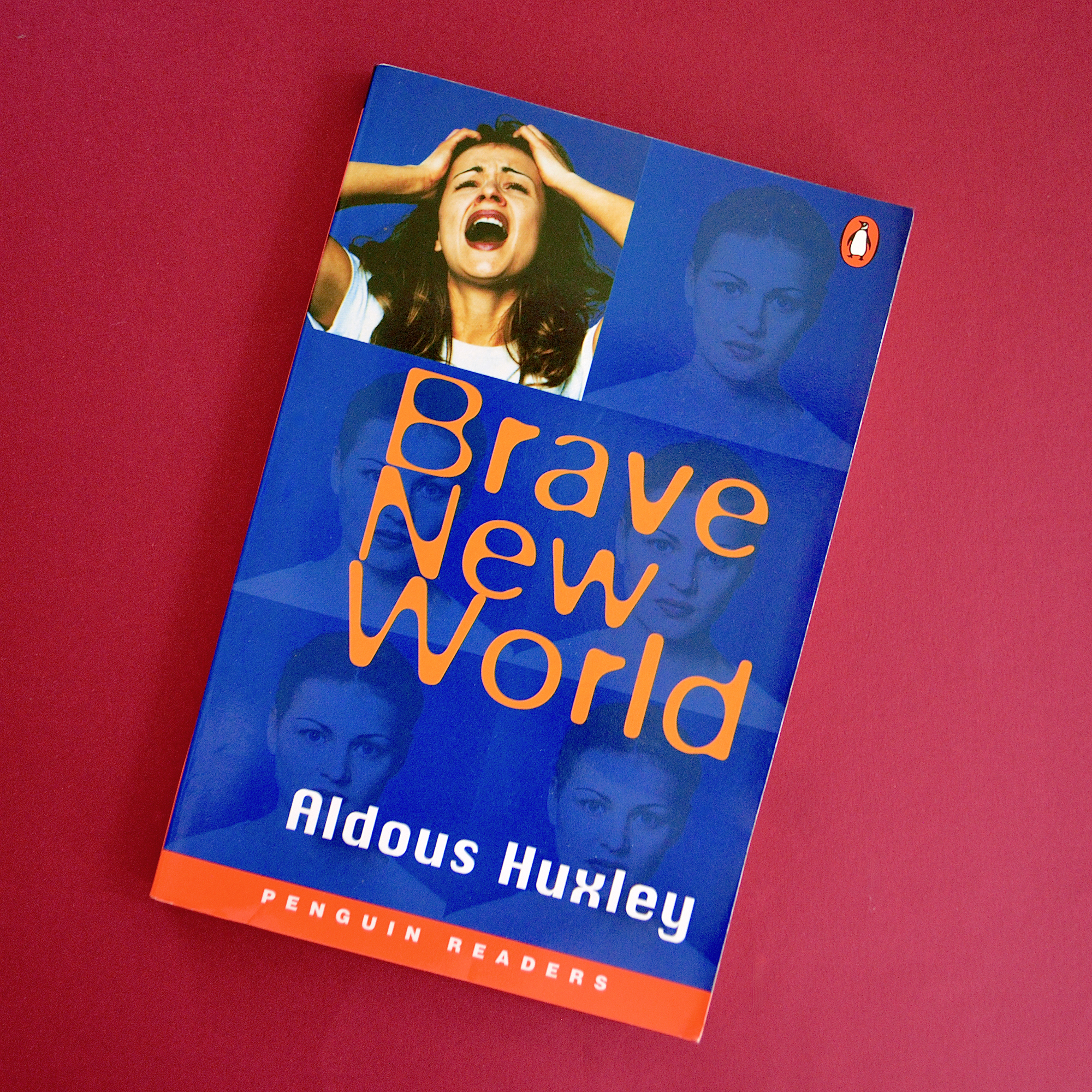
Aldous Huxley’s vision of a genetically engineered future society has faced bans and challenges since its 1932 publication. The novel’s exploration of reproductive technology, psychological manipulation, and social engineering has made it a target for censorship.
Parents and school boards have objected to its content regarding relationships, substance use, and anti-religious themes. Huxley’s prescient vision of a society controlled through pleasure rather than pain feels increasingly prophetic in our entertainment-saturated culture.
The Catcher in the Rye
J.D. Salinger’s iconic coming-of-age novel has been controversial since its publication in 1951. The book’s teenage protagonist, Holden Caulfield, uses coarse language and discusses topics many consider taboo for young readers.
Schools across America have repeatedly challenged the novel for its profanity, references to drinking, and themes of teenage rebellion. Despite these controversies, the book’s authentic portrayal of adolescent alienation continues to speak to generation after generation of readers.
Beloved
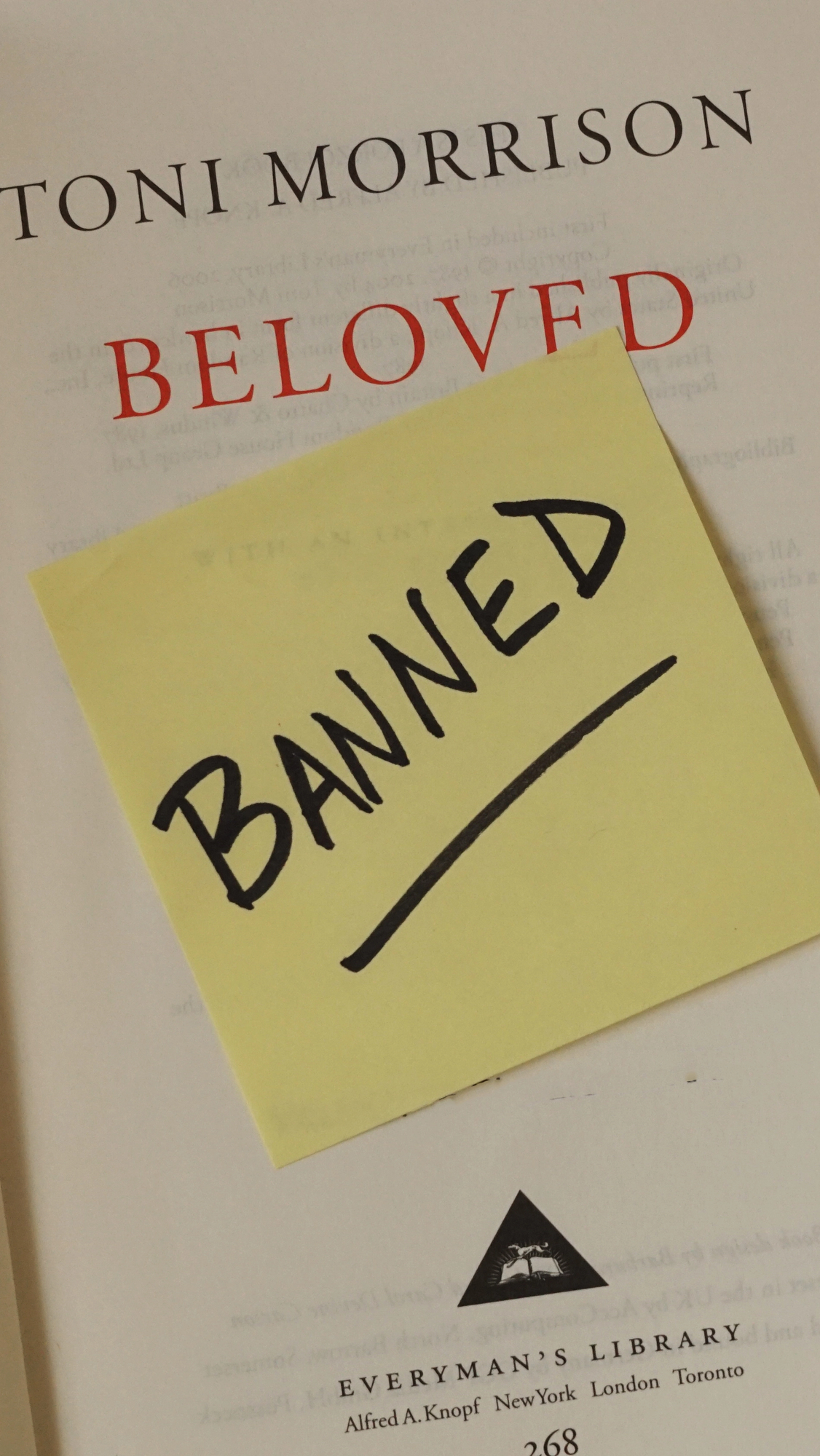
Toni Morrison’s Pulitzer Prize-winning novel about the psychological scars of slavery continues to face challenges in school districts nationwide. Parents and community groups have objected to its graphic depictions of violence, disturbing themes, and supernatural elements.
Morrison’s unforgettable story of Sethe, a former enslaved woman haunted by the ghost of her infant daughter, provides a necessary window into the lasting trauma of America’s original sin—making attempts to ban it particularly troubling for educators focused on historical understanding.
The Handmaid’s Tale
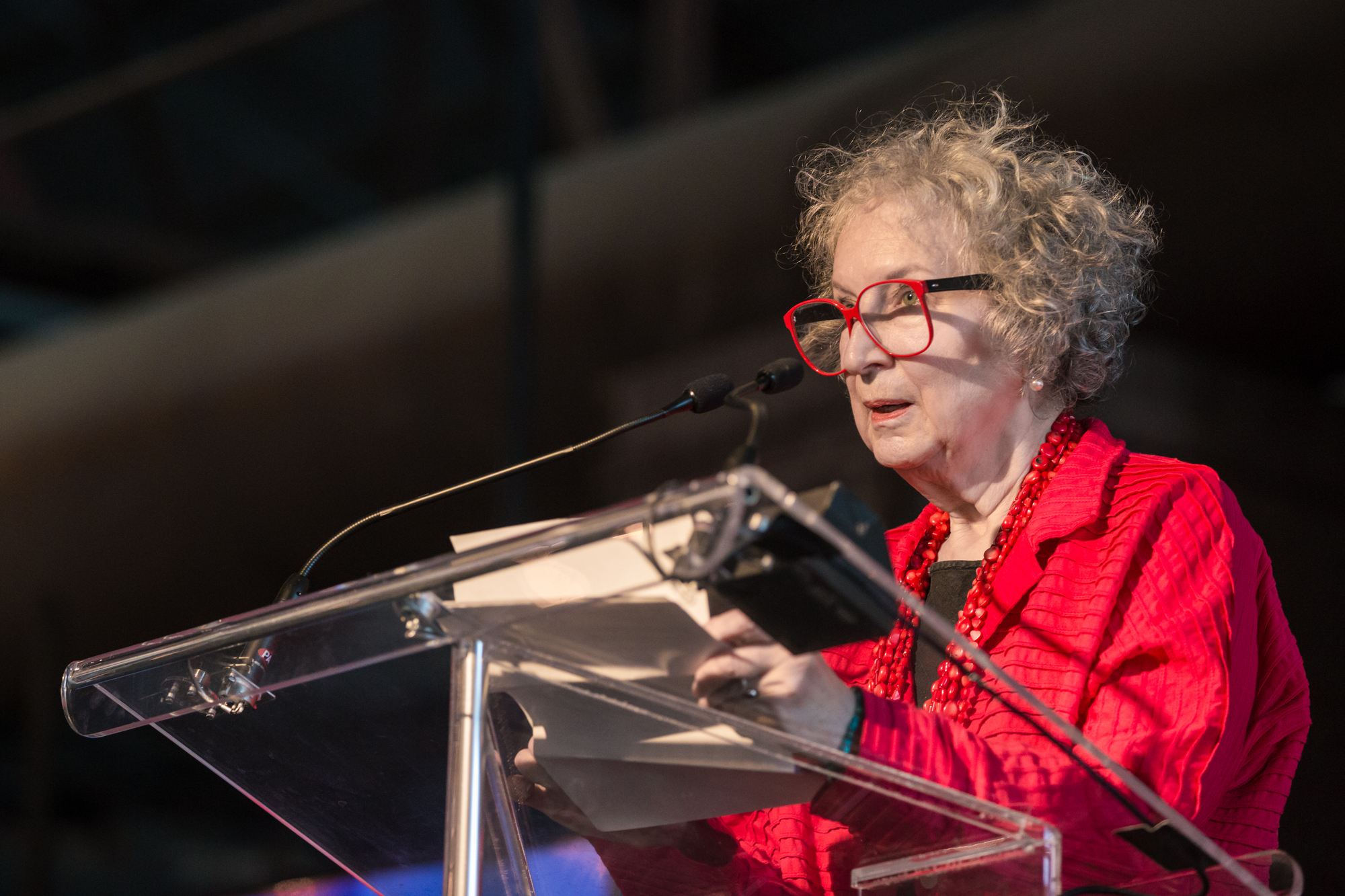
In her dystopian novel, Margaret Atwood imagines a future America under a theocratic government in which women have no autonomy. It has been criticized for its images of persecution, religious themes, and political criticism ever since it was published in 1985.
The book is especially contentious in some groups because of its examination of religious fanaticism and reproductive rights. Since its television adaptation and growing political significance, Atwood’s writing has received additional attention and censorship attempts.
The Grapes of Wrath
John Steinbeck’s Depression-era novel about Oklahoma tenant farmers migrating to California was banned in many parts of the country upon its 1939 release. Critics objected to its political views, rough language, and unflattering portrayal of capitalism during economic hardship.
The book was even burned in Kern County, California—the very region where much of the story takes place. Steinbeck’s compassionate portrayal of the Joad family’s struggle represents an essential piece of American literary and social history.
Persepolis
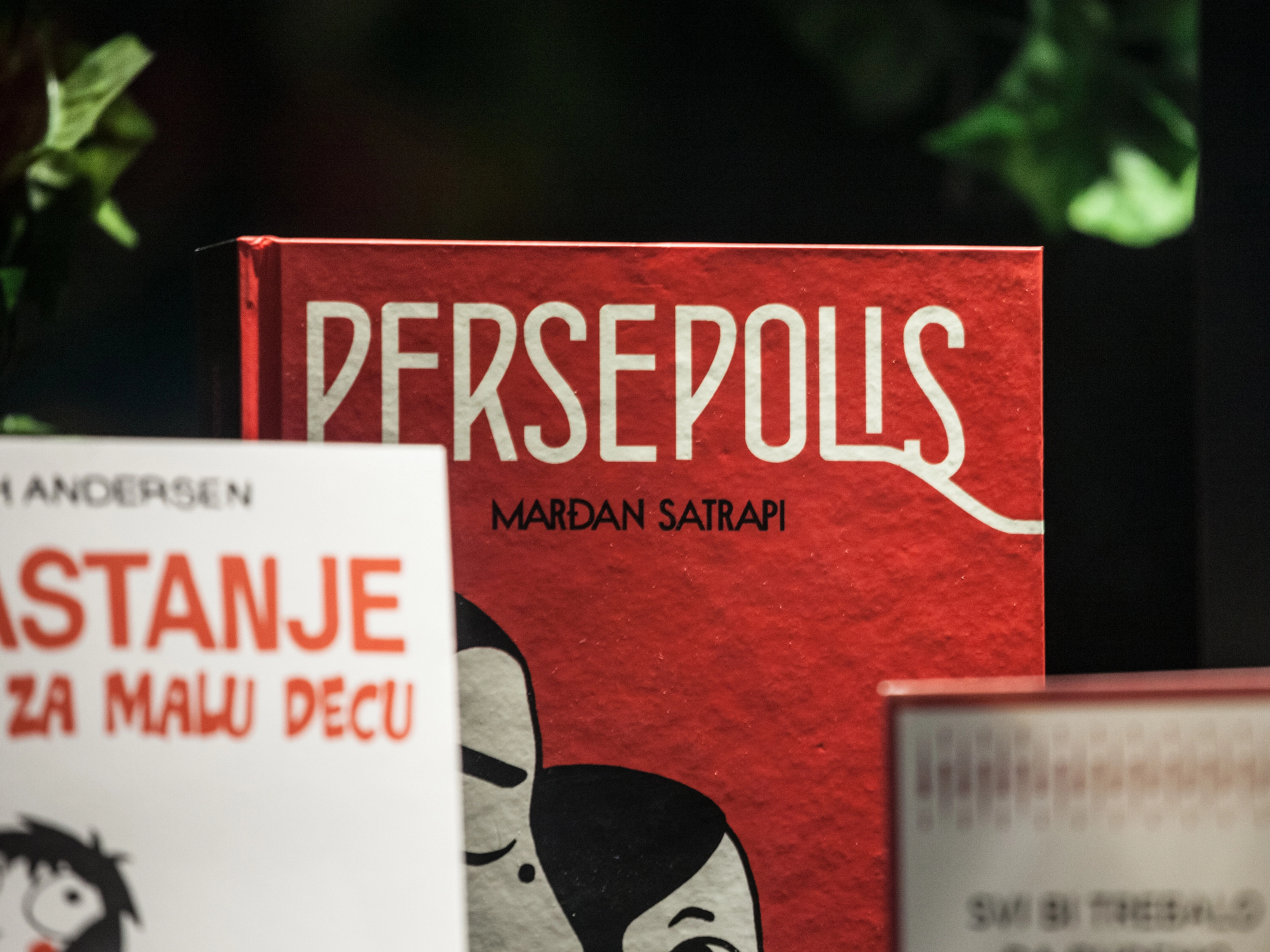
Marjane Satrapi’s autobiographical graphic novel about growing up during the Iranian Revolution has faced numerous bans despite its critical acclaim. Chicago Public Schools attempted to remove it from classrooms in 2013, citing concerns about its political content and illustrations depicting violence.
The book’s honest portrayal of life under religious fundamentalism and war through a child’s perspective makes it particularly powerful. Satrapi’s combination of personal narrative and historical events creates an accessible entry point for understanding complex geopolitical issues, making attempts to restrict its availability especially concerning for educators.
Animal Farm
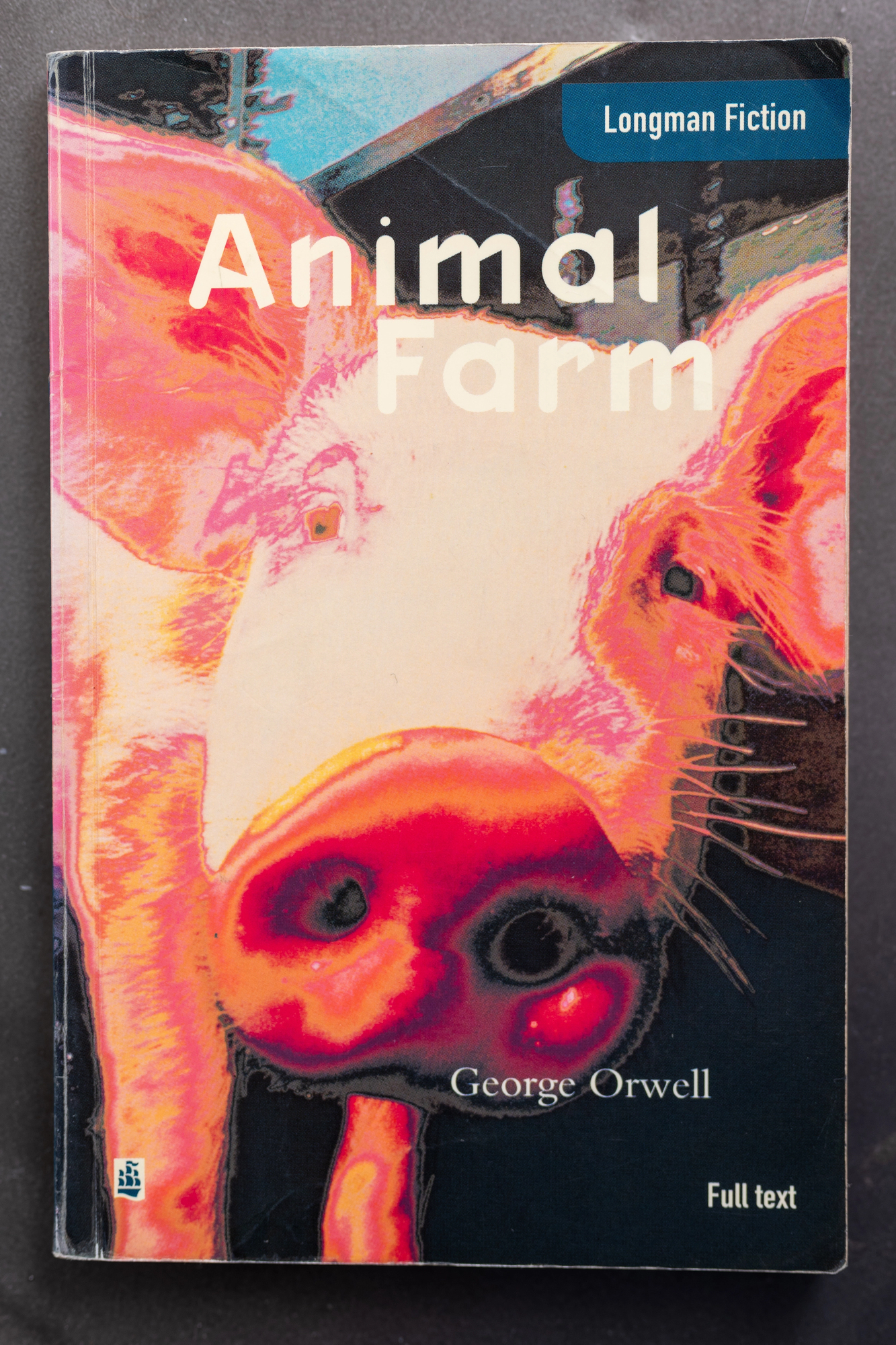
Both fascist and communist regimes have banned Orwell’s allegorical novella about the Russian Revolution. The Soviet Union naturally prohibited this thinly veiled critique of Stalinism.
At the same time, the book was also banned in the United Arab Emirates for its depiction of a pig as a central character. This profound yet straightforward fable about power and corruption continues to be taught worldwide as a warning about how revolutionary ideals can be betrayed by those who claim to uphold them.
The Lord of the Flies
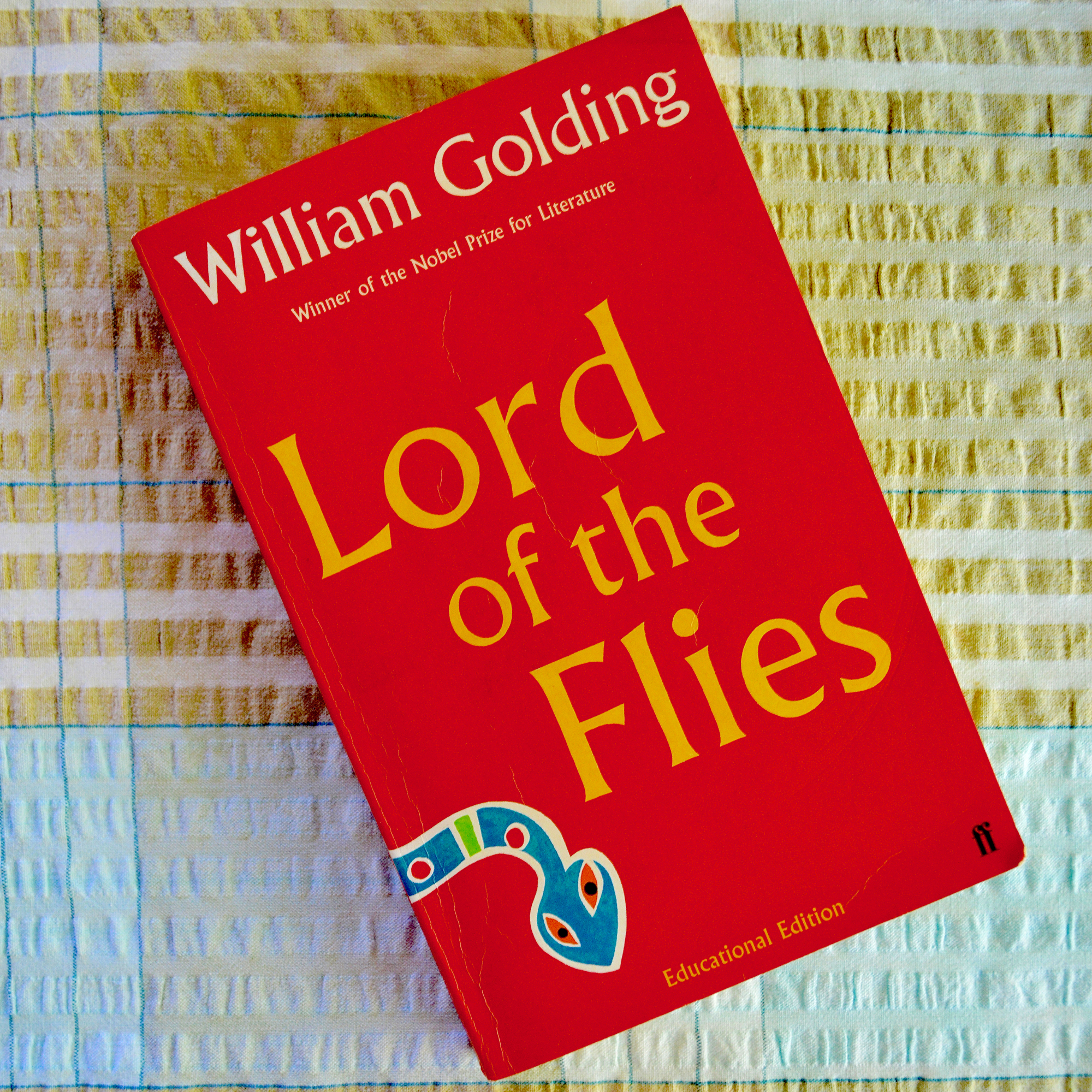
Since its 1954 release, William Golding’s sharp investigation of human nature via the narrative of schoolboys stranded on an uninhabited island has encountered many obstacles. Its brutality, vulgarity, and bleak perspective of life have drawn criticism from parents and educators.
The book’s depiction of youngsters falling into barbarism without institutional limits questions complacent beliefs about natural human goodness. Its literary value and psychological insights keep it a mainstay in many educational courses despite efforts at restriction.
Fahrenheit 451
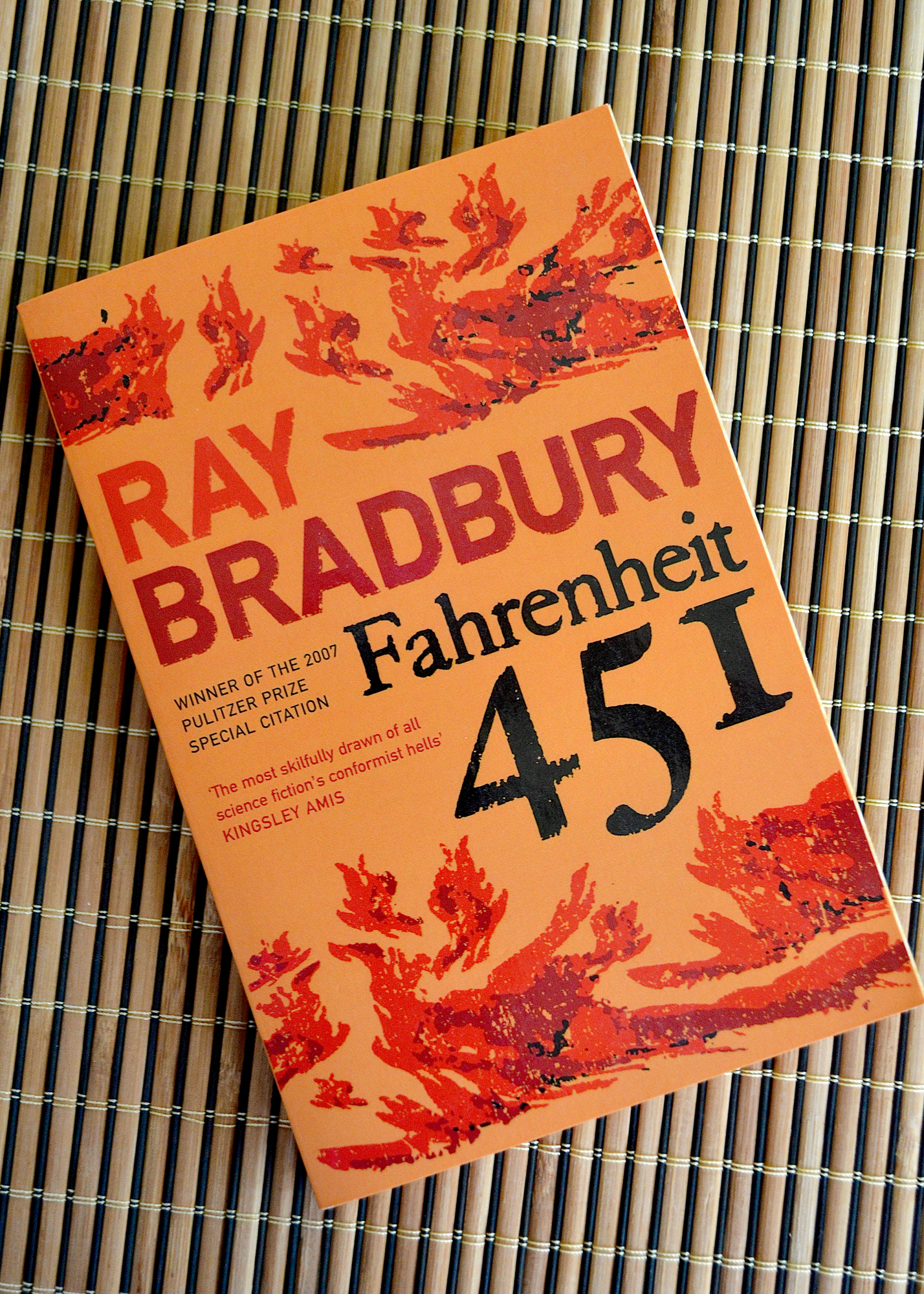
Ray Bradbury’s novel about book burning ironically appears frequently on banned book lists. This dystopian story of a future America where books are outlawed and firemen start fires rather than extinguish them has been challenged for its language and depictions of Bible burning.
The delicious irony of attempting to ban a novel about the dangers of banning books seems lost on would-be censors. Bradbury’s warning about a society that chooses entertainment over knowledge remains disturbingly relevant.
Slaughterhouse-Five
Kurt Vonnegut’s semi-autobiographical novel about the firebombing of Dresden during World War II has faced consistent challenges since its 1969 publication. Schools and parents have objected to its profanity, anti-war sentiment, and non-linear narrative structure.
The book’s famous refrain—’So it goes’—in response to each death mentioned reflects Vonnegut’s tragicomic approach to writing about war’s absurdity and horror. Despite censorship attempts, it remains one of the most important American novels about warfare.
The Kite Runner
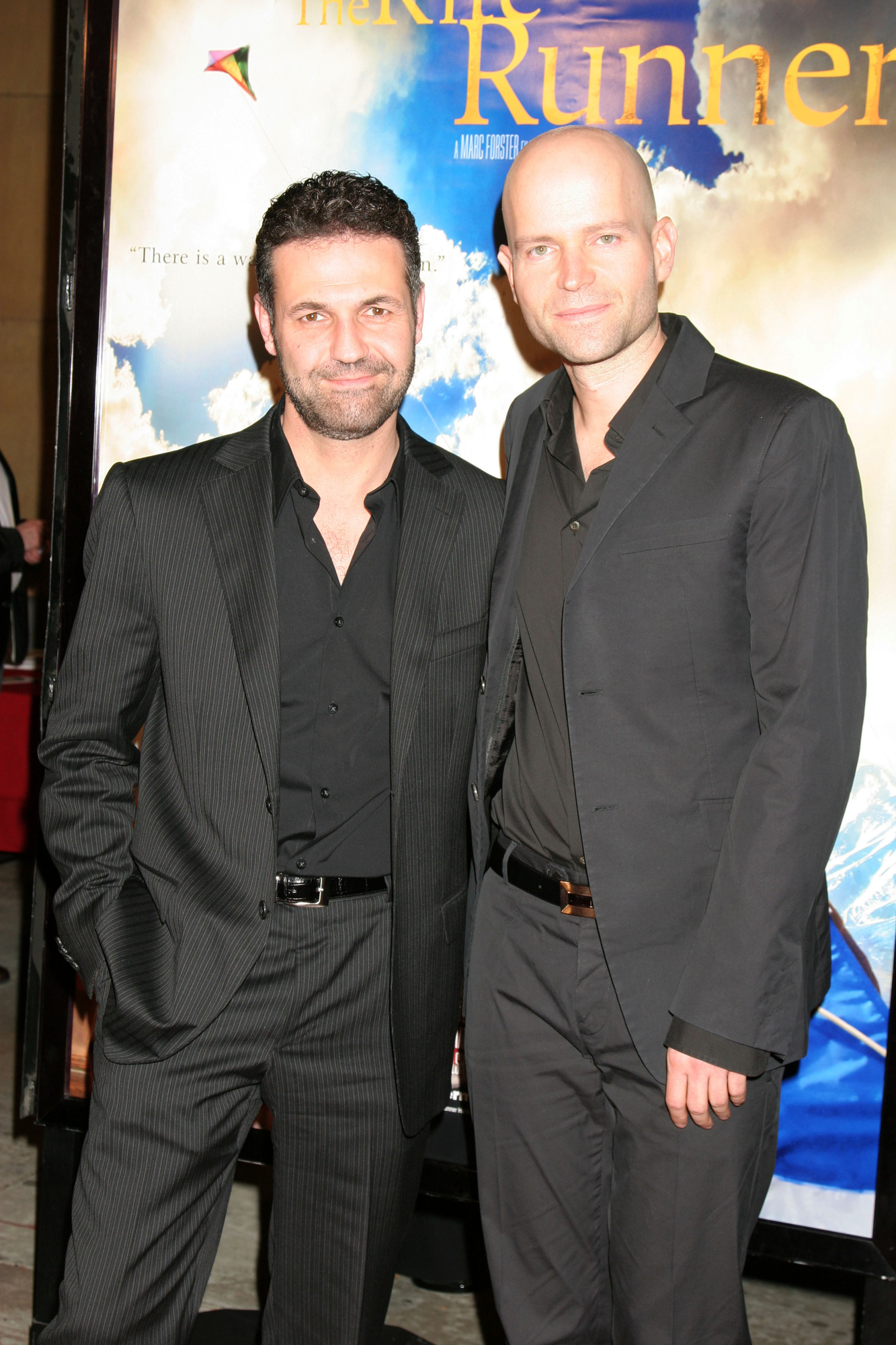
Khaled Hosseini’s prize-winning book of friendship, betrayal, and redemption in Afghanistan has been banned by American school boards since its publication in 2003. Parents and community groups have objected to its violence, cultural insensitivity, and traumatic imagery.
The novel’s realistic portrayal of Afghanistan under the Taliban and before it provides readers with vital background information about a part of the world too frequently misrepresented in the Western world. Despite censorship efforts, Hosseini’s moving story continues to inspire readers and foster empathy and cultural understanding around the world.
The Adventures of Huckleberry Finn
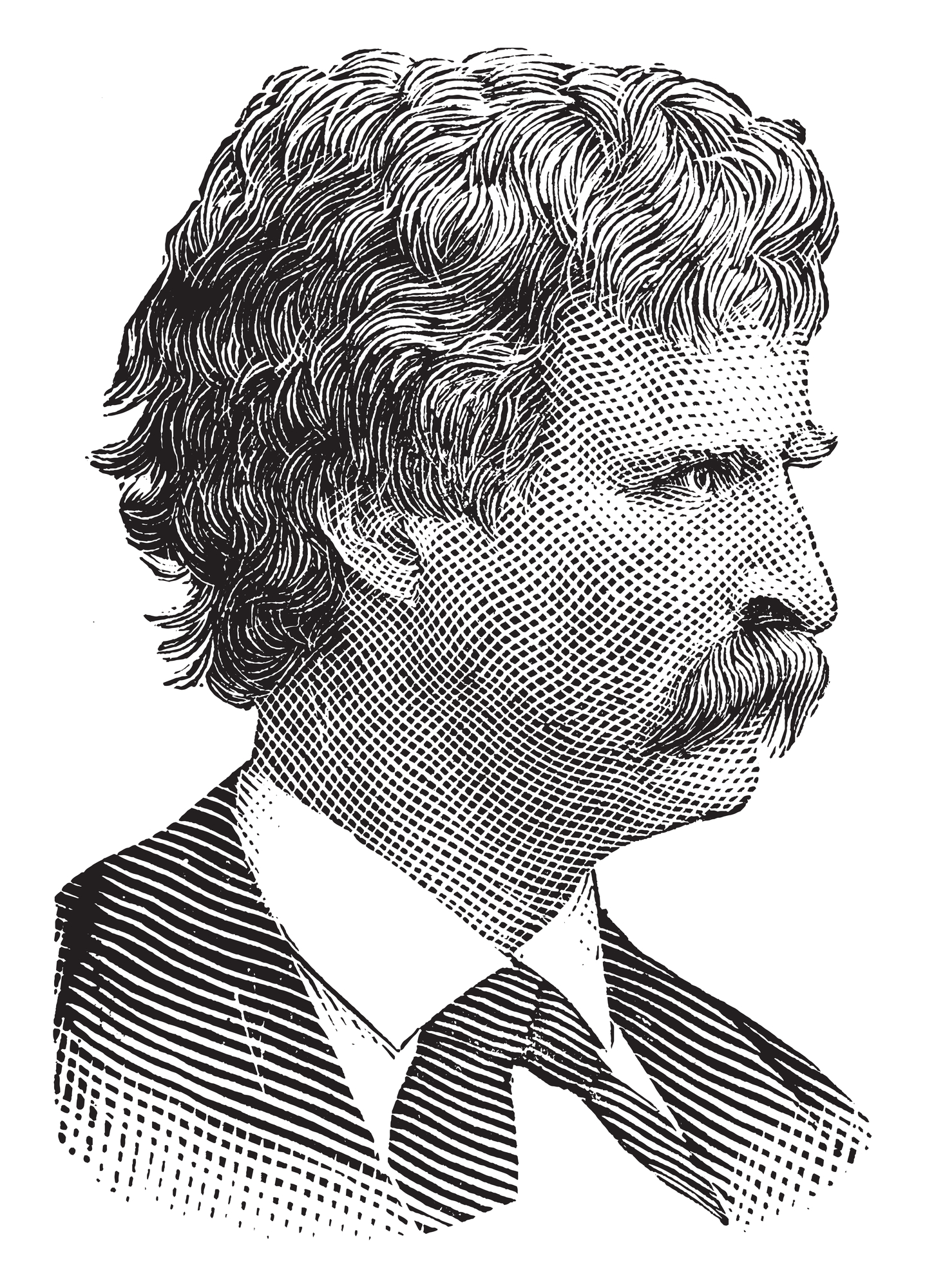
Mark Twain’s American classic has been controversial since its publication in 1885. Initially criticized for featuring a friendship between a white boy and a runaway enslaved man, the book is now more commonly challenged for its abundant use of racial slurs.
Educators continue to debate whether the historical language, which accurately reflects the period’s racism, belongs in classrooms. Despite these ongoing controversies, Twain’s novel remains a pivotal work examining America’s troubled racial history through the moral awakening of its young protagonist.
Knowledge Is Freedom
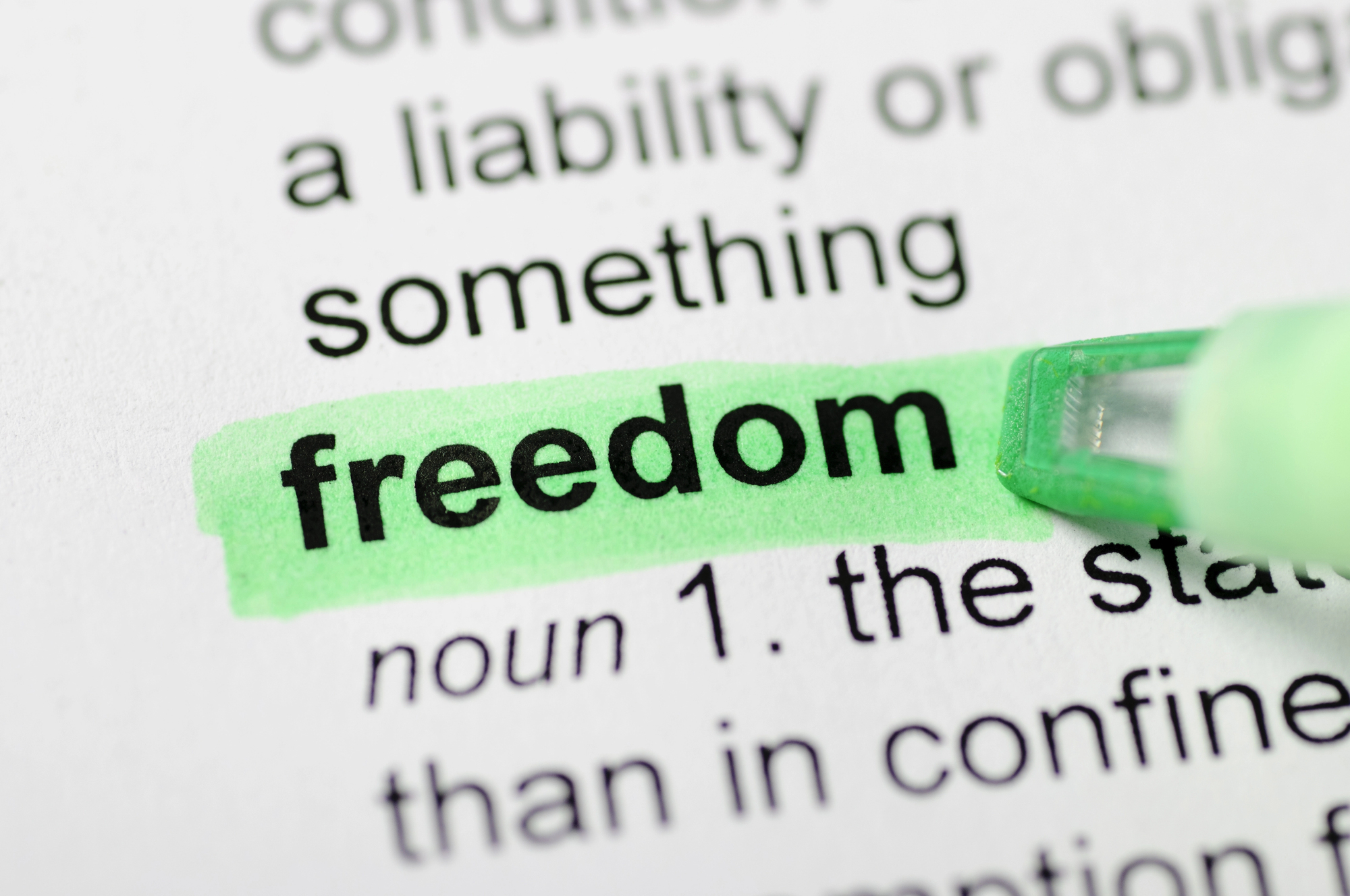
The history of banned books reminds us that ideas deemed dangerous in one era often become essential reading in another. The impulse to restrict access to challenging literature continues today in school board meetings and legislative sessions across America and around the world.
These books represent just a fraction of the literary works that have faced suppression throughout history. Their enduring power testifies to literature’s unique ability to provoke thought, inspire empathy, and ultimately expand our understanding of the human experience.
When we read banned books, we participate in the ongoing struggle for intellectual freedom.
More from Go2Tutors!

- The Romanov Crown Jewels and Their Tragic Fate
- 13 Historical Mysteries That Science Still Can’t Solve
- Famous Hoaxes That Fooled the World for Years
- 15 Child Stars with Tragic Adult Lives
- 16 Famous Jewelry Pieces in History
Like Go2Tutors’s content? Follow us on MSN.