Hidden Ecosystems Thriving in Deep-Sea Volcanoes
Picture a world where temperatures soar to 750°F, crushing pressure would instantly flatten any surface creature, and toxic chemicals fill the water like a deadly soup. Sounds like a place where nothing could possibly survive, right? Think again.
Deep beneath our oceans, around underwater volcanoes and their hydrothermal vents, some of the most extraordinary ecosystems on Earth are not just surviving—they’re absolutely thriving.Scientists first discovered these remarkable communities in 1977 when they found an entirely unique ecosystem, including hundreds of new species, around deep-sea hydrothermal vents.
What they uncovered challenged everything we thought we knew about the requirements for life on our planet.Here’s a list of hidden ecosystems that call these volcanic underwater worlds home.
Each one represents a stunning example of life’s incredible ability to adapt and flourish in the most extreme conditions imaginable.
Black Smoker Chimneys
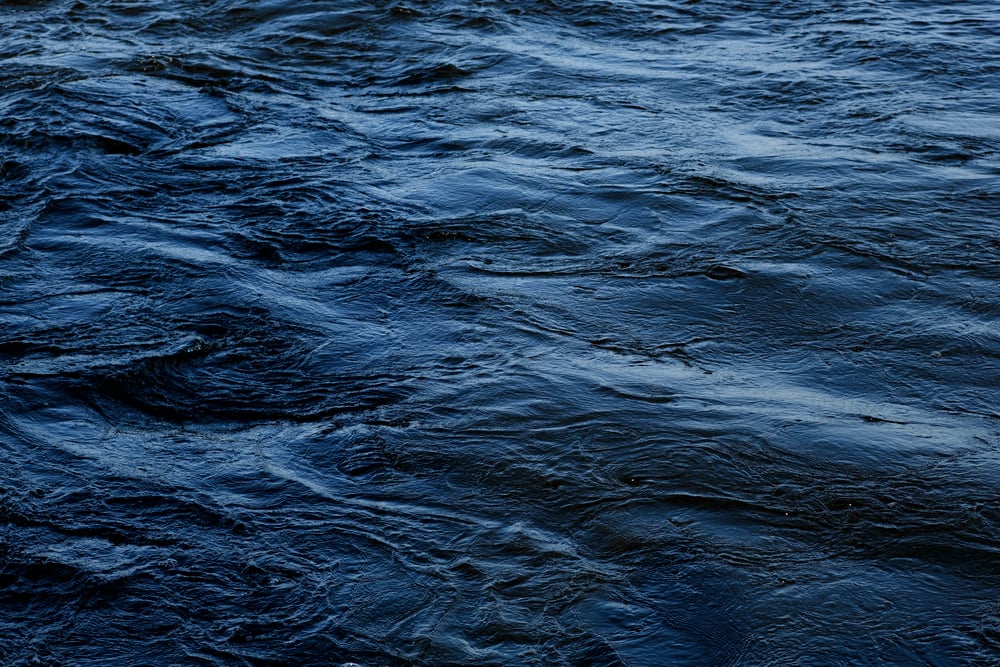
Black smokers are chimneys formed from deposits of iron sulfide, which emit jets of particle-laden fluids at temperatures reaching over 700°F. These towering structures look like underwater industrial smokestacks, constantly belching dark plumes into the deep ocean.
The chimneys themselves become home to specialized microorganisms that can withstand these hellish conditions, forming the foundation of an entire ecosystem right on the chimney walls.
Tube Worm Forests
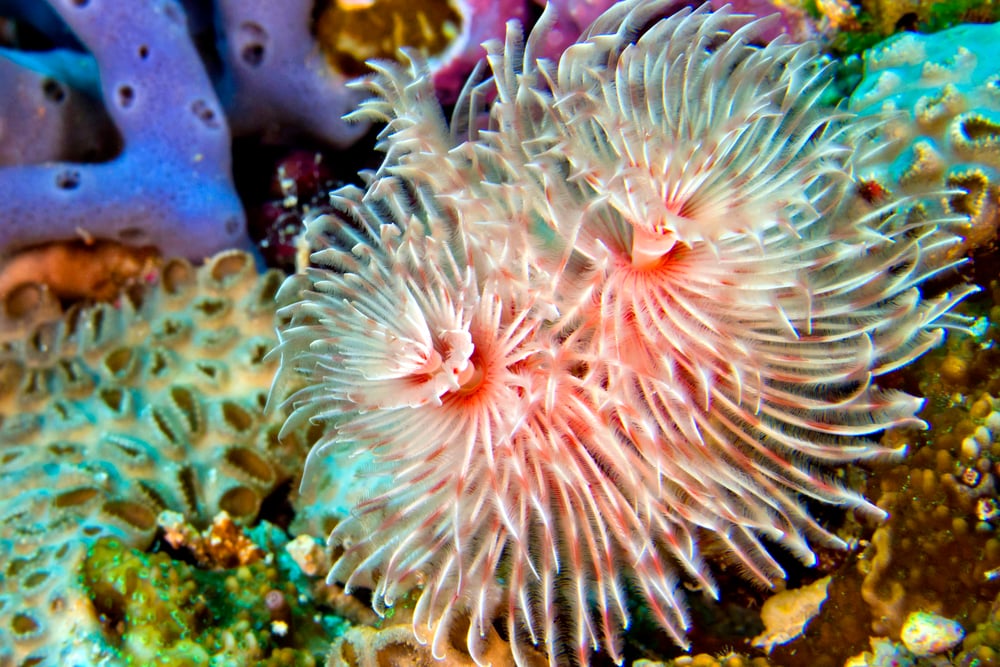
Huge red-tipped tube worms thrive in these extreme deep ocean ecosystems, creating what looks like an alien forest on the seafloor. These remarkable creatures can grow up to 6 feet long and lack both mouth and stomach.
Instead, they house bacteria inside their bodies that convert toxic chemicals into food through chemosynthesis. The worms provide shelter while the bacteria provide sustenance—it’s like having a live-in chef that never asks for rent.
Like Go2Tutors’s content? Follow us on MSN.
White Smoker Gardens
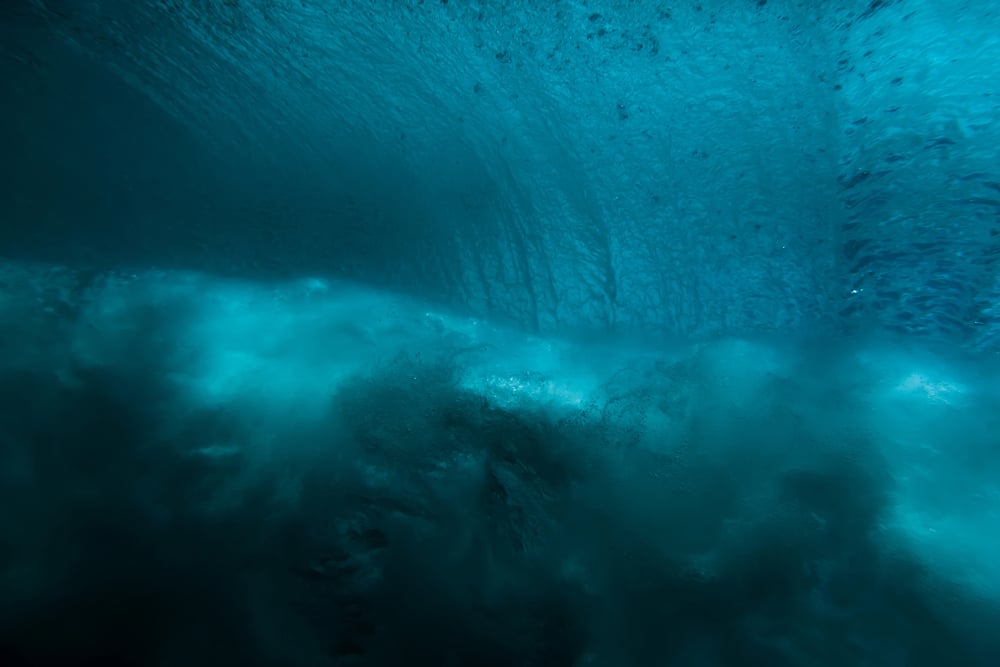
White smokers are chimneys formed from deposits of barium, calcium, and silicon, releasing fluid at around 103°C. These pale structures create more moderate conditions than their black counterparts, allowing different communities to flourish.
Think of them as the suburbs of the hydrothermal vent world—still extreme by surface standards, but relatively comfortable for deep-sea life.
Microbial Mats
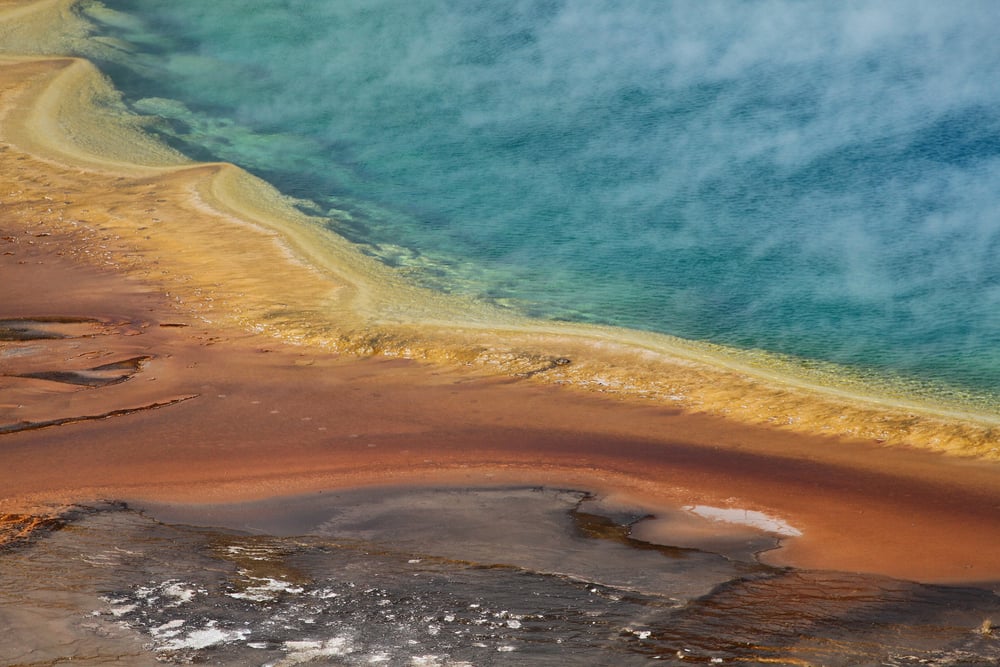
Chemical-harvesting microorganisms form microbial mats up to three centimeters thick around hydrothermal vents. These colorful carpets might look like underwater shag rugs, but they’re actually bustling cities of bacteria and archaea.
Each mat represents millions of tiny organisms working together, converting poisonous chemicals into energy and serving as the base of the food web for larger creatures.
Underground Tunnel Systems
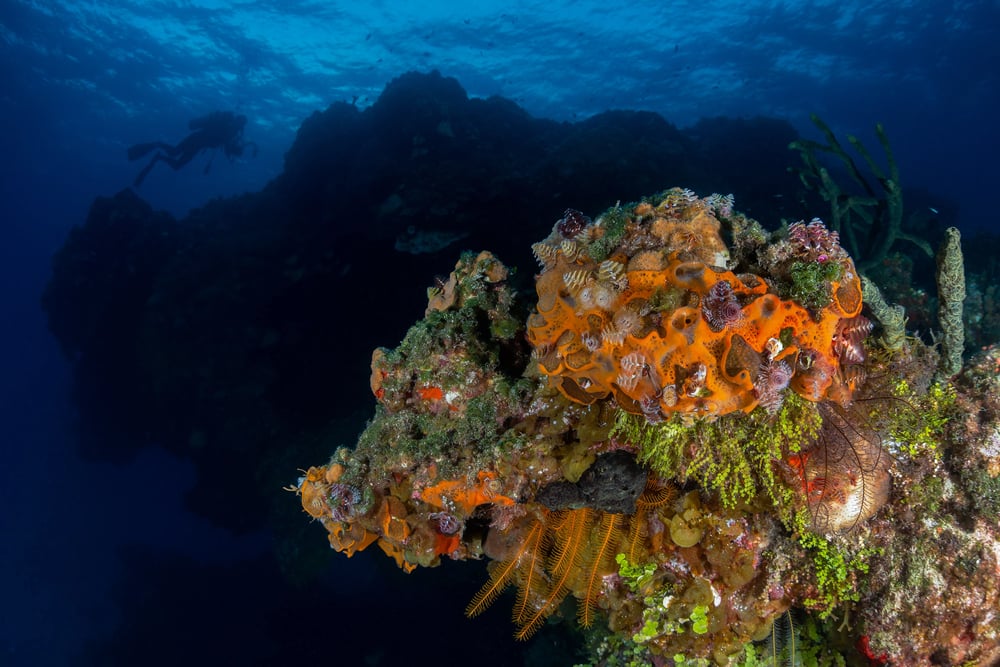
Scientists recently discovered hidden ecosystems beneath hydrothermal vents, where worms, snails and other organisms live in cavities under the seafloor. These underground channels maintain a comfortable 18°C compared to the hundreds of degrees at the surface vents.
It’s like discovering that some deep-sea creatures have been living in luxury underground apartments while everyone else thought they were roughing it on the surface.
Like Go2Tutors’s content? Follow us on MSN.
Giant Clam Colonies
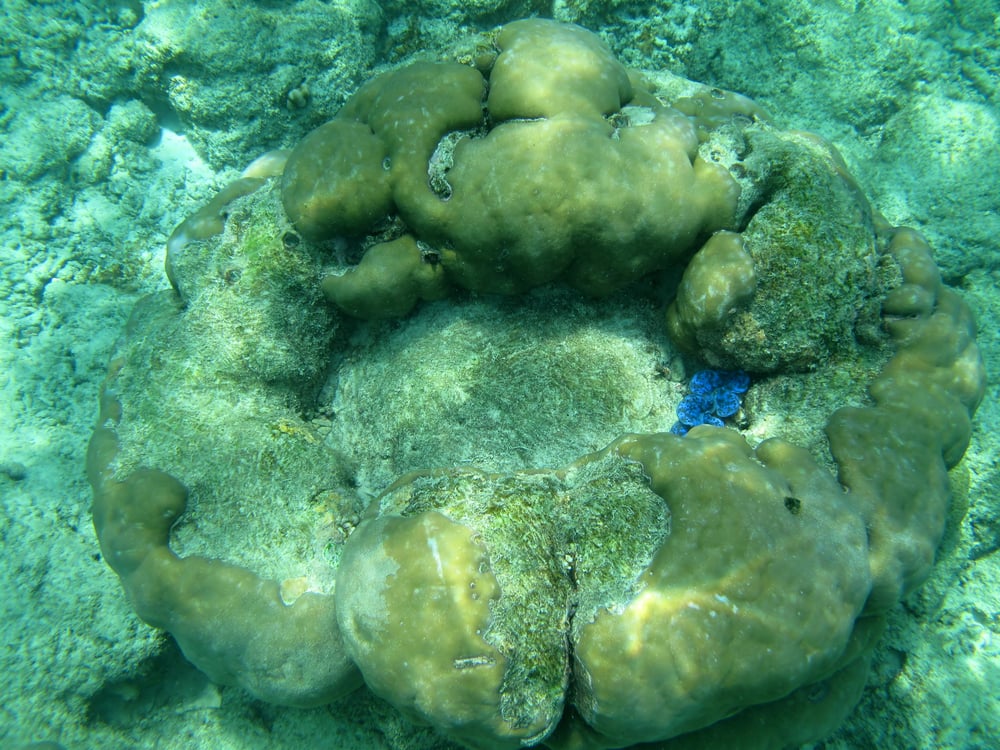
Deep-sea clams the size of dinner plates cluster around hydrothermal vents, their shells gleaming white against the dark volcanic rock. These mollusks rely on specialized bacteria for survival, forming symbiotic relationships where bacteria live in the animals’ tissues.
The clams filter nutrients from the mineral-rich water while providing a safe home for their bacterial partners—a win-win arrangement that’s been working for millions of years.
Yeti Crab Communities
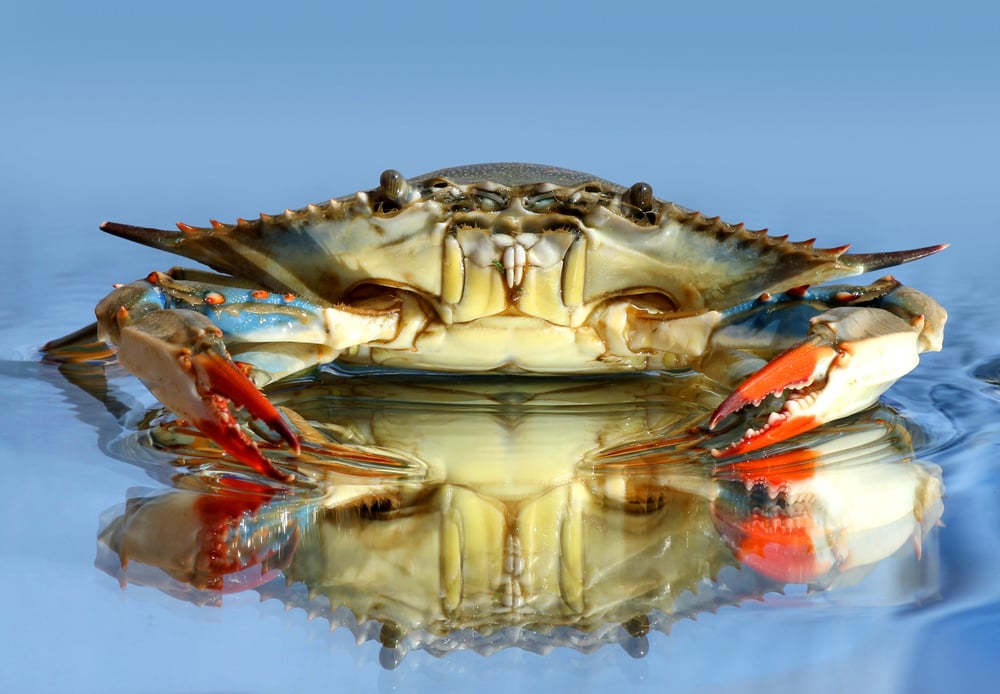
Yeti crabs feed on microbes that grow on their surfaces, making them essentially walking farms. These fuzzy-armed crustaceans cultivate bacteria on their hairy limbs like underwater gardeners.
They’ll even wave their arms in the mineral-rich water to help their bacterial crops grow better. It’s like having your dinner literally grow on you.
Deep-Sea Fish Neighborhoods
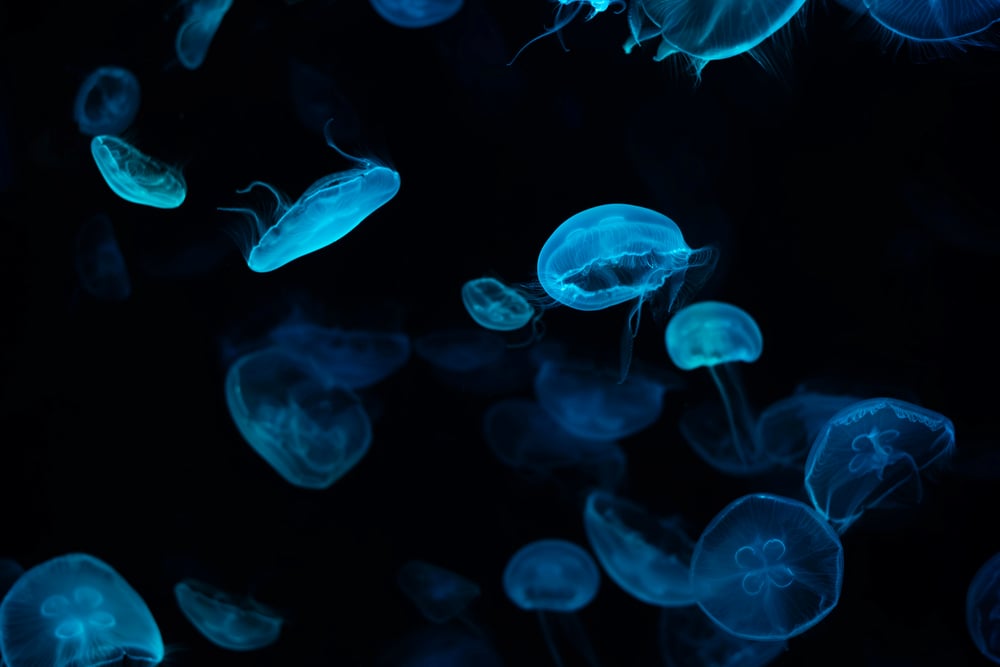
Ghostly fish thrive in these extreme deep ocean ecosystems found near undersea volcanic chains. These translucent creatures have adapted to the unique conditions around vents, developing specialized features to survive the toxic environment.
Some have enlarged eyes to capture the faint glow from hot rocks, while others have completely lost their vision since there’s no sunlight anyway.
Like Go2Tutors’s content? Follow us on MSN.
Snail Highways
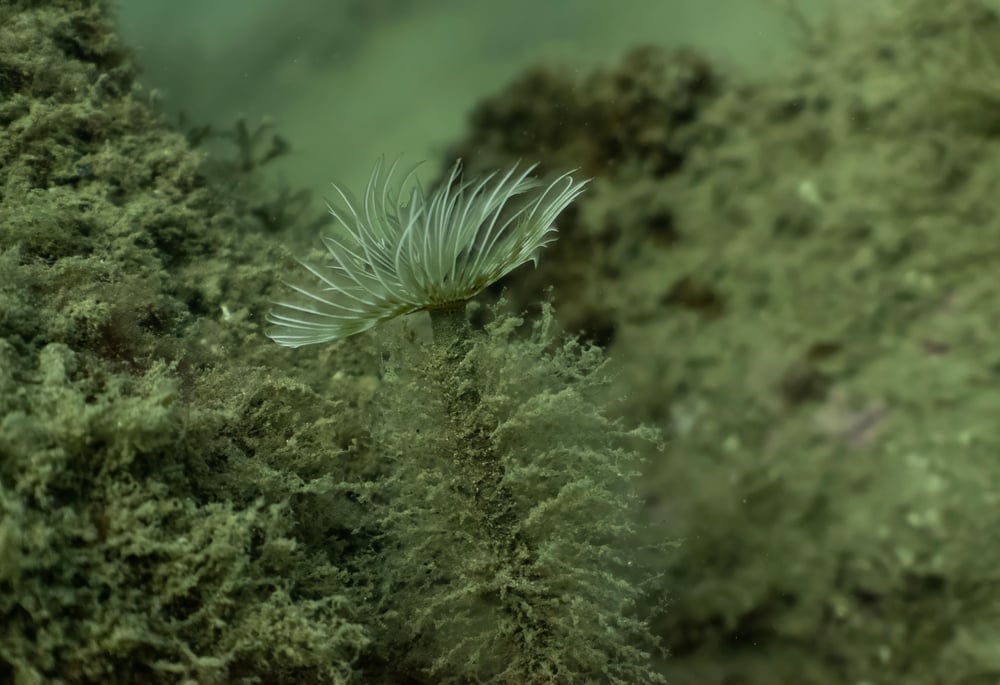
Scientists found that tube worm larvae traverse subsurface chambers through what researchers call the ‘subseafloor conveyor belt’ to travel from vent to vent. These underground expressways allow young organisms to move between different vent sites safely.
Imagine a subway system for baby sea creatures, complete with warm water currents to carry them along.
Shrimp Swarms
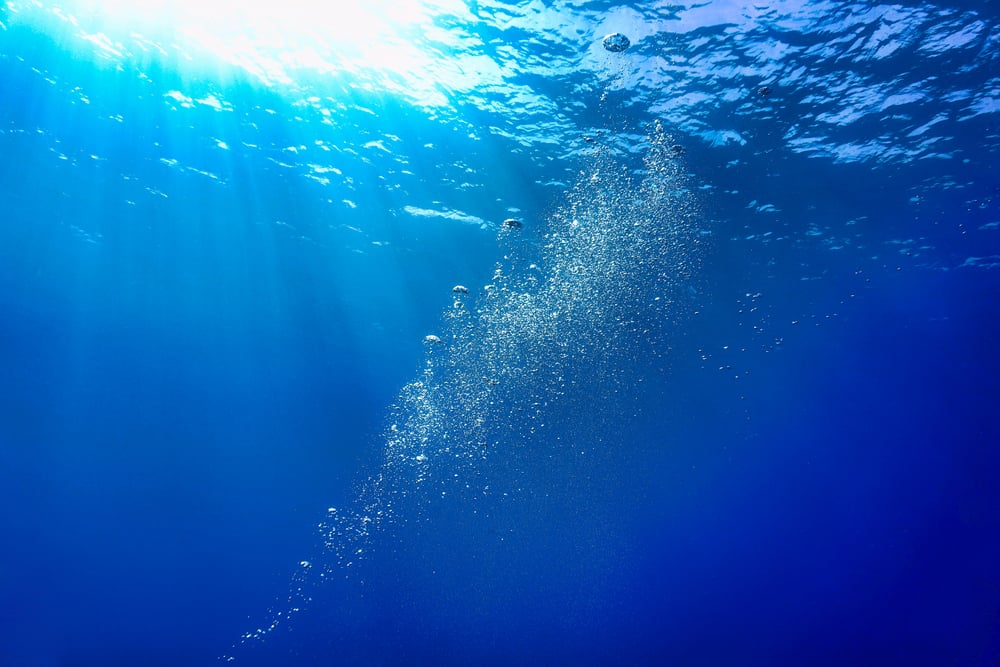
Strange shrimp with eyes on their backs gather in massive swarms around hydrothermal vents. These bizarre crustaceans have their eyes positioned to detect the faint infrared glow from hot vent water.
They’re basically wearing heat-vision goggles that help them navigate the scorching environment while avoiding getting cooked.
Cold Seep Communities
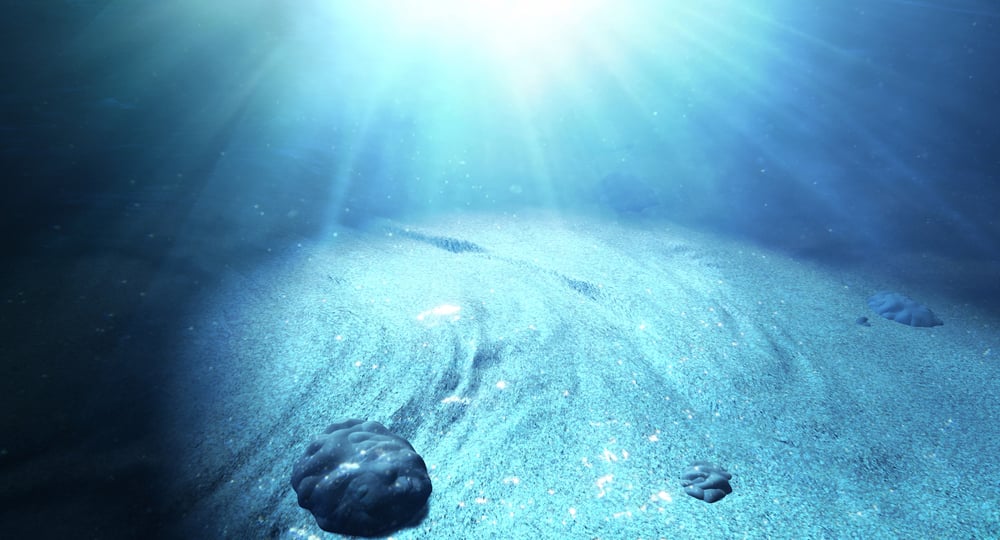
Cold seeps are ecosystems where mineral- or methane-rich water seeps from the seafloor, supporting communities powered by specialized bacteria. Unlike their high-temperature cousins, these communities thrive in areas where chemicals leak out slowly over long periods.
Cold seeps may experience less frequent environmental disturbances than many hydrothermal vents, making them more stable neighborhoods for deep-sea life.
Like Go2Tutors’s content? Follow us on MSN.
Octopus Nurseries
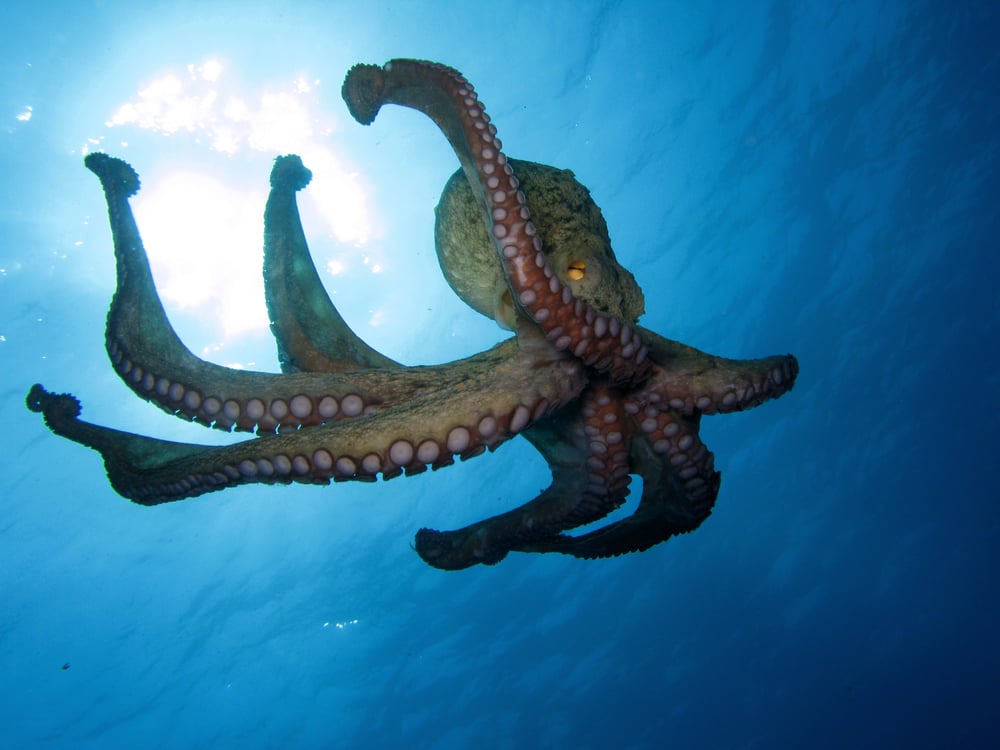
Scientists discovered brooding mother octopuses sheltering their eggs behind corals near hydrothermal vents. These dedicated mothers spend months guarding their eggs in the warm waters around vents, never leaving to hunt for food.
The slightly elevated temperatures help their babies develop faster, giving them a better chance of survival in the deep ocean’s harsh conditions.
Life’s Greatest Comeback Story
The discovery of these hidden volcanic ecosystems didn’t just add new chapters to marine biology textbooks—it completely rewrote our understanding of where life can exist. Some astrobiologists believe that hydrothermal vents in Earth’s early oceans could have been important in the origins and evolution of life on our planet.
Evidence suggests that possibly the oldest forms of life on Earth may have lived in hydrothermal vent environments as early as 4.280 billion years ago. What once seemed like the most hostile places on Earth might actually be where life itself began, turning our planet’s volcanic underwater furnaces into the ultimate success story of survival against impossible odds.
More from Go2Tutors!

- 16 Historical Figures Who Were Nothing Like You Think
- 12 Things Sold in the 80s That Are Now Illegal
- 15 VHS Tapes That Could Be Worth Thousands
- 17 Historical “What Ifs” That Would Have Changed Everything
- 18 TV Shows That Vanished Without a Finale
Like Go2Tutors’s content? Follow us on MSN.