Geographic Records Only Asia Holds
Asia is not just the largest continent on Earth. It’s also home to some of the most extreme and unusual places found anywhere on the planet.
From the highest peaks to the lowest points on land, Asia has carved out records that no other continent can claim. These aren’t just numbers on a map.
Highest point on Earth’s surface
Mount Everest stands at 8,849 meters above sea level, making it the tallest mountain anywhere in the world. Located on the border between Nepal and Tibet, this peak has challenged climbers for generations.
The mountain continues to grow slightly each year due to tectonic activity. No other continent comes close to matching this height, and the summit remains one of the most difficult places for humans to reach.
Lowest point on land
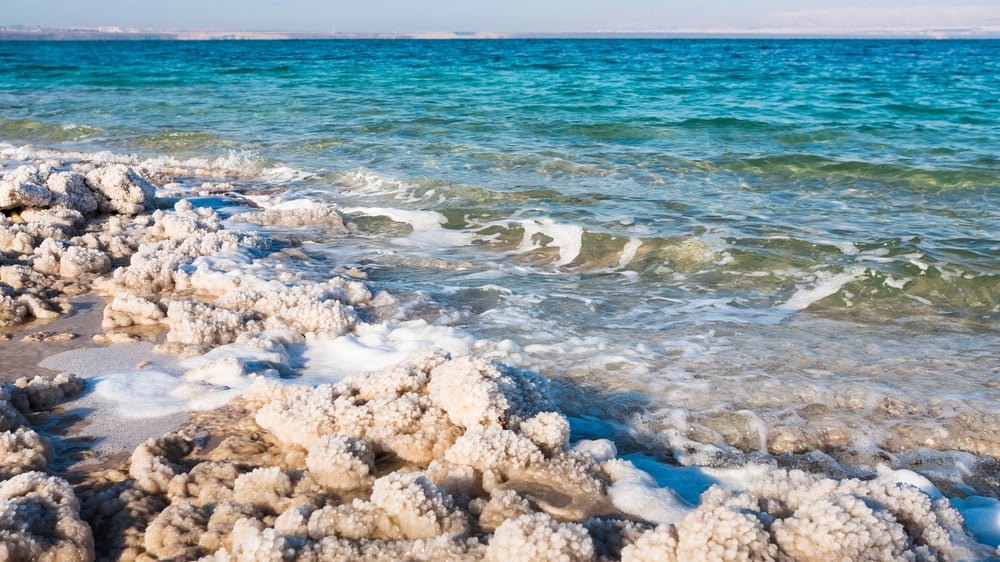
The Dead Sea shoreline sits at approximately 430 meters below sea level, which makes it the lowest exposed land on Earth. This salt lake borders Jordan, Israel, and Palestine in Western Asia.
The water here is so salty that people float effortlessly on the surface. The shoreline keeps dropping lower each year as water evaporates faster than it gets replaced.
Largest lake entirely within one continent
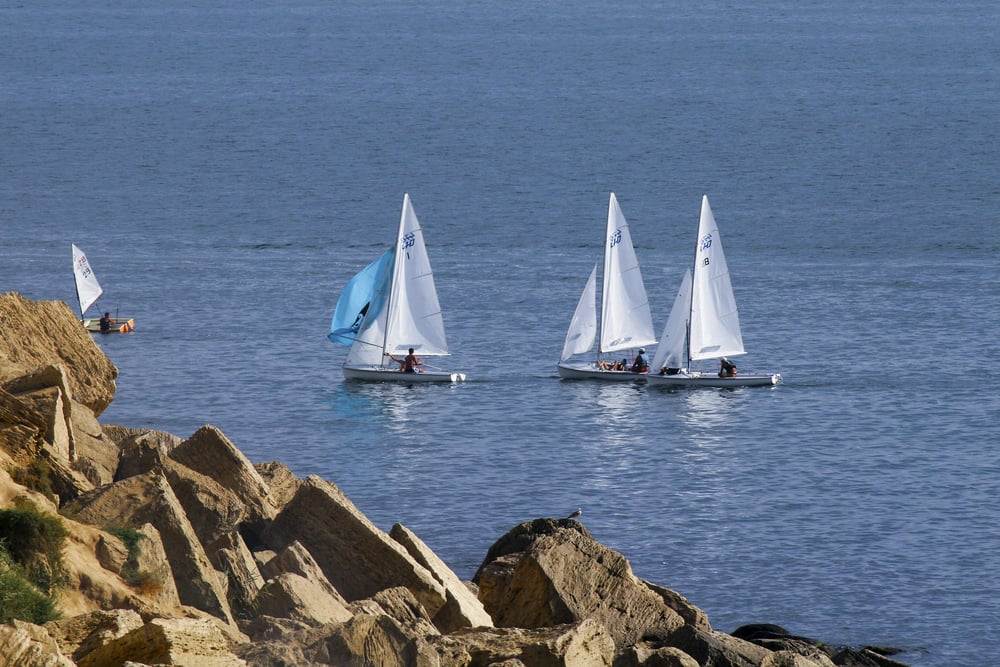
The Caspian Sea contains more water than any other enclosed body of water on the planet. Despite its name, it’s actually a lake that borders five countries including Russia, Kazakhstan, and Iran.
It covers about 371,000 square kilometers and holds roughly 78,200 cubic kilometers of water. The Caspian Sea is so big that it affects weather patterns across the entire region.
Like Go2Tutors’s content? Follow us on MSN.
Deepest lake in the world
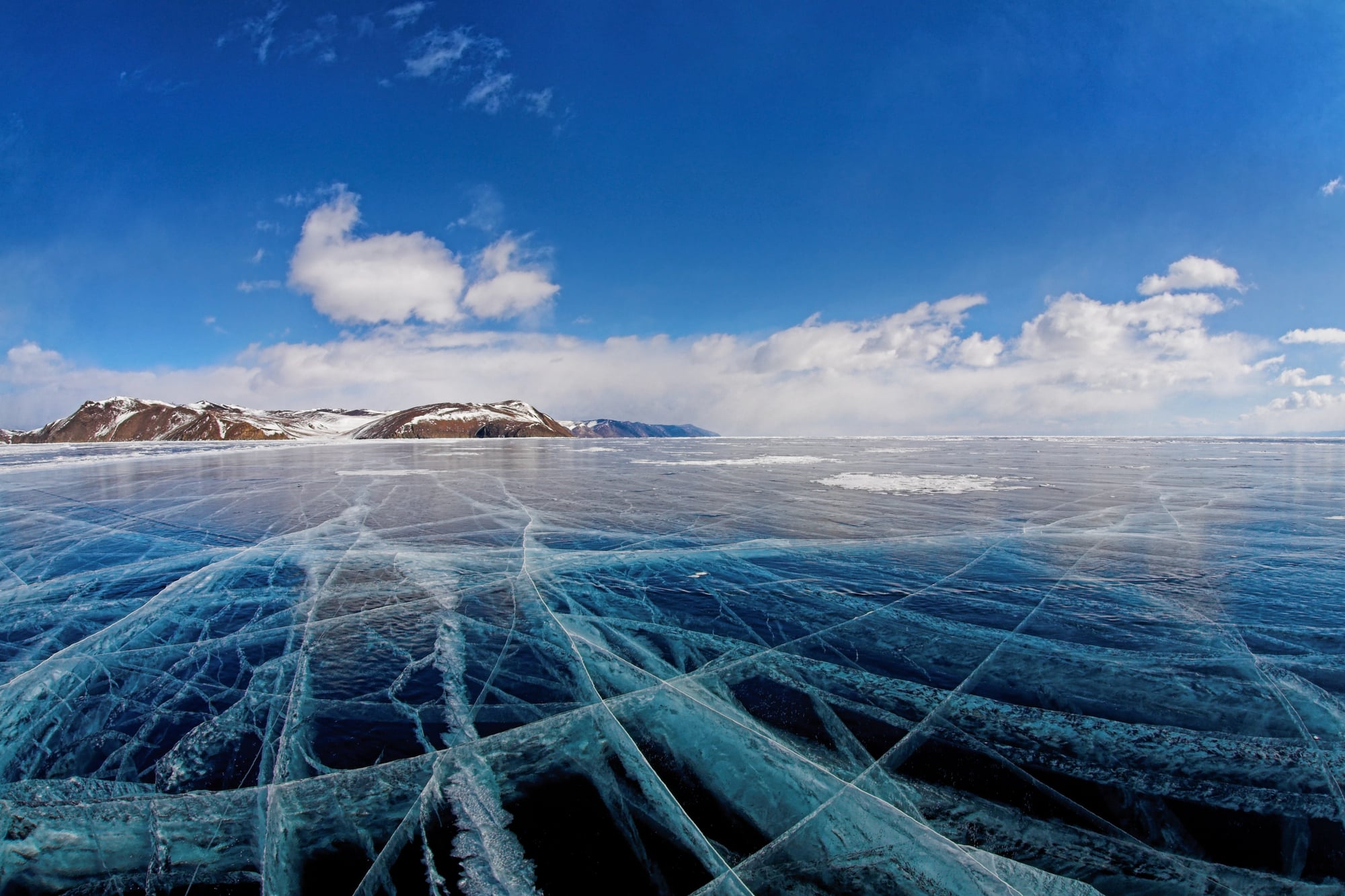
Lake Baikal in Siberia reaches depths of 1,642 meters, making it deeper than any other lake. This ancient lake is also the oldest, having formed around 25 million years ago.
It holds about 20 percent of the world’s unfrozen freshwater supply. Thousands of plant and animal species live here that exist nowhere else on Earth.
Highest plateau on the planet
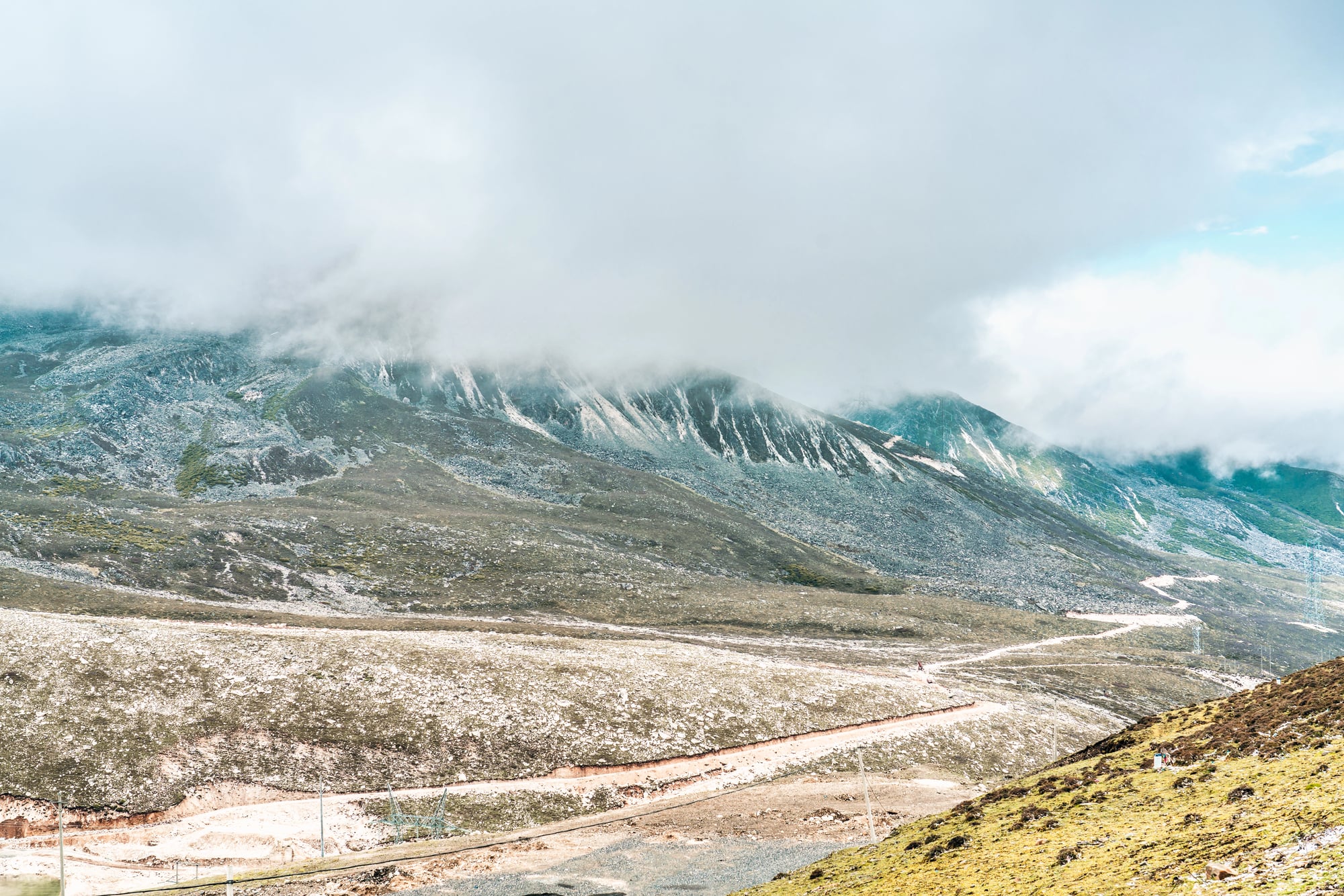
The Tibetan Plateau averages over 4,500 meters in elevation and spans approximately 2.5 million square kilometers. Often called the “Roof of the World,” this massive elevated region influences climate patterns across Asia.
It contains the headwaters of major rivers like the Yangtze, Yellow River, and Mekong. The plateau’s extreme altitude creates conditions found nowhere else at such a large scale.
Largest desert in Asia
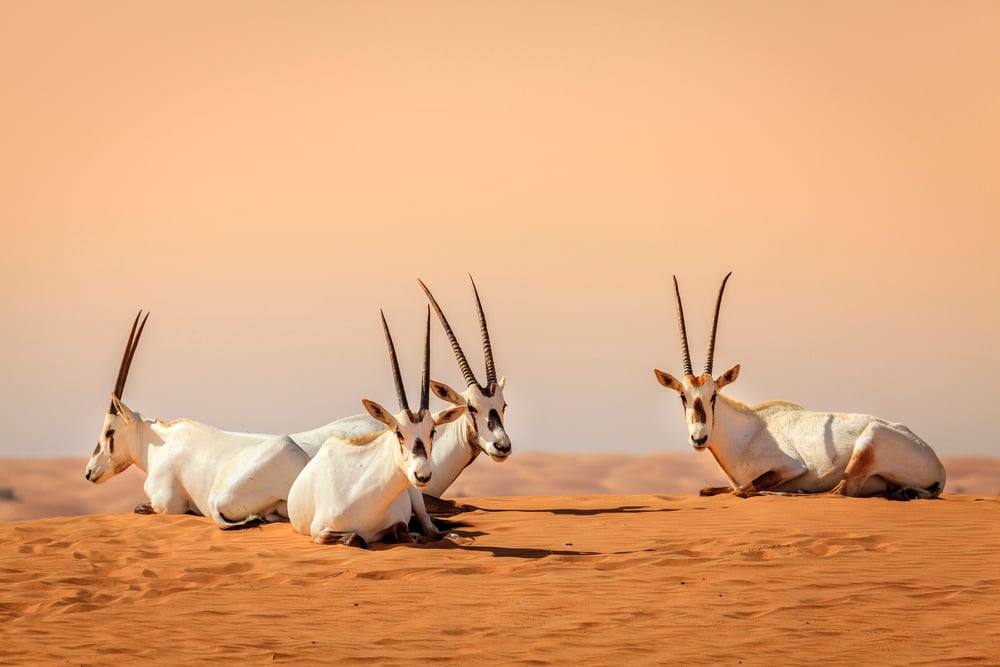
The Arabian Desert covers around 2.3 million square kilometers across the Arabian Peninsula. It includes the Rub’ al Khali, also known as the Empty Quarter, which is the largest continuous sand desert anywhere.
Temperatures here regularly exceed 50 degrees Celsius during summer months. Despite the harsh conditions, various adapted species manage to survive in this environment.
Like Go2Tutors’s content? Follow us on MSN.
Largest archipelago by number of islands
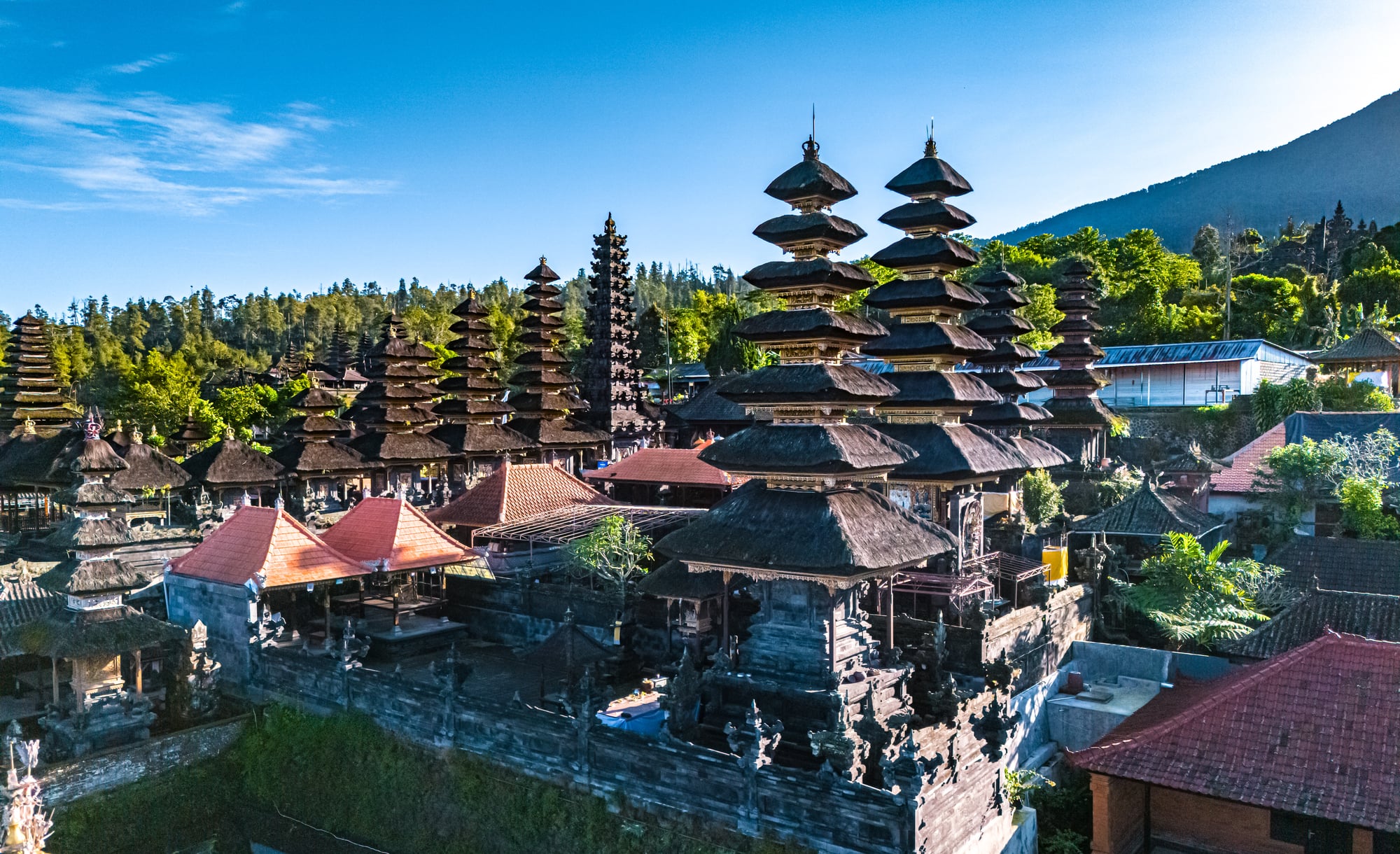
Indonesia claims the title of the world’s largest archipelago with over 17,000 islands. These islands stretch across more than 5,000 kilometers from east to west.
Only about 6,000 of these islands have people living on them. The archipelago sits along the Ring of Fire, making it one of the most volcanically active regions anywhere.
Longest river system flowing through multiple countries
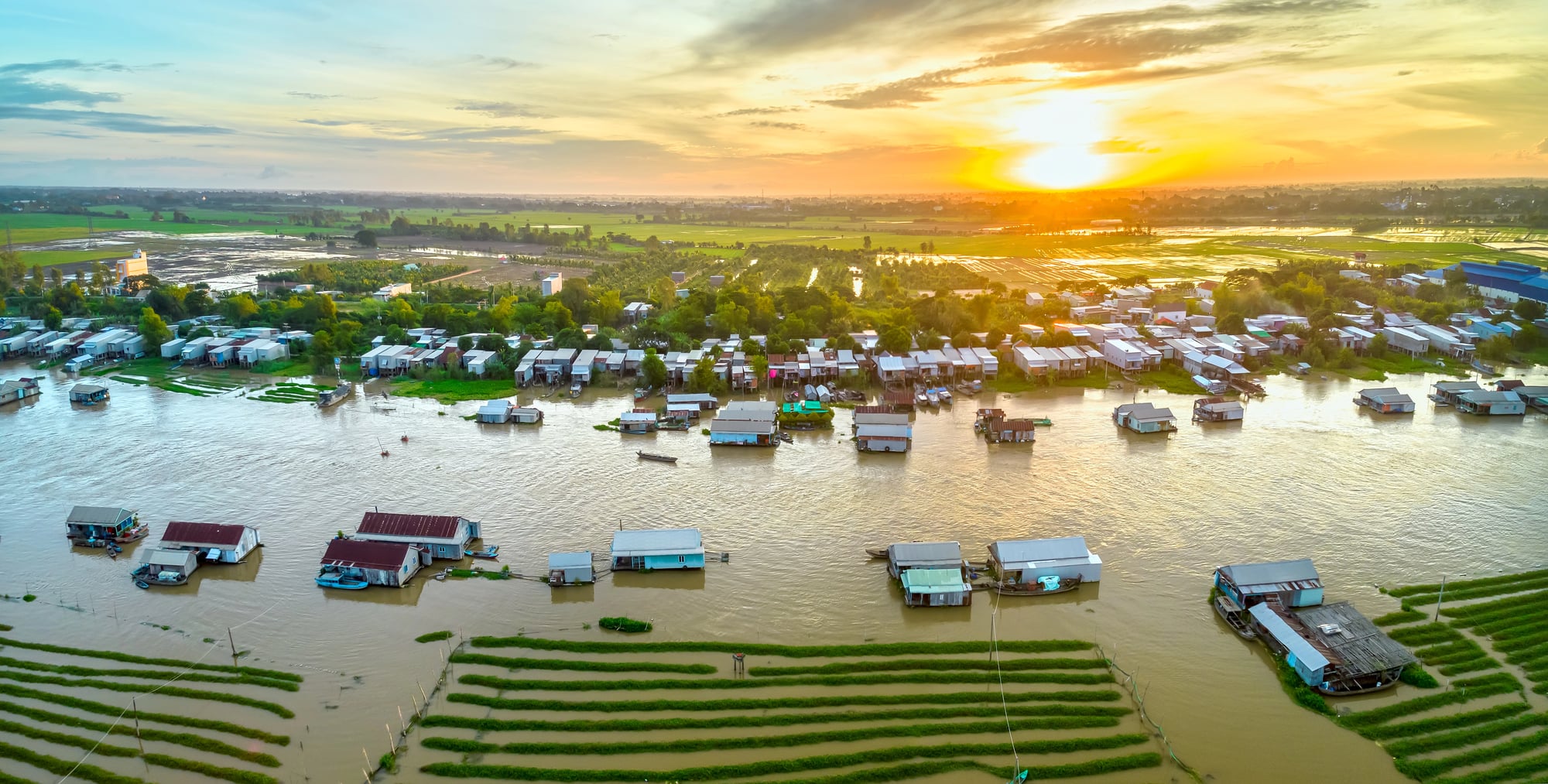
The Mekong River travels approximately 4,350 kilometers through six countries before reaching the South China Sea. It starts in the Tibetan Plateau and flows through China, Myanmar, Laos, Thailand, Cambodia, and Vietnam.
More than 60 million people depend on the Mekong for food, water, and transportation. The river supports one of the world’s most diverse freshwater ecosystems.
Largest mangrove forest
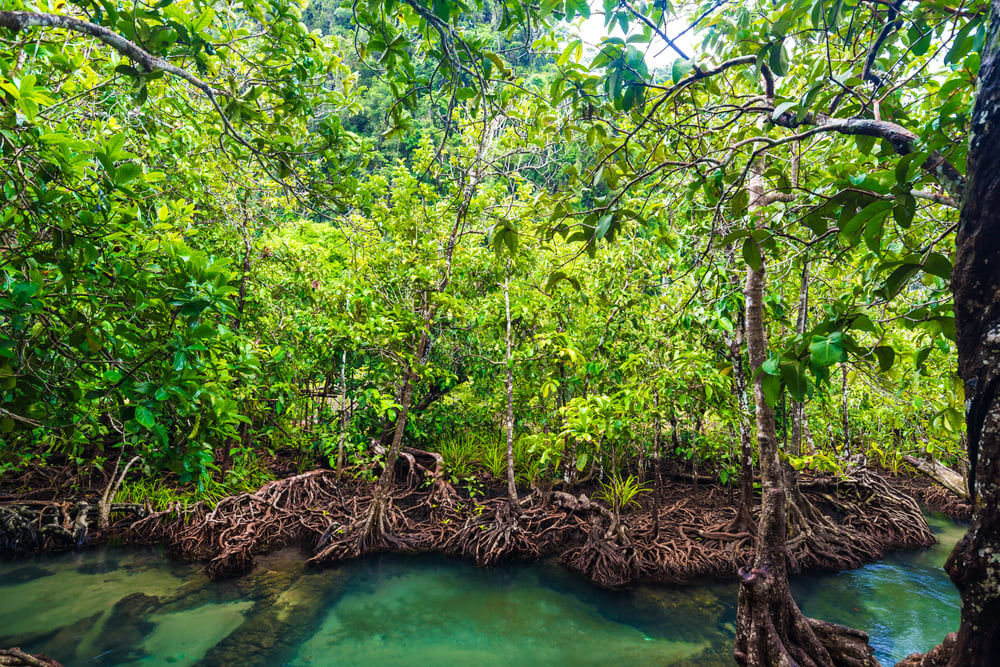
The Sundarbans spans about 10,000 square kilometers across Bangladesh and India. This massive mangrove forest sits where the Ganges, Brahmaputra, and Meghna rivers meet the Bay of Bengal.
It’s home to the famous Bengal tiger, which has adapted to swimming between islands. The forest acts as a natural barrier protecting inland areas from cyclones and storms.
Like Go2Tutors’s content? Follow us on MSN.
Highest waterfall in Asia
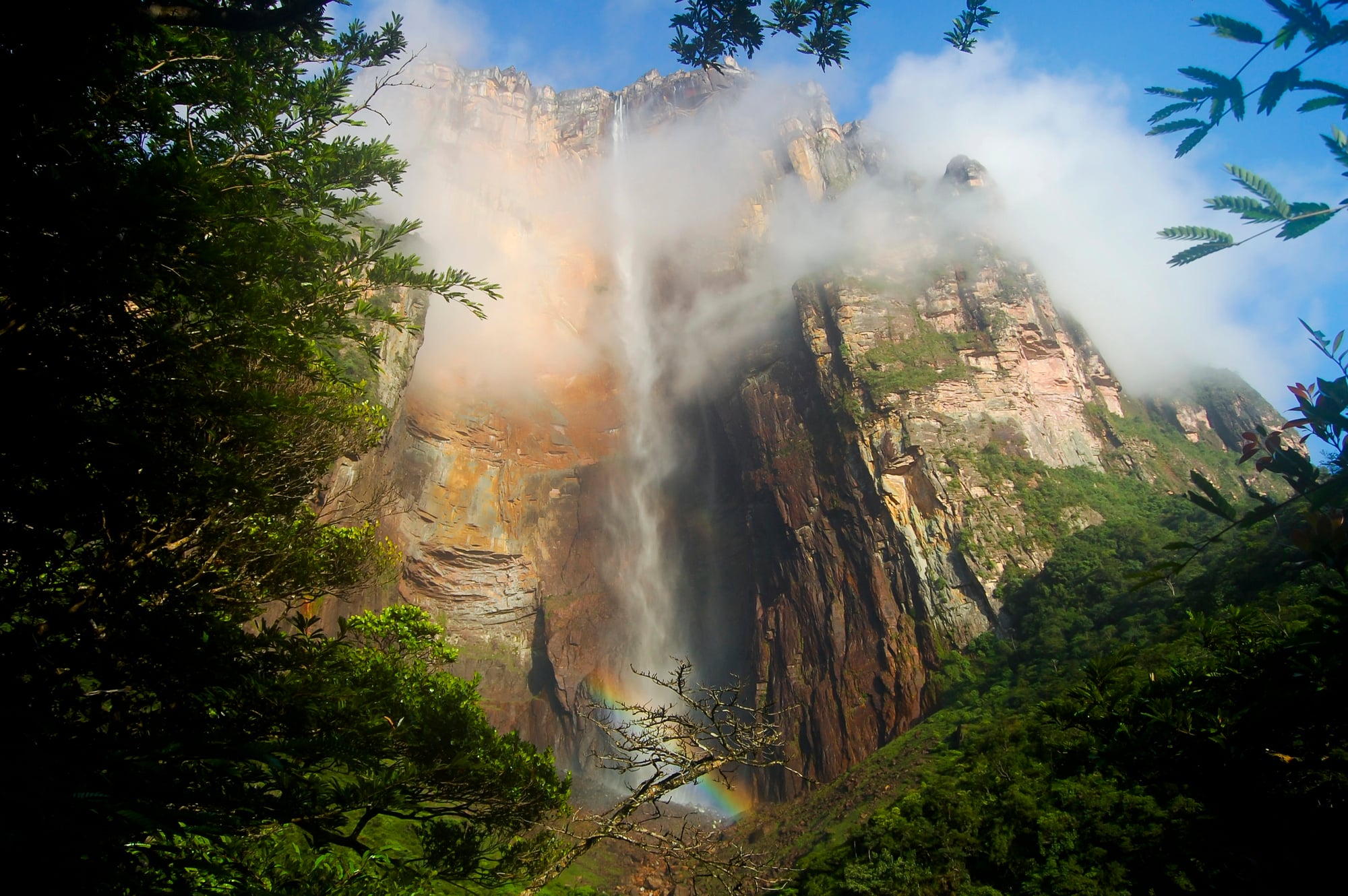
Angel Falls might be the world’s tallest, but Nohkalikai Falls in India is Asia’s highest at 340 meters. Located in Meghalaya, one of the wettest places on Earth, this waterfall flows year-round.
The surrounding area receives enormous amounts of rainfall during the monsoon season. The falls drop straight down from a cliff into a deep green pool below.
Largest crater lake
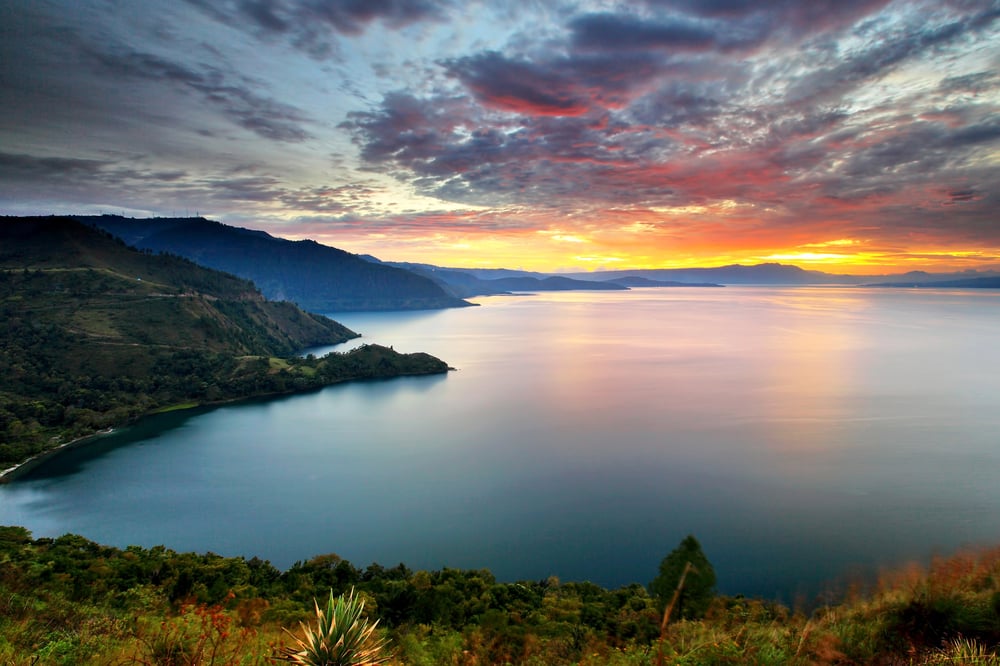
Lake Toba in Sumatra, Indonesia, formed from a supervolcanic eruption about 74,000 years ago. The lake covers approximately 1,145 square kilometers and reaches depths of 505 meters.
An island called Samosir sits in the middle, nearly the size of Singapore. This eruption was one of the most powerful in Earth’s history and may have affected the global climate for years.
Coldest inhabited place on Earth
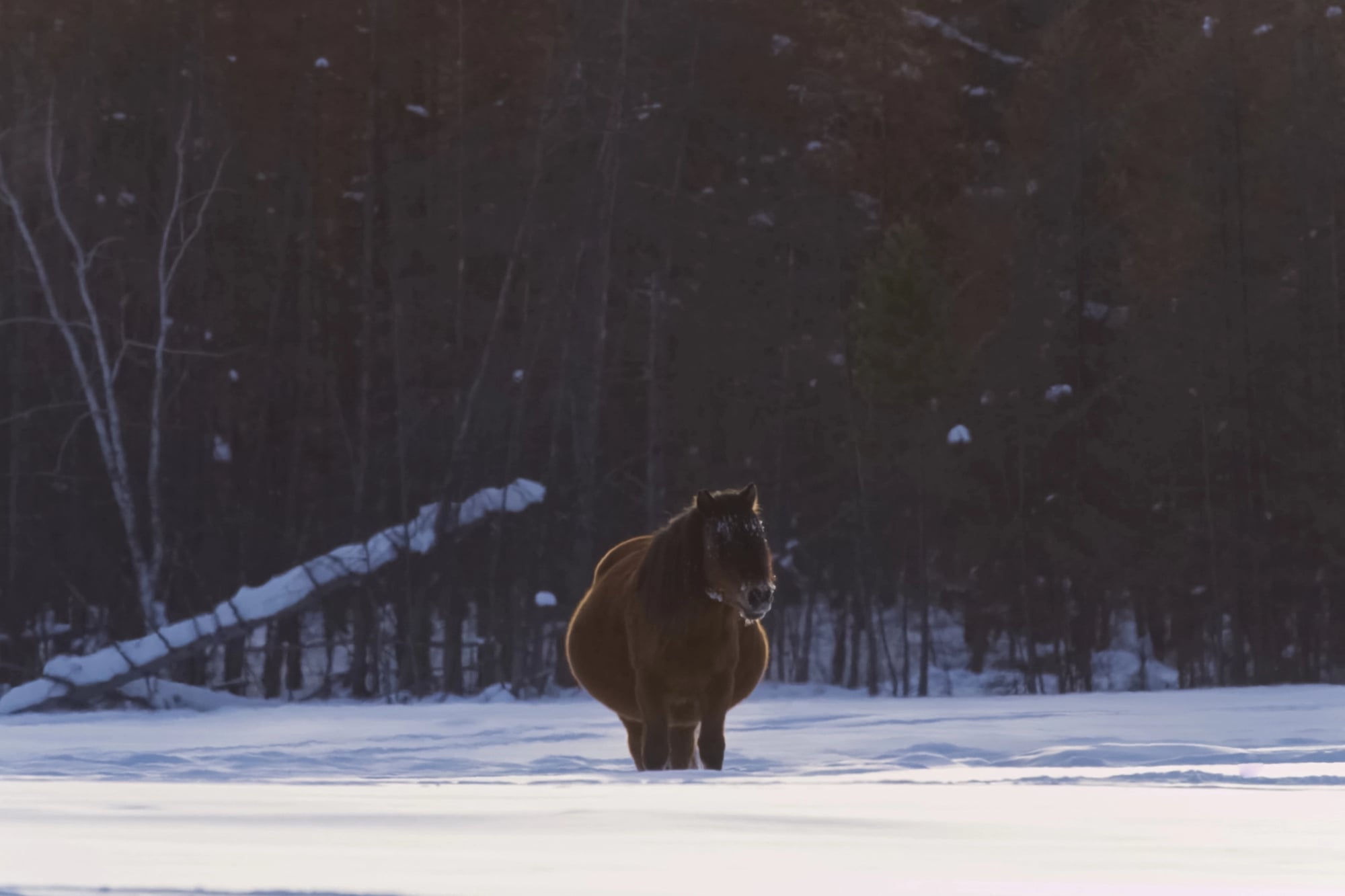
Oymyakon in Russia holds the record for the coldest permanently inhabited settlement. Temperatures here have dropped to minus 67.7 degrees Celsius.
About 500 people live in this Siberian village year-round despite the extreme cold. Cars must be kept running continuously during winter, or engines will freeze solid within hours.
Like Go2Tutors’s content? Follow us on MSN.
Where records meet reality
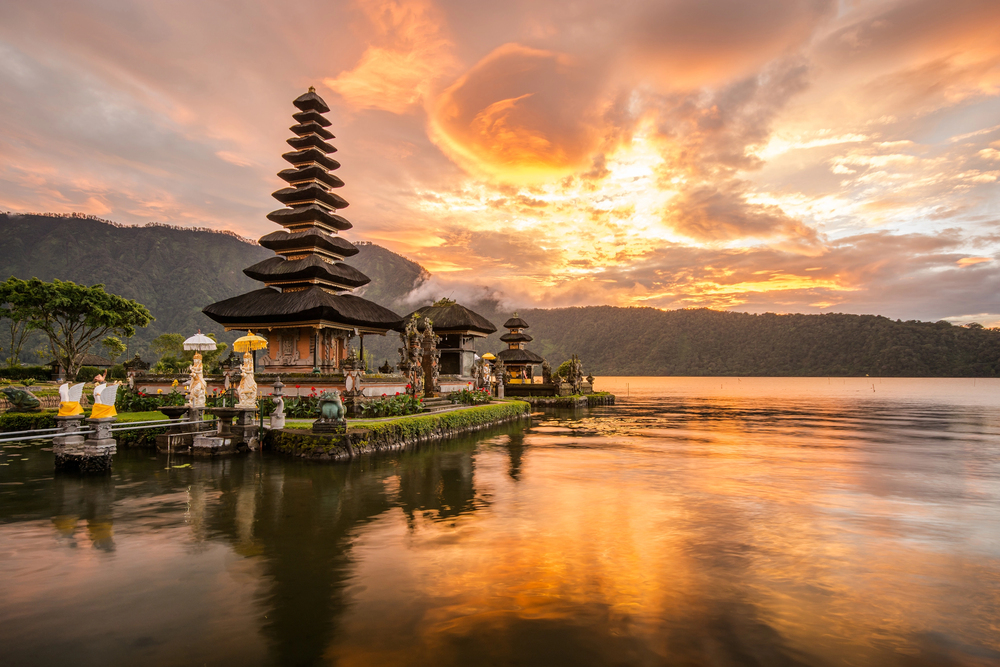
These geographic extremes aren’t just interesting facts for trivia night. They shape how millions of people live, influence weather patterns across the globe, and create unique ecosystems found nowhere else.
Asia’s records remind us that Earth still holds places that push the limits of what seems possible.
More from Go2Tutors!

- 16 Historical Figures Who Were Nothing Like You Think
- 12 Things Sold in the 80s That Are Now Illegal
- 15 VHS Tapes That Could Be Worth Thousands
- 17 Historical “What Ifs” That Would Have Changed Everything
- 18 TV Shows That Vanished Without a Finale
Like Go2Tutors’s content? Follow us on MSN.



