20 Infamous Betrayals in the History Of the World
Still, beneath these happenings lie instants when faith cracked just when it mattered most. Often, it’s the silent weight of disloyalty that pushed a country sideways, pulled someone powerful down, changed everything fast.
Out in the open fields or deep inside palace whispers, trust often snapped without warning. A single misstep could unravel years of allegiance.
Stillness before chaos sometimes carried more weight than shouts did. Behind closed doors, quiet choices cut deeper than swords ever might.
What seemed solid vanished like mist at dawn.
Let’s take a closer look at 20 of the most famous acts of betrayal in world history.
Julius Caesar

One moment stands out above most – when Julius Caesar fell in 44 BCE. Senators he had relied on closed in, knives drawn, including Brutus, whom he treated like family.
They claimed they were saving Rome’s old system. Still, their actions poured fuel on unrest instead of calming it.
Peace vanished fast. Civil war erupted almost immediately.
What followed wasn’t freedom. Power shifted completely, leading straight to empire rule.
Their attempt to hold back change did the opposite.
Benedict Arnold

During the American Revolutionary War, Benedict Arnold began as a respected general for the colonial forces. Frustrated by lack of recognition and mounting debts, he secretly plotted to surrender the fort at West Point to the British.
The plan was uncovered before it could succeed, forcing Arnold to defect fully. His name quickly became synonymous with treachery in American culture.
Even so, his earlier contributions were overshadowed almost entirely by this single act.
Judas Iscariot

In one of the most widely known betrayals in religious history, Judas Iscariot betrayed Jesus for thirty pieces of silver. By identifying him to authorities, Judas set in motion events that led to the crucifixion.
The story has endured for centuries as a symbol of ultimate disloyalty. Still, interpretations of Judas’ motives have evolved over time, with some viewing his actions through more complex theological lenses.
Guy Fawkes

Guy Fawkes became the face of the Gunpowder Plot of 1605, an attempt to blow up the English Parliament and assassinate King James I. Although the plot involved a group, Fawkes was caught guarding the explosives, effectively betraying the state in a dramatic fashion.
The failed attempt led to harsh crackdowns and lasting suspicion toward Catholics in England. That said, his image has since been reinterpreted in modern culture as a symbol of rebellion.
Anne Boleyn

Anne Boleyn’s downfall was shaped by a series of accusations, many believed to be politically motivated. Once the favored queen of King Henry VIII, she was later charged with adultery and treason—allegedly involving close associates and even family members.
Whether these accusations were true remains debated, but the outcome was clear: her execution in 1536. Her story reflects how quickly favor can turn into fatal betrayal within royal courts.
Vidkun Quisling

During World War II, Vidkun Quisling collaborated with Nazi Germany and helped facilitate their control over Norway. He installed himself as the head of a puppet government, effectively betraying his own country.
His name became so closely associated with treachery that ‘quisling’ entered the English language as a term for a collaborator. After the war, he was tried and executed, but the linguistic legacy of his actions endured.
Brutus
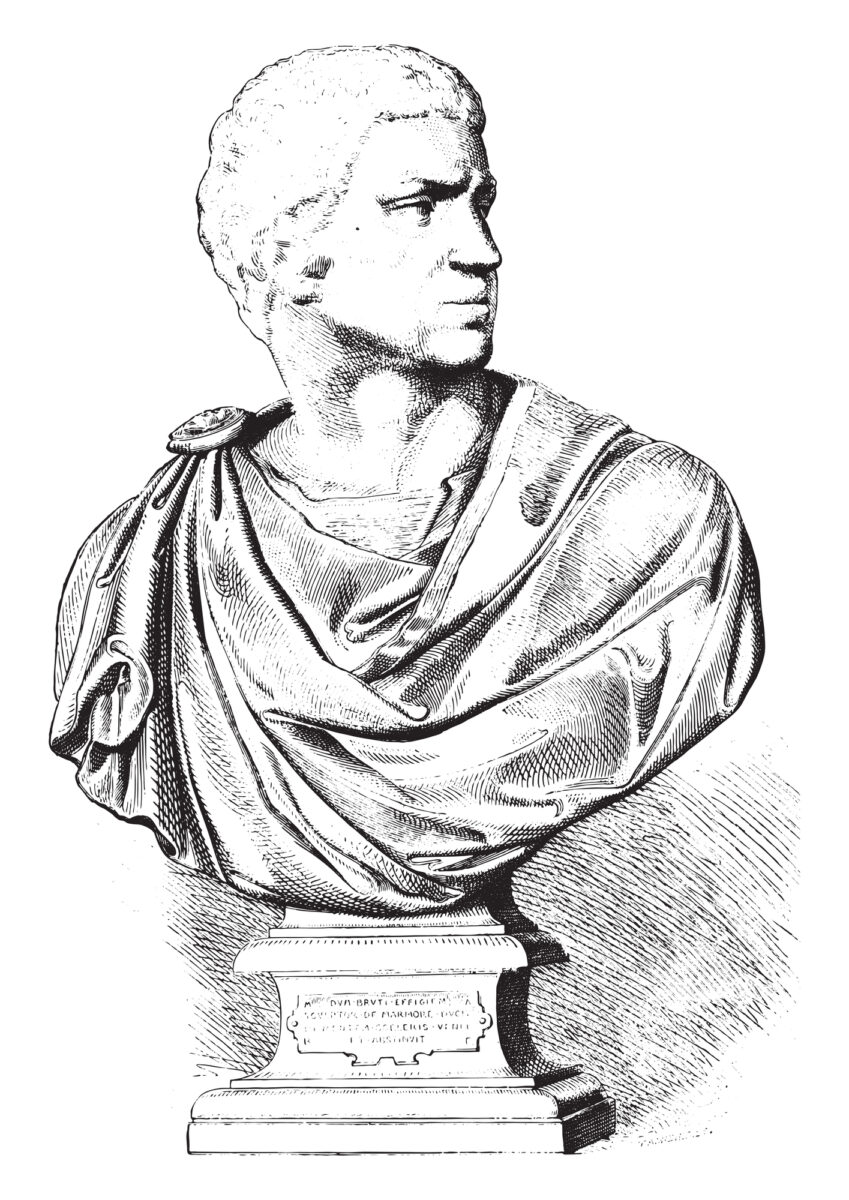
Marcus Junius Brutus occupies a complicated place in history. Though often grouped with Caesar’s assassins, his role carries particular weight due to his personal relationship with Caesar.
Brutus believed he was acting in Rome’s best interest, yet his involvement made the betrayal deeply personal. The aftermath proved that intention did little to soften the consequences.
Instead, it cemented his image as a symbol of conflicted loyalty.
Mata Hari

Mata Hari, a dancer and courtesan, was accused of spying during World War I. She was arrested by the French and executed in 1917 for allegedly passing information to Germany.
Whether she was truly a double agent or simply a convenient scapegoat remains debated. Even so, her story became one of the most famous espionage betrayals in modern history.
It highlights how perception can sometimes outweigh proof.
Richard Nixon

The Watergate scandal remains one of the most significant political betrayals in U.S. history. Members of President Richard Nixon’s administration were caught breaking into the Democratic National Committee headquarters, and subsequent investigations revealed attempts to cover it up.
The breach of public trust was profound, ultimately leading to Nixon’s resignation in 1974. It reshaped how Americans viewed political transparency and accountability.
Robert Hanssen

Robert Hanssen, an FBI agent, spent over two decades secretly spying for the Soviet Union and later Russia. He passed highly classified information that compromised intelligence operations and endangered lives.
His betrayal was particularly damaging because of his position within U.S. law enforcement. When he was finally arrested in 2001, it exposed one of the most severe internal security breaches in American history.
Aldrich Ames

Similar to Hanssen, Aldrich Ames was a CIA officer who spied for the Soviet Union. He provided information that led to the exposure and execution of several U.S. informants.
His motivations were largely financial, driven by debt and lifestyle pressures. The damage caused by his actions forced major changes within intelligence agencies.
Still, his case remains a stark reminder of how internal betrayal can be more dangerous than external threats.
Wang Jingwei
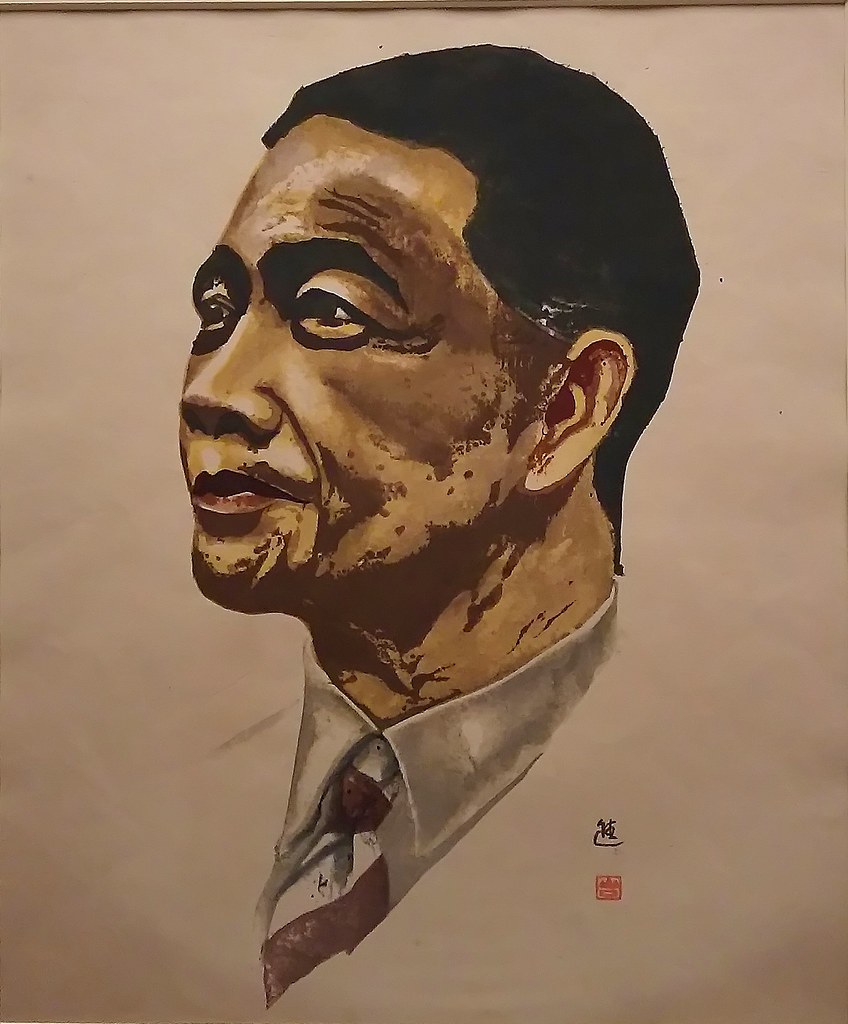
Wang Jingwei was once a prominent Chinese political leader aligned with Sun Yat-sen. During the Second Sino-Japanese War, however, he led a collaborationist government under Japanese control.
Many in China viewed his actions as a profound betrayal of national resistance efforts. His legacy remains deeply controversial, often overshadowed by his later decisions rather than his earlier contributions.
Philippe Pétain

A celebrated French general during World War I, Philippe Pétain later led the Vichy government after France fell to Nazi Germany in World War II. He cooperated with German authorities, implementing policies that aligned with their regime.
To some, he was attempting to preserve what remained of France; to others, he was complicit in occupation. After the war, he was convicted of treason, marking a dramatic fall from national hero to disgraced leader.
Kim Philby

Kim Philby was a high-ranking member of British intelligence who secretly worked as a double agent for the Soviet Union. As part of the Cambridge Five spy ring, he passed critical information for years without detection.
His betrayal undermined trust within intelligence circles and strained alliances. Even so, he managed to evade capture and defect to the Soviet Union, where he lived out the rest of his life.
The Rosenbergs

Julius and Ethel Rosenberg were accused of passing atomic secrets to the Soviet Union during the Cold War. Their trial and execution in 1953 became one of the most controversial espionage cases in American history.
While evidence against Julius was substantial, Ethel’s involvement remains debated. The case intensified fears and tensions during an already volatile period.
Marcus Licinius Crassus’ Parthian Disaster

Crassus, one of Rome’s wealthiest men, sought military glory in a campaign against Parthia. During the campaign, local guides—trusted to lead Roman forces—allegedly misdirected them into disadvantageous terrain.
Whether intentional or not, the result was catastrophic. Crassus’ army suffered a devastating defeat, and he was killed.
The episode illustrates how misplaced trust can unravel even the most powerful ambitions.
The Defection Of Oleg Gordievsky
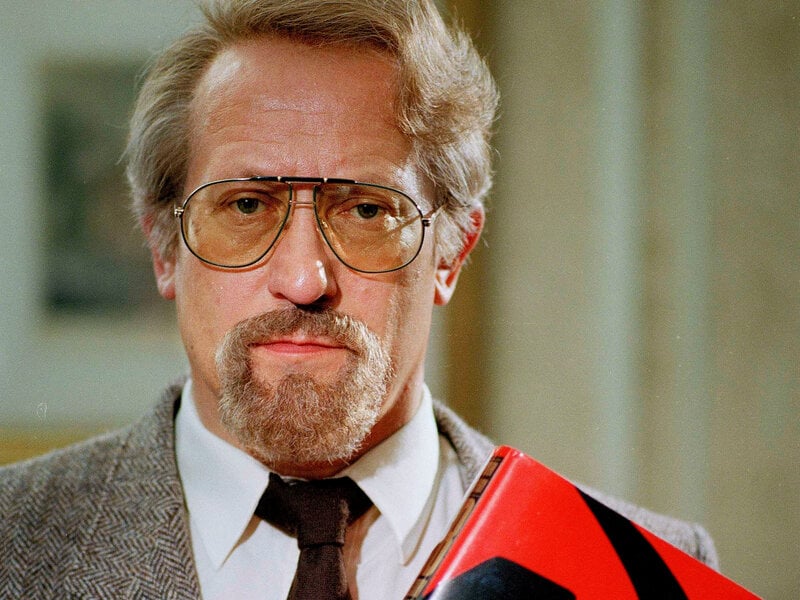
Oleg Gordievsky was a KGB officer who secretly worked for British intelligence during the Cold War. Unlike others on this list, his betrayal was directed against his own government in favor of another.
He provided valuable insights that influenced Western strategy. When his role was discovered, he narrowly escaped capture.
His story complicates the idea of betrayal, showing how perspective can shift depending on allegiance.
The Fall Of Constantinople Insider Aid

When Constantinople fell in 1453, internal weaknesses played a significant role. Accounts suggest that access points within the city were left vulnerable, possibly due to error or betrayal.
Ottoman forces capitalized on these openings, bringing an end to the Byzantine Empire. While the full story is debated, the idea of internal failure contributing to such a historic سقوط has endured.
The Teapot Dome Scandal

In the 1920s, U.S. government officials secretly leased federal oil reserves to private companies without competitive bidding. In exchange, they received bribes, marking a clear betrayal of public trust.
The scandal led to criminal convictions and long-term damage to political credibility. Even so, it also prompted reforms aimed at reducing corruption in government dealings.
The Assassination Of Indira Gandhi By Her Bodyguards

A bullet ended Indira Gandhi’s life in 1984, fired by men sworn to keep her safe. Because of a raid on the Golden Temple months before, anger had been building.
Those who pulled the trigger were close, trusted, part of her daily shield. After the shots, streets filled with grief turned violent, chaos spreading fast.
The nation never moved past those days; shadows lingered far beyond the event itself.
Why These Moments Still Echo

Betrayal sticks around longer than the reasons it began. Well past when things quiet down, one thing stays different – how folks believe in those they follow, the systems they rely on, sometimes even their own judgment.
Even now, those moments seem close somehow. Power pulls ambition along behind it, while loyalty cracks under sudden pressure.
When everything shifts fast, what seemed like integrity might turn out to be nothing more than personal gain wearing a mask. This is why the past holds on so tightly.
Not merely facts in books, but echoes – proof that betrayal cuts deep, leaving
scars time smooths yet never truly removes.
More from Go2Tutors!

- The Romanov Crown Jewels and Their Tragic Fate
- 13 Historical Mysteries That Science Still Can’t Solve
- Famous Hoaxes That Fooled the World for Years
- 15 Child Stars with Tragic Adult Lives
- 16 Famous Jewelry Pieces in History
Like Go2Tutors’s content? Follow us on MSN