Air Travel Stats That Defy Expectations
Millions of people around the world consider flying to be a daily occurrence, but most travelers are unaware of how shocking the reality of aviation is. The airline industry is full of statistics that challenge our preconceived notions about air travel, from operational facts that seem completely impossible to safety records that completely contradict our worst fears.
Here are 11 amazing aviation facts that will revolutionize the way you think about your next flight.
Commercial Flying Gets Exponentially Safer Every Decade
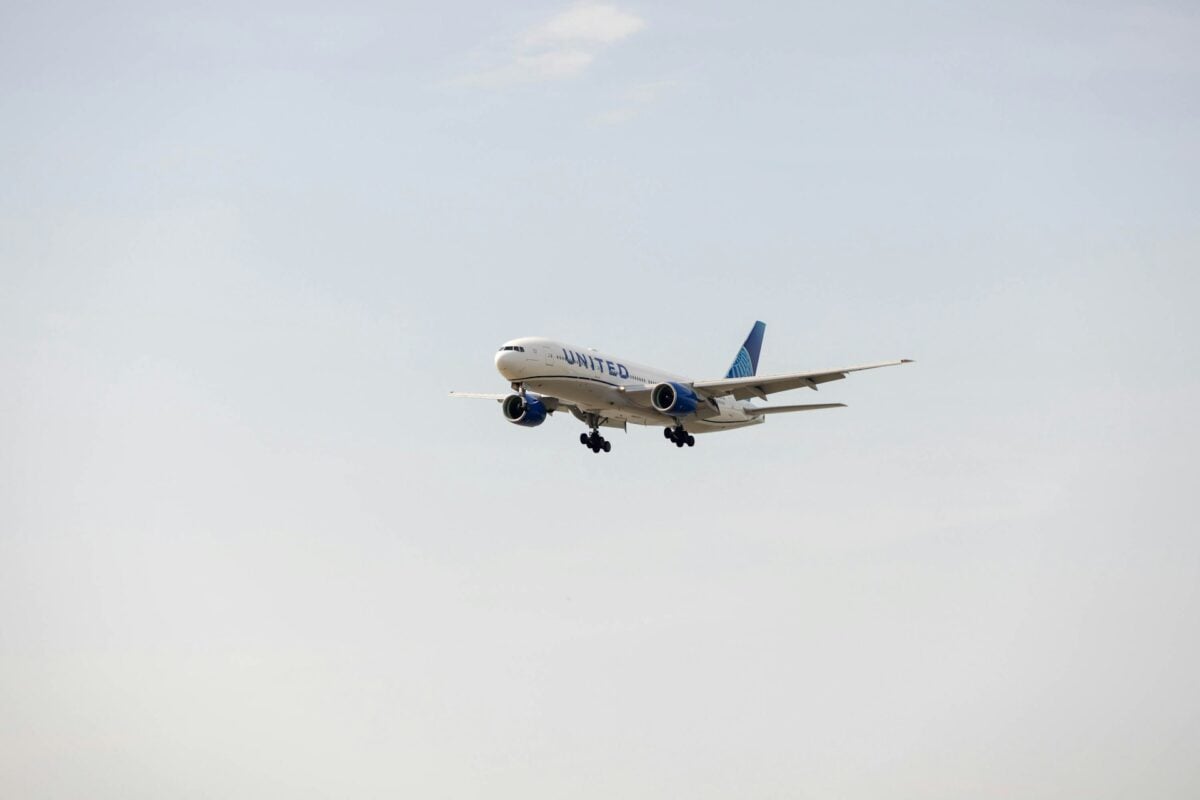
The numbers here are genuinely mind-blowing. According to MIT research, commercial aviation has become twice as safe in each of the last five decades. Your chance of dying on a flight today is just 1 in 13.7 million passenger boardings.
That’s not a typo – 13.7 million. Compare this to the 1970s when the risk was 1 in 350,000 boardings, and you realize we’re living in aviation’s golden age of safety.
Most Flight Delays Are Actually the Airlines’ Fault, Not Weather
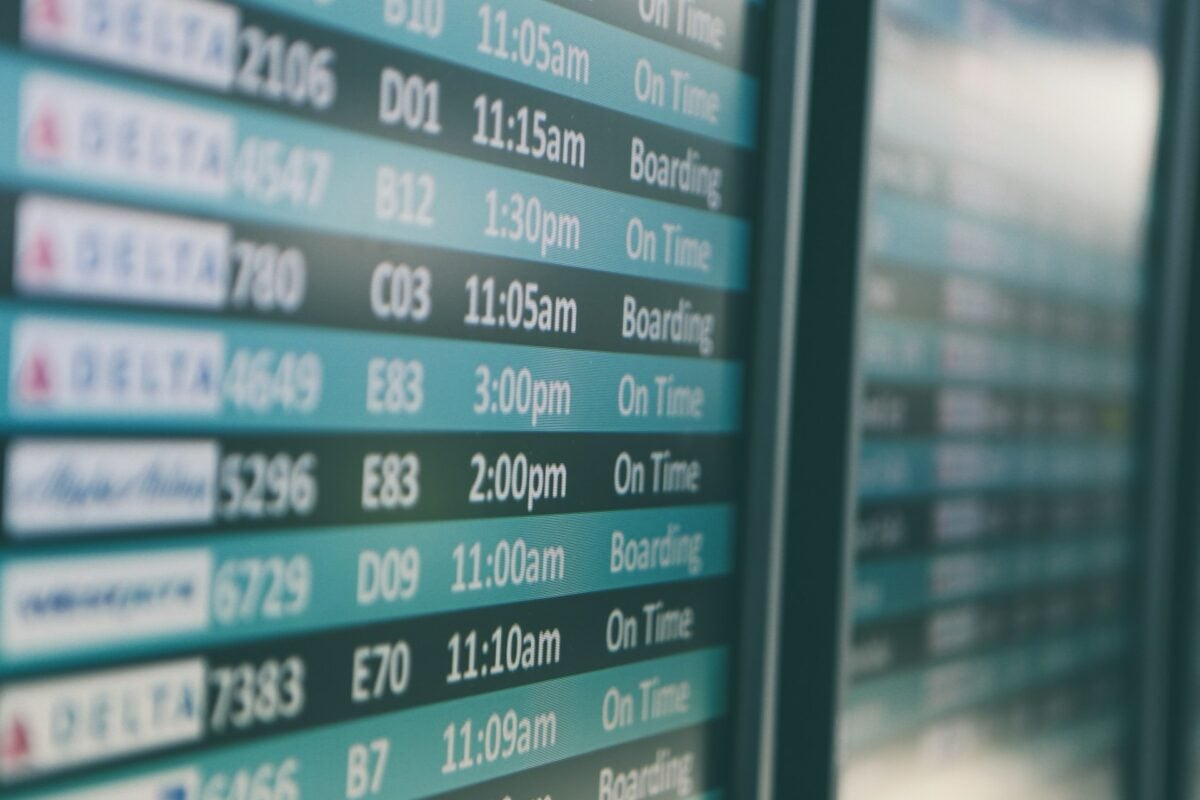
Everyone blames weather for flight delays, but federal data tells a different story. Between 2019 and 2023, airlines themselves caused the majority of delays through issues like maintenance problems, crew scheduling, and operational decisions.
Weather delays accounted for less than 1% of all flight disruptions – specifically just 0.65% of flights. Meanwhile, airline-related issues delayed far more flights than Mother Nature ever did.
Like Go2Tutors’s content? Follow us on MSN.
The World’s Busiest Flight Route Sees 84 Flights Per Day
Here’s something that might surprise you: the busiest international air route in the world isn’t between major global capitals. It’s the one-hour flight between Kuala Lumpur and Singapore, with an average of 84 flights daily in each direction.
That means a plane takes off between these cities roughly every 17 minutes during peak hours. The route handles over 30,000 flights annually.
Your Luggage Has Better On-Time Performance Than You Think
While passengers stress about lost bags, the actual numbers are reassuring. Airlines handle over 4.5 billion pieces of luggage annually, and 99.5% arrive at their intended destination on time.
That means only 5 bags out of every 1,000 experience delays or misplacement. Your smartphone has a higher chance of malfunctioning than your suitcase going astray.
South Korea Has the World’s Most Traveled Domestic Route

The busiest domestic flight route globally isn’t in the United States or China – it’s the 75-minute hop from Seoul to Jeju Island in South Korea. Over 13 million passengers flew this route in 2024, with some days seeing more than 180 flights.
The route is so popular that airlines treat it like a shuttle service, with departures every few minutes during peak times.
Like Go2Tutors’s content? Follow us on MSN.
American Airports Process More Daily Passengers Than Some Countries’ Entire Populations
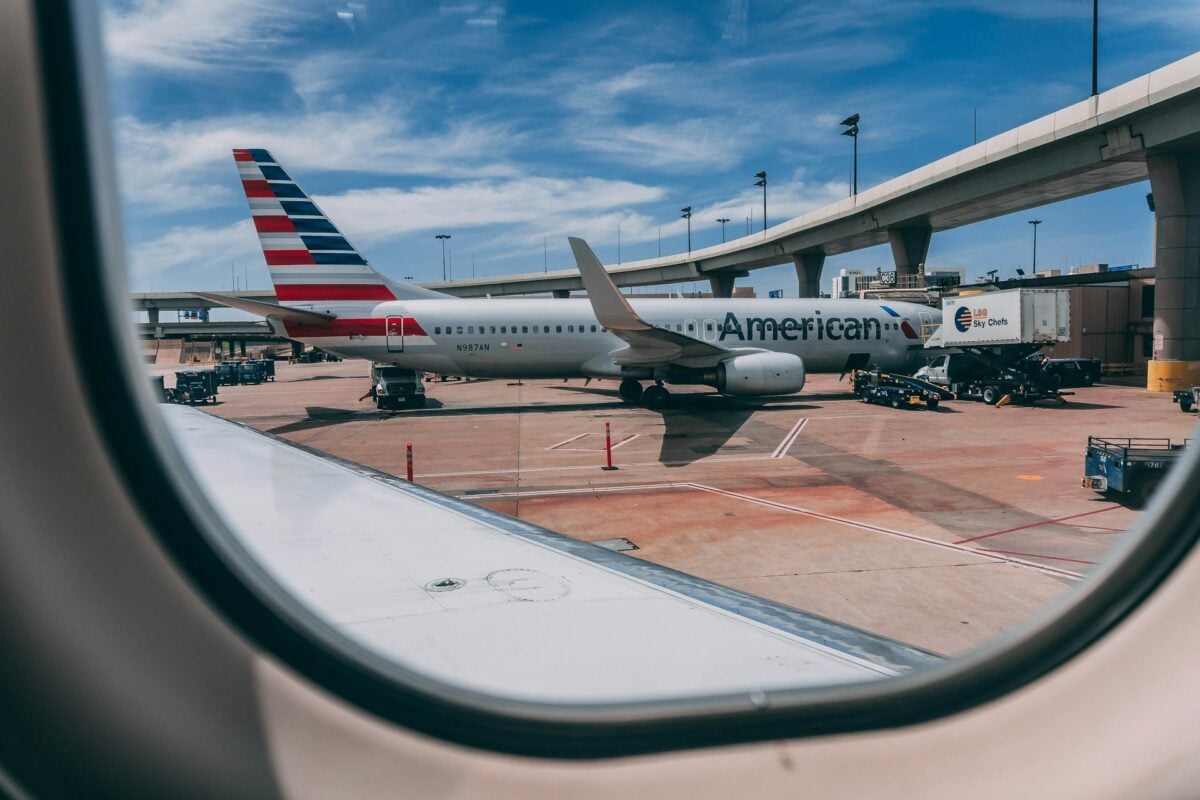
The TSA screens more than 2.4 million passengers daily at US airports. That’s equivalent to processing the entire population of Qatar every single day.
During peak summer travel, daily passenger volumes can exceed 3 million, making the daily airport crowd larger than the population of Mongolia or Armenia.
Human Error Causes 80% of Aviation Accidents, But Mechanical Failure Causes Only 2.5%
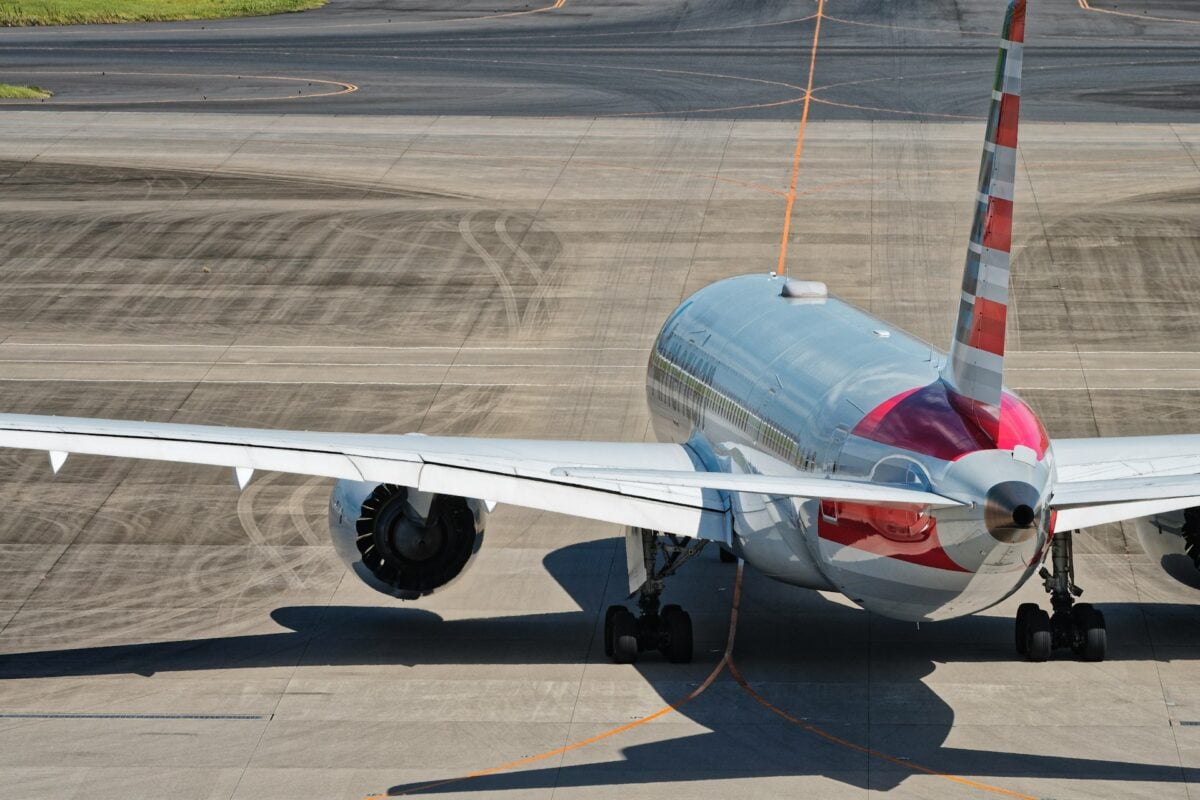
Despite all the worry about plane malfunctions, mechanical failures account for just 2.5% of aviation accidents. The overwhelming majority – about 80% – stem from human factors like pilot error, miscommunication, or procedural mistakes.
Modern aircraft are incredibly reliable machines; it’s the human element that remains the primary safety variable.
The Shortest Commercial Flight Takes Just Two Minutes
While passengers complain about long flights, the shortest scheduled flight in the world takes place between two Scottish islands: Westray and Papa Westray. The journey officially clocks in at two minutes, though with favorable winds, pilots have completed it in just 47 seconds.
That’s barely enough time to reach cruising altitude before starting the descent.
Like Go2Tutors’s content? Follow us on MSN.
Weather Actually Delays More Flights Than Reported
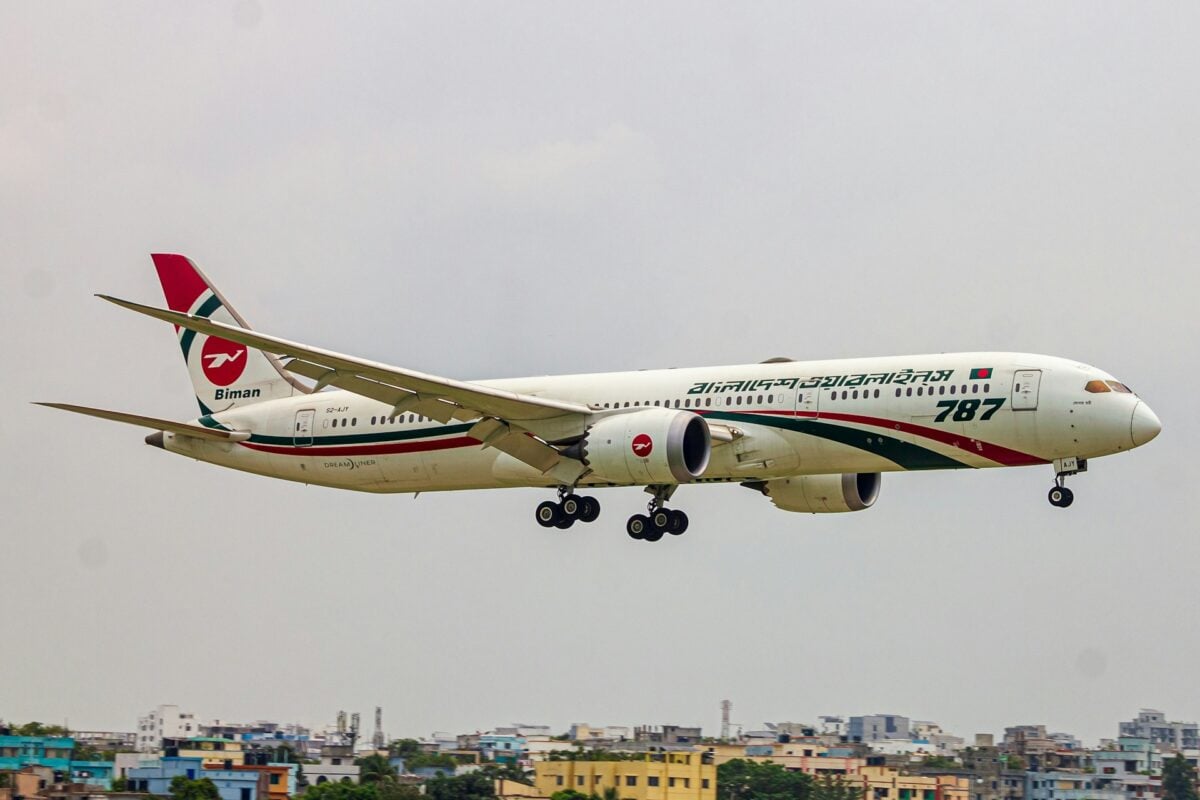
Here’s where statistics get tricky and the numbers can be confusing. Airlines officially report extreme weather as causing only 0.65% of flight delays, but that’s just part of the story.
Weather also gets buried in other delay categories – particularly ‘National Aviation System’ delays, where nearly half are actually weather-related. When you factor in all the hidden weather impacts, including late arrivals caused by weather somewhere else in the system, the real weather impact jumps to around 15% of all delays – far higher than most people realize.
Airlines Oversee 29 Million Square Miles of Airspace Continuously
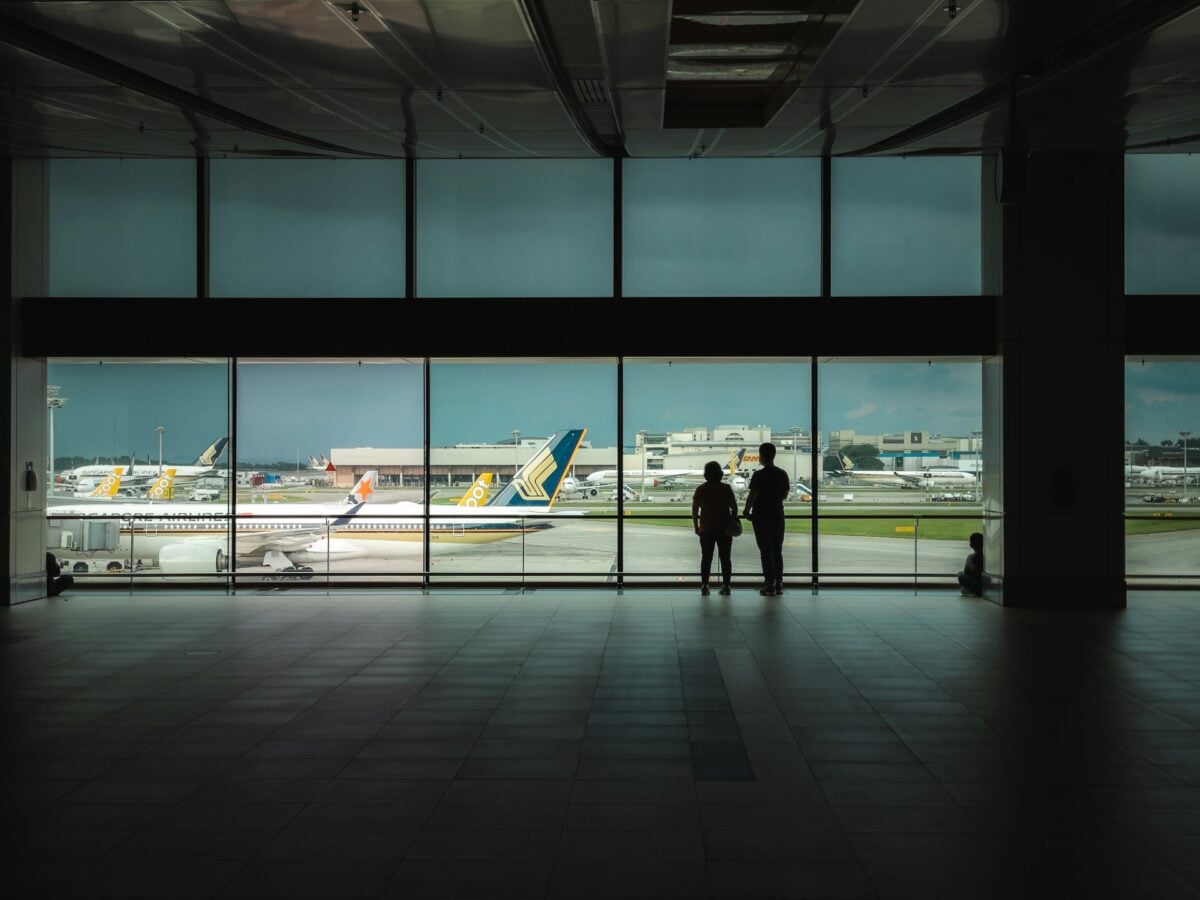
The FAA continuously manages air traffic across 29 million square miles of airspace – that’s roughly the size of the entire North American continent under constant surveillance. This isn’t daily coverage, but rather a permanent responsibility that never stops, coordinating more than 44,000 flights simultaneously across domestic and oceanic airspace.
Air traffic controllers maintain this system around the clock, ensuring safe separation between aircraft traveling at hundreds of miles per hour.
The Boeing 737 Family Completes Millions of Flights Annually
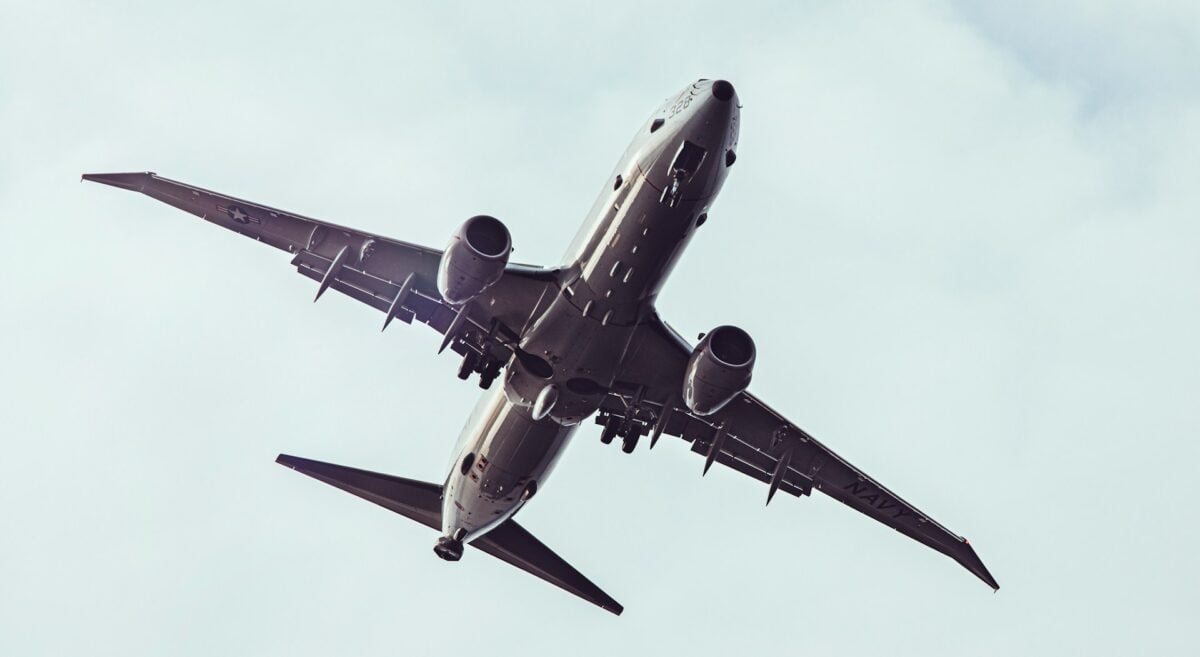
Despite all the headlines about various aircraft issues, the Boeing 737 family remains aviation’s true workhorse, completing approximately 10 million flights in 2024. That’s roughly one 737 taking off somewhere in the world every few seconds around the clock.
The massive scale means this aircraft family keeps global air travel functioning smoothly, connecting cities and countries with remarkable frequency.
Like Go2Tutors’s content? Follow us on MSN.
The Numbers Behind the Journey
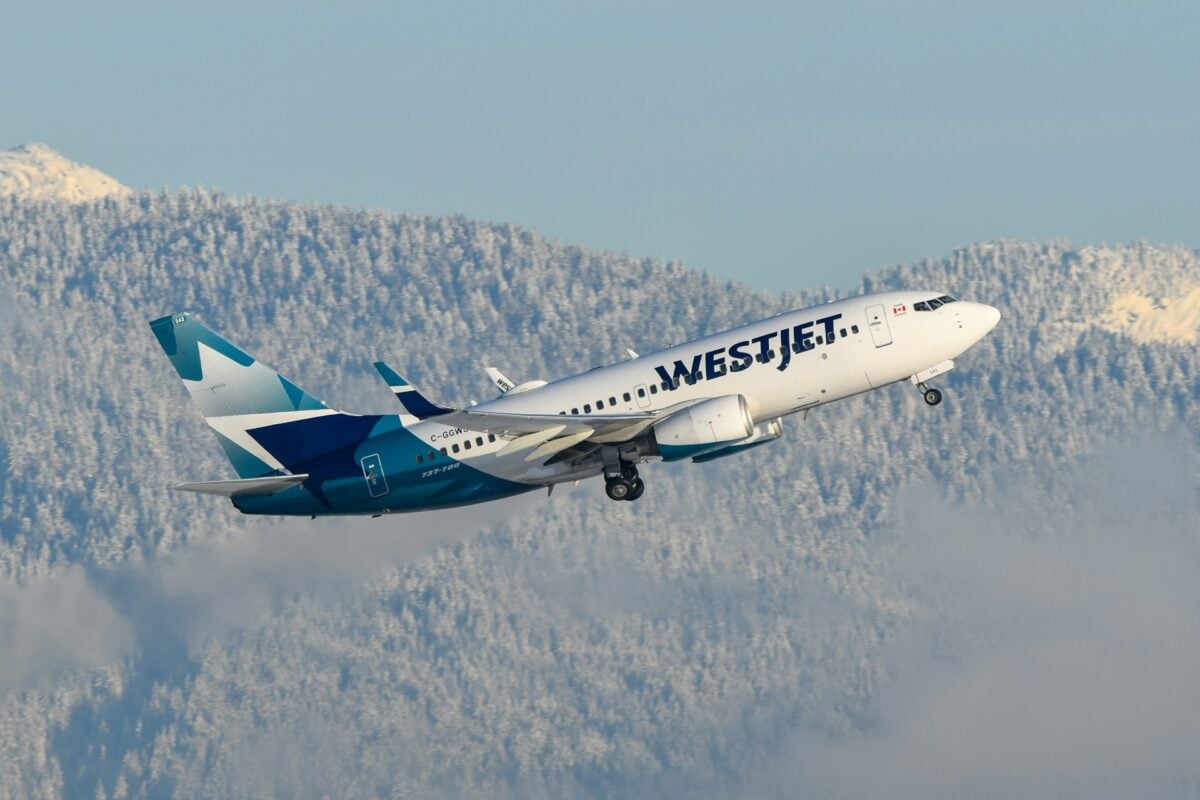
Statistics about the aviation industry show that it is both more complex and more dependable than most people think. Each flight is the culmination of thousands of choices, innumerable safety inspections, and dozens of professionals working together.
Decades of advancements in technology, training, and protocols have led to 99.9% of flights completing their journeys without any incidents.The next time you’re settling into your seat on an airplane, keep in mind that you’re taking part in one of the most amazing and safest feats in human history.
In actuality, those figures that look too good to be true reflect the day-to-day realities of contemporary aviation. Despite the fact that flying may seem routine, the statistics show that it’s anything but.
More from Go2Tutors!

- 16 Historical Figures Who Were Nothing Like You Think
- 12 Things Sold in the 80s That Are Now Illegal
- 15 VHS Tapes That Could Be Worth Thousands
- 17 Historical “What Ifs” That Would Have Changed Everything
- 18 TV Shows That Vanished Without a Finale
Like Go2Tutors’s content? Follow us on MSN.