17 Inventions Born From Accidental Genius
Some of the world’s most revolutionary inventions came from complete accidents. Scientists spilled chemicals, engineers made mistakes, and everyday people stumbled upon discoveries that changed everything. These accidental breakthroughs remind us that innovation often happens when we least expect it.
Sometimes the best discoveries come from happy accidents and unexpected failures. Here is a list of 17 inventions that emerged from pure chance rather than careful planning.
Penicillin
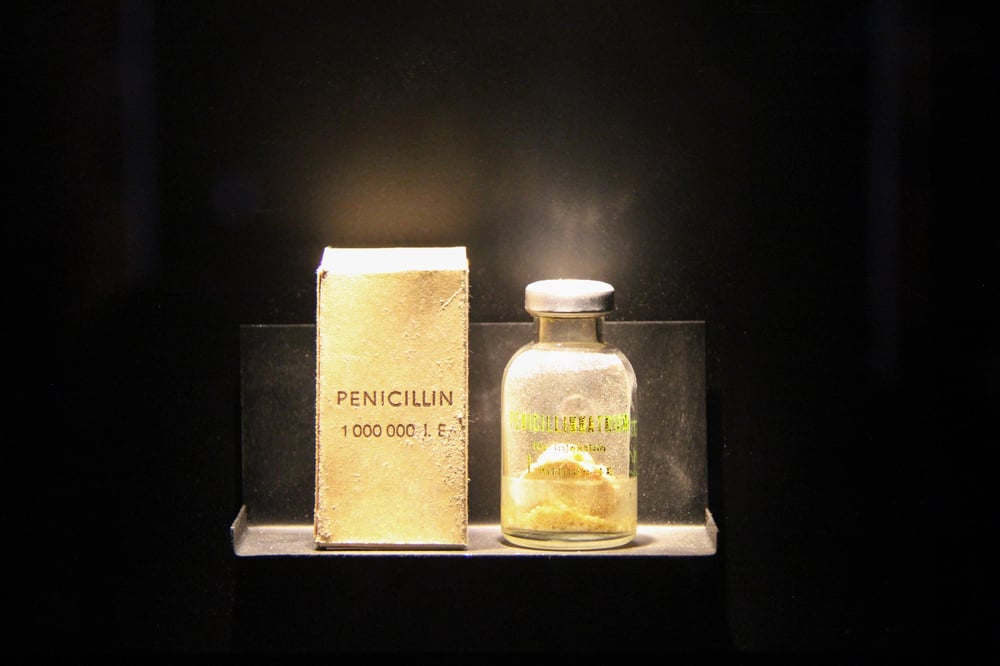
Alexander Fleming left bacterial cultures uncovered in his lab before going on vacation in 1928. When he returned, he noticed that mold had killed the bacteria in one of his petri dishes.
Instead of throwing it away, Fleming investigated further and discovered penicillin, which has saved millions of lives since its development into an antibiotic.
Post-it Notes

Spencer Silver was trying to create a super-strong adhesive at 3M in 1968 but ended up with a weak, removable glue instead. His colleague Art Fry later used this ‘failed’ adhesive to create bookmarks that wouldn’t fall out of his hymnal.
This accidental discovery became one of the most useful office supplies ever created.
Microwave Oven
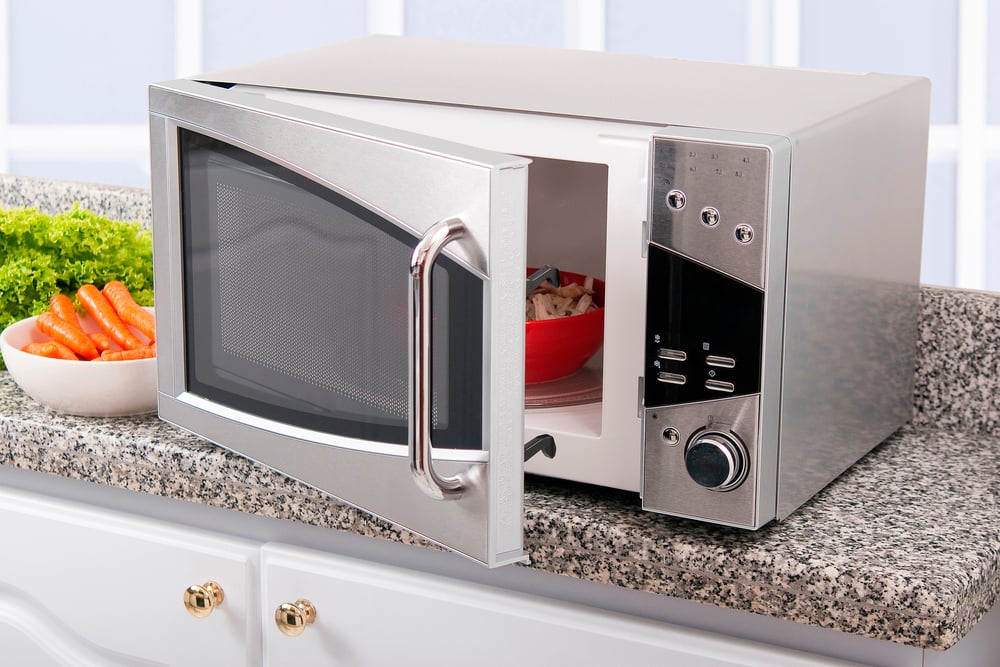
Percy Spencer was working on radar technology in 1945 when he noticed the chocolate bar in his pocket had melted. He realized that microwave radiation from the magnetron he was testing had heated the candy.
Spencer quickly tested this effect on popcorn and eggs, leading to the development of microwave cooking.
Velcro
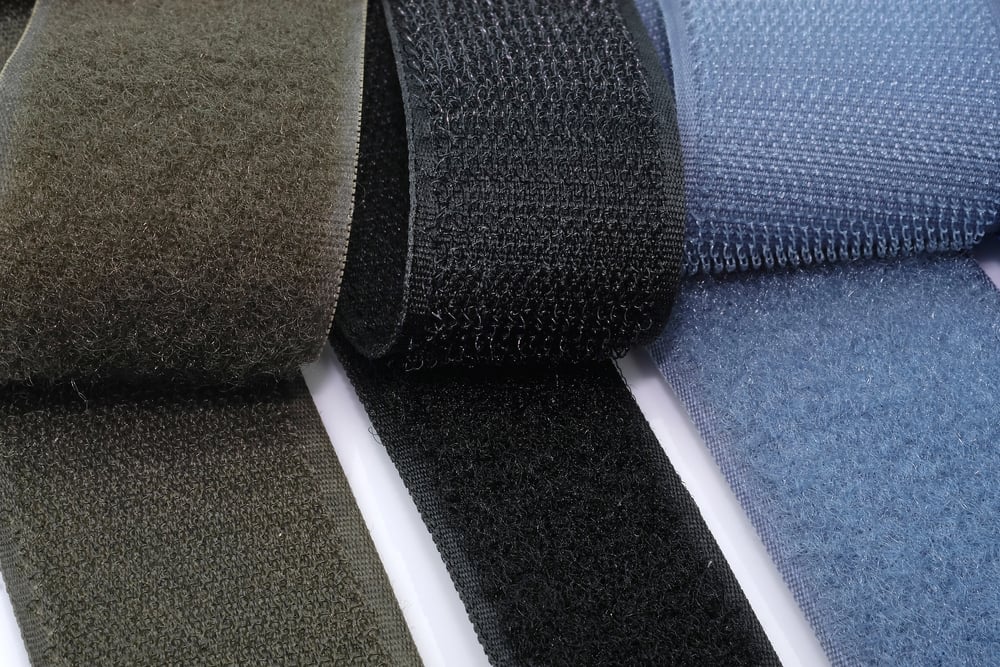
Swiss engineer George de Mestral went for a walk in the Alps in 1941 and returned with burr seeds stuck to his clothes and dog. Instead of just removing them, he examined the seeds under a microscope and discovered tiny hooks that grabbed onto fabric fibers.
This observation led him to create the hook-and-loop fastener we know as Velcro.
Safety Glass

French chemist Édouard Bénédictus accidentally knocked a glass flask off his desk in 1903, but instead of shattering into dangerous pieces, it cracked while maintaining its shape. The flask had contained plastic cellulose nitrate that had evaporated, leaving a thin film coating the inside.
This accident inspired him to develop laminated safety glass for car windshields.
Teflon

Roy Plunkett was working with refrigerant gases at DuPont in 1938 when he opened a pressurized container and found it empty, even though it weighed the same as before. The gas had polymerized into a slippery white powder that nothing would stick to.
This accidental discovery eventually became the non-stick coating we use on cookware today.
Silly Putty

James Wright was trying to create synthetic rubber for the U.S. government during World War II when he mixed boric acid with silicone oil. The result was a bouncy, stretchy substance that seemed useless for wartime applications.
Years later, this failed rubber substitute became a beloved toy that could bounce, stretch, and pick up newspaper comics.
Cornflakes

Dr. John Harvey Kellogg accidentally left cooked wheat sitting out too long at his sanitarium in 1894. When he tried to roll the stale wheat into sheets, it flaked instead.
The Kellogg brothers experimented with different grains and eventually created corn flakes, launching the breakfast cereal industry.
Coca-Cola
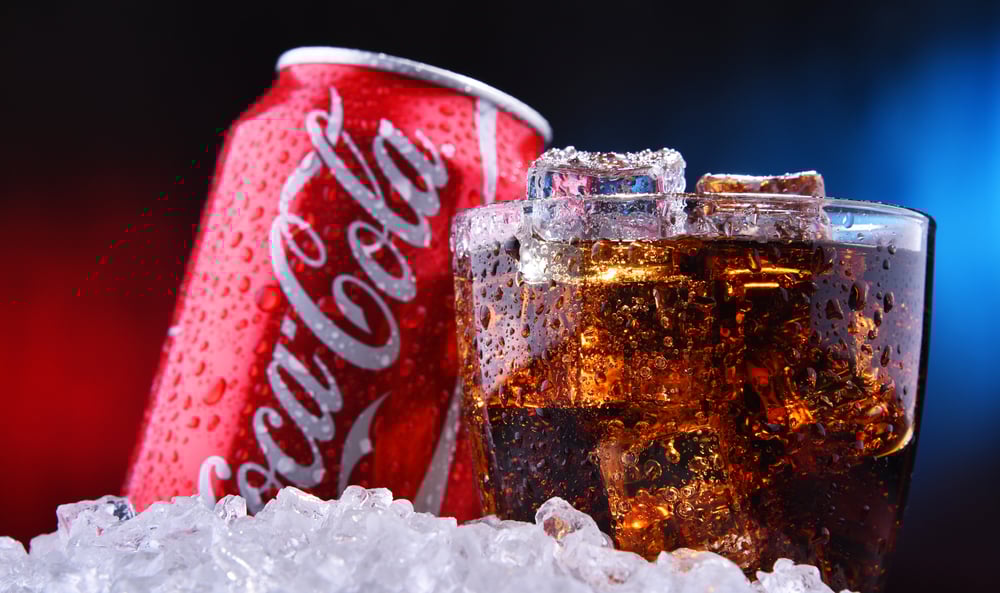
Pharmacist John Pemberton was trying to create a headache remedy in 1886 when he mixed various ingredients including coca leaves and kola nuts. His assistant accidentally added carbonated water instead of regular water to the syrup.
This mistake created the fizzy drink that became the world’s most recognizable beverage brand.
Chocolate Chip Cookies
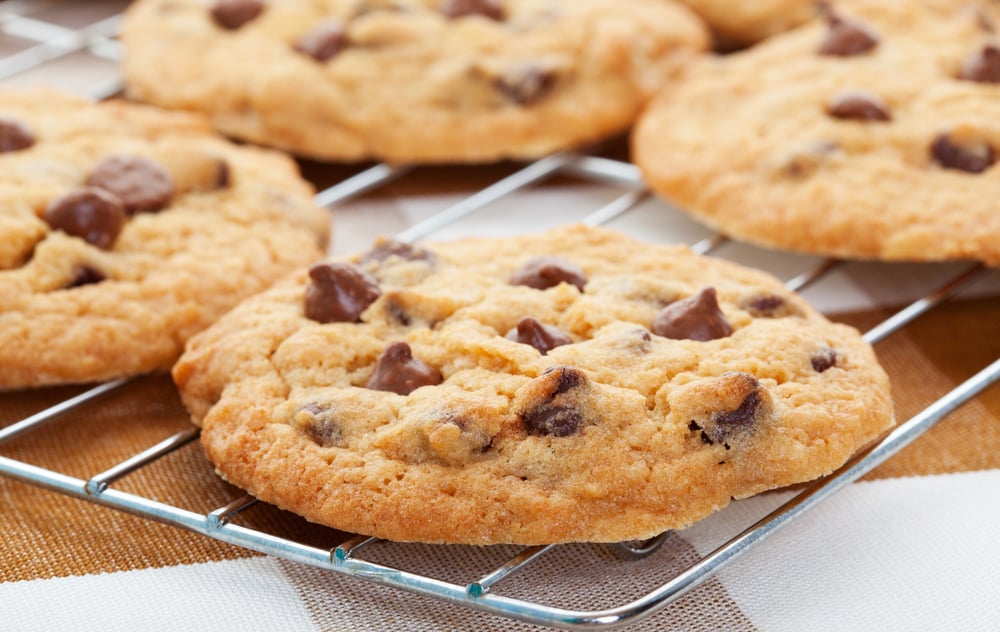
Ruth Wakefield ran out of baker’s chocolate while making cookies at her Toll House Inn in 1938. She broke up a bar of semi-sweet chocolate and added the pieces to her cookie dough, expecting them to melt and create chocolate cookies.
Instead, the chocolate pieces held their shape, creating the first chocolate chip cookies.
Artificial Sweetener
Constantine Fahlberg was working with coal tar derivatives in 1879 when he forgot to wash his hands before eating dinner. He noticed his food tasted unusually sweet and traced the sweetness back to chemicals on his fingers.
This accidental discovery led to the development of saccharin, the first artificial sweetener.
Stainless Steel

Harry Brearley was trying to develop erosion-resistant gun barrels in 1913 when he created an alloy that seemed like a failure because it was too soft for weapons. However, he noticed that this steel alloy didn’t rust like regular steel.
This accidental discovery revolutionized kitchenware, medical instruments, and countless other applications.
X-Rays

Wilhelm Röntgen was experimenting with cathode rays in 1895 when he noticed a fluorescent screen across his lab was glowing, even though it was blocked from the cathode ray tube. He realized he had discovered a new type of radiation that could pass through solid objects.
This accidental finding earned him the first Nobel Prize in Physics and revolutionized medical diagnosis.
Plastic
Leo Baekeland was trying to create a substitute for shellac in 1907 when he mixed formaldehyde and phenol under heat and pressure. The result was a hard, moldable material that could be shaped into any form.
This accidental creation of Bakelite launched the plastic age and changed manufacturing forever.
Pacemaker
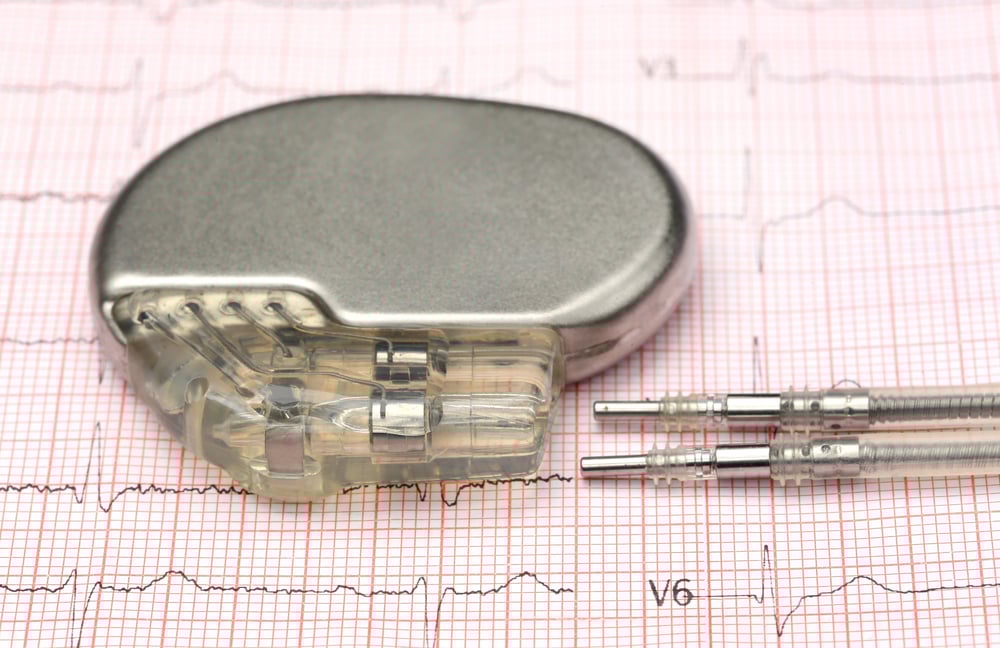
Wilson Greatbatch was building a device to record heart rhythms in 1958 when he grabbed the wrong resistor from his toolbox. The circuit he created produced electrical pulses instead of recording them.
He realized this mistake could help regulate heartbeats, leading to the development of the implantable cardiac pacemaker.
Vulcanized Rubber

Charles Goodyear had been trying to make rubber useful for years when he accidentally dropped a mixture of rubber and sulfur onto a hot stove in 1839. Instead of melting, the rubber became stronger and more flexible.
This accidental discovery, called vulcanization, made rubber suitable for tires, boots, and countless other products.
Dynamite
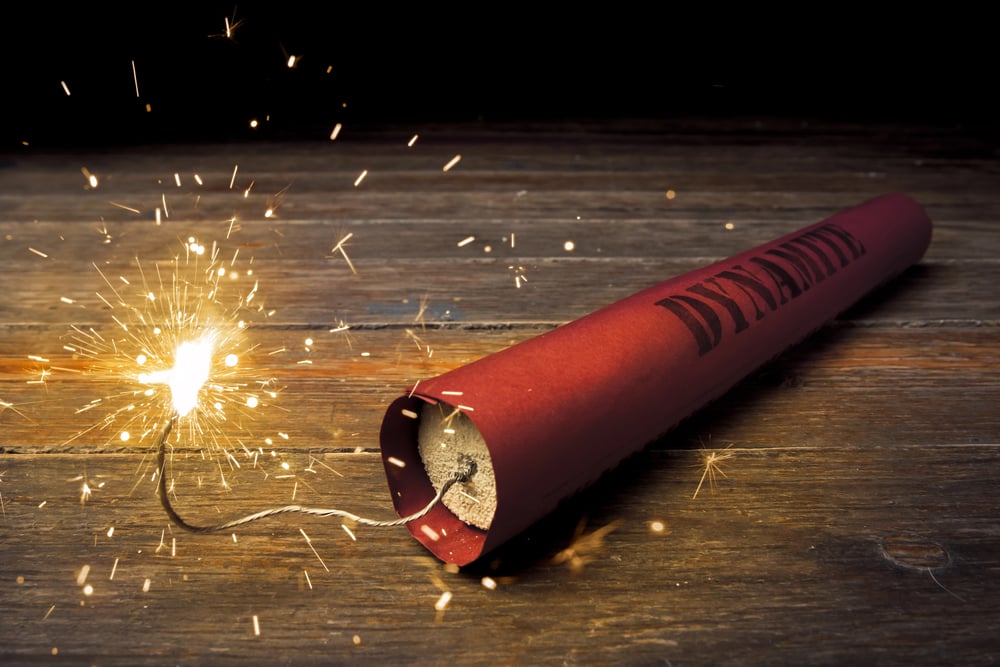
Alfred Nobel was trying to make nitroglycerin safer to handle when he accidentally spilled some on sawdust in 1867. He discovered that the sawdust absorbed the explosive liquid, creating a stable mixture that could be shaped and transported safely.
This accident led to dynamite, which revolutionized construction and mining while making Nobel wealthy enough to fund his famous prizes.
From Mistakes to Marvels

These accidental discoveries prove that some of our most important innovations come from unexpected places. Each of these inventors could have dismissed their mistakes as failures, but instead they recognized the potential in their accidental findings.
The next time something doesn’t go according to plan, remember that some of humanity’s greatest breakthroughs started as happy accidents. Innovation often requires the wisdom to see opportunity where others see only mistakes.
More from Go2Tutors!

- The Romanov Crown Jewels and Their Tragic Fate
- 13 Historical Mysteries That Science Still Can’t Solve
- Famous Hoaxes That Fooled the World for Years
- 15 Child Stars with Tragic Adult Lives
- 16 Famous Jewelry Pieces in History
Like Go2Tutors’s content? Follow us on MSN.