Music Trends That Defined Each Decade
Music doesn’t just reflect the times—it shapes them. From the crackle of vinyl to the seamless flow of streaming playlists, each era brought sounds that captured what people were feeling, fighting for, or trying to forget.
These weren’t just background noise. They were cultural earthquakes that changed how we dressed, talked, and saw the world.
Here’s a list of 15 music trends that left their mark on the decades, each one a snapshot of its time.
The Jazz Age Takes Over
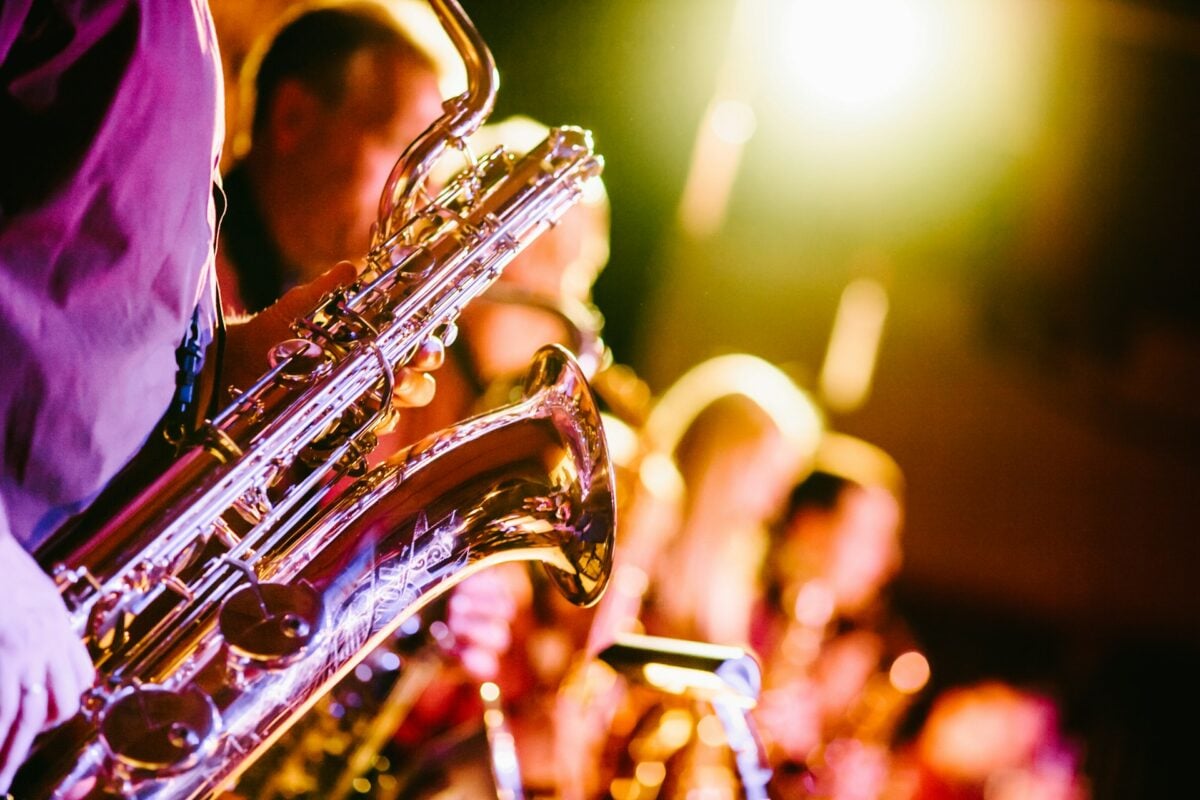
The 1920s belonged to jazz, and it wasn’t subtle about it. This was the sound of speakeasies, flappers, and a generation thumbing its nose at Victorian stuffiness.
Louis Armstrong and Duke Ellington turned their instruments into voices that spoke rebellion and freedom. Jazz wasn’t just music—it was the soundtrack to America shaking off the old rules and dancing into modernity, even as Prohibition tried to keep the party quiet.
Swing Becomes America’s Heartbeat
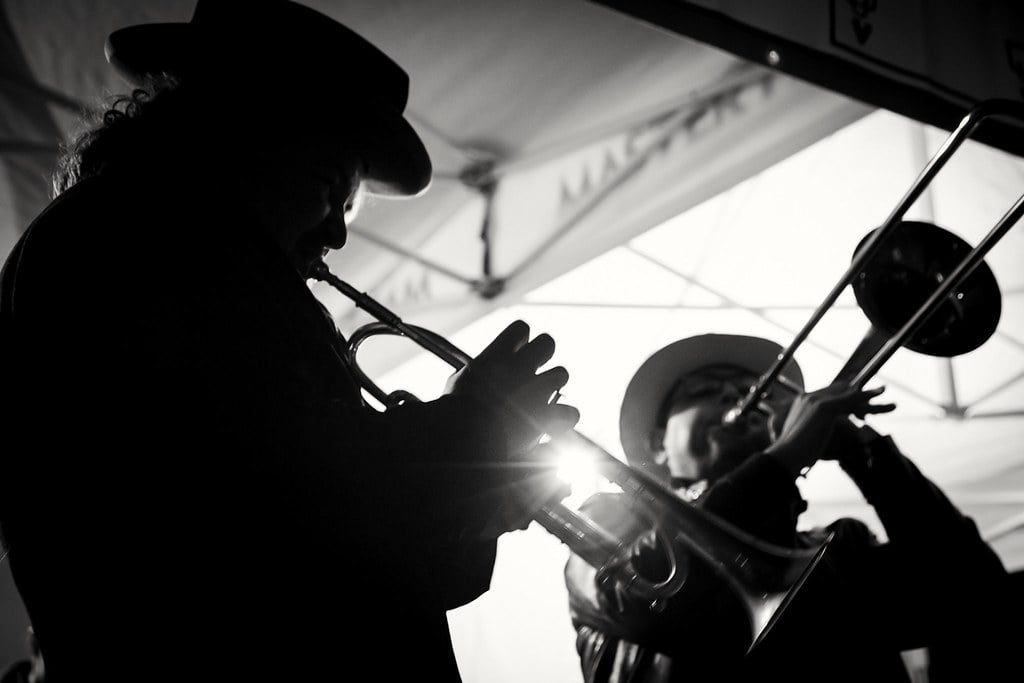
By the mid-1930s through the 1940s, swing music had the entire country moving in sync. Big bands led by Benny Goodman, Count Basie, and Glenn Miller packed ballrooms and lifted spirits during the Depression and World War II.
The music was upbeat, orchestral, and impossible to sit still through.Swing dancing became a national pastime, and for a few hours on the dance floor, people could forget their troubles and just move.
Like Go2Tutors’s content? Follow us on MSN.
Rock ‘n’ Roll Explodes
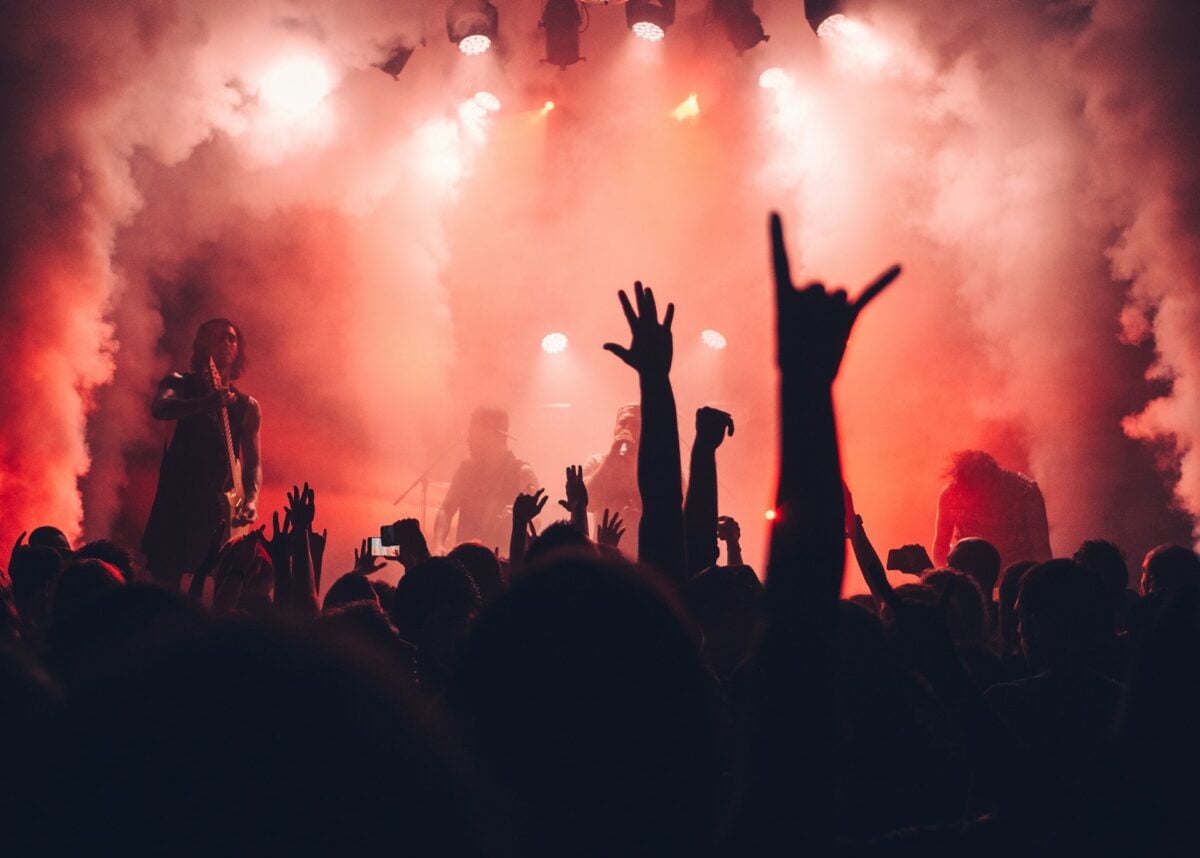
The 1950s gave birth to rock ‘n’ roll, and nothing was the same afterward. Elvis Presley’s hip swivels, Chuck Berry’s guitar riffs, and Little Richard’s wild energy terrified parents and electrified teenagers.
This wasn’t just a new genre—it was a generational divide set to a backbeat. Rock ‘n’ roll merged rhythm and blues with country, creating something raw and electric that made young people feel like they finally had music that was theirs.
The British Invasion Lands
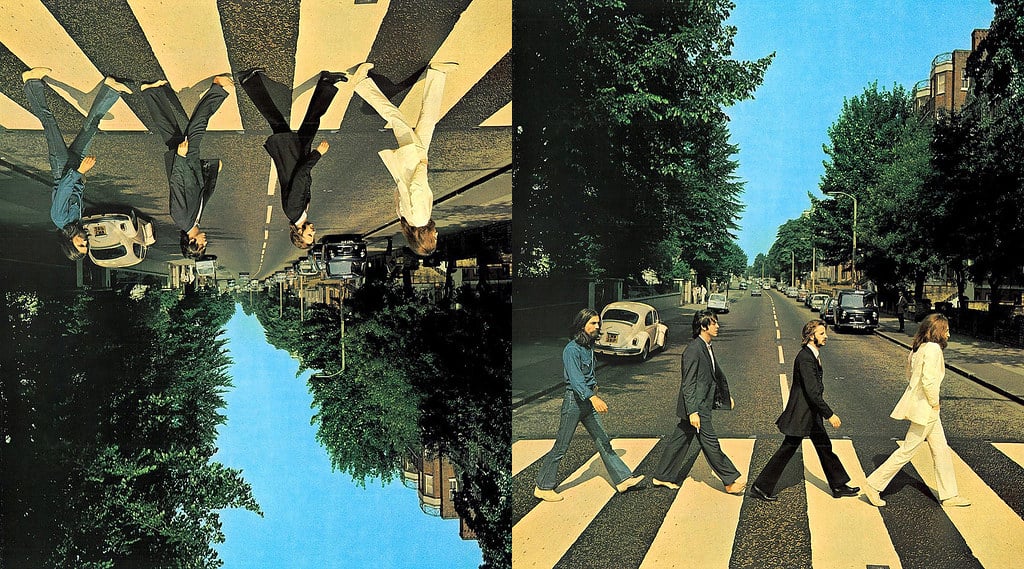
The Beatles stepped off a plane in 1964 and American music got flipped upside down. The British Invasion brought bands like The Rolling Stones, The Who, and The Kinks, all repackaging American rock and blues and sending it back across the Atlantic with a fresh accent.
Suddenly, mop-top haircuts and matching suits were everywhere. The invasion proved that rock ‘n’ roll had become a global language, and the conversation was just getting started.
Psychedelic Rock Bends Reality
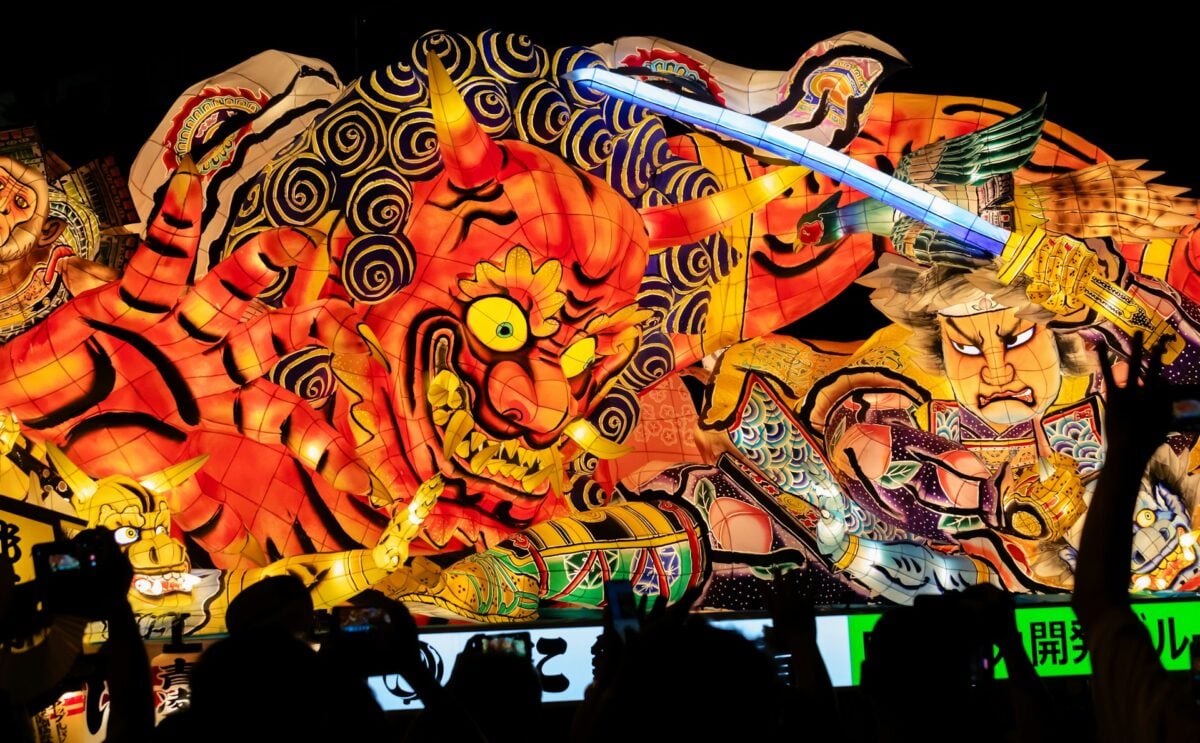
The late 1960s saw rock music take a detour through the kaleidoscope. Bands like Jefferson Airplane, The Grateful Dead, and Pink Floyd created soundscapes that were trippy, experimental, and unapologetically weird.
Psychedelic rock mirrored the counterculture movement, with its long instrumental jams, surreal lyrics, and album art that looked like it was designed during a lucid dream. Music festivals like Woodstock became temples for this new sonic exploration.
Like Go2Tutors’s content? Follow us on MSN.
Disco Fever Takes the Dance Floor
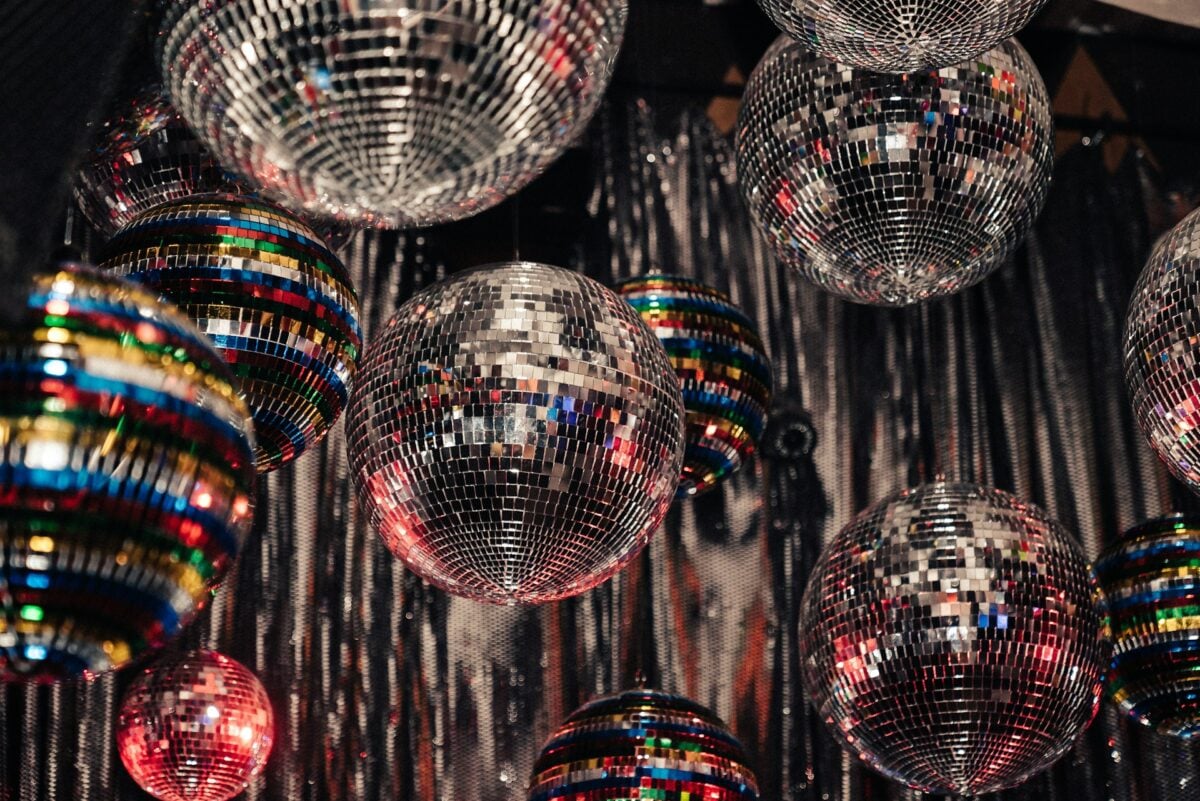
The 1970s hit their stride when disco turned nightclubs into glittering escape pods. Donna Summer, the Bee Gees, and Chic laid down grooves that were slick, infectious, and designed to keep bodies moving until sunrise.
Disco was pure hedonism—mirror orbs, platform shoes, and bass lines that felt like heartbeats. Critics hated it, rock fans burned disco records, but none of that stopped people from lining up outside Studio 54.
Punk Tears It All Down
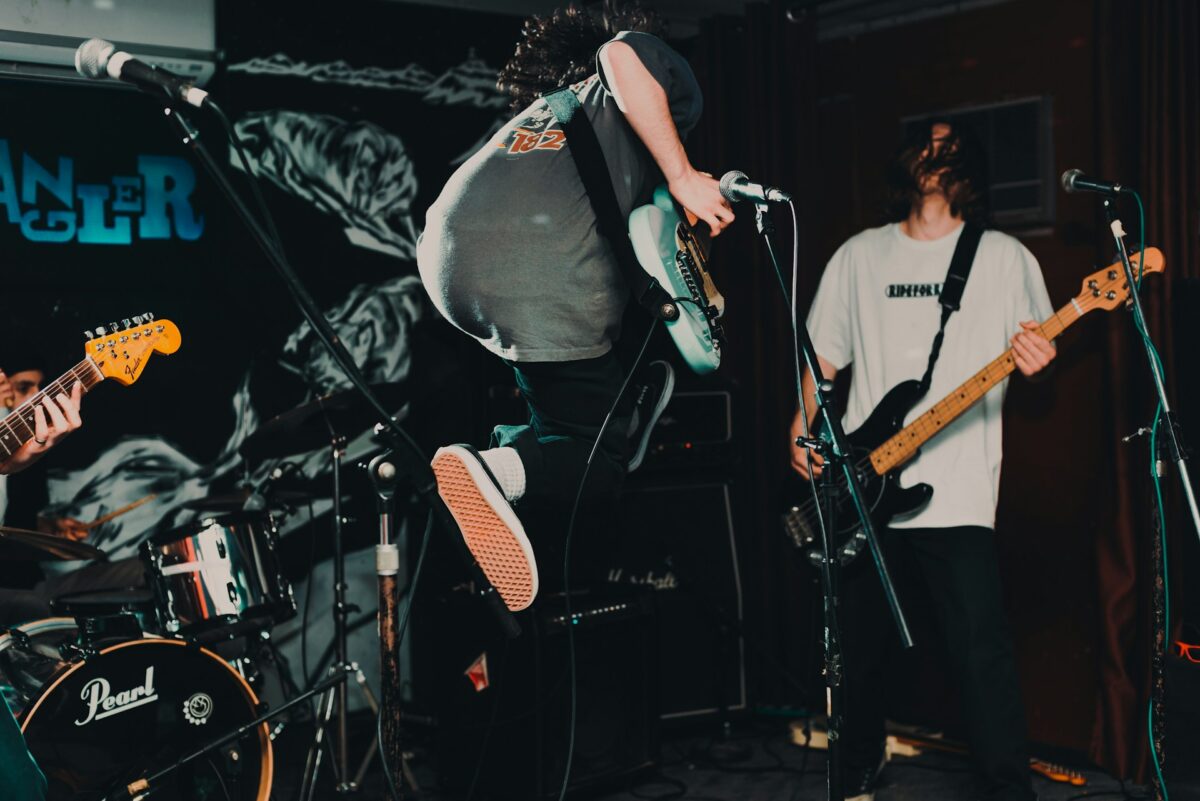
While disco celebrated excess, punk rock in the mid-to-late 1970s set fire to everything polished. The Ramones and The Clash played fast, loud, and angry, with lyrics that spit at authority and musicianship that valued raw energy over technical perfection.
Punk was a middle finger to the establishment, and its DIY ethos inspired kids everywhere to pick up guitars, even if they barely knew three chords. It was rebellion in its purest form.
Hip-Hop Claims Its Territory
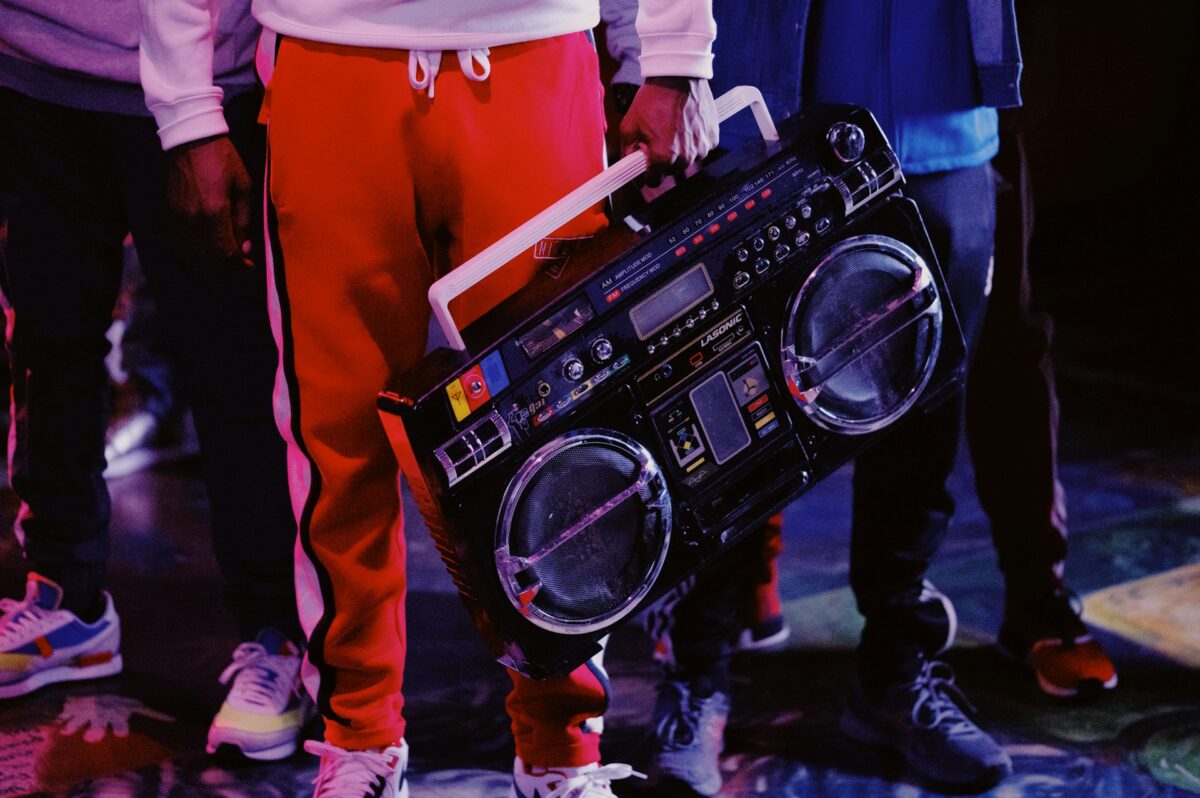
Hip-hop emerged from the Bronx in the late 1970s and spent the 1980s proving it wasn’t going anywhere. Grandmaster Flash, Run-DMC, and Public Enemy turned turntables into instruments and rhymes into poetry that documented street life, inequality, and Black excellence.
Hip-hop was more than music—it was a culture complete with breakdancing, graffiti, and fashion. By the end of the decade, it had infiltrated mainstream consciousness and wasn’t looking back.
Like Go2Tutors’s content? Follow us on MSN.
MTV Changes Everything
When MTV launched in 1981, it didn’t just play music videos—it made them essential. Artists like Michael Jackson, Madonna, and Prince understood that image now mattered as much as sound.
The music video became an art form, and suddenly bands needed to think visually as well as sonically. MTV created superstars overnight and killed careers just as quickly.
If you weren’t on MTV, you barely existed.
Grunge Kills the Glam

The early 1990s watched Seattle bands like Nirvana, Pearl Jam, and Soundgarden drag rock music back to its raw, unpolished roots. Grunge rejected the hairspray and spandex of 1980s hair metal, trading it for flannel shirts, distorted guitars, and lyrics about alienation and apathy.
Kurt Cobain became the reluctant voice of Generation X, and when ‘Smells Like Teen Spirit’ hit, it felt like the sound of a generation finally finding its anthem.
Electronic Dance Music Goes Mainstream
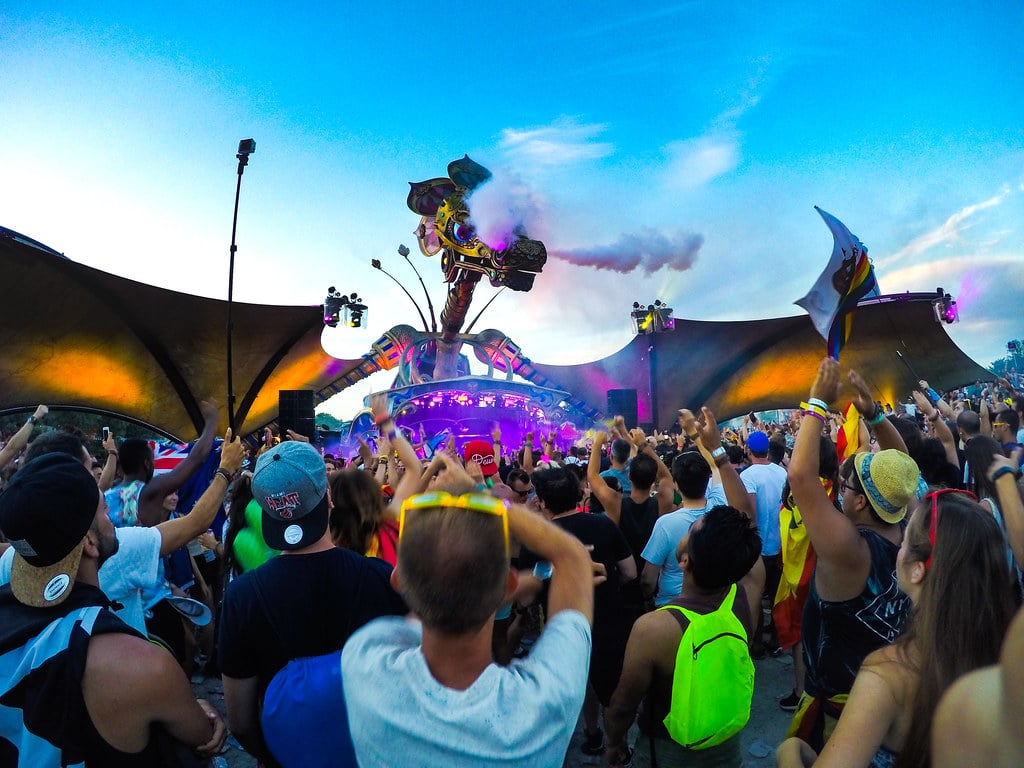
Through the 1990s and into the 2000s, electronic dance music crawled out of underground raves and onto radio playlists. DJs became headliners, and artists like Daft Punk, The Prodigy, and later David Guetta proved that computers could make music just as powerful as any guitar.
EDM festivals grew into massive events where crowds moved as one organism to synthesized drops and pulsing beats. The genre showed that you didn’t need a traditional band to fill stadiums.
Like Go2Tutors’s content? Follow us on MSN.
Auto-Tune Becomes Unavoidable
By the mid-2000s, Auto-Tune had gone from a vocal correction tool to a signature sound. T-Pain made it his calling card, and Kanye West’s ‘808s & Heartbreak’ turned robotic vocals into an emotional statement.
Love it or hate it, Auto-Tune became ubiquitous across pop, hip-hop, and even country music. It sparked endless debates about authenticity, but artists kept using it because, frankly, it worked.
Streaming Reshapes the Industry
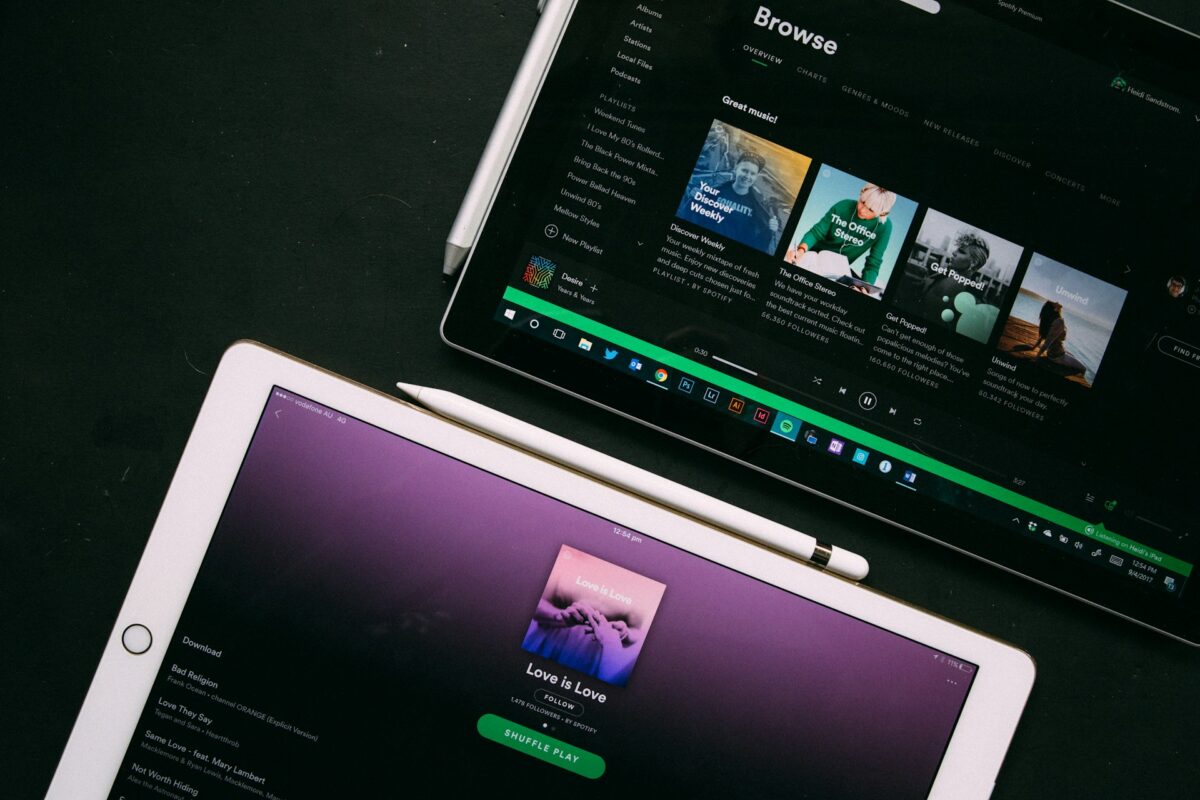
The 2010s watched streaming services like Spotify and Apple Music completely restructure how people consumed music. Albums became less important than individual tracks, and artists started dropping singles constantly to stay relevant in playlists.
The album rollout died, replaced by surprise releases and weekly drops. Streaming democratized access but also slashed artist revenue, creating a new landscape where visibility mattered more than record sales.
Bedroom Pop Producers Rise
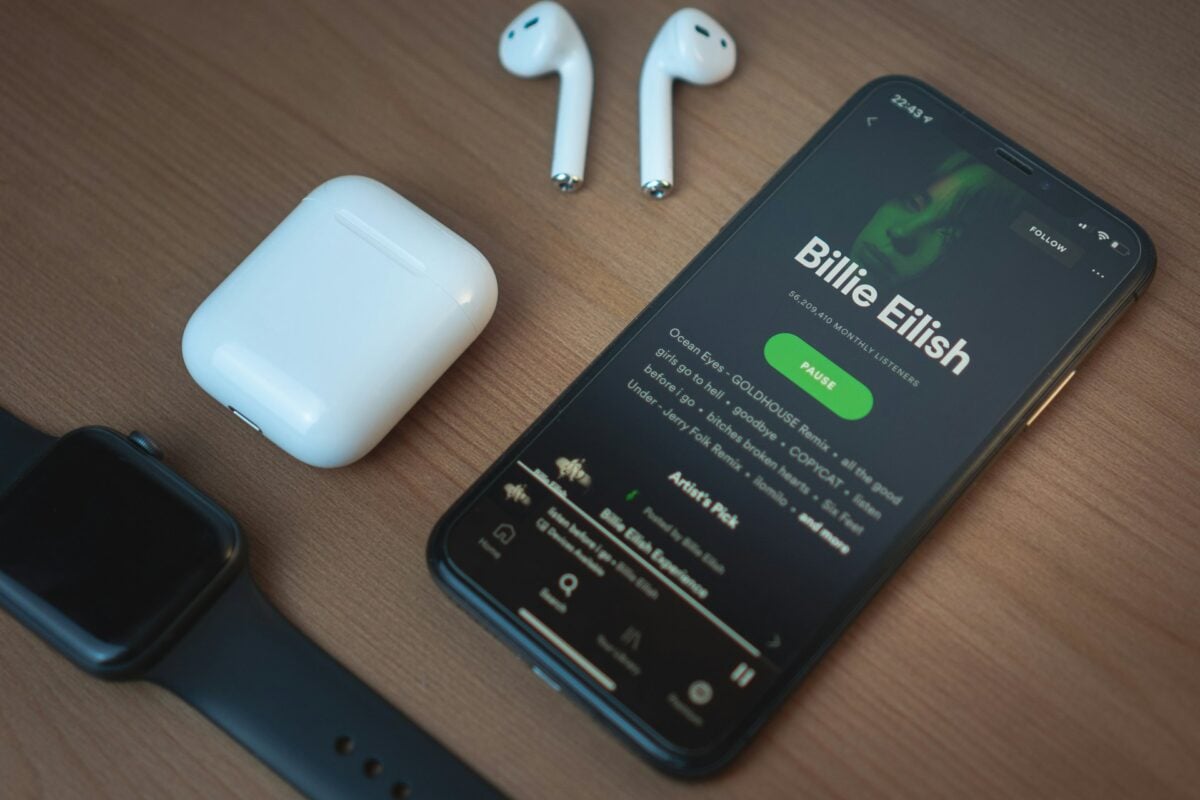
Technology in the 2010s made it possible to record professional-quality music on a laptop in your bedroom. Artists like Billie Eilish and Clairo proved you didn’t need a fancy studio—just talent, a computer, and an internet connection.
This DIY approach birthed a lo-fi, intimate sound that felt personal and unpolished in the best way. The gatekeepers lost their power, and suddenly anyone could become the next big thing from their home.
Like Go2Tutors’s content? Follow us on MSN.
Genre Blending Erases Boundaries
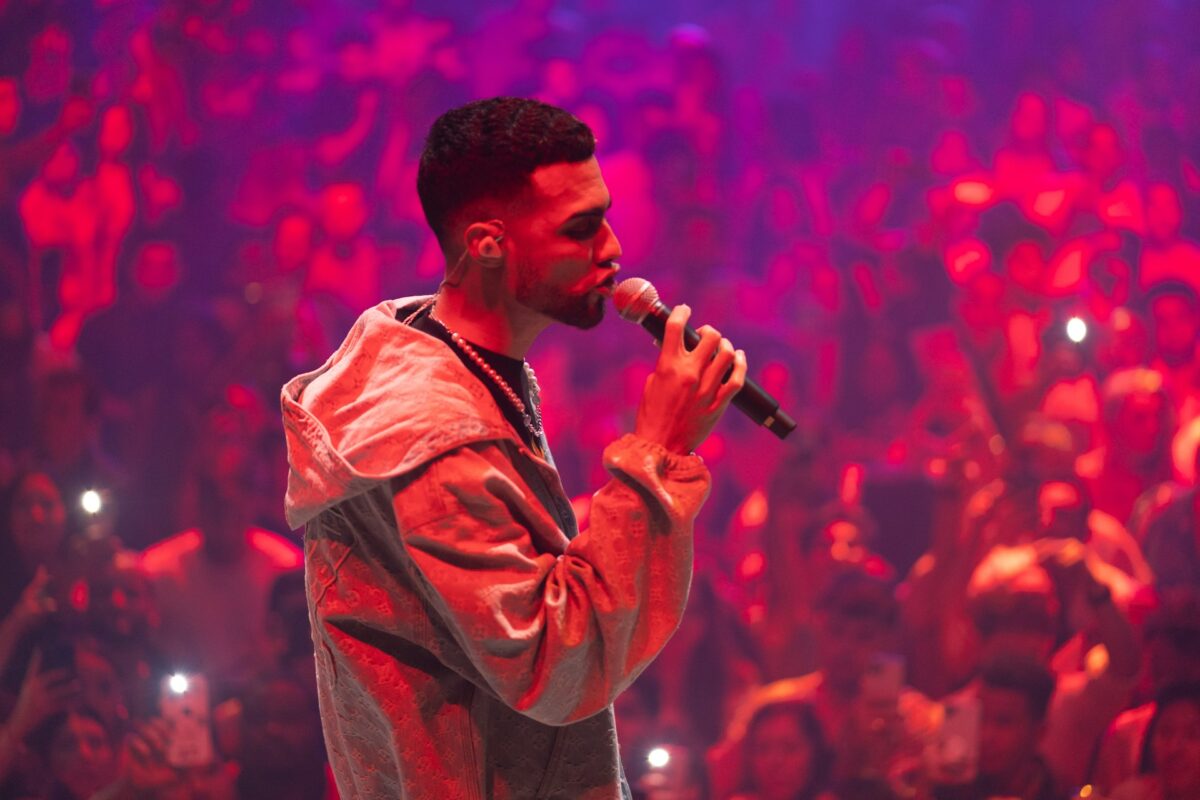
By the 2020s, strict genre categories started feeling like relics. Artists like Lil Nas X, Bad Bunny, and Olivia Rodrigo mixed country with trap, reggaeton with pop, and punk with bedroom indie without asking permission.
Playlists replaced radio stations, and listeners didn’t care about labels—they just wanted good music. This fluidity reflected a generation that rejected boxes in music just like they rejected them everywhere else.
The Beat Goes On
Music keeps evolving because culture keeps evolving, and each decade leaves behind sounds that future generations will sample, reimagine, or rebel against. The trends that defined past eras didn’t just disappear—they layered on top of each other, creating the rich, chaotic mix we hear today.
Whatever comes next will probably sound nothing like what we expect, and that’s exactly how it should be.
More from Go2Tutors!

- 16 Historical Figures Who Were Nothing Like You Think
- 12 Things Sold in the 80s That Are Now Illegal
- 15 VHS Tapes That Could Be Worth Thousands
- 17 Historical “What Ifs” That Would Have Changed Everything
- 18 TV Shows That Vanished Without a Finale
Like Go2Tutors’s content? Follow us on MSN.