16 Ancient Negotiation Tactics That Prevented Wars
Throughout history, skilled diplomats and leaders from every corner of the world have found clever ways to avoid bloodshed when tensions reach boiling points. While armies stood ready and nations teetered on the brink of conflict, these masterful negotiators pulled rabbits out of hats, using everything from theatrical displays to carefully orchestrated marriages to keep peace intact.
The strategies they employed weren’t just about compromise—they were about understanding human nature, cultural values, and the art of saving face. Here is a list of 16 ancient negotiation tactics that turned potential battlefields into peaceful resolutions.
Marriage Alliances

Rulers across civilizations discovered that nothing sealed a peace treaty quite like a wedding invitation. Two kingdoms at each other’s throats? Marry off a prince to the enemy’s daughter—instant family ties that made war incredibly awkward.
The Egyptians and Hittites famously used this approach in 1259 BCE when Pharaoh Ramesses II married a Hittite princess to cement their peace treaty. Indian maharajas, Chinese emperors, and African kingdoms all employed similar strategies.
These marriages weren’t romantic gestures, though they might’ve looked that way. They functioned as insurance policies that made breaking agreements feel like betraying your own grandchildren.
Hostage Exchange
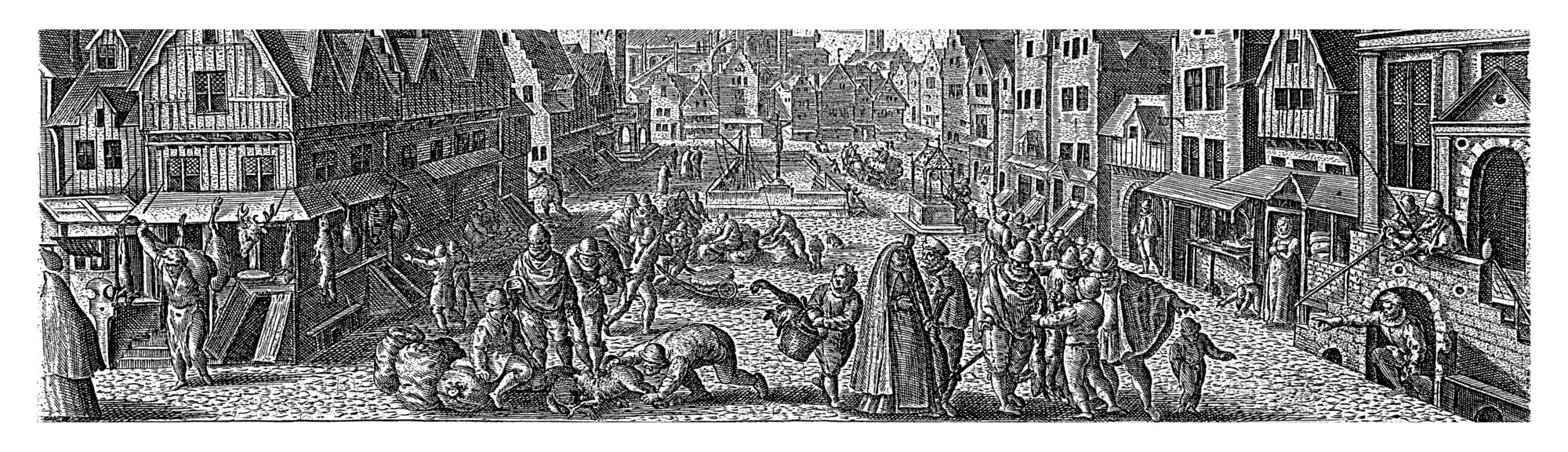
Rather than pointing swords at each other, ancient negotiators from Rome to the Inca Empire often traded valuable people as living guarantees of good behavior. It’s the ultimate trust exercise—each side would send their most important family members to live with their former enemies.
The Romans perfected this practice, often taking the sons of conquered leaders to Rome where they received excellent educations while serving as walking reminders that rebellion would come at a personal cost. Aztec nobility used similar arrangements with neighboring city-states.
These systems worked because nobody wanted to harm someone’s kid yet risk having their own child suffer the same fate.
Sacred Oath Ceremonies

Ancient peoples across continents took their gods seriously—smart negotiators used this devotion to make agreements unbreakable. Treaties weren’t just signed; they were sworn before altars with priests calling down divine punishment on anyone who broke their word.
The Greeks and Romans would sacrifice animals while swearing by their most feared deities, creating agreements that felt more like religious commandments than political contracts. Maya rulers performed similar blood rituals, while Aboriginal Australian tribes used sacred sites for treaty ceremonies.
Breaking such oaths wasn’t just bad politics—it was literally asking the gods to destroy your entire civilization.
Like Go2Tutors’s content? Follow us on MSN.
Gift Diplomacy
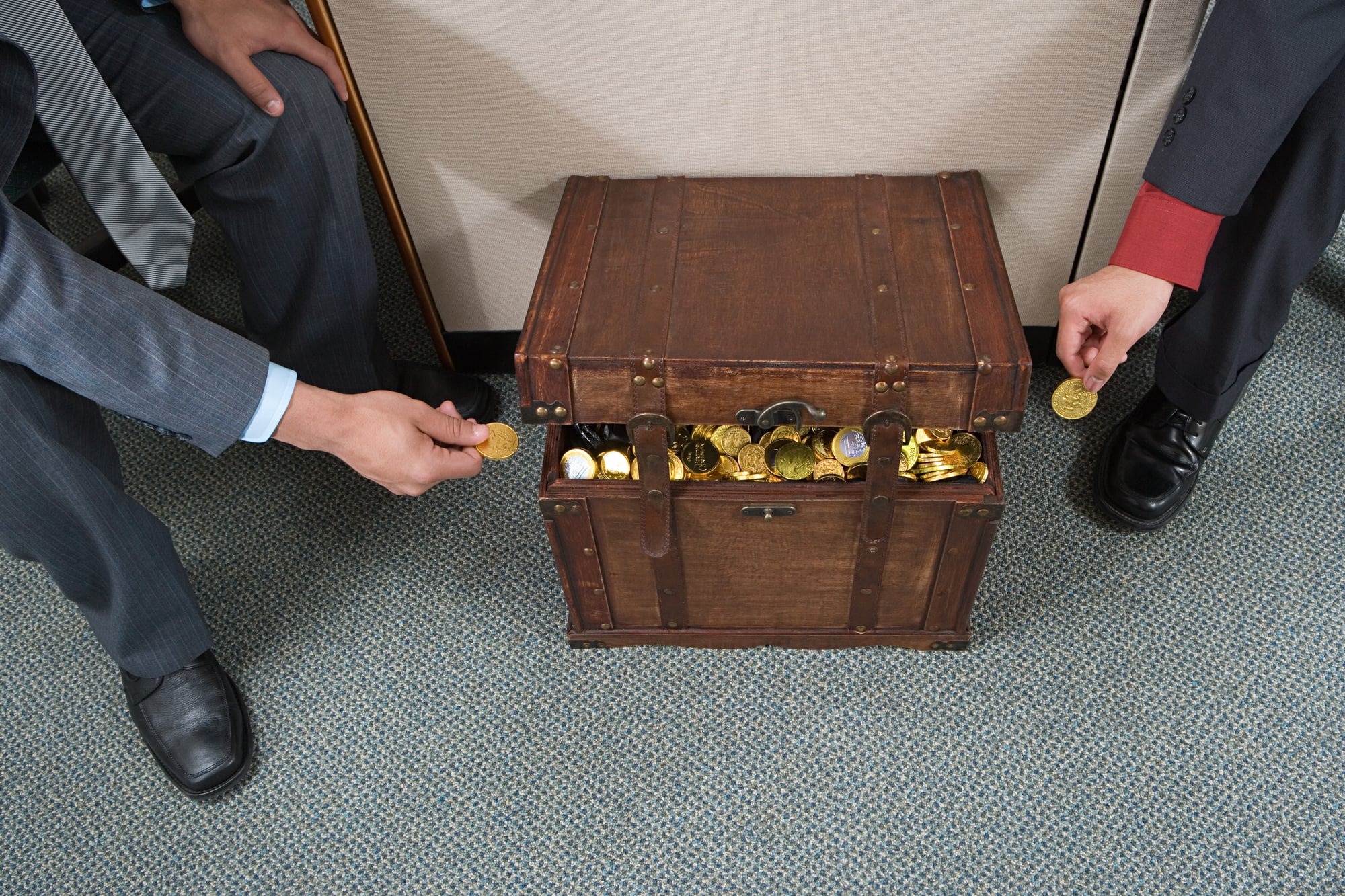
Sometimes the path to peace was paved with treasure chests and exotic presents. Ancient diplomats from Asia to the Americas understood that generosity could disarm hostility faster than any army, sending elaborate gifts to potential enemies as gestures of respect.
The Chinese emperors mastered this approach, showering neighboring kingdoms with silk, porcelain, and precious metals to maintain peaceful relationships along their borders. Polynesian chiefs exchanged precious feathers and carved jade, while West African kingdoms traded gold and ivory.
These weren’t bribes—they were investments in goodwill that made recipients think twice before biting the hand that fed them such beautiful things.
Neutral Meeting Grounds
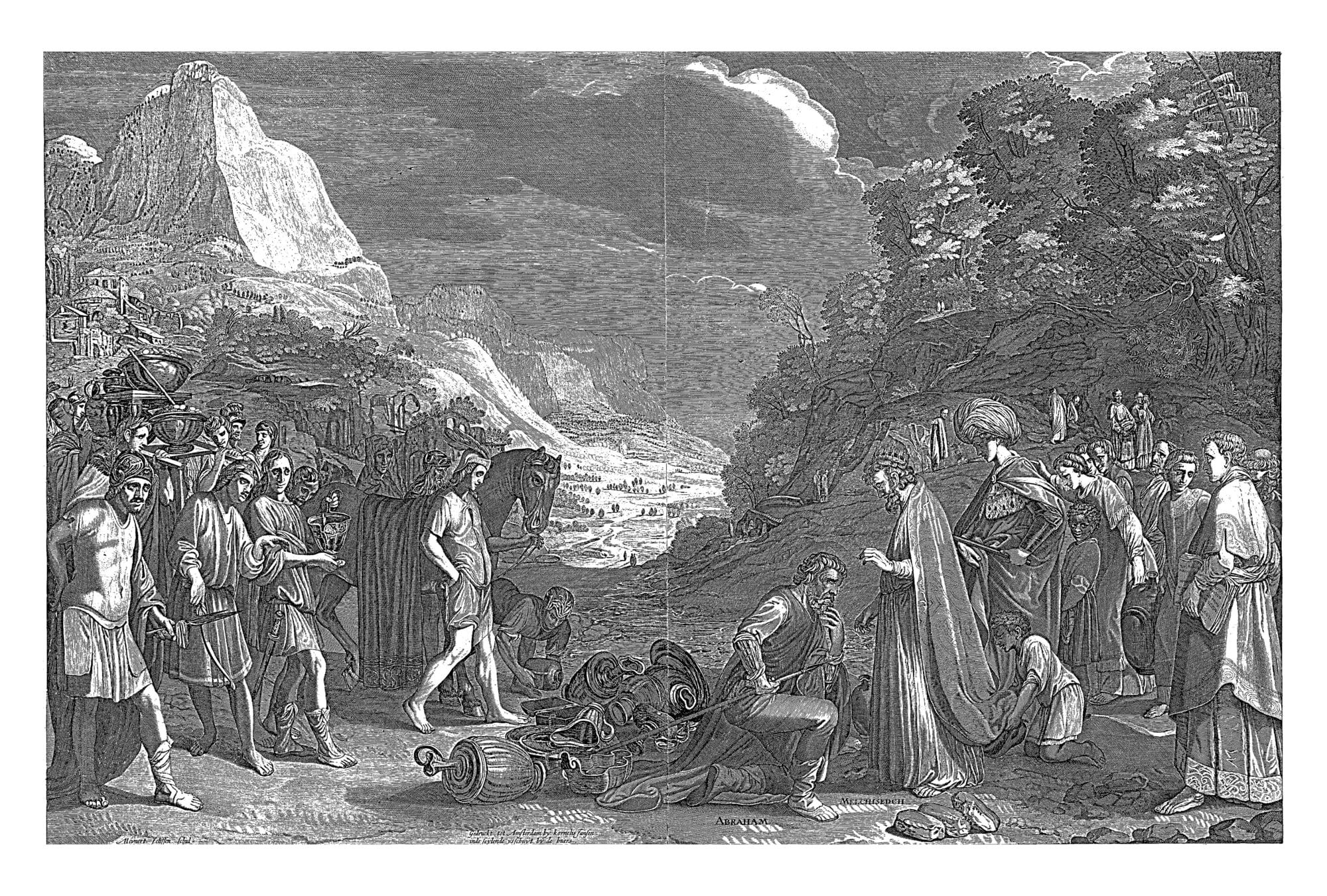
Smart negotiators worldwide knew that location mattered tremendously when trying to hammer out peace deals. Meeting on someone’s home turf automatically put the other party at a disadvantage, so ancient diplomats often chose neutral locations where neither side held the upper hand.
Islands, mountaintops, sacred groves—these became natural conference rooms where enemies could meet as equals. The famous meeting between Mark Antony and Octavian took place on a small island in a river, while Native American tribes often met at specific neutral territories respected by all parties.
Theatrical Demonstrations

Ancient negotiators from every culture weren’t above putting on a show to make their point without actually fighting. When King Croesus of Lydia wanted to intimidate his enemies, he had his soldiers demonstrate their incredible wealth by throwing gold into a river during peace talks—talk about a power move.
Mongolian khans would display their vast herds, while Polynesian chiefs demonstrated their fleet sizes through elaborate naval parades. These displays served as subtle reminders of what each side stood to lose in a war while also showcasing the resources available for making peace profitable.
Like Go2Tutors’s content? Follow us on MSN.
Cultural Exchange Programs

Long before modern student exchange programs, ancient civilizations worldwide were swapping scholars, artists, craftsmen to build bridges between potential enemies. These cultural ambassadors served as living proof that former enemies could coexist peacefully—even learn from each other.
The Islamic Golden Age saw extensive exchanges between Muslim, Christian, and Jewish scholars, creating networks of friendship that made warfare seem wasteful. Chinese Buddhist monks traveled to India, while Mesoamerican cultures shared astronomical knowledge across vast distances.
When you’ve been sharing mathematical discoveries with someone, it becomes much harder to justify burning down their library.
Economic Interdependence
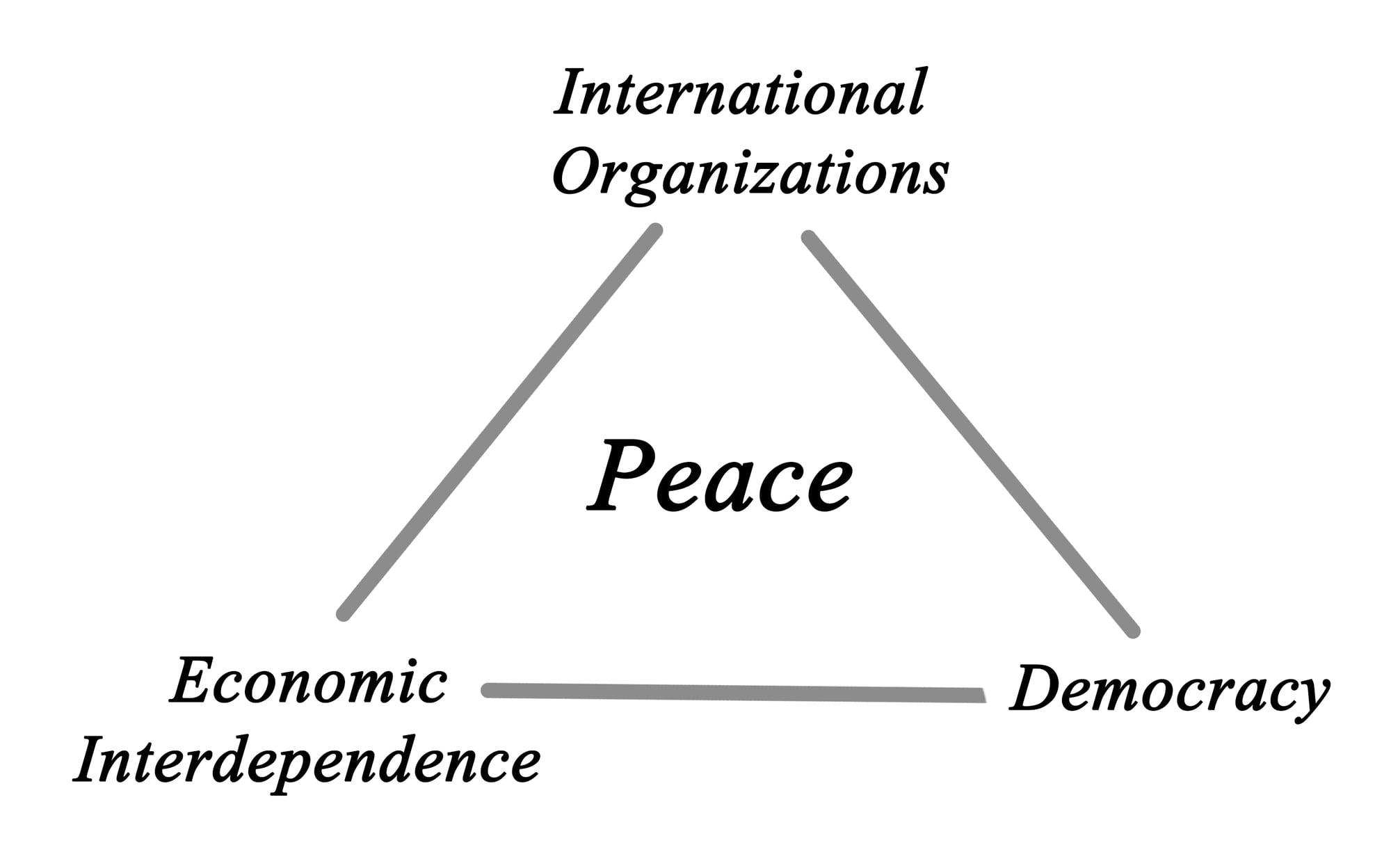
Ancient merchants from every continent were some of history’s best peacekeepers, creating trade relationships that made war economically devastating for everyone involved. When two civilizations depended on each other for essential goods like salt, metals, spices, or grain—military conflict became a form of economic catastrophe.
The Phoenicians built their entire civilization around this principle, becoming so essential to Mediterranean trade that attacking them meant attacking your own prosperity. Similarly, the trans-Saharan trade routes connected African kingdoms, while the Silk Road linked Asian empires through mutual economic benefit.
Religious Mediation

When human negotiators reached dead ends, ancient civilizations globally often turned to their priests and religious leaders to broker peace deals. These holy mediators brought moral authority that secular diplomats lacked—framing peace agreements as divine commands rather than political compromises.
Buddhist monks mediated disputes between Asian kingdoms, while Islamic scholars resolved conflicts across the Middle East and North Africa. Indigenous shamans and spiritual leaders played similar roles in the Americas and Australia.
Fighting became not just politically unwise but spiritually dangerous.
Like Go2Tutors’s content? Follow us on MSN.
Symbolic Gestures

Sometimes a single dramatic action could communicate more effectively than hours of negotiation. Ancient leaders across cultures understood the power of symbols—using them to signal peaceful intentions without appearing weak to their own people.
When Alexander the Great adopted Persian customs after conquering their empire, he sent a clear message that he sought integration rather than domination. Japanese daimyo would perform tea ceremonies with rivals, while African rulers exchanged sacred objects.
These gestures cost nothing yet communicated volumes about a leader’s true intentions.
Temporary Truces

Rather than demanding permanent peace, wise negotiators from various civilizations often started with short-term agreements that gave everyone time to cool down and reassess their positions. These breathing spaces allowed hot tempers to settle and economic pressures to build, making continued warfare seem increasingly pointless.
Ancient Indian kingdoms used monsoon seasons as natural ceasefire periods, while Mesoamerican cultures aligned truces with religious calendars. The principle remained universal: sometimes enemies just need permission to stop fighting for a while.
Face-Saving Compromises

Ancient negotiators worldwide understood that nobody wanted to look like a loser, so they crafted agreements that allowed both sides to claim victory. These face-saving measures were crucial because leaders who appeared weak after negotiations often faced rebellion from their own people.
The Treaty of Kadesh between Egypt and the Hittites was recorded differently in each empire’s archives, with both sides claiming they had forced the other to surrender. Similar diplomatic creativity appeared in Chinese, Japanese, and Incan records.
Truth mattered less than ensuring that both leaders could maintain their dignity.
Like Go2Tutors’s content? Follow us on MSN.
Gradual De-escalation

Instead of demanding immediate peace, skilled ancient negotiators from diverse cultures often implemented step-by-step processes that gradually reduced tensions over time. These approaches recognized that moving from war to peace required careful choreography, with each side taking small steps backward from the brink.
Roman diplomats excelled at this gradual approach, creating buffer zones and neutral territories that slowly expanded until former enemies found themselves living peacefully side by side. Similar strategies emerged independently in ancient China, India, and pre-Columbian Americas.
Elite Personal Relationships

Ancient leaders across continents discovered that personal friendships between ruling families could prevent wars even when their nations were at odds. These relationships, often built through shared education, hunting expeditions, or religious ceremonies, created human connections that transcended political differences.
When kings had grown up together or shared personal tragedies, declaring war became a betrayal of friendship as much as a political decision. This pattern appeared in royal courts from Europe to Japan, from African kingdoms to Aztec nobility.
The bonds forged in youth often proved stronger than the pressures of imperial ambition.
Economic Compensation

Rather than fighting over disputed territories or resources, ancient negotiators from various cultures sometimes found that paying compensation could resolve conflicts more efficiently than warfare. These payments weren’t admissions of guilt but practical acknowledgments that peace was more valuable than pride.
The Anglo-Saxon concept of ‘weregild’ applied this principle to personal conflicts, establishing fixed prices for different types of harm that prevented blood feuds from escalating into community-wide warfare. Similar compensation systems existed in ancient Japan, various African societies, and among Pacific Island cultures.
Like Go2Tutors’s content? Follow us on MSN.
Ritual Combat

When tensions absolutely had to be resolved through violence, ancient civilizations worldwide often channeled that aggression into controlled ritual combat between champions rather than full-scale warfare. David’s fight with Goliath represents this tradition perfectly—two armies agreeing that their dispute could be settled by watching their best warriors duke it out.
Aztec cultures formalized this in their ‘flower wars,’ while various African societies held ritual duels between tribal champions. Pacific Islander cultures resolved disputes through competitive feats of strength.
These arranged fights satisfy everyone’s need to see strength demonstrated while avoiding the massive casualties and economic disruption of actual war.
Wisdom That Still Echoes Today
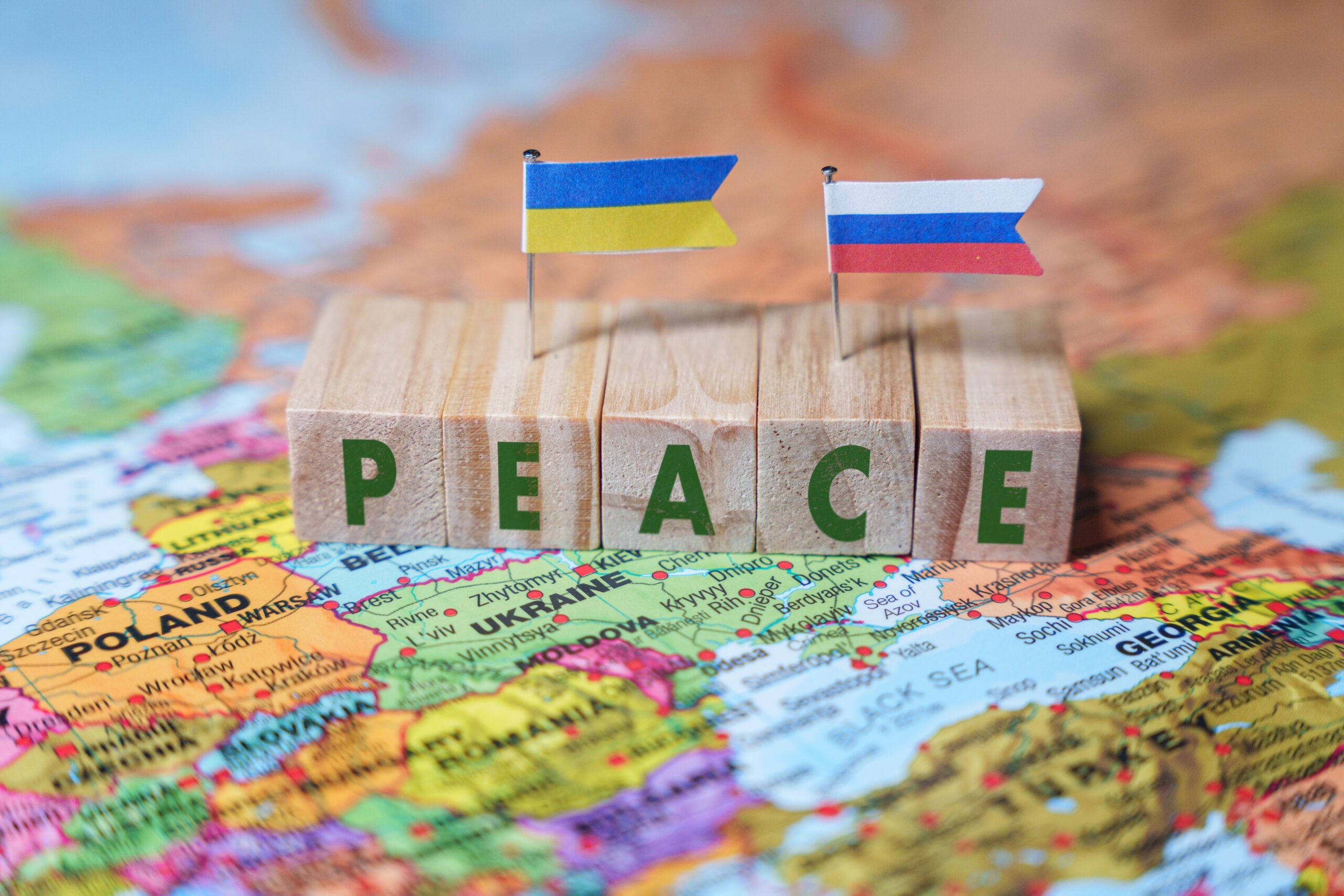
These ancient strategies from civilizations across the globe reveal something profound about human nature—the desire for conflict often masks deeper needs for respect, security, and recognition. Modern diplomats still use many of these same techniques, from cultural exchanges to economic partnerships, because the fundamental psychology of negotiation transcends cultural boundaries and hasn’t changed much over thousands of years.
The leaders who prevented wars weren’t necessarily the strongest or smartest; they were the ones who understood that everyone needs a way to win, even when they’re ready to lose everything. Perhaps most importantly, they recognized that the true victory wasn’t defeating your enemy but turning them into an ally.
More from Go2Tutors!

- 18 Unexpectedly Valuable Collectibles You Might Have Lying Around
- 20 Little-Known Historical Battles That Had Huge Consequences
- 20 Historical Artifacts That Scientists Can’t Explain
- 15 Inventions That Were Immediately Banned After Being Created
- 20 Actors Who Were Almost Cast in Iconic Roles
Like Go2Tutors’s content? Follow us on MSN.