Old Train Lines That Shaped Entire Communities
Before planes and highways took over, the world moved to the steady rhythm of the rails. A single line of steel could transform a landscape—sparking towns into existence, feeding ports, and connecting lives that once felt impossibly distant. Some of those old train routes have vanished into history, but their influence lingers in the towns, traditions, and memories they left behind. Here’s a list of train lines that didn’t just carry passengers—they built communities.
The Transcontinental Railroad – United States
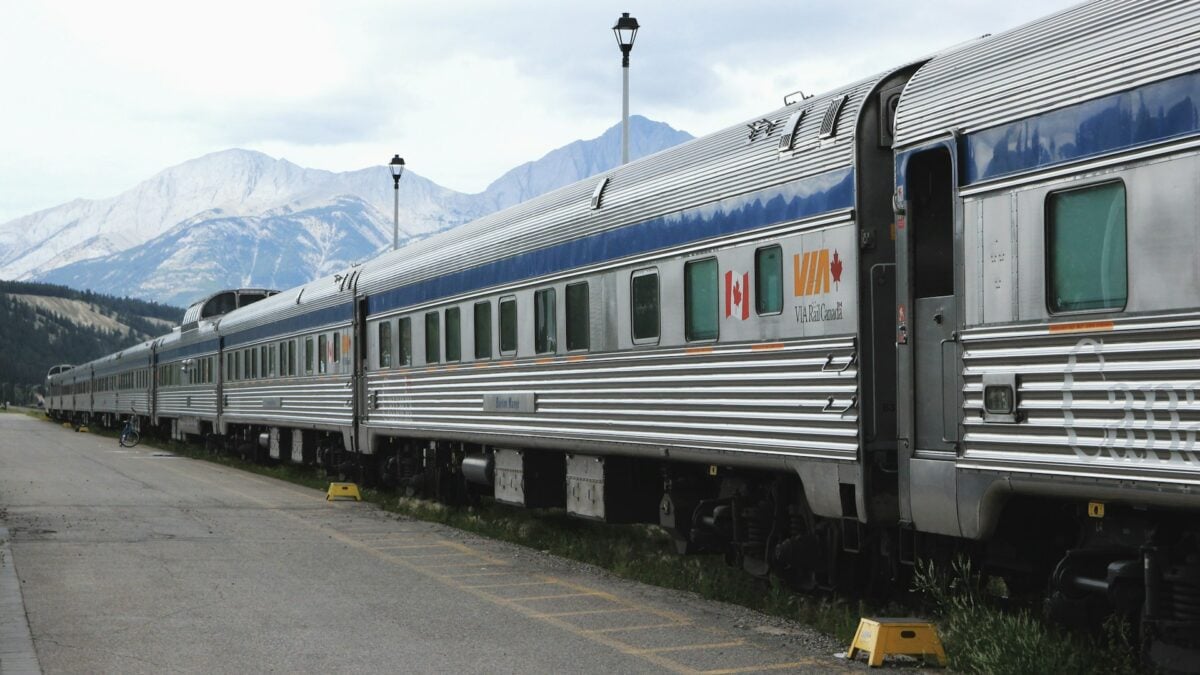
When the final spike was hammered in 1869, the Transcontinental Railroad stitched a nation together. It turned isolated outposts into thriving towns, pulled trade across thousands of miles, and shrank the country to a size people could finally imagine traveling.
But it wasn’t all progress and pride. The tracks cut through Native lands, reshaped ecosystems, and redrew the social map of the West. Expansion can be thrilling—and brutal in equal measure.
The Great Western Railway – England
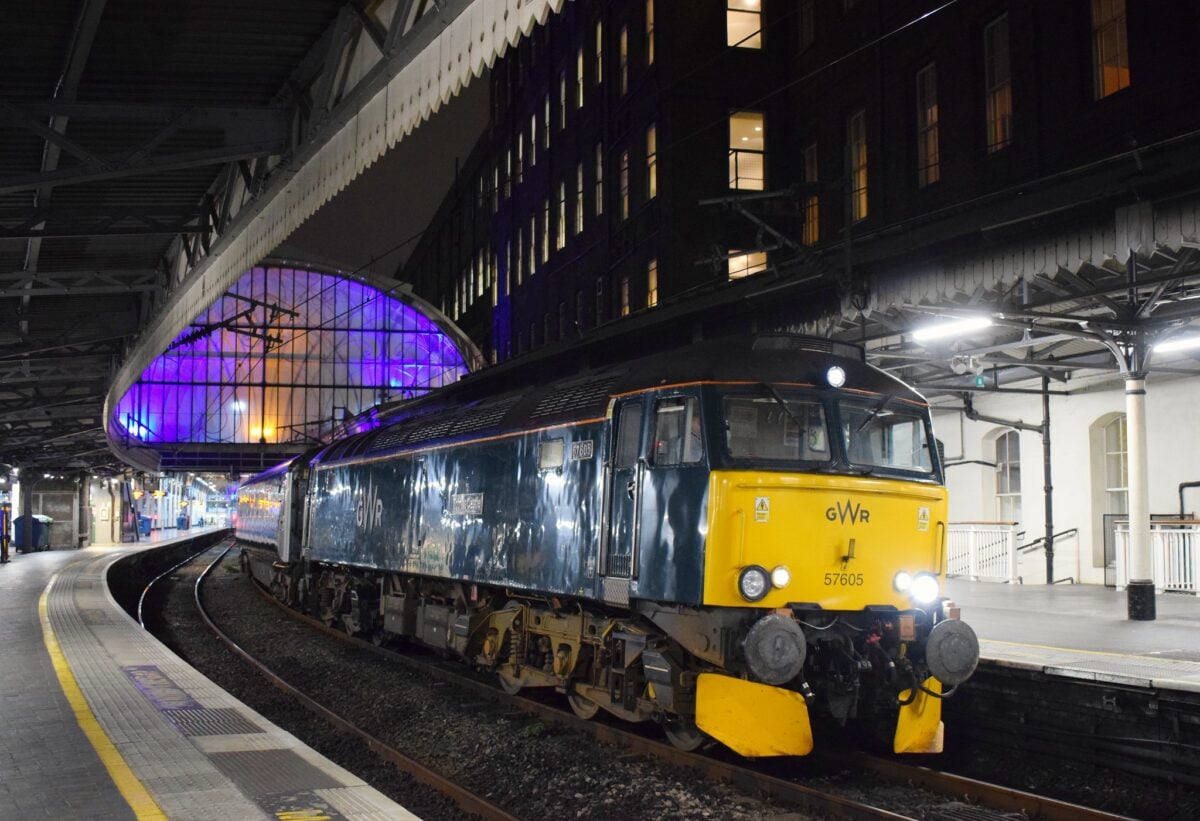
Brunel’s masterpiece was more than a line—it was a statement. Stretching from London to Bristol, the Great Western Railway married grace and engineering genius, all gentle gradients and sweeping bridges.
It gave once-sleepy villages new lives as commuter hubs and commercial centers. Even now, a few of those old stations wear their Victorian bones proudly, polished and slightly stubborn, as if refusing to age.
Like Go2Tutors’s content? Follow us on MSN.
The Canadian Pacific Railway – Canada
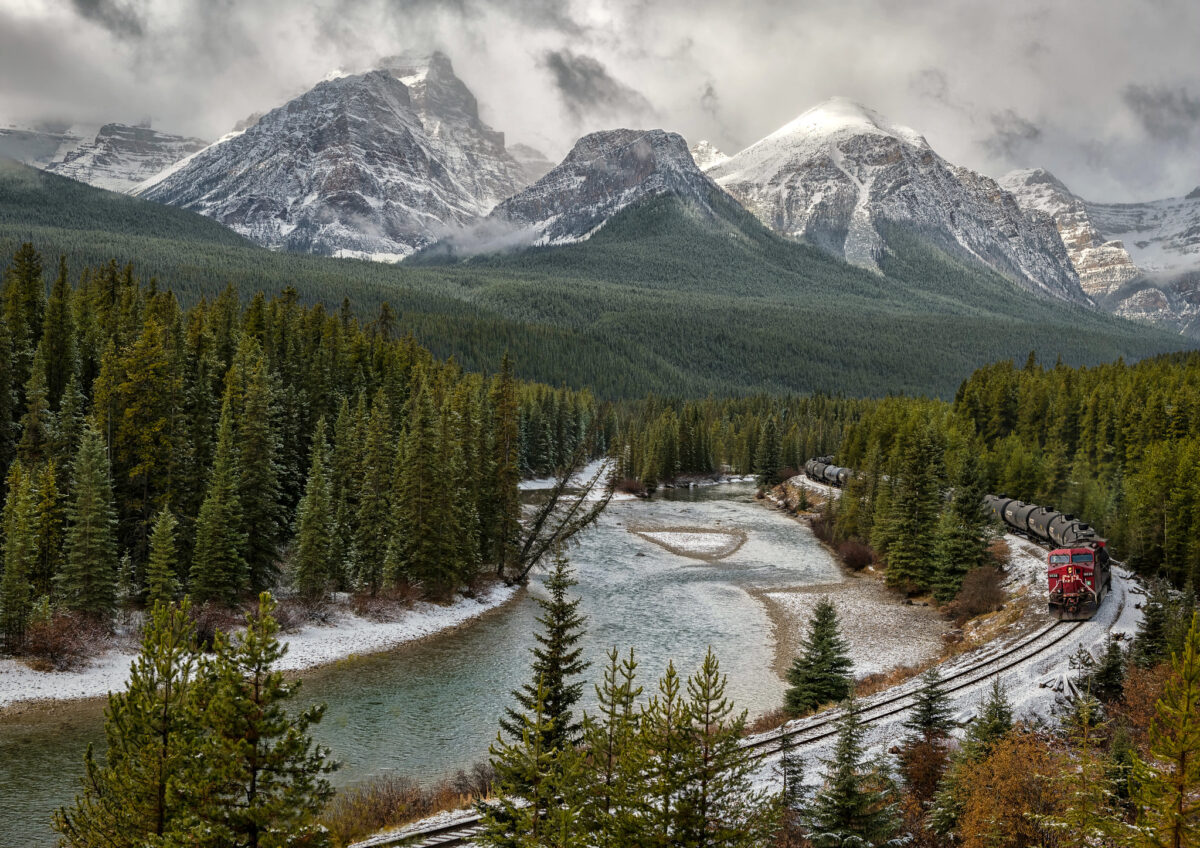
Canada’s spine of steel. The Canadian Pacific linked the east to the wild west, crossing prairies, rivers, and the endless cold. It was backbreaking work—avalanches, dynamite blasts, long winters that swallowed men whole.
Still, it birthed settlements across the map. Farms, towns, and supply posts grew wherever the trains stopped. The country that emerged afterward was shaped not just by policy, but by the rhythm of locomotives rolling across a frozen frontier.
The Blue Train Line – South Africa
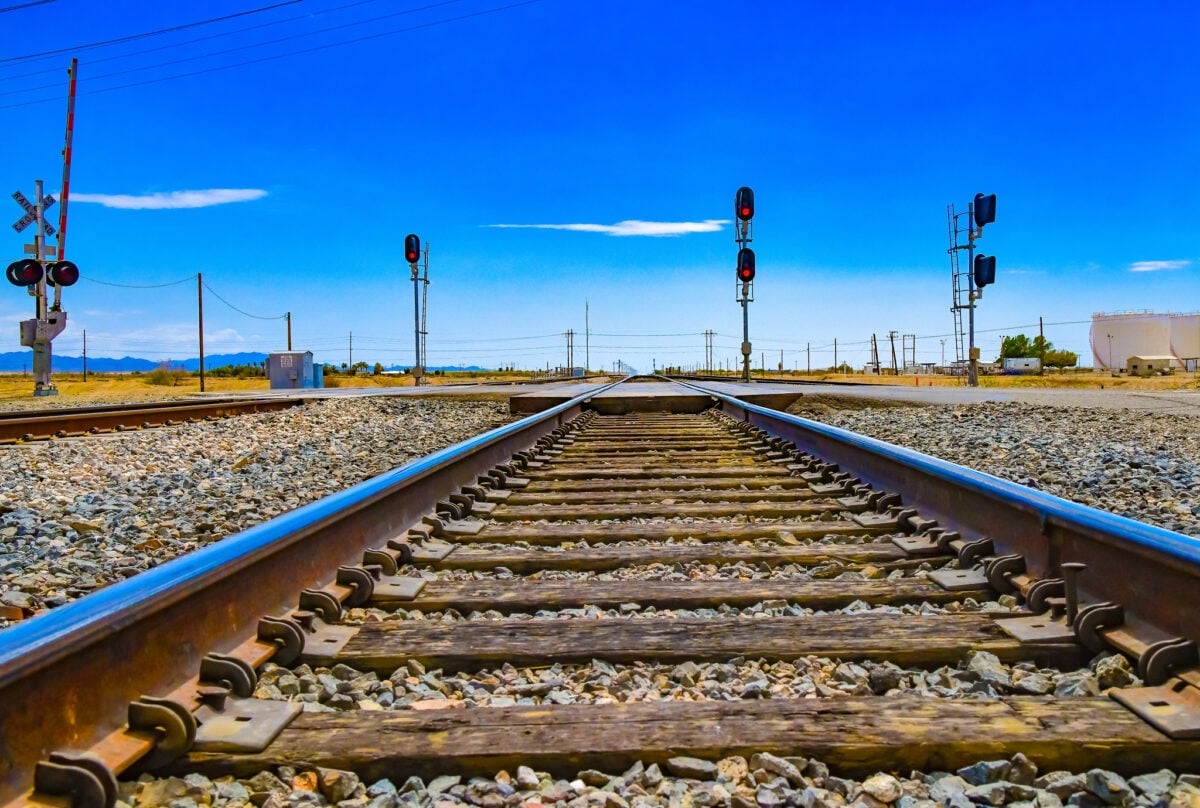
Luxury on rails. The Blue Train carried travelers from Pretoria to Cape Town in a world of crystal, linen, and slow-moving landscapes. For some, it was romance in motion; for others, an artery of trade and possibility.
Mining towns flourished along its path, while remote communities found a lifeline to ports and cities. You can almost imagine the scent of Karoo dust mixing with fine dining—progress and polish in the same carriage.
The Orient Express – Europe
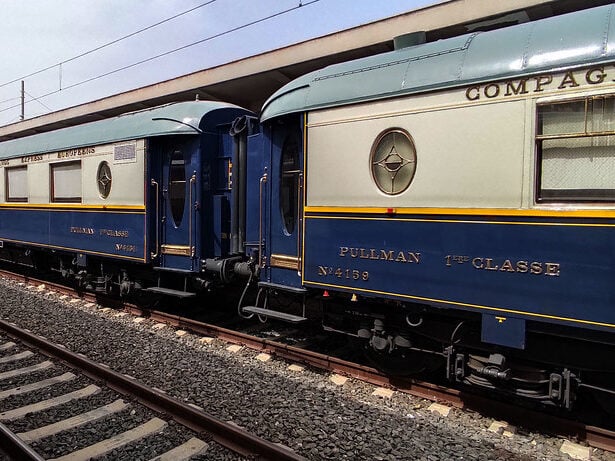
Few lines inspired so much imagination. The Orient Express wove through Europe from Paris to Istanbul, bridging languages, politics, and intrigue.
Nobles, diplomats, and spies shared carriages that felt like rolling theatres. But beyond the velvet curtains and scandals, it also opened routes for everyday travelers—traders, workers, dreamers heading east.
Part myth, part marvel. And every whistle sounded like a promise.
Like Go2Tutors’s content? Follow us on MSN.
The Darjeeling Himalayan Railway – India
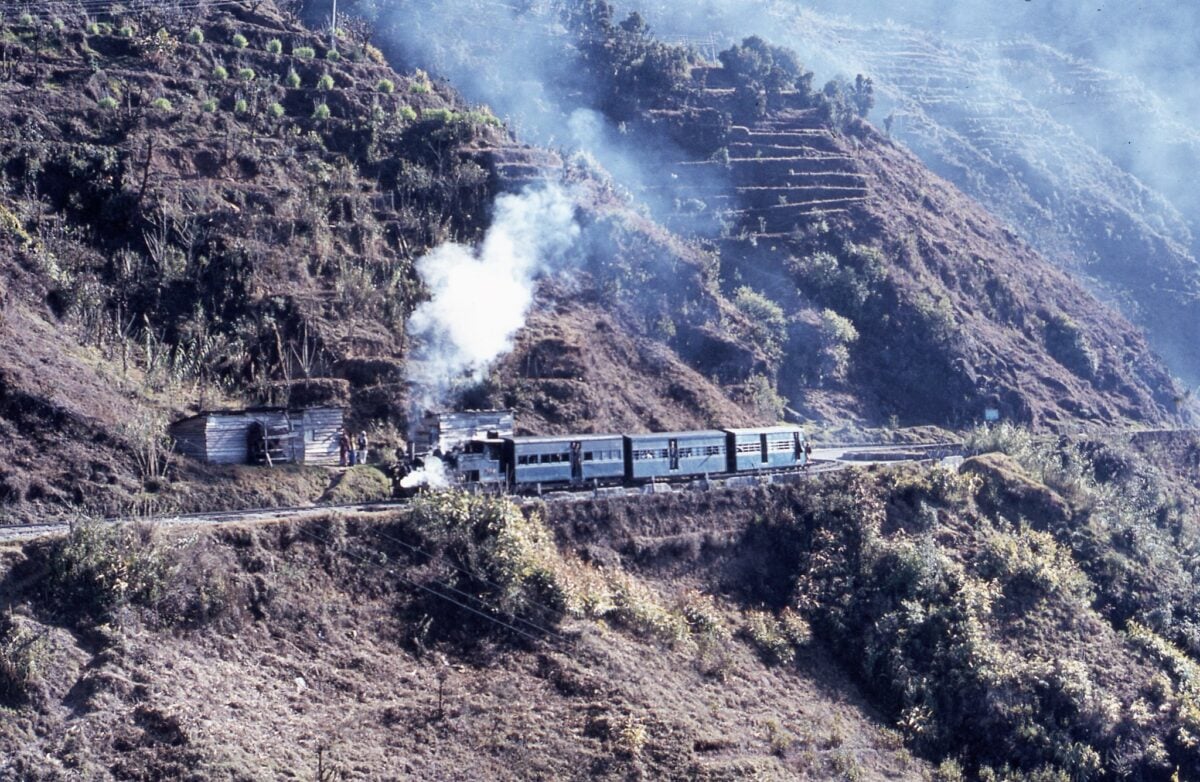
Built in the 1880s, this narrow-gauge marvel wound through misty hills and tea gardens. Tiny locomotives huffed up impossible gradients, linking Siliguri with the cool air of Darjeeling.
Life bloomed beside the tracks. Workers, merchants, and tea traders settled near stations that soon became towns. And on some mornings, the scent of chai still mingles with the hiss of steam—a quiet echo of its beginnings.
The Trans-Siberian Railway – Russia
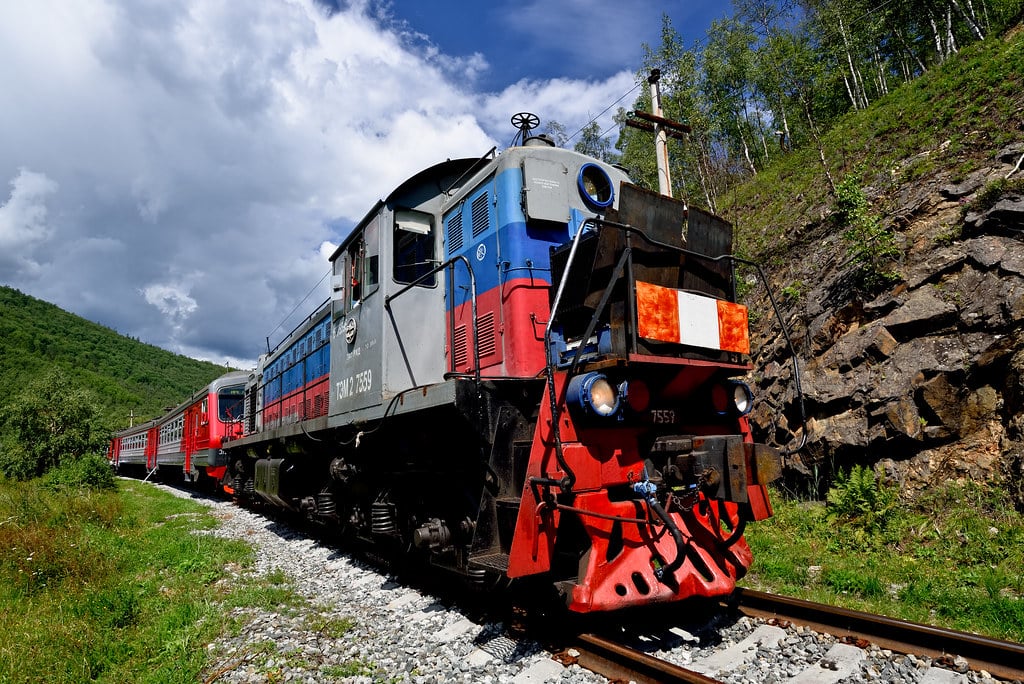
Almost impossibly long. Nearly 6,000 miles of steel stretching from Moscow to Vladivostok, cutting across forests, rivers, and frozen plains. The Trans-Siberian was both audacious and necessary—a country’s nervous system laid in iron.
Entire settlements sprouted along its route. Shops, schools, families—civilization following the tracks like a shadow. For travelers, it remains part journey, part meditation. The hum of the wheels becomes a kind of heartbeat.
The Union Pacific Line – United States
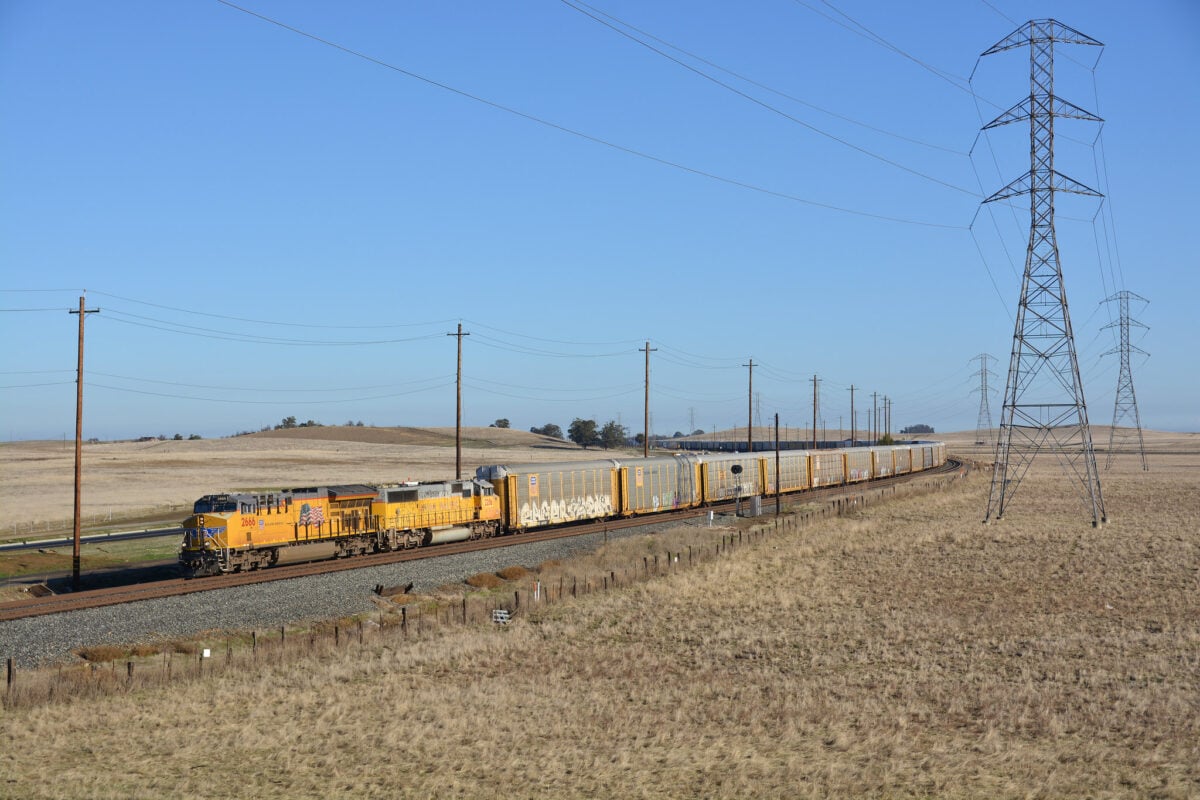
It began as a westward dream and ended up defining the American frontier. The Union Pacific pushed across plains and mountains, meeting the Central Pacific in Utah to complete the country’s great link.
Everywhere the line went, industry followed—timber, grain, cattle, gold. Even towns that vanished later left traces: street grids, empty depots, names that only maps remember.
Like Go2Tutors’s content? Follow us on MSN.
The Glasgow and South Western Railway – Scotland
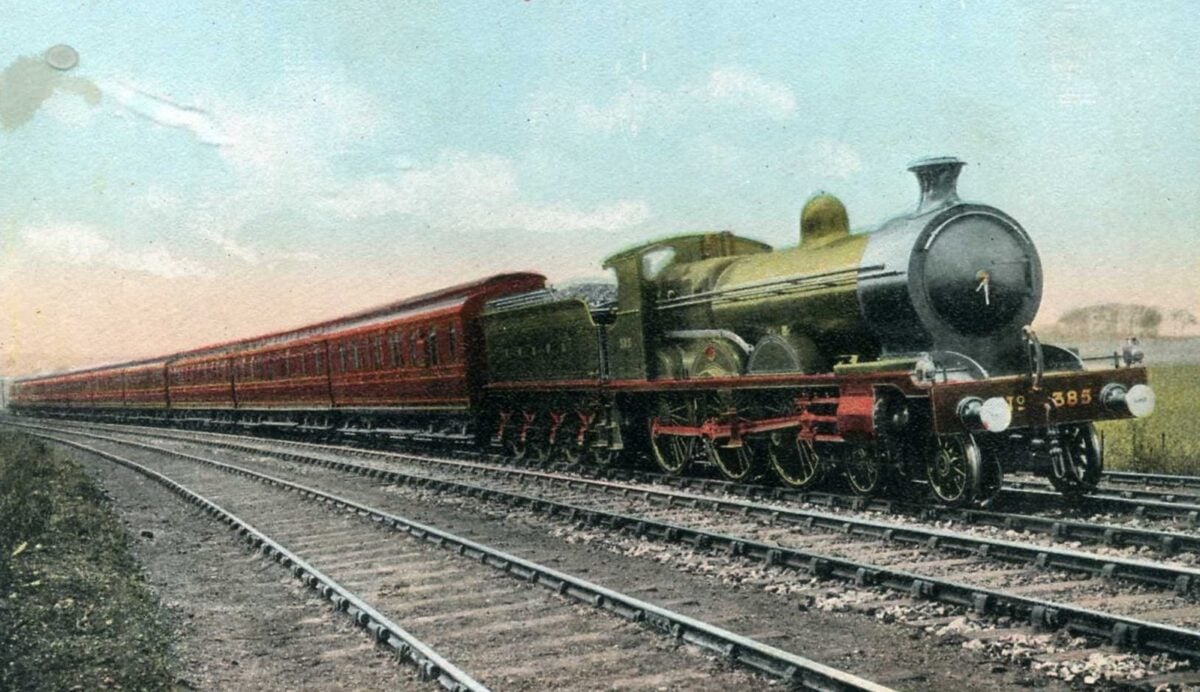
Fog, rain, and iron. This network connected Scotland’s industrial heartlands, carrying coal and cotton from the mills to the ports.
But more than freight, it carried identity—binding rural villages to the roar of modern life. Even now, the stations feel heavy with history.
On damp mornings, the scent of metal and soot still hangs faintly in the air. Proof that progress never fully fades.
The Burma Railway – Thailand–Myanmar
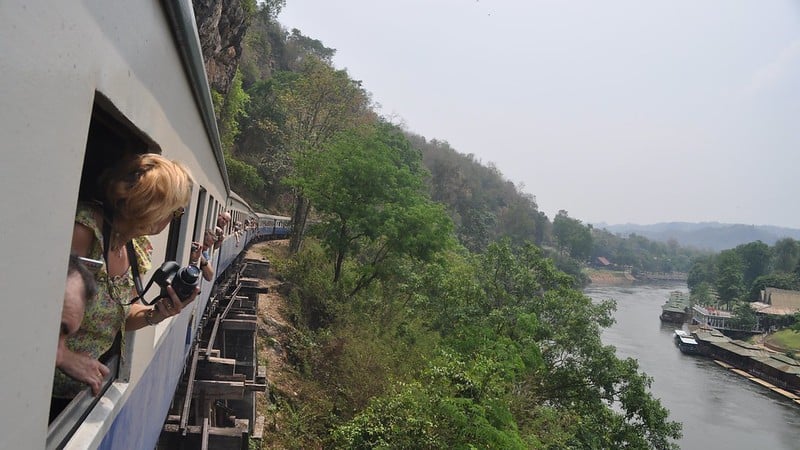
Born of war, built on suffering. The Burma Railway—constructed by prisoners of war under Japanese command—came at a terrible human cost. Thousands perished in its making.
Yet time softened the scars. The communities nearby rebuilt and turned their memory into something enduring: a symbol of strength. The bridge over the River Kwai still stands, not as triumph, but as remembrance.
Echoes Along the Tracks
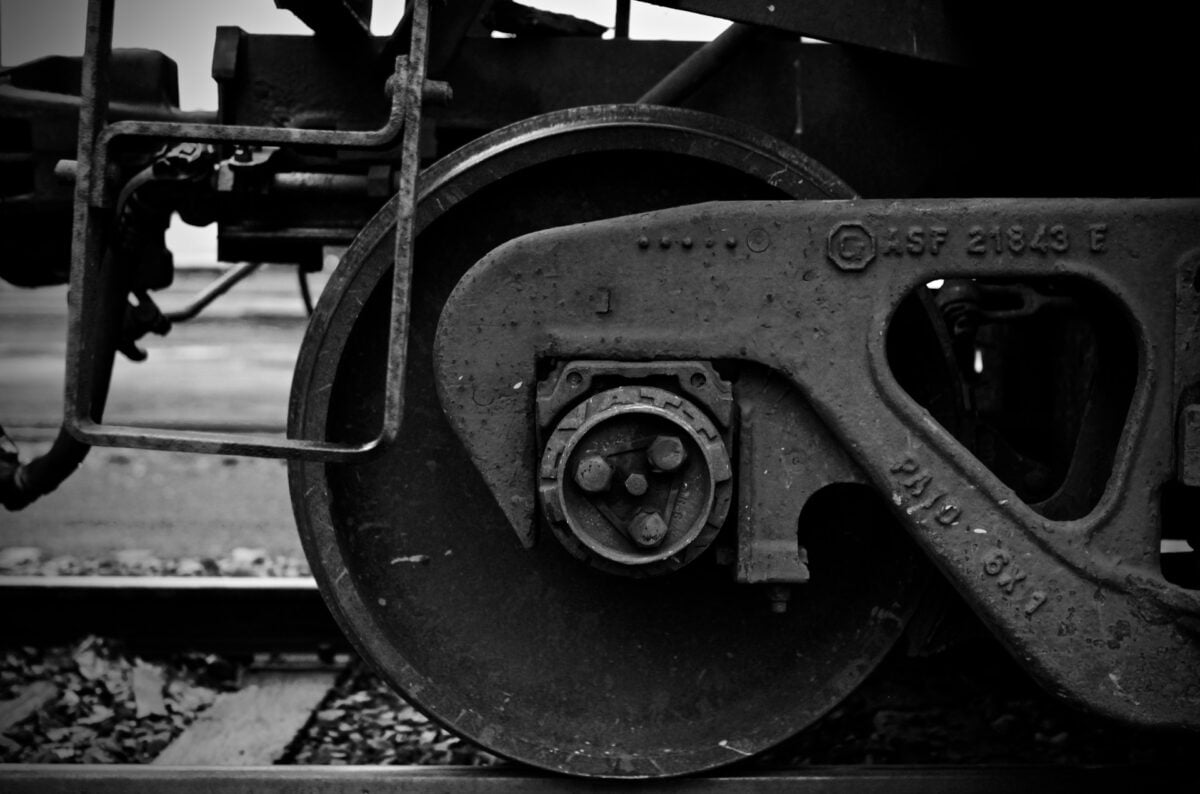
Steel rusts, but stories don’t. These old railways built more than economies—they built belonging. Even where the lines are gone, their ghosts linger in place names, habits, and the steady rhythm of human connection. Some tracks simply never stop running.
More from Go2Tutors!

- 16 Historical Figures Who Were Nothing Like You Think
- 12 Things Sold in the 80s That Are Now Illegal
- 15 VHS Tapes That Could Be Worth Thousands
- 17 Historical “What Ifs” That Would Have Changed Everything
- 18 TV Shows That Vanished Without a Finale
Like Go2Tutors’s content? Follow us on MSN.