Why Comic Books Defined Youth in Postwar America
After World War II, America was changing fast. Families were growing, suburbs were spreading, and kids had more free time than ever before. With radio fading and TV still new, comic books became a go-to source of fun.
They were cheap, colorful, and easy to read — the perfect escape for young minds. They weren’t just entertainment either.
These small, stapled pages helped shape what kids thought, dreamed about, and even feared.
They were affordable for everyone
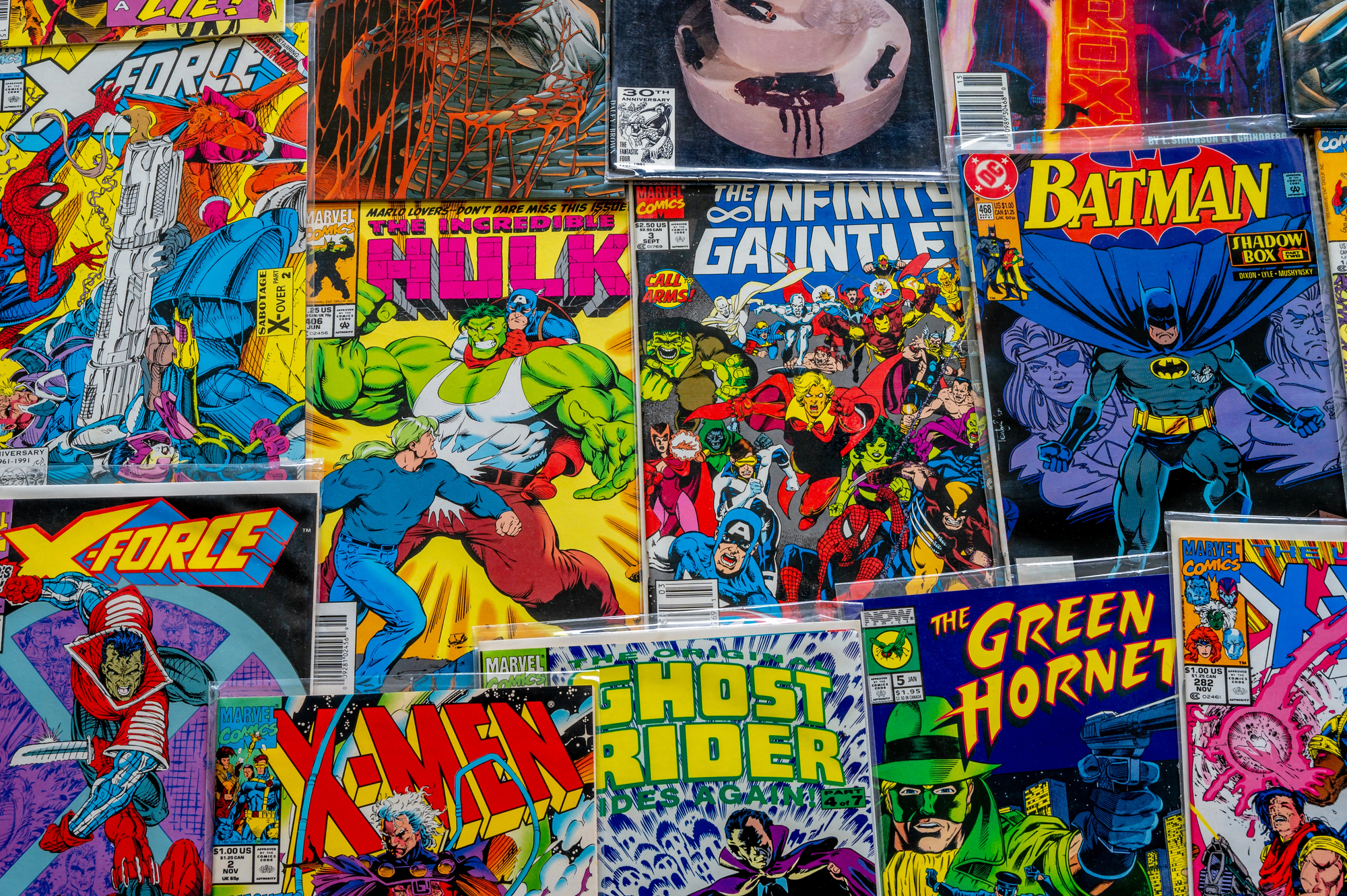
In the 1940s and 50s, a comic book cost about ten cents. That made it easy for kids to buy one with spare change from chores or lunch money.
They didn’t need permission or a trip to the store with their parents. For many, it was the first thing they bought on their own. That small price made a big impact.
Art pulled kids in
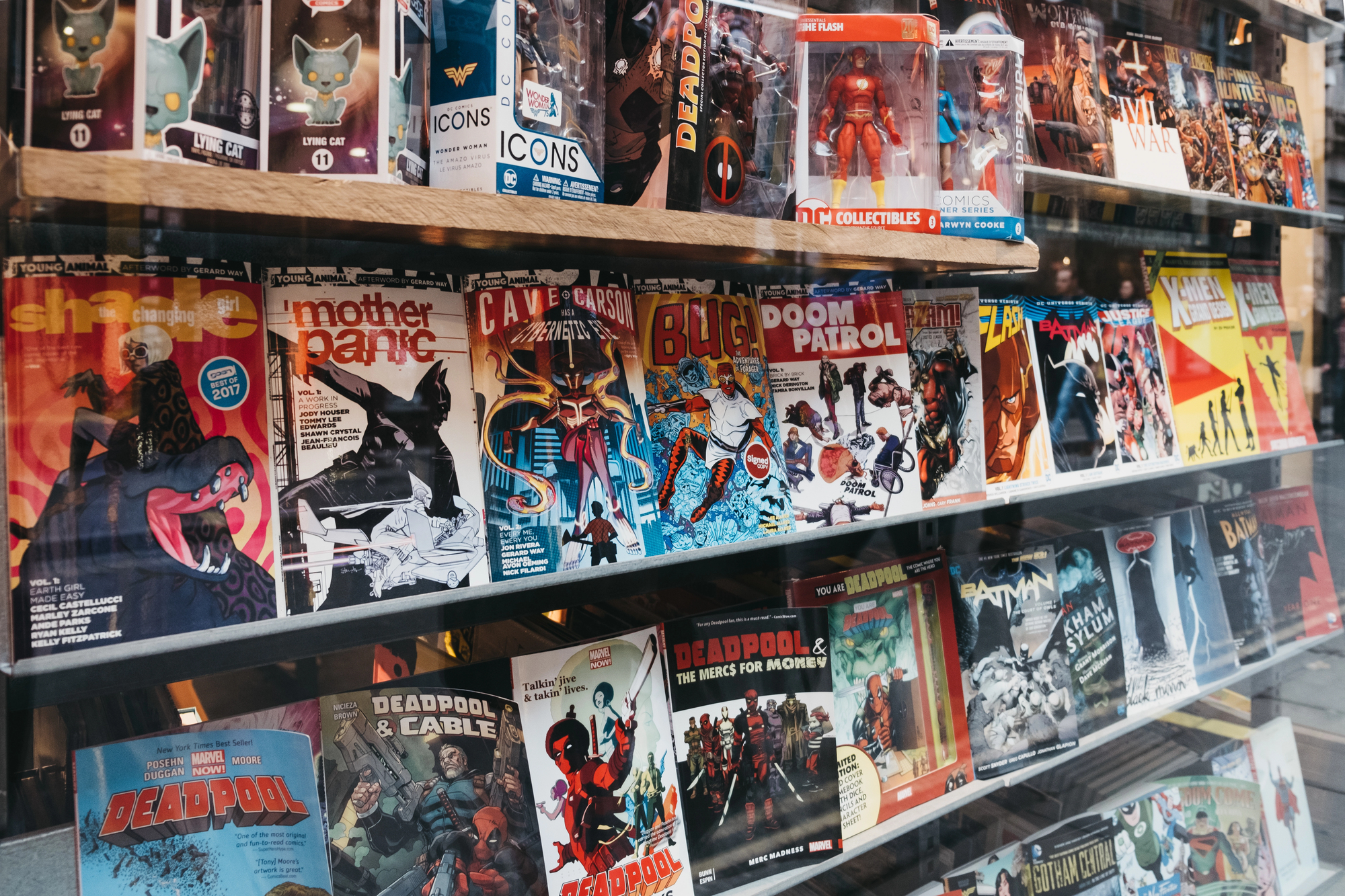
The bright colors and bold drawings made comics stand out. Long before screens filled homes, comics brought action to life through hand-drawn panels.
Characters leaped off the page. Even kids who didn’t love reading still flipped through them for the pictures. It was entertainment you could hold.
Like Go2Tutors’s content? Follow us on MSN.
Stories felt bigger than life
Comic book stories weren’t boring or slow. They had heroes, villains, aliens, monsters, and explosions — all in just a few pages.
Whether it was Superman flying through the sky or a cowboy in a gunfight, the action moved fast. Kids stayed glued to every panel. It felt exciting and alive.
Superheroes gave kids someone to believe in
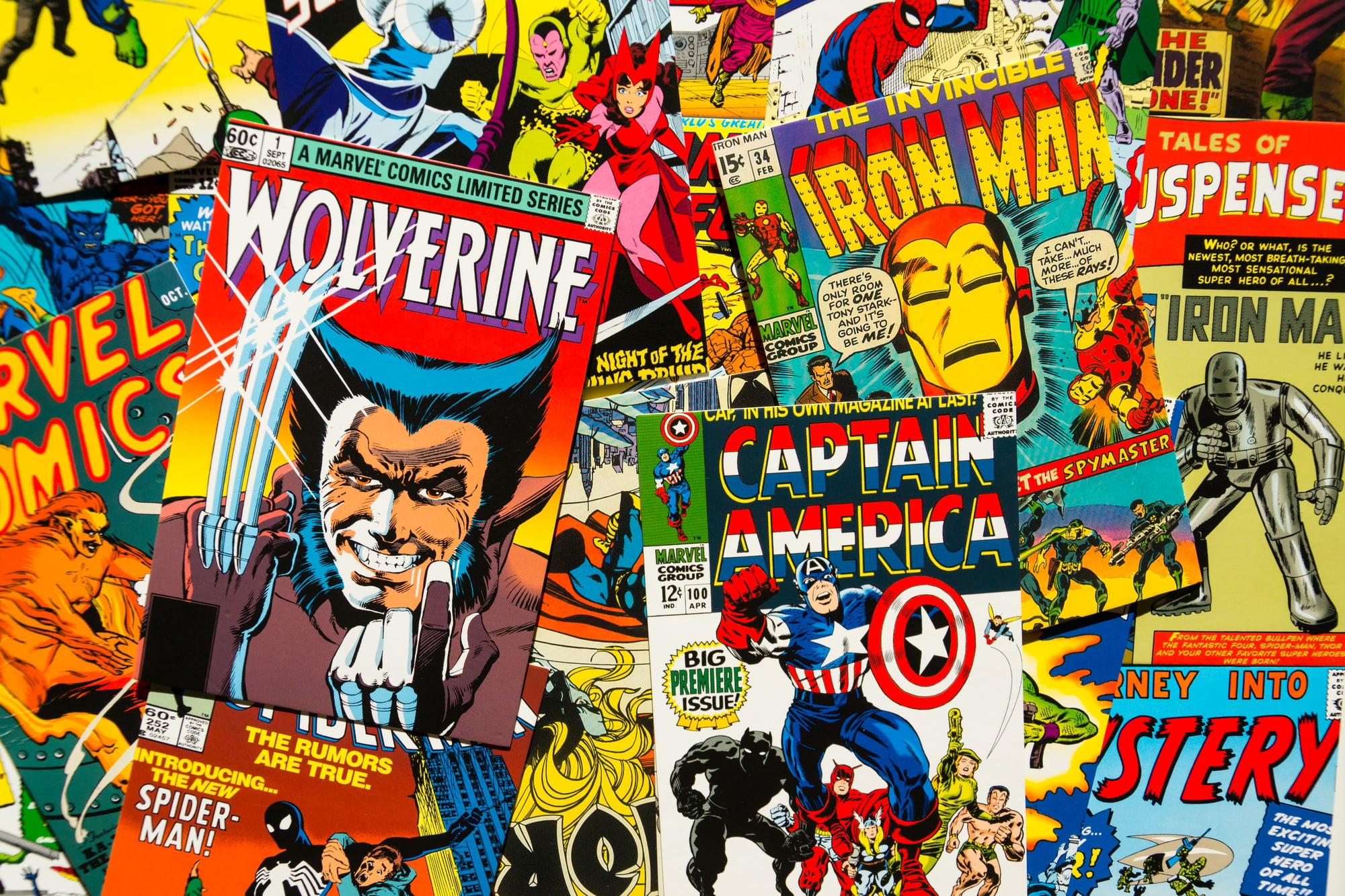
After the war, kids looked up to strong, brave characters. Superheroes like Captain America and Wonder Woman showed them that good could win.
These heroes stood up for the weak and fought against evil. They weren’t just tough — they were kind and fair too. That message stuck with a lot of young readers.
They offered a way to escape real life
Life after the war wasn’t always easy. Some families struggled with money or stress.
Comics gave kids a break from those worries. Just 10 minutes with a comic could transport them to another world. That quick escape meant a lot.
Like Go2Tutors’s content? Follow us on MSN.
Genres reached every type of kid
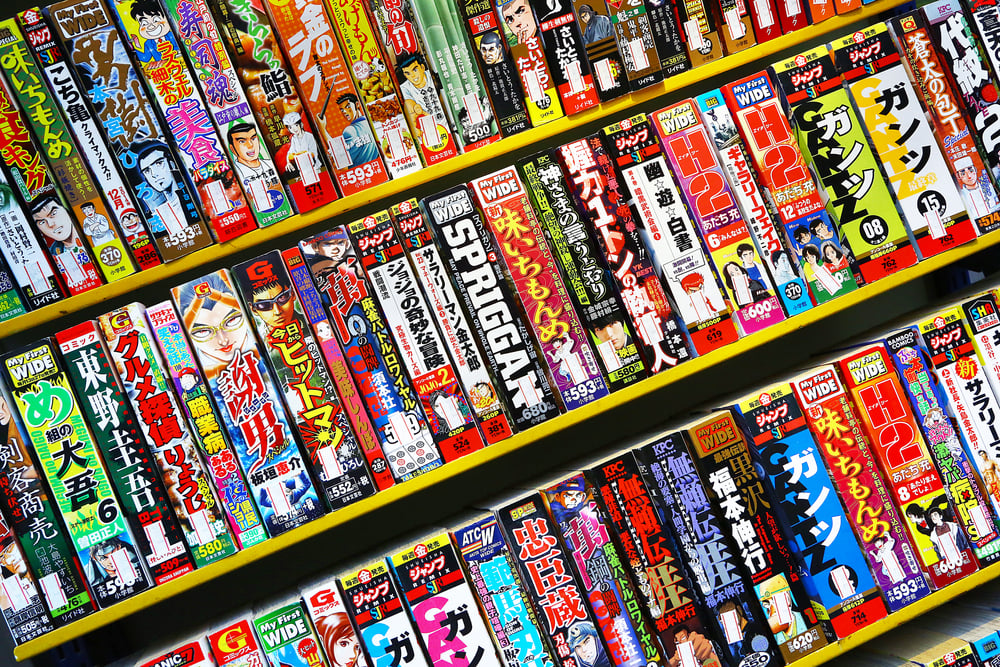
Not every kid wanted superheroes, and comic books knew that. There were war stories, westerns, science fiction, horror, romance, and detective tales.
No matter what a child liked, there was a comic for it. That variety helped comics grow even more popular. It made reading feel personal.
They sparked imagination
Reading comics got kids thinking. They made up their own stories, drew their own characters, and even acted out scenes with friends.
The pictures helped them picture things in their heads. In a time before video games or the internet, comics kept creativity alive.
They were easy to trade and share
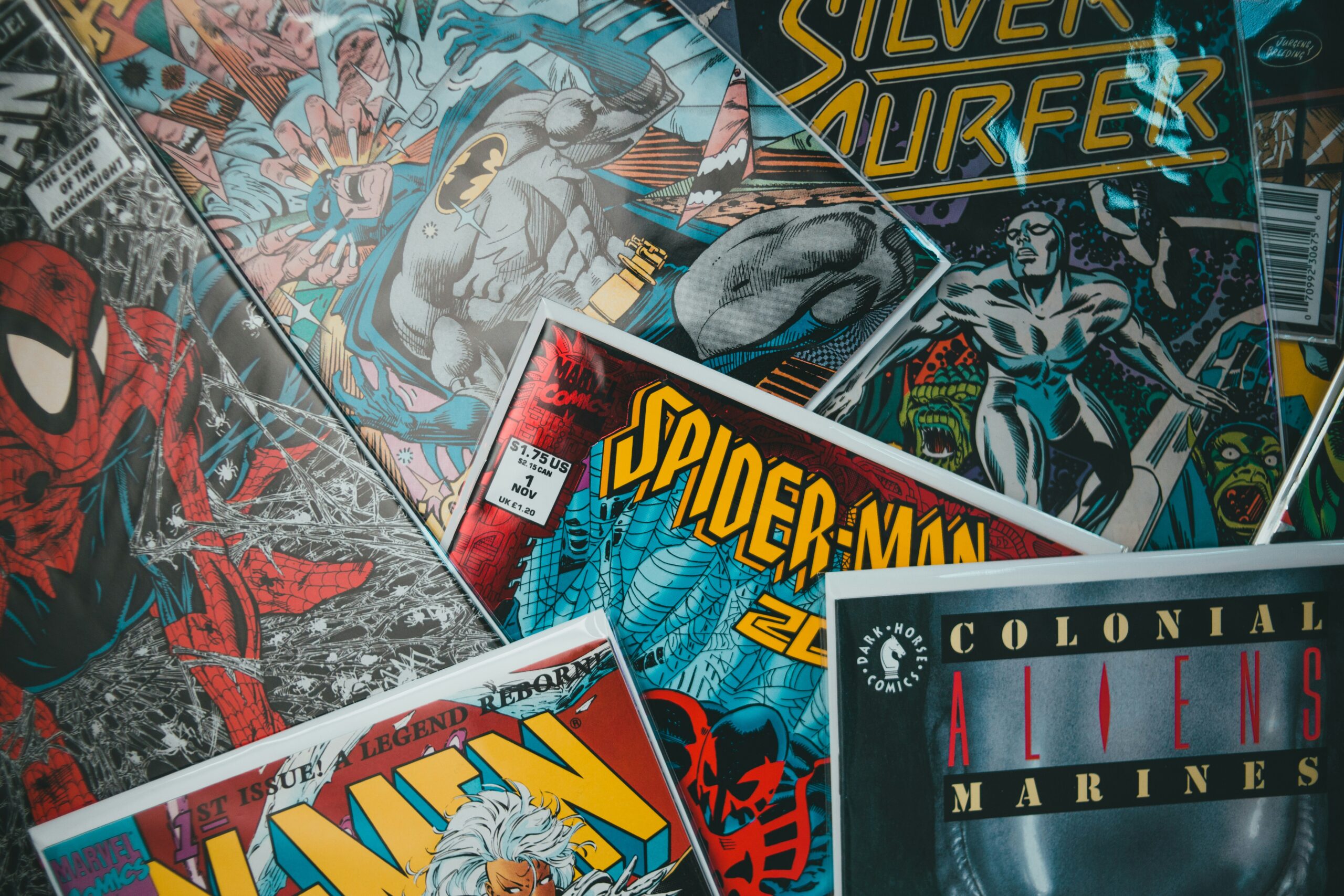
Comics didn’t stay with one kid for long. Friends swapped them on the playground, in neighborhoods, or at school.
One comic could be read by ten different kids. That sharing helped spread stories faster than any ad could. It also built little reading communities.
Like Go2Tutors’s content? Follow us on MSN.
They connected kids to the world
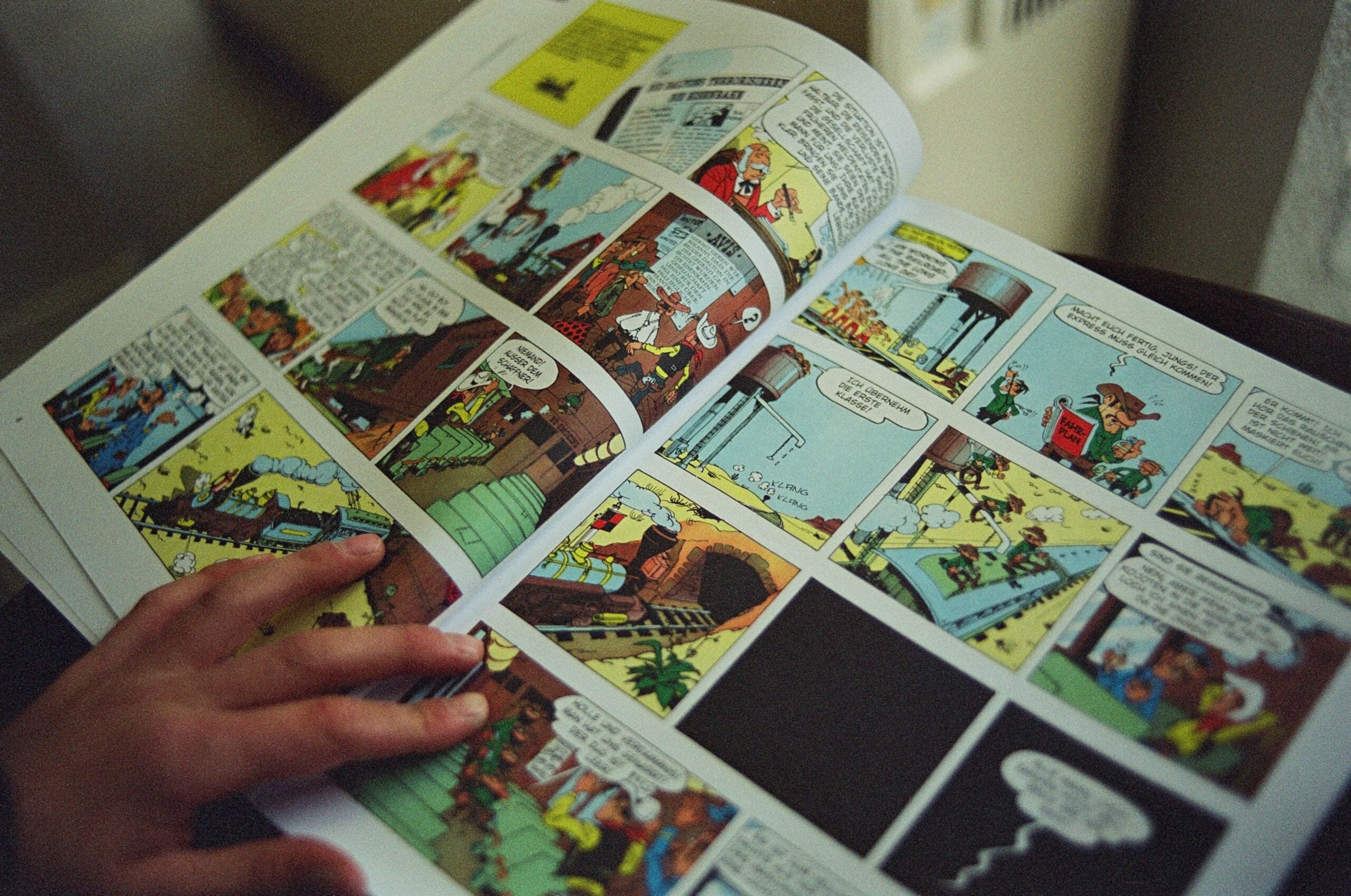
Comics didn’t just tell made-up stories. Some included news bits, short facts, or war updates.
Others taught lessons through characters’ choices. Without sounding like school, comics gave kids little pieces of the wider world.
That mix of fun and learning helped shape young minds.
They filled the gap between picture books and novels
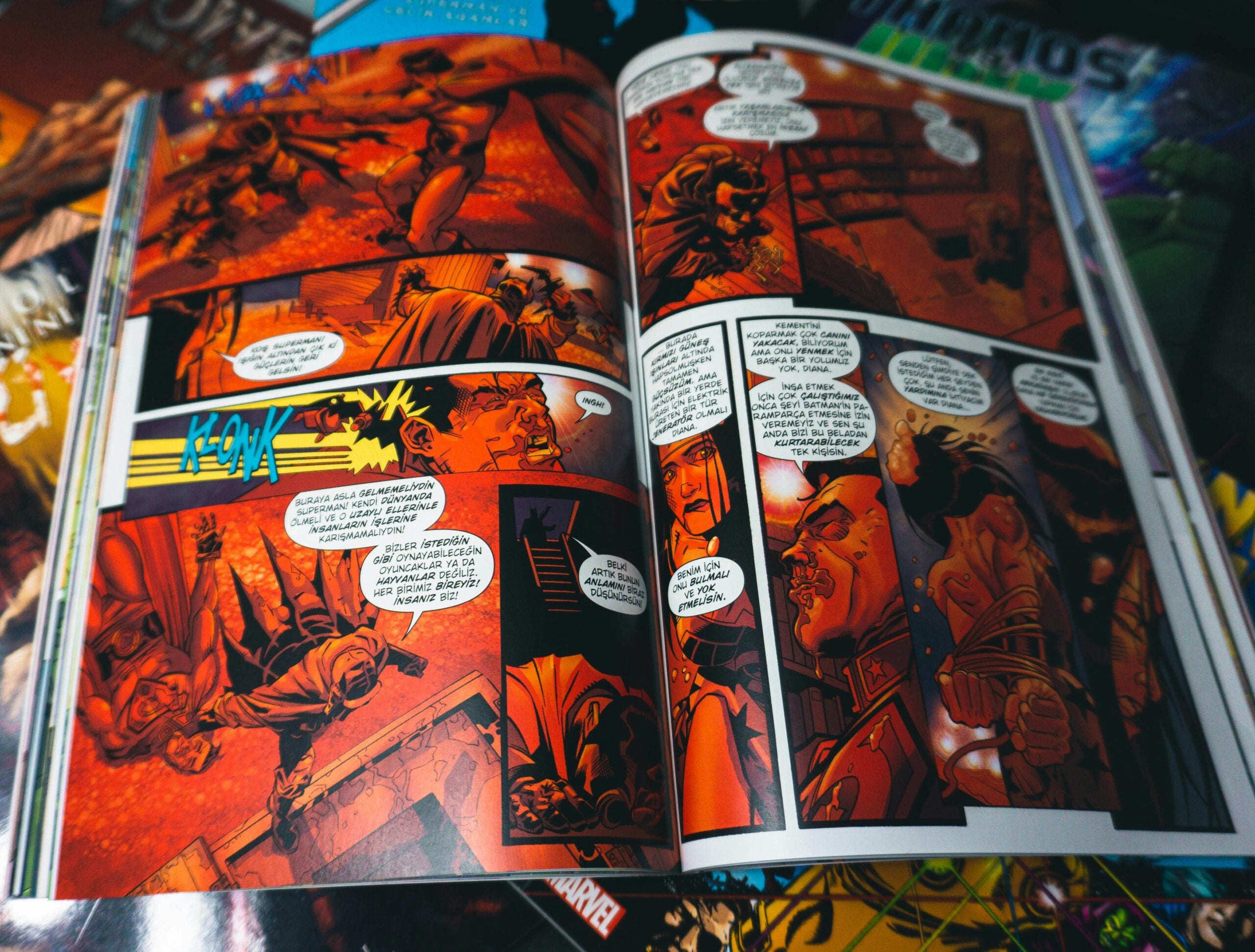
For many kids, comics were a step up from picture books but not as heavy as full novels. They kept the excitement of images but added more reading.
That helped build reading habits early. For some, it was the only reading they enjoyed.
Libraries and teachers didn’t always approve
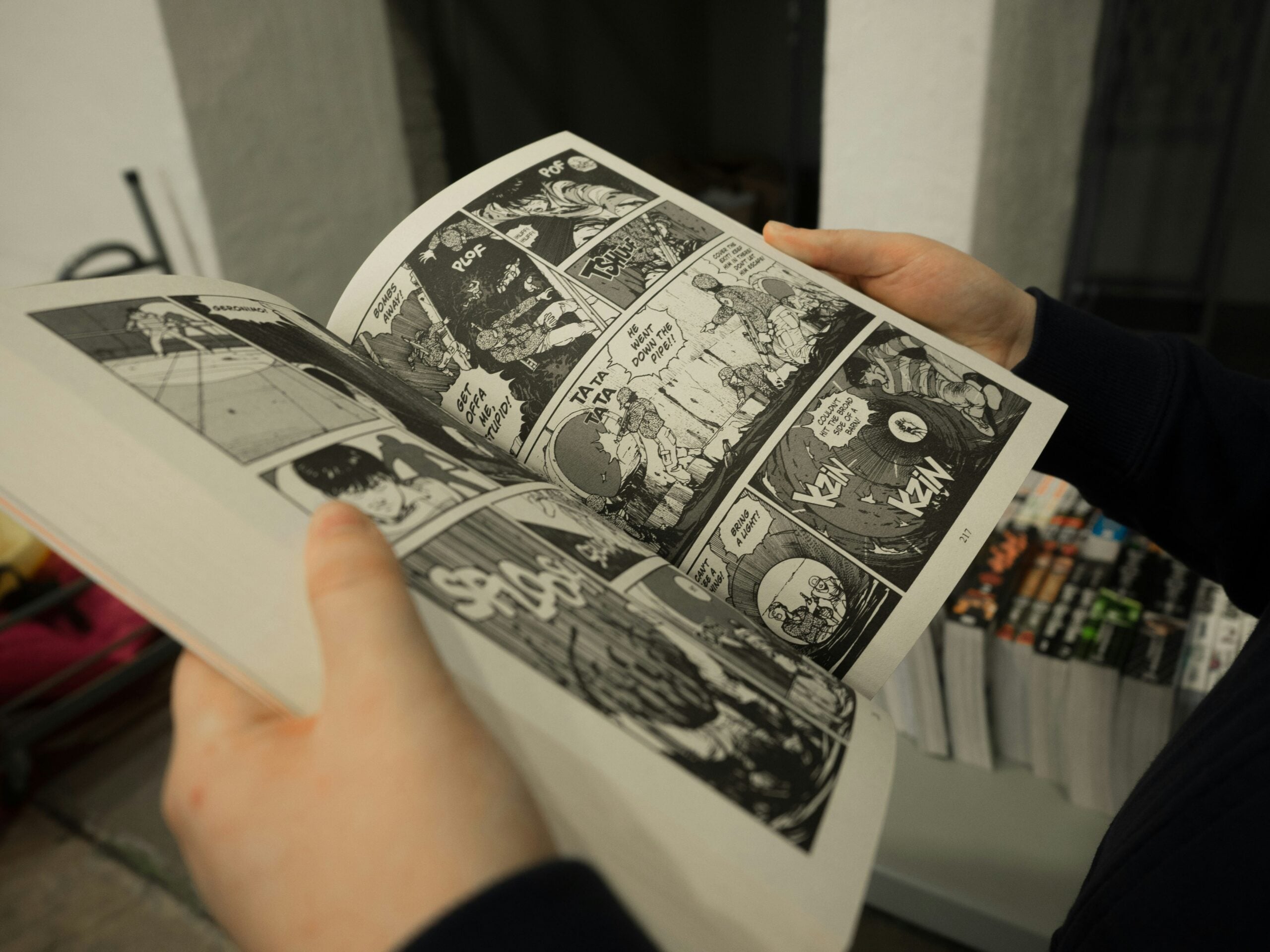
Even though kids loved them, many adults didn’t. Teachers and librarians thought comics were junk or a bad influence.
That made kids want them even more. It turned comic reading into a small act of rebellion.
For young readers, that added thrill made it even more fun.
Like Go2Tutors’s content? Follow us on MSN.
They reflected real fears and hopes
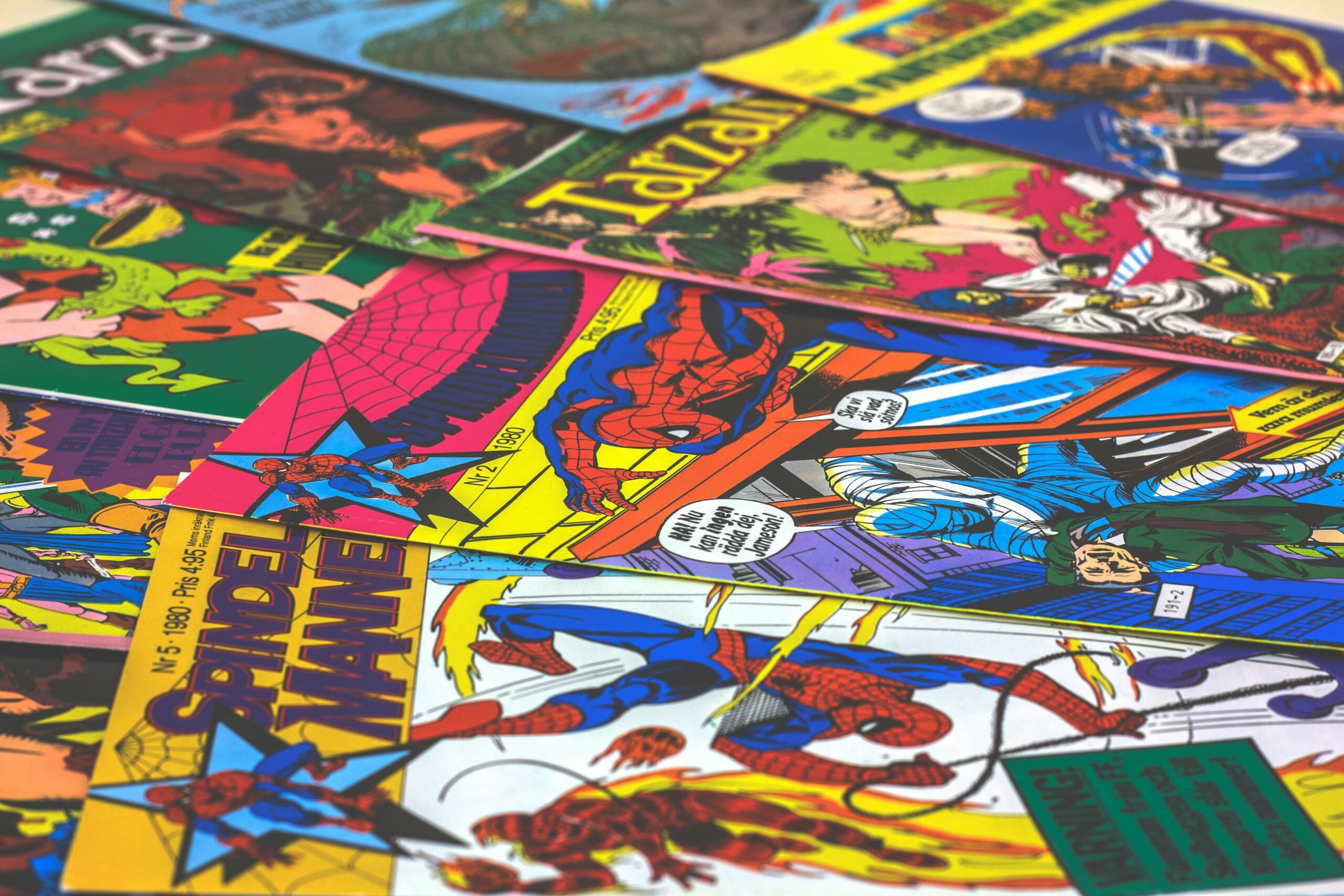
Comics didn’t ignore what was happening in the world. Some tackled war, crime, and science fears in ways kids could understand.
Others showed hope — like peace, fairness, or standing up to bullies. Those stories stuck because they felt close to home. They helped kids make sense of things.
Soldiers brought comics home
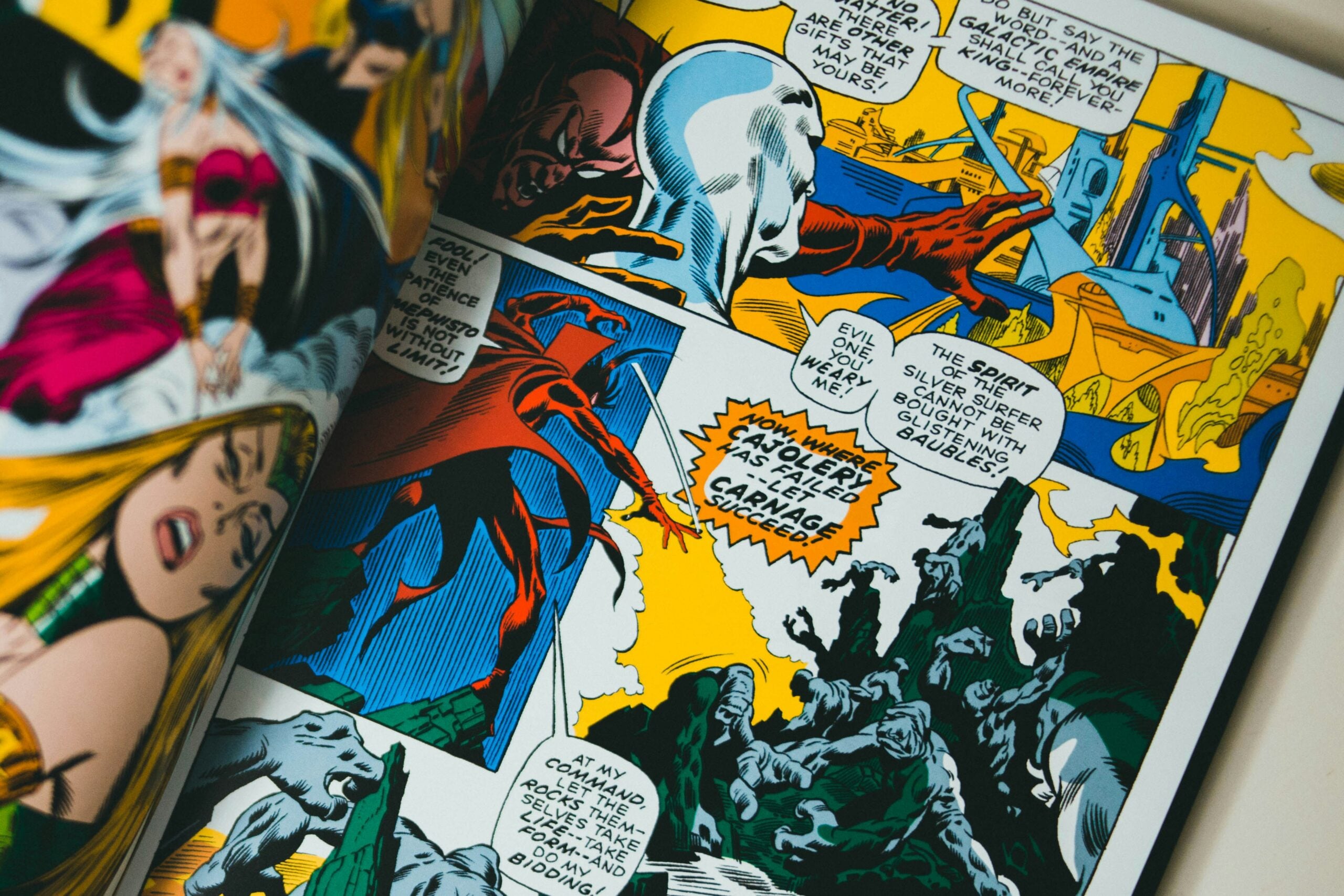
Many U.S. soldiers had read comics during the war. When they came home, they passed them on to their kids, nieces, or nephews.
Some even kept reading them as adults. That kept comics popular across generations.
It also gave them a stamp of approval in some households.
Comics helped boys and girls find their heroes
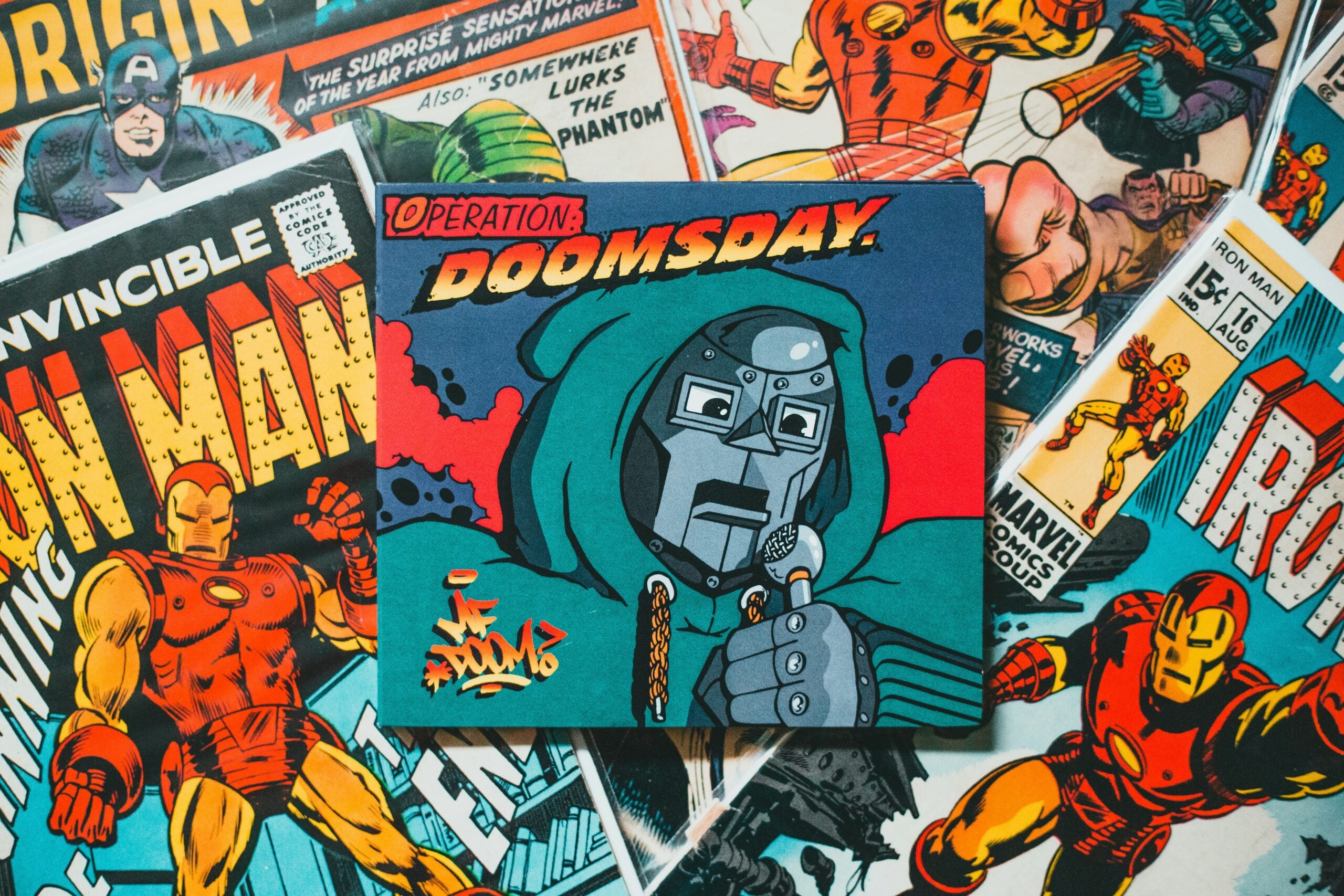
Though people think comics were just for boys, that wasn’t true. There were strong female leads, romance comics, and titles made just for girls.
Young readers could find characters who looked or acted like them. That made comics feel personal and inviting.
Like Go2Tutors’s content? Follow us on MSN.
They were everywhere
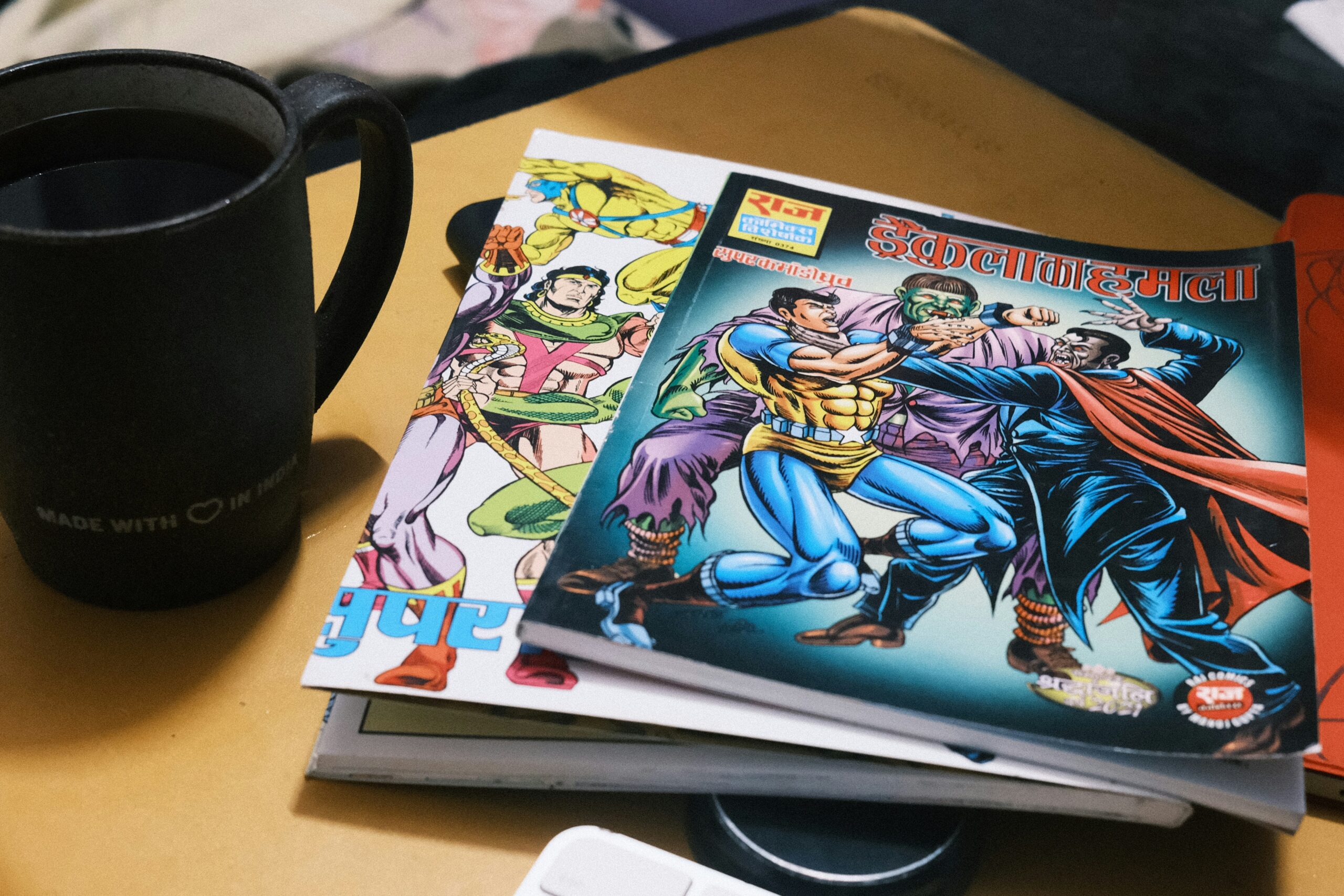
Newsstands, grocery stores, pharmacies — comics popped up everywhere kids went. You didn’t have to go to a bookstore.
Just grab one while mom checked out groceries. That easy access made them hard to ignore and easy to love.
They helped shape pop culture
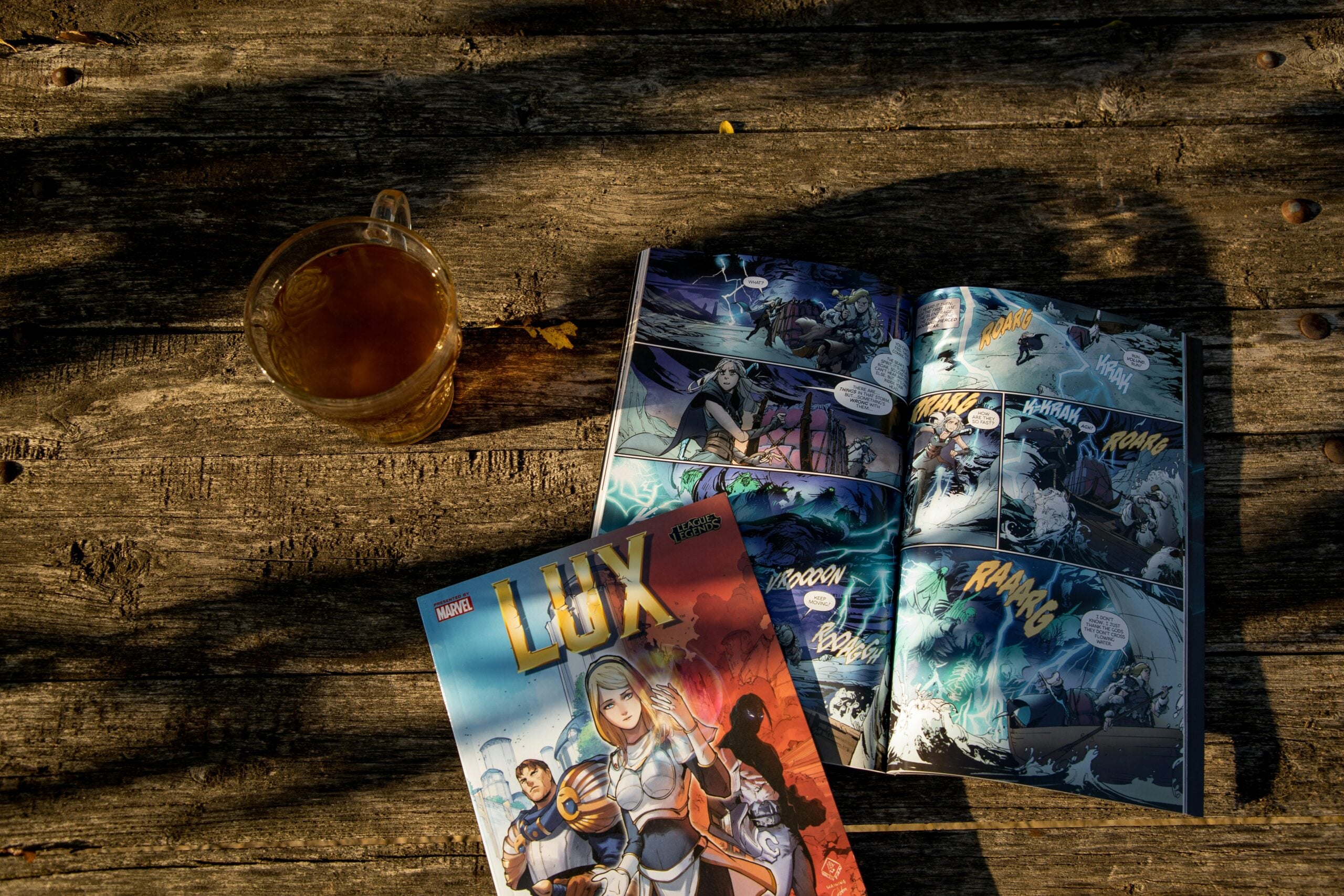
Many comic book heroes became part of American life. They showed up in lunchboxes, radio shows, and later on TV.
Even kids who didn’t read comics knew who Batman or Archie were. Comics shaped jokes, slang, and style. They became part of being a kid in postwar America.
When ink met paper, imagination took off
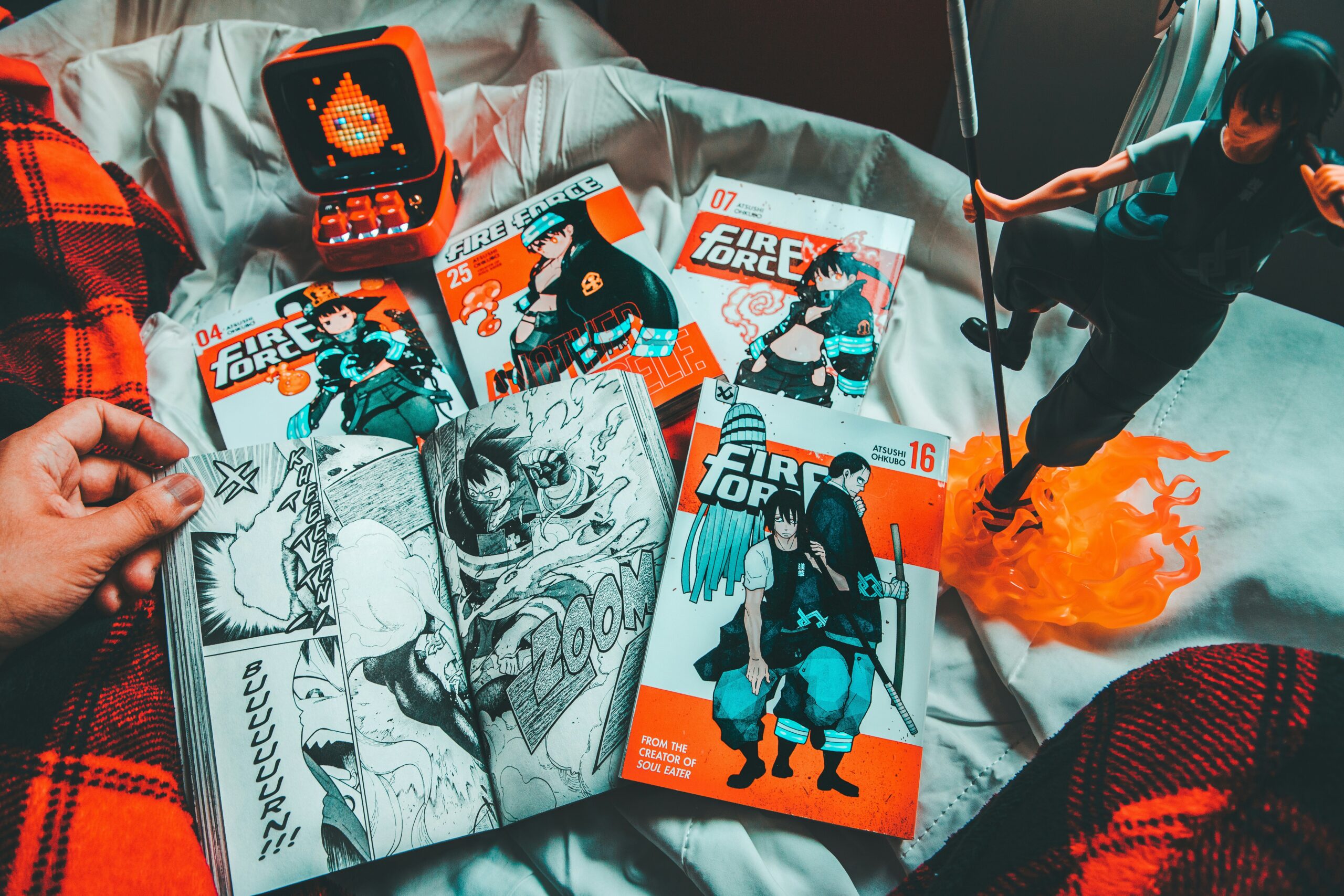
Comics turned everyday paper into something bigger. They made kids laugh, wonder, cheer, and dream.
Looking back, they were more than just entertainment. They were a key part of growing up during that time — a silent teacher, a loyal friend, and a door to endless adventure.
Like Go2Tutors’s content? Follow us on MSN.
More from Go2Tutors!

- 16 Historical Figures Who Were Nothing Like You Think
- 12 Things Sold in the 80s That Are Now Illegal
- 15 VHS Tapes That Could Be Worth Thousands
- 17 Historical “What Ifs” That Would Have Changed Everything
- 18 TV Shows That Vanished Without a Finale
Like Go2Tutors’s content? Follow us on MSN.