Birdwatching Facts For The Great Backyard Bird Count
Each year when winter still grips much of the globe, quiet activity stirs in gardens and green spaces everywhere. Folks grab their glasses, open notebooks, or tap screens as they begin recording every chirp and flutter that crosses their view.
This routine, once just a small attempt to protect wildlife, now draws countless participants who feed real data into global research – simply by watching wings move through trees. A quiet shift in science began with counting birds at backyard feeders.
Not inside labs, but under open skies did answers emerge. By watching wings pass through trees, people found a rhythm.
Though basic, the act holds weight. Without complex tools, observations add up.
From porches and windows, records form. What seems small builds into something wider.
Migration paths take shape on kitchen screens. Seasons speak through checklists.
Even silence between songs tells a story. Understanding grows where curiosity lands.
A fresh peek into what really drives this worldwide bird count – and why it still counts. Facts unfold differently each year, yet the purpose holds tight.
Moments add up when people track feathers across continents. What seems small gains weight over time.
Attention shifts, but results stick around. Each sighting ties into something wider, quieter.
Numbers tell part of the story; care fills in the rest.
The Event Began As A Conservation Experiment
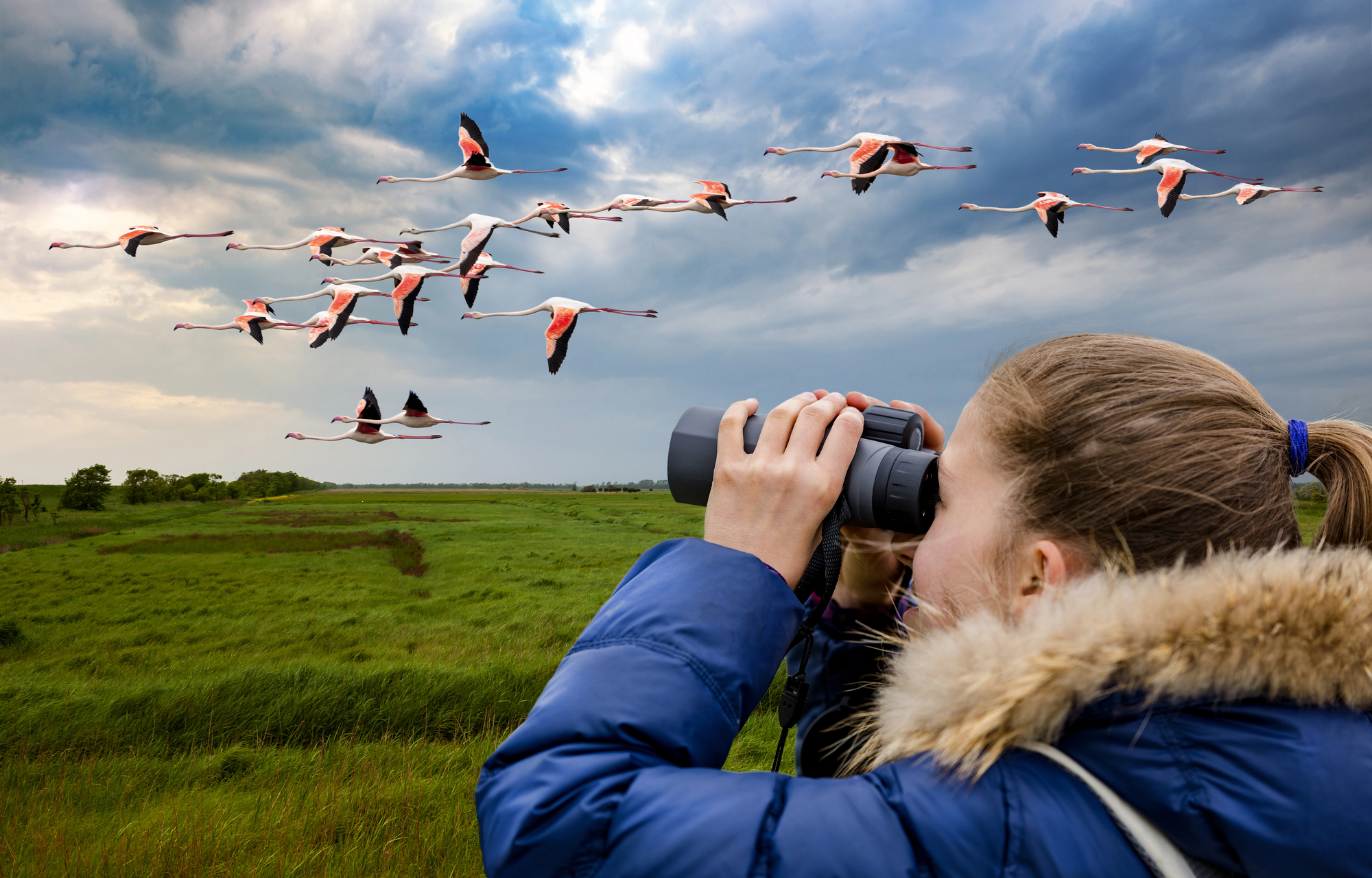
The Great Backyard Bird Count launched in 1998 as a joint project of the Cornell Lab of Ornithology and the National Audubon Society. At the time, the goal was straightforward: encourage people to count birds in their own neighborhoods and submit their findings.
Scientists wanted a snapshot of winter bird populations across North America. What started as a four-day experiment quickly exceeded expectations.
Thousands of participants submitted observations, creating a map of bird activity that researchers simply could not have compiled on their own. The early success proved that everyday observers could contribute meaningful data at scale.
Over time, the event expanded beyond the United States and Canada. Today, it welcomes participants from nearly every country in the world, transforming what was once a regional initiative into a global effort.
It Takes Place Over Four Days Each February

The Great Backyard Bird Count is held annually over four consecutive days in mid-February. That timing is intentional.
Late winter provides a clear picture of which species are overwintering in certain regions and which have already begun shifting their migration patterns. Because the event spans several days, participants can choose when to take part.
Even a single 15-minute observation session counts. That flexibility lowers the barrier to entry and encourages casual observers to join in without feeling overwhelmed.
Still, the combined effect of millions of short observation sessions creates a powerful data set. Scientists receive real-time reports from urban neighborhoods, rural landscapes, coastal regions, and mountain towns all at once.
Anyone Can Participate
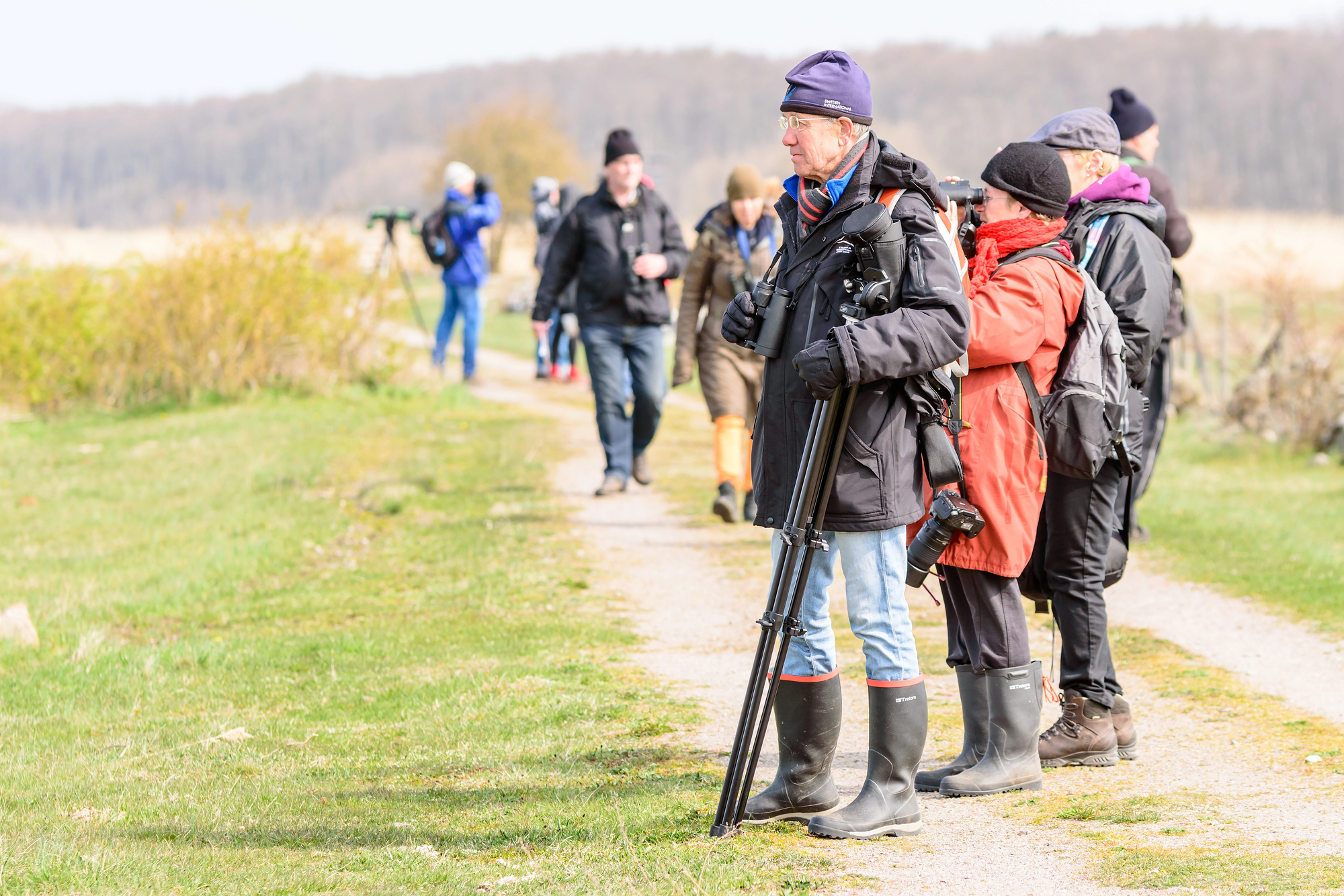
One of the defining features of the Great Backyard Bird Count is its accessibility. There is no registration fee, no specialized certification, and no requirement to own high-end equipment.
Participants can count birds from a balcony, a backyard, or a local park. Technology has made participation even easier.
Observers typically submit their sightings through platforms like eBird, which allows real-time data entry and location tracking. Apps such as Merlin Bird ID help beginners identify species by sight or sound, reducing guesswork.
This openness is not accidental. The organizers understand that conservation thrives when people feel included.
By welcoming beginners and seasoned birders alike, the event builds both data and community.
It Is One Of The Largest Citizen Science Projects In The World
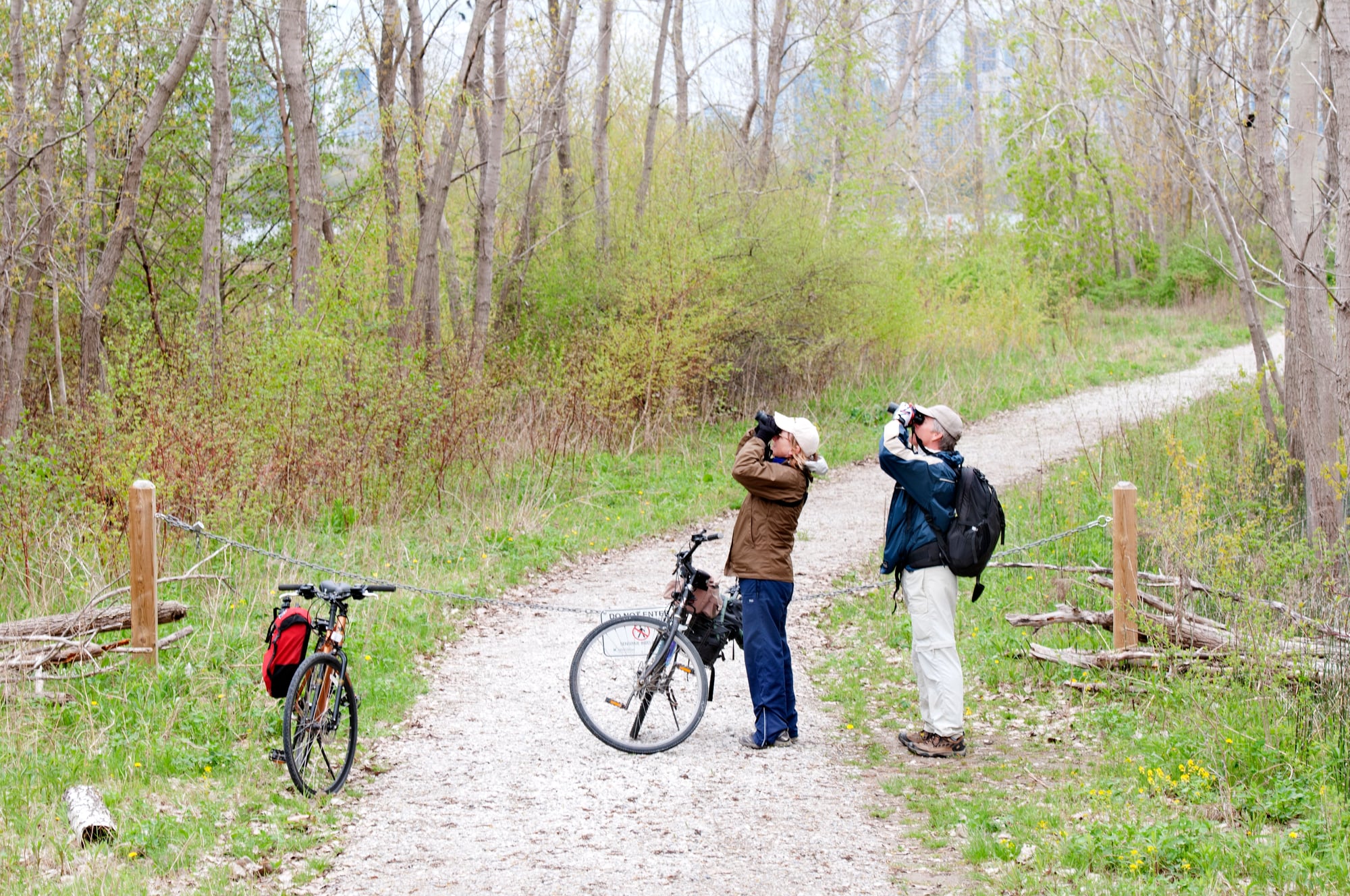
Participation numbers have surged dramatically over the years. Recent counts have recorded hundreds of thousands of observers from more than 190 countries.
In some years, participants have submitted observations covering over 7,000 bird species. Those numbers matter.
Traditional field research teams simply cannot cover that much ground in four days. The Great Backyard Bird Count leverages sheer participation volume to create a global snapshot that would otherwise be impossible.
Even so, the quality of the data remains surprisingly strong. With built-in verification systems and expert review on platforms like eBird, unusual sightings are flagged and confirmed before being included in final analyses.
The Data Helps Track Migration Patterns
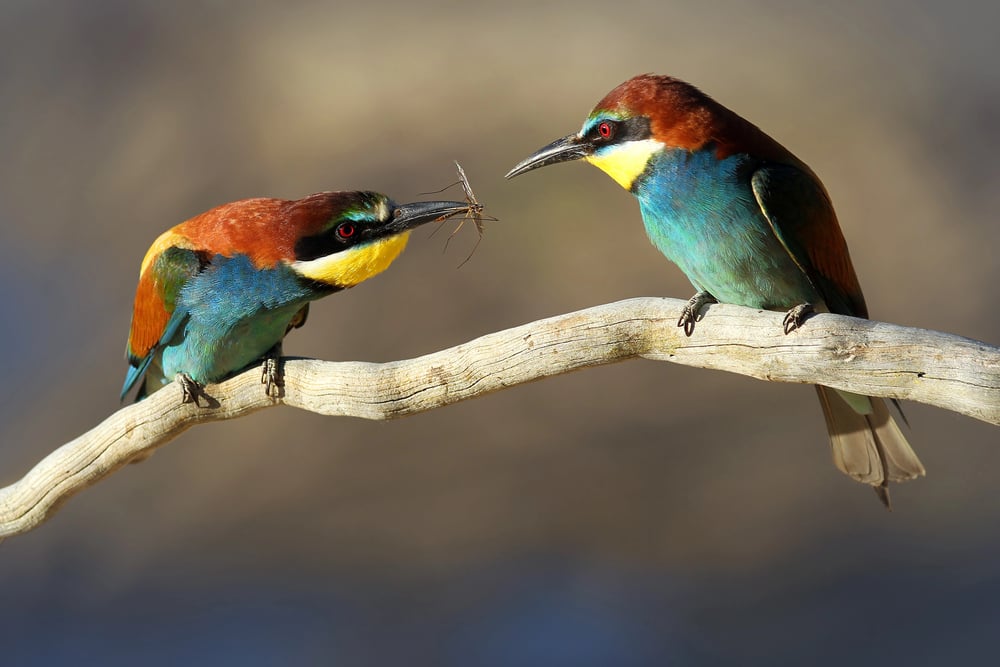
Bird migration is one of nature’s most intricate seasonal movements. Some species travel thousands of miles each year, navigating coastlines, mountain ranges, and open oceans.
The Great Backyard Bird Count provides a mid-winter checkpoint for these journeys. Because the event happens at the same time annually, scientists can compare data year over year.
If certain species appear farther north than usual, it may signal shifts tied to warmer winters. If numbers decline sharply in a particular region, it could indicate habitat loss or environmental stress.
That consistency transforms casual observations into long-term trends. Over decades, these patterns become valuable tools for understanding ecological change.
It Reveals Surprising Urban Biodiversity
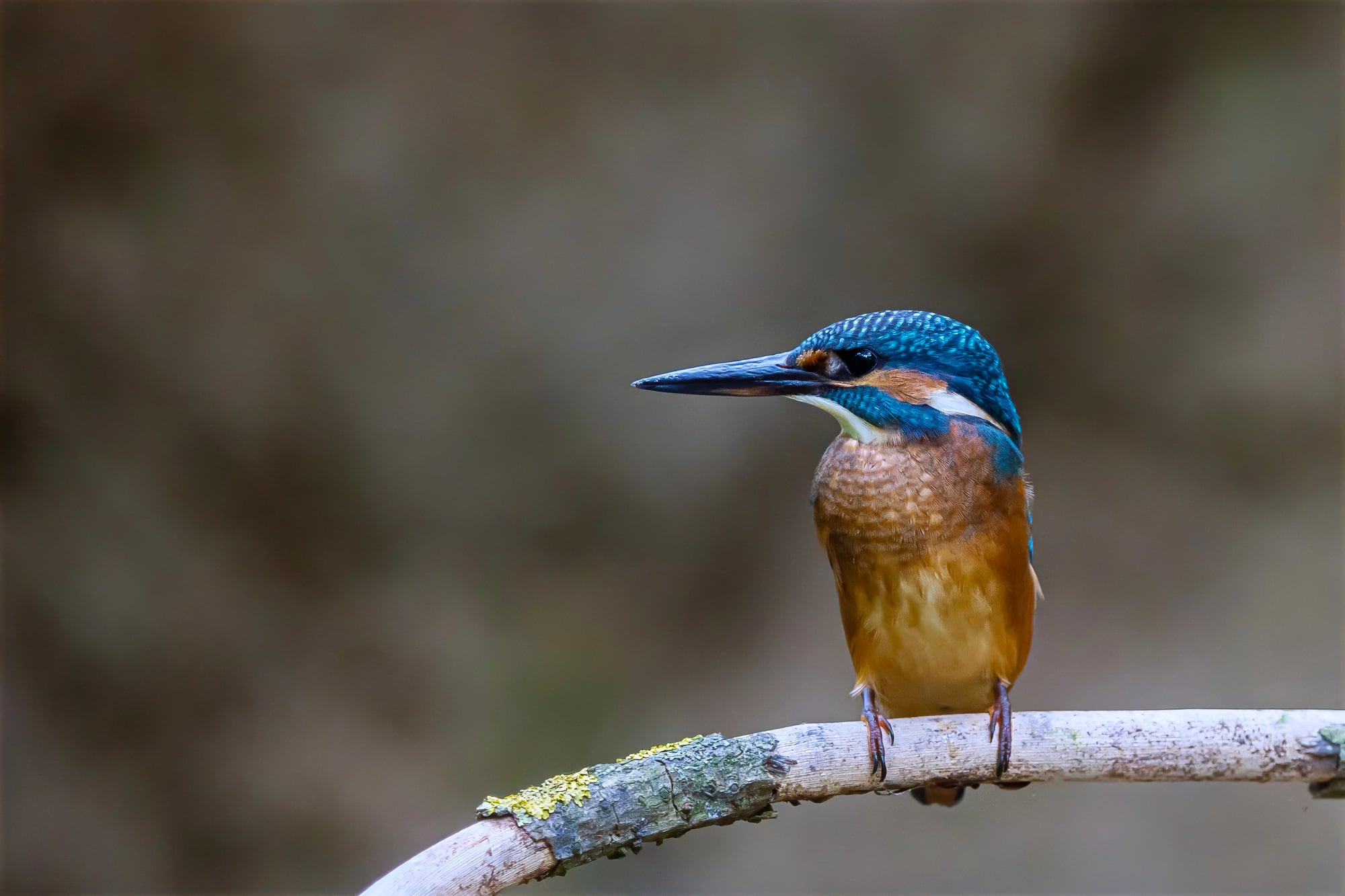
Many people assume that birdwatching requires forests or remote wetlands. The Great Backyard Bird Count routinely proves otherwise.
Urban areas often host a surprising diversity of species, from adaptable sparrows to migratory hawks passing overhead. Cities can create microhabitats through parks, rooftop gardens, and backyard feeders.
During past counts, observers in dense metropolitan areas have recorded impressive species lists within just a few square miles. Still, urban data also highlights challenges.
Certain species thrive in developed environments, while others steadily disappear. The contrast provides insight into how city planning and green spaces influence wildlife survival.
Backyard Habitats Make A Real Difference
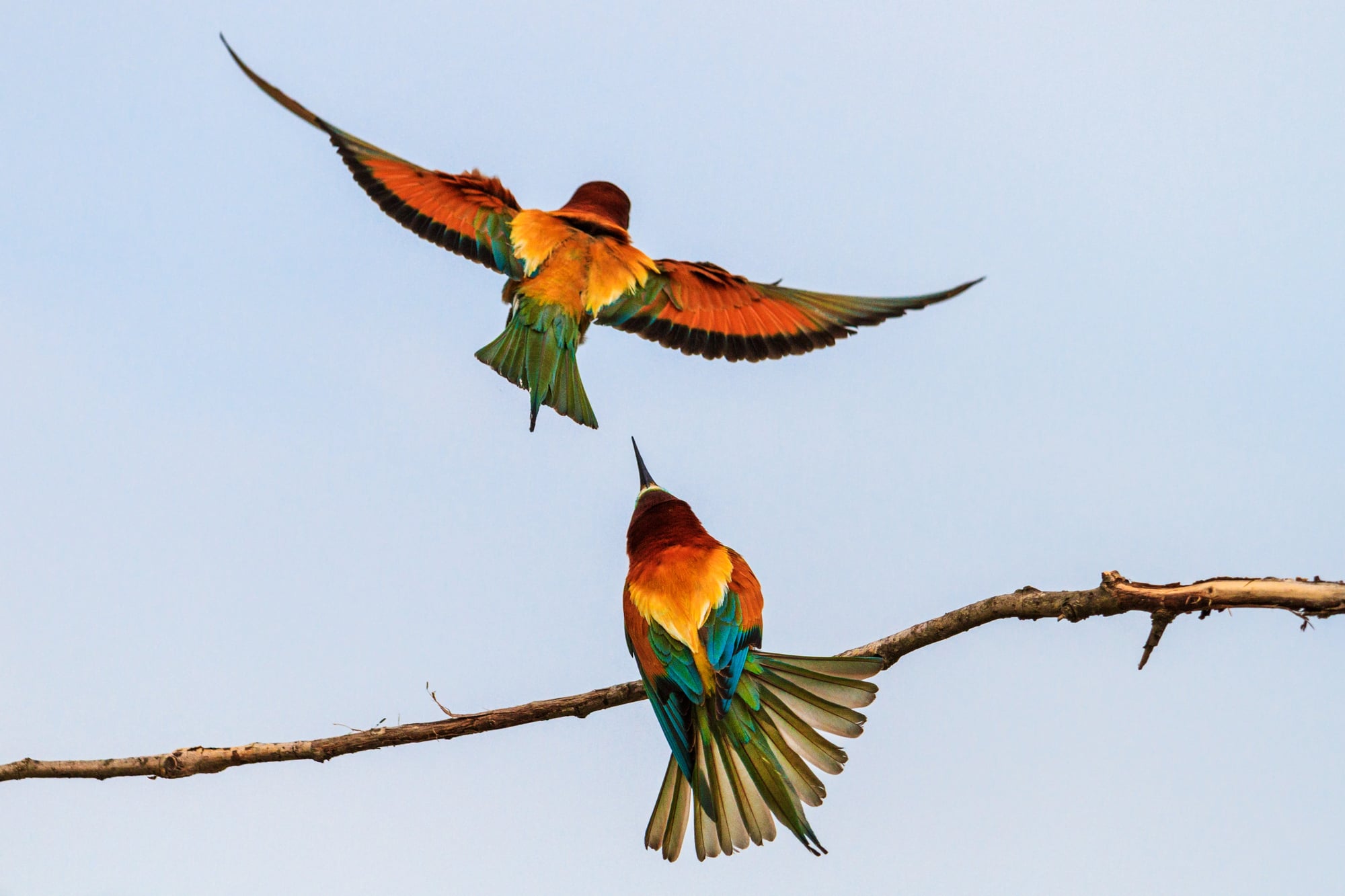
A single backyard may seem insignificant, yet collectively, they form millions of acres of habitat. Native plants, clean water sources, and well-maintained feeders can attract a wide range of birds during winter months.
The Great Backyard Bird Count often inspires participants to improve their own outdoor spaces. After seeing which species visit, homeowners may plant native shrubs or reduce pesticide use to support local populations.
That shift in behavior is one of the event’s quieter successes. Counting birds leads to noticing them, and noticing them often leads to caring about their survival.
Technology Has Transformed Birdwatching
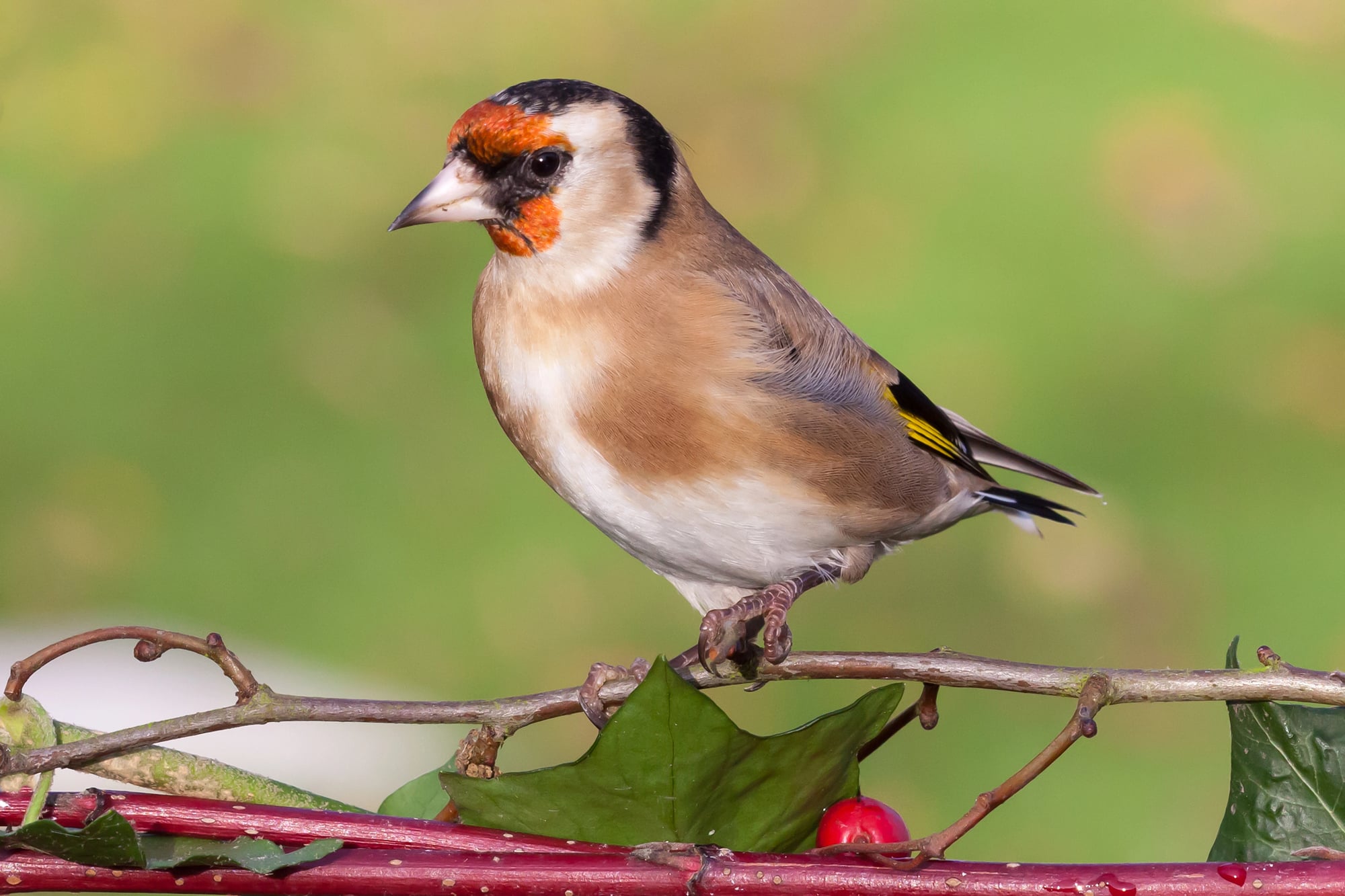
Modern birdwatching looks very different from the field notebooks of the past. Smartphones allow instant photo uploads, audio recordings, and location tagging.
Identification tools can analyze bird songs within seconds. The integration of platforms like eBird means that data flows directly into global research databases.
Scientists can monitor trends almost immediately rather than waiting months for paper records. On the other hand, technology has not replaced the simple joy of observation.
Standing still, scanning the treeline, and listening for distinct calls remains at the heart of the experience.
The Count Has Documented Rare And Unexpected Sightings
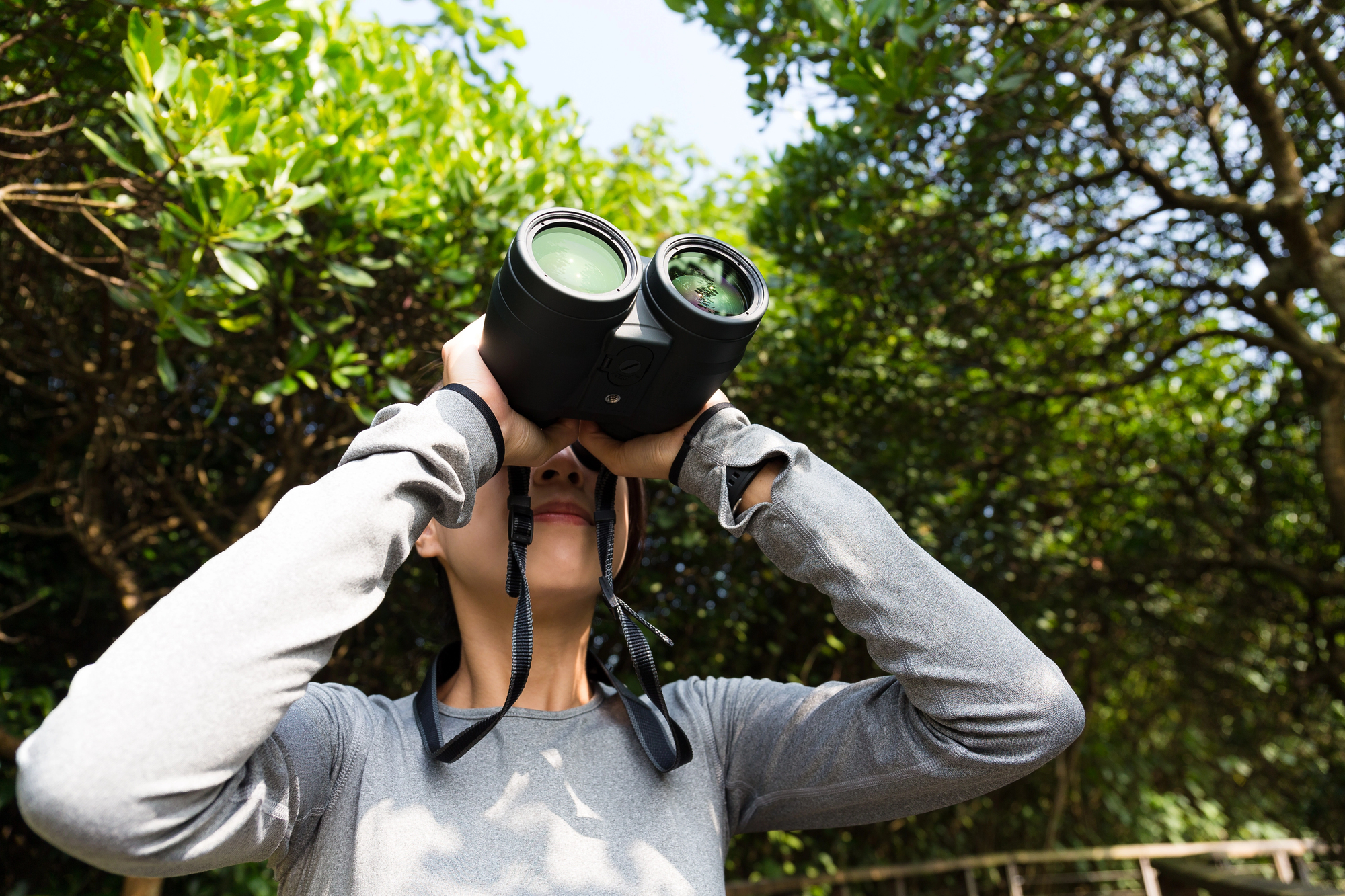
Each year brings a handful of surprises. Participants occasionally record species far outside their typical range, sometimes due to weather events or shifting migration routes.
These unusual sightings generate excitement within the birding community and prompt closer scientific review. While rare species capture headlines, even common birds offer valuable information.
A steady decline in a once-abundant species can be more concerning than a single unexpected visitor. The balance between routine data and extraordinary moments keeps the event both scientifically useful and personally engaging.
It Strengthens Conservation Awareness
The Great Backyard Bird Count does more than collect numbers. It creates a direct connection between people and wildlife.
When participants spend time observing birds, they become more attuned to seasonal changes and environmental health. That awareness often translates into broader conservation support.
Individuals who contribute data are more likely to support habitat protection initiatives or participate in other environmental programs. Even so, the event avoids heavy messaging.
Its strength lies in participation, not persuasion. The simple act of observing fosters a deeper appreciation for biodiversity.
It Provides A Snapshot Of Climate Trends
Climate patterns influence bird behavior in subtle but measurable ways. Warmer winters can shift migration timing, alter breeding schedules, or change the range of certain species.
The Great Backyard Bird Count offers a consistent annual data point to detect those shifts. Because the count has been running for more than two decades, researchers now have a substantial timeline for comparison.
Changes that once seemed anecdotal can now be supported by broad geographic data. Still, the data alone does not provide all the answers.
It serves as a starting point, prompting further investigation into how changing temperatures and weather extremes affect bird populations.
It Connects A Global Community

What began in North America now unites observers across continents. Participants in suburban neighborhoods contribute data alongside those in remote regions of South America, Europe, Africa, and Asia.
The shared timing creates a sense of global collaboration. Social media and online dashboards allow participants to see results in real time.
Maps fill with observation points, and species totals climb hour by hour. The experience feels communal, even if observers are standing alone in their yards.
That shared effort reinforces the idea that conservation is not limited to professionals. It thrives when communities engage collectively.
Why It Still Matters

Now showing up every year, The Great Backyard Bird Count started quiet but now stands firm in how everyday folks help science. Because people keep returning to it – year after year – with steady notes on what they see outside their windows, data builds slowly.
Noticing birds becomes more than routine when patterns emerge from one person’s backyard stacking up with another’s miles away. Those glimpses into feathered lives guide scientists toward answers about where birds move – and why some places grow quieter each season.
Across continents, bits of sky-watching add up to something bigger: signs that whisper whether nature thrives or falters. Each year, new numbers show how fast nature shifts around us.
This tally nudges folks to notice life just outside their door. A short pause, maybe a quarter of an hour, links small acts to broader efforts.
What happens nearby matters more than we think.
More from Go2Tutors!

- The Romanov Crown Jewels and Their Tragic Fate
- 13 Historical Mysteries That Science Still Can’t Solve
- Famous Hoaxes That Fooled the World for Years
- 15 Child Stars with Tragic Adult Lives
- 16 Famous Jewelry Pieces in History
Like Go2Tutors’s content? Follow us on MSN.