Historic Speeches That Influenced World Events
Words can move mountains—and sometimes, they actually have. Throughout history, certain speeches have done more than stir hearts; they’ve shaped revolutions, ended wars, and changed how societies understand freedom, justice, and dignity.
These weren’t just moments of eloquence; they were turning points that altered history itself. Here are 16 historic speeches that genuinely changed the world.
Patrick Henry’s “Give Me Liberty or Give Me Death”
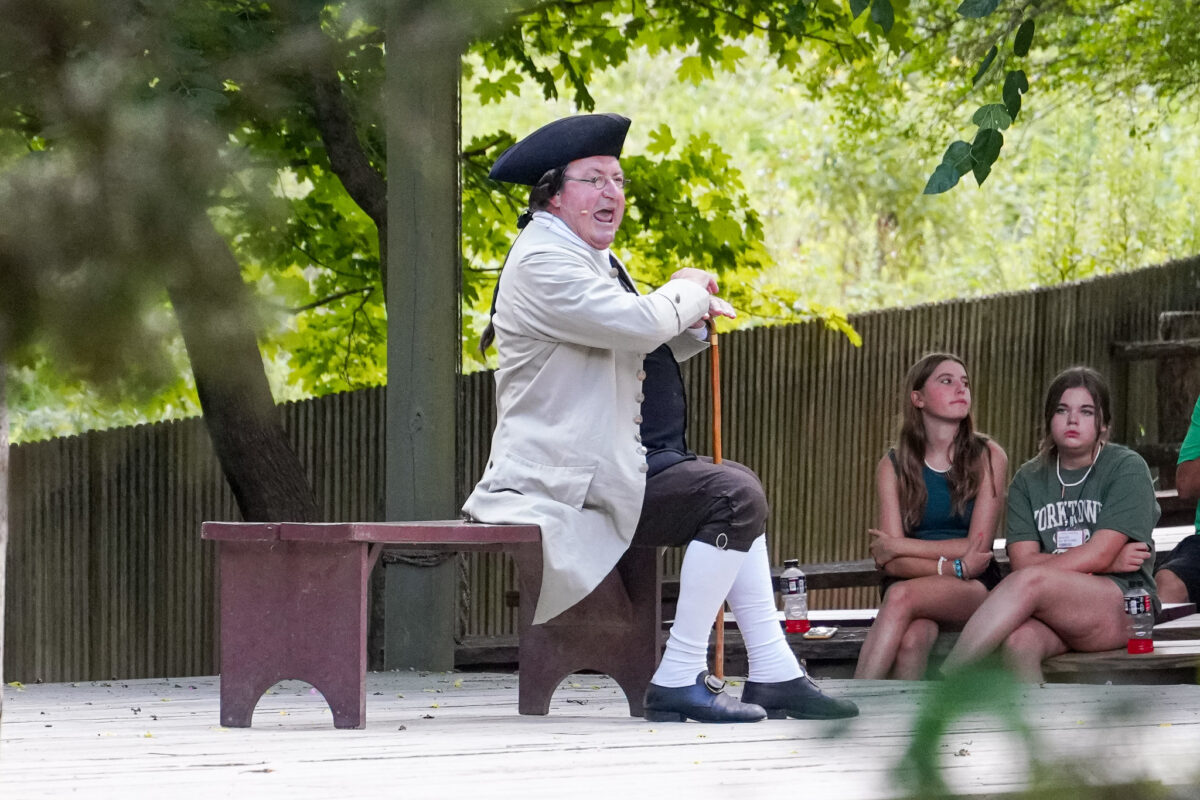
In March 1775, with the American colonies hesitating on the brink of revolution, Patrick Henry stood before the Virginia Convention and made his stand. He reminded his fellow delegates that conflict with Britain wasn’t a possibility—it was inevitable.
His fiery plea ended with the unforgettable line, “Give me liberty, or give me death!” That moment tipped Virginia toward rebellion, giving the Revolution one of its strongest backers and helping secure American independence.
Elizabeth I’s Speech to the Troops at Tilbury
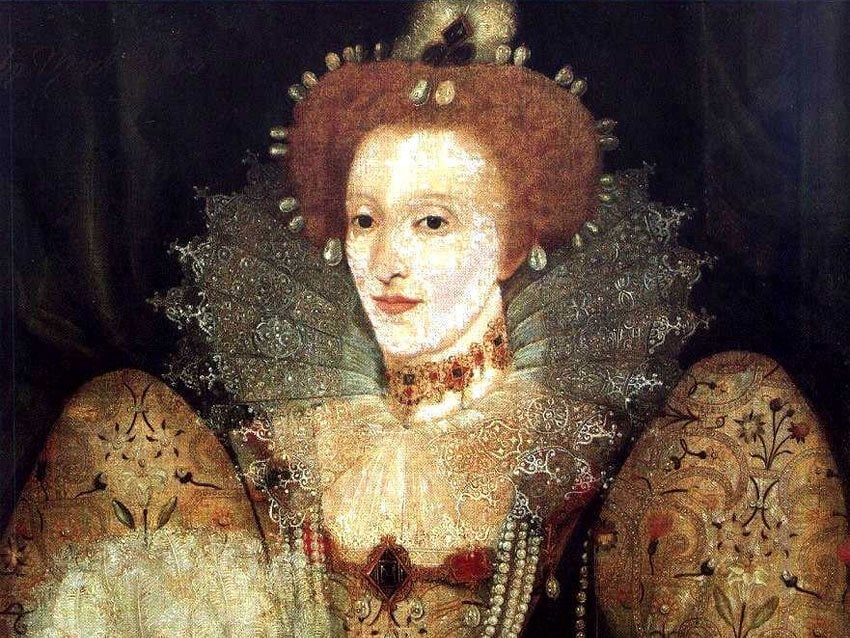
When the Spanish Armada loomed over England in 1588, Queen Elizabeth I rode to Tilbury to face her soldiers. She addressed them not as a distant monarch, but as one of their own.
Acknowledging that she had “the body of a weak and feeble woman,” she declared she also had “the heart and stomach of a king.” Those words electrified her army.
Against all odds, England defeated Spain—and Elizabeth’s speech became a symbol of courage and unity that defined her reign.
Like Go2Tutors’s content? Follow us on MSN.
The Gettysburg Address
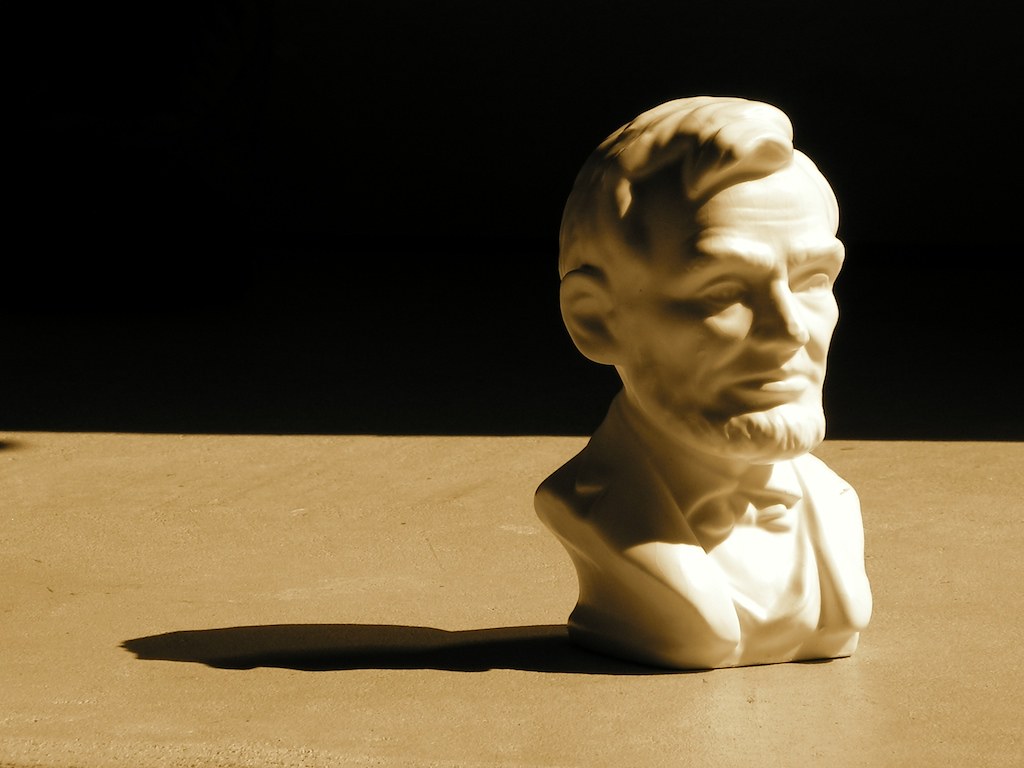
On November 19, 1863, Abraham Lincoln rose to speak at a cemetery dedication in Gettysburg, Pennsylvania. His remarks lasted barely two minutes, yet they reframed an entire war.
In just 272 words, Lincoln transformed the Civil War from a battle over union into a struggle for equality and human purpose. He reminded Americans that the nation was founded on liberty—and challenged them to ensure that “government of the people, by the people, for the people, shall not perish from the earth.”
Frederick Douglass’s “What to the Slave Is the Fourth of July?”
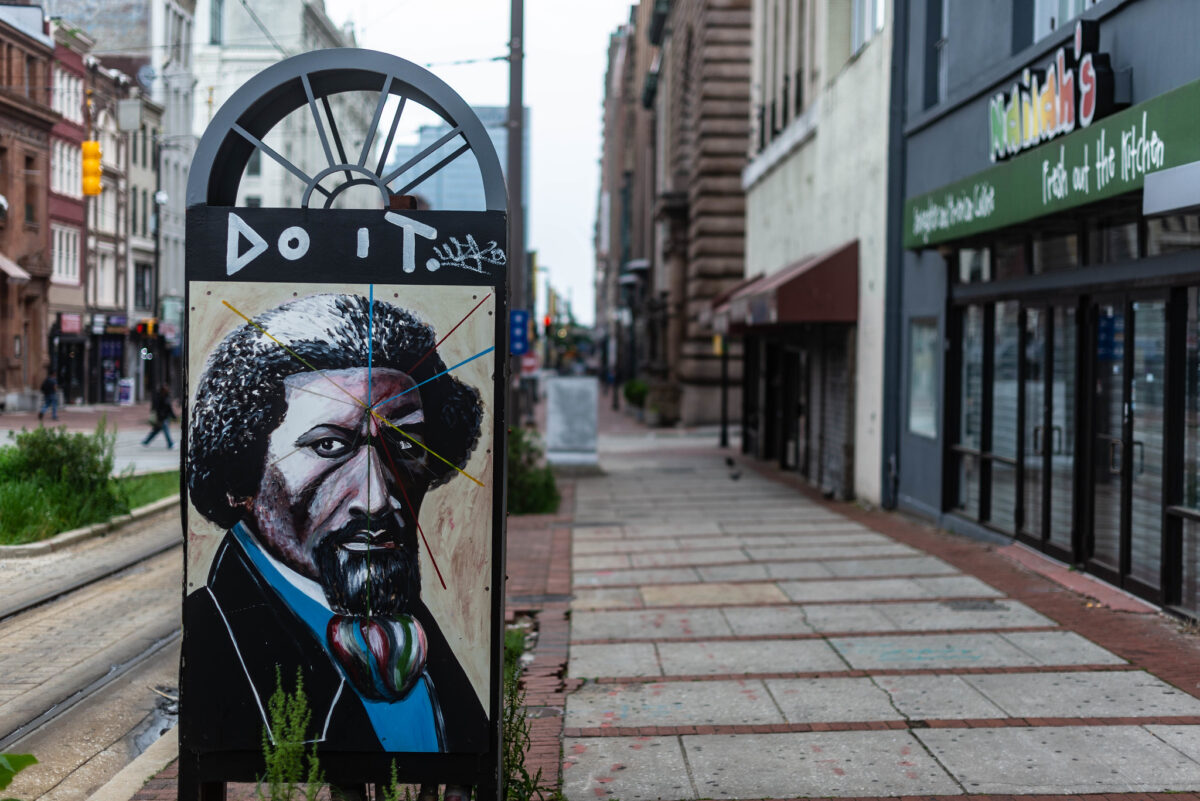
In 1852, former slave and abolitionist Frederick Douglass delivered one of the most searing critiques in American history. Speaking in Rochester, N
ew York, he asked how a nation could celebrate freedom while millions remained in bondage. His words were sharp, raw, and righteous—a direct confrontation of America’s hypocrisy.
The speech became a rallying cry for abolitionists and a moral mirror that forced the country to look at its own contradictions.
Chief Joseph’s Surrender Speech
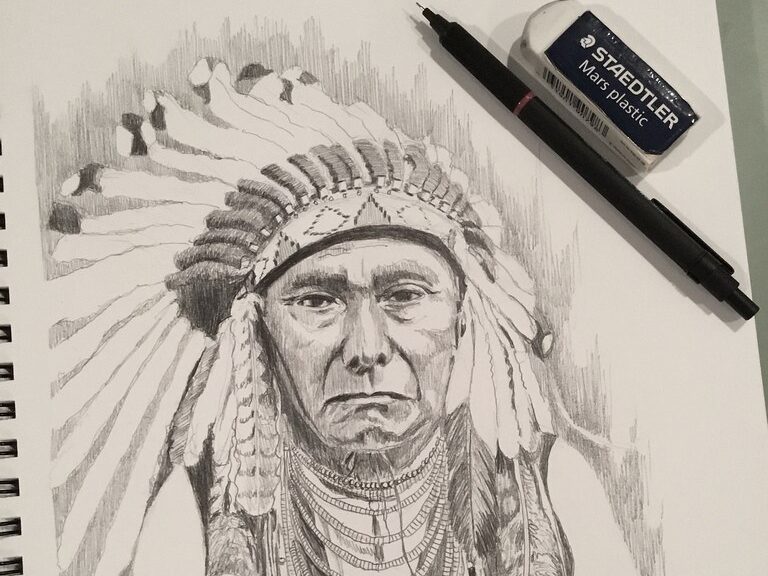
By October 1877, Chief Joseph and the Nez Perce people had traveled more than a thousand miles in their desperate attempt to reach Canada and escape U.S. forces. Just 40 miles from safety, they were finally cornered.
In his short, weary surrender speech, Chief Joseph spoke of the dead, the freezing, and the futility of continuing. His haunting words—“I will fight no more forever”—captured the deep pain of Native American displacement and became one of history’s most human pleas for peace.
Like Go2Tutors’s content? Follow us on MSN.
Theodore Roosevelt’s “The Man with the Muckrake”
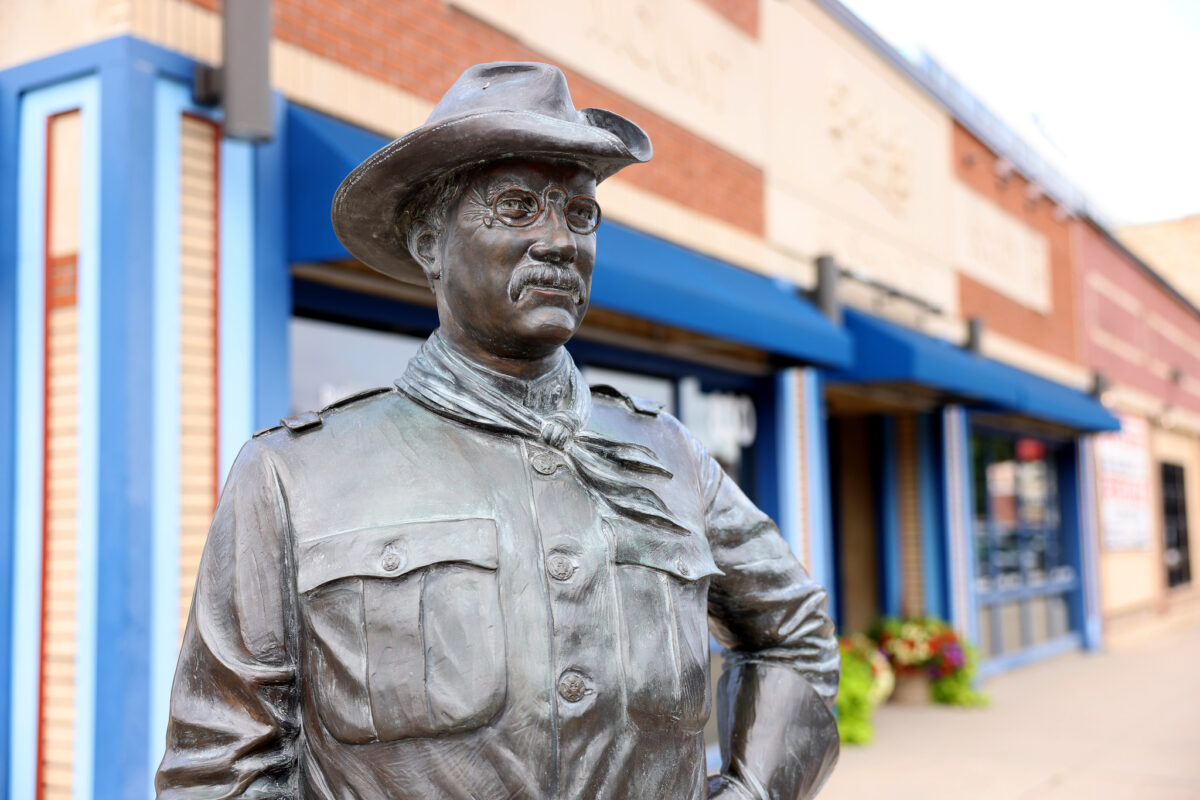
In 1906, President Theodore Roosevelt addressed the growing wave of investigative journalism sweeping the country. While he praised those exposing corruption, he cautioned against sensationalism, comparing such journalists to a character in Pilgrim’s Progress who was so focused on raking filth that he couldn’t look up to see the heavens.
Roosevelt’s metaphor coined the term “muckraker,” setting the tone for journalism that balanced truth-telling with responsibility—a standard still discussed in newsrooms today.
Woodrow Wilson’s Fourteen Points
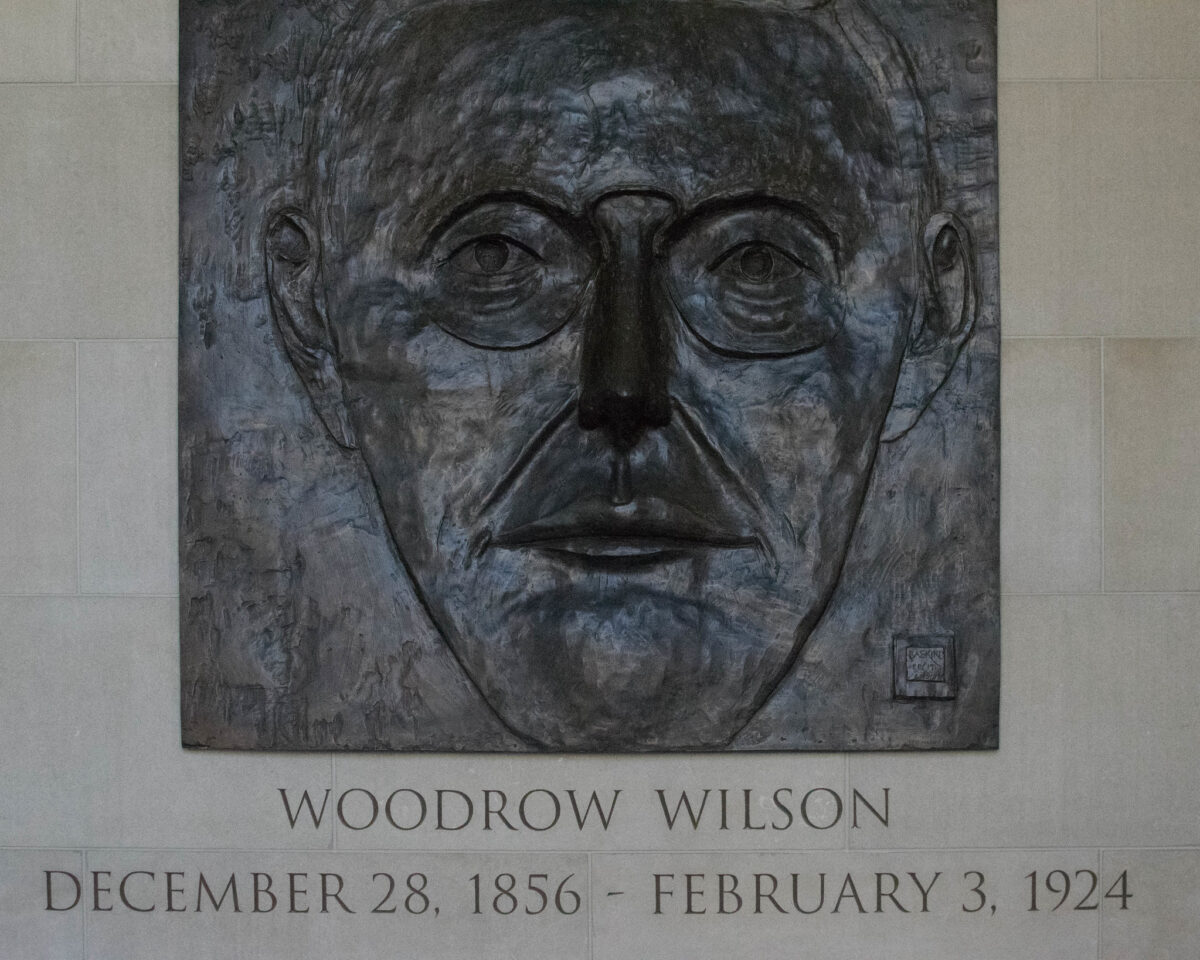
In January 1918, as World War I dragged toward its bloody end, President Woodrow Wilson stood before Congress and outlined his vision for a just peace. His “Fourteen Points” included open diplomacy, national self-determination, and the creation of a global peacekeeping body—the League of Nations.
While not all his ideas survived the Treaty of Versailles, his speech fundamentally changed international politics, paving the way for modern diplomacy and, decades later, the United Nations.
Winston Churchill’s “We Shall Fight on the Beaches”
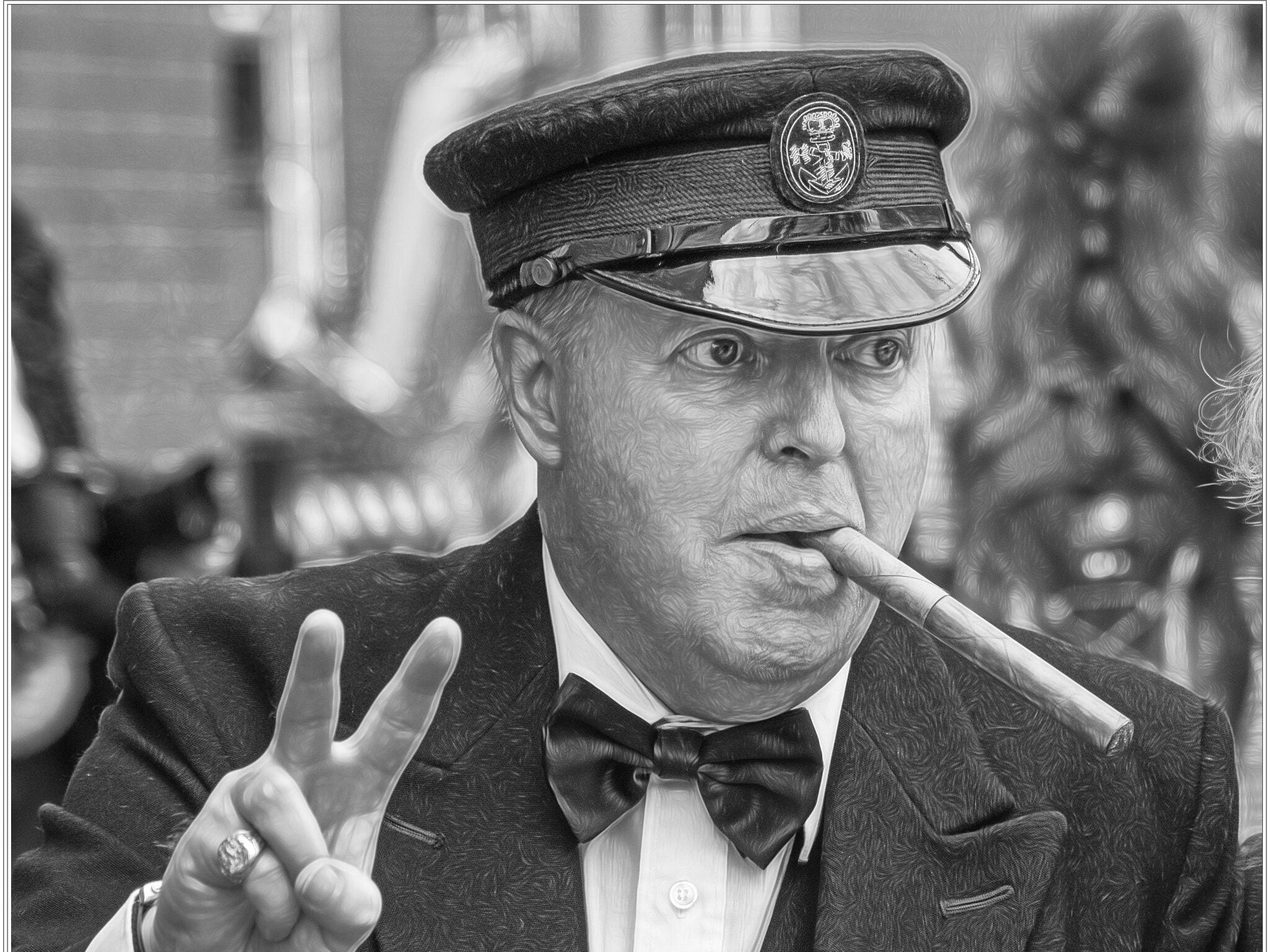
On June 4, 1940, with Nazi Germany sweeping through Europe, Winston Churchill stood before Parliament and gave one of history’s most defiant addresses. Britain had just evacuated its forces from Dunkirk, but Churchill refused despair. In measured, thunderous tones, he vowed that the British would fight on beaches, fields, streets—everywhere.
His words became a lifeline of hope, rallying Britain to endure the long, dark years ahead.
Like Go2Tutors’s content? Follow us on MSN.
Franklin D. Roosevelt’s First Inaugural Address
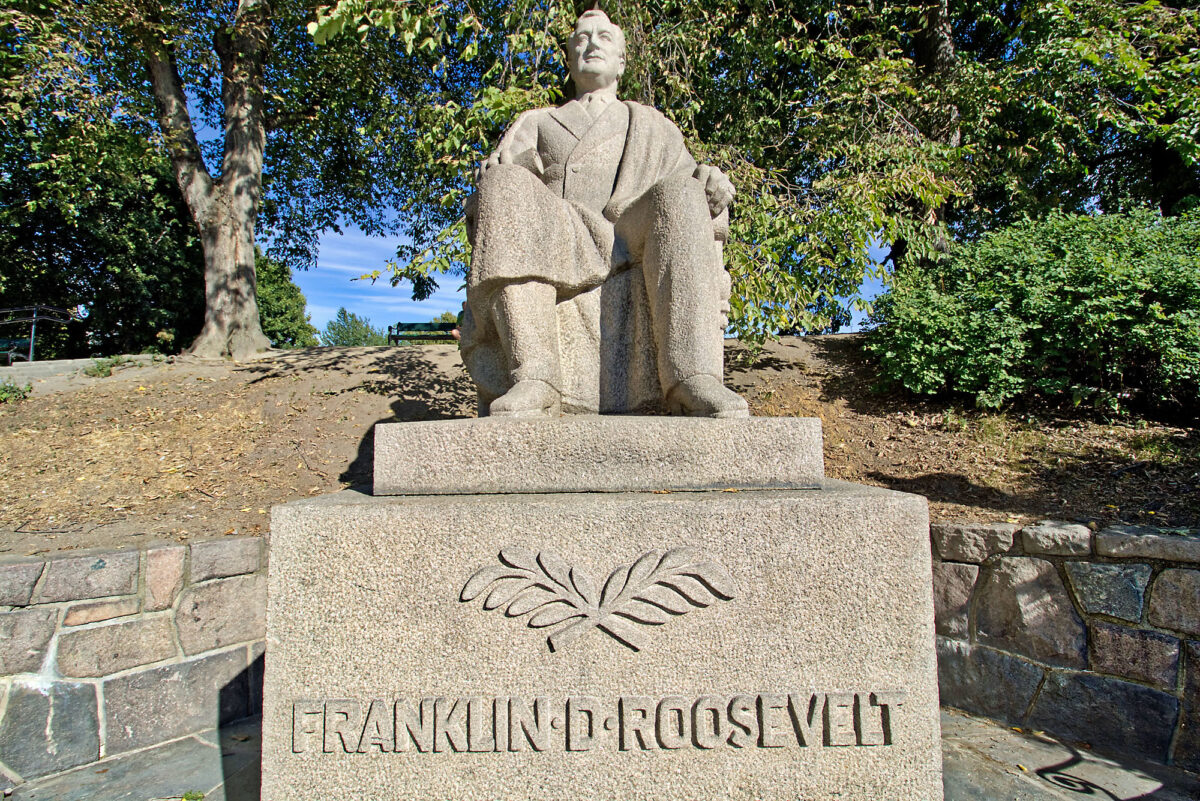
When Franklin D. Roosevelt took office in March 1933, America was deep in the Great Depression. His inaugural address didn’t just announce policy—it restored faith. Declaring that “the only thing we have to fear is fear itself,” he called on citizens to act boldly and trust in the government’s ability to rebuild.
That moment redefined leadership and transformed the relationship between Americans and their government, setting the stage for the New Deal.
Jawaharlal Nehru’s “Tryst with Destiny”
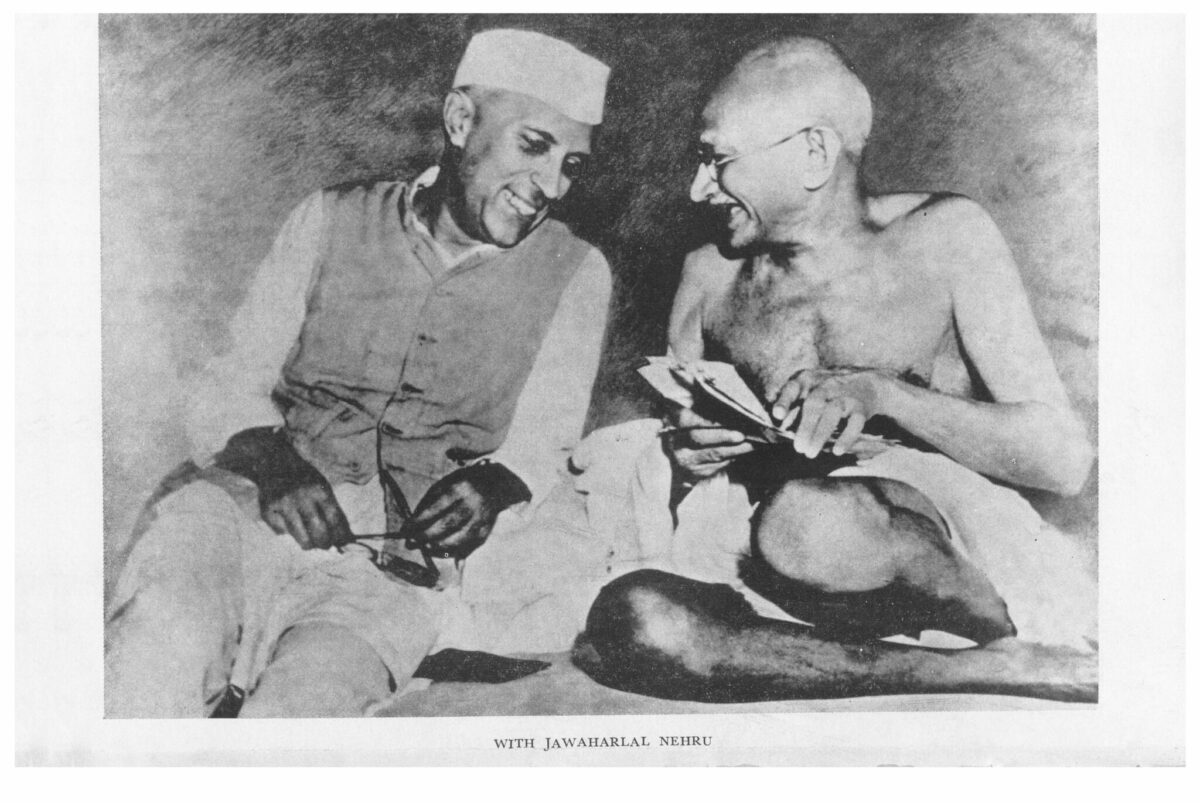
At midnight on August 14, 1947, India awakened to independence. Standing before Parliament, Jawaharlal Nehru spoke to a newly free nation about its “tryst with destiny.”
His words were both celebration and call to duty—acknowledging the triumph of freedom while reminding citizens of the immense responsibility ahead. Nehru’s poetic speech marked the dawn of the world’s largest democracy and remains a cornerstone of India’s national identity.
John F. Kennedy’s Inaugural Address
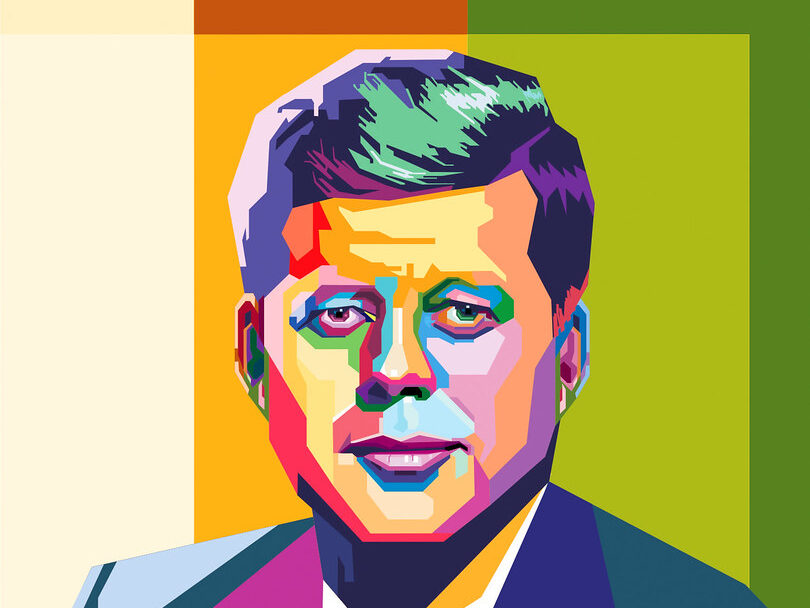
On a freezing January day in 1961, John F. Kennedy took the oath of office and delivered a speech that captured the optimism and tension of the Cold War era. He urged Americans to embrace service over comfort, declaring, “Ask not what your country can do for you—ask what you can do for your country.”
Beyond its memorable line, the speech set a tone of shared responsibility, global partnership, and faith in collective action that still echoes in American political rhetoric.
Like Go2Tutors’s content? Follow us on MSN.
Martin Luther King Jr.’s “I Have a Dream”
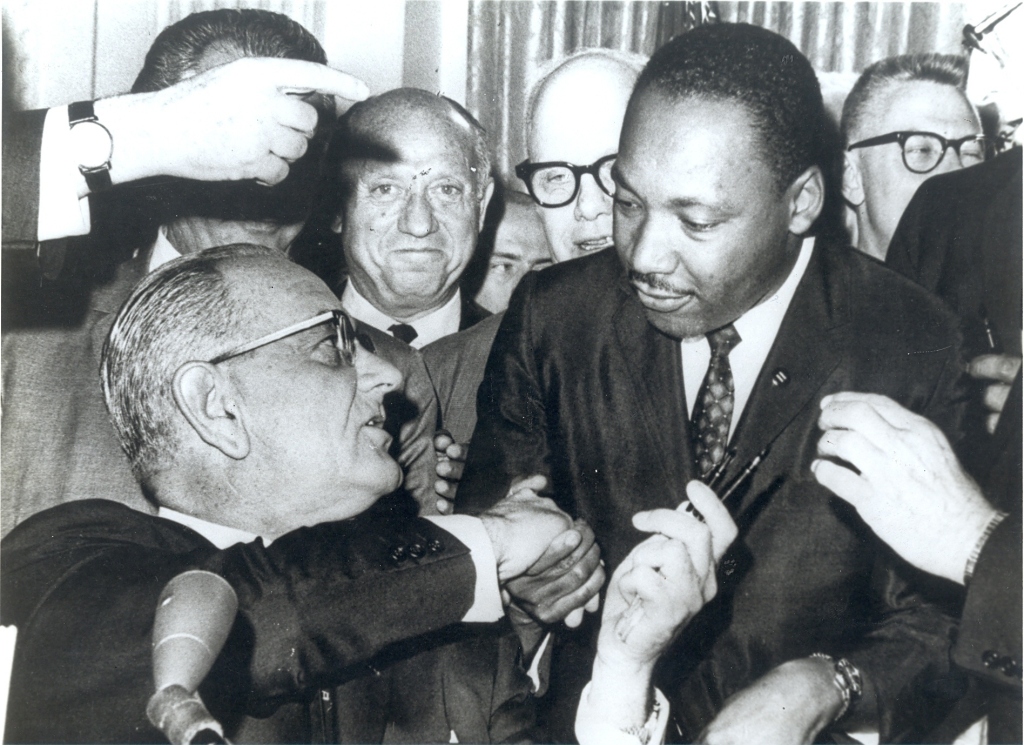
On August 28, 1963, before a sea of faces at the Lincoln Memorial, Dr. Martin Luther King Jr. delivered the speech that would forever define the civil rights movement. Though he had prepared notes, it was when gospel singer Mahalia Jackson cried out, “Tell them about the dream, Martin!” that he began to speak from the heart.
The result was a soaring vision of justice and equality that moved the world—and hastened the passage of civil rights laws that changed America forever.
John F. Kennedy’s “Ich Bin Ein Berliner”
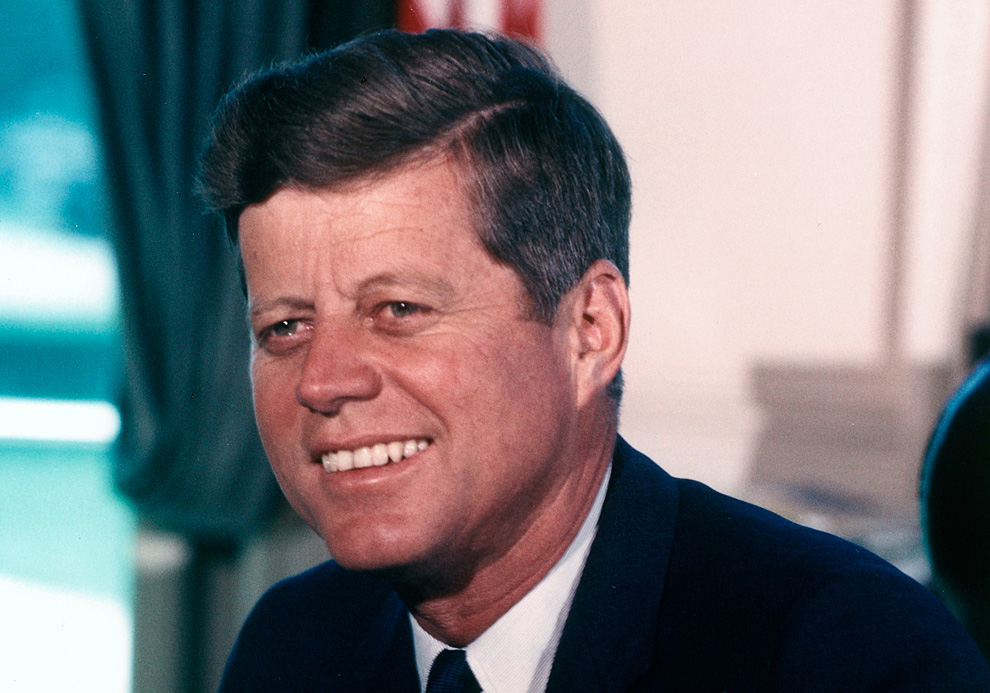
Just months before his assassination, Kennedy stood before a crowd in West Berlin in June 1963, declaring, “Ich bin ein Berliner.” With that single phrase, he affirmed America’s solidarity with a city divided by ideology and concrete.
His words sent a message far beyond Berlin’s borders: that freedom was not confined to geography, and America would stand firm against tyranny. The speech remains a defining moment of the Cold War.
Malcolm X’s “The Ballot or the Bullet”
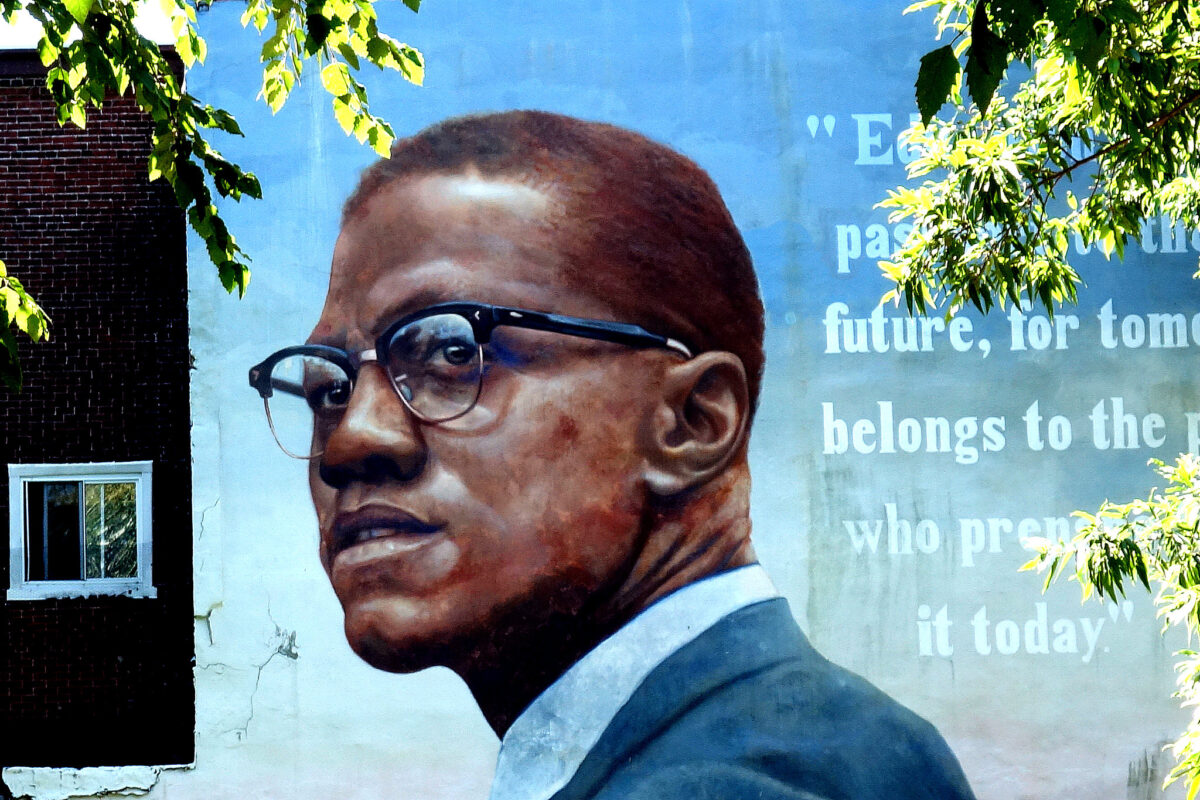
In April 1964, Malcolm X stood before a crowd in Cleveland and spoke plainly about the urgency of Black liberation. “It’ll be the ballot or the bullet,” he warned, arguing that African Americans must use their political power—or face the necessity of other means.
His speech marked a shift in tone and strategy for the civil rights movement, inspiring a generation to see freedom as something to be claimed, not requested.
Like Go2Tutors’s content? Follow us on MSN.
Ronald Reagan’s “Tear Down This Wall”
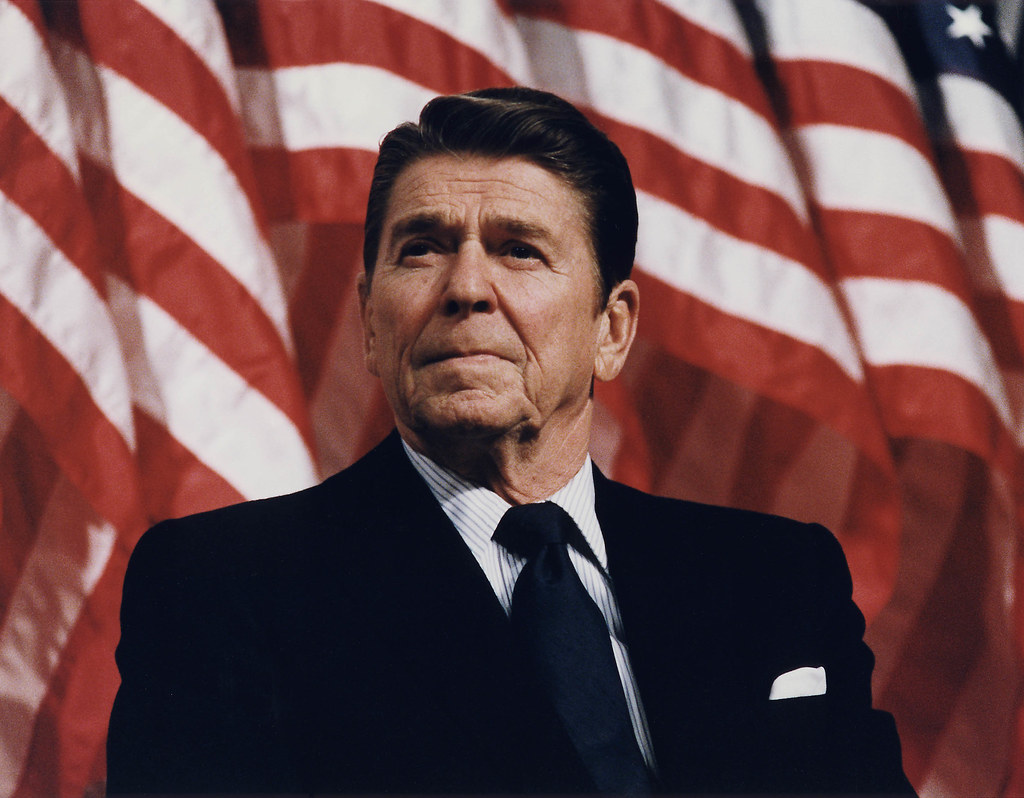
In June 1987, standing before the Brandenburg Gate, President Ronald Reagan looked directly toward the Soviet side of Berlin and challenged Mikhail Gorbachev: “Tear down this wall!” Advisors had urged him to soften the language, but Reagan refused.
His challenge became one of the most iconic lines of the Cold War, symbolizing a global yearning for unity—and foreshadowing the Berlin Wall’s fall just two years later.
Nelson Mandela’s “I Am Prepared to Die”
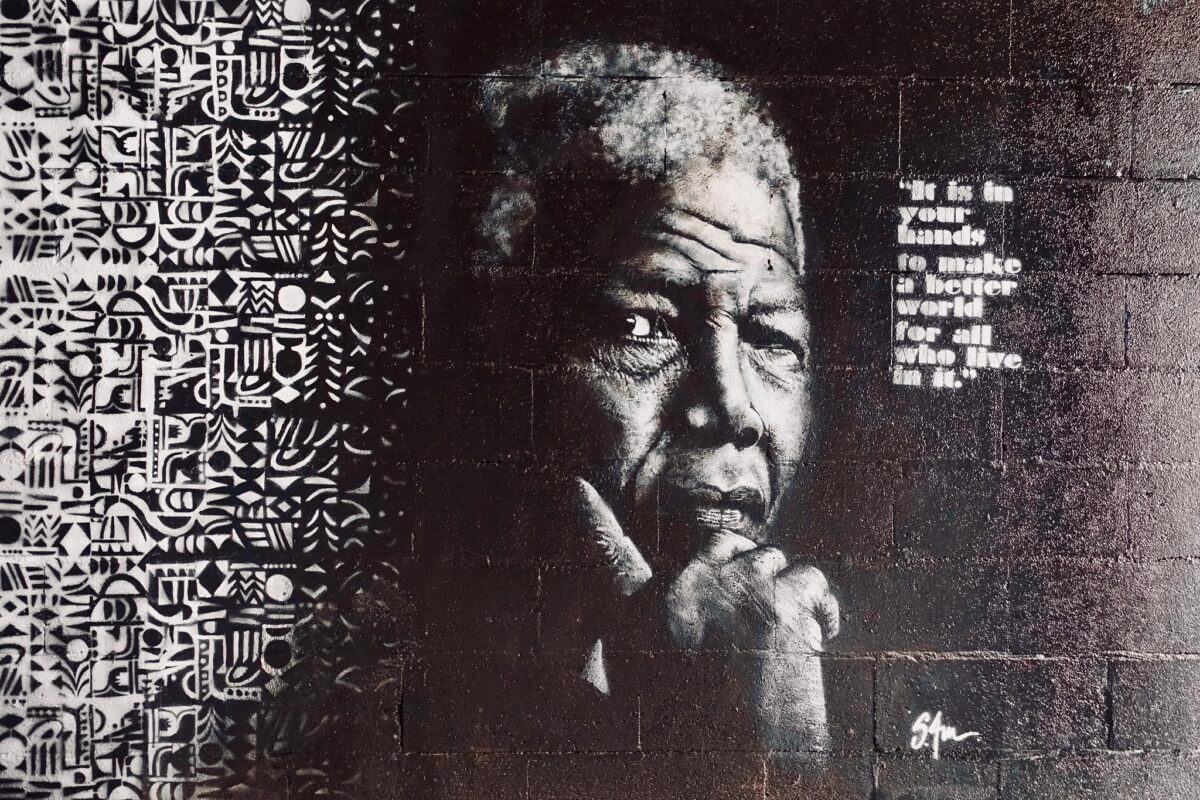
In 1964, at his trial for sabotage, Nelson Mandela delivered a speech from the dock that lasted nearly four hours. Calmly, eloquently, he explained why peaceful protest had given way to resistance—and why he was ready to die for the ideal of a free and democratic South Africa.
Though he was sentenced to life in prison, his words lit a fire around the world, sustaining the anti-apartheid movement through the decades of his imprisonment.
From Words to Action

These speeches remind us that the right words, spoken with conviction, can be as powerful as armies. Each of these leaders used language not just to describe the world, but to reimagine it.
They gave people courage when it was hardest to find, and belief when hope seemed gone. Decades—even centuries—later, their words still remind us that when truth meets courage, language can move the world.
More from Go2Tutors!

- 16 Historical Figures Who Were Nothing Like You Think
- 12 Things Sold in the 80s That Are Now Illegal
- 15 VHS Tapes That Could Be Worth Thousands
- 17 Historical “What Ifs” That Would Have Changed Everything
- 18 TV Shows That Vanished Without a Finale
Like Go2Tutors’s content? Follow us on MSN.