15 Medical Conditions That Mimicked Being Dead
Throughout medical history, the line between life and death has sometimes appeared thinner than we’d like to believe. Before modern medical technology, doctors relied on basic observations like breathing, pulse, and body temperature to determine if someone had passed away.
This led to terrifying situations where living people were mistakenly declared dead due to various medical conditions that dramatically slowed or masked the normal signs of life. The fear of being buried alive was so common in the 18th and 19th centuries that people invented ‘safety coffins’ with bells and breathing tubes.
Here are 15 medical conditions that have historically fooled even experienced physicians into thinking someone had died.
Catatonia
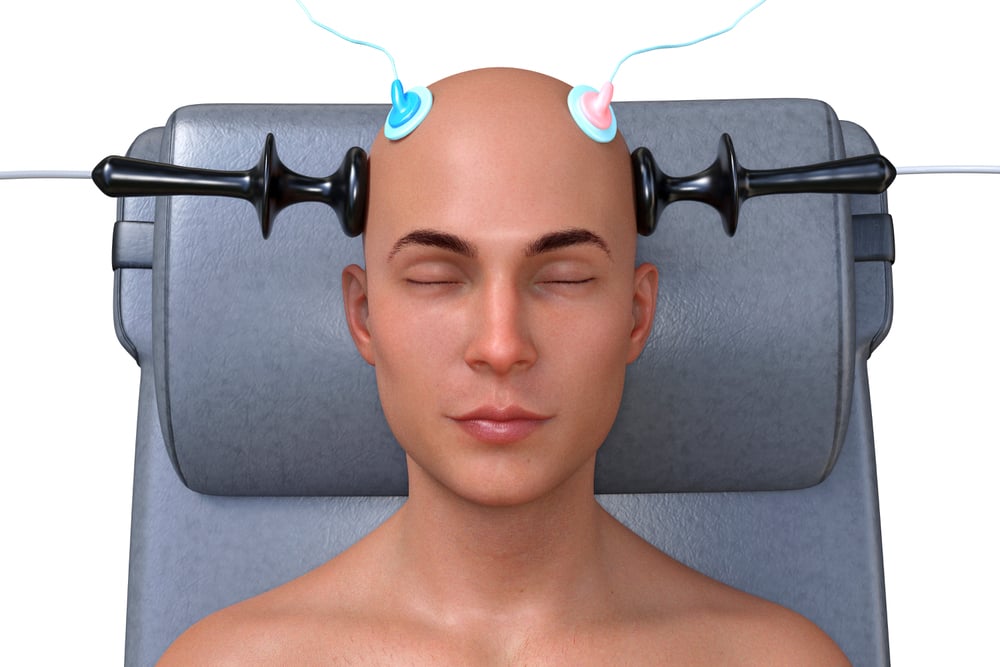
Catatonia is a neuropsychiatric syndrome that can cause people to become completely unresponsive to external stimuli while appearing awake, and patients may hold odd positions with no response to outside stimuli and have very little speech. Someone in a catatonic state might remain motionless for hours or days, barely breathing and showing no reaction to touch, sound, or light.
Their muscles become rigid, and their heart rate and breathing can slow dramatically, making them appear lifeless to observers without modern monitoring equipment.
Catalepsy

Catalepsy is a symptom of certain nervous disorders that causes a trance-like state with loss of sensation and consciousness accompanied by rigidity of the body. The combination of narcolepsy and catalepsy can easily make someone appear dead, as it paralyzes a person’s muscles yet leaves them fully conscious.
This condition creates a wax-like flexibility where limbs can be positioned and will remain in place, while the person appears completely unconscious and unresponsive.
Like Go2Tutors’s content? Follow us on MSN.
Locked-In Syndrome
Locked-in syndrome is characterized by complete paralysis of voluntary muscles except for those that control vertical eye movements, while the individual remains conscious and cognitively intact. People with this condition cannot speak, move their limbs, or even blink horizontally, making them appear completely unresponsive.
Without knowing to look for vertical eye movements, medical professionals might assume the person has died, especially if their breathing becomes very shallow.
Tetanus

Tetanus occurs when bacteria infect a wound and release a strong toxin that makes muscles spasm uncontrollably. In severe cases, the muscle spasms can become so intense that breathing stops and the person appears to have died from the convulsions.
The rigid posturing and apparent cessation of breathing could easily fool observers into thinking death had occurred, particularly when the spasms temporarily subside.
Hypothermia

When body temperature drops severely, metabolism slows to a crawl and vital signs become nearly undetectable. People suffering from extreme hypothermia can have such slow heart rates and shallow breathing that they appear dead to the unaided eye.
Their skin becomes cold and pale, pupils may not react to light, and they might show no response to stimuli. This is why emergency medicine has the saying ‘you’re not dead until you’re warm and dead.’
Like Go2Tutors’s content? Follow us on MSN.
Drug Overdose

Certain drugs, like central nervous system depressants, can slow breathing and heart rate to barely detectable levels. Someone who has overdosed might appear completely lifeless, with blue-tinged skin, no apparent breathing, and an extremely weak pulse that’s difficult to detect without proper equipment.
The person might remain in this death-like state for hours while their body slowly processes the substances.
Diabetic Coma
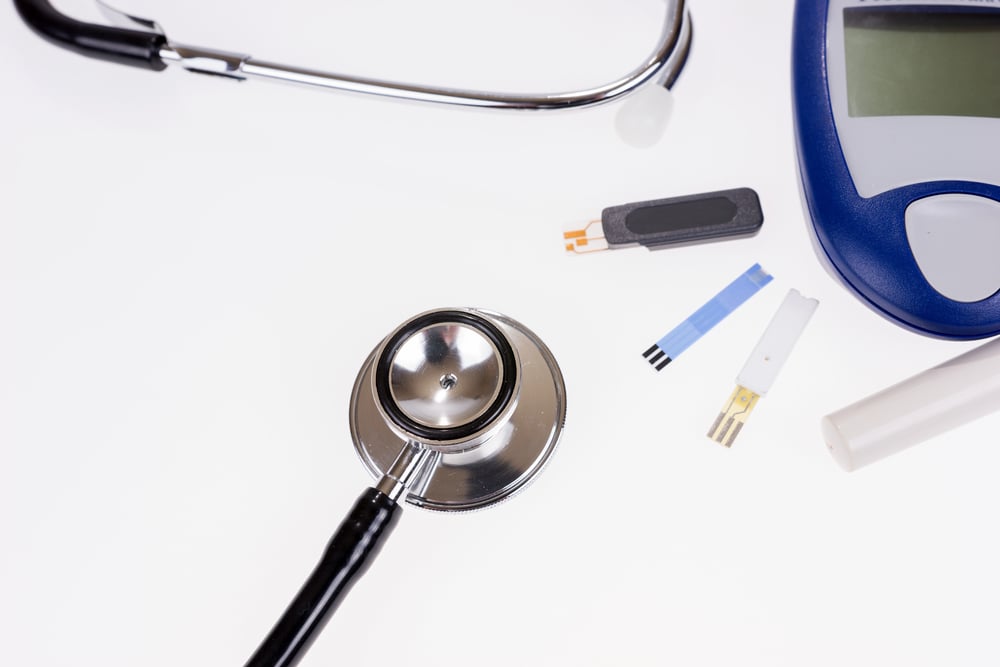
Severe diabetes complications can lead to diabetic ketoacidosis or hypoglycemic coma, where the person becomes completely unresponsive. Their breathing might become very shallow or irregular, and they may show no response to external stimuli.
Without understanding the underlying metabolic crisis, observers might assume the person has died, especially if their blood sugar levels cause them to stop breathing temporarily.
Syncope
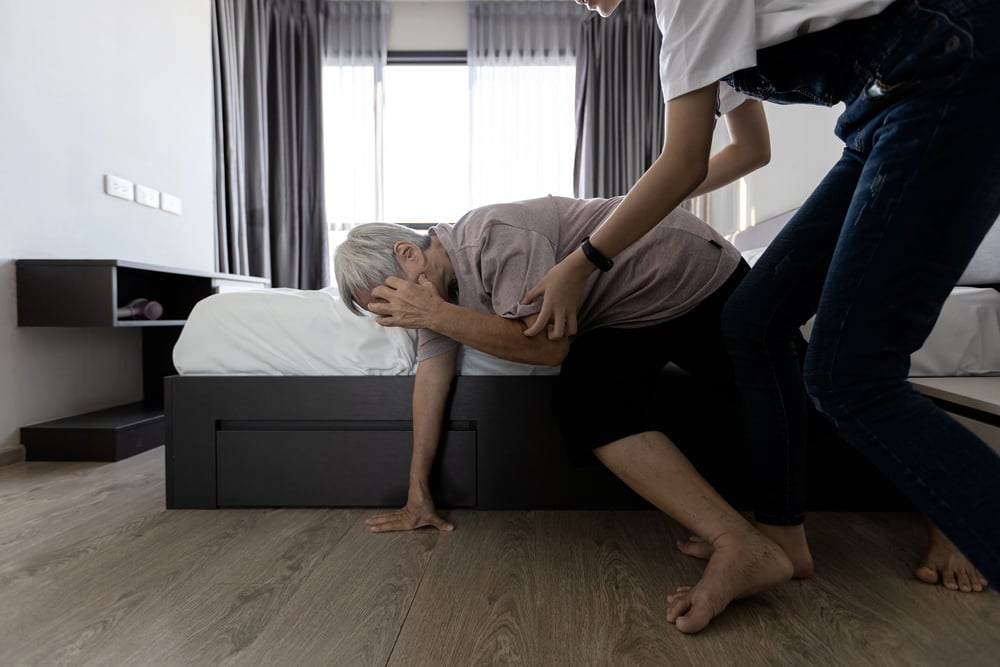
Fainting spells can sometimes be so severe and prolonged that they mimic death. During these episodes, blood pressure drops dramatically, causing the person to lose consciousness completely.
Their pulse might become so weak it’s undetectable, and their breathing can become extremely shallow. Some people remain unconscious for extended periods, appearing lifeless until circulation gradually returns to normal.
Like Go2Tutors’s content? Follow us on MSN.
Epileptic Seizures

Following a major seizure, people often enter a post-ictal state where they’re completely unresponsive and appear lifeless. Their breathing might be irregular or very shallow, and they show no reaction to external stimuli.
This phase can last for hours, and without understanding that it’s part of the seizure recovery process, observers might conclude the person has died from the convulsions.
Severe Depression

In extreme cases of depression, particularly with catatonic features, people can become so withdrawn that they stop eating, drinking, or moving altogether. They might lie motionless for days, showing no response to their surroundings and breathing so shallowly that it’s barely perceptible.
This condition was sometimes mistaken for death in historical cases where the person’s life signs became virtually undetectable.
Narcolepsy

People with severe narcolepsy can fall into such deep sleep states that they appear unconscious or dead. During these episodes, their breathing becomes very slow and shallow, and they might not respond to loud noises, shaking, or other attempts to wake them.
Combined with the muscle weakness that often accompanies narcolepsy attacks, the person can appear completely lifeless for hours.
Like Go2Tutors’s content? Follow us on MSN.
Akinetic Mutism

This neurological condition causes people to lose the ability to move or speak while remaining conscious. They might lie perfectly still with their eyes open but show no response to external stimuli.
Their breathing becomes shallow, and without the ability to communicate or move, they appear to be in a vegetative state or dead, especially if their eyes close during the episode.
Severe Malnutrition

In extreme cases of starvation or malnutrition, the body’s metabolism slows dramatically to conserve energy. People in this state might become completely unresponsive, with barely detectable breathing and heart rate.
Their body temperature drops, skin becomes cold and pale, and they show no reaction to external stimuli, making them appear lifeless until proper nutrition is restored.
Conversion Disorder

This psychological condition can cause people to lose consciousness or become completely unresponsive without any physical cause. During these episodes, which can last for hours or days, the person appears to be in a coma-like state with very shallow breathing and no response to stimuli.
Without understanding the psychological nature of the condition, observers might assume the person has died.
Like Go2Tutors’s content? Follow us on MSN.
Lazarus Syndrome

Lazarus syndrome is the return of spontaneous circulation after CPR has been stopped, and since it was first described in 1982, there have been at least 38 reported cases. This phenomenon occurs when someone who has been declared dead suddenly shows signs of life again, sometimes minutes or even hours later.
The delayed return of circulation can happen due to various factors, including medication effects or changes in chest pressure after resuscitation attempts stop.
When Medicine Meets Mystery

These conditions remind us how far medical science has come in distinguishing between life and death. Modern monitoring equipment can detect the faintest heartbeat, measure brain activity, and track vital signs that would have been impossible to detect centuries ago.
While the fear of being buried alive might seem antiquated today, these medical conditions show us that the boundary between consciousness and unconsciousness, between life and death, can sometimes be more complex than it appears on the surface.
More from Go2Tutors!

- 16 Historical Figures Who Were Nothing Like You Think
- 12 Things Sold in the 80s That Are Now Illegal
- 15 VHS Tapes That Could Be Worth Thousands
- 17 Historical “What Ifs” That Would Have Changed Everything
- 18 TV Shows That Vanished Without a Finale
Like Go2Tutors’s content? Follow us on MSN.



