Fascinating Facts About the Rise of Animated Movies
Back in 1937, Walt Disney bet everything on an idea most people thought was crazy. He spent three years and $1.5 million making a movie entirely out of drawings.
“Snow White and the Seven Dwarfs” earned over $185 million worldwide and proved that animation could move audiences the same way live-action films did. That single film changed entertainment forever.
From that moment on, animation wasn’t just a curiosity—it became a serious contender in the world of movies. Let’s look at some remarkable stories about how animation grew into the powerhouse industry it is today.
Snow White made everyone rethink what was possible
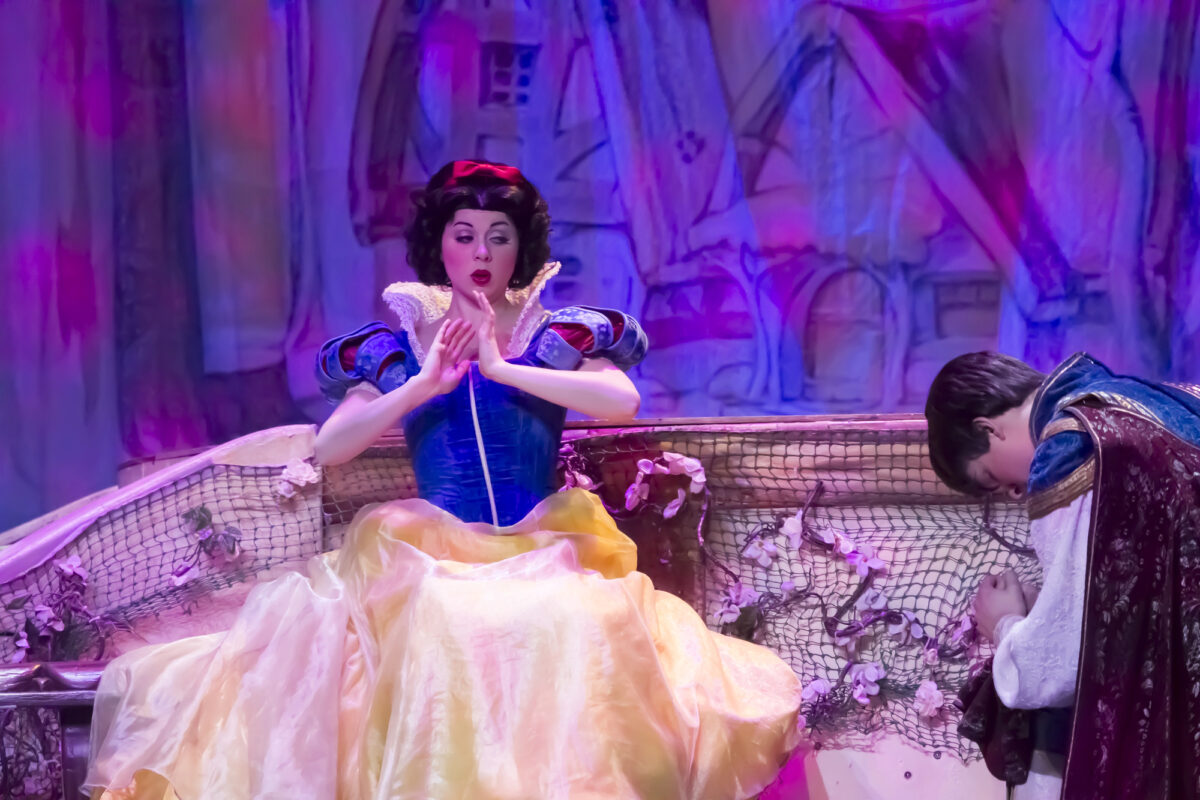
People called it “Disney’s Folly” before it came out. Nobody believed audiences would sit through 83 minutes of animated film without getting restless.
Disney’s gamble paid off in ways nobody predicted. The film made more money than most live-action films of that era.
Success changed how studios viewed animation forever.
The first animated feature actually came from Germany

“The Adventures of Prince Achmed” premiered in 1926, more than a decade before Snow White. It used silhouette animation and ran for 65 minutes.
The film told a complete story from Arabian Nights with impressive artistry for its time. Few people know this film exists today.
It deserves recognition as the true pioneer of feature-length animation.
Like Go2Tutors’s content? Follow us on MSN.
Creating animation required armies of skilled artists

One animated film needed hundreds of workers spread across different departments. Key frame artists drew the main poses.
In-between artists filled the frames connecting those poses. Colorists applied paint. Checkers verified the work looked correct.
A 90-minute film required approximately 129,600 individual drawings. The process took years of coordinated effort from specialized teams.
Animation studios became centers of artistic training

Disney’s studio trained generations of animators who became legends themselves. Young artists learned directly from masters through daily work and mentorship.
Pixar later created a similar environment where collaboration and experimentation thrived. These studios shaped how animation was done for decades.
The culture of excellence became embedded in how these places operated.
Computers began appearing in animation during the 1980s

“Tron” used computer graphics extensively in 1982. The computer sequences looked different from hand-drawn parts.
Audiences found them interesting rather than out of place. Studios experimented throughout the decade, mixing both techniques.
Nobody knew where the technology was heading. This period prepared the industry for major change ahead.
Like Go2Tutors’s content? Follow us on MSN.
Pixar’s “Toy Story” changed the entire direction of animation
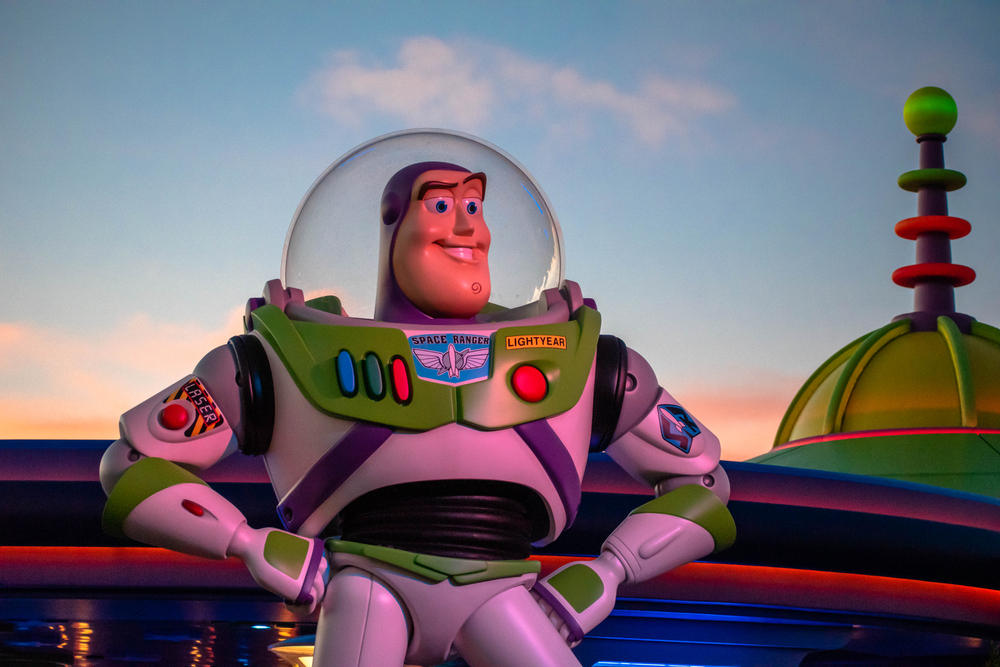
“Toy Story” arrived in 1995 as the first fully computer-animated feature film. It made over $373 million worldwide.
Audiences connected emotionally with characters created entirely on computers. The film proved computer animation could match traditional animation’s emotional impact.
Every studio suddenly needed to invest in computer technology or risk falling behind.
Animation proved it could tell stories for all ages

Films like “Spirited Away” explored complex themes about growing up and identity. “The Incredibles” balanced family drama with action that appealed to adults.
Studios discovered they could layer humor and references that worked differently for different age groups. A single animated film could entertain children while adults found deeper meaning.
Animation became a medium for serious storytelling, not just entertainment for kids.
International animation brought new artistic styles and stories

Japanese anime introduced different narrative techniques to Western audiences. Studio Ghibli’s films showed animation didn’t need to follow Hollywood patterns.
European animators contributed distinct visual styles. Different cultures brought their own storytelling traditions to animation.
The medium became richer and more diverse through global influence.
Like Go2Tutors’s content? Follow us on MSN.
Celebrity voices became major selling points for animated films

Studios began casting A-list actors for voice roles to boost interest in projects. Major actors competed for animated film opportunities.
Voice acting required genuine skill beyond what casual observers realized. Performers conveyed emotion without any physical presence on screen.
Great voice acting became as crucial to a film’s success as the animation itself.
Merchandise revenue dwarfed box office earnings
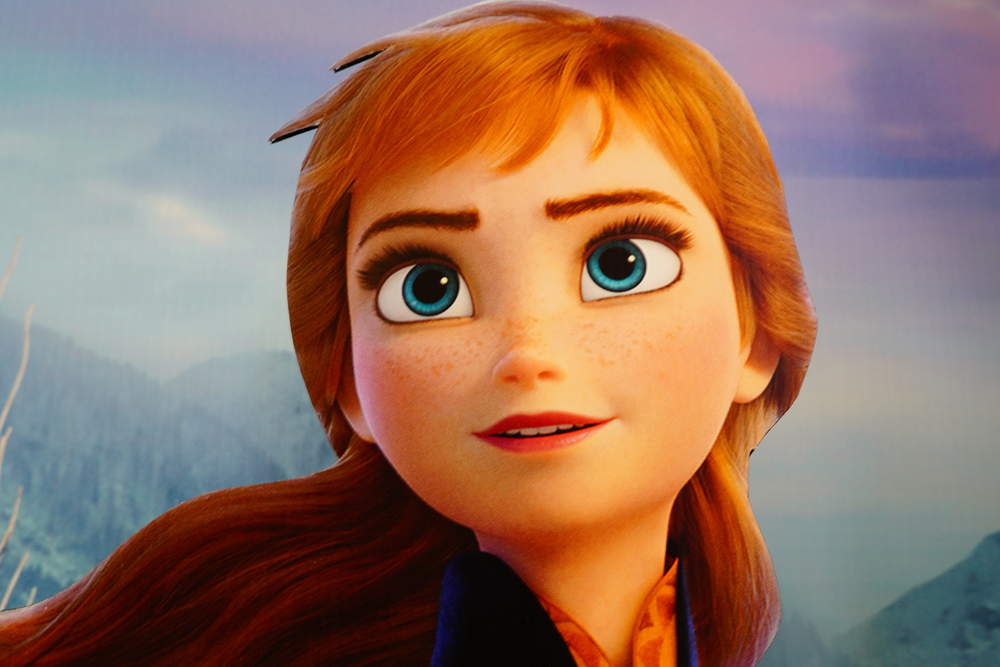
Animation studios discovered that products generated far more income than ticket sales. “Frozen” earned billions through toys, clothing, games, and theme park attractions.
Characters became part of people’s daily lives through merchandise. The film was actually just the beginning of a larger commercial enterprise.
Licensing and product sales became central to animation’s profitability.
Streaming services transformed how animation reached audiences
Netflix and Disney+ created original animated content without theatrical releases. Films could reach billions of viewers instantly through streaming platforms.
Box office numbers became less critical to a film’s success. More people gained access to animation than ever before.
Distribution changed fundamentally, expanding the medium’s reach.
Like Go2Tutors’s content? Follow us on MSN.
Animation drove technological innovation across the film industry

Animators solved technical problems that benefited all filmmaking types. Creating realistic water, hair, and fabric required developing new software and techniques.
Solutions invented for animation became standard tools in live-action films and advertising. Animation led technological advancement rather than following it.
The industry’s push to solve animation problems benefited everyone.
Animators could visualize impossible ideas and abstract concepts

Directors used animation to show things that couldn’t exist in live-action films. “Inside Out” depicted emotions as characters and memories as objects.
Impossible physics and abstract ideas became visual storytelling devices. Animation freed creators from the constraints of physical reality.
Visionary directors chose animation specifically because it allowed their imaginations to become real.
Awards organizations began recognizing animation as serious cinema

Animated films gradually earned nominations alongside live-action productions for major awards. “Beauty and the Beast” and “Toy Story 3” competed for Best Picture consideration.
“Spider-Man: Into the Spider-Verse” demonstrated animation could achieve visual artistry worthy of recognition. Awards organizations shifted to value animation equally with other filmmaking types.
This reflected audience attitudes that animation deserved serious recognition.
Like Go2Tutors’s content? Follow us on MSN.
Global audiences transformed animation into a worldwide industry

Markets in China, India, and other regions developed strong demand for animated content. Studios hired international talent and created culturally diverse stories.
Animation became a truly global medium rather than primarily American entertainment. Success extended beyond Western markets.
The worldwide appetite for animation shaped how studios approached their projects and audiences.
Animation then and now: Still moving us

From black-and-white drawings to lifelike digital characters, animation has never stopped growing. Each decade added something new, whether it was better tools, stronger stories, or more voices behind the scenes.
What began as a fun experiment became a powerful form of art and communication. Today, animated films are everywhere—from theaters to phones—and they still have the power to move, teach, and entertain.
The journey isn’t over, and the next big moment could be just one frame away.
More from Go2Tutors!

- 16 Historical Figures Who Were Nothing Like You Think
- 12 Things Sold in the 80s That Are Now Illegal
- 15 VHS Tapes That Could Be Worth Thousands
- 17 Historical “What Ifs” That Would Have Changed Everything
- 18 TV Shows That Vanished Without a Finale
Like Go2Tutors’s content? Follow us on MSN.