Unusual Beauty Rituals from History
Simple rules have never applied to beauty. Before dermatology, skincare products, and cosmetic chemistry, people used unusual—and occasionally frightening—methods to strive for perfection. Ritual was the foundation for some, and sheer desperation for others. From pastes to poisons, the quest for beauty frequently required a careful balancing act between danger and brilliance.
These are some of the most peculiar beauty customs that, in different eras and cultures, once characterized grace, prestige, and beauty.
Lead-Based Face Powder

Centuries ago, pale skin was considered the height of elegance. To mimic that ethereal look, wealthy Europeans in the 16th and 17th centuries covered their faces with lead-based powder.
It gave them a smooth, almost porcelain appearance, but the consequences were brutal. Continuous use damaged the skin, caused hair loss, and slowly poisoned the body.
Ironically, many just applied more powder to cover the damage, creating a vicious and dangerous cycle.
Nightingale Droppings

During Japan’s Edo period, beauty took a strange but effective turn. Geishas and kabuki performers relied on powdered nightingale droppings to clean their faces and brighten their skin.
When mixed with water, the enzymes in the droppings gently removed heavy makeup and left a soft glow. Odd as it sounds, it worked well enough that the practice lasted for generations.
Not exactly something you’ll find on drugstore shelves today, but it made its mark.
Like Go2Tutors’s content? Follow us on MSN.
Arsenic Complexion Wafers
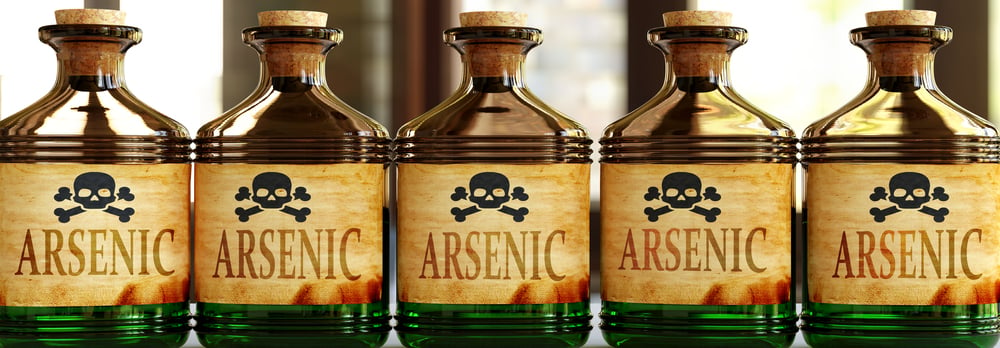
In Victorian times, a fair, smooth face was worth almost any risk. Women often ate thin tablets laced with arsenic, convinced it would make their skin look clear and radiant.
At first, some saw minor effects. But over time, the poison left its mark—dizziness, stomach pain, and other symptoms that could turn deadly.
Even so, many continued the habit, blinded by the promise of beauty from within.
Crocodile Dung Baths

Ancient Egypt embraced beauty rituals as performances in themselves. Cleopatra is said to have bathed in milk mixed with crocodile dung—a concoction believed to preserve youthfulness.
The science behind this was questionable, but the symbolism was powerful: wealth, status, and allure. While the results were debatable, the image of such extravagant rituals has endured through the centuries.
Bee Venom Facials

Long before cosmetic fillers or expensive serums, some communities found their beauty boost in bee stings. A light sting caused the skin to swell slightly, smoothing out fine lines and giving the face a fresh, youthful look.
It was painful, yes, but many believed the discomfort was worth the payoff. Modern skincare has borrowed the idea, swapping stings for carefully formulated creams that promise similar effects.
Like Go2Tutors’s content? Follow us on MSN.
Foot Binding
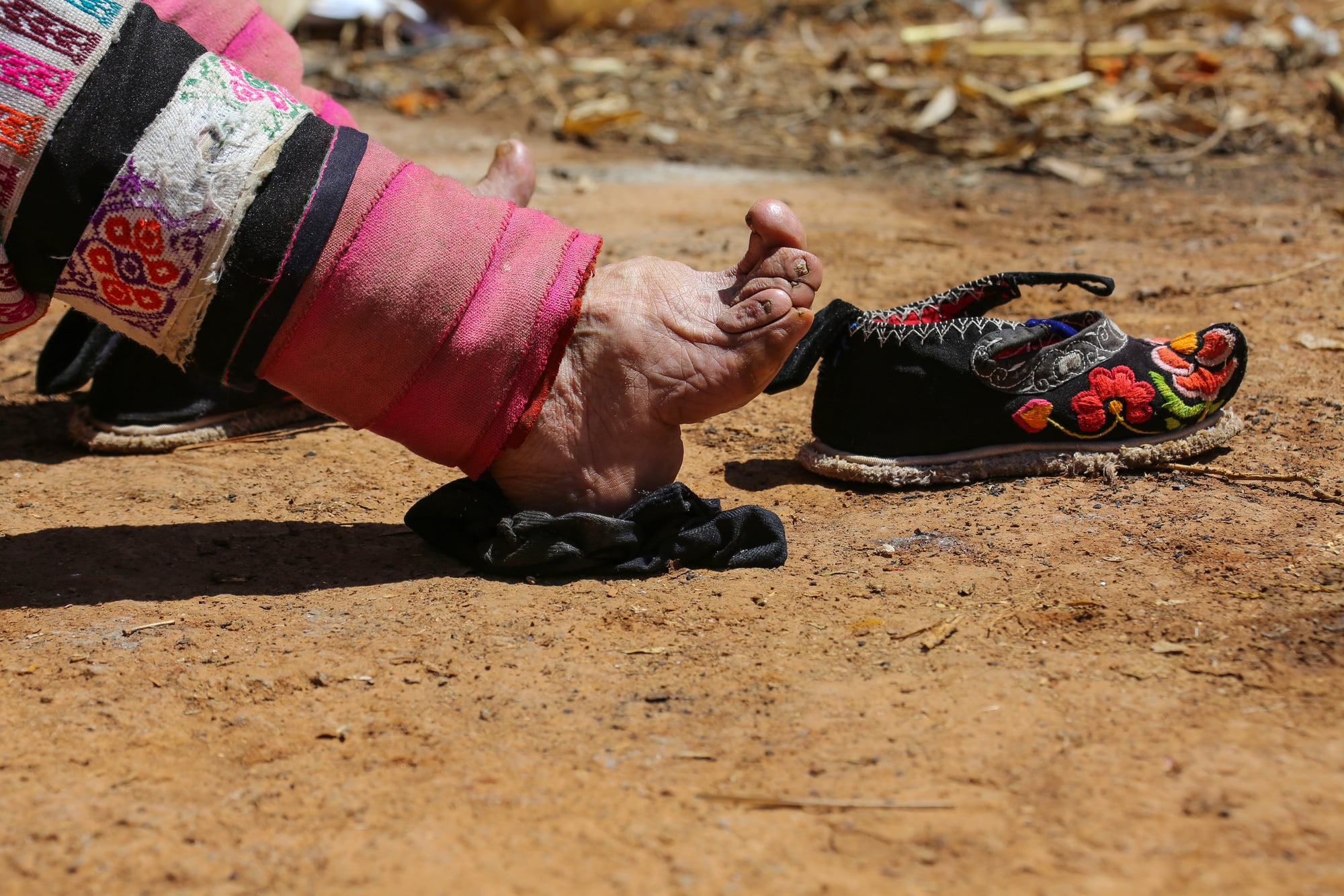
In imperial China, beauty ideals often meant enduring extreme pain. Girls had their feet tightly bound from childhood, forcing the bones into the prized “lotus” shape.
It created a delicate, tiny foot that symbolized refinement and status—but also caused lifelong pain and disability. The practice, seen as elegant at the time, remains one of history’s most disturbing beauty rituals.
Vinegar Diets

Victorian women often turned to vinegar in their pursuit of a delicate, almost ghostlike appearance. Drinking it regularly dulled the natural flush in their cheeks and suppressed appetite, creating the fragile look society admired.
But behind the appearance was malnutrition, fatigue, and frailty. For some, though, the sickly aesthetic was worth the personal cost.
Snail Slime Treatments

The idea of beauty from nature isn’t new. Ancient Greeks and Romans discovered that snail secretions soothed skin and helped heal wounds.
The slimy substance was packed with natural compounds that encouraged skin repair and softness. Though it might sound unappealing, the results were valued—and today, snail mucin is still a prized ingredient in luxury skincare, only packaged a bit more elegantly.
Like Go2Tutors’s content? Follow us on MSN.
Henna and Kohl
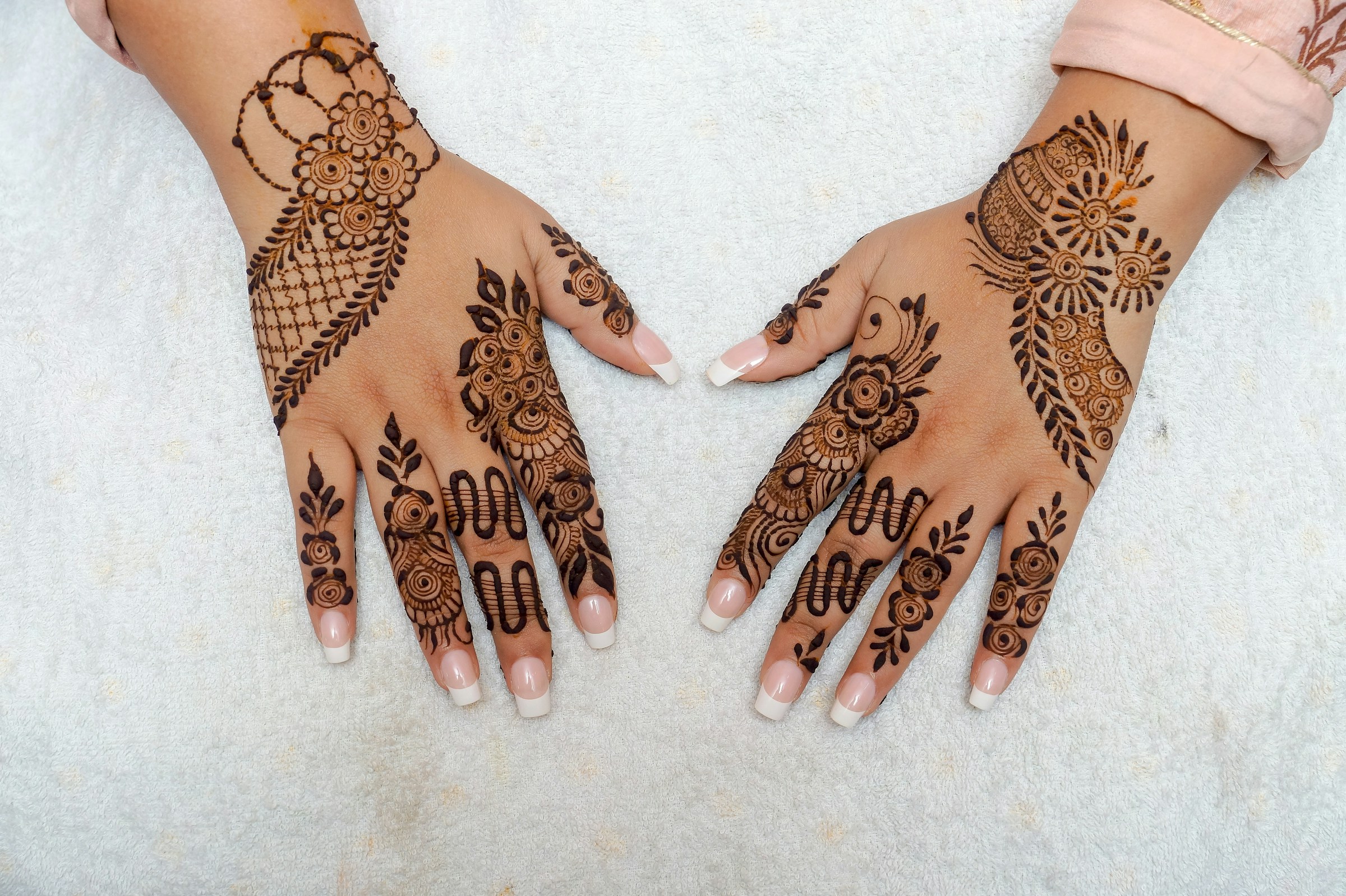
Not all beauty rituals involved danger. In parts of the Middle East, India, and Egypt, henna was used to decorate skin and color hair, while kohl highlighted the eyes.
These natural materials carried cultural and spiritual meaning, often used in celebrations and daily adornment. Unlike many other ancient practices, these traditions have survived and thrived, celebrated for their beauty rather than their risk.
Mixtures of Marvels and Mishaps

History’s beauty rituals, which range from powdered poison to crocodile dung, demonstrate humanity’s never-ending quest for change. The obsession hasn’t changed, even though the ingredients have.
Even so, it’s reassuring to know that modern beauty practices, strange as some of them may be, are a little less lethal.
More from Go2Tutors!

- 16 Historical Figures Who Were Nothing Like You Think
- 12 Things Sold in the 80s That Are Now Illegal
- 15 VHS Tapes That Could Be Worth Thousands
- 17 Historical “What Ifs” That Would Have Changed Everything
- 18 TV Shows That Vanished Without a Finale
Like Go2Tutors’s content? Follow us on MSN.