Cartoons That Predicted Tech Trends
Saturday mornings used to mean one thing: a bowl of cereal and hours in front of the TV watching cartoons. Kids back then had no idea they were watching shows that would later become crystal orbs for the future.
These animated series didn’t just entertain—they showed gadgets and technology that seemed impossible at the time but are now part of everyday life. Let’s take a look at the animated shows that somehow knew what was coming before the rest of us did.
The Jetsons
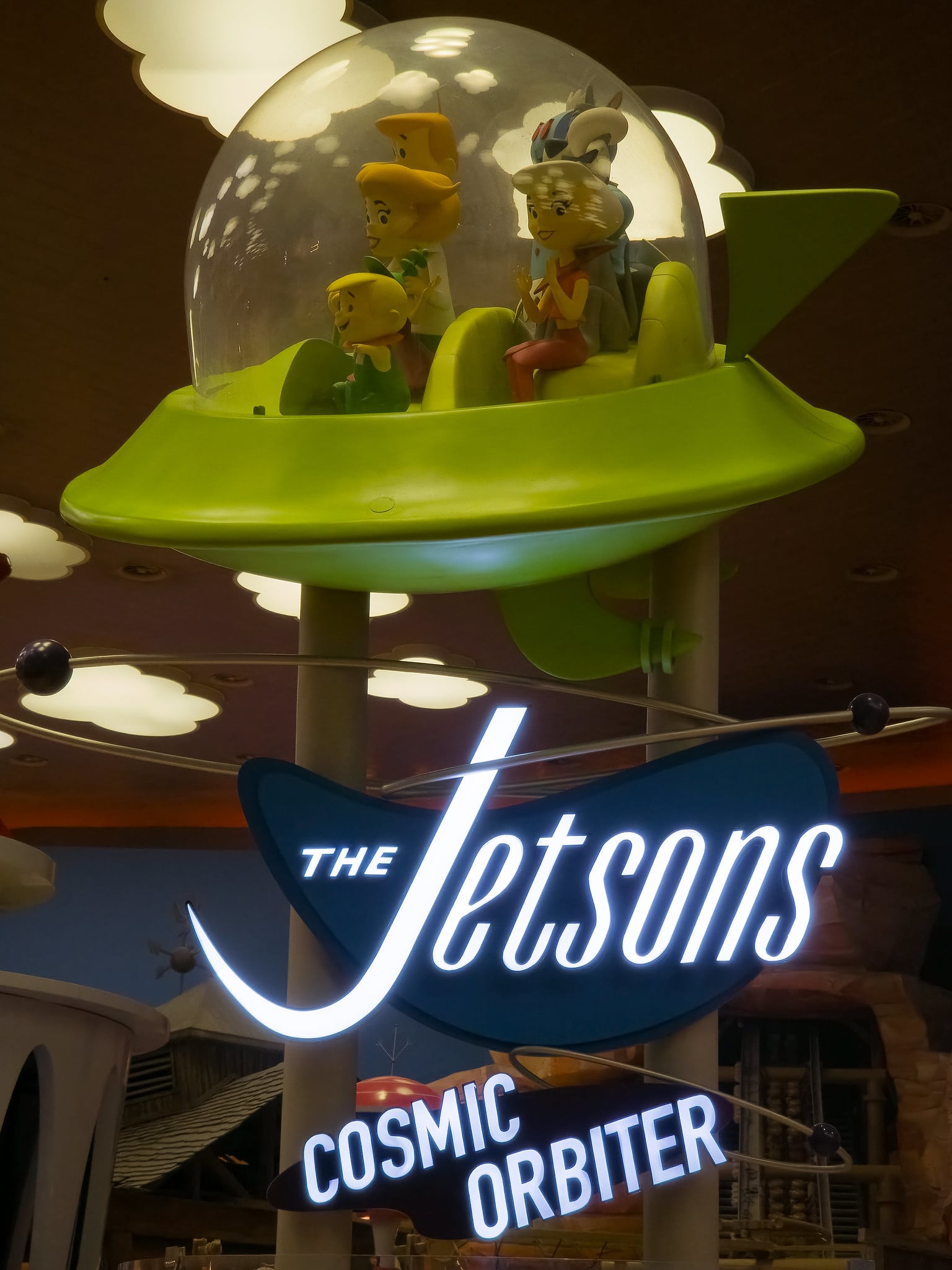
This 1960s cartoon put flying cars and video calls front and center when most families were still getting used to color TV. George Jetson chatted with his boss on a screen that looked exactly like modern video conferencing.
The show also featured smartwatches, robot vacuums, and flat-screen TVs hanging on walls. While we’re still waiting on those flying cars, nearly everything else from the Jetson household has become reality.
The animators basically drew up a shopping list for Silicon Valley.
Inspector Gadget
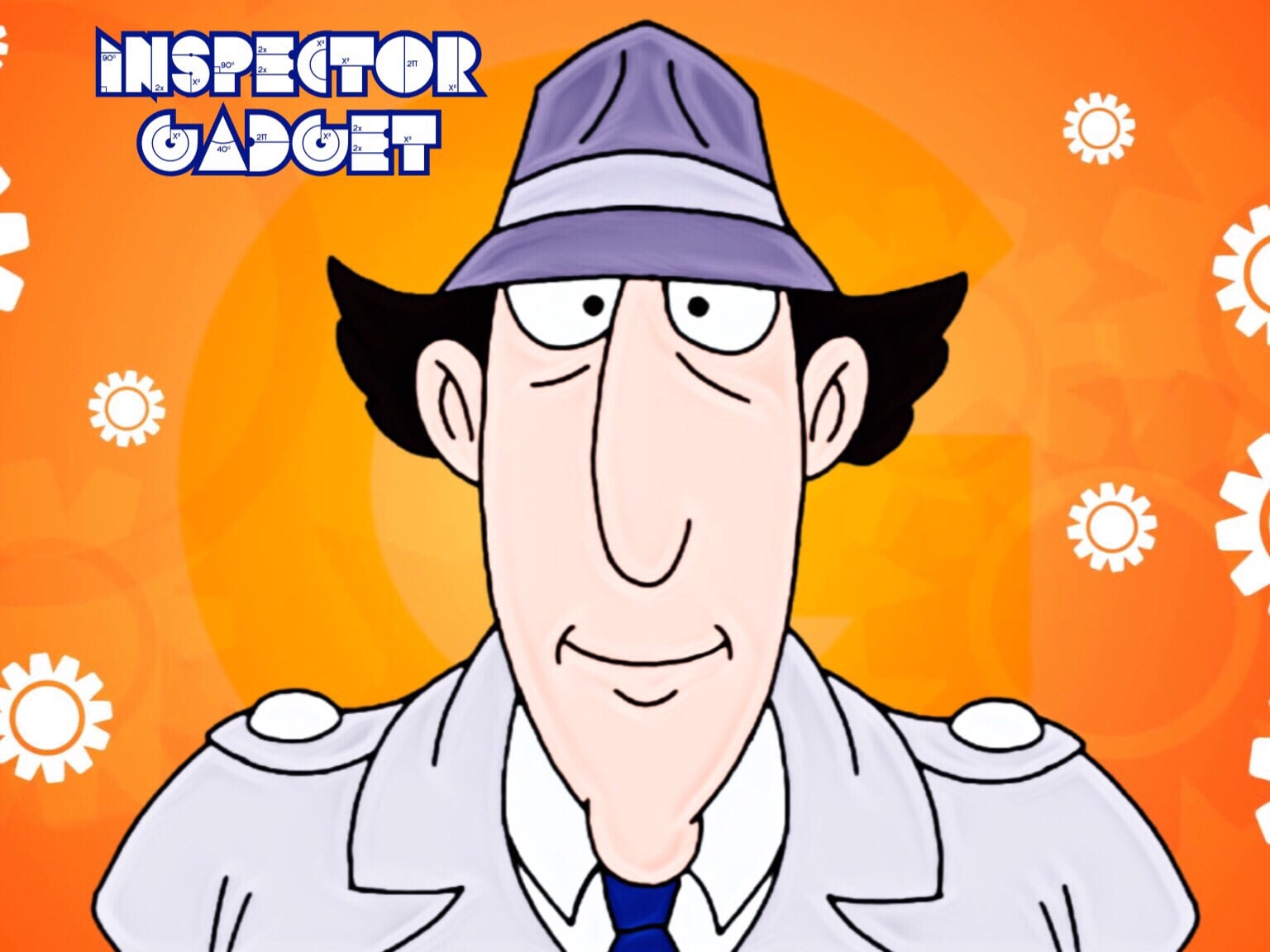
A bumbling detective with gadgets built into his body might have seemed ridiculous in the 1980s, but Inspector Gadget was ahead of his time. His extendable arms predicted robotic prosthetics and medical devices that help people today.
The communicator watch he used to talk to his niece Penny showed up decades later as smartwatches. Even his helicopter hat wasn’t that far off from personal drones.
The show proved that wearable technology didn’t have to be boring, just functional.
DuckTales

Scrooge McDuck’s adventures took him around the world, and the technology in his stories often matched the globe-trotting lifestyle. The show featured early versions of GPS navigation systems when most people still used paper maps.
Video phones appeared in several episodes, letting characters talk face-to-face across continents. The series also showed automated security systems that recognized voices and faces.
For a cartoon about a duck swimming in gold coins, it had surprisingly accurate predictions about how technology would make travel and communication easier.
Teenage Mutant Ninja Turtles
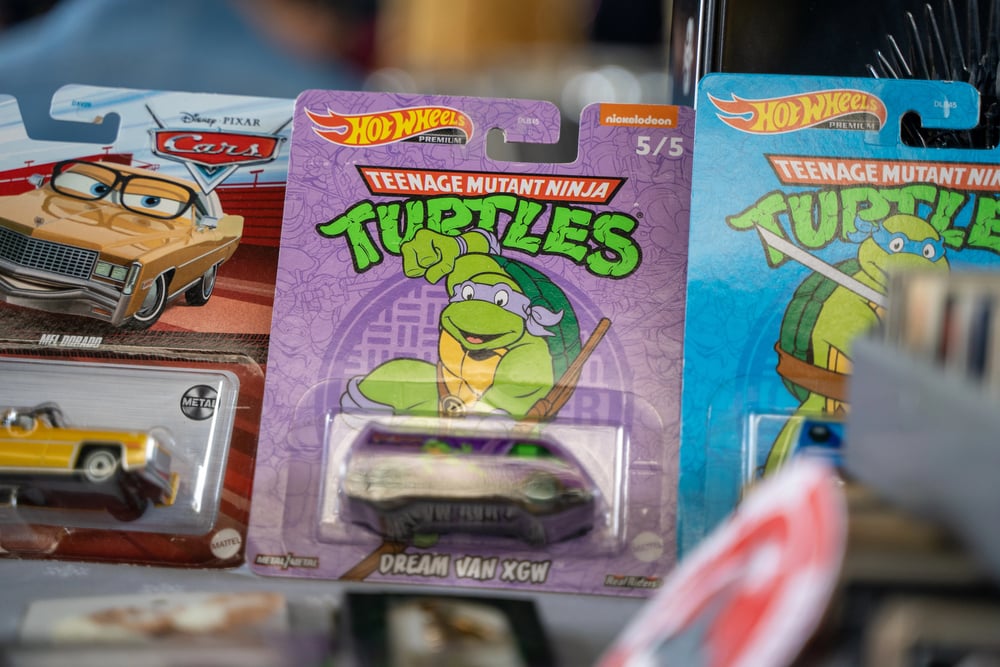
Four turtles living in sewers and eating pizza somehow had access to cutting-edge tech. Their communication devices worked like modern walkie-talkies and smartphones combined.
Donatello, the tech genius of the group, built computers and tracking systems that resembled what law enforcement uses today. The Turtles used handheld devices to monitor the city and communicate instantly with each other.
The animators understood that portable technology would become essential, even if they wrapped it in a story about mutant reptiles fighting crime.
Transformers
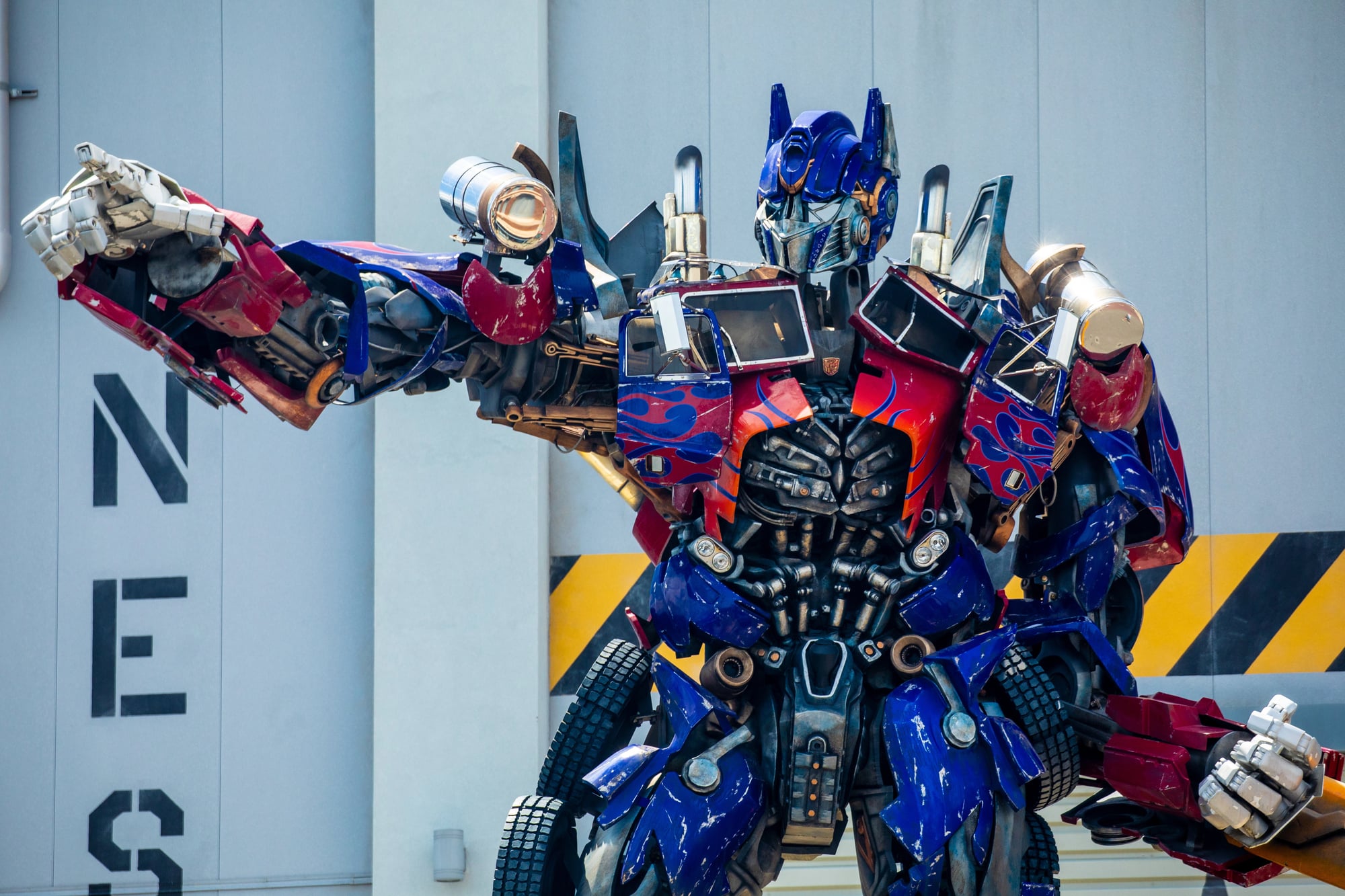
Giant robots that changed shape captivated kids in the 1980s, but the show also featured advanced AI and machine learning concepts. The Transformers themselves were essentially sentient machines that could think and make decisions independently.
This idea of artificial intelligence seemed purely fictional back then. The series also showed holographic displays and advanced computer systems that controlled entire cities.
Modern AI and smart city technology are catching up to what the show imagined decades ago.
Captain Planet and the Planeteers

Environmental issues took center stage in this early 1990s cartoon, but the technology the Planeteers used was equally forward-thinking. Their rings allowed instant global communication, similar to how smartphones connect people worldwide today.
The show featured satellites monitoring environmental damage in real time. It also displayed computer systems that could analyze climate data and predict disasters.
The series understood that technology would play a major role in tracking and addressing environmental problems.
Batman: The Animated Series

Gotham City’s Dark Knight had gadgets that seemed impossible in the 1990s but are now commonplace. Batman used a computer in the Batcave that could access databases and run facial recognition software.
His utility belt contained devices similar to modern smartphones and tablets. The show featured surveillance systems that could track people across the city using cameras and sensors.
Even the Batmobile’s autopilot function predicted self-driving car technology. The animators basically gave Batman a tech startup’s worth of innovations.
Dexter’s Laboratory
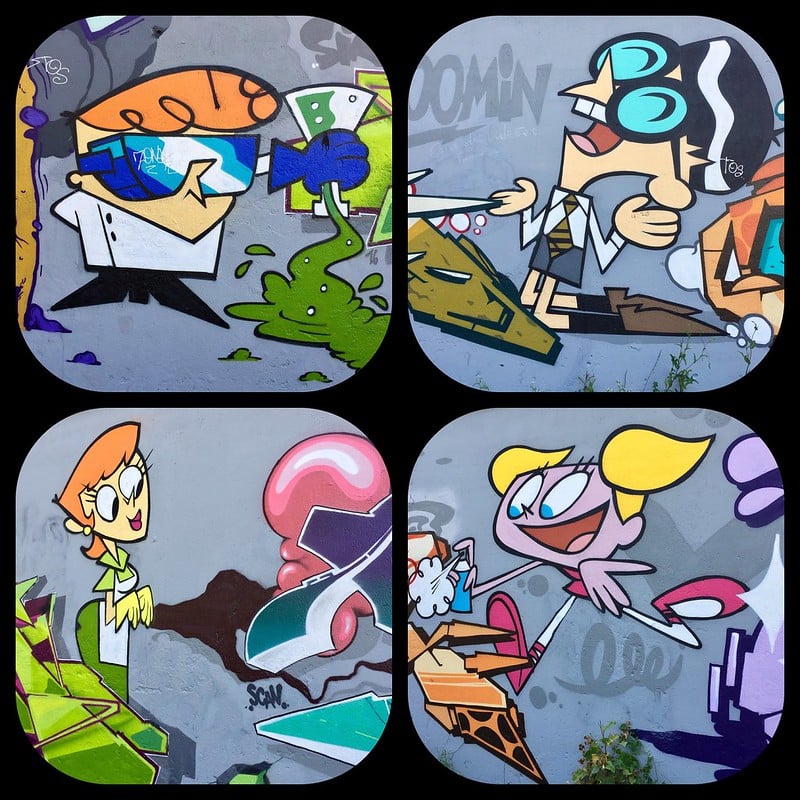
A boy genius with a secret laboratory under his house created inventions that looked absurd but predicted real technology. Dexter built early versions of 3D printers that could create objects from digital designs.
His laboratory featured voice-activated systems and automated machines that responded to commands. The show also included virtual reality experiments long before VR headsets became consumer products.
Dexter’s obsession with science and technology reflected how innovation would eventually become accessible to younger generations.
The Simpsons

Springfield’s favorite family has been on TV since 1989, and over the decades, the show has predicted technology with eerie accuracy. An episode from 1995 showed people using tablets that looked exactly like iPads, which Apple released 15 years later.
The show featured smartwatches, video calling, and autocorrect fails. Homer even used a voting machine that changed his vote, which later became a real concern in elections.
The writers seemed to have a direct line to the future, or they just made so many predictions that some were bound to come true.
Pokémon
Catching creatures and storing them in digital devices was the premise of this massive franchise that started in the late 1990s. The Pokédex that trainers used to identify and catalog Pokémon predicted smartphone apps that identify plants, animals, and objects through cameras.
The show featured augmented reality elements where digital creatures appeared in the real world. Years later, Pokémon Go brought that exact concept to millions of phones.
The series understood that blending digital content with physical spaces would become a major trend.
Futurama

This show from the late 1990s took place a thousand years in the future, but many of its predictions are already here. Characters used eyePhones, which were smartphones implanted directly into their eyes.
The show featured social media addiction, video streaming services, and even cryptocurrency before Bitcoin existed. Self-harm booths might not be around (hopefully), but the show’s dark humor about technology’s impact on society hits different now.
The writers clearly understood where tech culture was heading, even if they exaggerated for laughs.
Kim Possible

A teenage spy with a portable communication device called a Kimmunicator had technology that seemed advanced in the early 2000s. The device combined video calling, internet access, and GPS tracking in one handheld gadget.
Sound familiar? That’s basically a smartphone.
Her tech-savvy friend Wade operated from a room full of computers, coordinating missions remotely like modern telecommuting. The show also featured hacking, digital surveillance, and global communication networks.
For a cartoon about a high school student fighting villains, it nailed the future of mobile technology.
Johnny Quest

This 1960s adventure cartoon showed a family traveling the world with portable radios, tracking devices, and computers that could analyze data on the go. The Quest team used video communication when long-distance phone calls were still expensive.
Their jet had autopilot features and advanced navigation systems. The show featured robotics and artificial intelligence concepts decades before they became mainstream topics.
The animators imagined a world where technology made exploration and adventure more accessible, which is exactly what happened.
Rocket Power
Extreme sports weren’t the only thing this late 1990s show got right. The kids used early versions of action cameras to film their stunts, predicting GoPro culture by years.
The show featured digital video editing and sharing content with friends, which became standard with YouTube and social media. Characters used pagers and early mobile devices to stay connected.
The series captured how technology would become integrated into youth culture and outdoor activities. It understood that documenting experiences would become as important as having them.
Chip ‘n Dale: Rescue Rangers

Two chipmunks and their friends solved mysteries using miniature gadgets and surveillance equipment in this late 1980s show. The Rescue Rangers had tiny cameras, communication devices, and even early versions of drones.
Their headquarters featured computer systems that could access information and track villains across the city. The show predicted how miniaturization would make technology more versatile and accessible.
It also showed how surveillance and monitoring systems would become common tools for security and investigation.
Gargoyles

This darker animated series from the mid-1990s featured ancient creatures adapting to modern New York City and its technology. The show included advanced security systems, facial recognition, and automated defenses for buildings.
Characters used early versions of smartphones and portable computers. The series explored themes of artificial intelligence and robotics through various storylines.
It also showed how technology could be used for both protection and control. The show’s realistic approach to depicting technology made its predictions feel more grounded and believable.
Jimmy Neutron smart kid inventor

A young creator, busy at work with his mechanical pet, filled a room glowing with odd machines. Back when the century was new, such tools felt like fantasy.
Holographic shapes formed out of thin air beside boxes that built objects layer by layer. Thought-powered screens responded before fingers touched them.
Machines moved on their own, learning from each task they tried. Tiny tech, smaller than dust, assembled itself into useful forms.
Teleporting small items happened quietly between experiments. Minds linked directly to circuits, skipping buttons or voice.
Now here’s a twist – Jimmy wasn’t just dreaming up gadgets that never left the sketchpad. Some of those wild ideas actually took root in our world, like voice helpers on countertops and machines building objects layer by layer.
Surprise? A cartoon turned out to mirror a real invention.
It didn’t preach, yet it quietly spotlighted what kids might pull off with curiosity and scrap parts. Progress sometimes wears goggles and talks fast.
Animaniacs

Back in the 90s, a wild animated series called Animaniaks bounced onto screens. Oddball antics filled each scene, yet somehow it guessed where technology was headed.
Three chaotic siblings – born from a Hollywood water tower – raced through digital worlds way ahead of time. Instead of just jokes, they bumped into glowing monitors and clunky keyboards like everyday props.
One minute they’d be dodging studio execs; next, wrestling with glitchy software that felt too familiar. Virtual spaces popped up before most people knew what they were.
Warnings about data chaos slipped in between pie fights and song parodies. Even malware made an appearance, dressed as comedy but carrying real weight.
Screens within screens showed a world drowning in blinking alerts and pop-ups. While pretending to goof off, the whole thing quietly mirrored our future.
Oddly enough, humor became a tool for peering into tech’s impact on daily life, while some punchlines still land just fine today. It turned out that goofy animated stories weren’t blind to the web world creeping in.
Where imagination met innovation

Not just filler during ad breaks, those old cartoons slipped thoughts into children’s heads. Many of those kids later built machines, coded software, ran labs – shaped by what they saw on screen.
A few may have helped create tools their childhood heroes once used in fictional worlds. Creators behind the drawings did not predict the future – they watched small changes happening around them, then stretched them forward in stories.
Right now, new animated shows are repeating the pattern, sketching gadgets and systems that feel like fantasy today, likely common by 2045.
More from Go2Tutors!

- The Romanov Crown Jewels and Their Tragic Fate
- 13 Historical Mysteries That Science Still Can’t Solve
- Famous Hoaxes That Fooled the World for Years
- 15 Child Stars with Tragic Adult Lives
- 16 Famous Jewelry Pieces in History
Like Go2Tutors’s content? Follow us on MSN.



