Unforgettable Television Theme Songs Ranked
There’s something almost magical about hearing the first few notes of a TV theme song from your past.
It doesn’t just remind you of a show—it brings back where you were sitting, who you watched it with, maybe even what you were eating.
These opening songs became the soundtrack to our lives in ways their composers probably never imagined.
They weren’t just introductions to entertainment; they were daily rituals that shaped how we experienced stories together.
Let’s dive into some of the theme songs that refuse to leave our heads, no matter how many years pass.
The Fresh Prince of Bel-Air
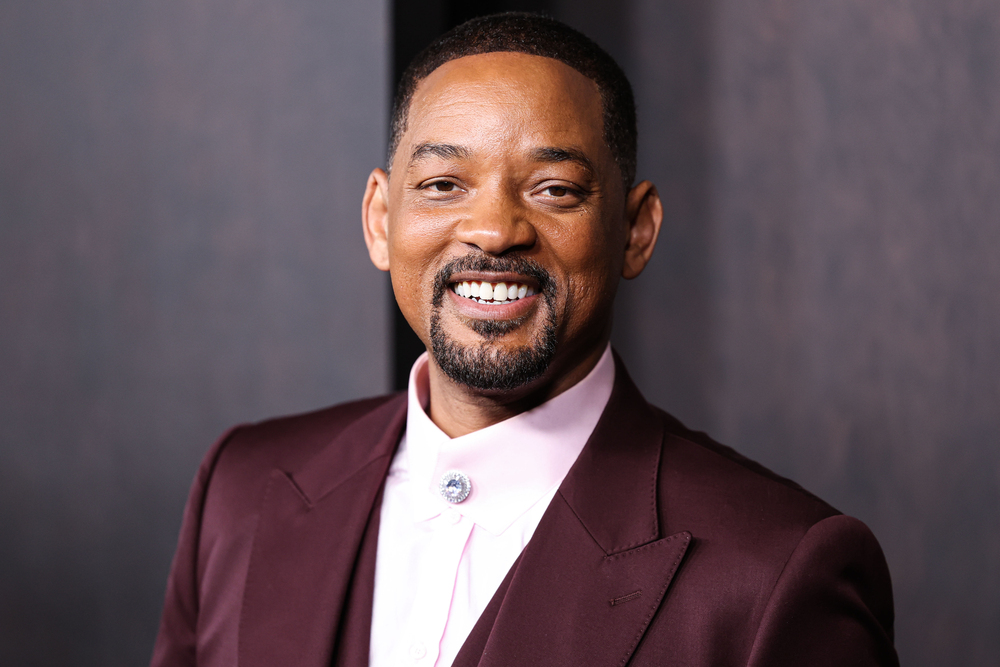
Will Smith basically gave us his autobiography in rap form, and we loved every second of it.
That opening became a shared experience across playgrounds and office break rooms—everyone knew the words, everyone had done the hand movements.
The genius wasn’t just that it was catchy, though it absolutely was.
It managed to tell you everything about the show’s setup while making you smile.
When Smith talks about his mom getting scared and sending him to Bel-Air, you understood the whole premise before the first scene even started.
People still quote those lyrics at parties, and honestly, they probably always will.
Cheers

Walking into a place where everybody knows your name sounds simple enough, but Gary Portnoy tapped into something deeper than that.
His song promised belonging.
It offered refuge from a world that could feel pretty lonely sometimes.
The melody wrapped around you like a warm blanket, and that piano felt like coming home after a long day.
What’s interesting is how the song outlived the show in terms of cultural relevance.
People still reference it when talking about their favorite spots, their regular hangouts, the places that feel safe.
That kind of staying power doesn’t come from clever marketing.
It comes from touching something real in people’s hearts.
The Simpsons
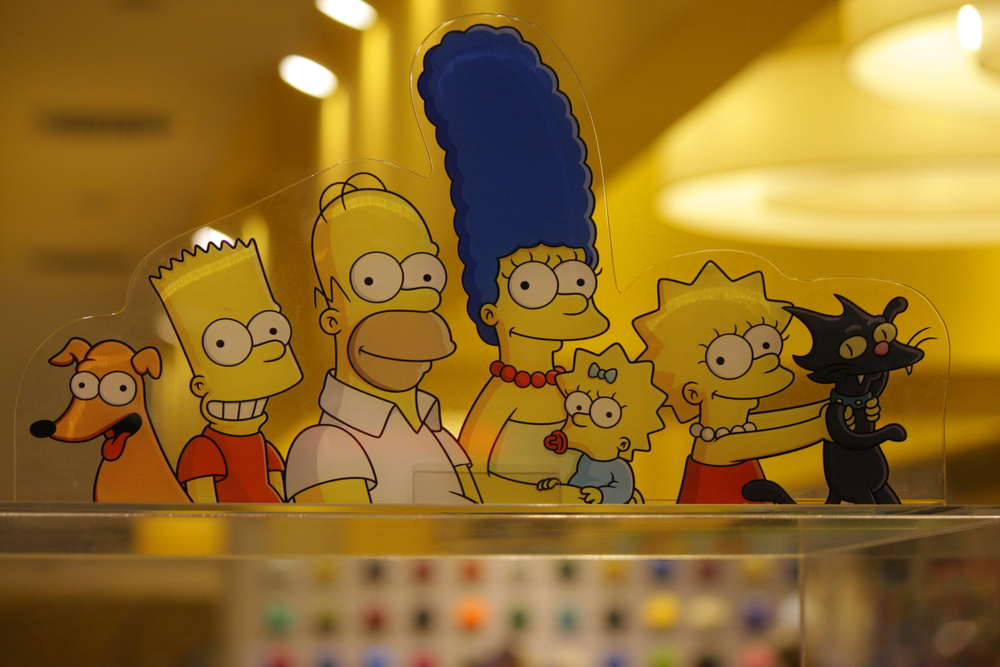
Danny Elfman created a theme that’s been played more times than most songs ever recorded, and somehow it never gets old.
The frantic energy matches the chaos of Springfield perfectly—it starts playful, builds into something bigger, and lands with that satisfying couch gag payoff.
Orchestras perform it in concert halls now, which would have seemed ridiculous back in 1989.
But here we are, three decades later, and those opening notes still make people smile.
The show has changed over the years, cast members have come and gone, but that theme remains untouchable.
It’s the one constant in a series that’s constantly evolving.
Friends
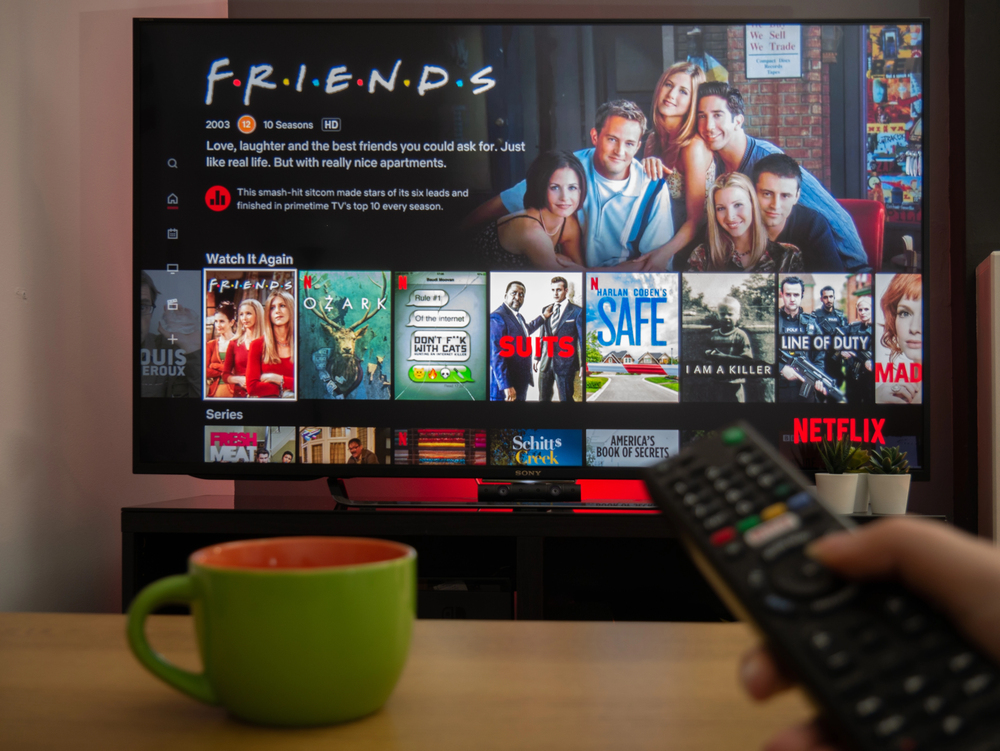
The Rembrandts gave a whole generation their anthem, whether they asked for it or not.
‘I’ll Be There For You’ wasn’t just a theme song—it became a promise between friends, a declaration of loyalty, a soundtrack to countless nights spent figuring out adulthood together.
The clapping part turned watching TV into something participatory.
You weren’t just sitting there passively; you were part of the experience.
And then it did something remarkable: it broke free from the show entirely and became a legitimate radio hit.
People who didn’t even watch Friends knew the song.
That’s the mark of something special, when the music transcends its original purpose and takes on a life of its own.
The X-Files

Mark Snow understood that sometimes what you don’t say is scarier than what you do.
His whistling, eerie melody created instant atmosphere without a single word.
It prepared you for the weird, the unexplained, the things that go bump in the night.
The theme became cultural shorthand for anything creepy or paranormal.
Even now, when someone wants to reference something mysterious, they’ll hum those notes.
It’s been parodied countless times, which is usually a sign that something has truly entered the cultural consciousness.
Snow created a mood in under a minute that most composers spend entire scores trying to achieve.
Law & Order
Two notes.
That’s all it took.
Mike Post created the most efficient theme in television history with those distinctive ‘dun-dun’ sounds.
They signal justice, procedure, and the gritty reality of New York City’s legal system without any explanation needed.
The full theme builds from there, layering in a sense of urban determination and official authority.
Multiple spinoffs have used variations because why mess with perfection?
It’s been sampled by musicians, referenced in comedy sketches, and become part of our shared language.
When something goes wrong, someone inevitably makes that sound.
That’s cultural penetration you can’t buy.
The Brady Bunch

Efficiency in storytelling doesn’t get better than this.
The theme explained a blended family situation, named all six kids, showed you their faces in a grid, and made it catchy enough that children memorized it without trying.
That’s impressive work for about 60 seconds of airtime.
The song did all the exposition the show needed, which meant episodes could jump right into the story.
There’s something pure about how straightforward it was.
No hidden meanings, no complex metaphors—just a clear explanation of how this family came together, set to a melody that got stuck in your head for days.
MAS*H

Johnny Mandel composed something hauntingly beautiful for a show about war, and that juxtaposition worked perfectly.
The instrumental version used for the series carried all the melancholy of the original lyrics without spelling anything out.
It prepared you for a show that would make you laugh and break your heart, sometimes in the same episode.
The theme understood what MAS*H was really about: finding humanity in impossible circumstances, holding onto hope when everything felt hopeless.
People listened to it outside the show because it stood on its own as a piece of music.
That’s rare for TV themes, which usually need their visual counterpart to make sense.
Game of Thrones
Ramin Djawadi had a tall order: create a theme for the most ambitious show on television.
He delivered something that felt ancient and modern at the same time.
The way it builds from quiet strings into that full orchestral swell gave viewers a minute to prepare for the epic storytelling about to unfold.
Watching that map come to life while the music swelled became a weekly ritual for millions of people.
Even after the show ended in a way that disappointed many fans, the theme remained untouchable.
Nobody blamed the music for how things turned out.
If anything, it reminded people of when the show was at its peak, when anything felt possible in Westeros.
Happy Days

Nostalgia wrapped in a rock and roll package, served with a side of simpler times.
The theme asked ‘Sunday, Monday, Happy Days’ and promised a visit to an era when life felt easier, even though that era was probably never as simple as we remember it.
But that’s beside the point.
The song made people feel good, which was the entire goal of the show.
It became a hit single because the emotion it captured—longing for innocence and easier days—resonated beyond the TV screen.
People wanted to feel that warmth, that sense of belonging to a time when drive-ins and sock hops seemed like the biggest concerns in life.
Mission: Impossible
Lalo Schifrin did something unusual by composing in 5/4 time, which immediately created tension because our ears expect different rhythms.
The driving beat suggested urgency and high stakes before a single scene played.
It’s pure adrenaline in musical form.
The film franchise kept coming back to this theme because it’s inseparable from the brand itself.
Try to imagine Mission: Impossible with different music—it doesn’t work.
Schifrin created something so definitive that it’s been in use for over 50 years across multiple generations of the franchise.
That’s not just a good theme song.
That’s a masterpiece.
The Mary Tyler Moore Show

Sonny Curtis wrote ‘Love Is All Around’ before anyone knew Mary Richards would become a television icon.
But once that show premiered, the song became an anthem for independence, for women making their own way, for believing you could make it after all.
Mary throwing her hat in the air while that music swelled created one of television’s most enduring images.
The optimism in those lyrics matched the character perfectly.
It promised that taking chances on yourself was worth it, that starting over in a new city could lead to something wonderful.
That message resonated in the 1970s and honestly, it still resonates now.
Gilligan’s Island

Sherwood Schwartz knew exactly what he was doing when he made the theme song do all the heavy lifting.
By the time those three minutes were up, you knew who everyone was, how they got stranded, and what the basic setup would be.
The bouncy, nautical melody made it fun instead of tedious.
Kids learned it without meaning to, which was the point.
The show never had to waste time explaining itself because the theme handled all of that.
It’s almost annoying how well it sticks in your memory, but that’s also why it worked so perfectly.
The Sopranos
Choosing Alabama 3’s ‘Woke Up This Morning’ instead of a traditional orchestral theme was a power move.
The gritty, bluesy track set expectations immediately: this wasn’t going to be a typical mob story.
The opening drive through New Jersey became as iconic as the music, with Tony Soprano heading back to his suburban life while that beat pulsed underneath.
It felt authentic to the world David Chase was creating, where criminals lived next door and tried to balance family dinners with criminal enterprises.
The song had an edge to it, a rawness that traditional TV themes lacked.
It announced that television was changing, and The Sopranos was leading that change.
Scooby-Doo, Where Are You!
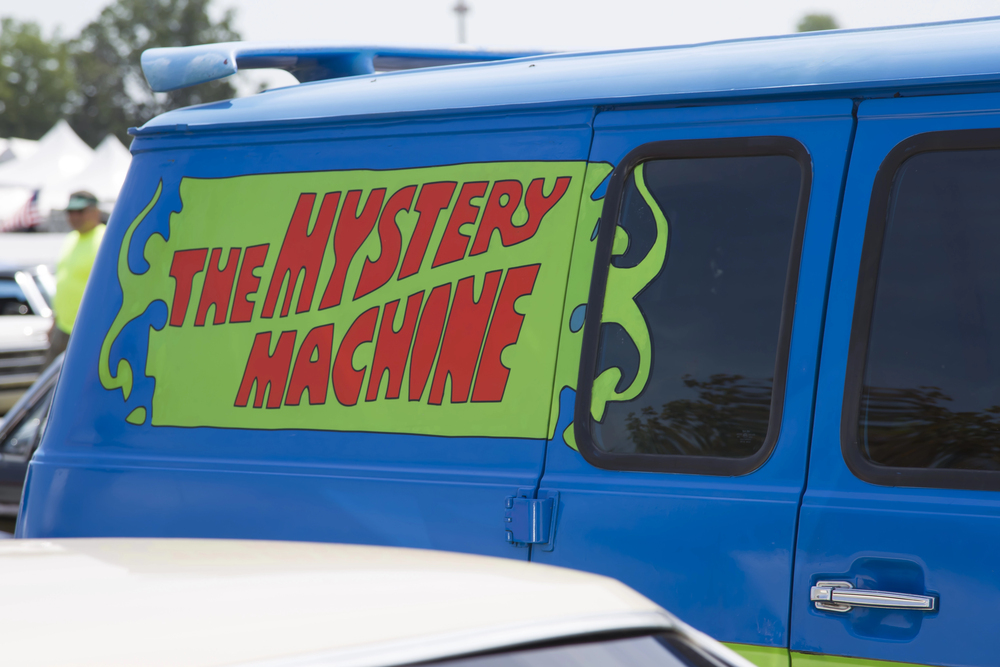
David Mook and Ben Raleigh created something that appealed to kids without talking down to them.
The jazzy composition had real musical sophistication hiding under that fun, bouncy melody.
‘Scooby-Dooby-Doo, where are you?’ became more than a hook—it became a catchphrase that transcended the show.
Every iteration of the franchise has returned to this theme in some form because it’s so fundamentally connected to the characters.
It promised adventure, mystery, and just enough spookiness to be fun without being frightening.
That balance is harder to achieve than it looks.
Stranger Things
Kyle Dixon and Michael Stein proved that synthesizers could still create something fresh while evoking the past.
Their pulsing electronic theme builds tension beautifully, preparing you for the mysteries of Hawkins without giving anything away.
The 1980s nostalgia is there, but it doesn’t feel like a cheap imitation.
It charted on its own, spawned countless covers, and reminded modern television that theme songs still matter.
In an era when many shows were ditching opening credits entirely, Stranger Things made people actually want to watch them.
That’s a real achievement.
The Golden Girls

Andrew Gold wrote ‘Thank You for Being a Friend’ in 1978, never knowing it would become permanently associated with four women navigating life in Miami.
Cynthia Fee’s version for the show took those lyrics about friendship and gratitude and made them feel even more personal.
The song became bigger than the sitcom—it became an anthem for friendship itself, across all ages and situations.
When people want to express appreciation for their closest friends, they reference this song.
It captured something fundamental about human connection and why we need each other.
That’s a lot of weight for a TV theme to carry, but it handles it perfectly.
Why they matter now

These songs did something that’s becoming increasingly rare: they created shared cultural moments.
In an age of streaming and skipping intros, these themes remind us of when watching TV was a communal experience.
They prove that music can be just as important to storytelling as dialogue or visuals.
The best ones didn’t just introduce shows—they became part of our emotional landscape, soundtracks to memories that had nothing to do with television at all.
That’s the real test of a great theme song: whether it means something beyond the show itself, whether it connects to something larger in our lives.
These compositions passed that test decades ago, and they’re still passing it today.
More from Go2Tutors!

- The Romanov Crown Jewels and Their Tragic Fate
- 17 Halloween Costumes Once Considered Taboo
- Famous Hoaxes That Fooled the World for Years
- 15 Child Stars with Tragic Adult Lives
- 16 Famous Jewelry Pieces in History
Like Go2Tutors’s content? Follow us on MSN.