Interesting Facts About the Invention of Pizza
Pizza might be the world’s most universally beloved food, but its journey from ancient flatbread to global icon is far more complex than most people realize.
The story involves ancient civilizations, a queen’s visit, skeptical tomatoes, and a wave of immigration that changed American cuisine forever.
What started as peasant food in Naples became the dish that unites nearly every corner of the planet.
Flatbreads Came First, Long Before Pizza
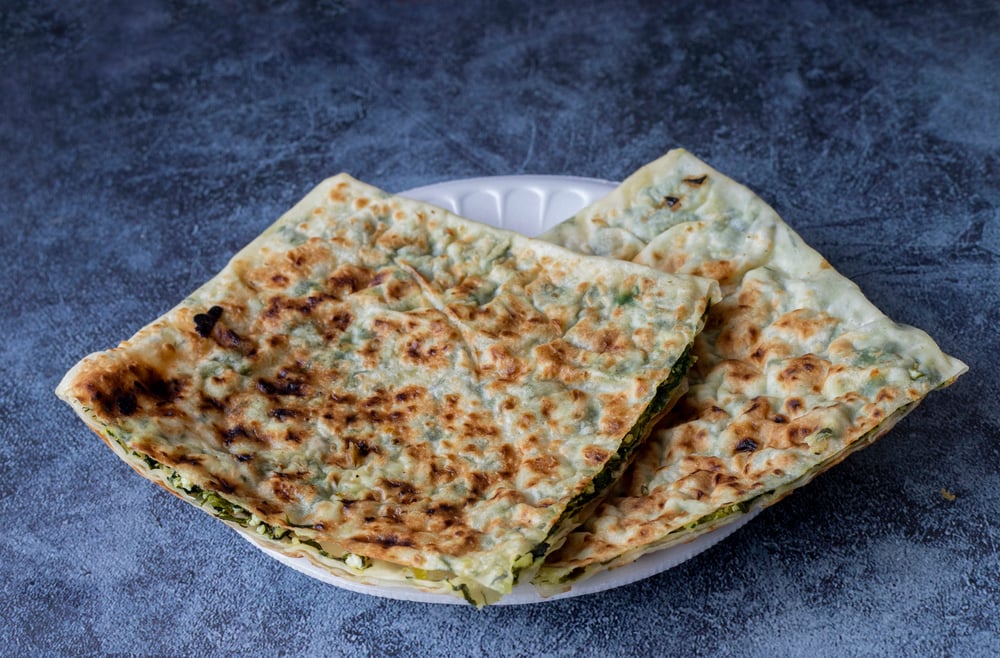
The concept of putting toppings on baked dough is ancient, stretching back thousands of years before anyone in Italy thought to add mozzarella.
The Egyptians, Greeks, and Romans all had their versions of flatbreads topped with oils, herbs, and whatever else was available.
Persian soldiers in the 6th century BC reportedly baked flatbreads on their shields and topped them with cheese and dates.
The Greeks had ‘plakous,’ a flatbread topped with herbs, onions, and garlic.
Romans enjoyed ‘panis focacius,’ a precursor to focaccia, often flavored with olive oil and local spices.
None of these were pizza as we know it, but they established the basic template: flatbread plus toppings equals quick, affordable sustenance.
Tomatoes Were Once Considered Poisonous
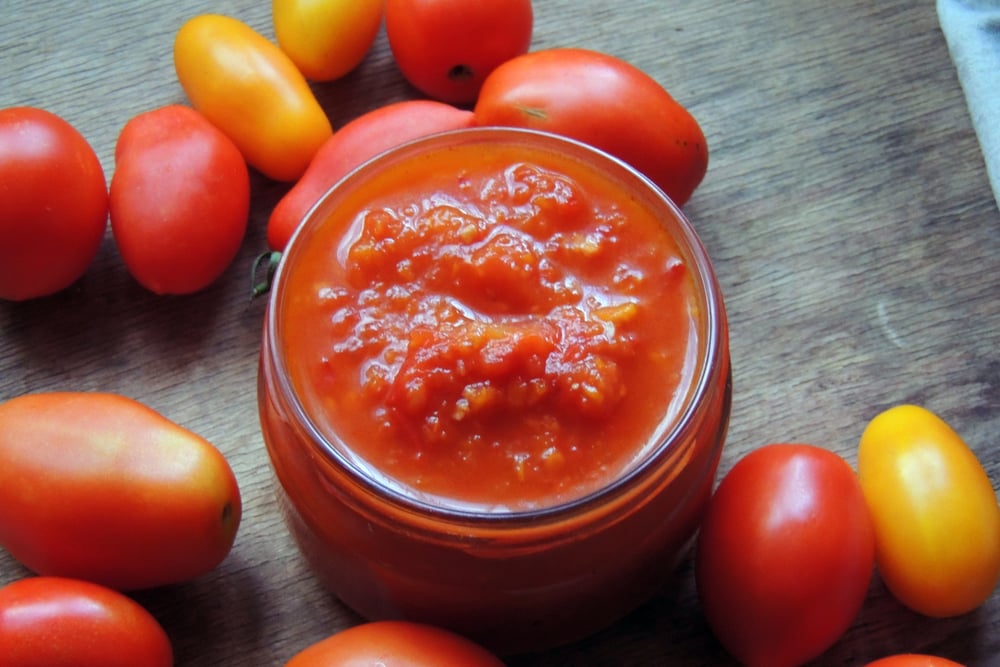
When tomatoes arrived in Europe from the Americas in the 16th century, they weren’t exactly welcomed with open arms.
Many Europeans believed they were poisonous because they belong to the nightshade family, and wealthy diners reportedly became ill after eating them — though the real culprit was likely the lead in their pewter plates reacting with the tomato’s acidity.
For decades, tomatoes were grown as ornamental plants, admired but not eaten.
It wasn’t until the late 1700s that impoverished Neapolitans, who couldn’t afford to be picky, started adding tomatoes to their flatbreads.
Necessity, as it turns out, breeds delicious innovation.
Naples Was the Birthplace of Modern Pizza
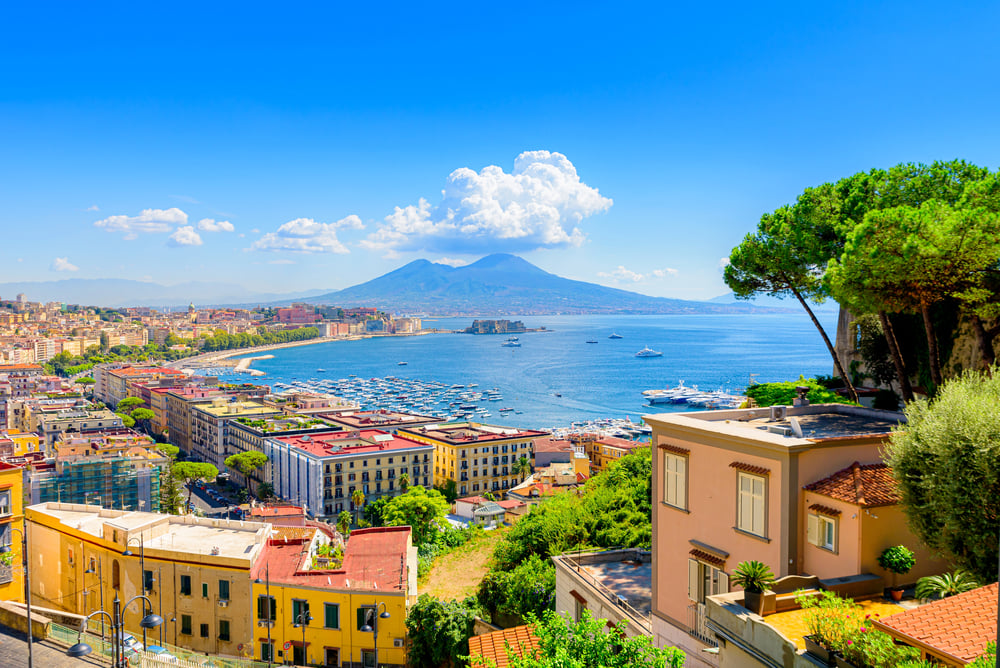
By the 18th and early 19th centuries, Naples was a thriving waterfront city packed with working-class residents who needed cheap, fast food.
Street vendors and informal restaurants began selling flatbreads topped with tomatoes, cheese, oil, garlic, and anchovies.
These early pizzas were sold in the streets and eaten folded in half, making them perfect for people on the go.
The Neapolitan poor ate pizza for breakfast, lunch, and dinner, often buying it by the slice and paying what they could afford.
Wealthier Italians largely ignored it, viewing pizza as lowly street food unworthy of serious culinary attention.
That perception wouldn’t last.
Queen Margherita Changed Everything in 1889
The turning point for pizza’s reputation came during a royal visit.
In 1889, King Umberto I and Queen Margherita of Savoy were visiting Naples, and the queen reportedly grew tired of the elaborate French cuisine served at every royal function.
She requested something local, and pizzaiolo Raffaele Esposito was summoned to prepare pizzas for her.
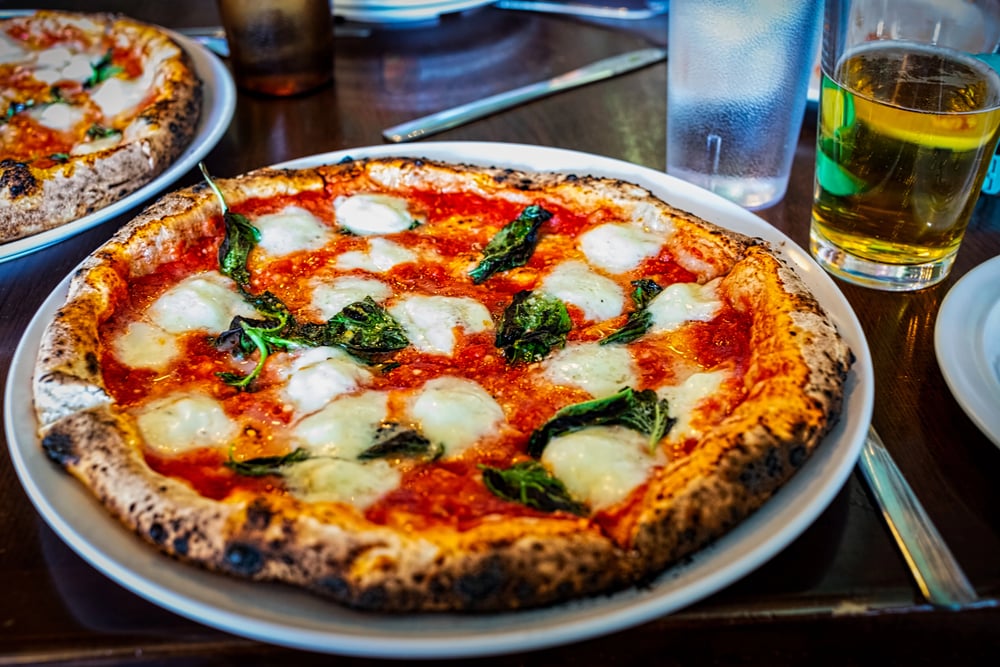
Esposito made three varieties, but the one that won her over featured tomatoes, mozzarella, and basil — the colors of the Italian flag.
He named it ‘Pizza Margherita’ in her honor, and the royal endorsement transformed pizza from peasant fare into something respectable.
Whether this story is entirely accurate or partly legend doesn’t really matter.
It stuck, and Pizza Margherita became iconic.
Italian Immigrants Brought Pizza to America
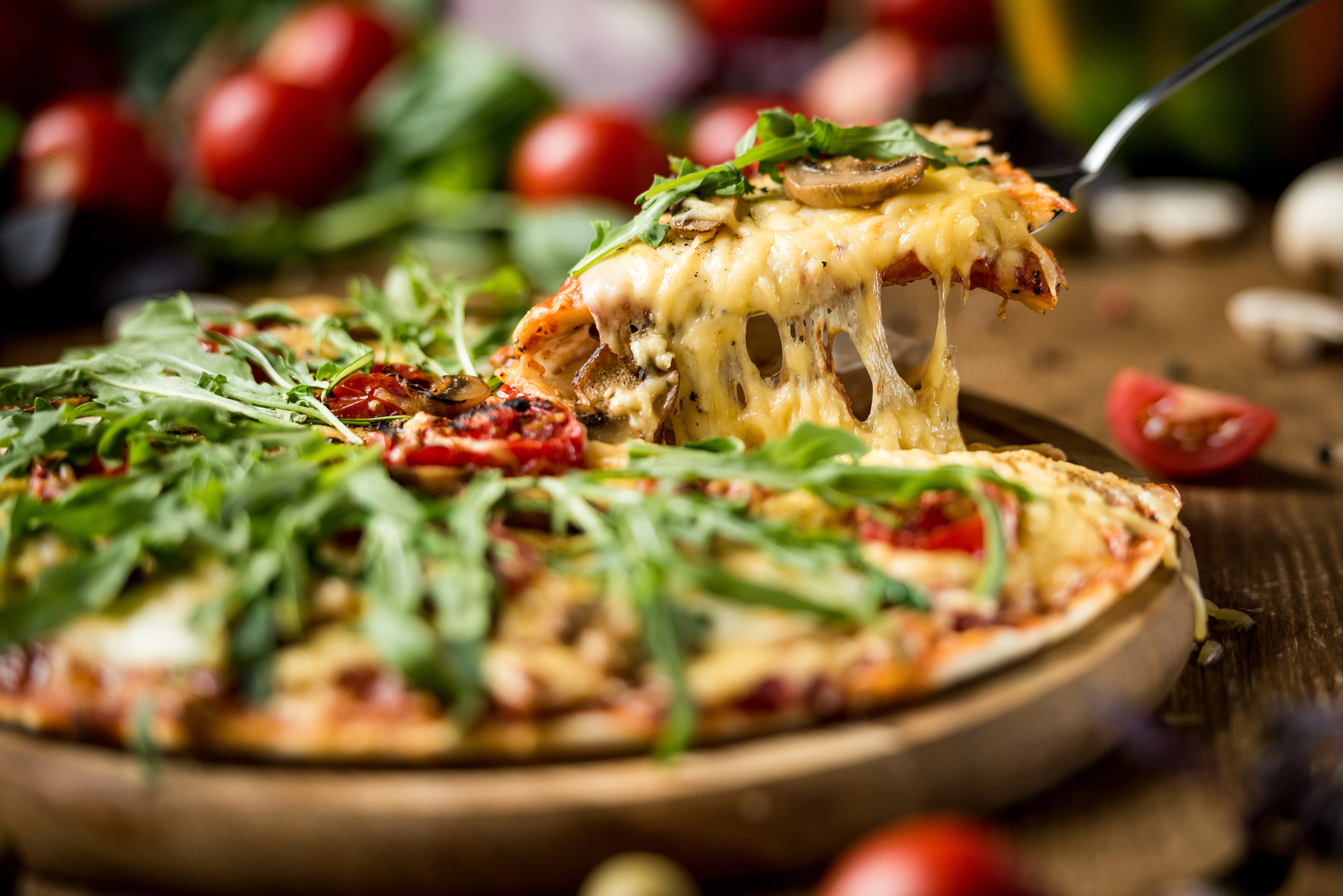
Pizza arrived in the United States with the wave of Italian immigrants in the late 19th and early 20th centuries.
Most of these immigrants came from southern Italy, particularly Naples, and they brought their food traditions with them.
At first, pizza was only found in Italian neighborhoods, made and consumed by immigrants longing for a taste of home.
The first pizzeria in the U.S., Lombardi’s, opened in New York City in 1905, serving coal-oven pizzas to the local Italian community.
For decades, pizza remained largely ethnic food, unfamiliar to most Americans outside immigrant enclaves.
It would take a world war to change that.
World War II Soldiers Came Home Craving It

American soldiers stationed in Italy during World War II encountered pizza and developed a taste for it.
When they returned home, they sought out pizzerias and requested the dish they’d enjoyed overseas.
This surge in demand coincided with post-war prosperity and the growth of suburban America, where families were looking for affordable, casual dining options.
Pizzerias began opening beyond Italian neighborhoods, and the dish quickly became a mainstream favorite.
By the 1950s, pizza was shedding its ethnic associations and becoming simply American food.
The First Frozen Pizza Was a Game Changer
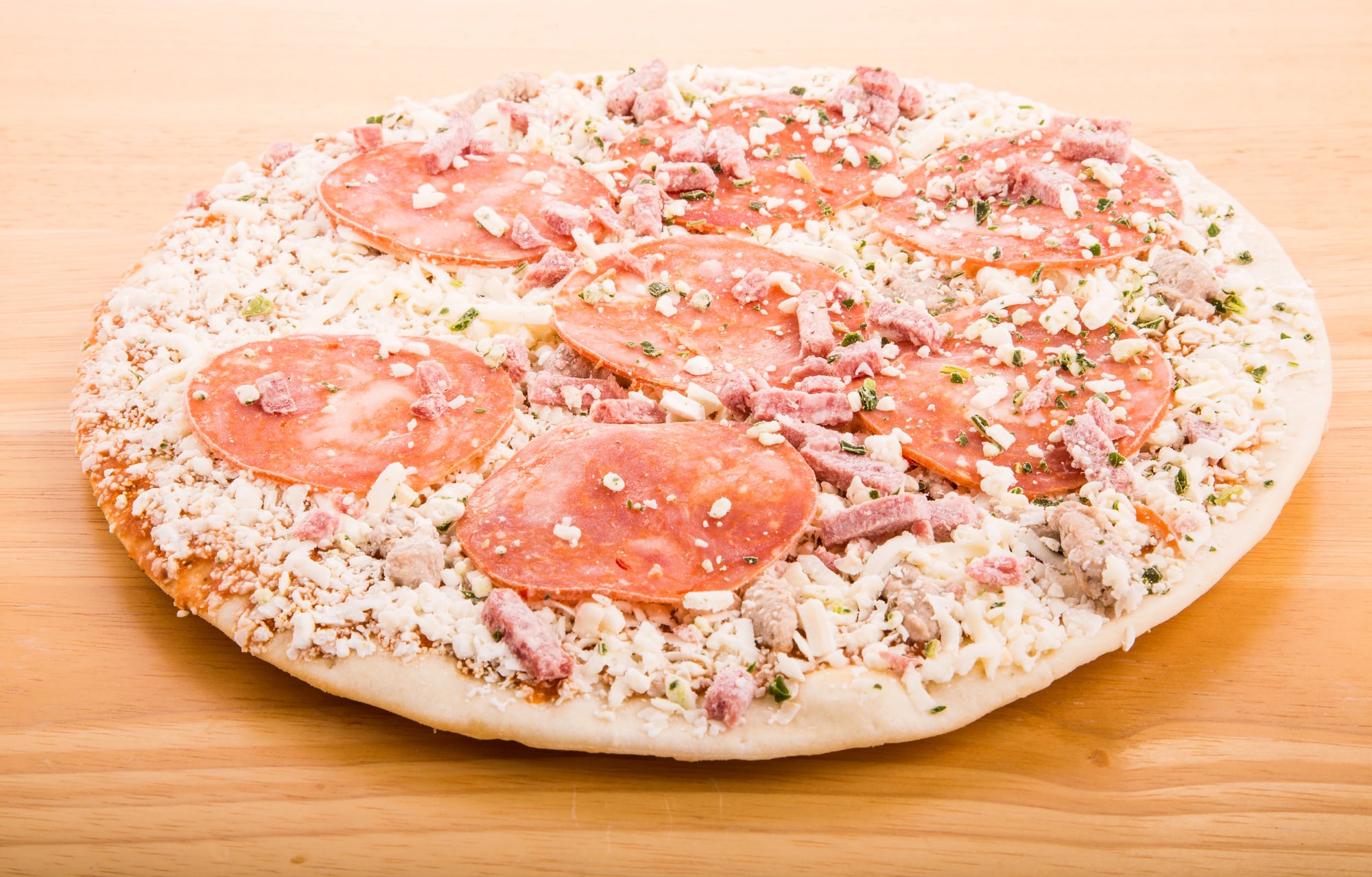
In 1957, the Celentano Brothers introduced the first frozen pizza to American supermarkets, and a year later, the Totino family followed with their own version.
Frozen pizza made the dish accessible to anyone with an oven, transforming it from restaurant fare into a household staple.
It wasn’t gourmet, but it was convenient, affordable, and tasted good enough to satisfy a weeknight craving.
The rise of frozen pizza also spurred competition and innovation, with brands experimenting with different crusts, sauces, and toppings.
Pizza had officially entered the convenience food era.
Regional Styles Developed Their Own Identities
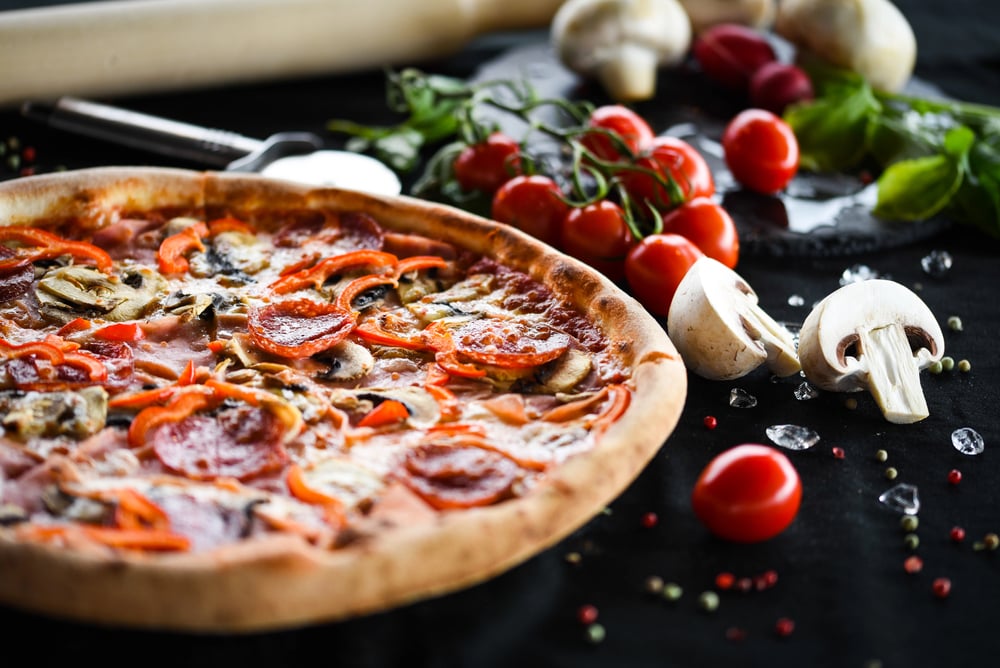
As pizza spread across America, different cities developed their own distinct styles.
New York pizza became known for its thin, foldable slices with a crisp yet chewy crust.
Chicago invented deep-dish pizza in 1943, a hefty, pie-like creation with layers of cheese, toppings, and chunky tomato sauce.
Detroit-style pizza, baked in rectangular pans, featured a thick, airy crust with crispy, caramelized cheese edges.
New Haven, Connecticut, developed its own coal-fired ‘apizza,’ often topped with clams.
Each regional style reflected local tastes and available ingredients, proving that pizza was adaptable enough to become whatever a community wanted it to be.
Pizza Chains Made It a National Phenomenon
The rise of pizza chains in the 1960s and 70s turned pizza into a truly national phenomenon.
Pizza Hut, founded in 1958, expanded rapidly and introduced Americans to standardized, sit-down pizza dining.
Domino’s, founded in 1960, pioneered fast delivery, promising pizzas in 30 minutes or less.
Little Caesars brought affordability to the forefront with its budget-friendly pricing.
These chains didn’t necessarily make the best pizza, but they made it accessible, reliable, and everywhere.
By the 1980s, ordering pizza for delivery or takeout had become a routine part of American life, especially for families, parties, and lazy weeknights.
Italy Took Pizza Seriously Enough to Regulate It
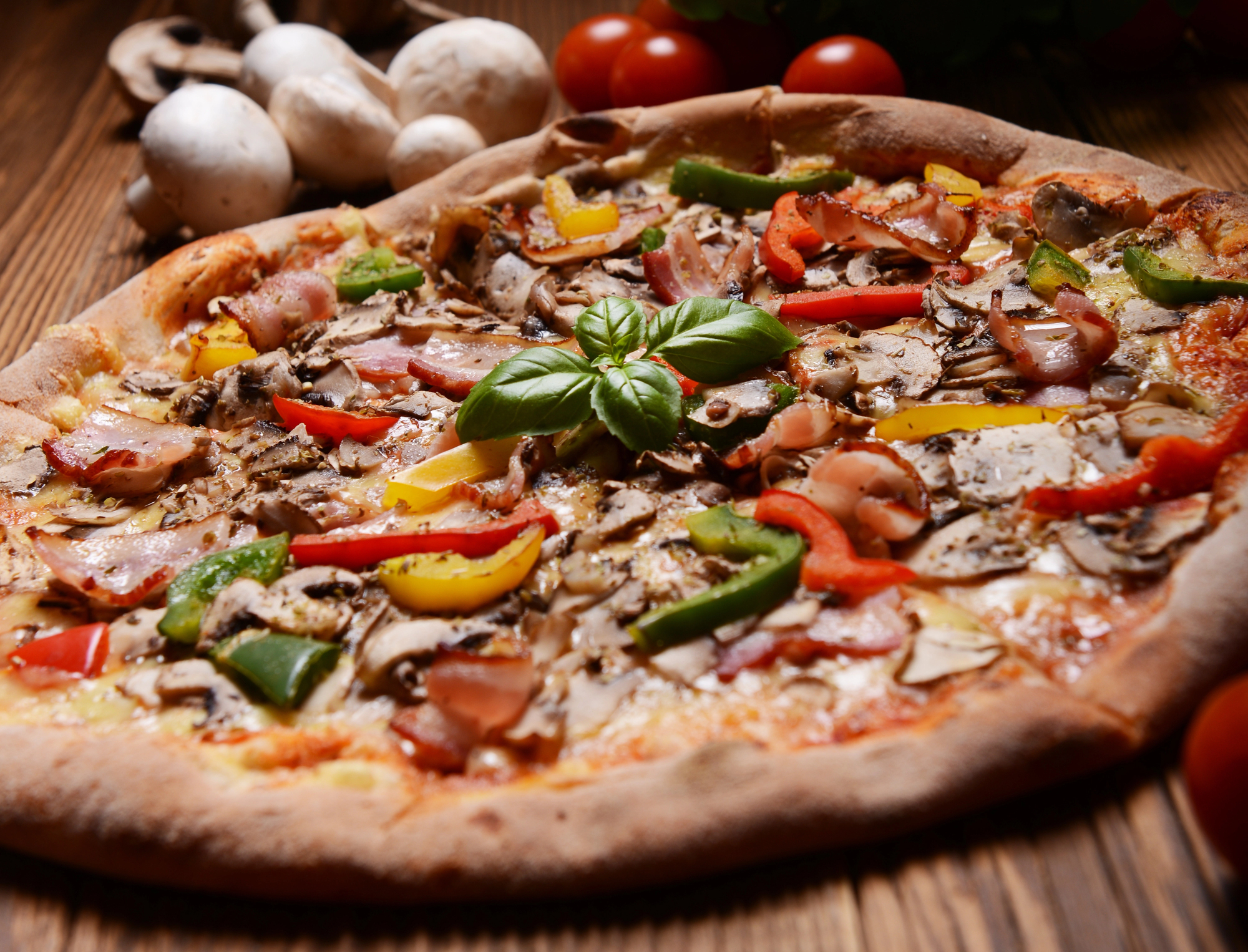
While Americans were experimenting wildly with toppings, Italy was moving in the opposite direction.
In 1984, the Associazione Verace Pizza Napoletana was founded to preserve the traditional methods of Neapolitan pizza-making.
The organization established strict guidelines: dough must be made with specific flour, hand-kneaded, and topped only with San Marziano tomatoes, mozzarella di bufala, fresh basil, and extra virgin olive oil.
It must be baked in a wood-fired oven at around 900 degrees Fahrenheit for no more than 90 seconds.
In 2009, the European Union granted Neapolitan pizza Protected Designation of Origin status, the same legal protection given to Champagne and Parmigiano-Reggiano.
Italy wasn’t about to let its culinary heritage be diluted.
Pizza Became a Genuinely Global Food
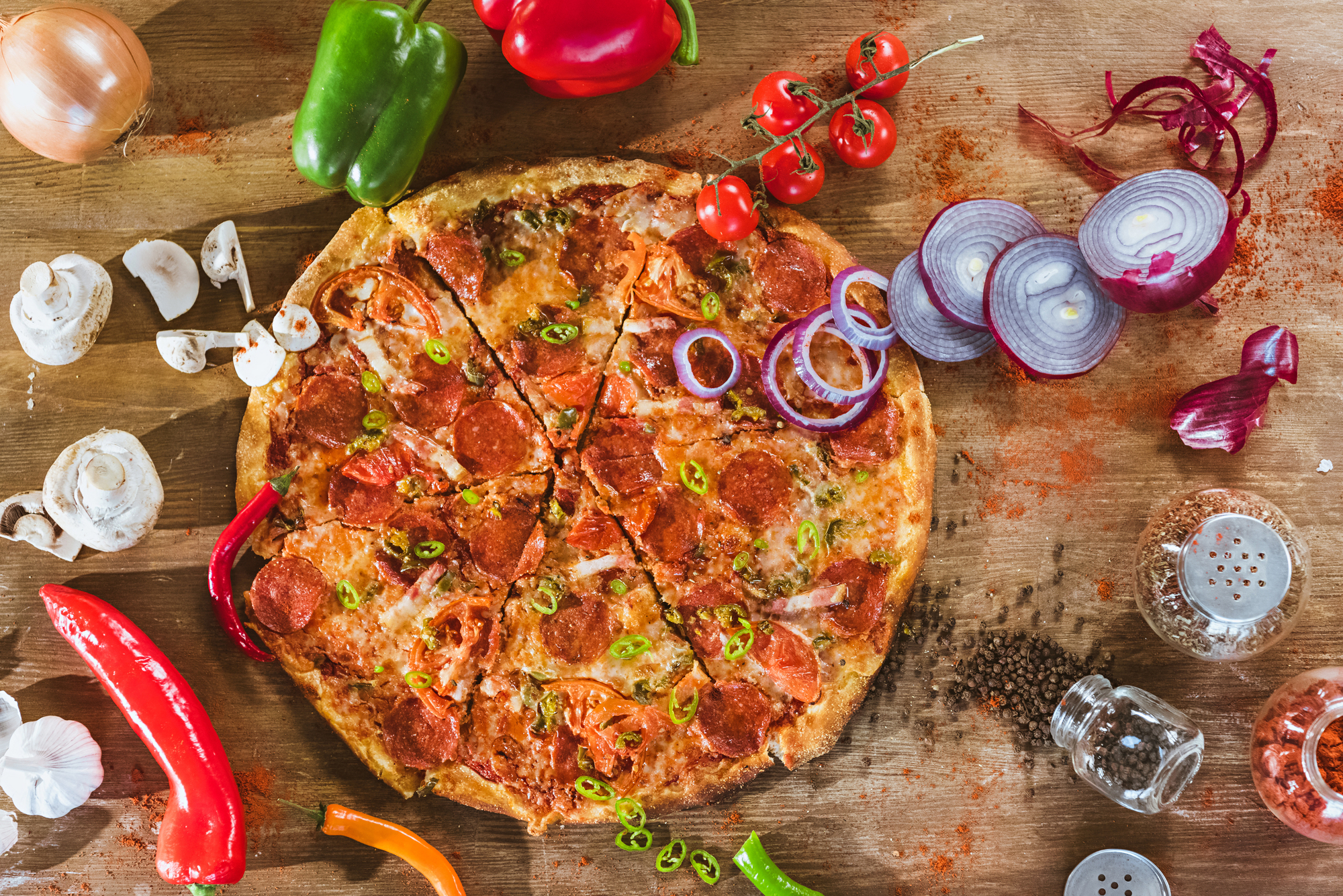
Today, pizza exists in nearly every country on Earth, often adapted to local tastes in ways that would horrify Italian purists.
In Japan, you’ll find pizzas topped with mayonnaise, corn, and teriyaki chicken.
Brazilians enjoy pizzas with green peas and hard-boiled eggs.
Indians favor paneer, tandoori chicken, and spicy chutneys.
Australians put beets and fried eggs on theirs.
Sweden has a version with bananas and curry powder.
Some of these combinations sound bizarre, but they reflect pizza’s fundamental flexibility.
The basic formula — dough, sauce, cheese, toppings — can be endlessly reconfigured to match any culture’s palate.
Why It Endures
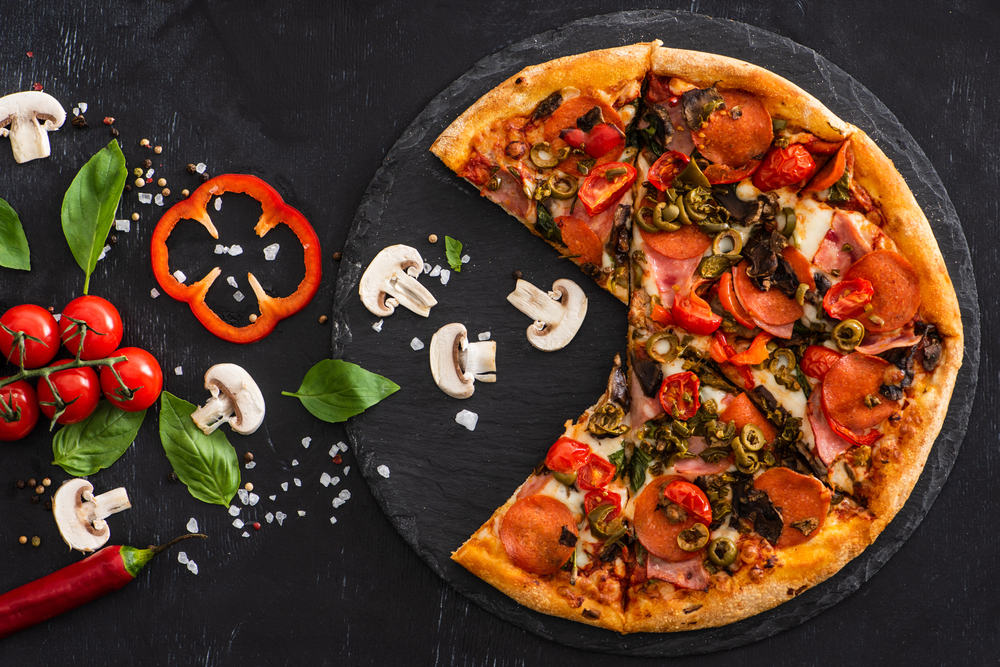
Pizza’s staying power comes down to a few simple truths.
It’s delicious, customizable, shareable, and works for nearly any occasion.
It doesn’t demand silverware or formality, and it tastes good hot or cold.
From its origins as Neapolitan street food to its current status as a global staple, pizza has thrived because it’s never pretended to be anything other than what it is: unpretentious, satisfying, and adaptable.
That’s a combination that never goes out of style.
More from Go2Tutors!

- The Romanov Crown Jewels and Their Tragic Fate
- 17 Halloween Costumes Once Considered Taboo
- Famous Hoaxes That Fooled the World for Years
- 15 Child Stars with Tragic Adult Lives
- 16 Famous Jewelry Pieces in History
Like Go2Tutors’s content? Follow us on MSN.