Biggest Controversies in Olympic History
The Olympics bring countries together through sport.
You watch top athletes compete for medals and expect fairness along with unity.
History shows a different story though.
Personal gain, political pressure, judging mistakes and even violence have shaped the Games in many eras.
You will notice how problems appeared again and again, despite the goal of celebrating human achievement.
Here’s some of the biggest Olympic controversies of all time.
A carriage ride to bronze
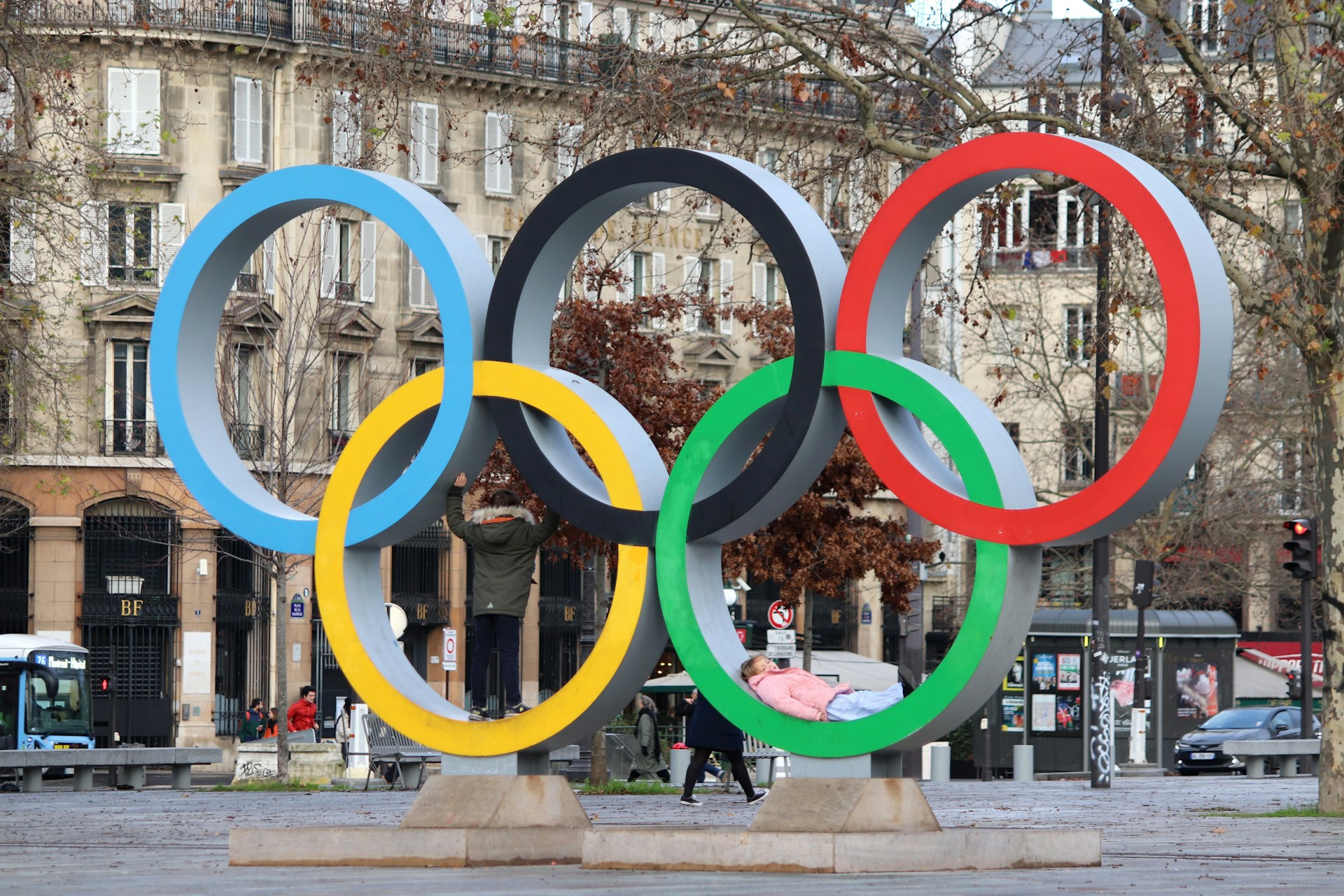
The first modern Olympics in Athens in 1896 already had a scandal.
Spyridon Belokas from Greece finished third in the marathon and the crowd celebrated his success.
Officials then questioned how he looked so fresh after such a long race.
Soon, word spread that he rode part of the route in a carriage.
Judges disqualified him and the embarrassment showed how early athletes tried to bend the rules.
Hitler’s propaganda machine
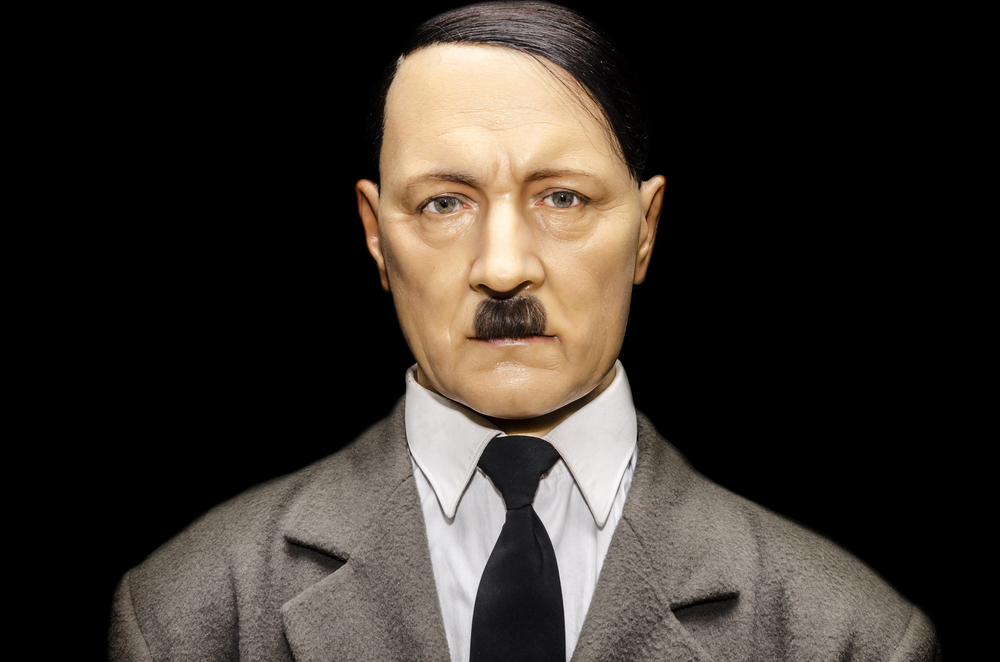
Berlin won the 1936 Summer Olympics bid before Adolf Hitler took power.
Once he controlled Germany, the Games turned into a political show for his ideology.
Swastikas appeared across the venues and state media broadcast messages pushing his racist beliefs.
Many countries thought about boycotting the event.
The United States decided to take part and Jesse Owens won four gold medals.
His victories disrupted the claims the German government wanted to promote.
When you read about these Games today, you see how the Olympics sometimes reflect the darkest parts of our world.
The Munich massacre
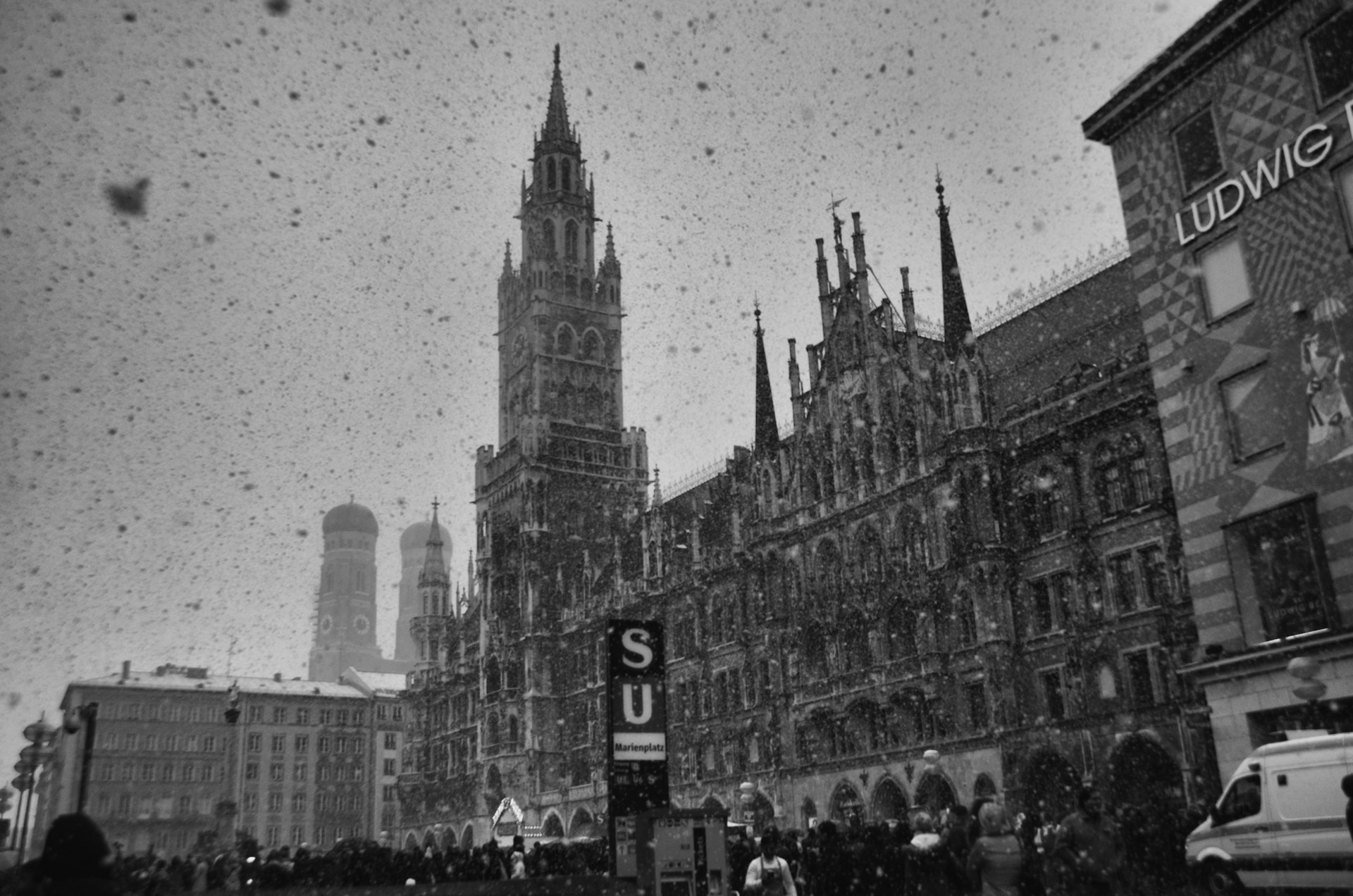
In 1972, Munich hoped to show the world a peaceful and open Germany.
That message vanished when Black September, a Palestinian group, took 11 Israeli athletes and coaches hostage in the Olympic Village.
Two were killed right away, and a failed rescue attempt led to the deaths of the remaining nine.
The world watched events unfold on live television.
After a short pause in competition, officials decided the Games would continue.
Many felt uneasy with that choice.
Greater focus on Olympic security followed because of this tragedy and the memories remain painful for many people.
Fists raised in Mexico City

During the 1968 Games, Tommie Smith and John Carlos stood on the podium after the 200 meter race and used the medal ceremony to protest racial injustice in the United States.
They raised black-gloved fists during the national anthem and used clothing symbols to call attention to unequal treatment.
Officials removed them from the Olympic Village and they faced harsh criticism once they returned home.
Years later, their action is viewed as brave and important.
You can see how sports often become a place where larger social issues appear in front of the world.
The boycott wars
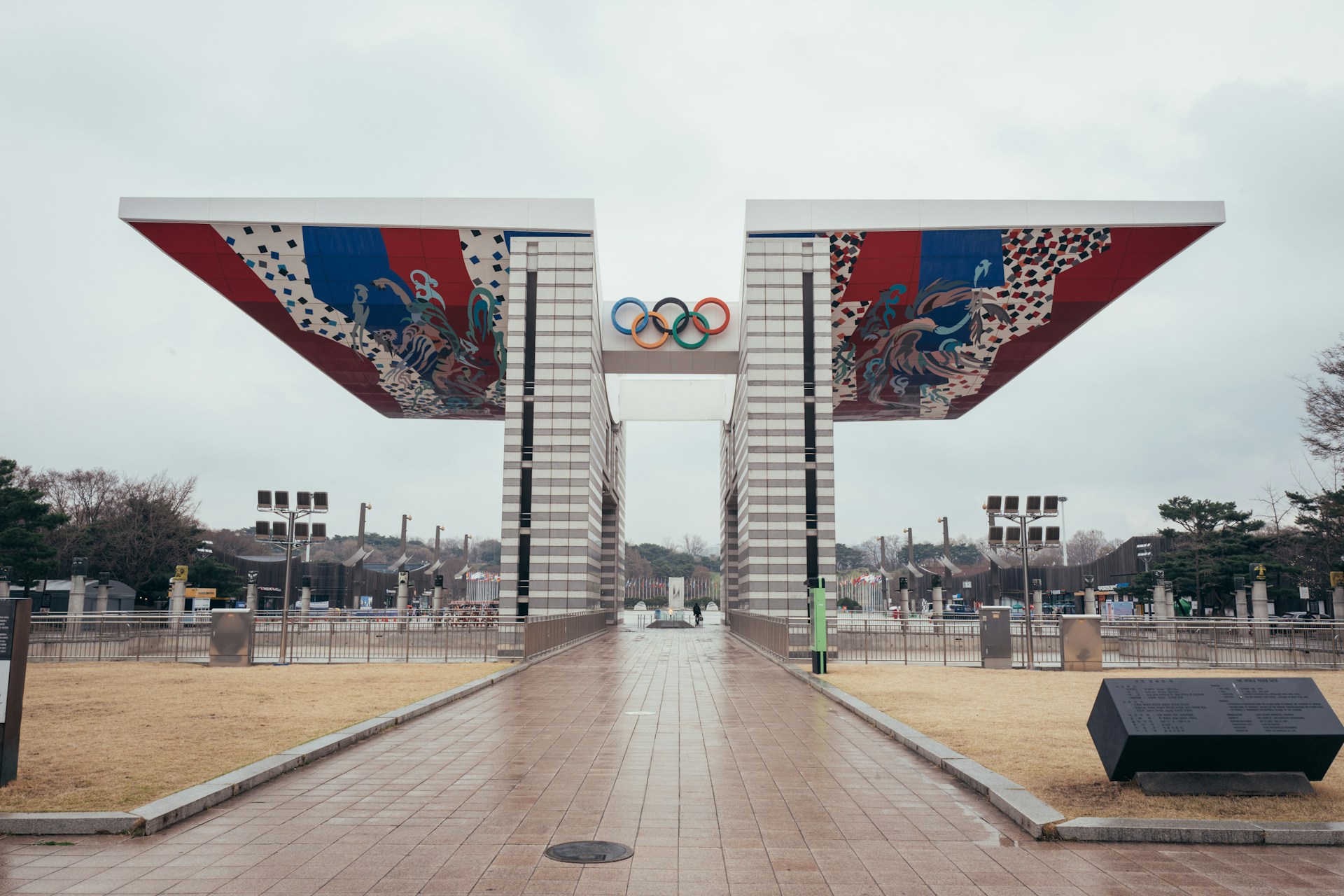
Politics returned strongly in 1980.
The United States refused to attend the Moscow Olympics over the Soviet invasion of Afghanistan.
More than 60 countries followed that decision, which created gaps in competition and left many athletes unable to perform after years of training.
Then in 1984, the Soviet Union and several Eastern Bloc nations stayed away from the Los Angeles Games in response.
Both sides tried to make political statements, while athletes paid the highest price by losing their opportunity.
A robbery in the boxing ring
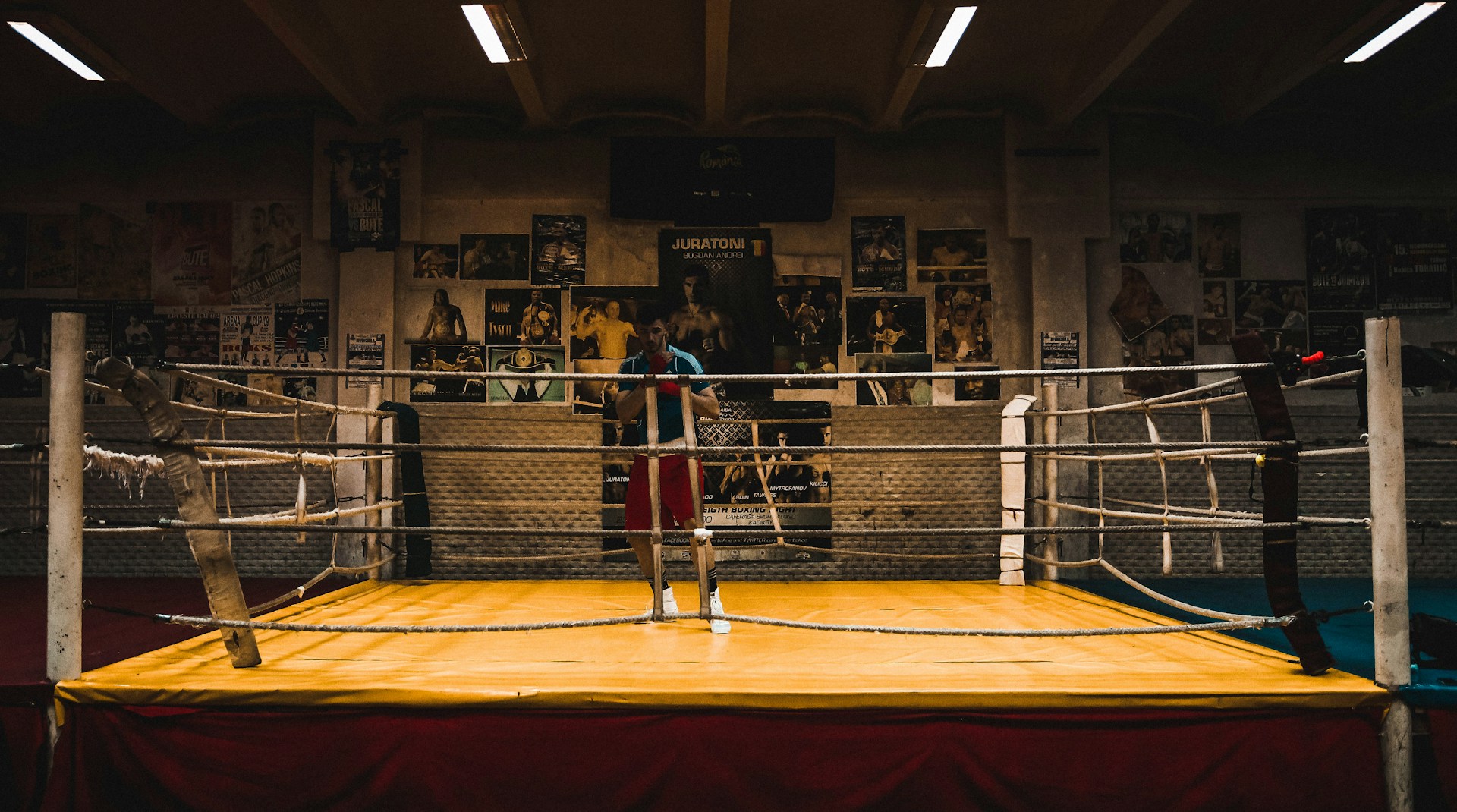
Roy Jones Jr dominated Park Si Hoon of South Korea in the light middleweight boxing final at the 1988 Seoul Olympics.
Punch totals showed a clear difference and the audience expected a win for Jones.
The judges awarded the match to Park instead, leaving spectators shocked.
Reports later revealed that several judges tried to protect the host nation from embarrassment.
Two judges received lifetime bans and officials redesigned the scoring system after the controversy.
Park eventually visited Jones decades later and handed him the medal, which helped close a difficult chapter in both careers.
Ben Johnson’s nine seconds of glory

Ben Johnson from Canada ran the 100 meter final in record time at the 1988 Olympics and briefly held the title of fastest man on the planet.
A drug test soon revealed steroid use and everything changed.
His medal disappeared and the world record no longer existed.
The scandal raised concerns about doping and encouraged stronger testing during future competitions.
The attack on Nancy Kerrigan

One month before the 1994 Winter Olympics in Lillehammer, figure skater Nancy Kerrigan suffered a knee attack planned by people linked to her rival, Tonya Harding.
Kerrigan recovered and earned a silver medal.
Harding finished eighth and later admitted guilt in a legal case that followed.
She also received a lifetime ban from skating.
Media interest turned the incident into a huge story, which still gets attention today.
Jim Thorpe loses everything
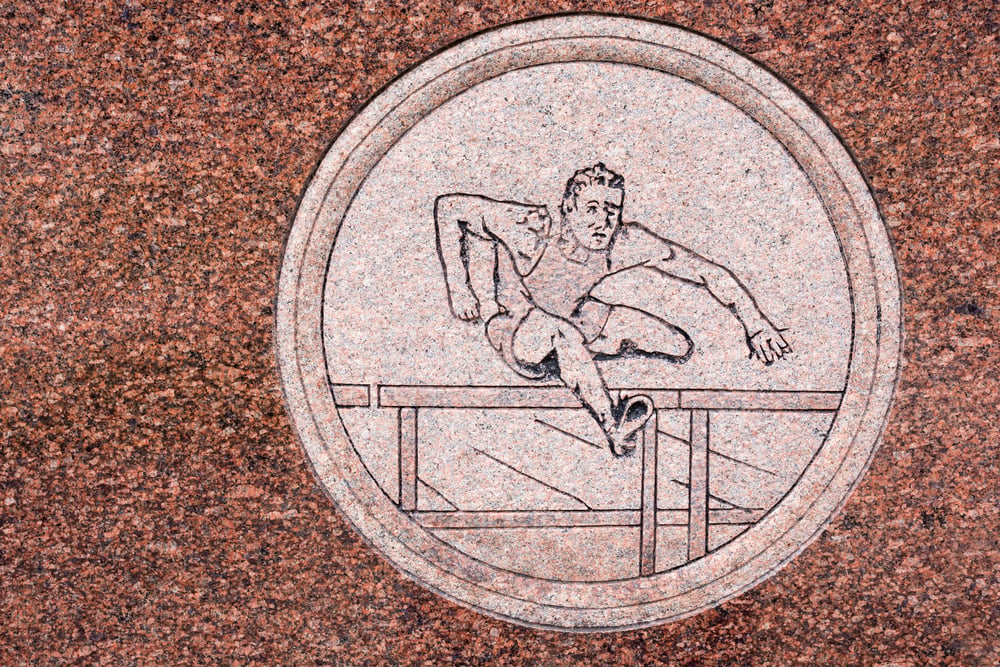
Jim Thorpe won gold for the United States in 1912 in both the pentathlon and decathlon.
A year later, officials learned he had played semi-professional baseball before the Olympics.
That broke amateur eligibility rules in place at the time.
The Olympic Committee stripped his medals and removed his records.
Many believed his treatment was unfair and influenced by prejudice.
In 1983, decades after his death, his medals were restored.
His case remains an example of how strict rules once limited who received recognition.
A rigged épée in Montreal
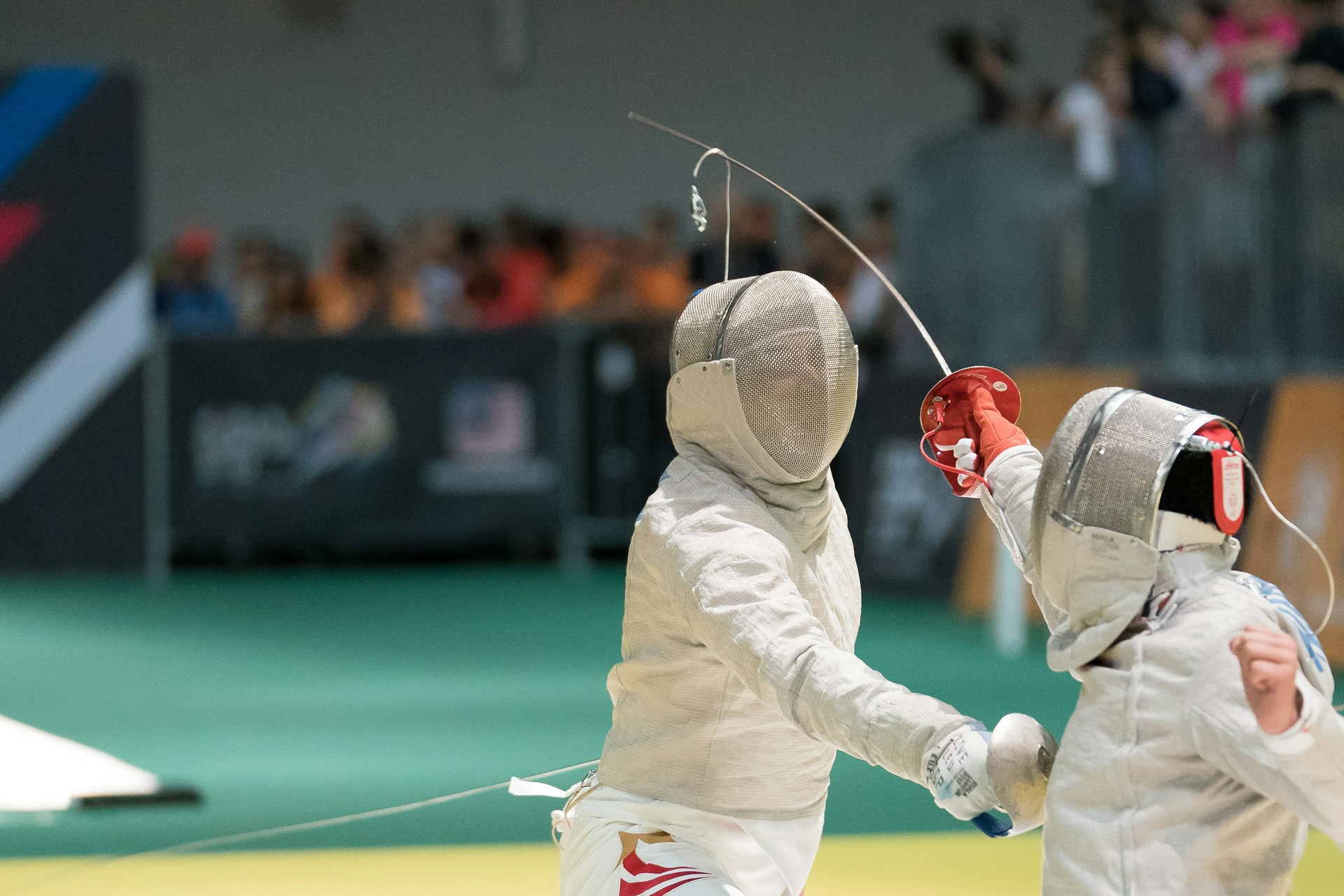
During the 1976 Olympics, Soviet pentathlete Boris Onishchenko tampered with his fencing weapon.
A hidden switch allowed him to score false touches.
Officials discovered the change after noticing unusual results during a match.
The entire Soviet pentathlon team left the competition and the incident encouraged tighter inspections of equipment from that point forward.
Marion Jones’s downfall

Marion Jones became a major star at the 2000 Olympics in Sydney when she earned five medals.
Rumors of doping followed her career for years.
In 2007, she admitted using banned substances before the Games.
Officials stripped all her medals.
She also served time in prison for lying during a federal investigation.
The shift from global icon to criminal shocked many people and highlighted a culture of performance enhancement in that era.
The vault set too low

During the women’s gymnastics competition in Sydney in 2000, officials realized the vault apparatus was set two inches lower than the correct height.
Several gymnasts performed poorly and some fell awkwardly because their timing was completely off.
Although they received another chance to vault, the mistake changed scores and possibly affected medal outcomes.
Years of preparation were disrupted by a simple setup error.
Judging trouble in figure skating
Nagano’s 1998 Winter Olympics revealed proof of scoring manipulation in figure skating.
A judge appeared on video attempting to influence results in an ice dancing event.
Many viewers already suspected bias, but now there was visible evidence.
After the Games, scoring reforms aimed to create more fairness and transparency in the judging process.
Olympic Controversies

The Olympic games is something that really captures the imagination of a worldwide audience, who marvel at the athletic ability of other human beings.
However, this doesn’t mean it’s without controversy, as these instances prove.
Even still, in some way, these controversies somehow add to the spectacle of it all.
More from Go2Tutors!

- The Romanov Crown Jewels and Their Tragic Fate
- 13 Historical Mysteries That Science Still Can’t Solve
- Famous Hoaxes That Fooled the World for Years
- 15 Child Stars with Tragic Adult Lives
- 16 Famous Jewelry Pieces in History
Like Go2Tutors’s content? Follow us on MSN.



