Sayings With Completely Wrong Meanings
People love a good saying.
They roll off the tongue, sound wise, and make conversations feel more colorful.
But here’s the thing: a shocking number of popular phrases get used in ways that completely contradict what they originally meant.
Some got cut short over time, others flipped meanings entirely, and a few were just misunderstood from the start.
The result is a collection of sayings that now mean the exact opposite of what they were supposed to.
Let’s take a closer look at some of the most commonly misused phrases and what they actually meant before everyone got it wrong.
Blood is thicker than water

This phrase gets tossed around to suggest family bonds matter more than friendships.
Parents use it to guilt their kids into showing up at awkward reunions.
The full original saying, however, was ‘the blood of the covenant is thicker than the water of the womb.’
That flips the meaning completely.
It meant the bonds you choose, like those formed with friends or comrades in battle, matter more than the family you’re born into.
Somewhere along the way, someone chopped it down and reversed the entire message.
Curiosity killed the cat

Teachers and parents have been using this one for generations to discourage kids from asking too many questions.
It sounds like a warning against being too nosy or inquisitive.
But the full phrase includes a second part that changes everything: ‘curiosity killed the cat, but satisfaction brought it back.’
The complete saying actually encourages curiosity because the reward of finding answers outweighs the risk.
Without that second half, it becomes a tool for shutting down questions rather than encouraging them.
Jack of all trades, master of none

This gets thrown around as an insult suggesting someone who dabbles in everything excels at nothing.
People use it to criticize those who refuse to specialize.
The original version continued with ‘but oftentimes better than a master of one.’
That addition turns it into a compliment about versatility and adaptability.
The full phrase praised people who could handle multiple skills rather than mocking them.
Modern usage turned a statement about well-rounded competence into a put-down about scattered focus.
Pull yourself up by your bootstraps

Politicians and motivational speakers love this phrase as a call for self-reliance and hard work.
It sounds empowering, like anyone can succeed through sheer effort.
The phrase originally described something literally impossible.
You cannot physically lift yourself off the ground by pulling on your own bootstraps.
It was used to mock unrealistic expectations and absurd suggestions.
Over time, people started using it earnestly to describe exactly the kind of impossible expectation it was meant to criticize.
The customer is always right

Retail workers hear this weaponized by difficult shoppers almost daily.
People use it to justify unreasonable demands and abusive behavior toward staff.
Harry Gordon Selfridge coined the phrase to mean something completely different.
He meant businesses should stock what customers want to buy, not that customers can never be wrong about facts or behavior.
The saying was about market demand and inventory choices.
It got twisted into a justification for treating service workers poorly and demanding whatever comes to mind.
Great minds think alike

People use this to congratulate themselves when they agree with someone else.
It sounds like a celebration of shared brilliance and intellectual connection.
The complete phrase adds ‘but fools seldom differ.’
That second part suggests agreeing with someone might just mean you’re both wrong.
The full saying was actually a warning against groupthink and the arrogance of assuming agreement equals correctness.
Modern usage turned it into back-patting instead of the cautionary statement it was meant to be.
Money is the root of all evil

This misquote gets used to criticize wealth and capitalism in general.
People treat it like money itself corrupts everything it touches.
The actual biblical phrase is ‘the love of money is the root of all evil.’
That small difference matters enormously.
The original warned against greed and obsession with wealth, not money as a tool.
Dropping two words changed it from a statement about unhealthy attachment into a condemnation of currency itself.
I could care less

Americans say this constantly to express total indifference about something.
The problem is the phrase directly contradicts its intended meaning.
If you could care less, that means you care at least somewhat.
The correct version is ‘I couldn’t care less,’ meaning your care level has bottomed out at zero.
This might be the most widespread example of a phrase meaning the exact opposite of what people intend.
Yet it persists because enough people say it wrong that it almost sounds right.
Rome wasn’t built in a day

This gets used to encourage patience with slow progress on projects.
It sounds like a reminder that great things take time and rushing leads to poor results.
The full saying originally continued with ‘but it burned in one.’
That addition completely changes the tone from patient encouragement to a warning about how quickly things can fall apart.
The truncated version became a feel-good platitude about persistence.
The complete phrase was actually about the fragility of achievement and how destruction comes easier than creation.
A rolling stone gathers no moss

Some people use this to criticize restlessness and constant change.
Others use it to praise staying mobile and avoiding stagnation.
The meaning depends entirely on whether you think moss is good or bad.
In medieval times, moss represented wisdom and stability, so gathering it was positive.
A rolling stone, constantly moving, gained nothing of value.
Modern interpretations often flip this, treating moss as unwanted growth and rolling as freedom.
The same words now support completely opposite life philosophies depending on who’s speaking.
With great power comes great responsibility
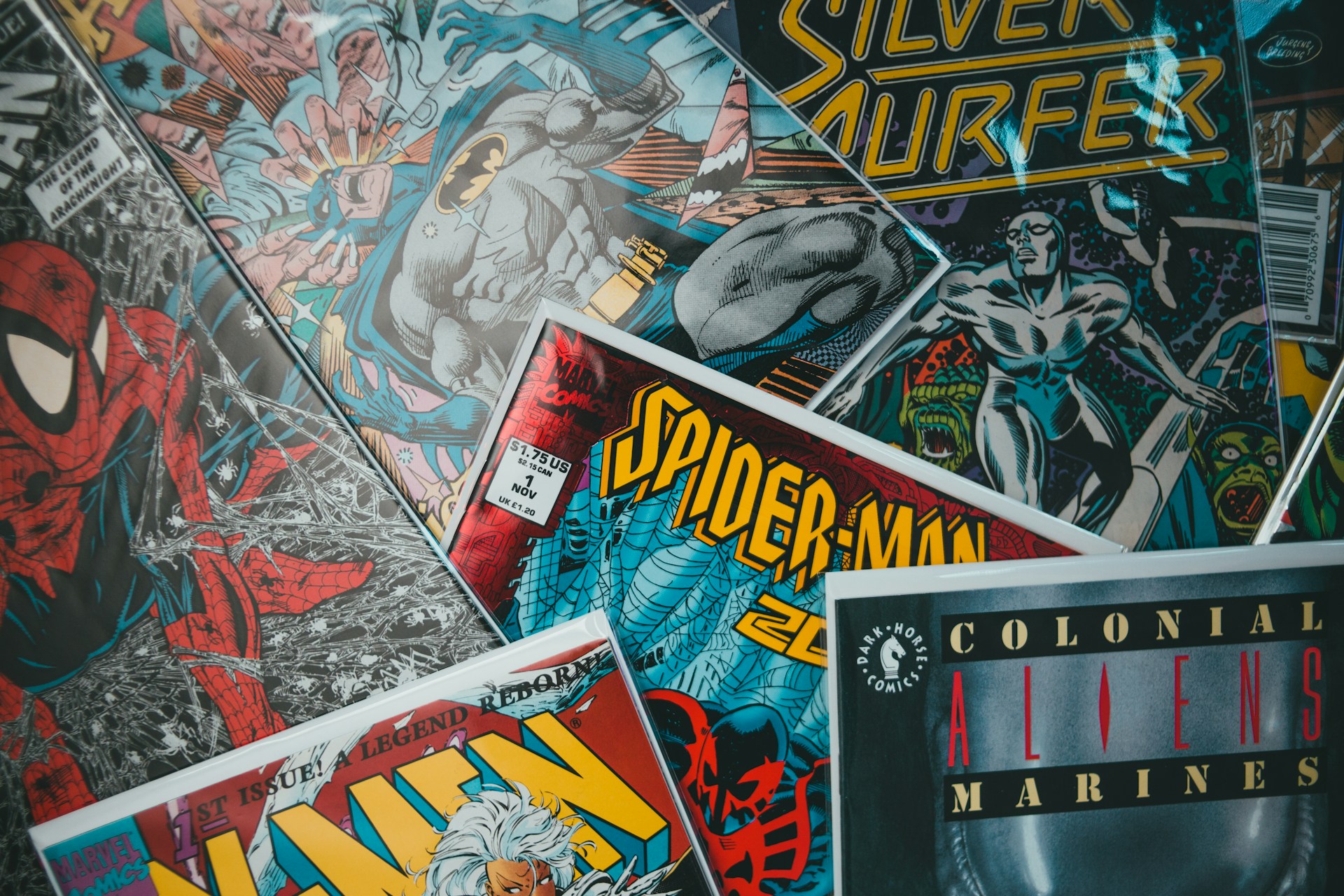
Spider-Man made this phrase famous, and people quote it as ancient wisdom.
It sounds like something Confucius or Aristotle might have said.
The truth is Stan Lee probably wrote it for a 1960s comic book, though similar concepts exist in older writings.
More importantly, people often reverse the causation.
The phrase suggests power obligates you to act responsibly.
But people frequently use it to argue that being responsible will grant you power, which isn’t what it says at all.
The meaning gets twisted to justify ambition rather than temper it.
The early bird gets the worm

This encourages people to wake up early and seize opportunities before others.
It sounds like universal wisdom about punctuality and initiative.
But there’s a lesser-known response: ‘the second mouse gets the cheese.’
That counterpoint suggests rushing in first often means walking into traps.
The early bird saying promotes being first without acknowledging the risks.
Together, these phrases offered balanced advice about timing.
Separately, the early bird version became an unqualified endorsement of being first that ignores potential downsides.
Actions speak louder than words

This gets used to dismiss what people say in favor of what they do.
It sounds like a call to judge people by their behavior rather than empty promises.
While that interpretation isn’t wrong, the phrase originally meant something slightly different.
It encouraged people to act rather than just talk about acting.
The focus was on the speaker doing rather than talking.
Modern usage shifted it toward judging others’ credibility rather than examining your own follow-through on commitments.
Sticks and stones may break my bones, but words will never hurt me

Parents teach this to children facing bullying, presenting it as a shield against verbal abuse.
It suggests emotional resilience and not letting insults affect you.
The problem is the statement is demonstrably false.
Words absolutely do cause harm, sometimes lasting far longer than physical injuries.
The phrase wasn’t meant as literal truth but as a coping mechanism or aspirational mindset.
Treating it as factual advice dismisses real emotional damage and discourages kids from seeking help with verbal harassment.
The proof is in the pudding

People use this to mean evidence will reveal the truth about something.
It sounds authoritative, like an old saying about testing claims against reality.
The actual phrase is ‘the proof of the pudding is in the eating.’
That changes the meaning from vague to specific: you can’t judge food by appearance alone.
You have to taste it.
The shortened version lost the concrete metaphor and became a generic statement about evidence.
Most people now use it without having any idea what pudding has to do with proof.
Literally

This isn’t exactly a saying, but it deserves mention for how completely its meaning is reversed.
People now use ‘literally’ to mean ‘figuratively’ when they want emphasis.
Someone might say ‘I literally died laughing,’ which is physically impossible if they’re still speaking.
The word meant ‘in a literal sense, actually, without exaggeration.’
Now it often signals the exact opposite: maximum exaggeration.
Dictionaries eventually added this contradictory definition because usage shifted so dramatically.
A word designed to indicate precision now frequently marks hyperbole.
Speak of the devil

This phrase pops up when someone appears right after being mentioned.
People treat it as a neutral or even positive acknowledgment of good timing.
The complete medieval saying was ‘speak of the devil and he shall appear,’ referring to actual demonic summoning.
Mentioning Satan’s name was believed to invite his presence, making the phrase a genuine warning.
The casual modern usage strips away all the supernatural danger.
What was once a serious caution about invoking evil became a lighthearted comment about coincidental timing.
Keeping up with the Joneses

This phrase describes trying to match your neighbors’ wealth and possessions.
People use it to criticize materialism and status competition.
The origin comes from a comic strip by Arthur Momand that ran from 1913 to 1940.
Here’s the twist: the Joneses in the comic never actually appeared.
They were always just off-panel, representing an impossible standard.
The phrase was meant to mock the futility of comparison and status seeking.
Modern usage often misses that original satire.
People say it knowing it’s about competition but forgetting it was designed to highlight how pointless that competition is.
How meanings evolve and devolve

Language changes constantly, and phrases naturally shift over generations.
But these examples show something beyond normal evolution.
They demonstrate how easily meaning can flip, fragment, or disappear entirely when context gets lost.
Some phrases got shortened until their original message vanished.
Others were misunderstood so widely that the error became standard.
A few simply proved too convenient in their corrupted form to correct.
The next time someone drops a familiar saying, it might be worth asking what it actually meant before everyone agreed to get it wrong.
More from Go2Tutors!

- The Romanov Crown Jewels and Their Tragic Fate
- 17 Halloween Costumes Once Considered Taboo
- Famous Hoaxes That Fooled the World for Years
- 15 Child Stars with Tragic Adult Lives
- 16 Famous Jewelry Pieces in History
Like Go2Tutors’s content? Follow us on MSN.