Surprising Ingredients in Popular Foods
Ever flip over a food package and squint at the ingredient list, wondering what half those words actually mean? Most of us grab our favorite snacks, toss them in the cart, and trust that whatever’s inside is reasonably normal.
That blind faith works fine until you learn the truth.
Turns out, some of the things we eat every day contain ingredients that sound like they belong in a science fiction novel rather than a kitchen pantry.
From crushed insects to wood-derived fiber to substances that have multiple industrial applications, food manufacturers have gotten creative—sometimes surprisingly so—with what goes into mass-produced products.
These ingredients are FDA-approved and generally considered safe, but that doesn’t make them any less startling when you discover what they really are.
Let’s dig into the strange, the unexpected, and the downright bizarre substances hiding in your favorite foods.
Crushed Beetles in Your Yogurt
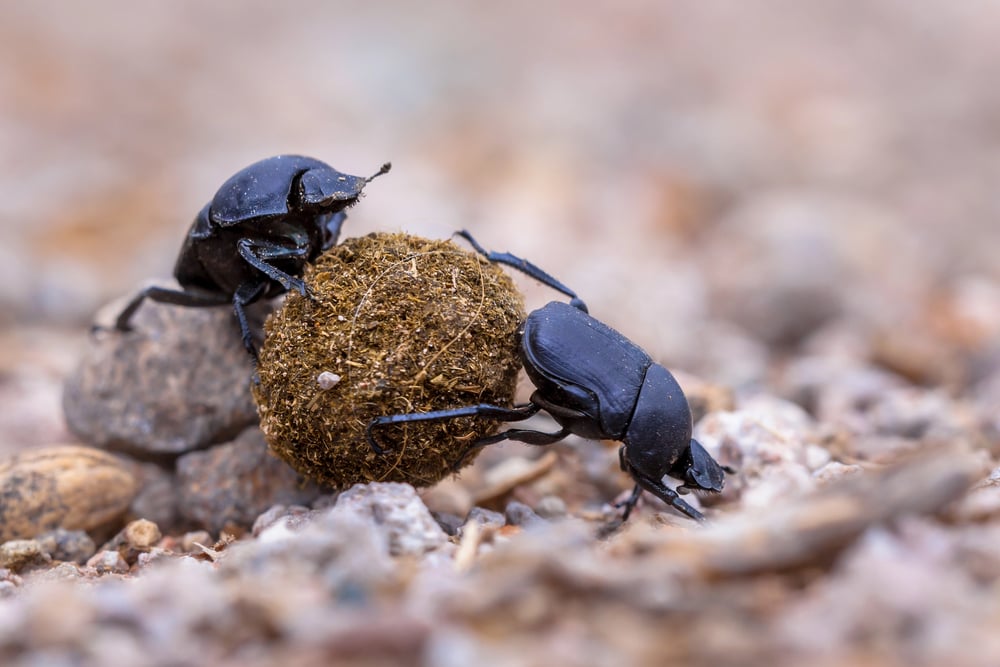
That vibrant pink strawberry yogurt in your fridge? There’s a decent chance it gets its cheerful color from carmine, a red dye made from crushed cochineal insects.
These tiny scale insects live on prickly pear cacti in Peru and the Canary Islands, where they’re harvested, dried, and ground into powder.
It takes roughly 70,000 female insects to produce a single pound of dye.
Carmine has been around for centuries—the Aztecs used it to dye fabrics, and European tapestry makers prized it for creating brilliant scarlet hues.
Today, it shows up in strawberry yogurt, fruit-flavored drinks, red velvet cake mix, some candies, jelly beans, and even processed meats.
On ingredient labels, it hides under names like cochineal extract, carmine, Natural Red 4, or E120.
The FDA considers it safe, though a small percentage of people experience allergic reactions ranging from hives to anaphylactic shock.
Vegetarians and vegans typically avoid it once they realize what it is, which is why Starbucks famously switched to tomato-based lycopene for their strawberry drinks after customer backlash in 2012.
Wood-Derived Fiber in Your Cheese

Open a bag of pre-shredded cheese and you might notice it doesn’t clump together the way freshly grated cheese does.
That’s because manufacturers add cellulose—a purified plant fiber—to keep the shreds separated.
The same substance appears in grated Parmesan, granola, tomato sauce, salad dressing, frozen pizza, and even coffee creamer.
While cellulose occurs naturally in fruits and vegetables, the kind used in processed foods is often derived from wood pulp or cotton that’s been refined and purified into food-grade fiber.
It’s FDA-approved, passes through your digestive system unabsorbed, and adds fiber content without calories.
Critics aren’t typically concerned about health effects but rather the economics—companies essentially charge you for an inexpensive filler.
If you want to avoid it entirely, buy a block of cheese and grate it yourself.
Sheep Wool Derivatives in Your Gum
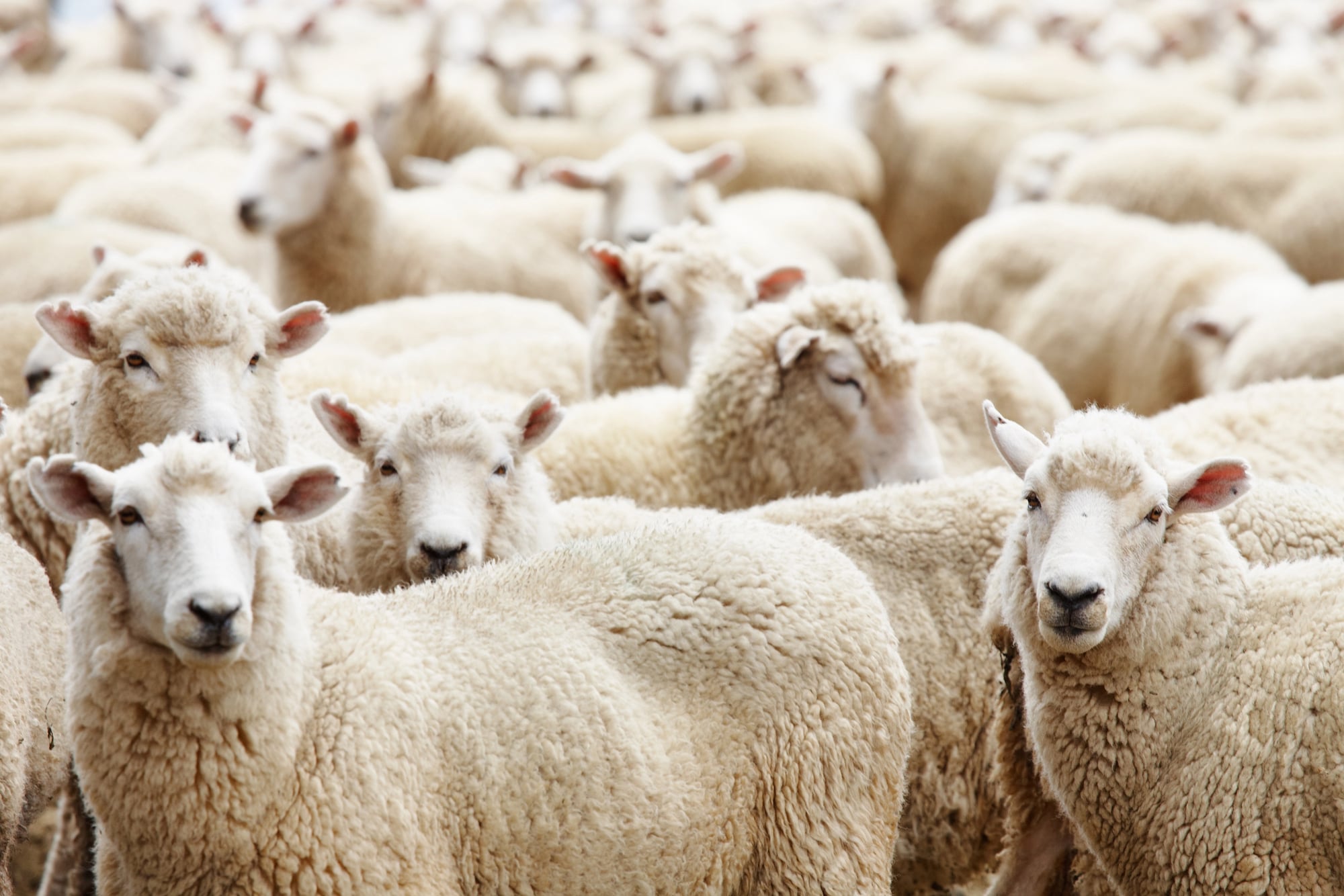
Chewing gum has that distinctively stretchy, smooth texture partly thanks to lanolin derivatives.
Lanolin alcohols, refined from the oily secretion found in sheep’s wool, appear in some gum bases as softening agents.
Sheep produce lanolin naturally to help wick water from their coats, and humans have found all sorts of uses for processed versions of it—in cosmetics, sunscreen, and baby products.
Lanolin-derived vitamin D also shows up in fortified foods.
Since it’s a cost-effective source of vitamin D, manufacturers use it in cereals, orange juice, and milk products.
So if you’ve ever wondered where fortified foods get their vitamin boost, the answer involves processing compounds from sheep’s wool.
It’s perfectly safe and widely used, but knowing your morning cereal contains sheep-derived ingredients adds an unexpected dimension to breakfast.
Purified Silica in Your Spices
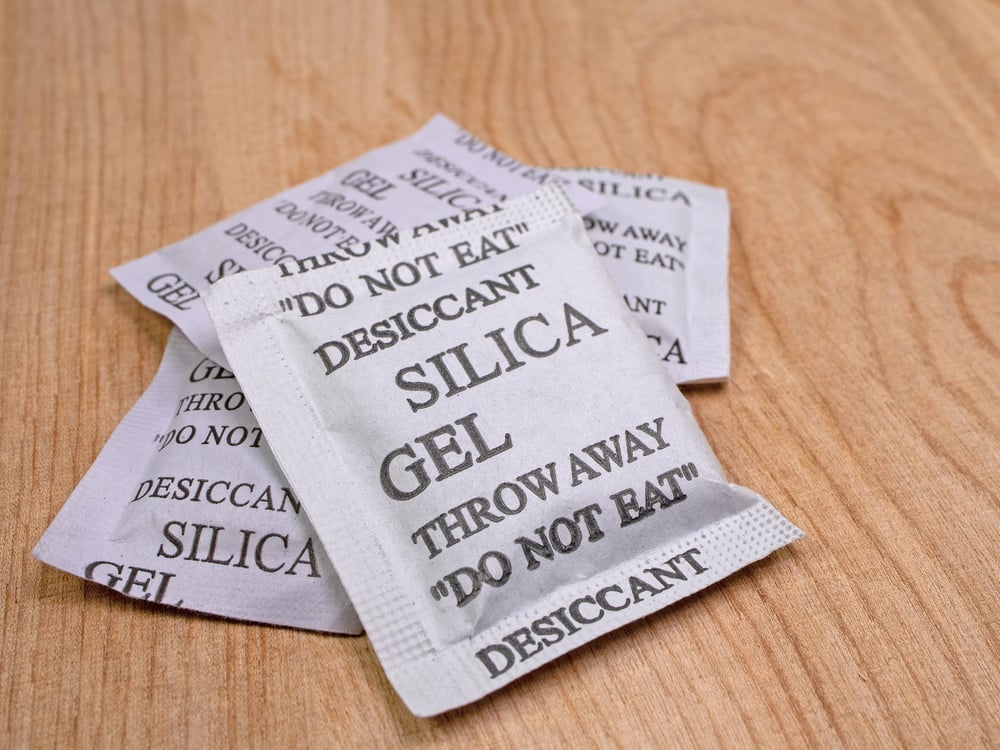
Silicon dioxide sounds like something from a chemistry textbook, and technically it’s related to the silica found in sand—but food-grade silicon dioxide is a highly purified form used as an anti-caking agent.
You’ll find it in spices, powdered sugar, coffee creamers, and restaurant chili, where it keeps everything flowing freely instead of clumping into unusable chunks.
The FDA approves its use in small amounts, and it’s considered harmless—it passes through your system without being absorbed.
The food industry uses a refined, purified version that’s quite different from what you’d find on a beach, but the connection to sand still catches people off guard.
It’s one of those ingredients that’s technically fine but carries an odd association.
Silicone in Your Chicken Nuggets

Dimethylpolysiloxane—try saying that five times fast—is a form of silicone used as an anti-foaming agent in some cooking oils.
It’s also a key ingredient in Silly Putty, that stretchy children’s toy that inevitably ends up stomped into carpets.
The same substance appears in caulks, adhesives, aquarium sealants, and cosmetics.
And yes, it ends up in some fried foods.
The FDA approved it in 1998, and it made its way into certain fast food items where oils are used for frying.
You’ll find it in McDonald’s chicken nuggets and Chick-fil-A sandwiches, among others.
The amounts are tiny—just enough to prevent oil from foaming during cooking—but it’s an example of food sharing ingredients with industrial products.
Some chains like Five Guys avoid it entirely, using pure peanut oil with no additives in their fries.
Insect Secretions on Your Candy
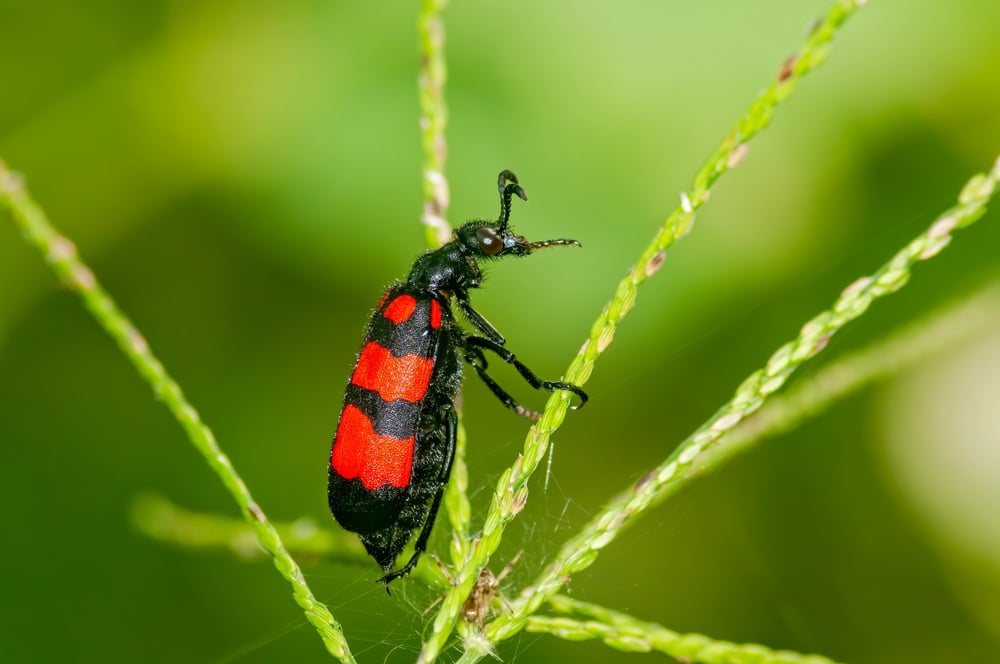
Shellac gives candy that glossy, polished shine.
Jelly beans, chocolate-covered raisins, and even some ice cream cones get their sheen from this coating.
What is shellac, exactly?
It’s a resin secreted by the female lac bug, an insect native to India and Thailand.
The bugs produce the sticky substance and leave it on tree branches, where it’s harvested, processed, and turned into everything from furniture varnish to candy glaze.
On food labels, shellac often appears as confectioner’s glaze, which sounds far more appetizing than bug secretions.
It’s FDA-approved and considered safe, though vegetarians and vegans typically avoid it.
The substance has been used for centuries in woodworking and button-making, so its culinary applications represent just one branch of a long commercial history.
Still, learning that your shiny candy coating comes from insect excretions tends to make you see those treats differently.
The Beaver Secretion Myth

Here’s where things get both weird and wildly exaggerated.
Castoreum, a yellowish substance from beaver castor sacs near the base of their tails, has historically been used as a flavoring.
The substance has a musky, vanilla-like scent and was FDA-approved for use in foods decades ago.
The internet loves to claim your vanilla ice cream contains beaver secretions, which sounds horrifying and makes for great clickbait.
The reality? Castoreum is almost never used in food anymore.
Total annual consumption in the United States is roughly 292 to 1,000 pounds—less than a millionth of a pound per person—and it’s used primarily in perfumes, not food products.
Multiple vanilla manufacturers have confirmed they don’t use it at all.
While it remains technically approved, modern labeling requirements and the expense of collection mean it’s commercially irrelevant.
But the myth persists because the truth—that vanilla flavoring mostly comes from beans or synthetic vanillin—is far less entertaining than beaver gland stories.
The Non-Toxic Antifreeze Ingredient
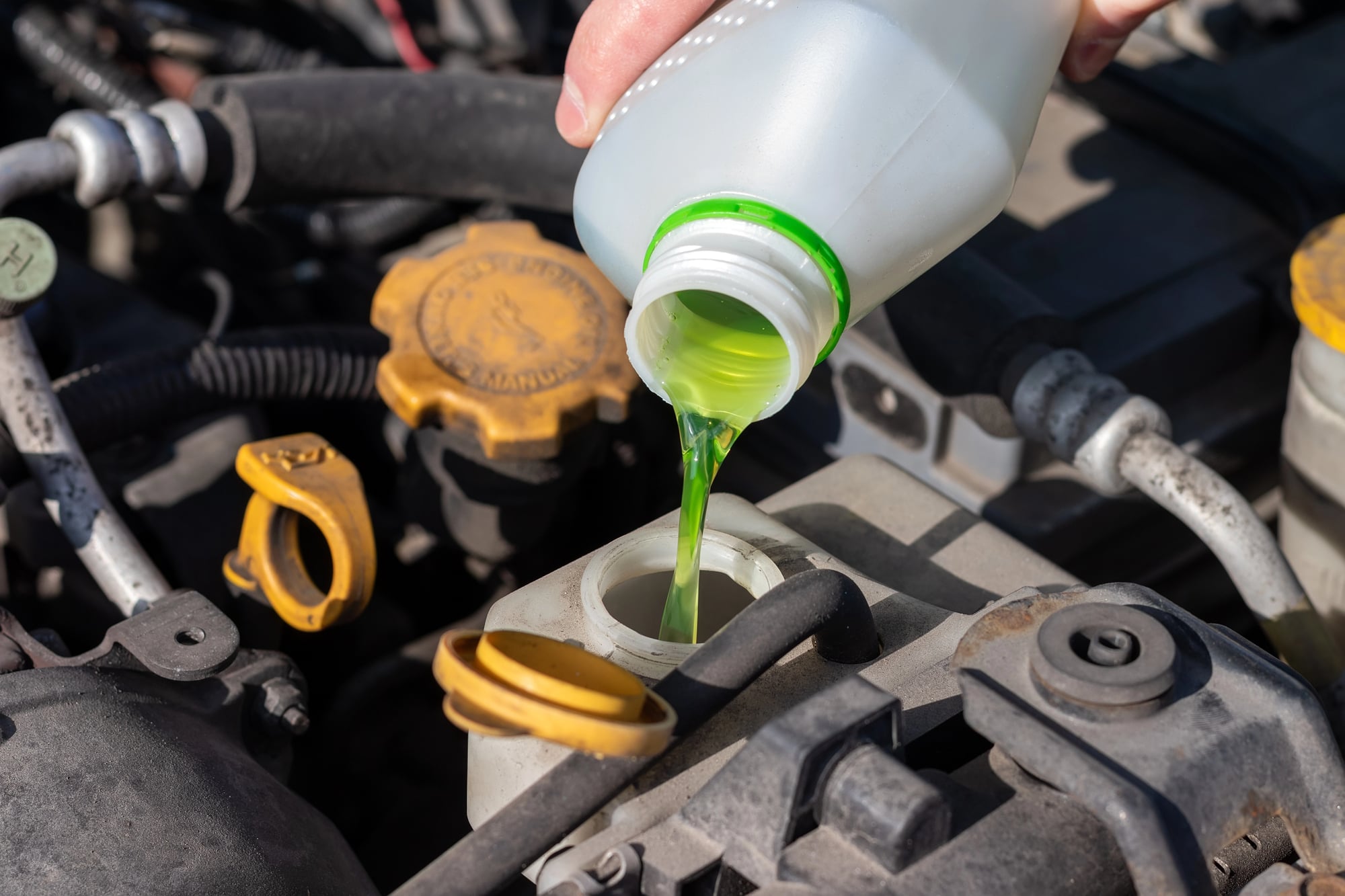
Propylene glycol appears in flavored iced tea, ice cream, boxed cake mix, frosting, artificial sweeteners, and soft drinks.
It’s also used in non-toxic antifreeze formulations—the kind that’s safer around pets and children.
The FDA considers it safe in small doses as a preservative that helps maintain moisture in food products.
The World Health Organization suggests limiting intake to about 11 milligrams per pound of body weight daily.
It’s worth noting that propylene glycol is not the same as ethylene glycol, the toxic chemical used in automotive antifreeze.
Propylene glycol is specifically chosen for applications where toxicity is a concern.
Even so, the association with antifreeze makes people uncomfortable, illustrating how ingredients can be perfectly safe while still feeling fundamentally wrong to consume.
Why This Matters
Learning about these ingredients doesn’t necessarily mean you should panic or swear off processed food entirely.
Most of these substances are regulated, tested, and used in quantities considered safe by food safety authorities.
The bigger issue is transparency.
Terms like natural flavoring can mean almost anything, from plant extracts to insect-derived compounds.
Color added might be crushed bugs or synthetic dyes.
Reading ingredient labels with actual understanding requires either a food science degree or a willingness to research every unfamiliar term.
Most people don’t have time for that, which is exactly what manufacturers count on.
The more you know about what goes into your food, the better equipped you are to make choices that align with your values—whether that means avoiding animal products, minimizing processed ingredients, or just satisfying your curiosity about what you’re actually eating.
These surprising ingredients remind us that modern food production involves a lot more than cooking and baking.
It’s chemistry, economics, and sometimes creative problem-solving that produces results both impressive and unexpected.
Your strawberry yogurt might contain crushed insects, and your grated cheese might include purified wood fiber, but at least now you know.
What you do with that information is entirely up to you.
More from Go2Tutors!

- The Romanov Crown Jewels and Their Tragic Fate
- 13 Historical Mysteries That Science Still Can’t Solve
- Famous Hoaxes That Fooled the World for Years
- 15 Child Stars with Tragic Adult Lives
- 16 Famous Jewelry Pieces in History
Like Go2Tutors’s content? Follow us on MSN.



