Surprising Historical Uses For Electricity
Electricity feels so natural to us now that we barely think about flipping a switch or plugging in a phone. But back when people were just figuring out what this mysterious force could do, they got creative in ways that seem absolutely wild by today’s standards.
Some ideas were brilliant. Others were dangerous, misguided, or just plain strange.
Here’s a look at how our ancestors experimented with electricity before anyone really knew what they were dealing with.
Ancient Romans Shocked Themselves With Electric Fish

Long before anyone understood what electricity actually was, ancient physicians were using it to treat patients. The torpedo ray, a fish capable of delivering substantial electric shocks, became a medical tool around 45 AD.
Roman physician Scribonius Largus recommended that people with gout stand on a live torpedo fish at the seashore until their legs went numb up to the knee. The treatment supposedly worked, at least temporarily.
Hippocrates had written about using these fish for headaches and arthritis centuries earlier. The shock therapy continued for over a thousand years, with doctors prescribing live electric fish for everything from epilepsy to rectal prolapse.
Ancient Egyptians decorated their tombs with images of electric catfish as far back as 2750 BC, though whether they used them medicinally remains unclear.
Victorian Quacks Sold Electric Belts to Cure Everything
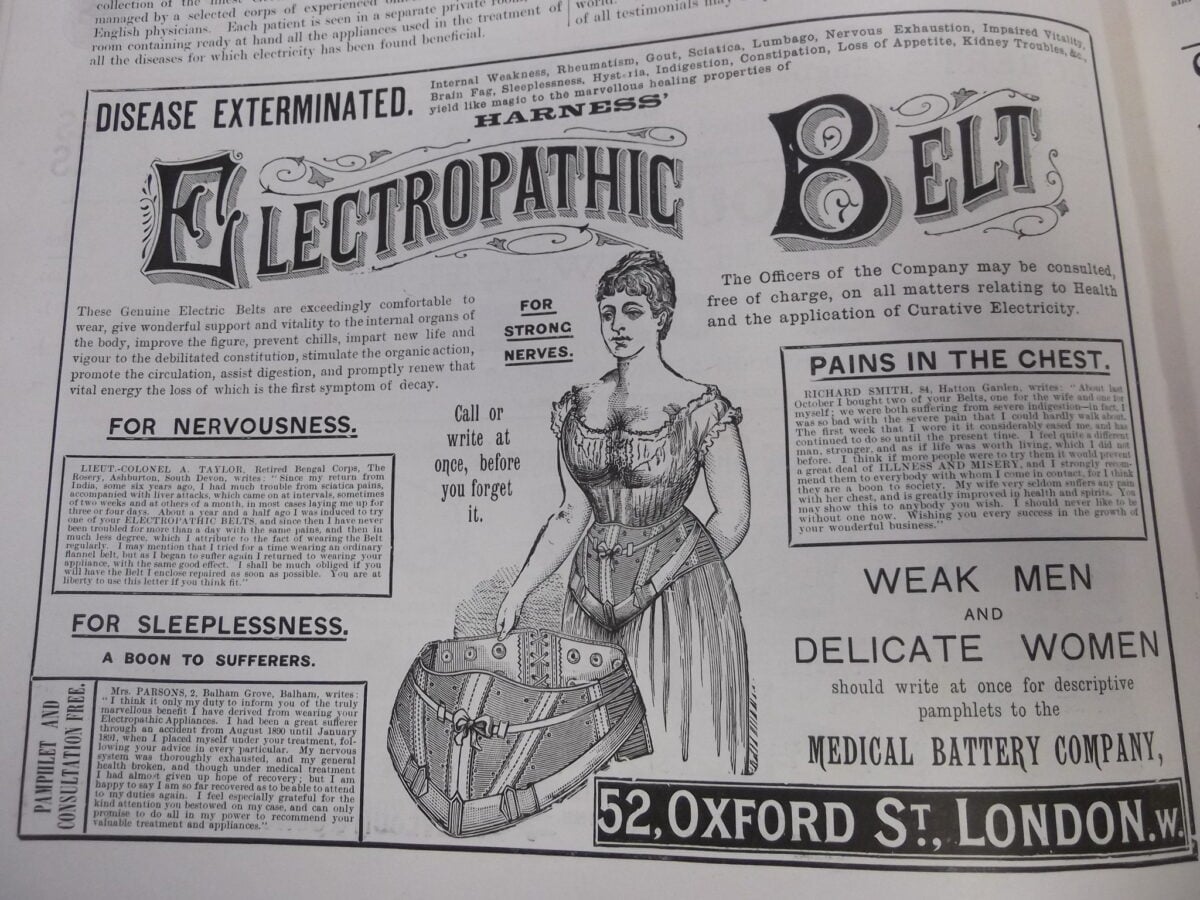
The late 1800s brought us the electropathic belt, one of the most popular and absurd medical products of the Victorian era. These contraptions consisted of zinc, copper coils, and wires that delivered small electrical shocks to whoever wore them.
Manufacturers claimed they could cure headaches, rheumatism, indigestion, fatigue, loss of virility, and pretty much any other ailment you could name. By 1880, general medical products like these made up about 25 percent of all advertisements.
The belts cost a fortune and burned the skin of users, despite wool covers meant to prevent blistering. Even Queen Victoria’s personal doctors and Charles Dickens reportedly bought into the trend.
The British Medical Journal called one manufacturer an “egregious quack,” but that didn’t stop tens of thousands from purchasing the devices. By 1895, stores were offering the belts at 75 percent discounts because nobody wanted them anymore.
The Electric Chair Was Supposed to Be Humane
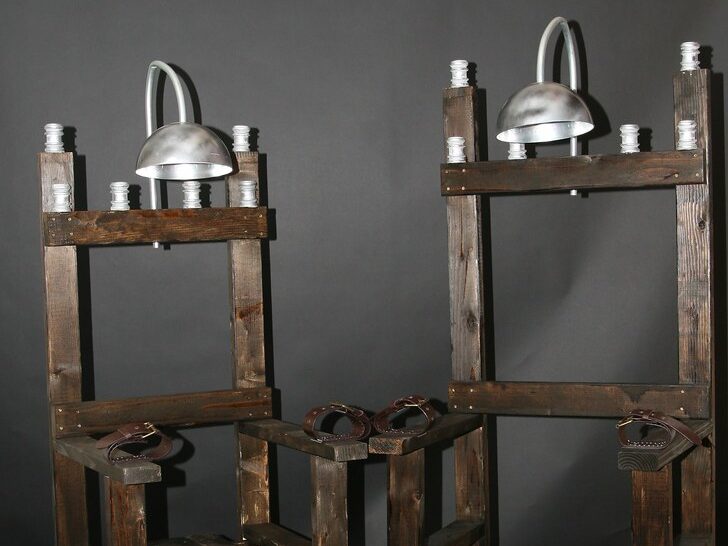
New York State adopted the electric chair in 1889 as a more civilized alternative to hanging. Thomas Edison got involved, hoping to associate alternating current with death to discredit his rival George Westinghouse.
On August 6, 1890, William Kemmler became the first person executed by electric chair at Auburn Prison. The execution was a disaster.
The first jolt of 1,000 volts for 17 seconds failed to kill him. Witnesses watched in horror as Kemmler groaned and gasped for air while the generator recharged.
The second shock at 2,000 volts lasted two minutes. Blood vessels ruptured, skin singed, and the smell of burning flesh filled the chamber. Newspapers called it “far worse than hanging” and a “historic bungle.”
Despite this botched beginning, other states quickly adopted the electric chair. Dr. Alfred Southwick, a Buffalo dentist who spent a decade developing the technology, proudly declared after Kemmler’s execution that “we live in a higher civilization.”
Electric Cars Outsold Gasoline Vehicles in 1900
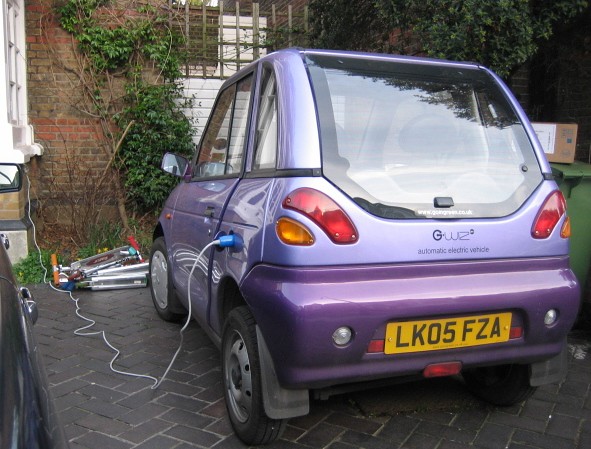
Before Henry Ford’s Model T took over, electric automobiles were everywhere. Inventors started building battery-powered cars in the 1880s, and by 1900, electric vehicles actually outsold gasoline-powered ones.
They were quieter, cleaner, and easier to operate than their gas-burning competitors. The problem was range and the sheer number of batteries needed.
Commercial railroads tried electric power too but found the battery requirements impractical. The gasoline engine eventually won out, though people have been trying to bring electric cars back ever since.
Neon Signs Turned Cities Into “Liquid Fire”
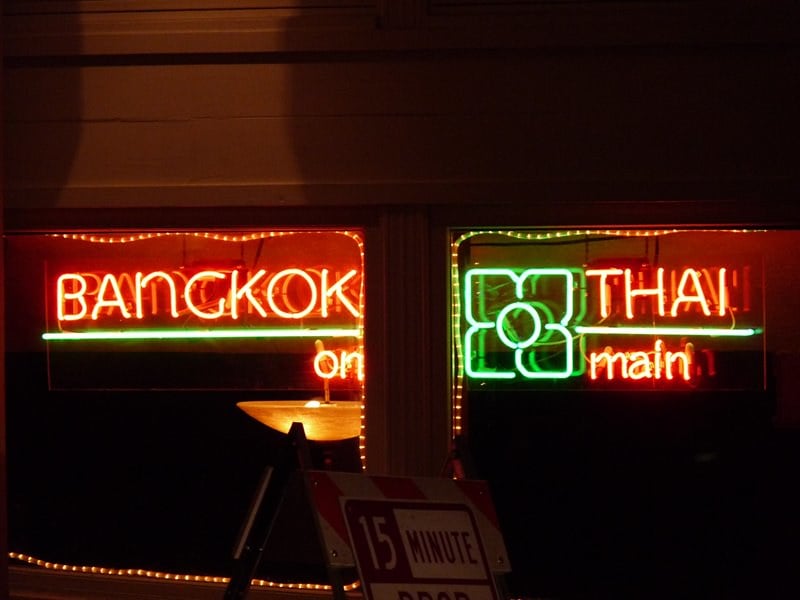
When Georges Claude demonstrated neon tube lighting at the Paris Motor Show in December 1910, he changed advertising forever. The bright red glow came from passing electric current through neon gas in glass tubes.
By 1912, a Parisian barber had the first neon advertising sign, and other businesses quickly followed. In 1923, a Los Angeles car dealer named Earle C. Anthony paid $1,250 each for two signs reading “Packard” and brought neon to America.
People stopped on the street to stare at what they called “liquid fire,” visible even in daylight. By 1940, nearly every downtown in America glowed with neon signage, and Times Square became world-famous for its electric extravagance.
Around 2,000 shops across the country specialized in designing and fabricating neon signs during the peak years.
The Telegraph Made Instant Communication Possible
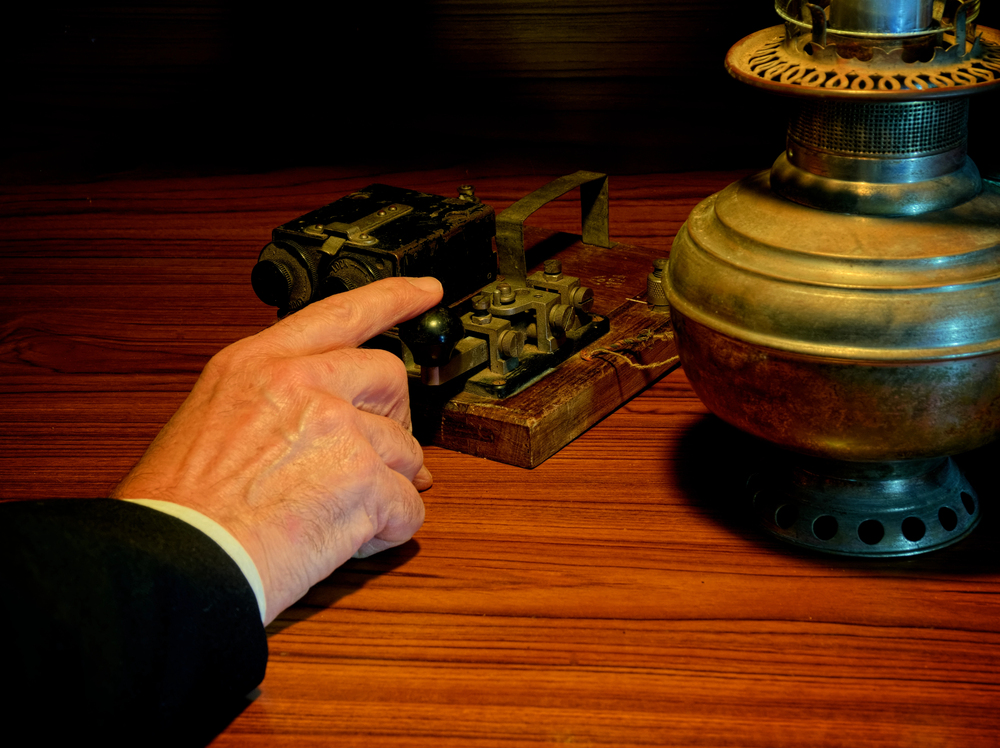
In 1844, Samuel Morse transmitted the first telegraph message from Washington to Baltimore, asking, “What hath God wrought?” With dots and dashes standing in for letters, the system broke an electric current in predetermined patterns. Prior to this, optical semaphore systems with flags or hilltop stations were the quickest means of long-distance communication.
Everything changed with the invention of the telegraph. By 1861, Western Union’s lines extended from coast to coast in tandem with growing railroads, having opened in 1851. Some politicians were concerned about the technology’s power because it spread so quickly.
A senator questioned whether the Constitution permitted such a device and expressed concern that the telegraph might “be made very mischievous.” Newspapers predicted that the telegraph would promote world peace, eliminate national rivalries, and make the world smaller. Does that sound familiar?
Street Lighting Came Before Home Electricity
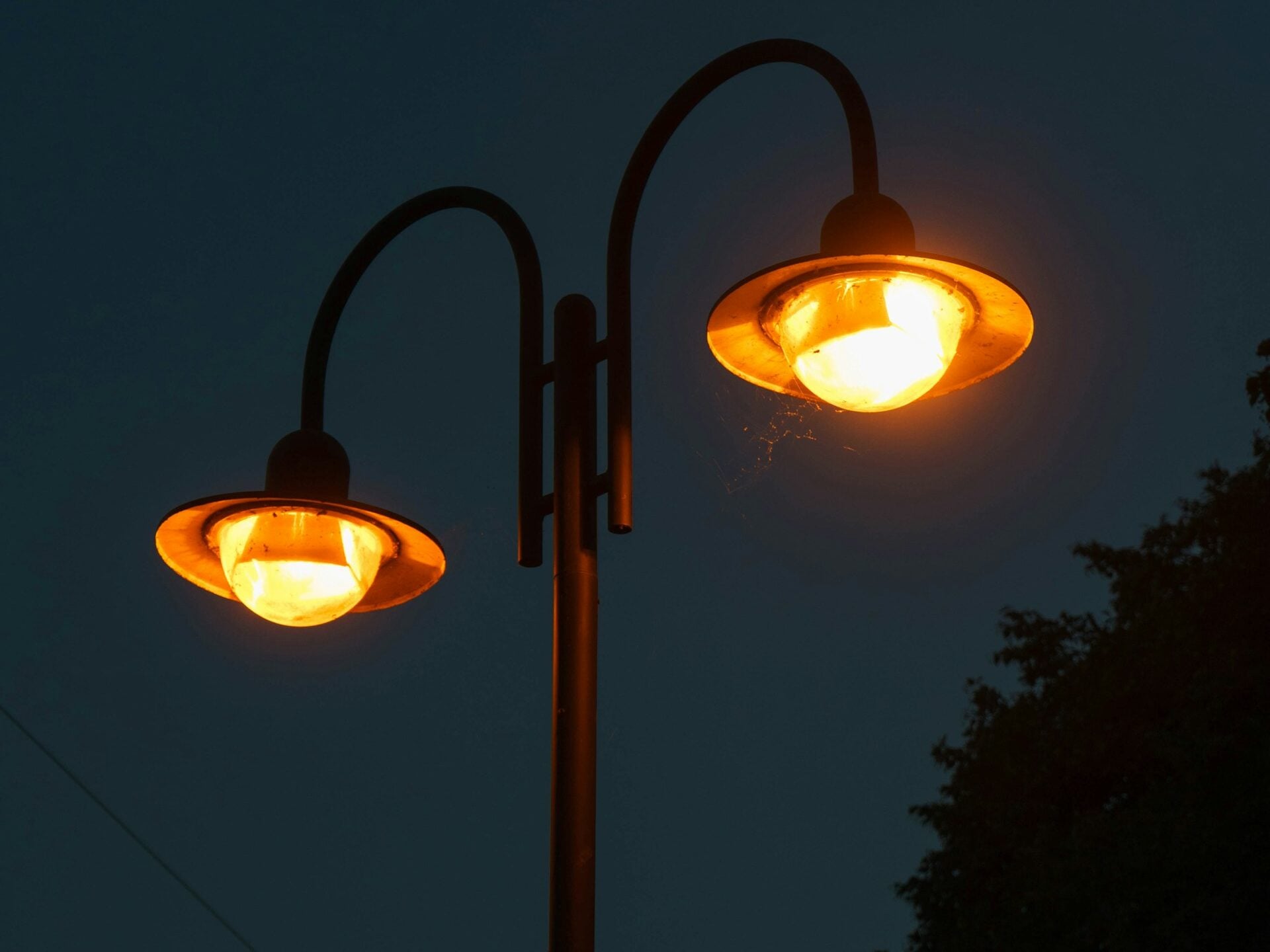
Arc lamps lit up city streets starting in the 1870s, long before most homes had electric power. Charles Brush developed a reliable system that produced blindingly bright light by passing large currents between carbon electrodes.
The lamps were far too dangerous and intense for indoor use, with high voltages that presented serious fire hazards. By 1893, about 1,500 arc lamps illuminated New York streets alone.
Cities across America and Europe adopted the technology, transforming urban nights. Thomas Edison saw a gap in the market and developed the incandescent bulb in 1879 specifically for indoor use, creating a gentler light suitable for homes and businesses.
Electroplating Was the First Industrial Use of Electricity
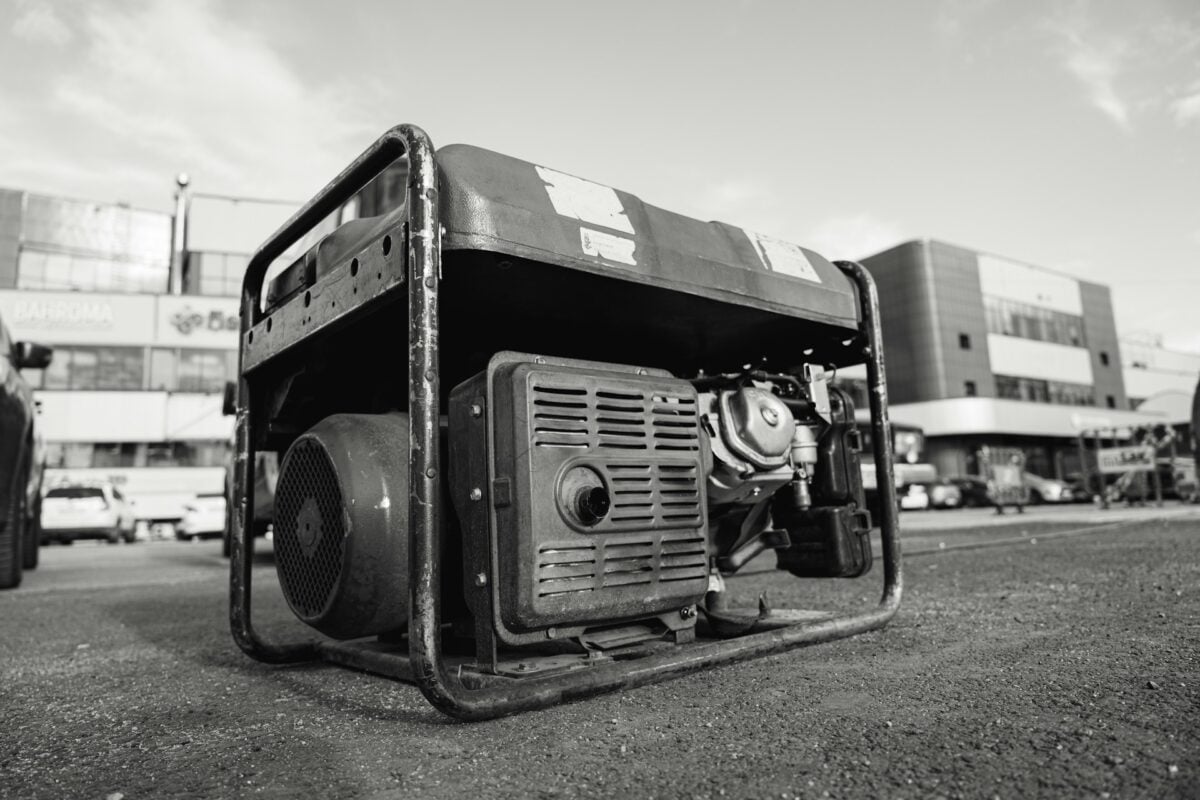
Before electricity powered factories or lit homes, it was used for electroplating. Generator designs improved around 1850, and the Nollet generator became the first produced in large numbers by manufacturing firms.
These generators, producing about 50 volts, found their main application in electroplating operations. Workers used electric current to coat objects with thin layers of metal like silver or gold.
The process required steady electrical supply and became the first major industrial operation to employ electricity commercially.
Electric Tramways Changed City Transportation
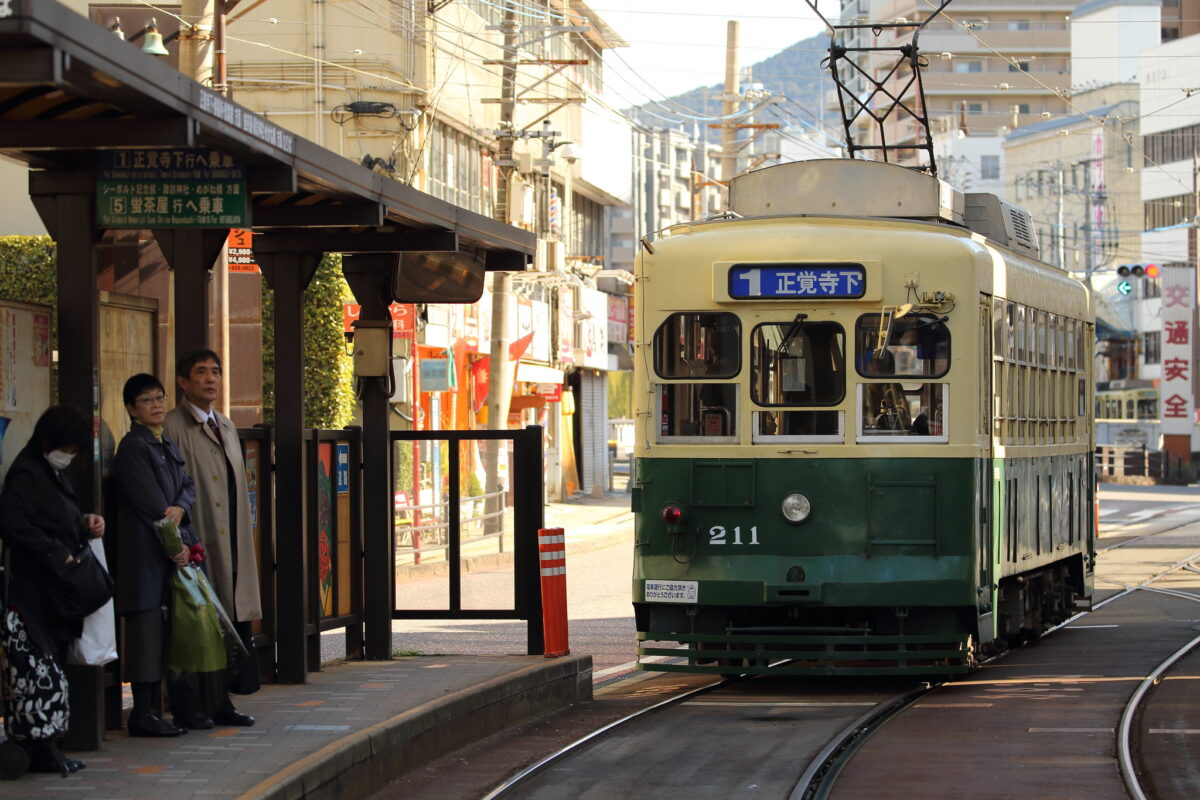
Urban electric streetcars became wildly popular in the late 1880s and 1890s, coinciding with the widespread construction of electric generating equipment. Cities adopted electric traction on subway systems like the London Underground around the same time.
The trolleys ran cleaner and more efficiently than horse-drawn carriages, and they helped cities expand outward as people could now commute from farther away. The demand for electric streetcars drove the construction of power generating stations across major cities.
Early Refrigerators Promised to End Ice Delivery
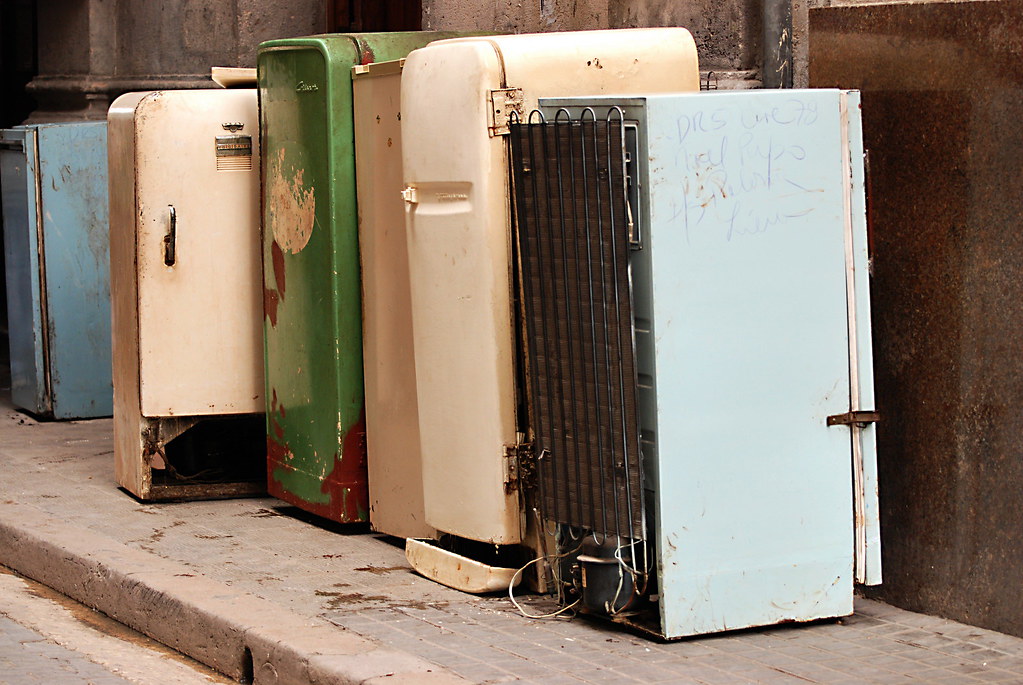
The first electric refrigerator for home use hit the market in 1913, though it was basically a cooling device you placed in an existing icebox. Before this, families depended on icemen who delivered heavy blocks of ice cut from frozen lakes and stored in massive ice warehouses.
The ice industry boomed throughout the 1800s, with entrepreneur Frederic Tudor, the “Ice King,” shipping ice around the world using sawdust and straw for insulation. Electric refrigeration changed food storage completely.
The General Electric Monitor top refrigerator, introduced in 1927 and selling for $520 (over $7,000 today), became the first widely popular home model. By 1935, electric refrigerators were taking over American kitchens.
Doctors Electrified Patients to Treat Mental Illness
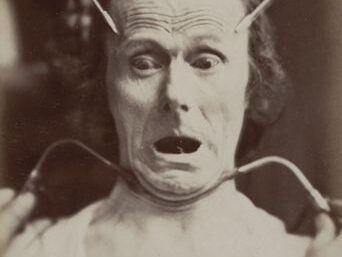
Medical electricity wasn’t limited to electric belts and fish therapy. Doctors in the 1800s and early 1900s believed electric shocks could cure nervous disorders, paralysis, and mental illness.
Guillaume-Benjamin Duchenne, known as the “father of electrotherapy,” experimented extensively with shocking patients. Physicians used everything from battery-powered devices to electromagnetic generators.
Just three years after the Leyden jar was invented in 1745, doctors in Geneva began treating patients with electric shocks. Swiss physicians reported that paralysis victims sometimes recovered after repeated shocks to their muscles.
The practice continued well into the 20th century, eventually evolving into electroconvulsive therapy, which remains controversial to this day.
Pearl Street Station Brought Power to Manhattan
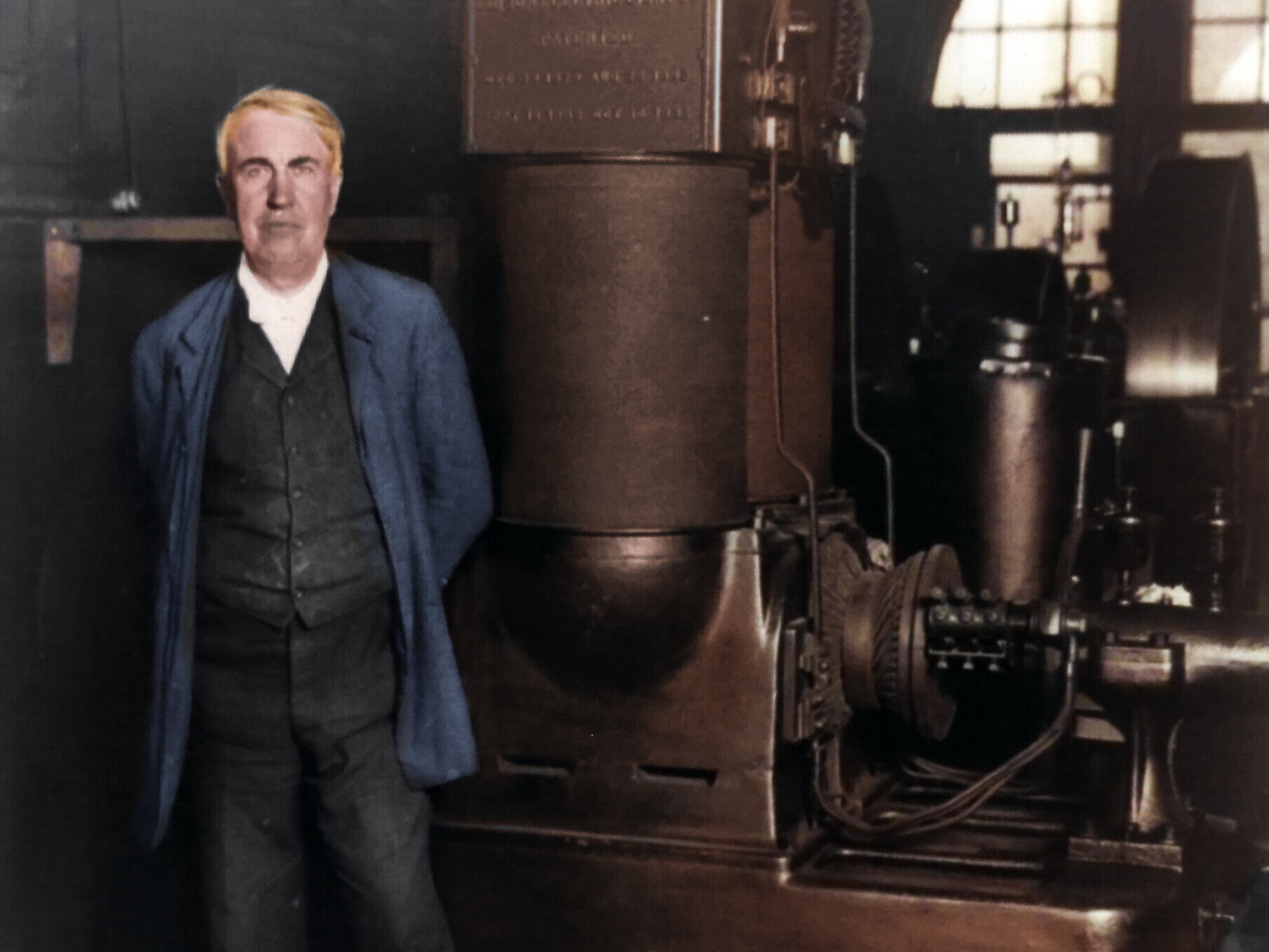
Thomas Edison opened the Pearl Street Station in September 1882, providing the first centralized electric power to customers in lower Manhattan. The station housed six “jumbo dynamos” and served about one square mile, bringing electric light to Wall Street financiers and the New York Times.
Customers paid $10 per lamp per week for light from sundown to midnight. The station represented a huge gamble, as Edison had to convince people that electricity was worth paying for regularly, just like gas for lighting.
The business model worked because investors were already familiar with paying recurring fees for gas service. The station burned down in 1890, but it proved that centralized electric distribution could succeed commercially.
Electricity Was Used for Hair Growth and Beauty
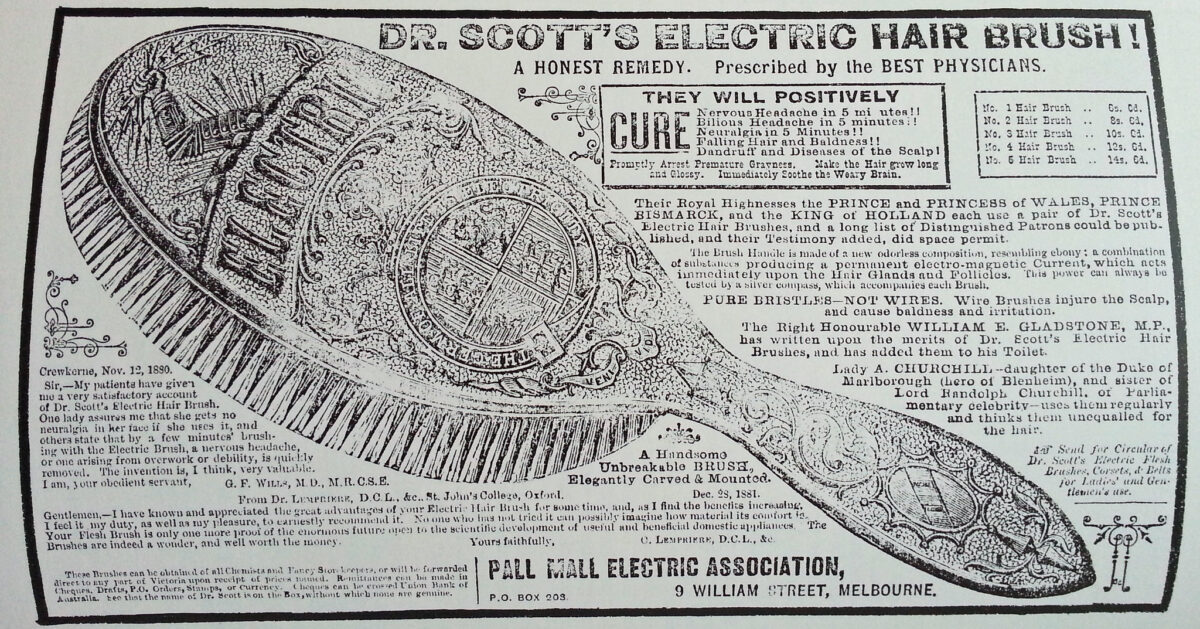
Alongside other electric medical devices, Victorian manufacturers sold electrified hairbrushes, corsets, socks, and wristlets that produced small electric currents that supposedly stimulated hair growth, improved complexion, or enhanced beauty. Some of these devices were outright quackery, while others may have had mild therapeutic effects through low-level electrical stimulation.
The fervor for electric beauty products was fueled by sophisticated advertising that connected electricity with modernity, progress, and health.
Looking Back at the Electric Age
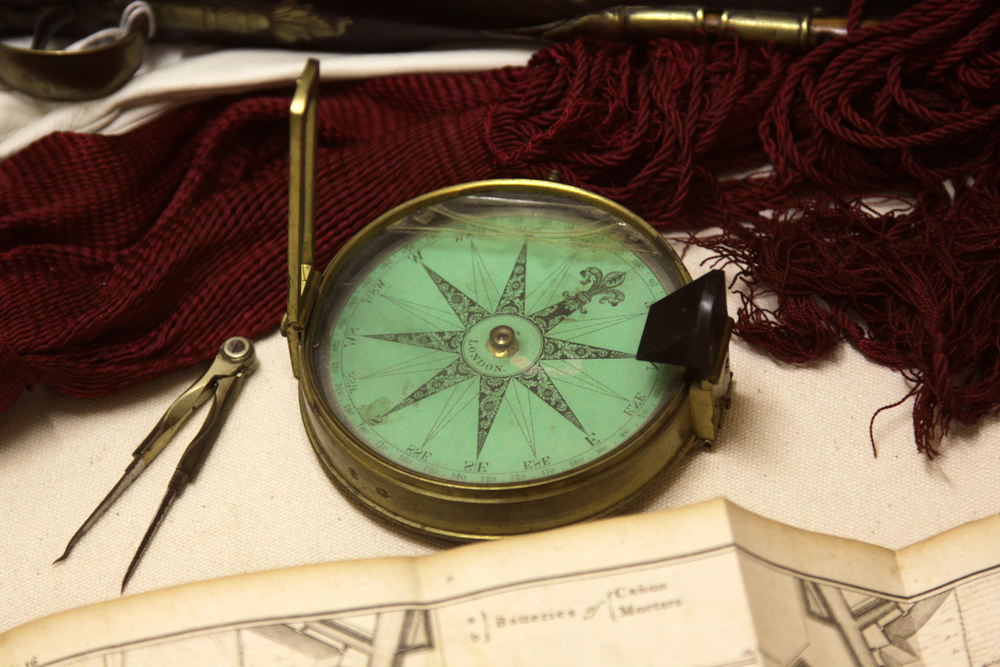
The Victorians called their era the “Electric Age” for good reason. Electricity represented progress, possibility, and a future where technology would solve human problems.
Some of their experiments led to genuine breakthroughs in medicine, communication, and daily life. Others were embarrassing failures that cost people money and sometimes caused real harm.
We still model ourselves on our technology, just like they did. The difference is we’re less shocked by it now.
More from Go2Tutors!

- The Romanov Crown Jewels and Their Tragic Fate
- 13 Historical Mysteries That Science Still Can’t Solve
- Famous Hoaxes That Fooled the World for Years
- 15 Child Stars with Tragic Adult Lives
- 16 Famous Jewelry Pieces in History
Like Go2Tutors’s content? Follow us on MSN.