History of the World’s Most Valuable Paintings
The art world has always been obsessed with price tags, even when curators and collectors insist they’re above such vulgar concerns. But there’s something undeniably fascinating about watching a painting sell for more money than most people will earn in a hundred lifetimes.
These aren’t just transactions – they’re moments when culture, history, and pure financial spectacle collide. Let’s look at the paintings that broke records and rewrote the rules of the art market.
Salvator Mundi by Leonardo da Vinci
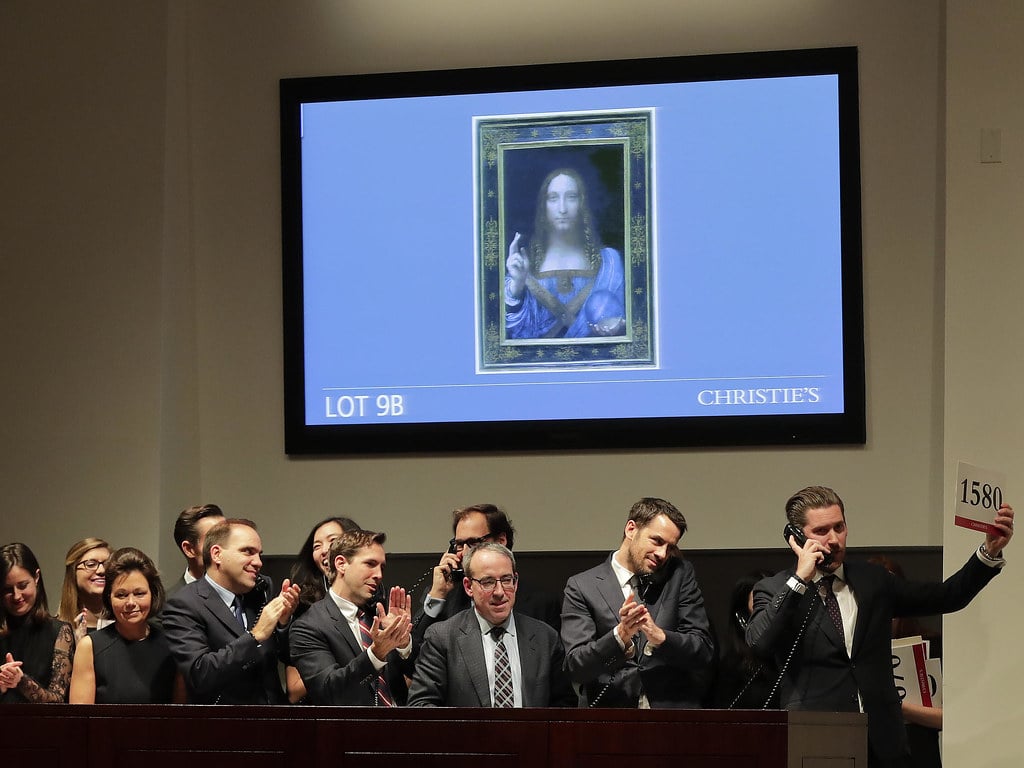
In 2017, Christie’s in New York sold a painting for $450.3 million, and the art world collectively lost its mind. Leonardo da Vinci’s Salvator Mundi – which translates to “Savior of the World” – shows Christ holding a crystal orb in one hand while blessing the viewer with the other.
The painting disappeared for centuries before being rediscovered and restored in the 21st century. Saudi Arabian crown prince Mohammed bin Salman bought the piece, though the sale wasn’t exactly straightforward.
Here’s where things get messy: many scholars question whether da Vinci painted the entire work himself or if his students contributed significantly. A 2018 Louvre analysis suggested Leonardo added crucial details like the hands in later stages, but debate continues.
The painting was supposed to go on display in Riyadh, though as of now, its exact location remains somewhat mysterious.
Interchange by Willem de Kooning
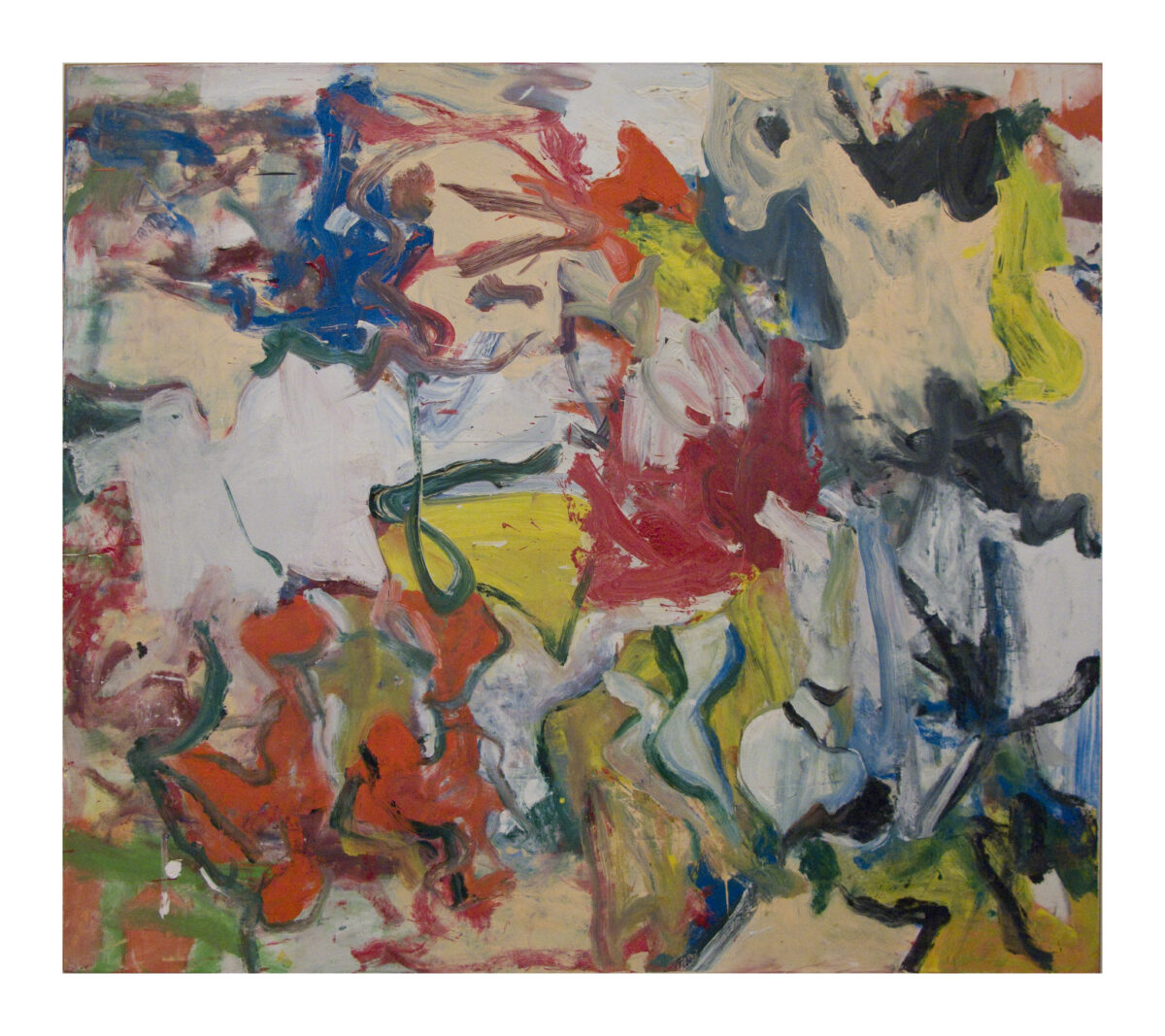
Willem de Kooning’s abstract expressionist masterpiece Interchange sold privately in 2015 for $300 million. The painting features his signature gestural, energetic brushwork – all bold colors and aggressive movement across the canvas.
Hedge fund investor Kenneth Griffin bought the piece from David Geffen, and the sale briefly tied it with Gauguin’s Nafea Faa Ipoipo for the title of world’s most expensive painting at the time. De Kooning revolutionized modern art with his approach, and Interchange represents abstract expressionism at its peak.
The painting now lives in the Art Institute of Chicago on loan from Griffin.
The Card Players by Paul Cézanne
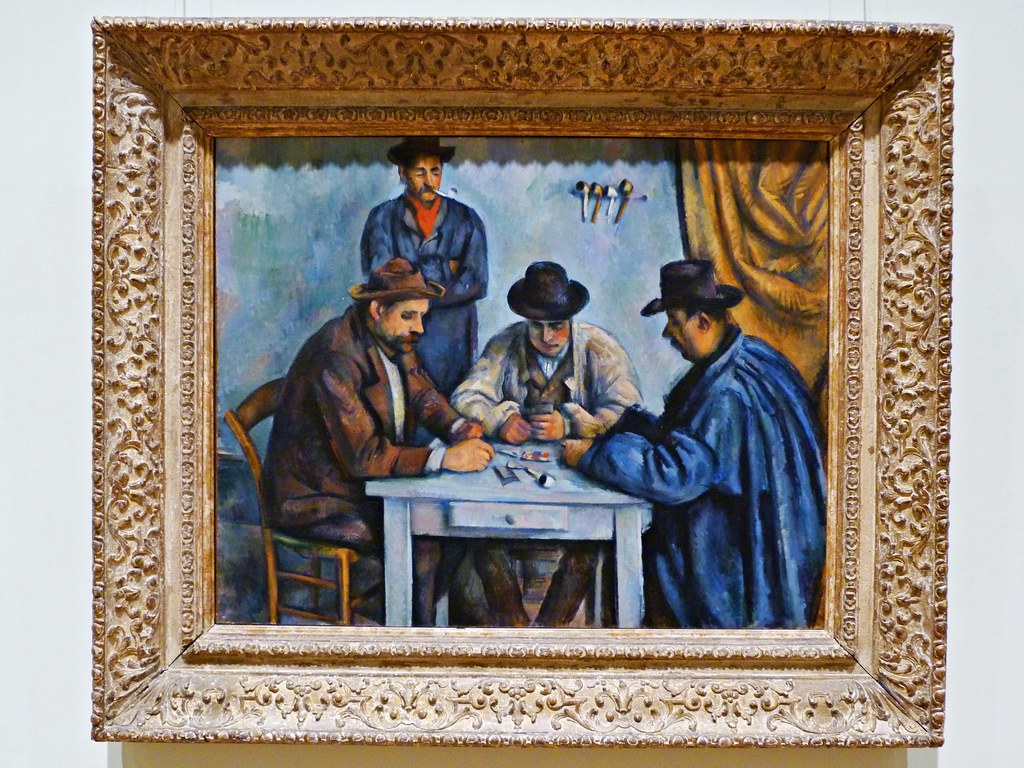
Paul Cézanne painted five versions of card players during the 1890s, but one version stands above the rest in terms of price. The royal family of Qatar purchased this particular version in 2011 for $250 million through a private sale.
The painting depicts two peasants immersed in a card game, and the calm simplicity of the composition marks a departure from Cézanne’s earlier dramatic and colorful works. Art historians often describe this series as the cornerstone of modern art.
While most versions hang in museums worldwide – including the Musée d’Orsay and the Metropolitan Museum of Art – this one became part of Qatar’s effort to build one of the world’s most prestigious art collections.
Nafea Faa Ipoipo by Paul Gauguin
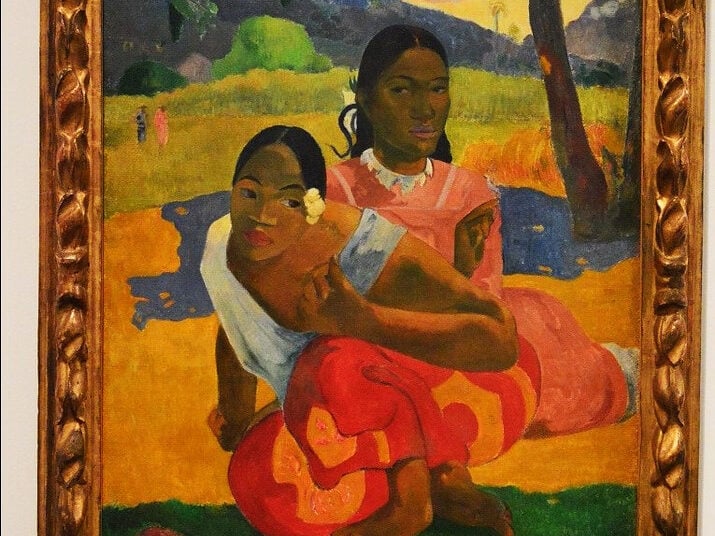
Gauguin painted Nafea Faa Ipoipo in 1892, shortly after his first trip to Tahiti. The title translates to “When Will You Marry?” and shows a young Tahitian woman with a white flower in her hair sitting alongside an older woman.
In Tahitian culture, wearing a flower in your hair indicates readiness for marriage. The painting sold privately in 2015 for $210 million, though the sale price was initially reported as $300 million before a legal dispute revealed the actual figure.
Most people believe the Qatar family purchased the work, though this was never officially confirmed. The luminous colors and symbolic storytelling cement its place among the most coveted works in art history.
Number 17A by Jackson Pollock
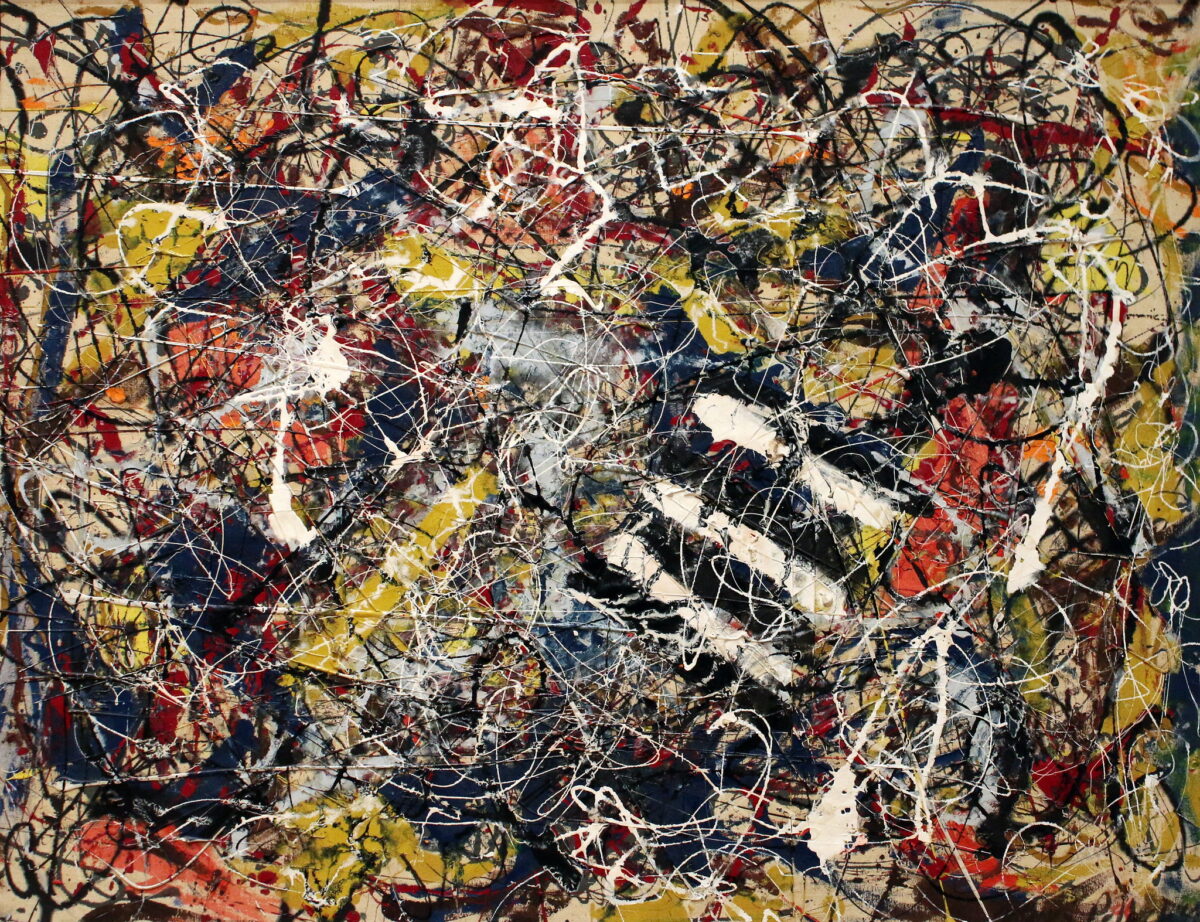
Jackson Pollock’s abstract expressionist work from 1948 represents his revolutionary “drip” technique at its finest. The painting features a kaleidoscope of colors splashed across a fiberboard canvas – oil paint poured and dripped while the canvas lay horizontally on the floor.
Kenneth Griffin bought Number 17A from David Geffen in September 2015 for $200 million, then loaned it to the Art Institute of Chicago. The sale set a then-record price and placed it among the top five most expensive paintings ever sold.
Pollock created this piece one year after introducing his drip method to the public, and the kinetic energy captured in the intricate web of colors shows why he became a defining force in the Abstract Expressionist movement.
The Standard Bearer by Rembrandt
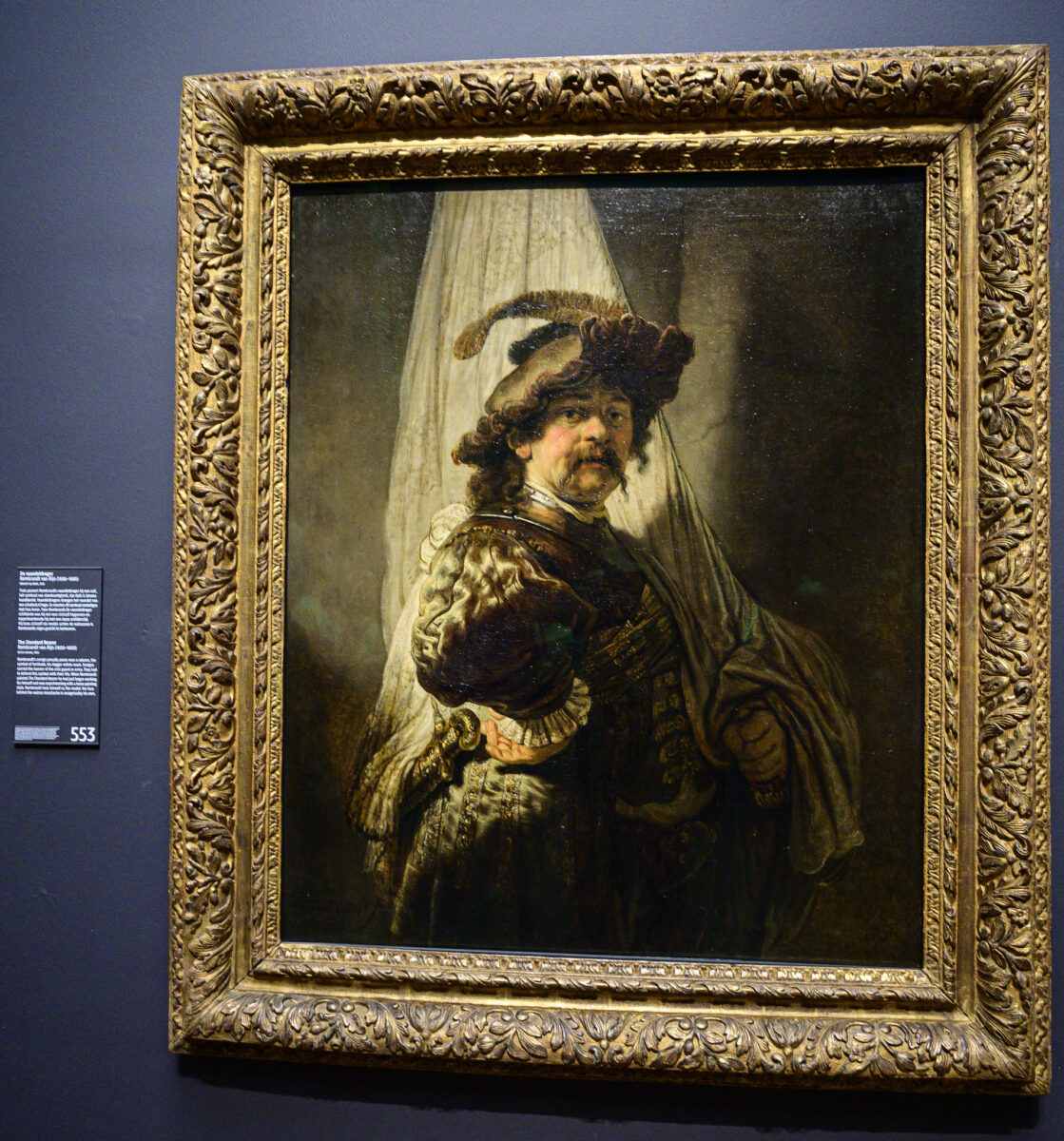
Rembrandt painted this vibrant self-portrait in 1636 during the Dutch Golden Age. The Standard Bearer shows the artist in full regalia, and art historians consider it one of his most vibrant masterpieces.
The painting belonged to England’s King George IV before the Rothschild family acquired it in 1844. In late 2021, the Dutch government announced plans to purchase the artwork from the Rothschilds for $198 million for the country’s national collection.
Rembrandt’s use of light and shadow to highlight human expression – a hallmark of his work – shines through in this piece. The painting embodies the spirit of the Golden Age and showcases Rembrandt’s unparalleled skill.
Shot Sage Blue Marilyn by Andy Warhol
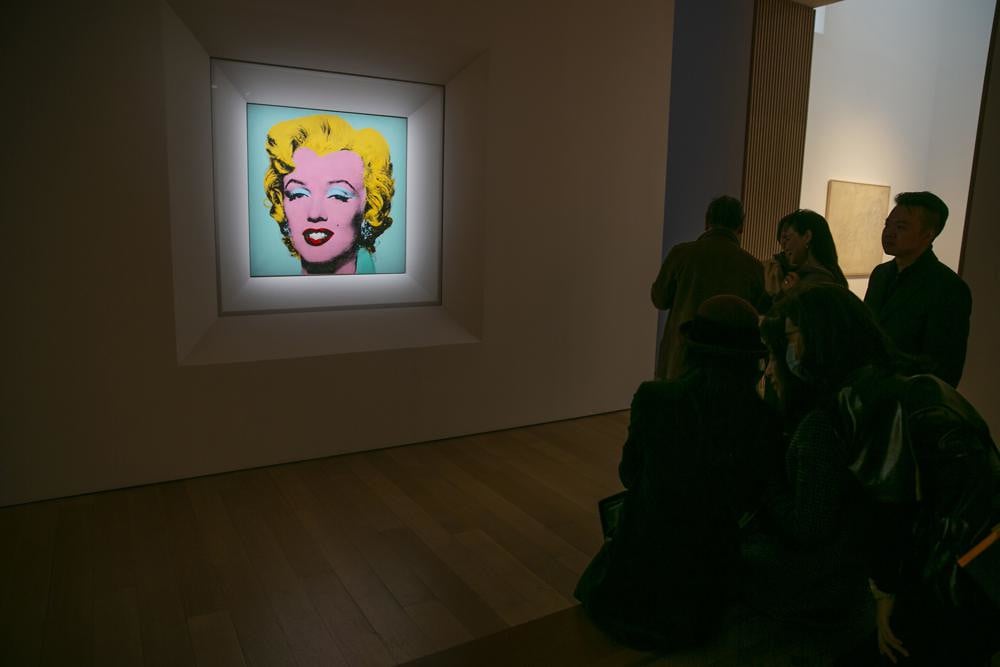
Andy Warhol created Shot Sage Blue Marilyn in 1964 using a cropped publicity photo from Marilyn Monroe’s 1953 film Niagara. The 40-by-40-inch silkscreen shows Monroe with electric blue eyeshadow, saturated yellow hair, and bold red lips against a pale aqua background.
The painting sold at Christie’s in May 2022 for $195 million, making it the most expensive 20th-century artwork ever sold at auction and the highest price for an American artwork. Larry Gagosian purchased the piece in the salesroom.
The sale’s title comes from a wild incident in 1964 when performance artist Dorothy Podber visited Warhol’s Factory studio and asked if she could “shoot” his Marilyn paintings. Warhol assumed she meant photographing them. Instead, she pulled out a revolver and fired a shot through a stack of four Marilyn canvases, hitting the actress right between the eyes.
Warhol repaired the damaged works, but they’ve been known as the “Shot Marilyns” ever since.
Water Serpents II by Gustav Klimt
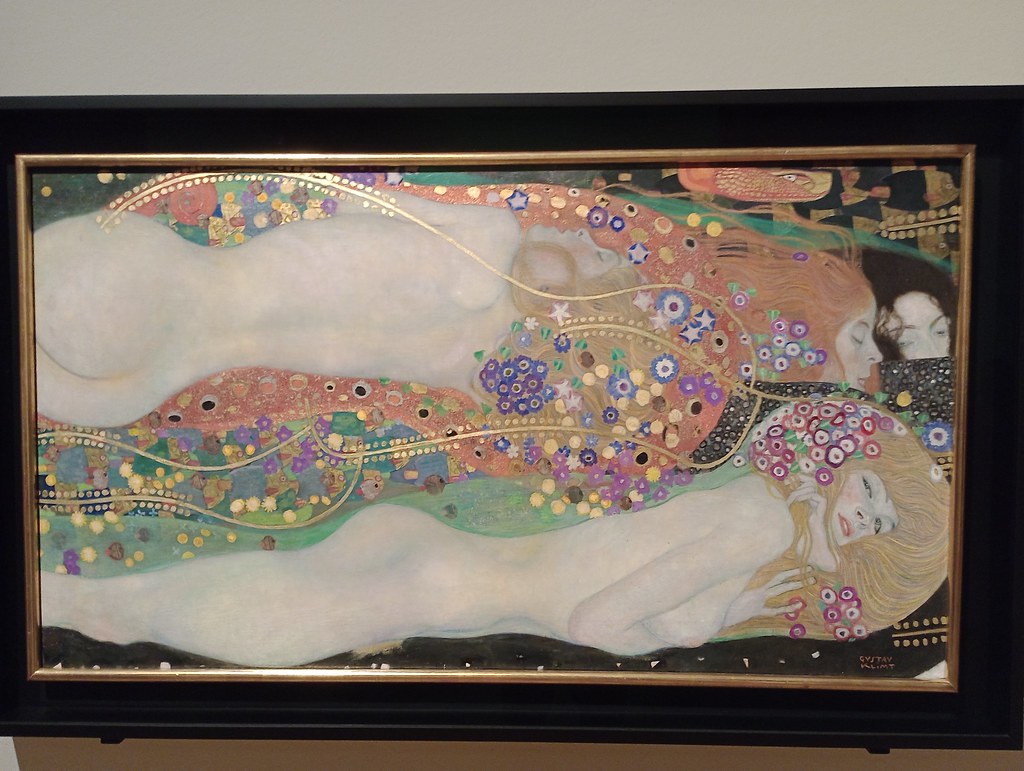
Klimt completed Water Serpents II in 1907 as the second in a series depicting the sensual nature of the female form. The lavishly decorated painting features Klimt’s signature aesthetic – all gold leaf, intricate patterns, and feminine elegance.
During World War II, the Nazis confiscated the painting from Jewish collector Jenny Steiner and gave it to a Nazi filmmaker. The piece stayed hidden for decades before reappearing at a Sotheby’s auction in 2015, where it sold for $183.8 million.
The sale symbolized both historical resilience and unparalleled artistic beauty. Once looted by the Nazis, the painting now stands as a testament to art’s ability to survive even the darkest periods of history.
No. 6 (Violet, Green and Red) by Mark Rothko
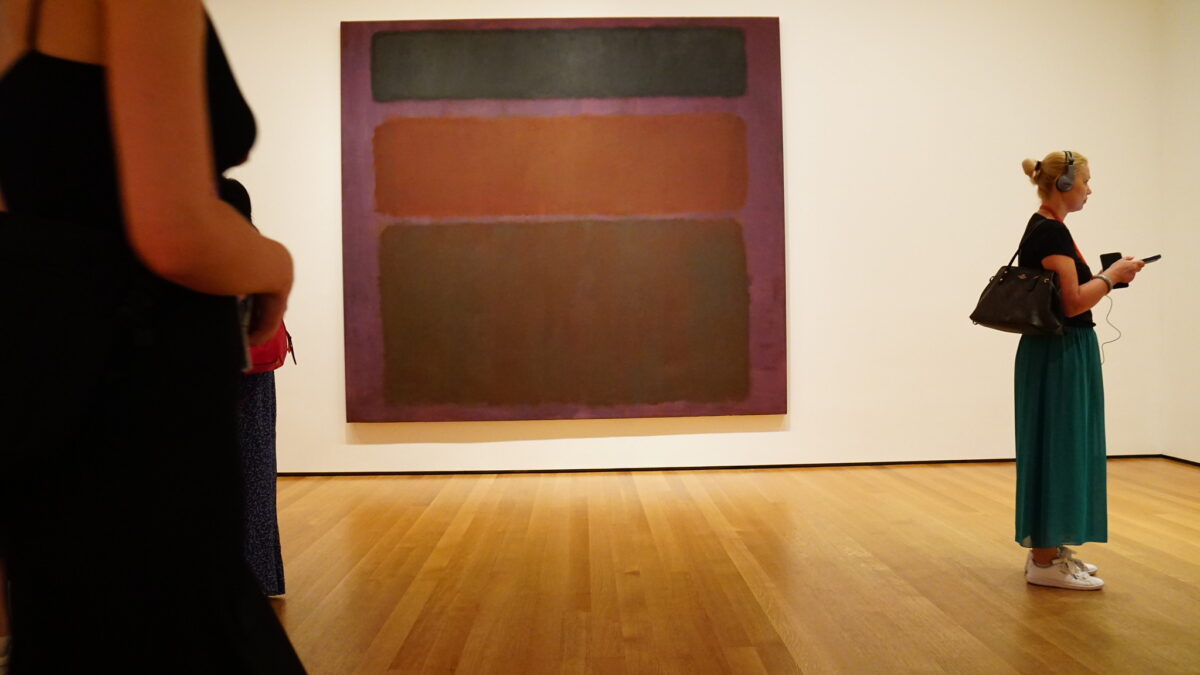
Mark Rothko painted this abstract color field masterpiece in 1951. The canvas consists of colored bands divided by hazy and uneven shades – harmonious blends of violet, green, and red that evoke a meditative quality.
The painting sold privately in 2014 for $186 million, establishing a new record for Rothko and placing it among the top seven most expensive art pieces in painting history. Russian billionaire Dmitry Rybolovlev reportedly purchased the work through art dealer Yves Bouvier.
Rothko’s artwork is widely renowned for its vibrantly colored rectangular forms, and this piece invites viewers to contemplate the emotions behind each hue. His goal was to serve as an appeal to human primary emotions, and No. 6 achieves this through simple yet compelling color combinations.
Women of Algiers (Version O) by Pablo Picasso
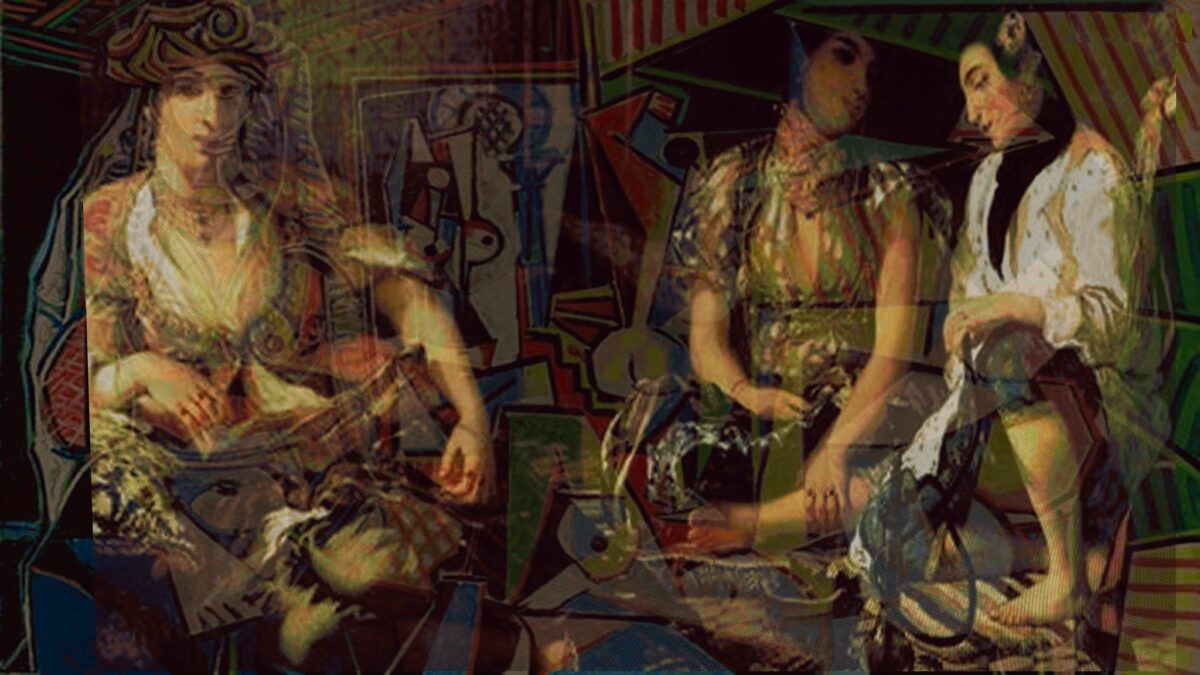
Picasso painted Les Femmes d’Alger (Version O) in 1955 as the culmination of a series exploring the exotic allure of Algerian women. The vibrant work is a tribute to French painter Eugène Delacroix, whom Picasso admired deeply.
Version O is the best-known of the 15 paintings in the series, and many believe the woman depicted is Françoise Gilot, Picasso’s favorite French artist. The painting sold at Christie’s in 2015 for $179.4 million, setting a record at the time for the most expensive artwork ever sold at auction.
The dazzling composition blends Cubism with homage to Picasso’s artistic lineage. Picasso’s mastery lies in his ability to innovate while paying respect to the past.
Rembrandt’s Wedding Portraits
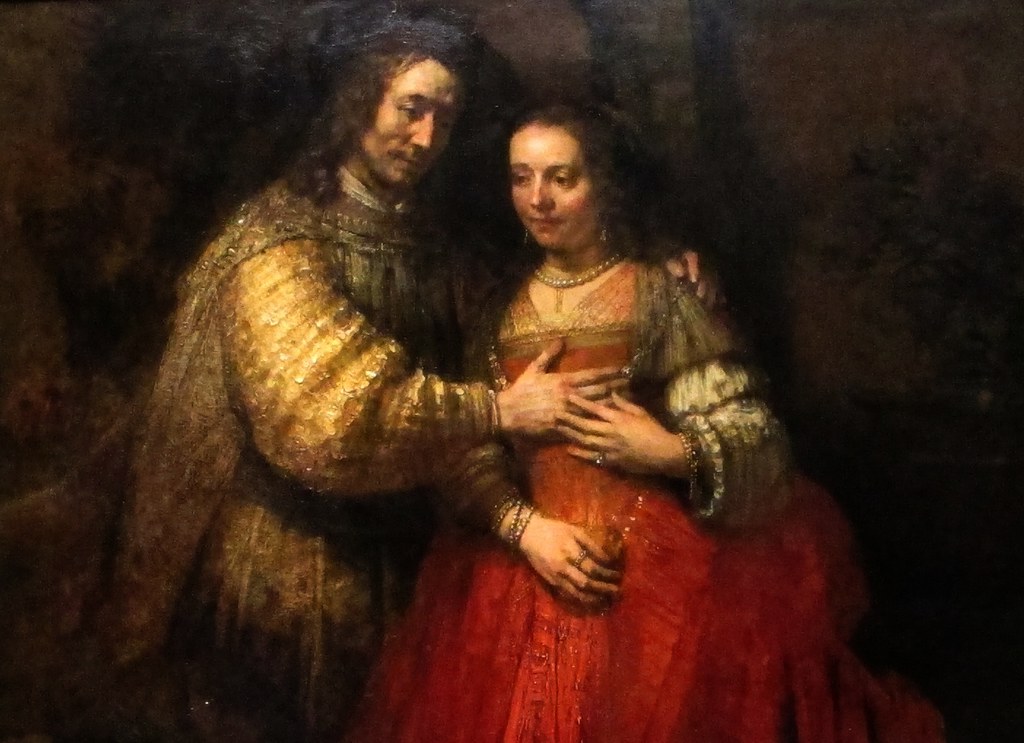
In 1634, a young Rembrandt completed a pair of full-length wedding portraits of Marten Soolmans and Oopjen Coppit. Unlike most 17th-century portrait pairs, which often got separated over time, these two paintings stayed together since their creation.
The Rothschild family came into possession of the portraits in 1878 and later sold them through Christie’s for $180 million to two museums – the Louvre and the Rijksmuseum. The two European institutions take turns displaying the portraits, ensuring they’ll never be separated.
The fact that they remained together for nearly four centuries makes them extraordinarily rare. Wedding portrait pairs from this era typically ended up in different collections or countries, but these two portraits beat the odds.
The Mona Lisa’s Untouchable Value
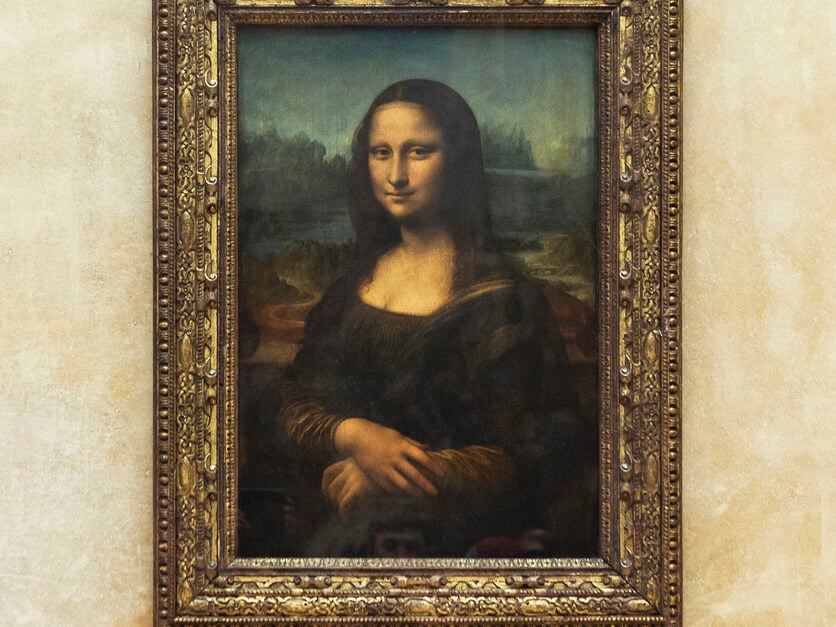
Leonardo da Vinci’s Mona Lisa has never been sold, which makes putting a price on it somewhat theoretical. The painting received an insurance valuation of $100 million in December 1962 when it traveled to the United States for exhibition.
Taking only inflation into account, that 1962 value would be around $1.039 billion in 2024. The Louvre in Paris keeps the painting on permanent display, and museums rarely sell works from their collections, so the Mona Lisa is considered priceless.
Guinness World Records lists it as having the highest insurance value for a painting. If the Mona Lisa ever came to market – which it won’t – art market experts believe it would fetch several billion dollars and shatter every existing record.
Van Gogh’s Late Recognition
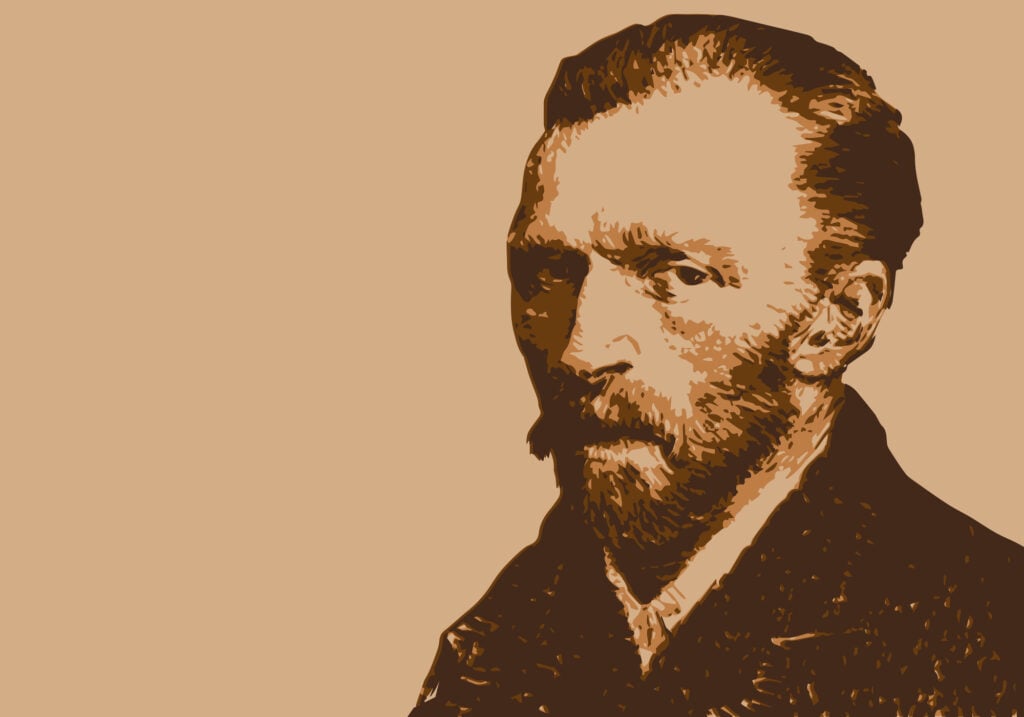
Vincent van Gogh famously sold only one painting during his lifetime – The Red Vineyard – for 400 French francs in 1890, roughly $2,000 in 2018 dollars. The Belgian Impressionist painter Anna Boch bought it.
Fast forward to modern times, and Van Gogh’s works regularly fetch astronomical sums. His Orchard with Cypresses sold for over $100 million in November 2022 as part of Paul Allen’s collection, which brought in a record-breaking $1.5 billion in a single evening – the most valuable single-owner sale in auction history.
The painting depicts cherry orchards that surrounded Van Gogh’s Arles residence and features heavy impasto, intense colors, and wild expressionism. Van Gogh died unknown and broke, yet his work now represents some of the most valuable paintings in existence.
When Money Meets Meaning
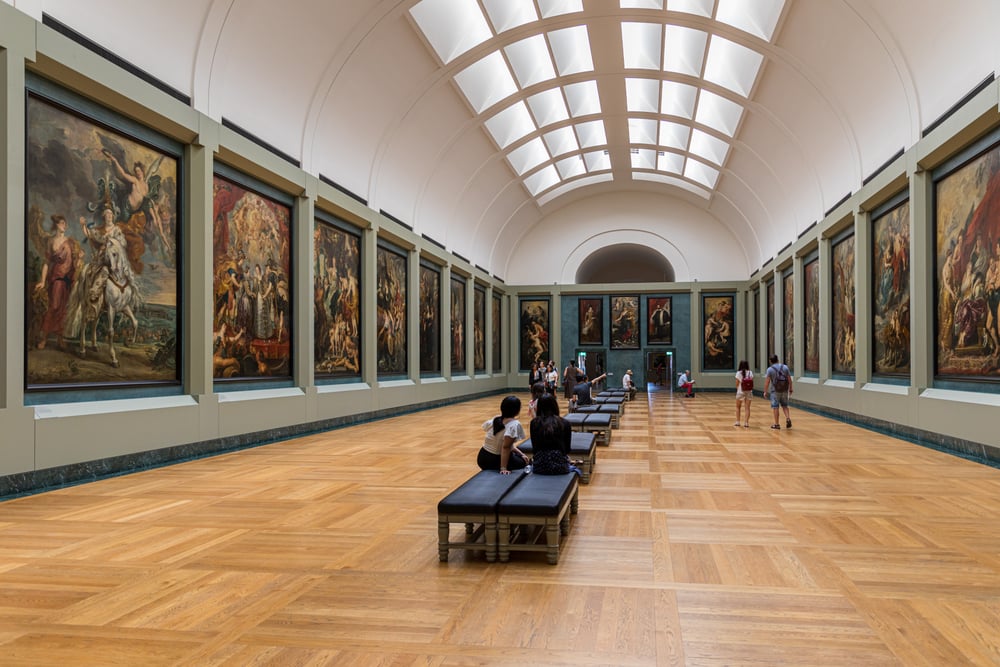
These sales numbers tell stories beyond mere wealth. They document shifting tastes, the rise of private museums in places like Qatar and Abu Dhabi, and the transformation of art into an asset class for billionaires and hedge fund managers.
Kenneth Griffin alone appears multiple times on these lists. The art market has changed dramatically since Van Gogh sold his single painting for pocket change – auctions now regularly see multiple works cross the $100 million mark in a single evening.
Whether these prices reflect true artistic value or just what happens when extremely wealthy people compete for bragging rights remains an open question. Either way, the numbers keep climbing, and every record seems destined to fall eventually.
More from Go2Tutors!

- The Romanov Crown Jewels and Their Tragic Fate
- 13 Historical Mysteries That Science Still Can’t Solve
- Famous Hoaxes That Fooled the World for Years
- 15 Child Stars with Tragic Adult Lives
- 16 Famous Jewelry Pieces in History
Like Go2Tutors’s content? Follow us on MSN.