Ancient Empires That Vanished With Their Wealth
The dust of centuries has settled over lands that once glittered with unimaginable riches.
Massive temples, golden palaces, and treasury vaults filled to bursting have simply disappeared, swallowed by time, conquest, or nature itself.
These weren’t gradual fadeouts or gentle transitions of power.
These were empires that collapsed suddenly or over a short period in historical terms, taking their accumulated wealth with them into the unknown.
Some treasures sank into jungles that reclaimed stone cities.
Others were buried by rulers fleeing invasion, their maps lost forever.
A few simply vanished without explanation, leaving archaeologists scratching their heads a thousand years later.
Here’s a closer look at the empires that took their fortunes to the grave.
The Aksumite Empire
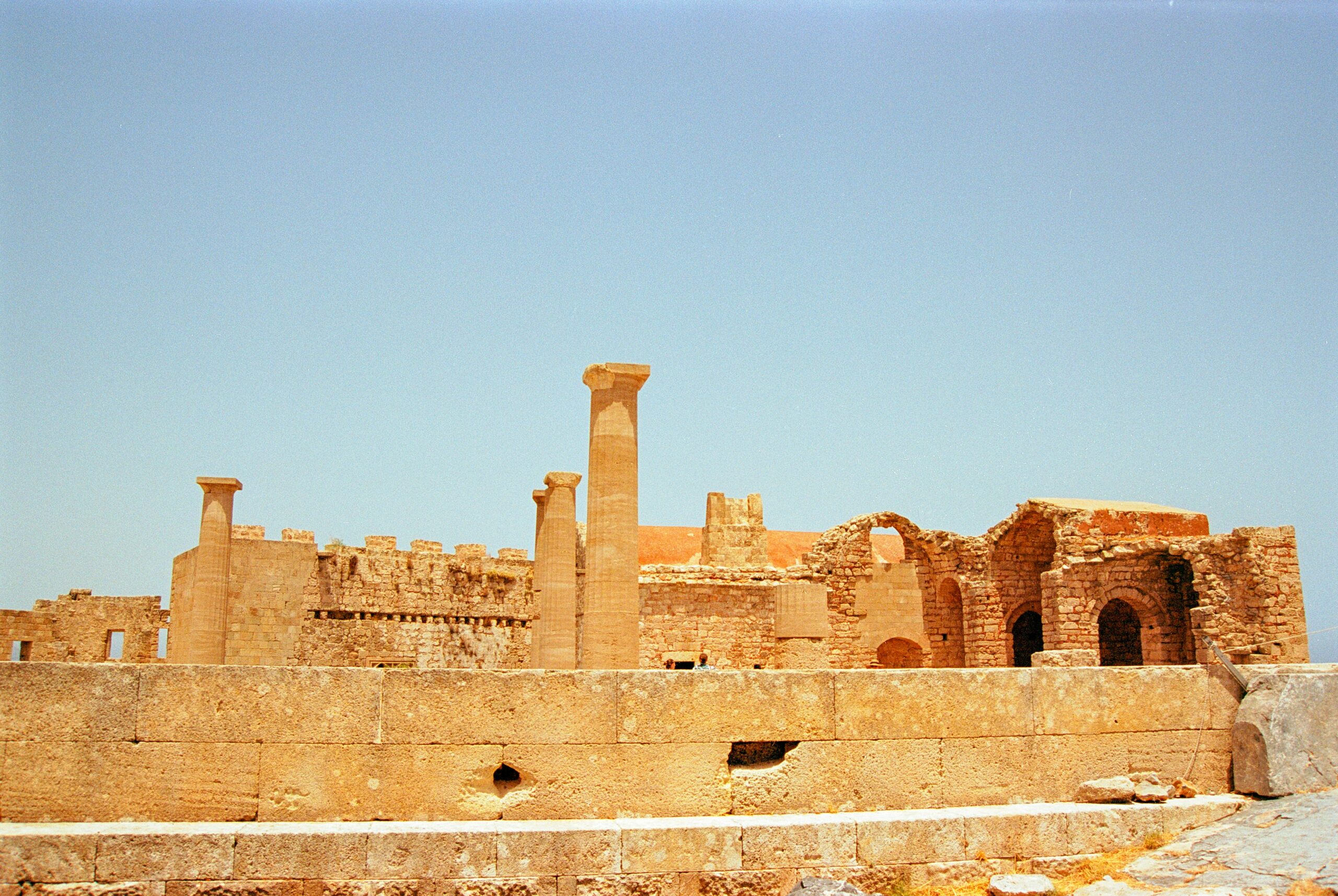
Tucked between the highlands of Ethiopia and the Red Sea coast, the Kingdom of Aksum once stood as one of the four great powers alongside Rome, Persia, and China.
That wasn’t ancient propaganda.
The empire controlled trade routes linking the Roman world to India and beyond, funneling gold, ivory, emeralds, and frankincense through its port city of Adulis.
By the third century, Aksum was minting its own gold coins and building towering stone obelisks that still stand today, silent witnesses to vanished grandeur.
The wealth flowed from everywhere.
African gold from the interior, ivory from elephant herds, tortoiseshell and rhinoceros horn, all traded for silk, spices, and wine from distant lands.
Aksum’s kings built monumental palaces and commissioned elaborate bronze statues.
They erected stelae that reached over 75 feet into the sky, carved from single pieces of granite to mark royal tombs.
Archaeological evidence reveals remnants of gold jewelry, gilded objects, and precious stones in burial sites, though most royal graves were looted centuries ago.
Then the world shifted.
By the seventh century, Arab Muslim powers took control of the Red Sea trade routes that had made Aksum rich.
The empire’s main port, Adulis, gradually became landlocked as the coastline receded.
Climate change and environmental pressures added to the trouble.
The population retreated inland to the highlands, abandoning the capital city and its treasures.
The kingdom entered decline by the seventh to eighth century and had collapsed as a major power by around 960 CE, its gold and riches either scattered, buried, or lost to history.
The Khmer Empire
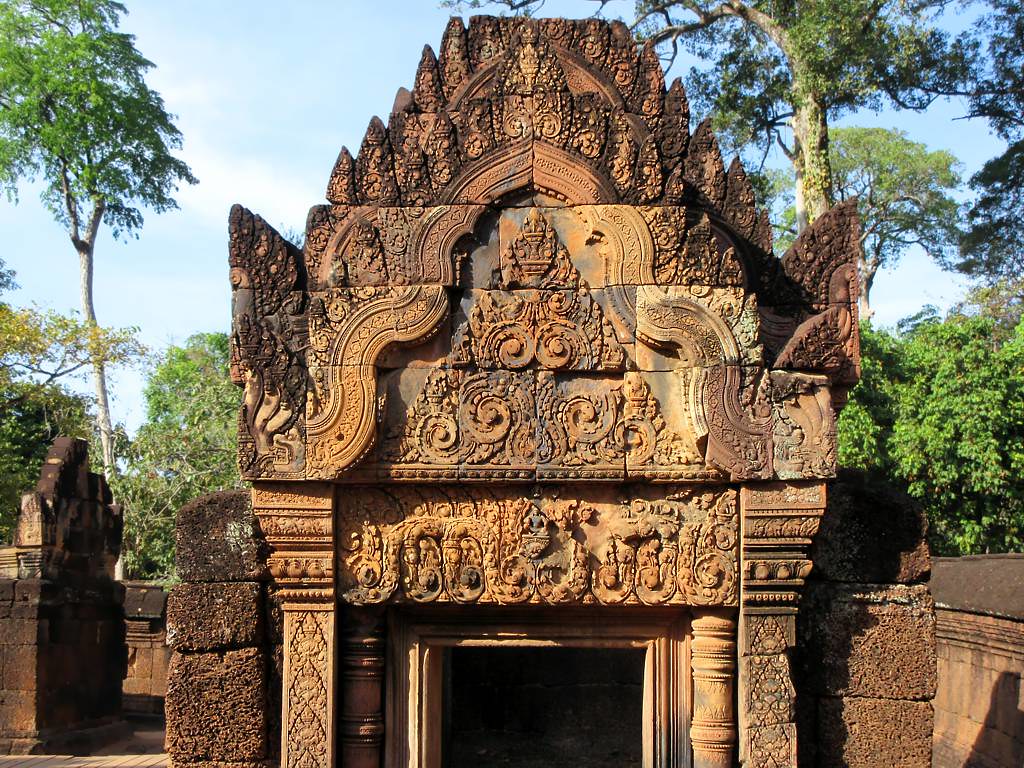
Cambodia’s Angkor wasn’t just impressive architecture.
It was the beating heart of an empire that stretched across modern Southeast Asia, commanding trade routes between India and China while cultivating enough rice to feed over a million people.
The Khmer kings built more than 1,000 temples between the ninth and fifteenth centuries, each one a repository for unimaginable wealth.
According to temple inscriptions, places like Preah Khan once held thousands of precious artifacts, including pearls and gemstones, as recorded in temple inscriptions and legends.
The temples served double duty as religious sites and treasure vaults.
Archaeological evidence suggests gold statues of deities lined inner sanctuaries.
Priests conducted ceremonies using vessels made from precious metals.
The bas-reliefs carved into Angkor Wat show processions of nobles dripping with jewelry, wearing elaborate gold crowns and sapphire-studded necklaces.
Archaeological evidence confirms the empire had its own mines producing rubies, emeralds, and other precious stones.
Chinese, Indian, and Arab merchants regularly visited Khmer ports, trading silk and ceramics for Khmer gold, sandalwood, and exotic animals.
Everything changed in 1431 when the Siamese Ayutthaya Kingdom sacked Angkor.
The royal court fled south to Phnom Penh, but the treasures didn’t go with them.
According to legend, monks and priests concealed the empire’s wealth in underground chambers, hidden temple vaults, and secret jungle locations to protect them from invaders.
Some say curses were placed on the treasures, or that guardian spirits still protect them.
Centuries of looting followed, with colonial powers and treasure hunters carving away sculptures and artifacts, but vast portions of Angkor remain unexplored beneath dense jungle canopy.
Recent LIDAR scans have revealed entire hidden temple complexes and urban structures, suggesting countless caches of wealth might still lie buried beneath the forest floor.
The Inca Empire
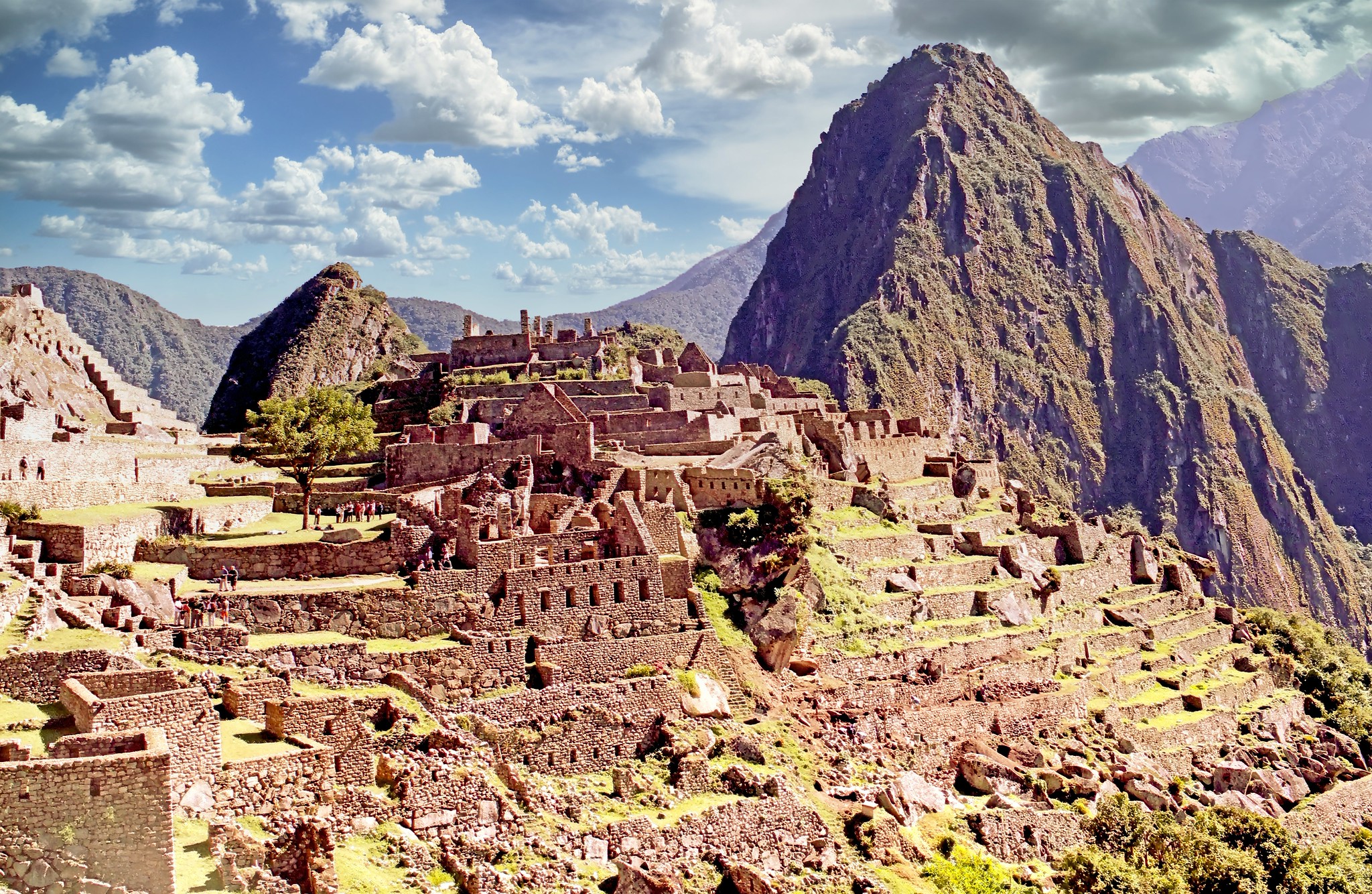
High in the Andes Mountains, the Inca Empire controlled more than 10 million people across modern Peru, Bolivia, Ecuador, Chile, and Argentina.
Gold wasn’t just valuable to the Incas.
It was sacred, considered the sweat of the sun god, while silver represented the tears of the moon.
The empire accumulated staggering amounts of both, decorating temples with sheets of hammered gold and filling royal storerooms with treasure that would make any modern billionaire jealous.
When Spanish conquistadors captured Emperor Atahualpa in 1532, they demanded a ransom that would become legendary.
Atahualpa ordered his people to fill a room measuring 22 feet long by 17 feet wide with gold, reaching as high as a man could stretch.
The Incas delivered, stripping temples across the empire of their most sacred artifacts.
Based on Spanish chronicles, historians estimate the ransom totaled around 13,000 pounds of gold and twice that in silver, worth hundreds of millions in today’s currency.
The Spanish executed Atahualpa anyway, triggering chaos across the empire.
That’s when the treasure vanished.
According to historical accounts, Inca priests and nobles, realizing Spanish treachery, ordered the remaining wealth hidden in mountain caves, underground tunnels, and remote jungle hideaways.
The most famous legend involves the legendary lost city of gold known as Paititi, supposedly hidden deep in the Amazon rainforest.
Spanish chronicles from the period describe caravans of llamas loaded with gold disappearing into the mountains, never to be seen again.
Despite centuries of searching, most Inca treasure has never been recovered.
Some were melted down and shipped to Spain, but archaeologists believe the majority remains hidden, protected by geography and the descendants of those who hid it.
The Indus Valley Civilization
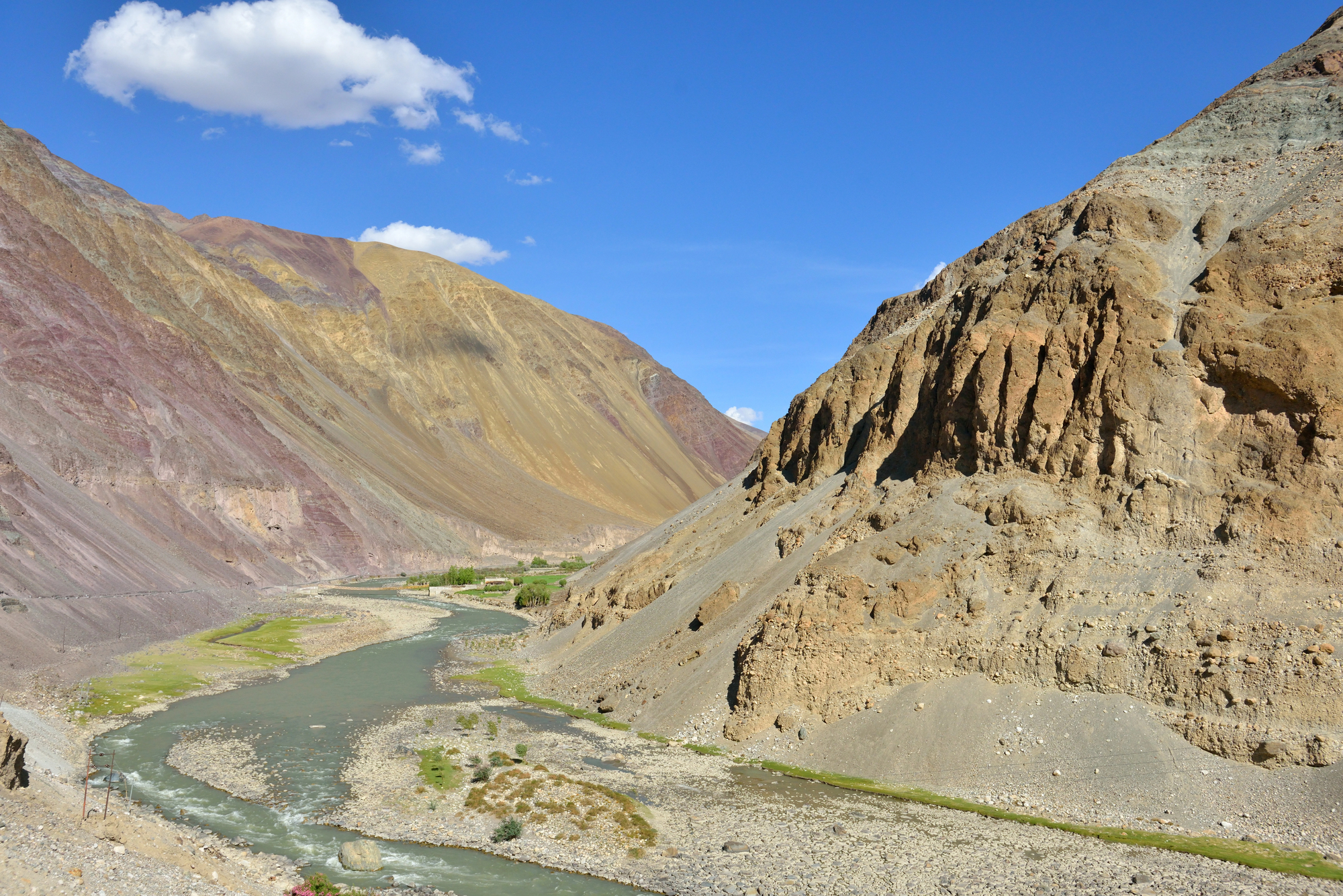
Around 2600 BCE, cities rose along the Indus River that rivaled anything in Mesopotamia or Egypt.
Mohenjo-daro and Harappa featured sophisticated urban planning with drainage systems, standardized bricks, and multi-story buildings.
The civilization traded with Mesopotamia, exchanging carnelian beads, ivory, and lapis lazuli for silver and other goods.
Archaeological finds reveal they crafted intricate jewelry, used standardized weights for trade, and developed one of the world’s earliest writing systems.
Then around 1900 BCE, a combination of climate shifts and changing river patterns led to gradual decline.
The cities were slowly abandoned over several centuries, their populations dispersing across the Indian subcontinent.
Theories range from prolonged drought to shifting river patterns that destroyed agricultural systems.
Whatever the cause, the Indus Valley people left behind their cities but took their portable wealth with them, or it was absorbed into successor cultures.
No royal tombs packed with gold have been found, no legendary treasure vaults.
The civilization’s wealth simply disappeared with its people, leaving behind brick ruins and tantalizing hints of what once was.
Cahokia and the Mississippian Culture
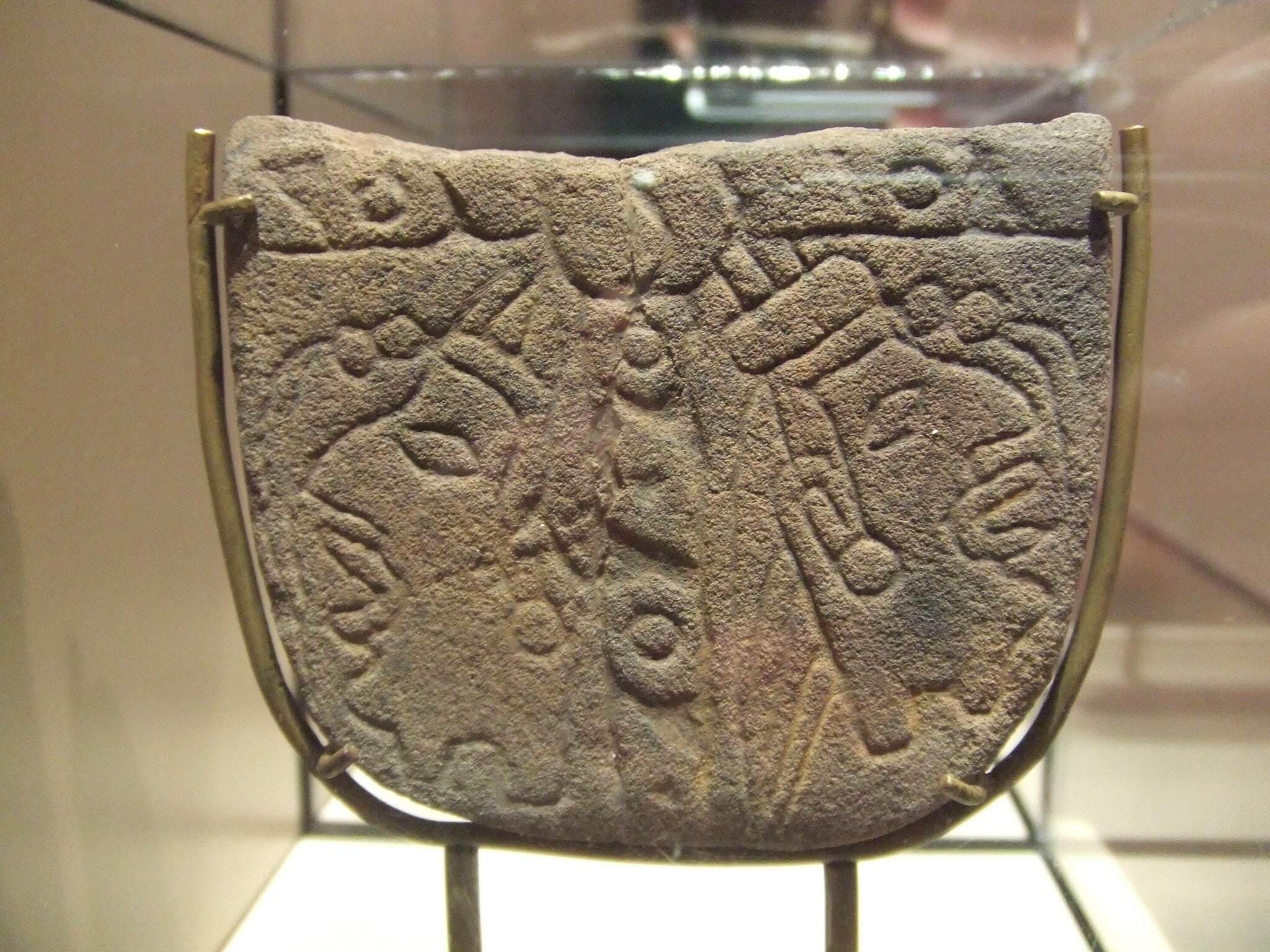
A thousand years ago, a city rose from the floodplains near modern St. Louis that would become larger than London.
Cahokia, the capital of Mississippian culture, housed up to 20,000 people at its peak.
The city featured over 120 earthen mounds, including Monks Mound, which covered 17 acres and stood taller than any structure in the United States until 1867.
These weren’t primitive settlements.
Cahokians built sophisticated timber circles for astronomical observations, maintained extensive trade networks reaching from the Gulf of Mexico to the Great Lakes, and crafted elaborate copper works and shell beads.
The city thrived on agriculture, particularly corn cultivation, supported by a fertile floodplain and favorable climate during the Medieval Warm Period.
Trade goods from across North America flowed through Cahokia.
Copper from the Great Lakes region, shells from the Gulf Coast, and mica from Appalachia all found their way to the city’s craftsmen.
Evidence from burial mounds reveals the elite accumulated significant wealth.
One burial, known as the Birdman, featured a man laid on thousands of marine-shell beads arranged in a falcon shape, surrounded by hundreds of fine arrowheads from different regions.
The city began declining after 1200 CE, and by 1400 Cahokia stood empty.
The reasons remain debated.
Climate change brought severe droughts as the Little Ice Age began, devastating corn harvests.
Some evidence suggests political upheaval or conflict with neighboring groups.
Unlike the dramatic sackings of other civilizations, Cahokia’s fall was gradual but complete.
The Mississippians who abandoned the city didn’t leave massive treasure troves behind because they likely took their portable wealth with them.
Still, the unanswered questions linger.
Where did they go?
What happened to the accumulated riches of generations?
Modern Indigenous nations including the Osage trace their heritage to Cahokia, but the empire’s material wealth remains largely unaccounted for.
What History Keeps Buried

These empires remind us that power and wealth can evaporate faster than anyone expects.
Natural disasters, climate shifts, military defeats, and internal collapse have all proven capable of toppling civilizations at their height.
The treasures they accumulated, representing centuries of trade, conquest, and craftsmanship, either scattered with refugees, sank into the earth, or got melted down by conquerors who cared nothing for history.
Modern technology keeps finding hints.
Ground-penetrating radar reveals hidden chambers beneath temple complexes.
LIDAR scans expose lost cities beneath jungle canopy.
Archaeological digs uncover fragments of gold, silver, and precious stones that suggest much larger hoards nearby.
Yet for every treasure found, a dozen more remain lost, protected by time, geography, and sometimes the descendants of those who hid them.
The wealth of these vanished empires still waits somewhere, buried in mountains, submerged in lakes, or sealed behind forgotten doors in temple complexes that tourists walk past every day without realizing what lies beneath their feet.
More from Go2Tutors!

- The Romanov Crown Jewels and Their Tragic Fate
- 13 Historical Mysteries That Science Still Can’t Solve
- Famous Hoaxes That Fooled the World for Years
- 15 Child Stars with Tragic Adult Lives
- 16 Famous Jewelry Pieces in History
Like Go2Tutors’s content? Follow us on MSN.