Unexpected Luxury Items from Ancient Times
You probably take most things in your daily life for granted. That spice rack in your kitchen, the mirror in your bathroom, the salt shaker on your table.
But thousands of years ago, these everyday items commanded prices that would make your jaw drop. People went to war over some of them. Others sparked trade routes that stretched across continents.
The ancient world had a completely different sense of value. What seems ordinary now once represented wealth, power, and status in ways that feel almost absurd today.
Purple Dye Was Worth More Than Gold

The color purple belonged to emperors and kings. Getting it required crushing thousands of sea snails to extract tiny amounts of dye.
A single gram needed around 10,000 snails. The Phoenicians controlled this trade for centuries.
They built entire cities on the wealth from these mollusks. Roman law even banned common citizens from wearing purple fabric. You could face execution for it.
The dye came from murex snails found in the Mediterranean. Workers had to collect them by hand, then extract a tiny gland that produced the pigment.
The smell during processing was so bad that dye workshops had to operate far outside city limits. But the color never faded, never washed out, and that permanence made it priceless.
Salt Controlled Empires

Salt preserved food before refrigeration existed. Without it, armies couldn’t march, cities couldn’t survive winter, and trade couldn’t happen over long distances.
Roman soldiers received part of their pay in salt. That’s where the word “salary” comes from.
Cities rose and fell based on their access to salt deposits. Venice built its entire empire on salt trade.
The city controlled the Adriatic salt pans and used that monopoly to fund its rise as a maritime power. African kingdoms traded salt for gold at equal weights.
In some regions, people valued it more than precious metals because you could actually use it. Wars started over salt mines. Trade routes carved across deserts just to move this mineral from place to place.
Silk Sparked International Espionage
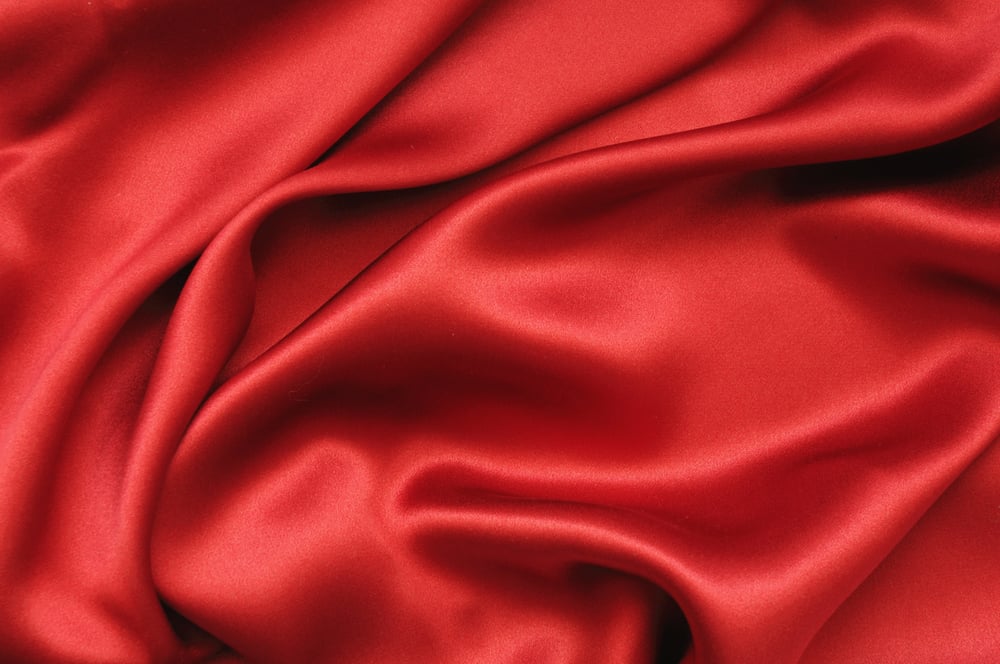
China guarded the secret of silk production for thousands of years. The punishment for revealing it was death.
The Romans paid absurd amounts for silk fabric without knowing where it came from or how anyone made it. They called the Chinese the “Silk People” because that’s all they knew about them.
A pound of silk cost the same as a pound of gold in Rome during the height of silk fever. The material traveled along the Silk Road through dozens of middlemen.
Each one added their markup. By the time it reached Mediterranean markets, the price had multiplied many times over.
Byzantine monks eventually smuggled silkworm eggs out of China in hollow bamboo canes. The theft broke China’s monopoly but took centuries to accomplish.
Pepper Was Worth Its Weight in Gold

Black pepper seems boring now. You shake it on your eggs without thinking about it.
In ancient Rome and medieval Europe, pepper functioned as currency. People paid rent in peppercorns.
Dowries included pepper. When Rome was ransomed by invading Visigoths, the payment included 3,000 pounds of pepper.
The spice came from India’s Malabar Coast. Arab traders controlled the supply and kept the source location secret to maintain their profits.
Europeans believed pepper grew on trees guarded by serpents. The desire to find a direct route to the pepper source drove the Age of Exploration.
Columbus was looking for pepper when he stumbled onto the Americas.
Glass Started as a Royal Secret

Early glass was cloudy, fragile, and incredibly difficult to make. Only royalty could afford it.
The Egyptians and Mesopotamians controlled glassmaking for centuries. They used it for jewelry and small vessels.
A glass bead could trade for a slave. Clear glass didn’t exist yet. The material had too many impurities.
The Romans finally figured out glassblowing around the first century BCE. Even then, window glass remained a luxury for another thousand years.
Clear glass panels marked you as wealthy. Churches got glass windows before almost anyone else.
When Roman glassmaking techniques were lost during the Dark Ages, Europe had to relearn the craft over centuries.
Ice in Hot Climates Cost Fortunes

Roman emperors sent slaves into the mountains to bring back ice and snow. They stored it in underground pits packed with straw.
Nero supposedly spent more on ice for his parties than on the food itself. The wealthy in ancient Persia built special ice houses called yakhchals.
These structures used evaporative cooling and thick walls to keep ice frozen through brutal summers. In India, servants would run through the night carrying ice from the Himalayas to Delhi for the Mughal emperors.
Most of it melted before arrival. The waste was part of the display of wealth.
You weren’t just paying for ice. You were paying for the impossible.
Books Were Treasures Beyond Measure

Before printing, every book was handwritten. A single Bible took a year to produce.
The materials alone cost immense sums. Parchment came from animal skins.
A large book needed hundreds of sheep or goats. The ink required rare pigments.
Some colors came from crushed gems. Gold leaf appeared in important texts.
Monasteries chained books to desks. Libraries were smaller than your bedroom but contained all the written knowledge available.
When ancient libraries burned, entire fields of study vanished forever. The Library of Alexandria held perhaps 400,000 scrolls.
When it burned, we lost works that we know existed but will never read again.
Sugar Was Medicine for the Rich

Sugar started as a medicine in ancient India and Persia. Doctors prescribed it for everything from stomach troubles to eye problems.
Arabs brought sugar to the Mediterranean world after the 7th century. It cost so much that people kept it in locked boxes like jewelry.
A few grains of sugar in your tea marked you as wealthy. Most people lived their entire lives without tasting it.
The demand for sugar drove the plantation system and slave trade. Europeans wanted it badly enough to reshape entire continents to produce it.
What began as a rare medicine became an engine of human suffering on a massive scale. The transformation took centuries.
Spices Other Than Pepper Created Trade Empires

Cinnamon came from Sri Lanka and nowhere else. For centuries, Arab traders claimed it grew in shallow lakes guarded by giant birds.
Nutmeg and cloves only grew in the Maluku Islands of Indonesia. The Dutch East India Company committed atrocities to control those tiny islands.
They burned spice trees on islands they didn’t control to maintain scarcity. They executed people for smuggling seeds.
Saffron required someone to hand-pick thousands of crocus flowers. Each flower had only three tiny stigmas you could use.
A pound of saffron needed 75,000 flowers. The labor meant it cost more than gold.
Ancient Persians used it as perfume. Romans scattered it on their floors.
But most people never saw or tasted it.
Feathers Marked Royalty Across Cultures

Rare bird feathers functioned as luxury goods everywhere humans lived. The Aztecs valued quetzal feathers above gold.
Only nobles could wear the long green tail feathers of the quetzal bird. Killing one meant death.
The birds were caught, plucked carefully, and released. The feathers adorned headdresses and clothing that cost more than houses.
In Europe, ostrich feathers marked status. In Hawaii, yellow feathers from specific birds were reserved for royalty.
A single cape made from these feathers took decades to complete and required hundreds of thousands of feathers. The cloak of Kamehameha the Great used feathers from about 80,000 birds.
Honey Sweetened Life Before Sugar

Honey was the only sweetener available to most ancient peoples. It also preserved food and treated wounds.
Egypt taxed beekeepers heavily because honey was so valuable. Jars of honey appeared in pharaohs’ tombs as provisions for the afterlife.
Some of those jars still existed thousands of years later with the honey perfectly preserved inside. Greek and Roman writers described honey as food of the gods.
Wild honey hunters risked their lives climbing cliffs to raid bee colonies. Domesticated bees existed, but wild honey commanded higher prices.
The difference in flavor made it worth the danger.
Lapis Lazuli Traveled Further Than Almost Anything Else
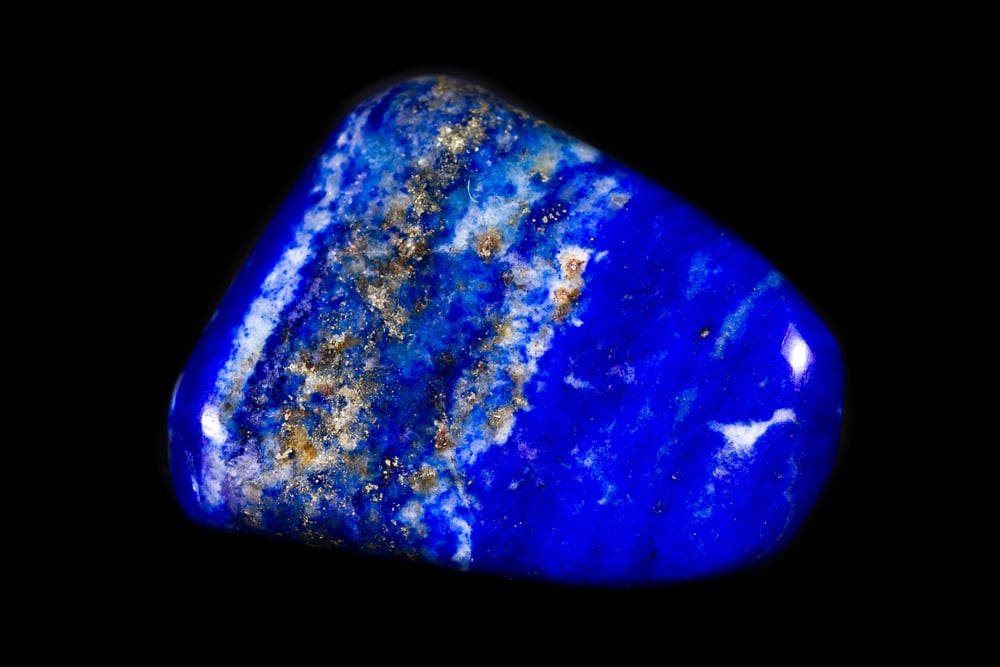
This deep blue stone came from one place: Afghanistan. It appears in art and jewelry from Egypt to Mesopotamia to the Indus Valley.
The Egyptians used it in Tutankhamun’s death mask. Mesopotamian rulers wore it as cylinder seals.
The stone had to travel thousands of miles overland through some of the most difficult terrain on Earth. Each journey took months or years.
Later civilizations ground it into pigment for paint. The blue in Renaissance paintings came from lapis lazuli.
Artists called it ultramarine because it came from beyond the sea. The color cost more than gold.
Painters saved it for the most important elements, usually Mary’s robe in religious paintings.
Exotic Animals Became Currency

Wealthy Romans paid enormous sums for exotic animals. A single elephant costs more than a house.
The emperor’s menageries required constant restocking because animals died in captivity. The games in the Colosseum consumed animals by the thousands.
Traders captured lions, bears, tigers, leopards, elephants, and rhinoceros across three continents just to supply Roman entertainment.
Cleopatra supposedly gave Julius Caesar a giraffe as a gift. The animal caused a sensation in Rome.
People had never seen anything like it. The giraffe probably died quickly in the Italian climate, but that didn’t matter.
The gesture demonstrated power and wealth beyond measure.
The Things We Can’t Imagine Wanting

Stand in your kitchen and look around. The pepper grinder, the sugar bowl, the salt shaker.
These simple containers once held items that kings fought over. The ancient world operated on completely different rules of scarcity.
What seems mundane now represented dreams then. And who knows what ordinary items in your home right now will seem impossibly precious a thousand years from tomorrow.
Value shifts with time in ways that make the past feel like another planet entirely.
More from Go2Tutors!

- The Romanov Crown Jewels and Their Tragic Fate
- 13 Historical Mysteries That Science Still Can’t Solve
- Famous Hoaxes That Fooled the World for Years
- 15 Child Stars with Tragic Adult Lives
- 16 Famous Jewelry Pieces in History
Like Go2Tutors’s content? Follow us on MSN.