Greatest Warriors and Warrior Kings of All-Time
Throughout human history, certain individuals have risen above the chaos of battle to become legends. These weren’t just skilled fighters—they were leaders who changed the course of civilizations, military geniuses who rewrote the rules of warfare, and warriors whose names still echo through the centuries.
Some built empires that stretched across continents, while others defended their people against impossible odds. What made them truly exceptional wasn’t just their ability to win battles, but how they inspired armies, outsmarted enemies, and left legacies that shaped the world we live in today.
Here is a list of 14 warriors and warrior kings whose combat prowess and leadership made them legendary figures in military history.
Alexander the Great
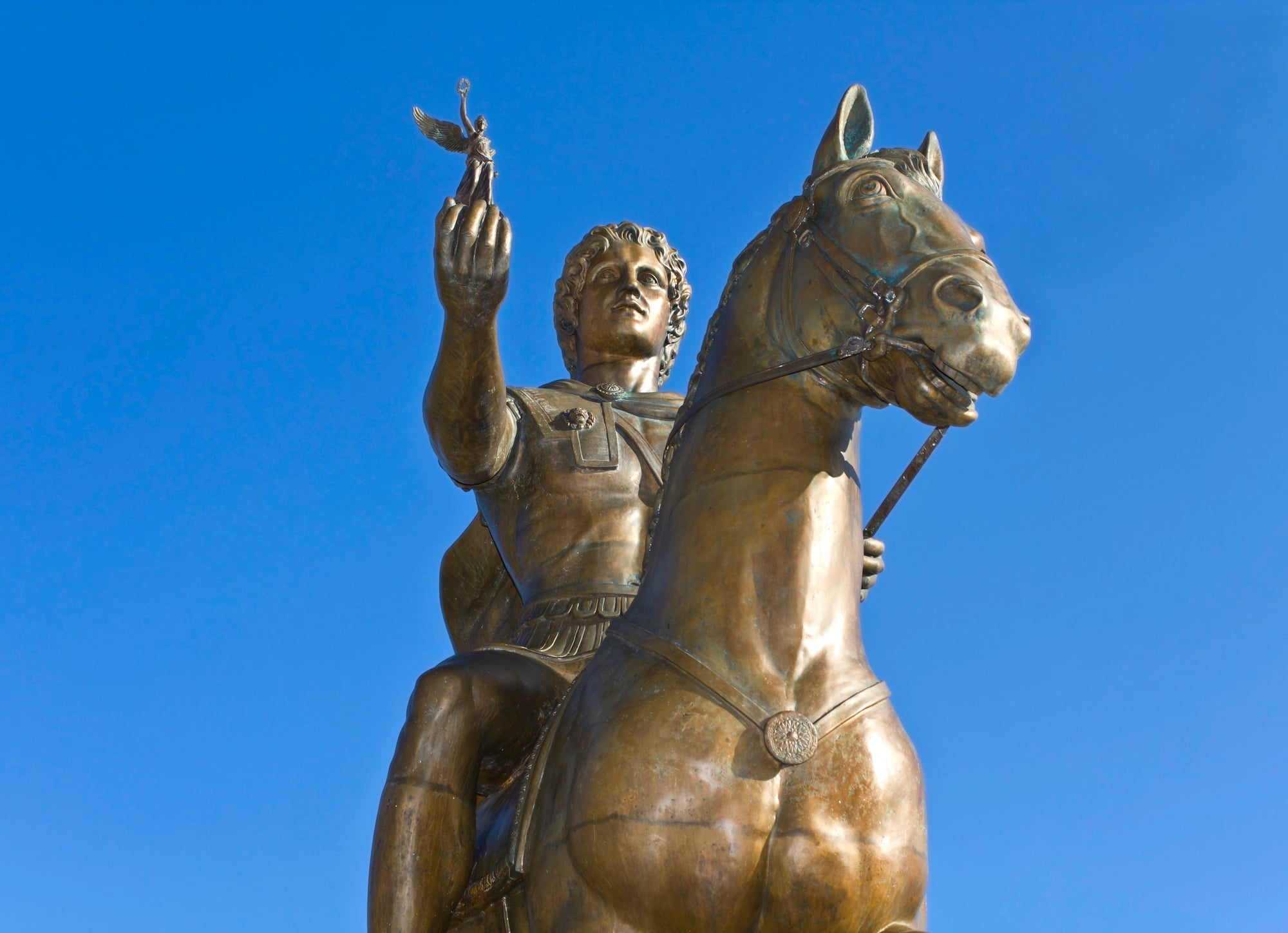
Alexander III of Macedon didn’t just conquer the known world—he did it before turning 33. Starting with a relatively small kingdom in northern Greece, he carved out an empire stretching nearly 1.9 million square miles from the Mediterranean to India.
What made Alexander truly remarkable was his undefeated record in battle and his ability to adapt tactics on the fly. He learned from the best, modeling himself after the mythical warrior Achilles, and he wasn’t the type to command from the rear.
Alexander fought alongside his men, leading cavalry charges personally and inspiring loyalty through shared danger. His ‘hammer and anvil’ tactic, where cavalry would strike while infantry held the line, became a template studied for centuries.
Genghis Khan
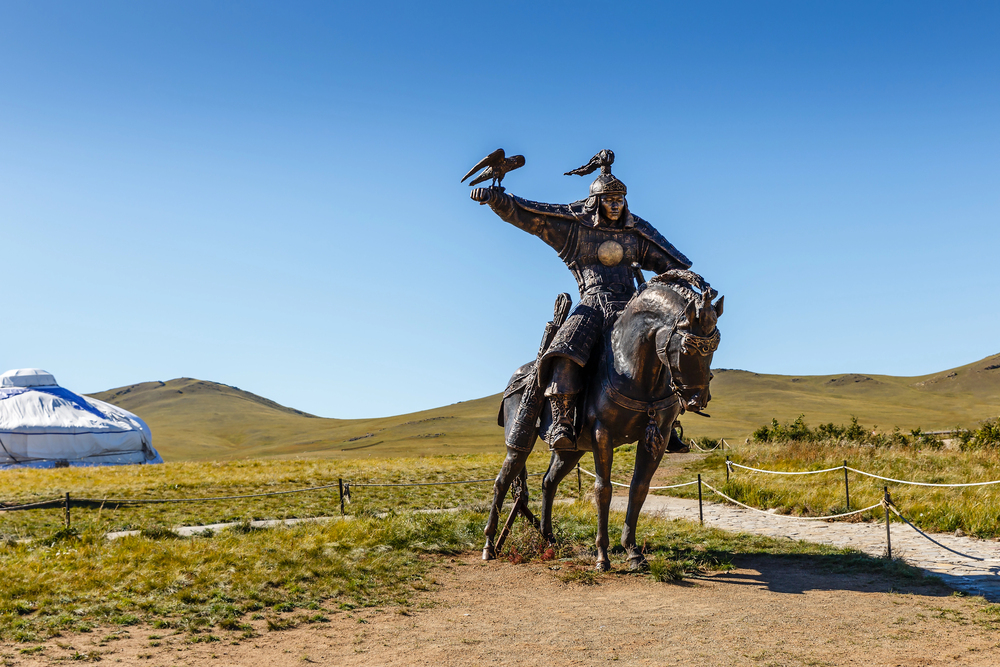
Born as Temujin into poverty and rejection, Genghis Khan transformed himself from an outcast into the founder of what would become the largest contiguous empire in history. By the time of his death in 1227, Mongol territory stretched across much of Asia, with his successors eventually extending it from Eastern Europe to the Pacific Ocean.
His military innovations were ahead of their time—he organized his army with brutal efficiency, used psychological warfare to terrify enemies into surrender, and employed scouts and intelligence networks that rivaled modern military operations. Genghis was promoted based on merit rather than birth, which meant talented leaders rose quickly through the ranks.
His mounted archers could fire with deadly accuracy while riding at full gallop, and his armies moved with a speed that shocked settled civilizations used to slower medieval warfare.
Julius Caesar
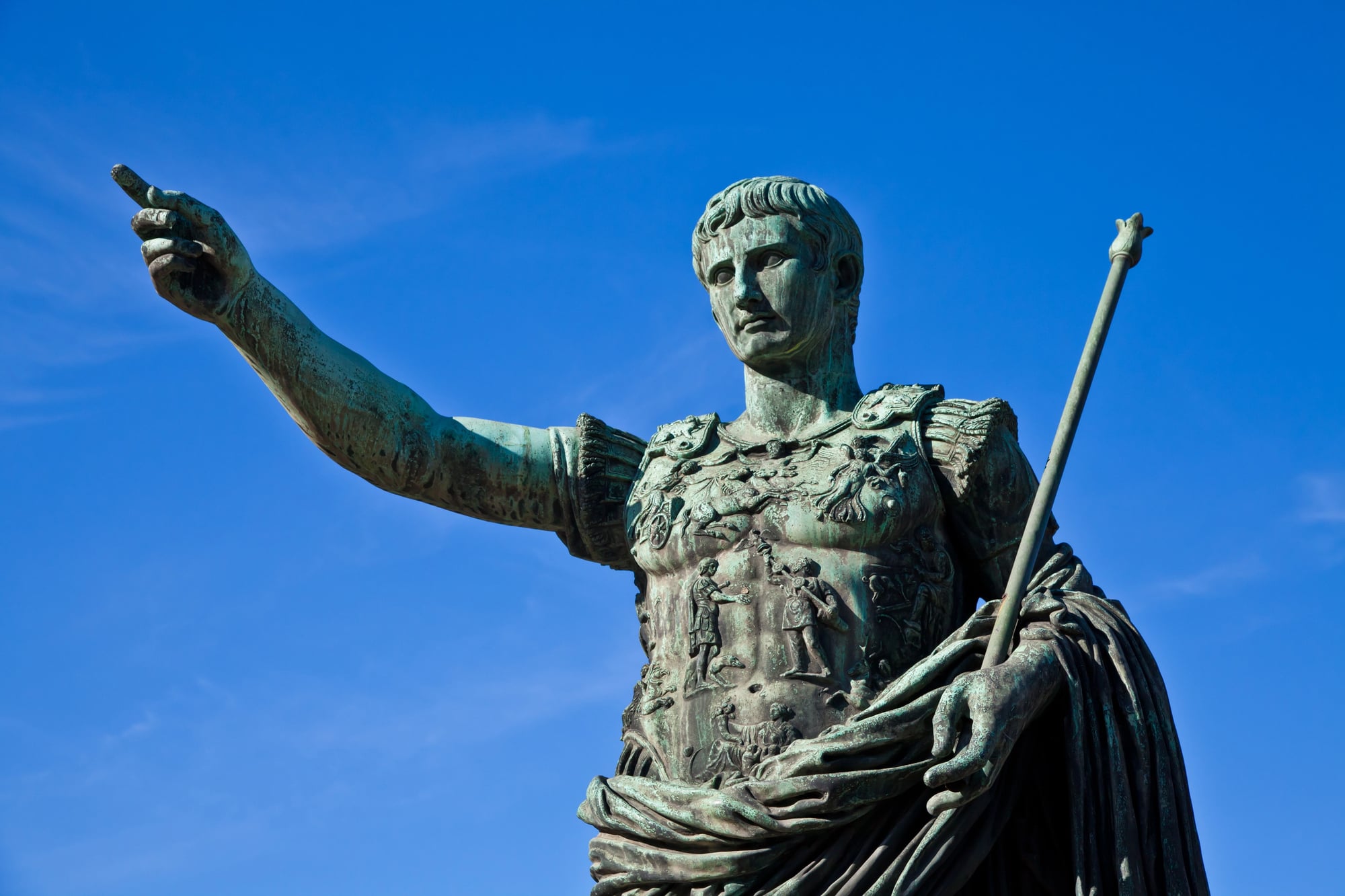
Caesar wasn’t born into absolute power—he seized it through a combination of military brilliance and political savvy. His campaigns in Gaul added vast territories to Rome’s empire, encompassing modern France and parts of Belgium, Switzerland, and northern Italy.
Caesar understood that warfare was as much about engineering and logistics as it was about courage. He built bridges across major rivers in record time, laid siege to fortified cities with innovative tactics, and kept his legions supplied across vast distances.
When he crossed the Rubicon River with his army in 49 BC, defying the Roman Senate, he sparked a civil war that he ultimately won, making himself dictator and changing Rome forever.
Saladin
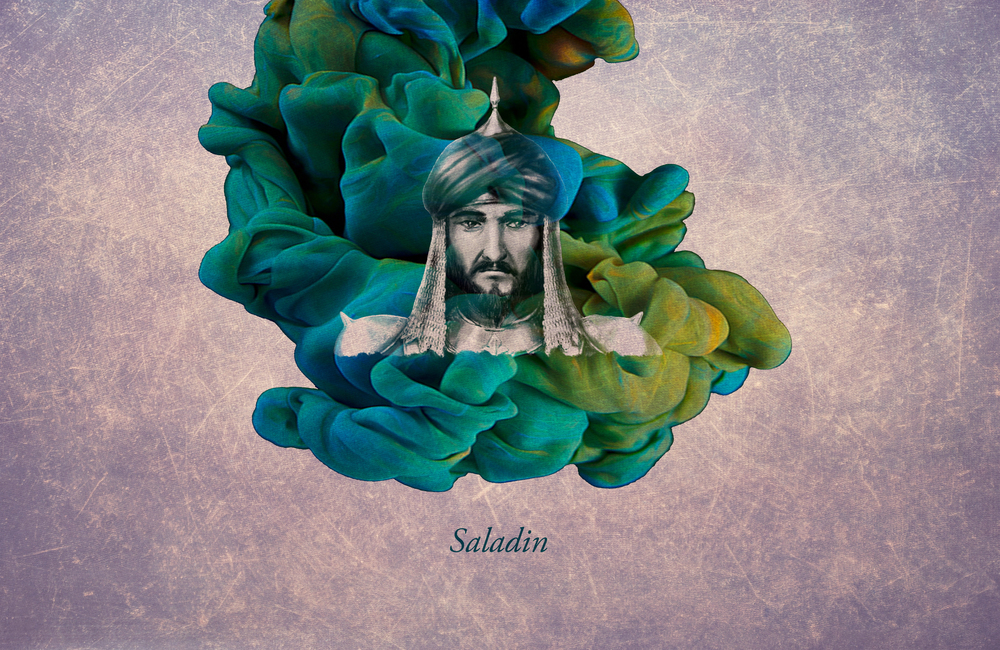
Salah ad-Din Yusuf ibn Ayyub, known in the West as Saladin, became the Muslim world’s champion during the Crusades. He unified Egypt, Syria, and parts of Mesopotamia under his rule, then recaptured Jerusalem from the Crusaders in 1187.
What set Saladin apart wasn’t just his military skill but his reputation for honor and mercy. Even his Christian enemies respected him, which was rare in an era of brutal religious warfare.
After taking Jerusalem, he allowed Christians to leave peacefully and paid ransoms for those who couldn’t afford their freedom. His strategic brilliance showed in how he avoided open battles when disadvantageous, wearing down Crusader armies through calculated retreats and ambushes instead.
Richard the Lionheart
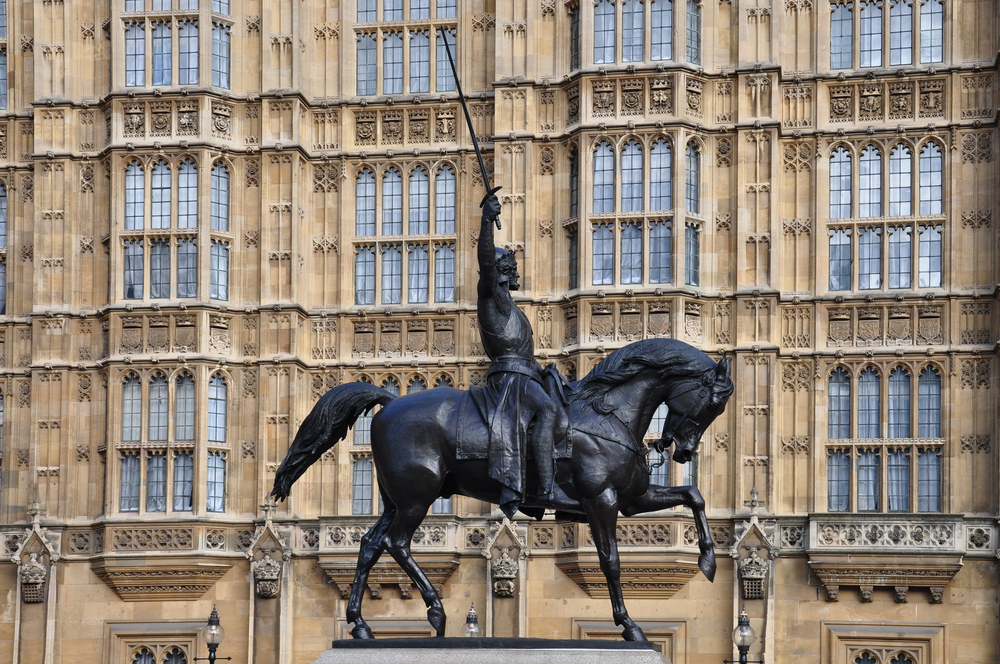
Richard I of England earned his nickname through sheer combat ferocity and personal bravery. During the Third Crusade, he led from the front, actually fighting in the thick of battle rather than observing from a safe distance.
At the Battle of Arsuf in 1191, Richard’s tactical discipline held his army together under constant harassment from Saladin’s forces, then unleashed a devastating counterattack that routed the Muslim army. When Jaffa fell to Saladin’s forces later that year, Richard gathered a small force and led a counteroffensive that recaptured the city against the odds.
He understood siege warfare, logistics, and how to maintain morale during the grueling campaigns in hostile territory.
Hannibal Barca
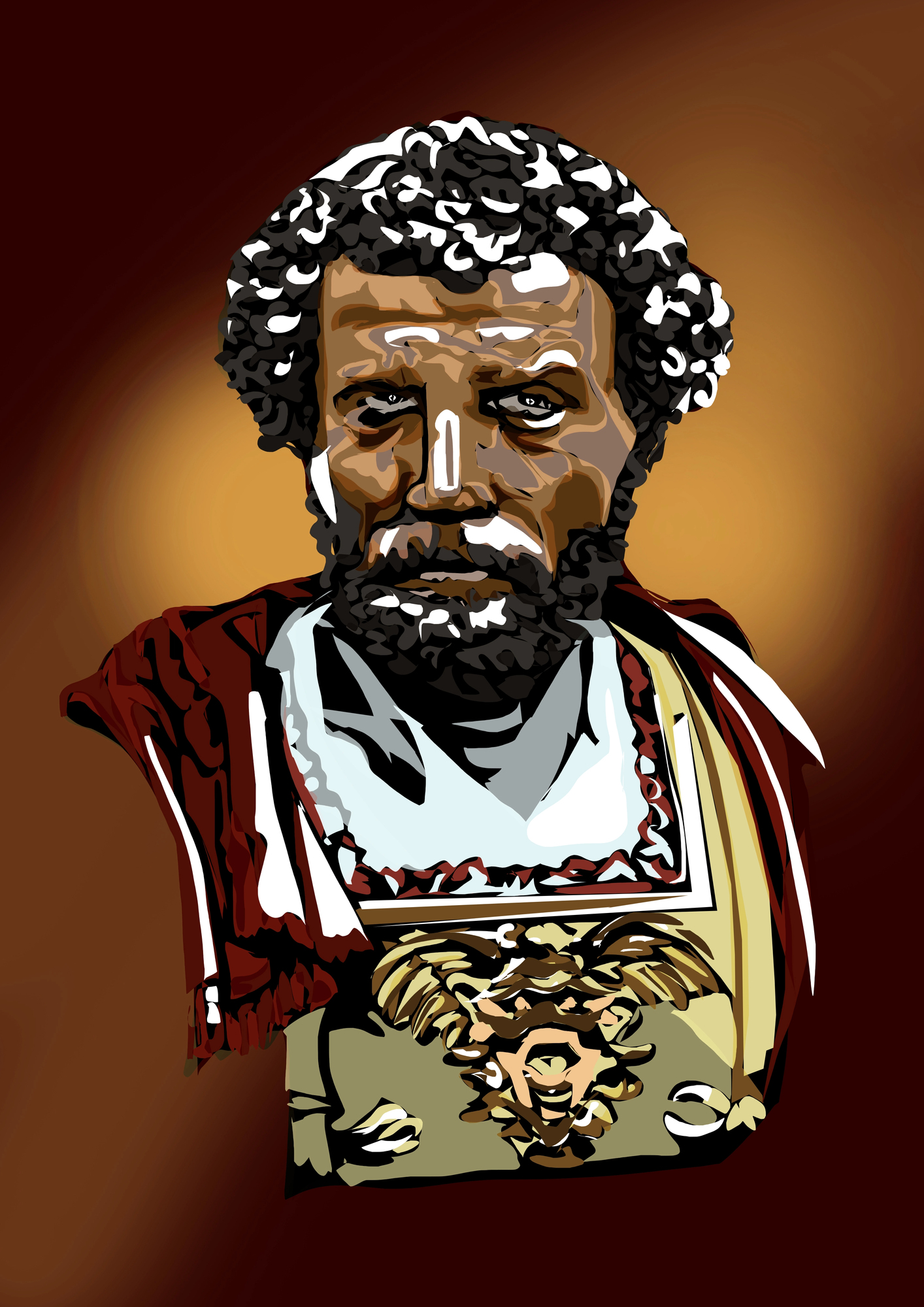
Hannibal did something that still seems impossible—he marched an army, including around 37 war elephants, over the Alps mountains to invade Italy directly. This Carthaginian general became Rome’s worst nightmare for years, winning battle after battle on Italian soil against a superpower with far greater resources.
At Cannae in 216 BC, Hannibal achieved what military historians consider a perfect tactical victory, encircling and annihilating a Roman army twice the size of his own force. His use of terrain, deception, and timing demonstrated military genius that’s still studied at war colleges today.
Though Carthage eventually lost the war, Hannibal’s campaigns showed that audacity and brilliant strategy could challenge even the mightiest empires.
Napoleon Bonaparte
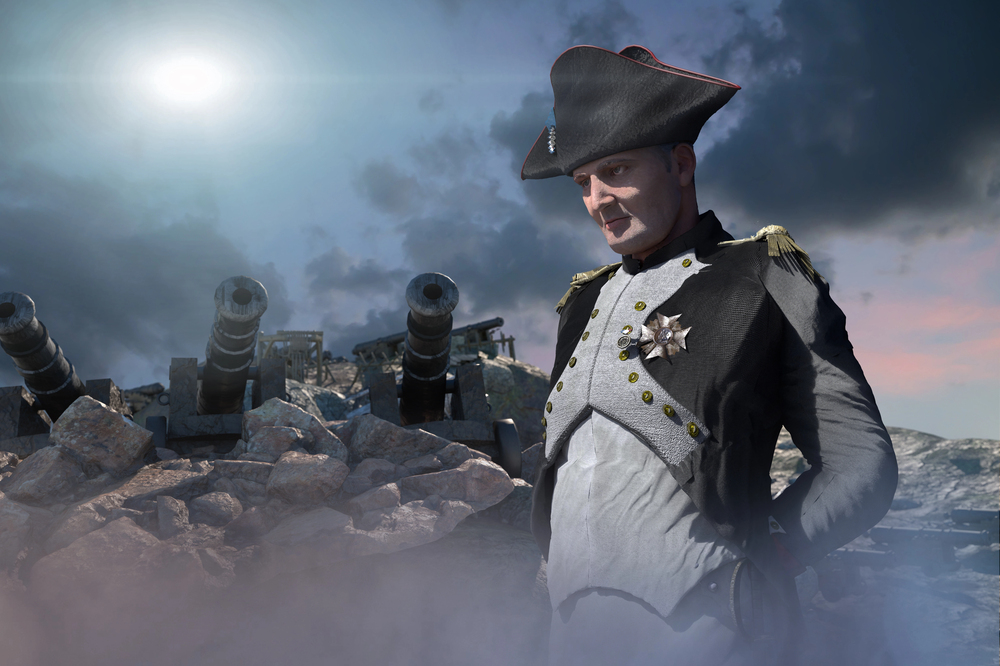
Napoleon rose from relatively modest Corsican nobility to become Emperor of France and nearly master of all Europe. His military reforms revolutionized warfare—by the mid-1800s, he had formalized the corps system, organizing armies into self-sufficient units that could march separately but fight together.
He used artillery in concentrated masses for devastating effect and moved with a speed that repeatedly caught enemies off guard. Napoleon won dozens of major battles through his ability to read terrain, anticipate enemy movements, and strike at the decisive moment.
He personally led over 60 battles and was present on the battlefield directing operations. His influence on military strategy, logistics, and organization lasted well beyond his final defeat at Waterloo in 1815.
Shaka Zulu
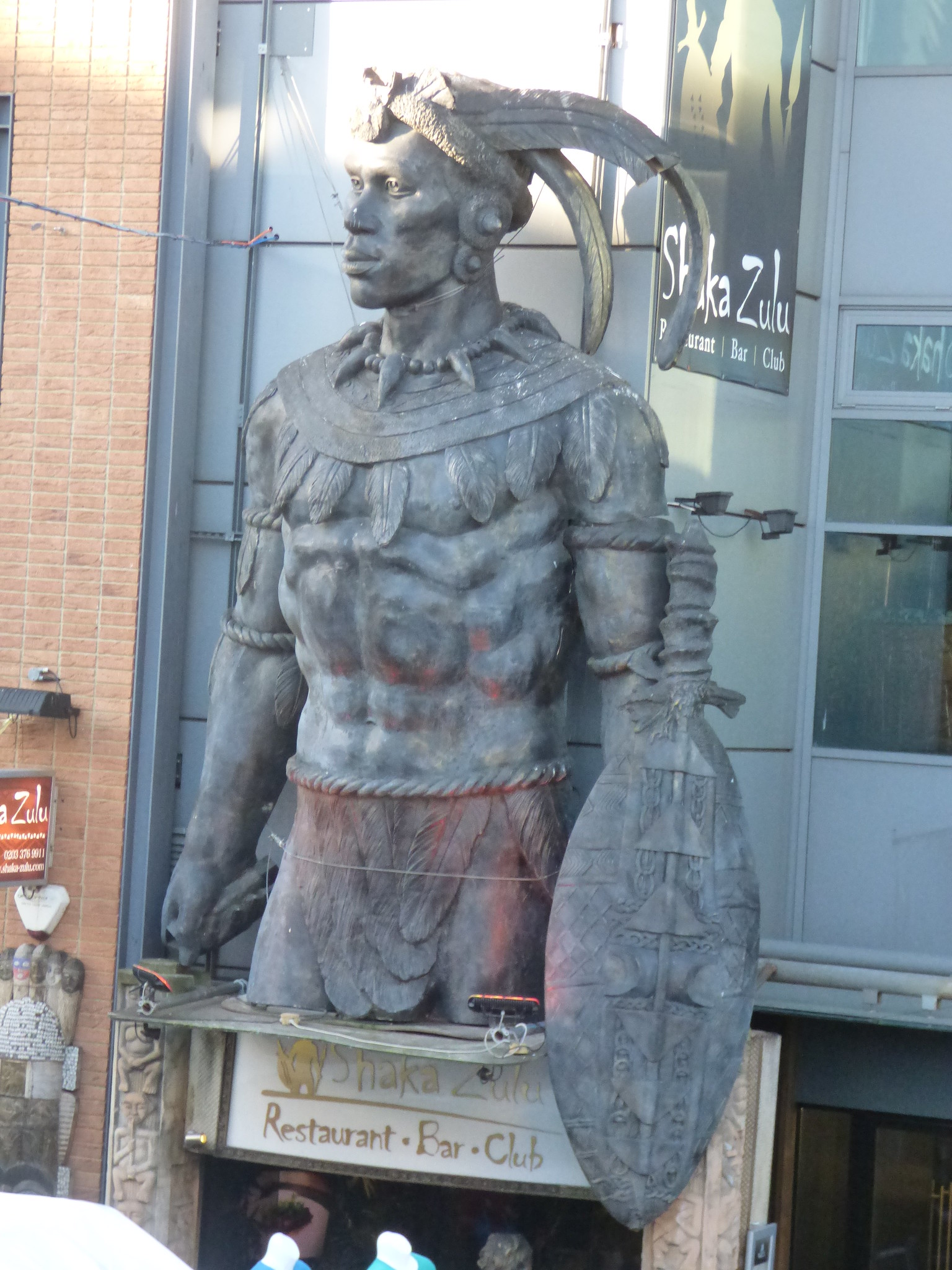
Shaka took control of a small chiefdom of about 1,500 people and within a decade built it into the Zulu Kingdom with an estimated population of around 250,000 people. He revolutionized African warfare by replacing the traditional throwing spear with the iklwa, a short stabbing spear for close combat, and developed the ‘bull horn’ formation that enveloped enemies from multiple directions.
Shaka’s training methods were brutal but effective—warriors ran barefoot over thorny ground to toughen their feet, giving them superior mobility. He created age-based regiments that lived together, trained together, and fought with unified purpose.
His military system was so effective that historians have called the Zulu warriors the ‘Spartans of Africa,’ and the kingdom he built survived his assassination and continued for decades.
Leonidas I
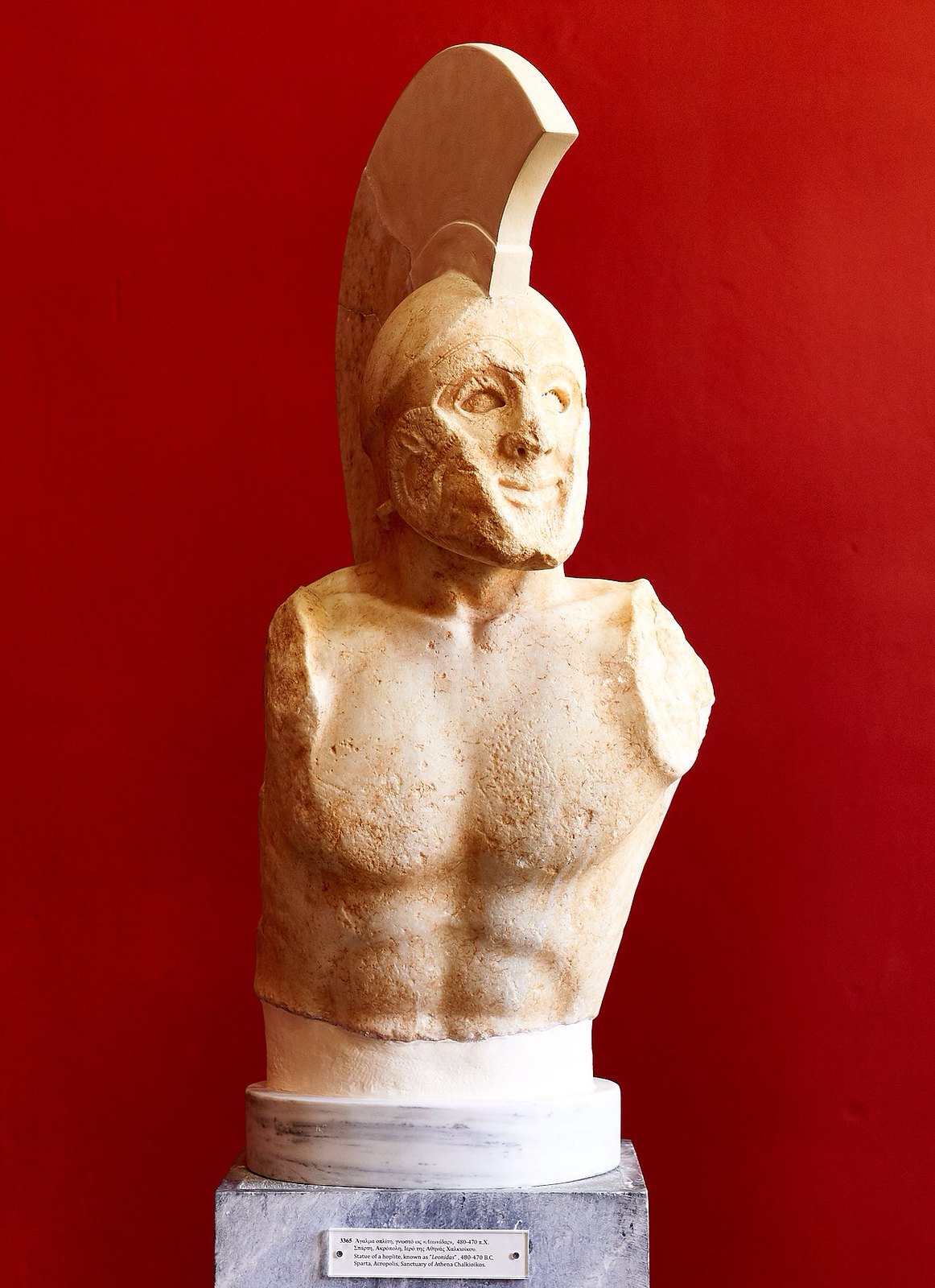
Leonidas, king of Sparta, became immortal through his final stand at Thermopylae in 480 BC. Leading 300 Spartans and several thousand Greek allies, he held a narrow mountain pass against a Persian army that vastly outnumbered his forces.
For three days, the Greeks turned back wave after wave of attacks, proving that discipline and terrain could neutralize superior numbers. When betrayal led to the Greeks being surrounded, Leonidas dismissed most of his allies but stayed with his Spartans to fight to the death, buying time for Greece to organize its defense.
His sacrifice became a symbol of courage against overwhelming odds, and the delayed Persian invasion ultimately led to Greek victory in the larger war.
Spartacus
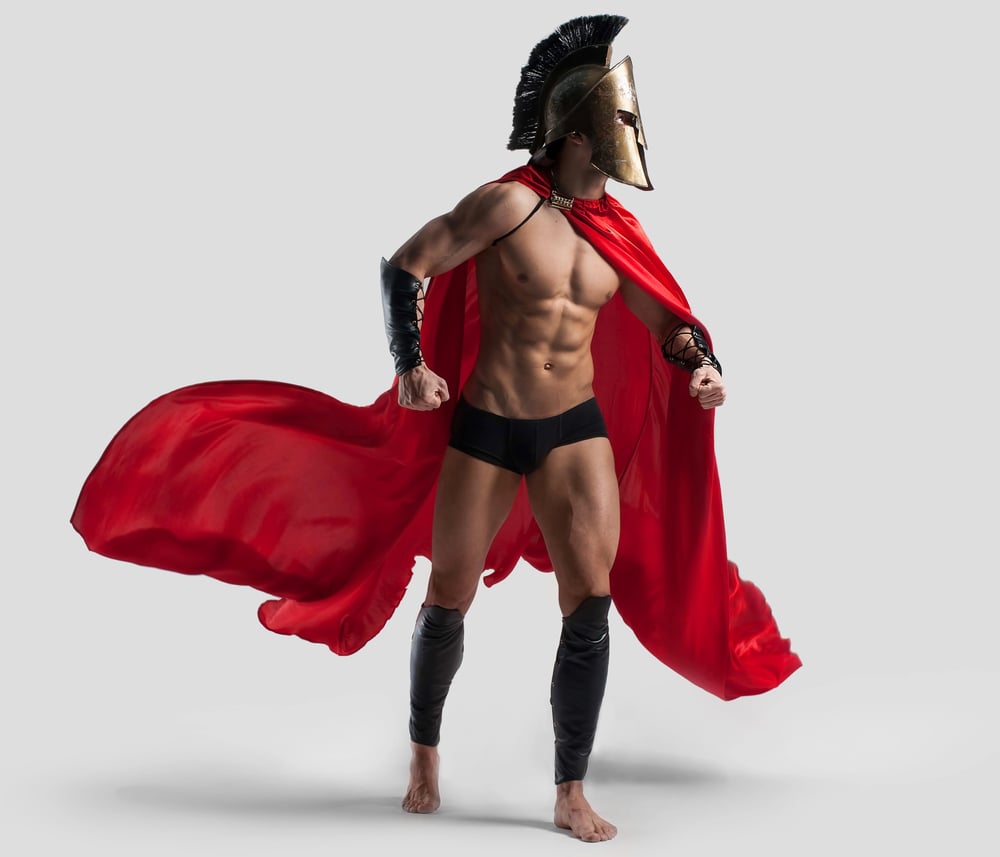
This Thracian gladiator led the most famous slave revolt in Roman history, transforming a group of escaped slaves into an army that defeated Roman legions multiple times. Starting with just 70 gladiators who broke out of their training school in 73 BC, Spartacus built a force that grew to tens of thousands of fighters.
He showed tactical skill in choosing battlegrounds, training his diverse army, and outmaneuvering Roman commanders who underestimated him. For two years, Spartacus and his army roamed Italy, defeating force after force sent against them.
Though ultimately crushed by Rome’s full military might, his rebellion demonstrated that courage and leadership could challenge even the most powerful state, making him an enduring symbol of resistance.
Attila the Hun
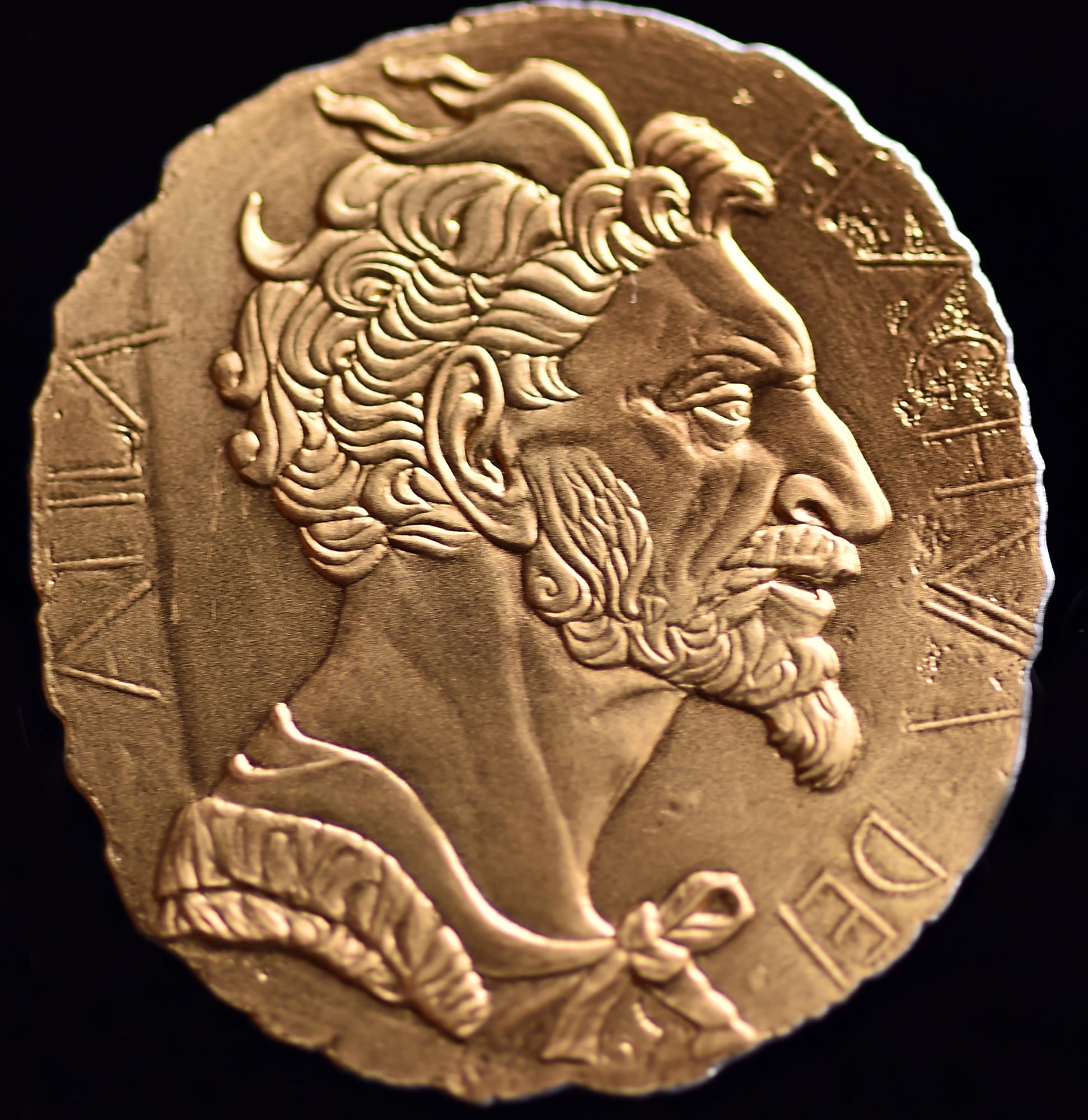
Known as the ‘Scourge of God,’ Attila ruled a confederation of tribes from 434 to 453 CE and became the terror of both the Western and Eastern Roman Empires. His mounted warriors dominated territories stretching from Central Asia toward Western Europe, and his reputation for ruthlessness made cities surrender without a fight.
Attila crossed the Danube multiple times, plundered the Balkans, and threatened to overrun Western Europe. Roman emperors paid him massive tributes to avoid his wrath, and his campaigns contributed significantly to the eventual fall of the Western Roman Empire.
Miyamoto Musashi
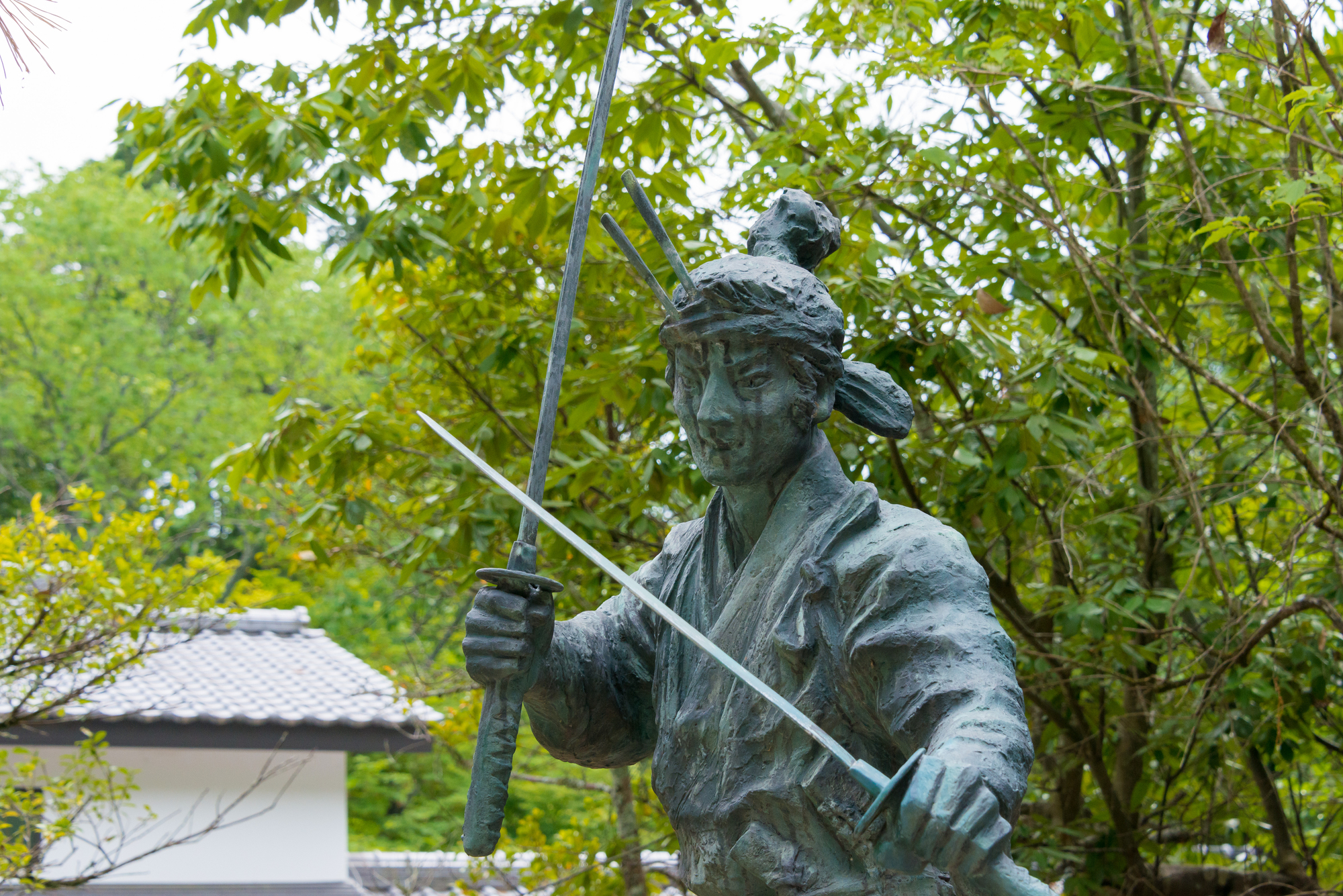
Japan’s most legendary swordsman, Musashi fought numerous duels throughout his life and reportedly never lost. But he wasn’t just a fighter—he was a strategist who developed his own two-sword fighting style called Niten Ichi-ryū and wrote ‘The Book of Five Rings,’ a treatise on strategy that’s still studied today.
Musashi understood that victory came through psychological warfare as much as physical skill. He famously arrived late to duels to make opponents angry and prone to mistakes, showing that the battle often began before swords were drawn.
His life as a wandering ronin, perfecting his craft while living simply, embodied the warrior ideal of discipline combined with constant self-improvement.
Joan of Arc
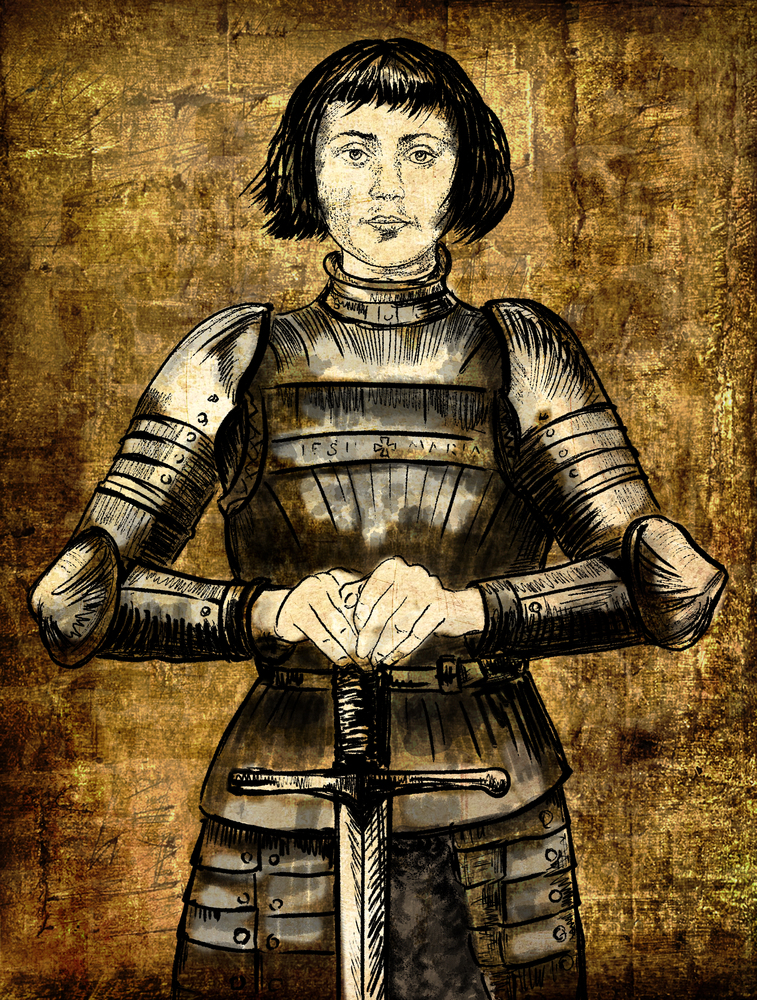
A teenage peasant girl who couldn’t read or write became one of France’s greatest military heroes during the Hundred Years’ War. Joan convinced the French court that she had divine visions instructing her to help drive the English from France, and they allowed her to accompany their troops as an inspirational figure.
At Orleans in 1429, her presence and strategic influence inspired a demoralized French army to break an English siege that had lasted months. While French captains retained formal military command, Joan’s courage in carrying her banner to the front lines and suffering wounds while rallying troops changed the momentum of battles.
Her military career lasted only about a year before her capture and execution, but in that brief time, she helped turn the tide of a war that had been going badly for France.
William Wallace
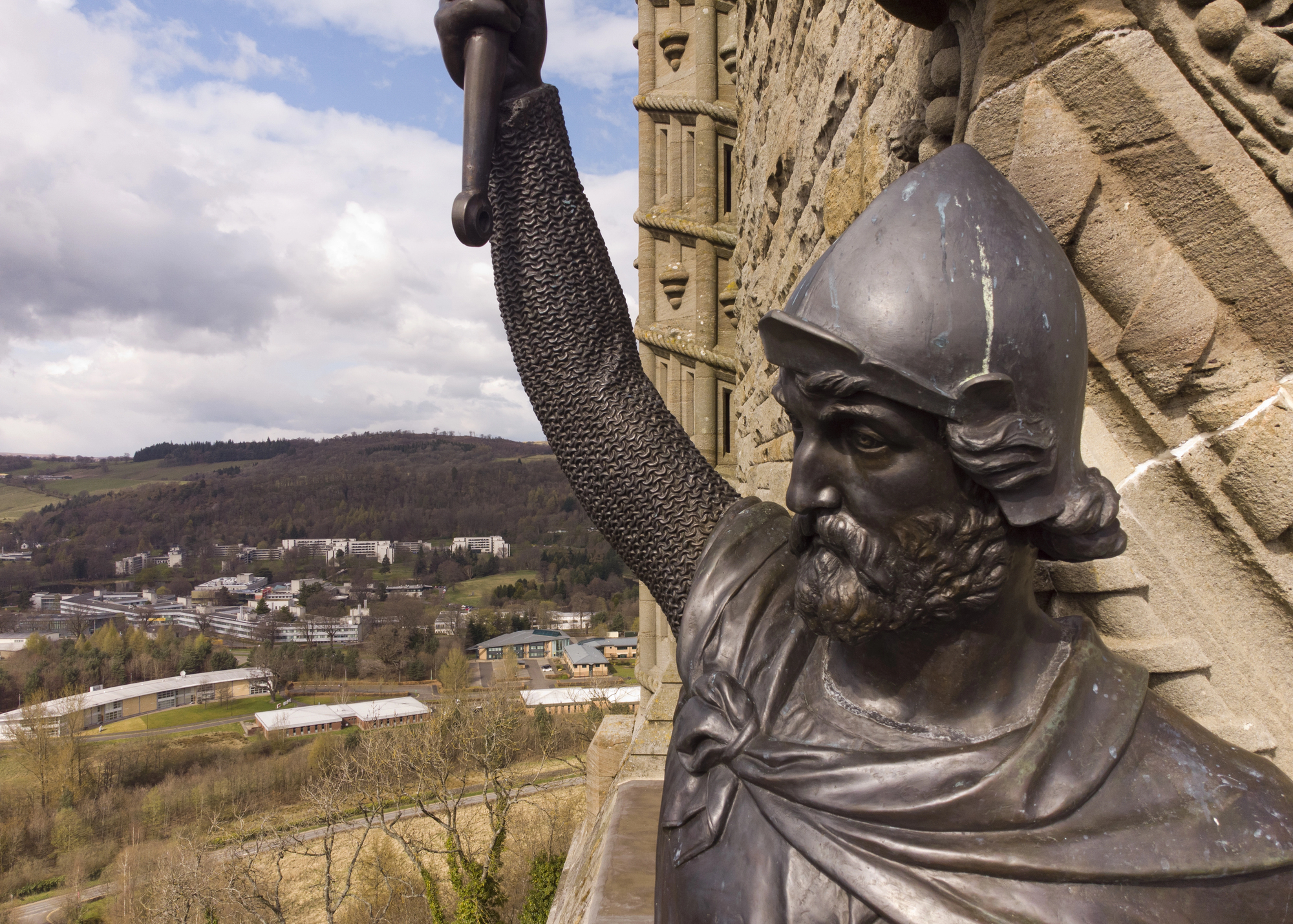
This Scottish knight led his countrymen in fierce resistance against English occupation in the late 13th century. At the Battle of Stirling Bridge in 1297, Wallace demonstrated brilliant tactical thinking by letting half the English army cross a narrow bridge before attacking, trapping them and routing a superior force.
He became Guardian of Scotland after this victory, organizing continued resistance against English rule. After his defeat at the Battle of Falkirk in 1298, Wallace resigned as Guardian but continued fighting.
Though eventually betrayed, captured, and executed, Wallace’s refusal to submit to English authority inspired generations of Scots. His leadership showed that determination and smart tactics could challenge even a much more powerful enemy.
Warriors Who Shaped History
These 14 warriors didn’t just win battles—they fundamentally changed how warfare was conducted and how nations were built. Some, like Alexander and Genghis Khan, created empires that reshaped entire continents.
Others, like Leonidas and Wallace, made their mark through defiant stands that inspired their people for generations. What unites them is that combination of personal courage, tactical brilliance, and the ability to lead others into situations where most would flee.
Their legacies remind us that individual leadership still mattered in an age before modern technology, when victory often came down to strategy, discipline, and the will to keep fighting when defeat seemed certain.
More from Go2Tutors!

- The Romanov Crown Jewels and Their Tragic Fate
- 13 Historical Mysteries That Science Still Can’t Solve
- Famous Hoaxes That Fooled the World for Years
- 15 Child Stars with Tragic Adult Lives
- 16 Famous Jewelry Pieces in History
Like Go2Tutors’s content? Follow us on MSN.



