Largest Sports Stadiums Ever Opened
Standing in a stadium that holds over 100,000 people changes how you think about crowds. The noise becomes physical.
The sheer scale makes you feel small and connected at the same time. These massive venues represent more than just places to watch games.
They show what happens when nations pour resources into creating spaces where hundreds of thousands can gather.
The North Korean Giant That Started It All

The Rungrado 1st of May Stadium sits on an island in Pyongyang and holds 150,000 people. When it opened in 1989, nothing else came close to matching its size.
The roof design features 16 arches arranged to look like a magnolia flower when viewed from above. But you won’t find many international sporting events here.
North Korea’s political isolation means the stadium mostly hosts mass performances organized by the government and occasional domestic matches. The building broke records not just for capacity but for the sheer ambition behind it.
Construction crews worked for years to create something that would stand as a symbol of national pride. In 1995, the venue reportedly hosted 190,000 people for a wrestling event, though those numbers included temporary seating and standing areas that no longer exist after safety renovations.
India’s Cricket Cathedral

The Narendra Modi Stadium in Ahmedabad took over as the most actively used giant venue when it reopened in 2020. The 132,000-seat cricket ground replaced an older stadium that was completely demolished and rebuilt over five years.
This place actually hosts regular international matches, making it the practical answer when people ask about the world’s largest operational sports venue. Cricket drives massive crowds in India, and this stadium proves it.
The 2023 Cricket World Cup final filled the place and generated over $200 million in economic activity for the region. The facility includes four dressing rooms, an Olympic-size pool, gyms, and dozens of other amenities that make it more than just a place to watch cricket.
The Big House
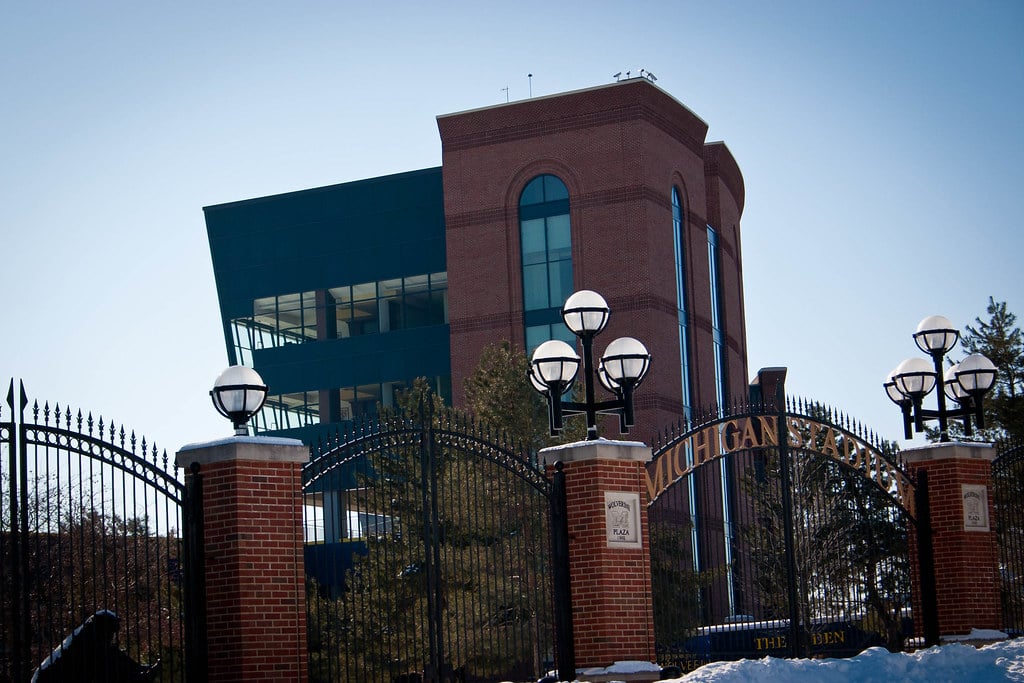
Michigan Stadium earned its nickname honestly. The 107,601-seat venue in Ann Arbor stands as the largest stadium in the United States and the entire Western Hemisphere.
When it first opened in 1927, the design placed much of the seating bowl below ground level. This choice preserved the surrounding skyline and created surprisingly intimate sightlines despite the enormous capacity.
Game days transform Ann Arbor into Michigan’s third-largest city by population for six autumn weekends each year. The 2024 season generated $226.7 million in spending from visitors outside the county.
That economic impact explains why universities keep building and expanding these massive structures.
Pennsylvania’s White Out

Beaver Stadium holds 106,572 fans and ranks as America’s second-largest venue. The place started much smaller when it first opened and expanded 16 times over the decades.
Recent renovations actually reduced capacity slightly to improve comfort and accessibility, but the venue still regularly fills to capacity for Penn State home games. The “White Out” tradition makes night games here a national spectacle.
Fans wear white and create an atmosphere that opposing teams consistently rank among the most intimidating in college sports. The EA Sports video game franchise even recognized Beaver Stadium as one of the toughest venues for visiting teams.
The Horseshoe That Never Rust

Ohio Stadium got its nickname from the distinctive horseshoe shape visible from above. The 102,780-seat venue in Columbus opened in 1922 and received major renovations in 2001.
The open end of the horseshoe frames a game-day scene that belongs on any sports enthusiast’s list. In 2016, the stadium hosted 110,045 people when Ohio State played Michigan.
That attendance record shows how these venues can exceed their official capacities during major events. The Roman-inspired architecture makes the building instantly recognizable, and concerts by Pink Floyd and the Rolling Stones have shown the venue works for more than just sporting events.
Texas Size Matters

Kyle Field in College Station joined the exclusive 100,000-capacity club in 2014 after a major expansion. The home of Texas A&M and the Aggies now holds 102,733 people.
The stadium name honors Edwin Jackson Kyle, an 1899 graduate who taught horticulture and pushed for a major athletics venue to promote the school. The Aggies regularly pack the place beyond its listed capacity.
Crowds exceeding 110,000 have shown up for important games, setting Texas collegiate attendance records. When the team isn’t playing, the stadium hosts Texas high school playoff games and various training camps.
Rocky Top Volume

Neyland Stadium in Knoxville holds 101,915 fans and has grown through 16 expansions since opening in 1921 as a modest 3,200-seat facility. The venue sits right on the Tennessee River, making it one of the few major stadiums accessible by boat.
Fans arrive by water on game days, creating a unique pre-game tradition that sets this venue apart. The stadium bears the name of Robert Neyland, who coached at Tennessee from 1926 to 1952 and built the program into a national power.
Recent renovations reduced seating slightly in favor of better amenities, but the atmosphere remains as intense as ever when the Volunteers take the field.
The Swamp Gets Bigger

Tiger Stadium in Baton Rouge started as a 12,000-seat venue. Over 20 expansions since the 1930s transformed it into a 102,321-seat giant.
Louisiana fans, known as “The Fighting Tigers,” create an atmosphere that makes the nickname apt. The passion and enthusiasm here match or exceed any venue in the country. The continuous expansion tells the story of growing demand.
Each time the school added capacity, fans filled the new seats immediately. The building maintains a uniform appearance despite all the additions, a rare achievement for a stadium that grew this much over time.
Alabama’s Pride
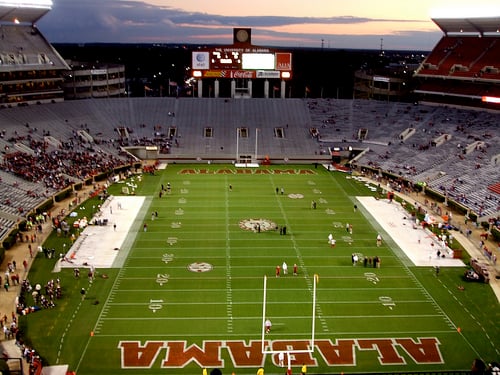
Bryant-Denny Stadium holds 101,821 people and opened in 1929. The venue in Tuscaloosa bears the name of legendary coach Paul “Bear” Bryant and university president George Denny.
Alabama football generates massive revenue and attendance, justifying the continued investment in capacity and facilities. The stadium anchors an entire regional economy on fall Saturdays.
Hotels fill for miles around, restaurants prepare for weeks, and the city’s infrastructure gets tested every home game. This pattern repeats at every major college venue, but the scale here remains impressive.
Texas Memorial

Darrell K Royal-Texas Memorial Stadium in Austin holds 100,119 fans and opened in 1924. The venue offers some of the best skyline views of any major college stadium.
The south end remains undeveloped, leaving room for potential future expansion that could make this the largest stadium in the world if completed. The stadium honors former coach Darrell K Royal, who led Texas to multiple national championships.
The location in Austin makes it accessible to a huge population base, and the team’s success keeps demand high for tickets despite the massive capacity.
Australia’s Grand Old Dame
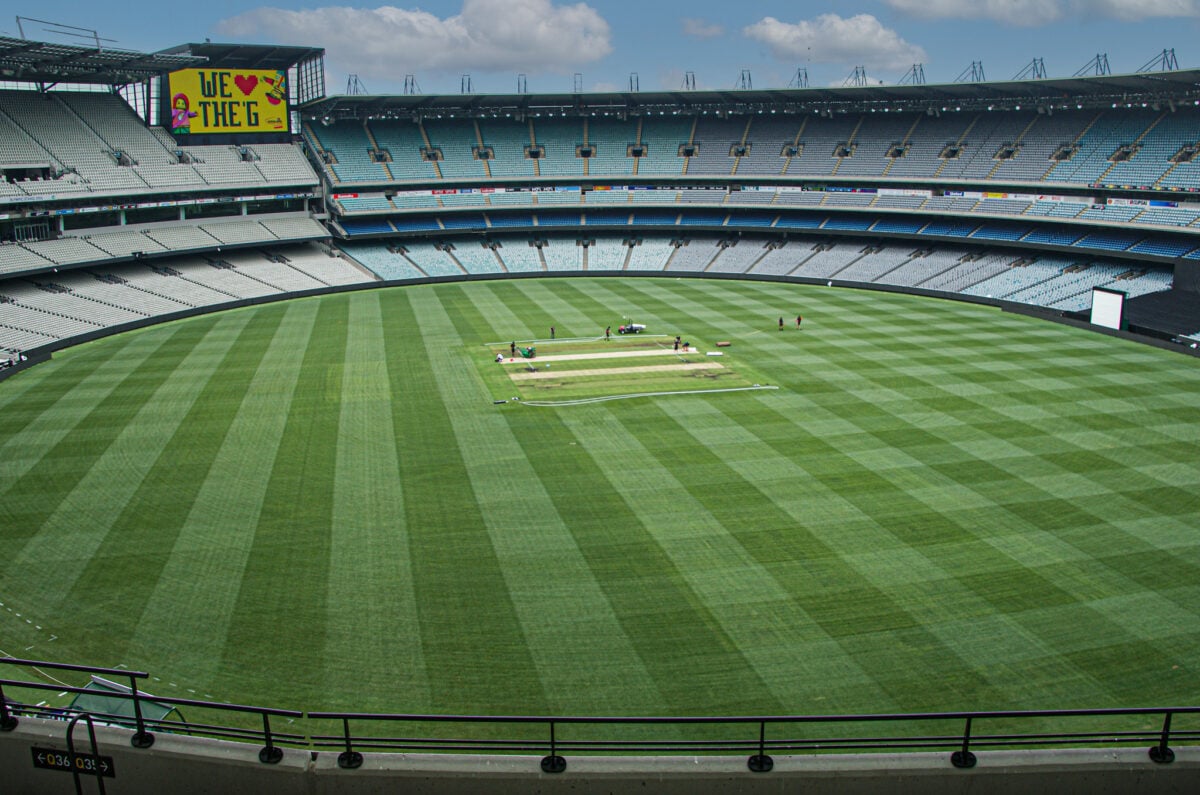
Melbourne Cricket Ground breaks from the American college pattern. The 100,024-seat venue represents the largest stadium in the Southern Hemisphere and hosts cricket and Australian Rules football primarily.
Built in the 1850s, the structure has been renovated countless times while maintaining its essential character. The MCG hosted Taylor Swift’s Eras Tour with 96,000 fans in attendance, proving its versatility as a concert venue.
Cricket remains the main draw, and major matches fill regional hotels for weeks. The economic impact during tournaments rivals any American college venue.
Barcelona’s Temple
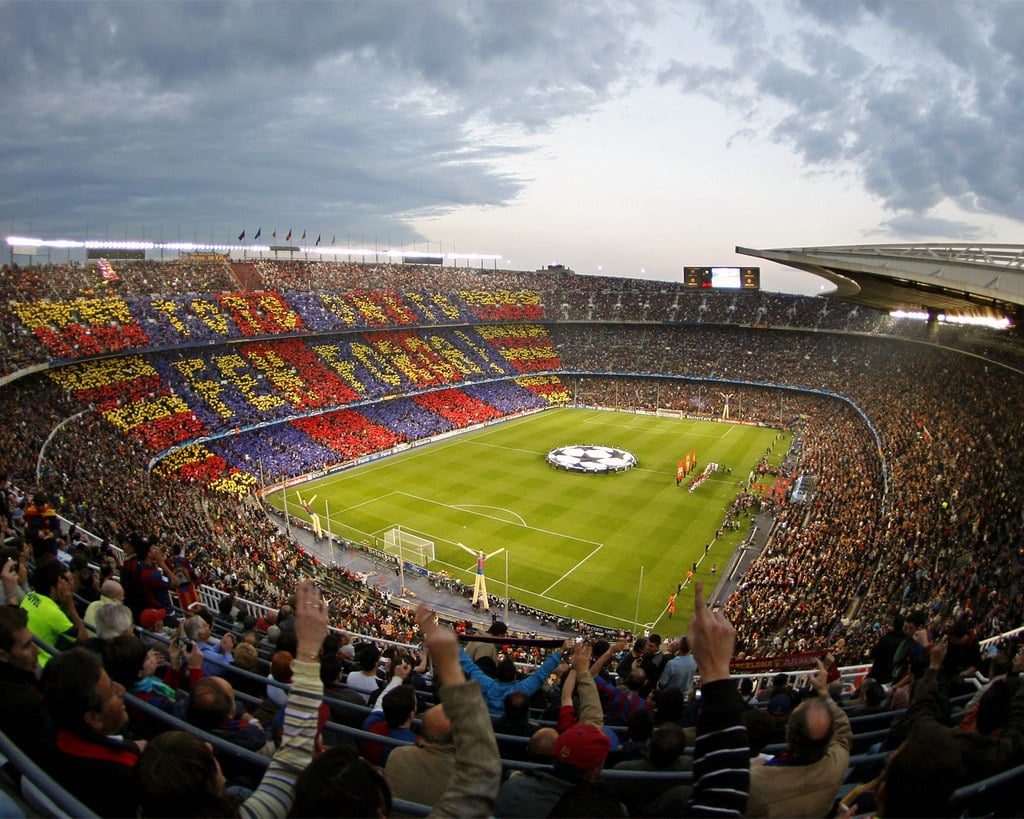
Camp Nou holds 99,354 and serves as home to FC Barcelona, one of the world’s most famous clubs. The stadium opened in 1957 and became a symbol of Catalan identity and resistance during Franco’s dictatorship.
Recent plans call for renovations that will increase capacity and modernize facilities while preserving the historic character. The atmosphere here differs from college venues.
Professional teams create their own traditions, and Barcelona’s success on the field has created generations of passionate supporters who pack the stands for every home match.
South Africa’s Statement

FNB Stadium in Johannesburg holds 94,736 and hosted the 2010 FIFA World Cup Final. The venue stands as Africa’s largest stadium and represents the continent’s growing sports infrastructure.
The design incorporates elements inspired by traditional African pottery, creating a distinctive appearance that sets it apart from cookie-cutter modern stadiums. The World Cup brought global attention to this venue and proved Africa could host major sporting events.
The economic boost from that tournament justified the investment and inspired other nations to consider similar projects.
The Rose Bowl Legacy

The Rose Bowl in Pasadena holds 92,542 and opened in 1922. This historic venue hosts the annual Rose Bowl game and has served as the site of five Super Bowls, the 1994 World Cup Final, and the 1999 Women’s World Cup Final.
The natural bowl setting creates excellent sightlines and acoustics. The venue represents old-school stadium design at its finest.
No luxury boxes dominated the original plan. Just rows and rows of seats carved into a hillside, creating an intimate connection between fans and the field despite the huge capacity.
London’s Rebuilt Icon

Wembley Stadium holds 90,000 and reopened in 2007 after the famous original Wembley was demolished. The new structure cost over £1 billion and features a distinctive arch that’s become a London landmark.
England’s national team plays here, and the venue hosts the FA Cup Final, playoff finals, and major concerts throughout the year. The original Wembley hosted the 1966 World Cup Final when England won their only major trophy.
The new stadium continues that legacy while providing modern amenities that the old venue couldn’t match. The capacity makes it the largest stadium in the UK and one of the biggest in Europe.
Where Giants Gather

Stories live inside these giant arenas, shaped by what people hold dear. College football’s grip on culture comes clear in U.S. arenas. In India, cricket fields pulse with deep devotion to the game.
Across Europe and South America, club stadiums reveal soccer’s wide embrace.
A few hundred million dollars vanish just to construct and keep these places running.
Money flows back through ticket sales, TV deals – sometimes via ripple effects across nearby towns. Crowds of a hundred thousand arrive half a dozen times annually, shaping how shops set schedules, stock inventory, even hire staff.
Look at how stadiums have changed through these examples. Not long ago, fitting in as many people as possible was the main goal.
Today’s versions care about comfort, access, ease of movement, also smart systems – without losing big audiences. What comes next might lean heavier on digital tools, maybe making the room smaller to offer better seats and moments instead.
Right now, these places stand tall as the largest ever made for people to come together and see games. Not one will hold that title without challenge moving forward.
Fresh designs pop up often, each aiming bigger than the last. Nations chasing recognition keep lifting how many seats they pack into new builds.
For today though, nothing beats what’s already standing.
More from Go2Tutors!

- The Romanov Crown Jewels and Their Tragic Fate
- 13 Historical Mysteries That Science Still Can’t Solve
- Famous Hoaxes That Fooled the World for Years
- 15 Child Stars with Tragic Adult Lives
- 16 Famous Jewelry Pieces in History
Like Go2Tutors’s content? Follow us on MSN.



