Abandoned Places With Eerie Backstories
Empty buildings hold stories that occupied ones never could. When people leave a place behind, they don’t just abandon the structure.
They leave behind memories, tragedies, and sometimes mysteries that never got solved. These forgotten locations around the world stand as reminders of dreams that failed, disasters that struck, or decisions that went terribly wrong.
Here are some of the most unsettling abandoned places that still give people chills.
Pripyat, Ukraine
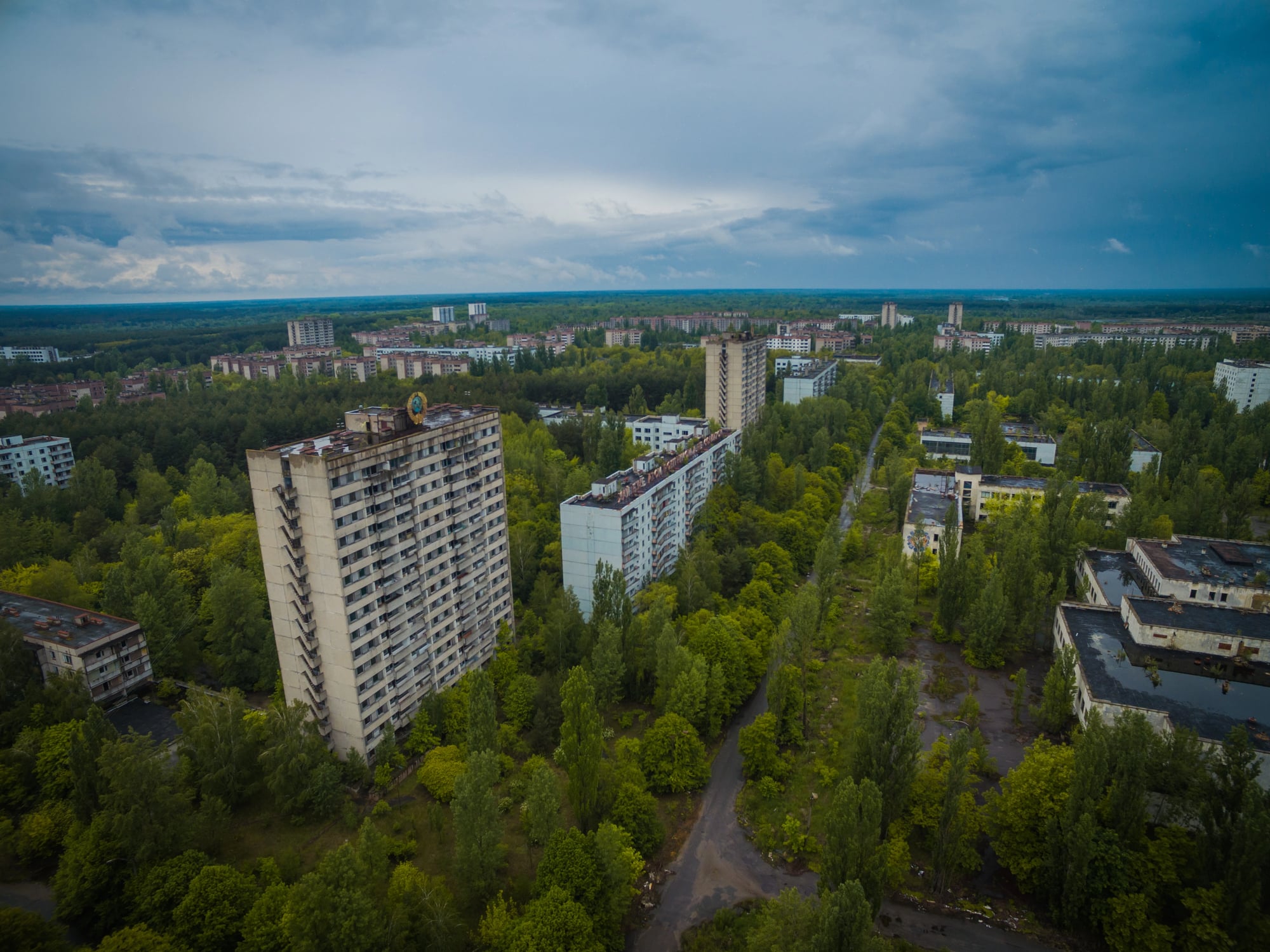
The entire city of Pripyat had to be evacuated in 1986 after the Chernobyl nuclear disaster turned it into a radiation zone overnight. Workers at the power plant and their families lived here, enjoying amenities like an amusement park that never got to open to the public.
Now the Ferris wheel sits frozen in time, rusting away while nature slowly reclaims the apartment buildings and schools. Personal belongings still scatter the floors where people dropped everything and fled.
The city remains too dangerous for permanent residence, though some elderly former residents have moved back despite the risks.
Hashima Island, Japan
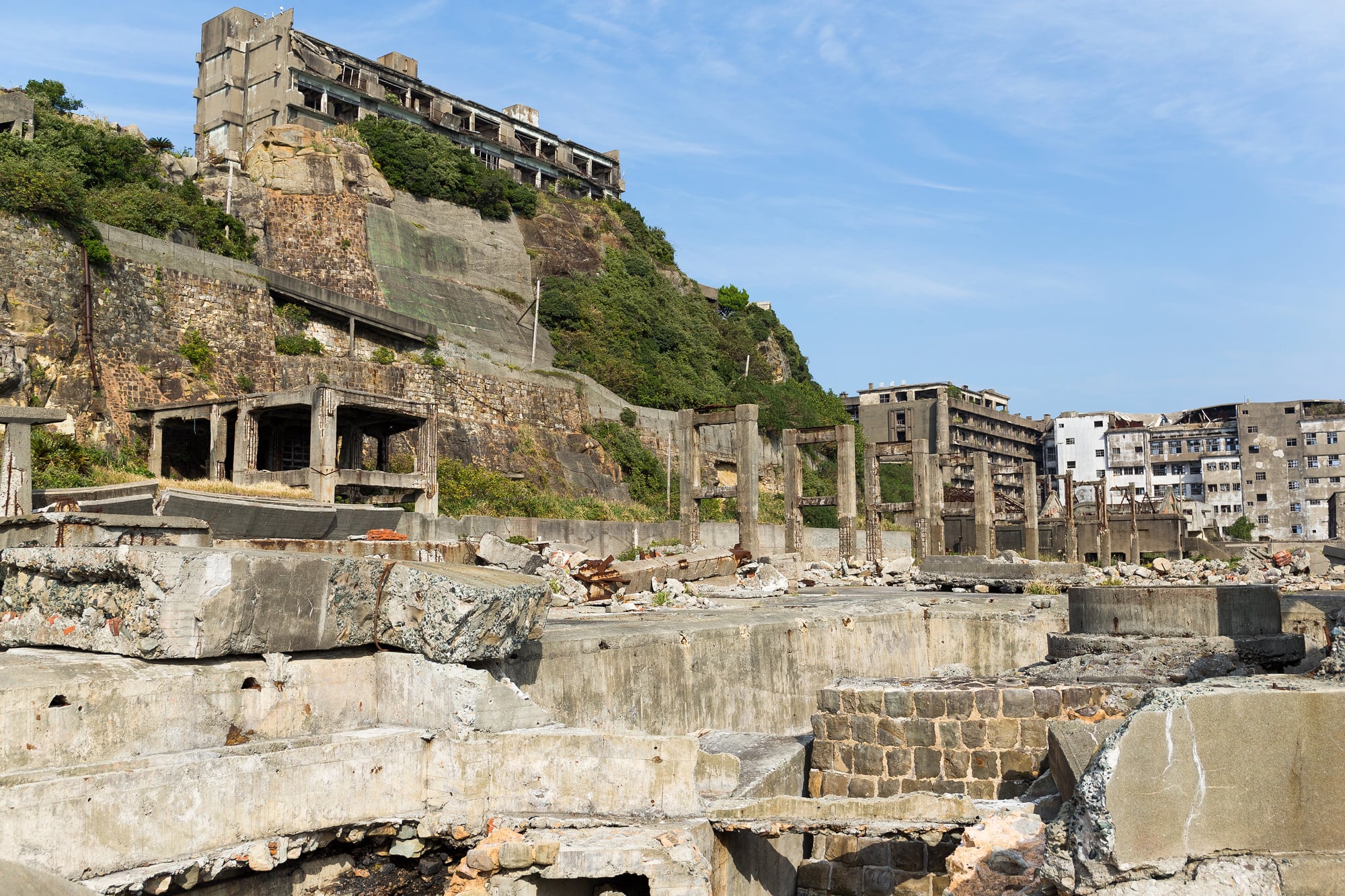
This tiny island off the coast of Nagasaki once housed over 5,000 coal miners and their families in the most densely populated place on Earth. The concrete apartment buildings rose several stories high, packed so tightly together that residents could barely see the sky.
When the coal ran out in 1974, the mining company shuttered operations and everyone left within months. The island earned the nickname ‘Battleship Island’ because its silhouette resembles a warship from a distance.
Typhoons and saltwater have battered the structures for decades, creating a crumbling concrete wasteland that looks like something from a disaster movie.
Beelitz-Heilstätten Hospital, Germany
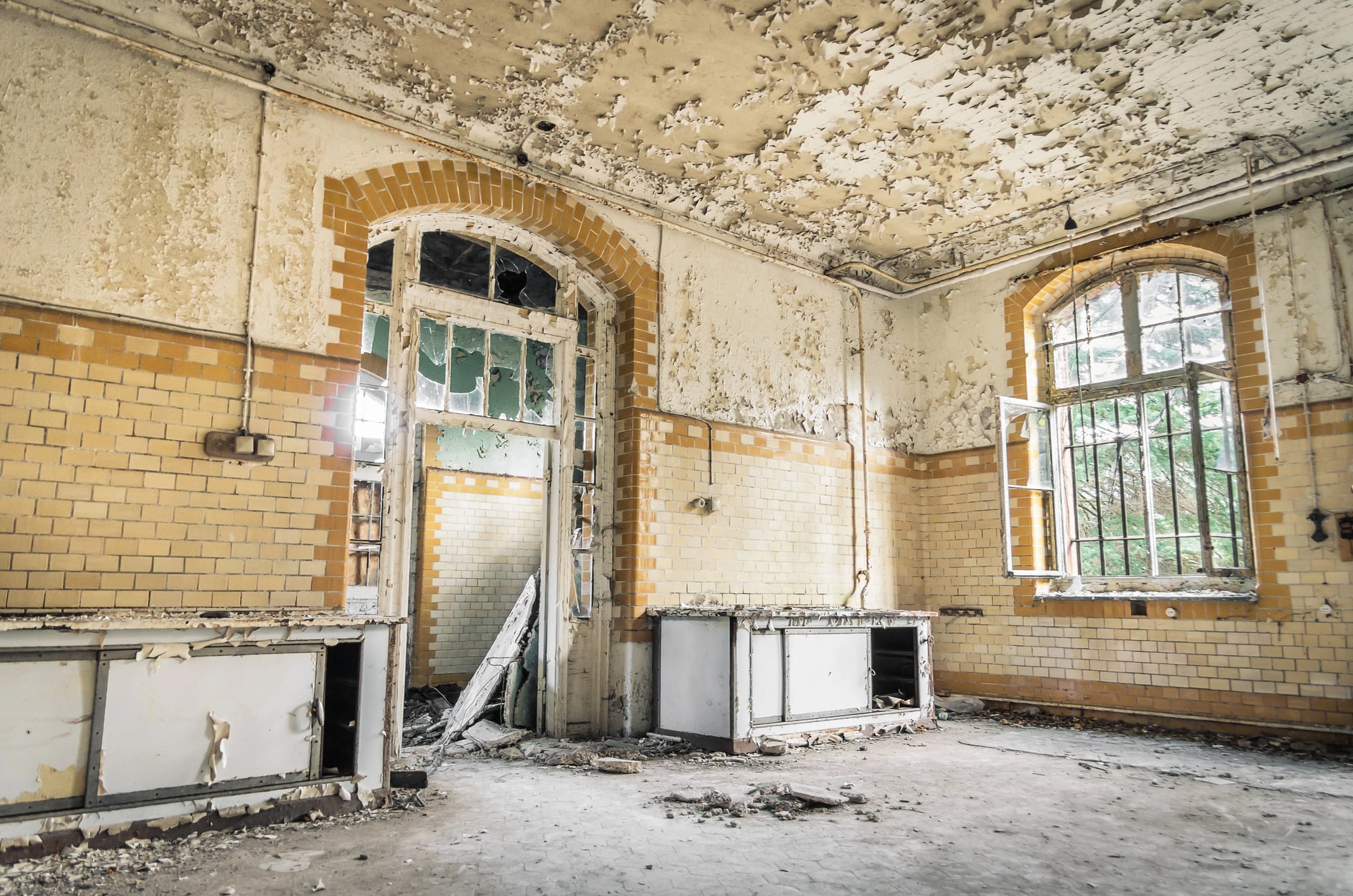
Adolf Hitler recovered from a leg injury here during World War I, but that’s just one small part of this sprawling medical complex’s dark history. The facility treated tuberculosis patients starting in 1898, then became a military hospital during both world wars.
Soviet forces took it over after World War II and used it until 1994, leaving behind operating rooms with rusted equipment still in place. Locals claim to hear screams and see shadowy figures moving through the decaying hallways.
The main buildings feature stunning architecture that makes the decay even more haunting.
Eastern State Penitentiary, Pennsylvania
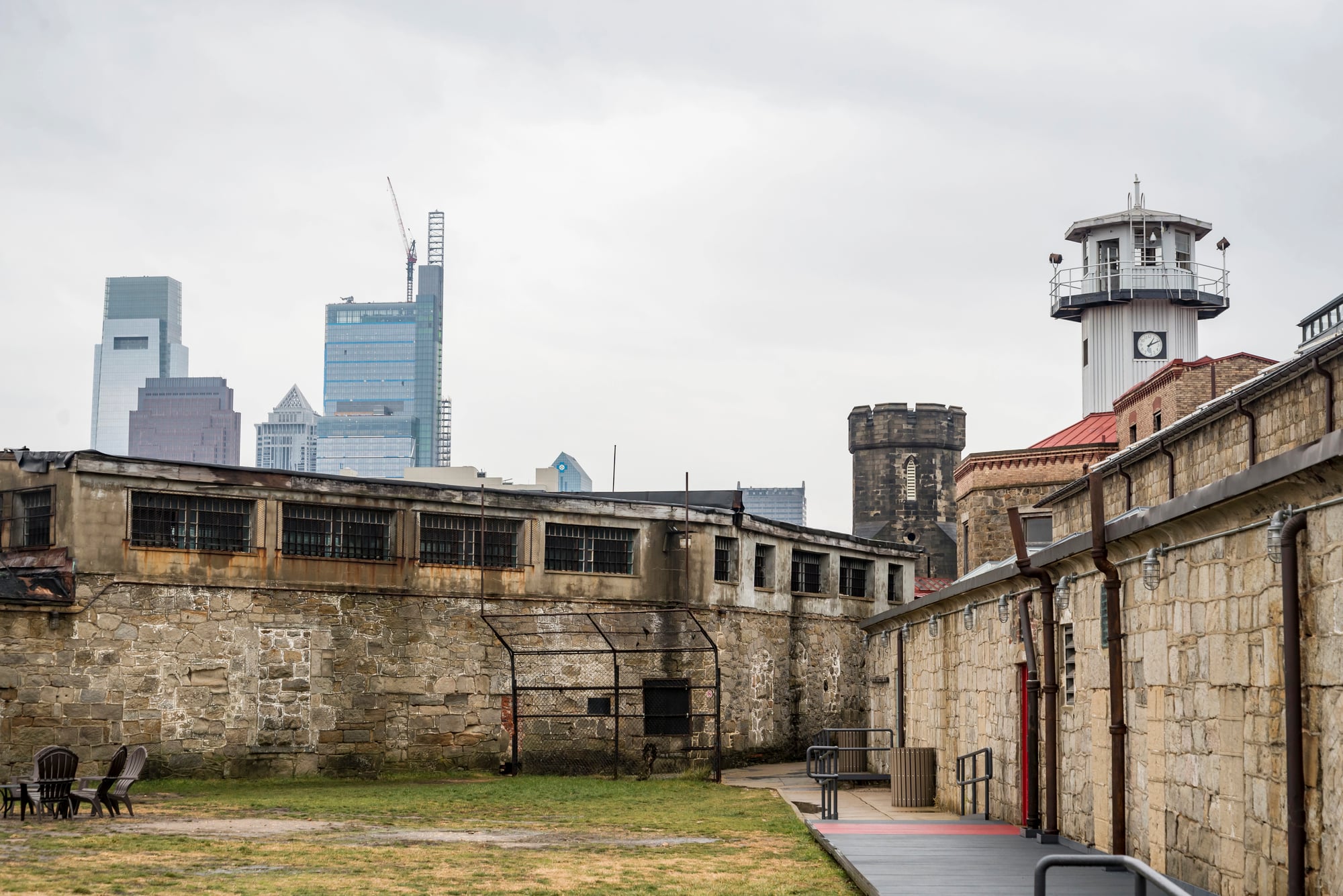
This prison pioneered solitary confinement as punishment when it opened in 1829, keeping inmates isolated in their cells for years at a time. The harsh conditions drove many prisoners insane, and executions took place regularly within these walls.
Guards and visitors have reported hearing whispers, footsteps, and cell doors slamming in empty corridors since the prison closed in 1971. Al Capone spent time here, and his cell allegedly experiences more paranormal activity than any other.
The massive stone walls and guard towers create an oppressive atmosphere even in broad daylight.
Kolmanskop, Namibia
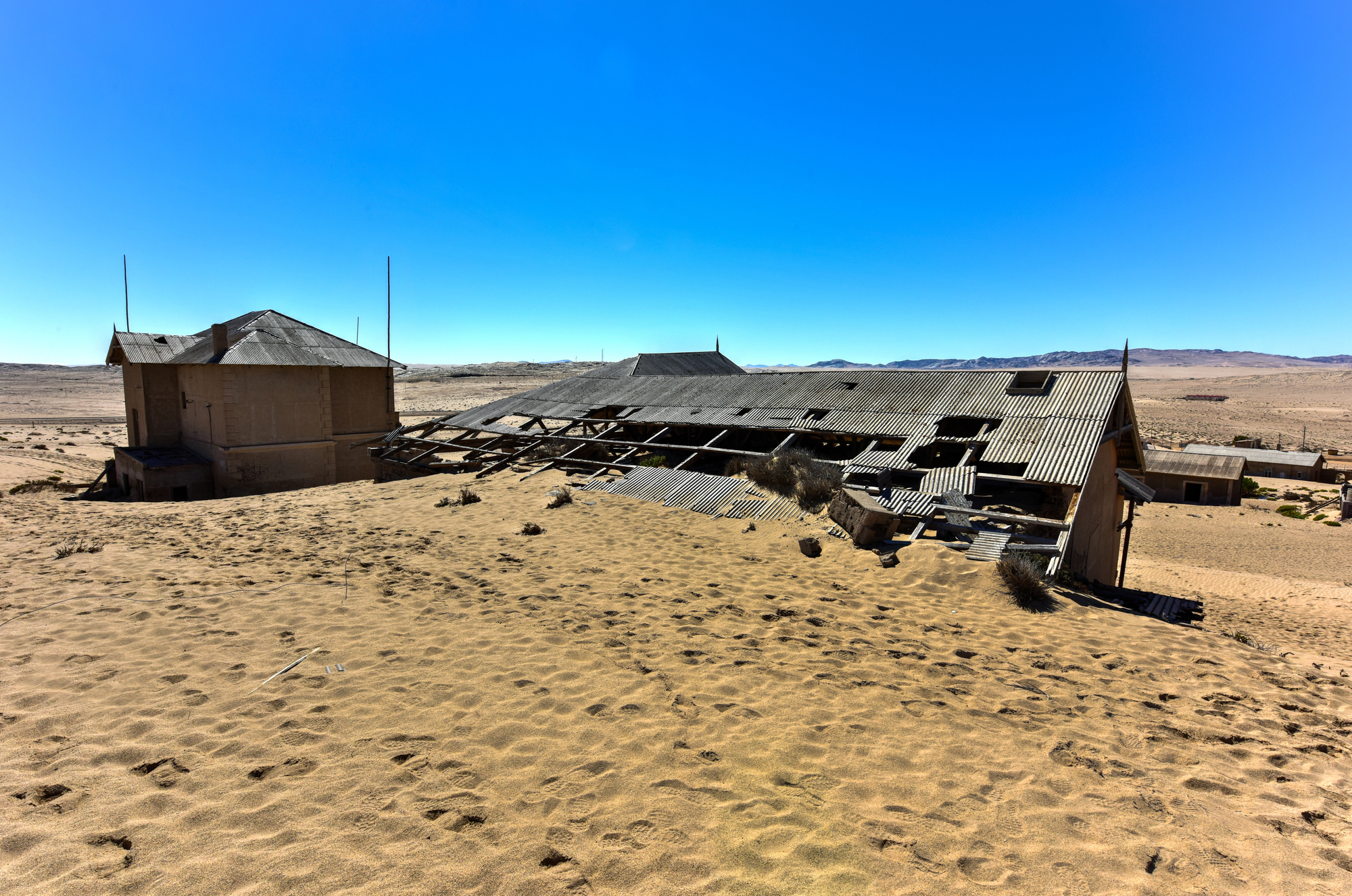
Diamond fever created this German colonial town in the Namib Desert in 1908, complete with a hospital, school, and even a bowling alley. Miners and their families lived comfortably here, extracting fortunes from the sand.
When richer diamond deposits turned up elsewhere, everyone packed up and left by 1954. The desert has been slowly consuming the buildings ever since, with sand dunes pouring through windows and filling entire rooms.
Some houses are buried up to their rooflines, while others lean at strange angles. The contrast between the European architecture and the endless desert makes the scene feel deeply wrong.
Poveglia Island, Italy
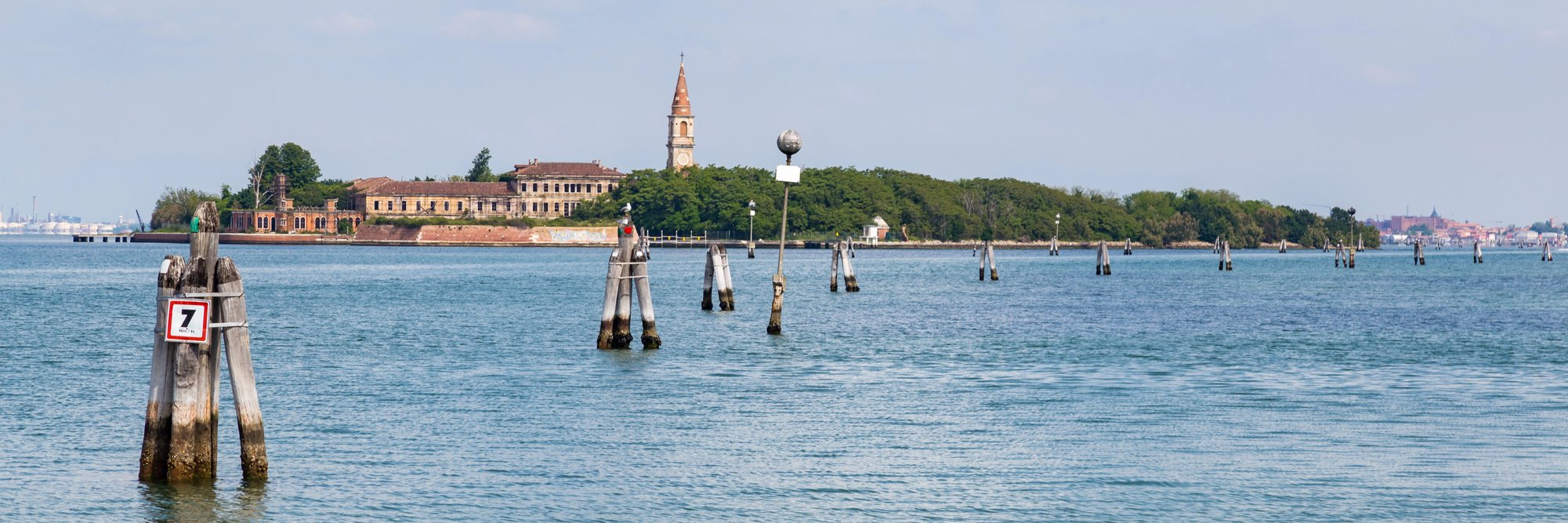
The Venetian government used this small island as a quarantine station during the plague outbreaks, and thousands of infected people died here in isolation. Later, officials built a mental hospital on the island that operated until 1968.
Stories claim a doctor performed cruel experiments on patients before throwing himself from the bell tower. The Italian government doesn’t allow visitors, and local fishermen avoid the waters around the island.
Venetians consider it the most haunted location in a city already full of ghost stories.
Centralia, Pennsylvania
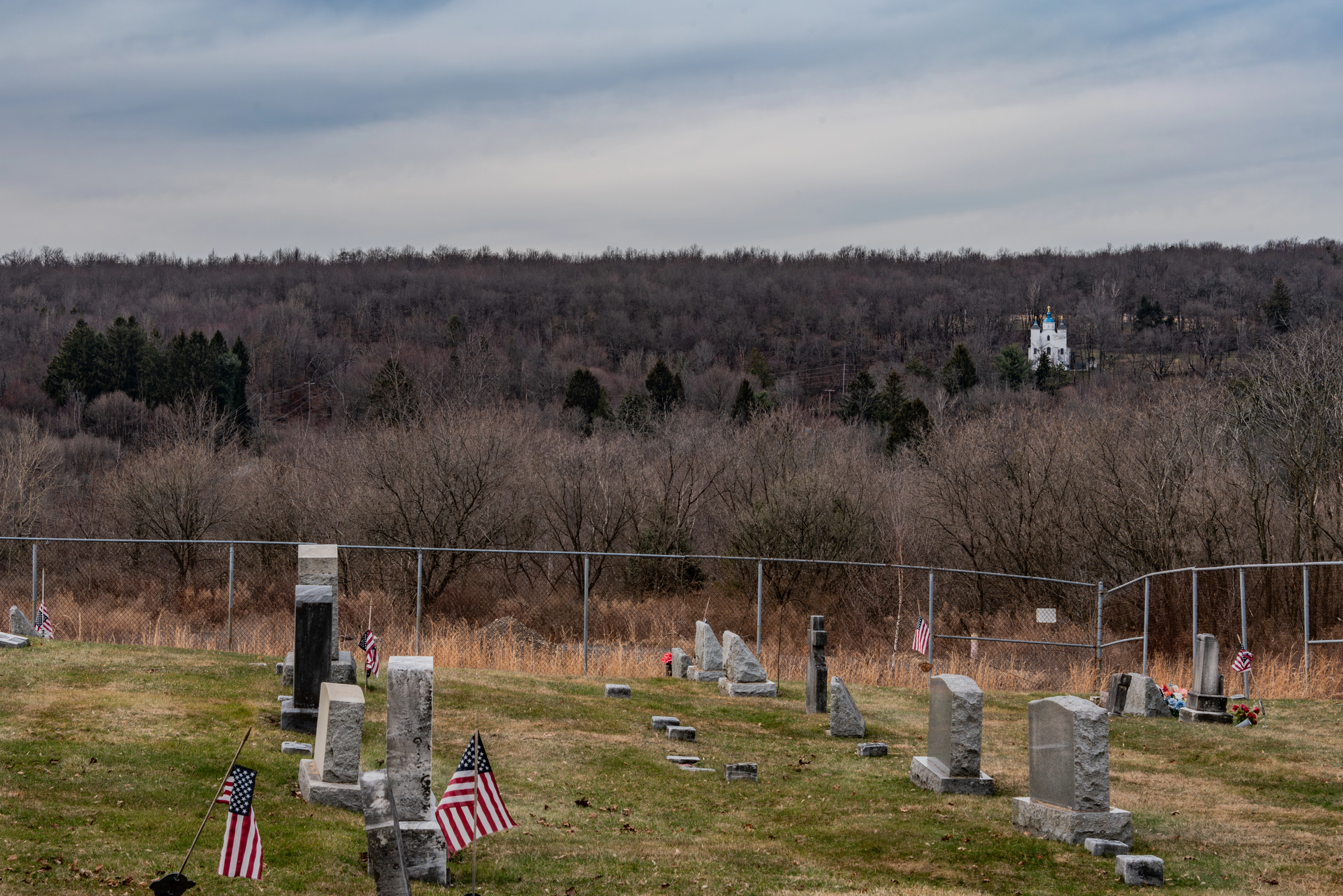
An underground coal fire has been burning beneath this town since 1962, and nobody knows how to put it out. The fire started in a trash dump but quickly spread through the maze of abandoned mining tunnels under the streets.
Toxic fumes and sudden sinkholes forced nearly everyone to leave by the 1980s. The few remaining residents refuse to go despite government buyout offers.
Highway 61 running through town buckled and cracked from the heat below, creating a graffiti-covered wasteland that inspired the video game Silent Hill.
Gunkanjima’s Apartment Blocks
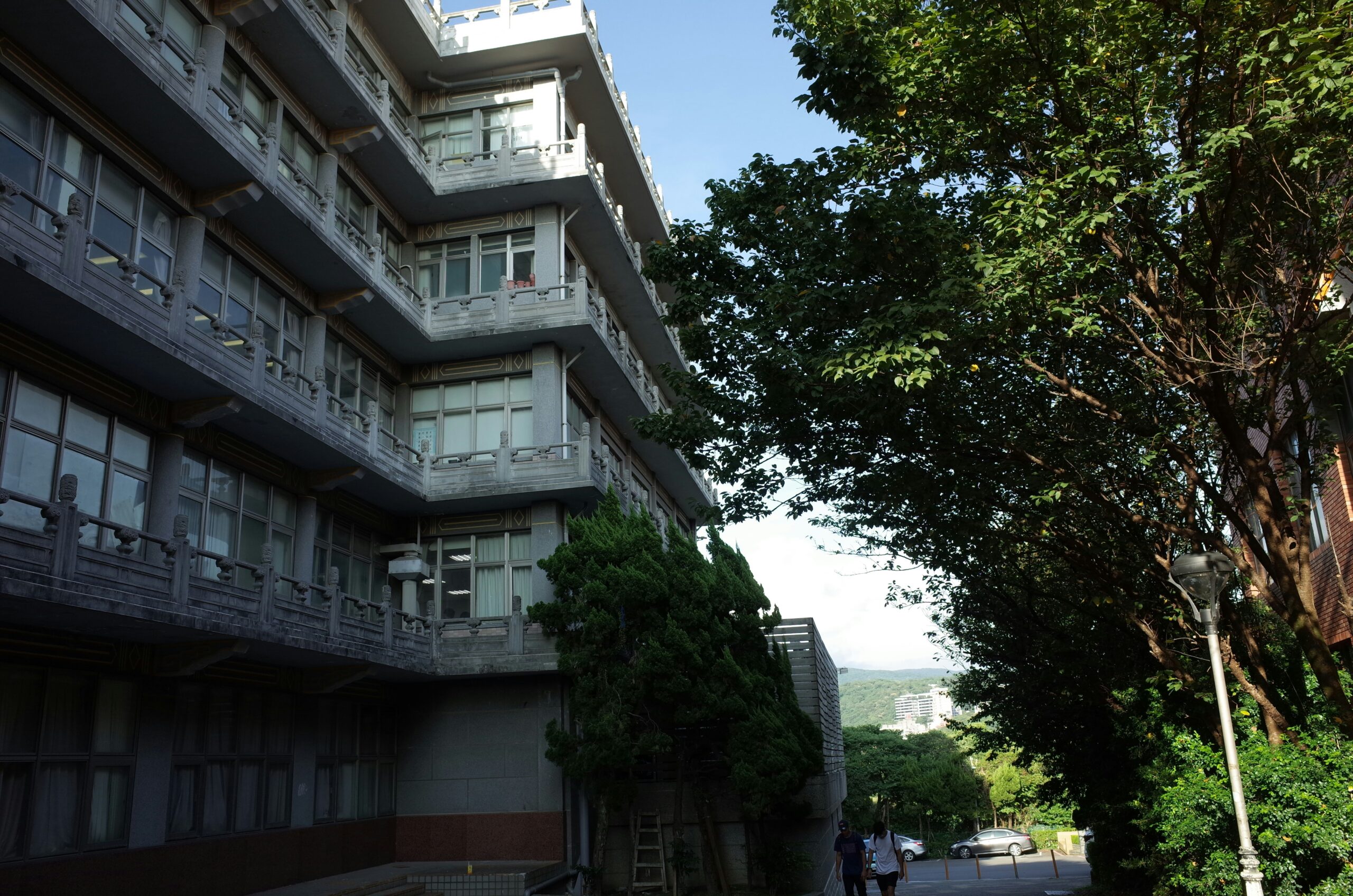
The residents of this island endured harsh living conditions while mining coal from undersea deposits. Concrete towers housed workers in cramped apartments with no greenery or open space.
Children grew up never seeing a tree or playing in grass. The isolation and grueling work created a pressure-cooker environment.
When the mine closed, the exodus happened so fast that dishes still sit on tables and clothes hang in closets. The buildings deteriorate rapidly in the salty ocean air, with concrete falling away to expose the steel frameworks beneath.
Oradour-sur-Glane, France
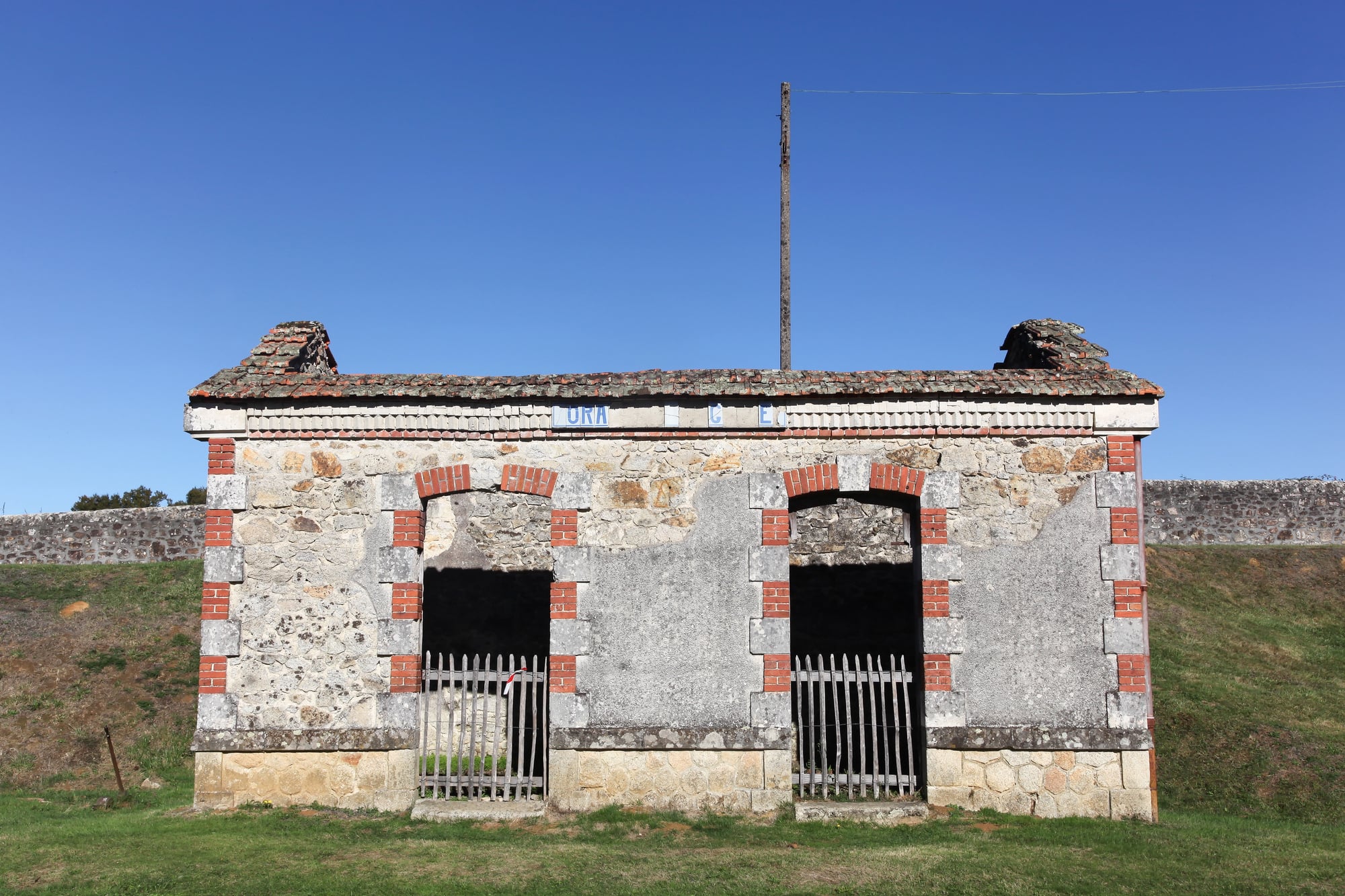
Nazi soldiers massacred 642 people in this village in 1944, burning most of them alive in the church. The French government decided to preserve the ruins exactly as they were found after liberation as a memorial.
Burned-out cars still sit in the streets, and the skeleton of the church stands with its bell tower intact. Melted glass and twisted metal fill the shops and homes.
President Charles de Gaulle ordered that a new village be built nearby but the old site must remain untouched. Walking through the preserved destruction feels more disturbing than any rebuilt monument could.
Craco, Italy
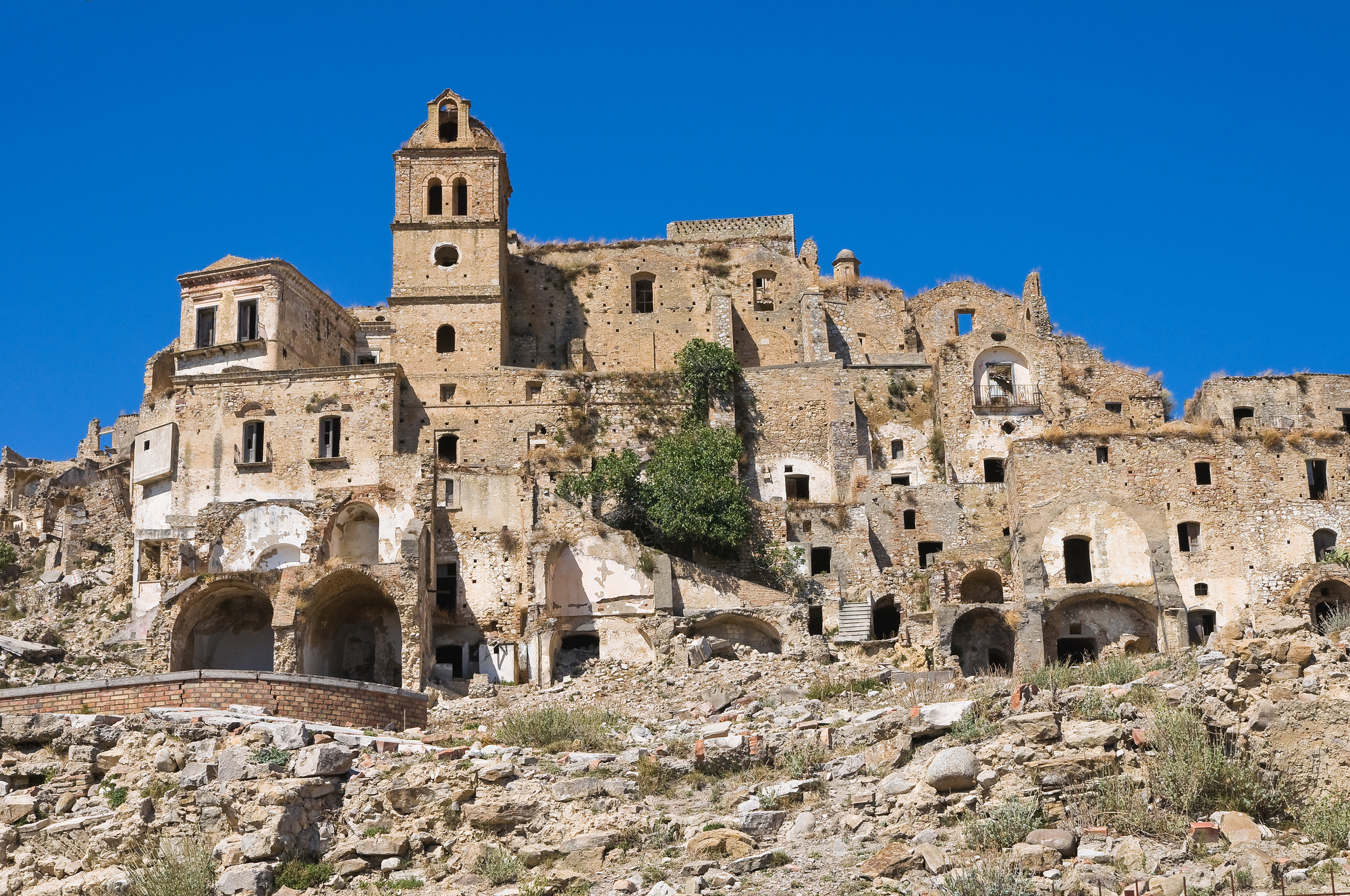
This medieval hilltop town survived for centuries before a series of landslides in the 1960s made it too dangerous to inhabit. The buildings cling to a steep ridge, creating a dramatic skyline that attracts photographers and filmmakers.
Earthquakes, poor sewage infrastructure, and heavy rains all contributed to the ground becoming unstable. Residents relocated to a valley town nearby, leaving behind centuries of history.
The empty stone buildings look like they’re slowly sliding down the mountain. Directors have filmed several movies here because the location looks inherently ominous.
Bodie, California
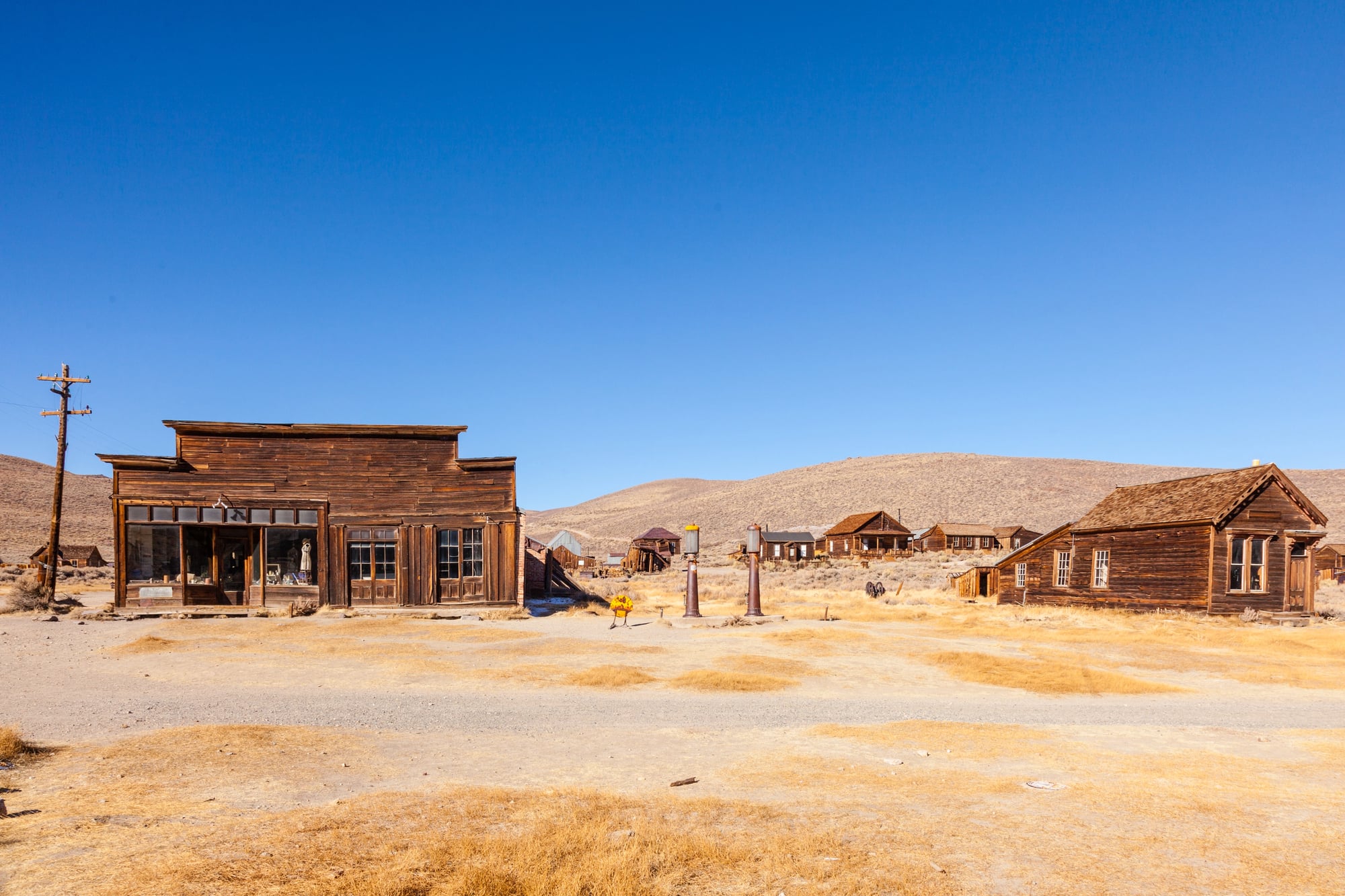
This Wild West gold rush town boomed in the late 1800s with over 10,000 residents, dozens of saloons, and a reputation for violence and lawlessness. Shootouts happened regularly, and the harsh winters claimed many lives.
When the gold ran out, people left so quickly that they abandoned household items, furniture, and even valuable tools. The state of California now maintains about 110 buildings in a state of ‘arrested decay,’ meaning they prevent further deterioration but don’t restore anything.
Peering through dusty windows reveals scenes frozen from the 1940s, the last time anyone lived here. The isolation and desert climate preserved everything in eerie detail.
Bannerman Castle, New York
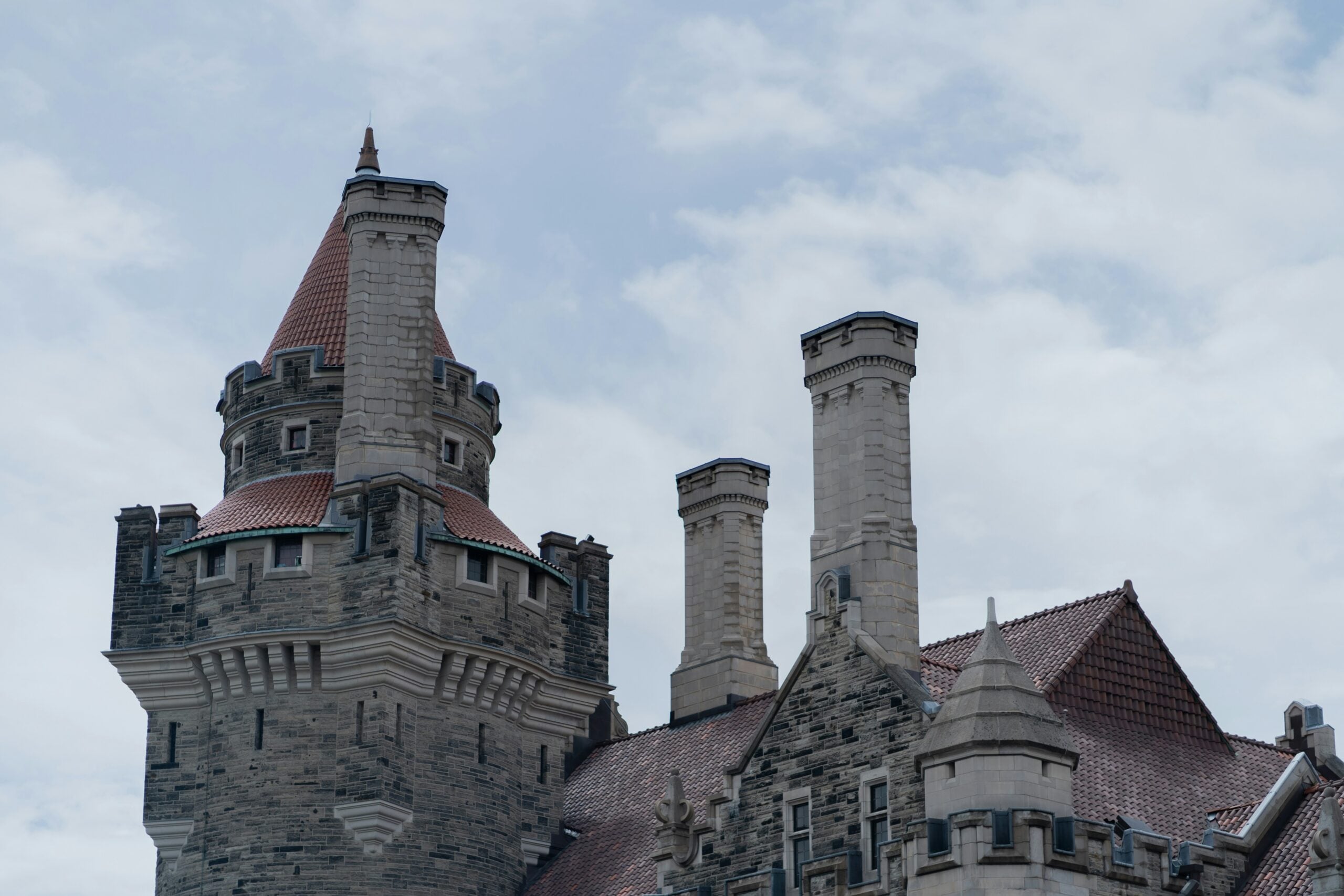
Francis Bannerman VI built this castle on an island in the Hudson River to store military surplus weapons and ammunition he bought from the government. The Scottish-style fortress served as both a warehouse and an advertisement for his business from 1901 until 1918.
An explosion in the powder storage destroyed part of the complex, and a fire in 1969 gutted what remained. The ruins sit abandoned on the small island, visible from shore but off-limits to visitors for safety reasons.
Nature has taken over, with trees growing through windows and walls collapsing into piles of brick.
Six Flags New Orleans
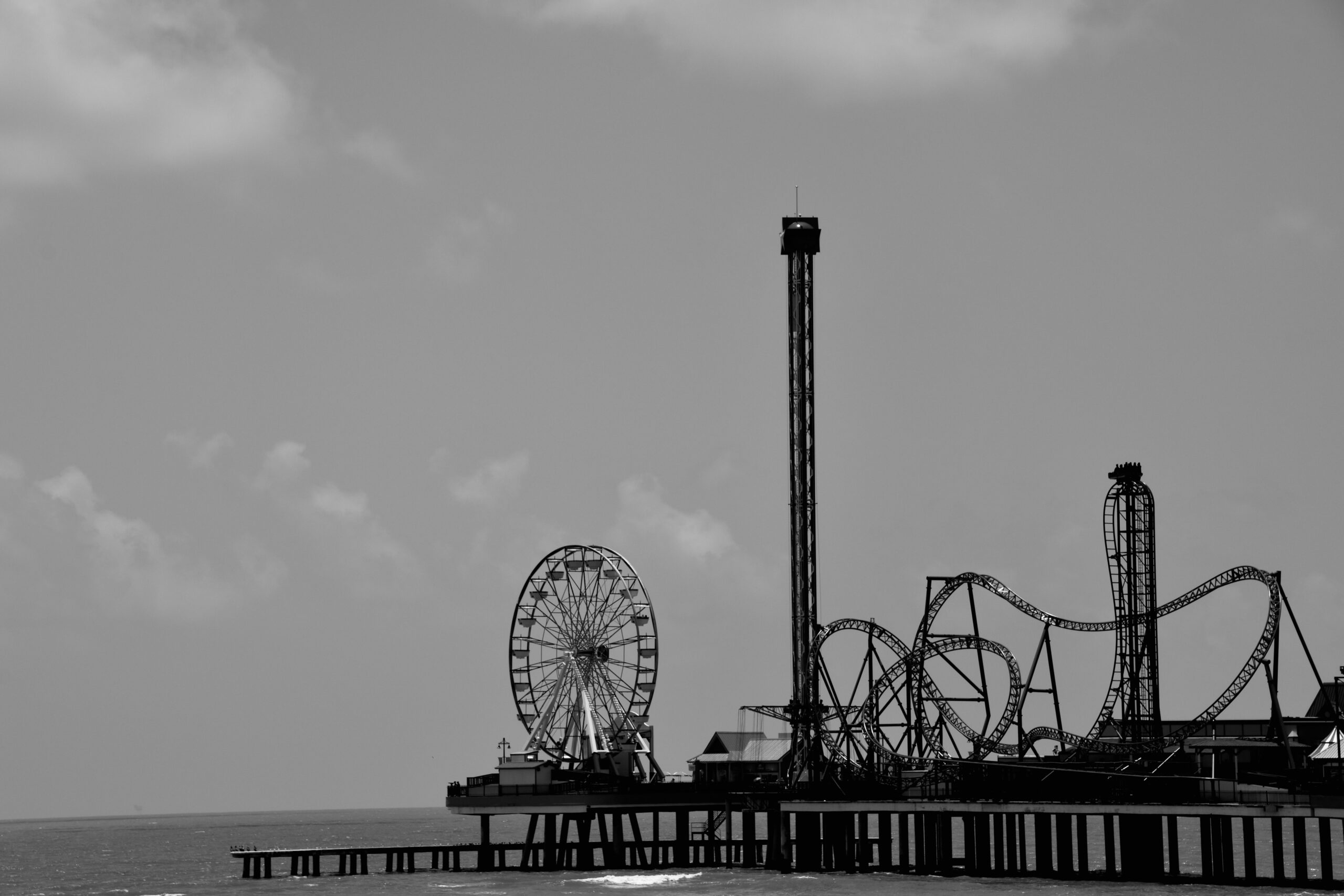
Hurricane Katrina flooded this amusement park in 2005, leaving rides submerged under toxic water for weeks. The owner decided rebuilding would cost too much and walked away from the entire property.
Roller coaster tracks now rust in the Louisiana humidity while alligators swim in the flooded areas. Graffiti artists have decorated every surface they could reach.
The park represents not just an abandoned business but a symbol of the city’s struggle to recover. Seeing a Ferris wheel overrun with vines and a carousel with peeling paint creates a deeply unsettling effect.
Bodiam Castle, England
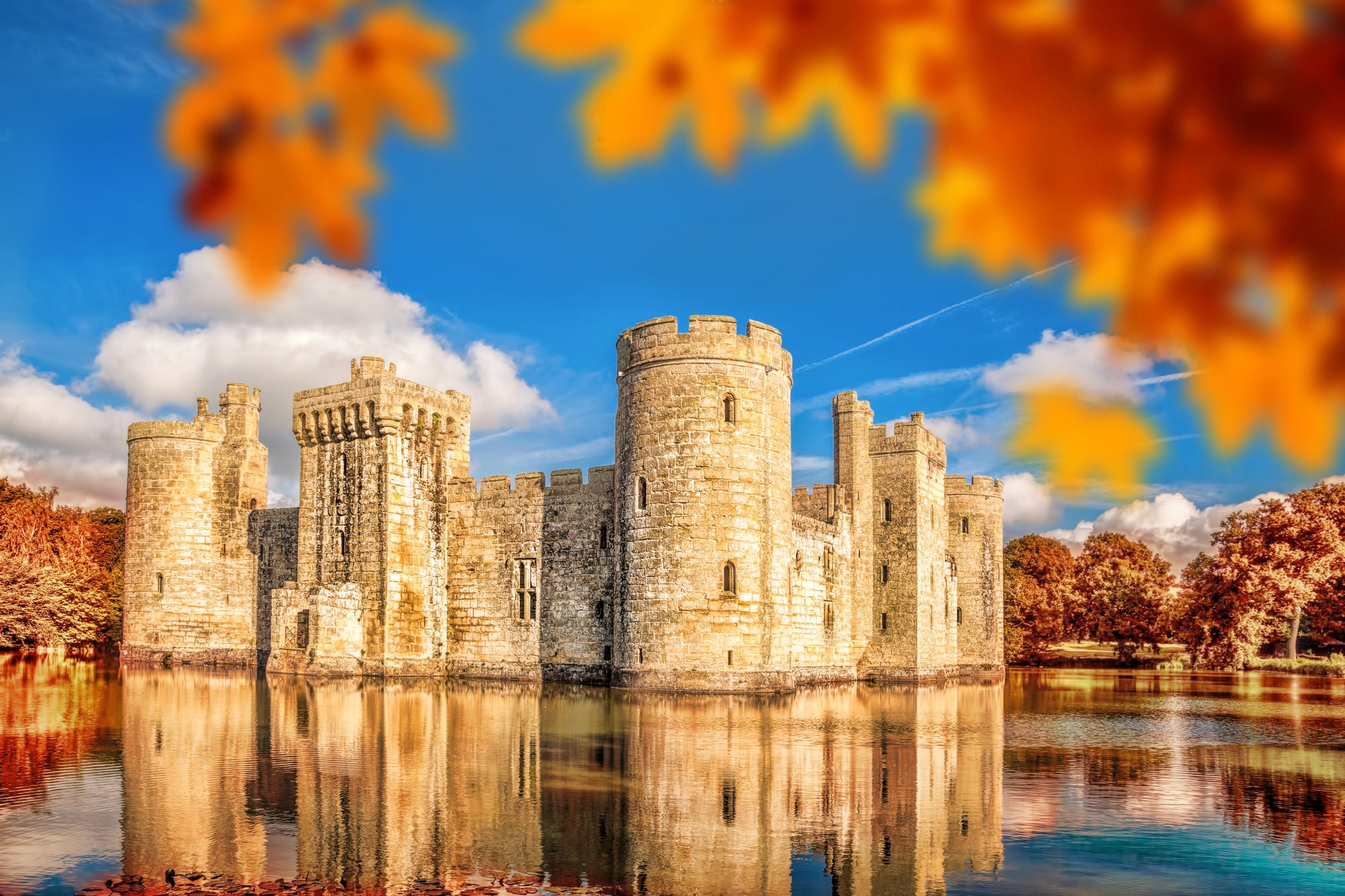
Wait, this one actually gets maintained and tourists visit it regularly. Never mind this entry.
Ross Island, India
The British built this colonial settlement in the Andaman Islands as an administrative headquarters, complete with a church, shops, and a club. The lifestyle mimicked England with gardens, parties, and all the comforts of home.
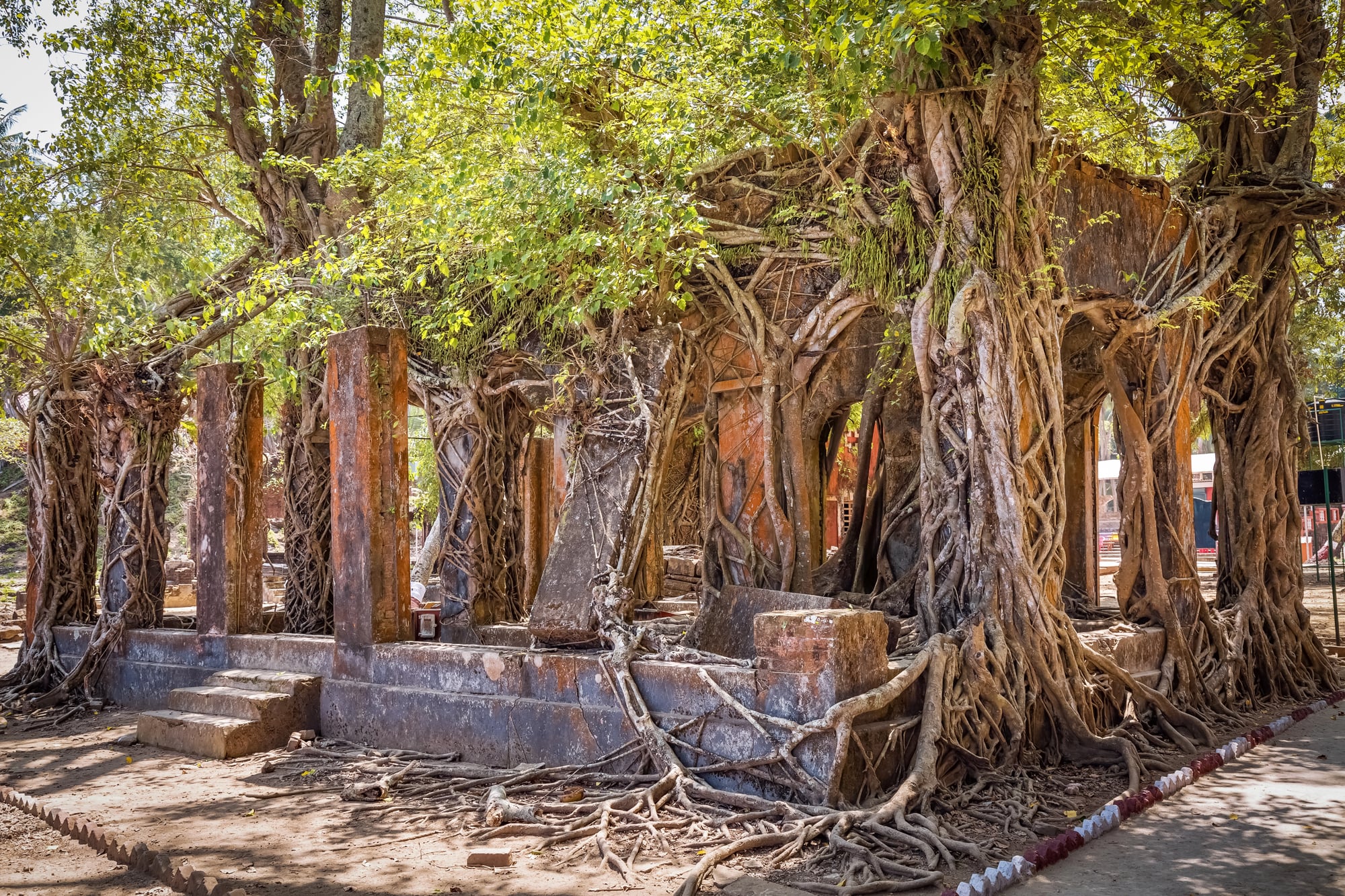
An earthquake in 1941 damaged many buildings, and the Japanese occupation during World War II finished off the settlement. Massive tree roots now grow through the ruins, creating a fusion of nature and architecture.
The church remains standing with trees growing inside it and roots wrapping around the walls. Deer wander freely through what used to be ballrooms and offices.
Dallol, Ethiopia
This mining town sits in the hottest place on Earth, where temperatures average over 94 degrees year-round. An Italian company built the settlement in the 1960s to extract potash from the Danakil Depression.
Workers endured brutal heat and inhospitable conditions while trying to make the operation profitable. The company abandoned the site in 1968 when operations became financially unsustainable.
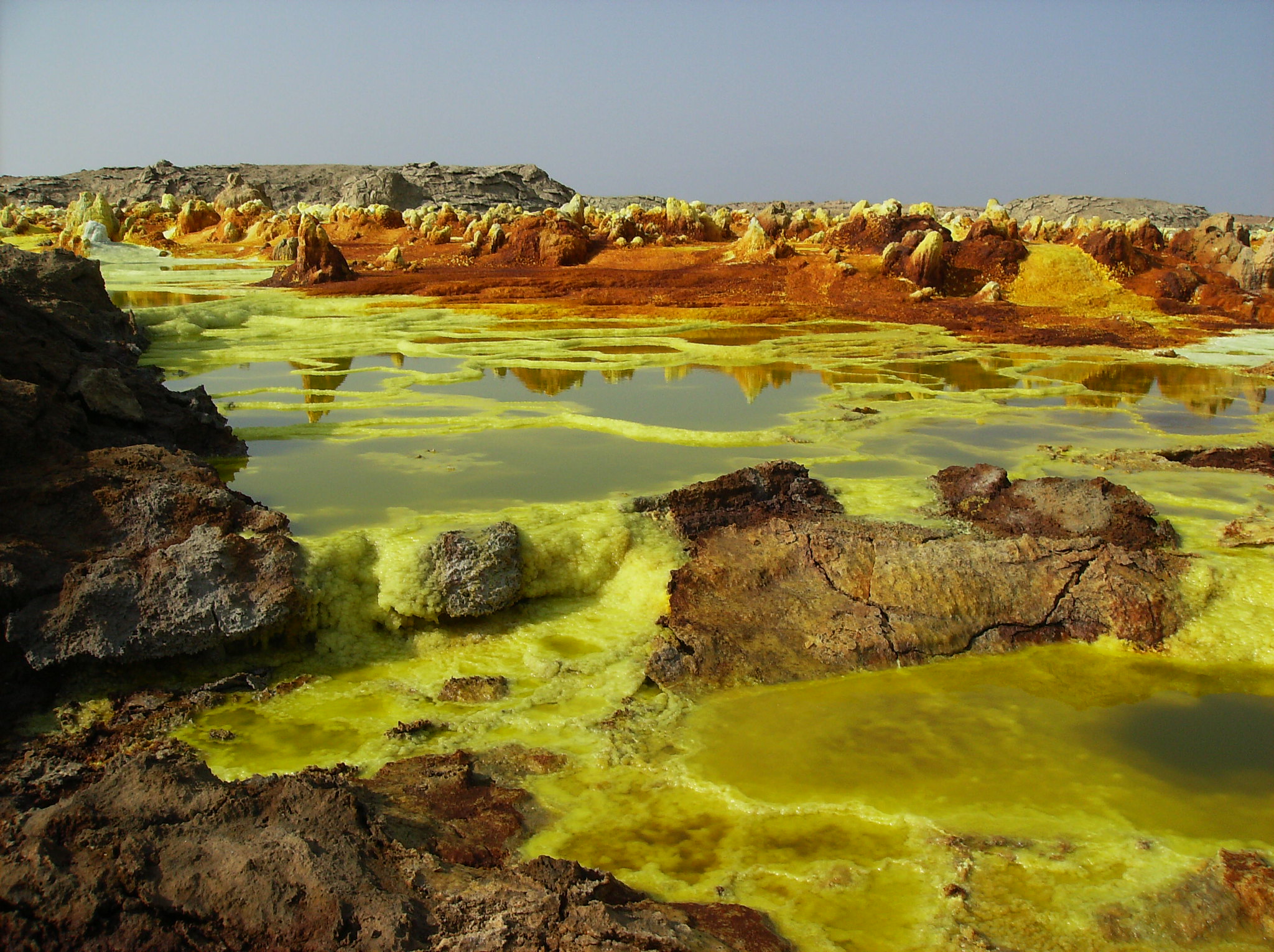
The wooden and metal structures still stand but deteriorate rapidly in the extreme environment. The surrounding landscape features acidic hot springs, sulfur deposits, and salt formations in surreal colors, making the scene feel like another planet.
Wonderland Amusement Park, China
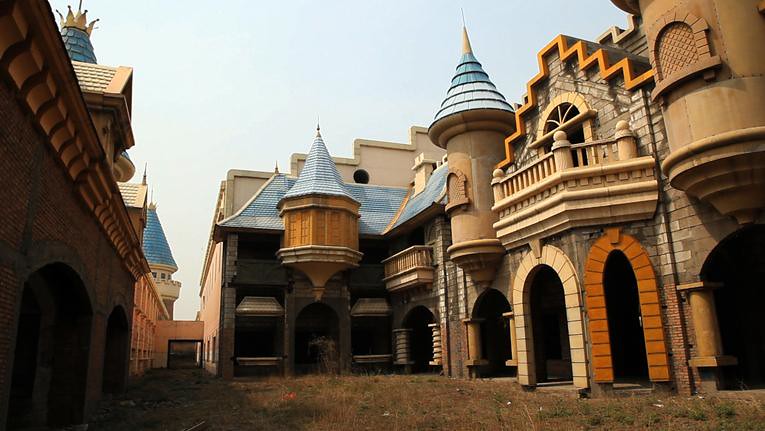
Developers started building what would have been Asia’s largest amusement park outside Beijing in the 1990s. Construction stopped in 1998 when funding dried up and disputes with local farmers over land rights couldn’t be resolved.
The partially built structures sat deteriorating for years, including a massive castle framework and other unfinished rides. Farmers planted corn in the shadow of the rusting steel frames.
The government finally demolished most of the site in 2013, but for over a decade it served as a monument to failed ambition. The irony of an abandoned Wonderland wasn’t lost on anyone.
Plymouth, Montserrat
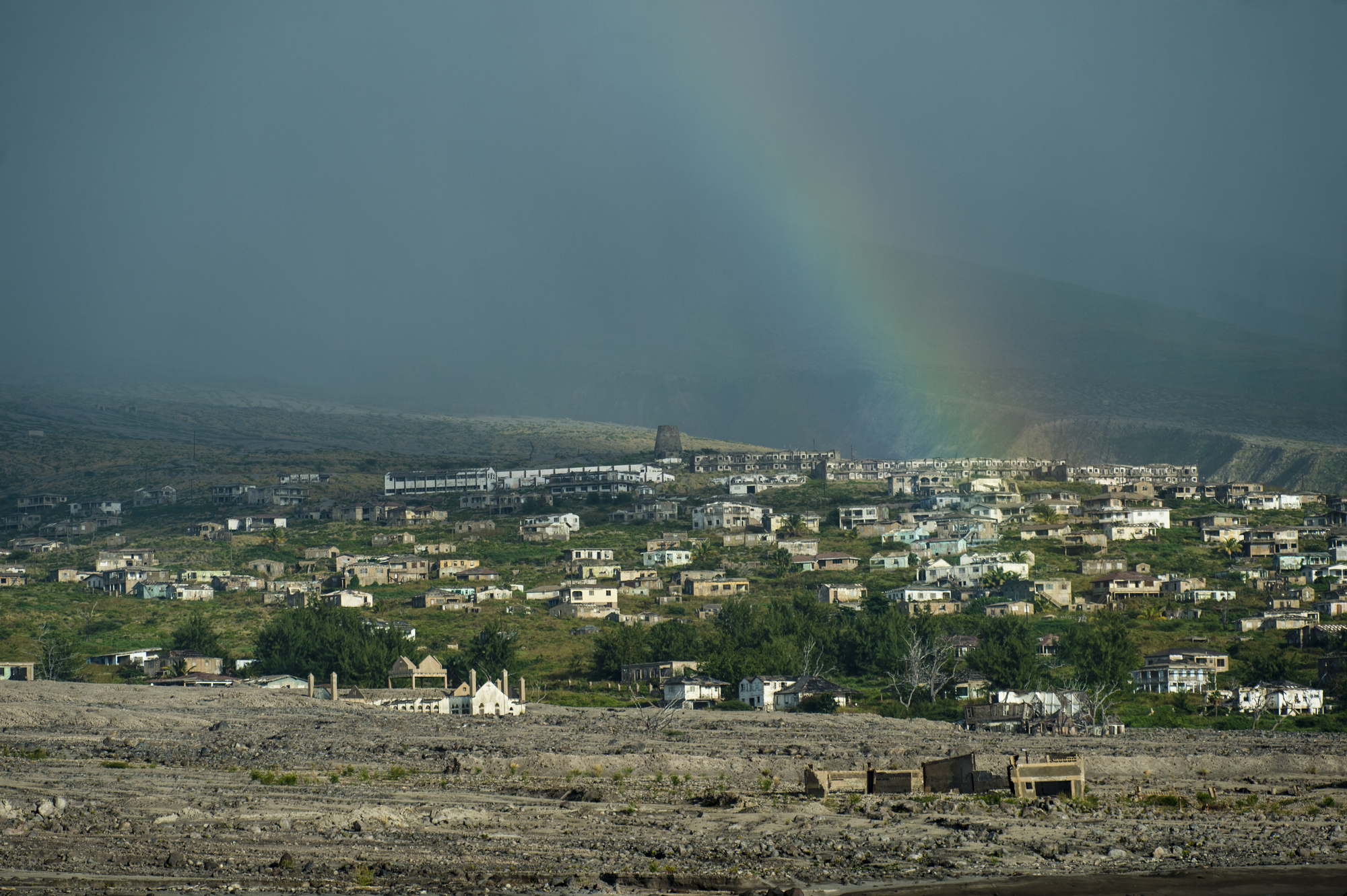
The Soufrière Hills volcano started erupting in 1995 and buried most of this Caribbean capital city under ash and pyroclastic flows. The entire southern half of the island became an exclusion zone, and Plymouth sits as a modern Pompeii.
Buildings poke out of ash drifts that reach second-story windows in some areas. The airport, port, and government buildings all lie buried and abandoned.
Eruptions continue periodically, adding more layers to the destruction. Residents relocated to the northern part of the island, but the capital remains lost under volcanic debris with no plans to excavate or rebuild.
Where Ghosts Live On
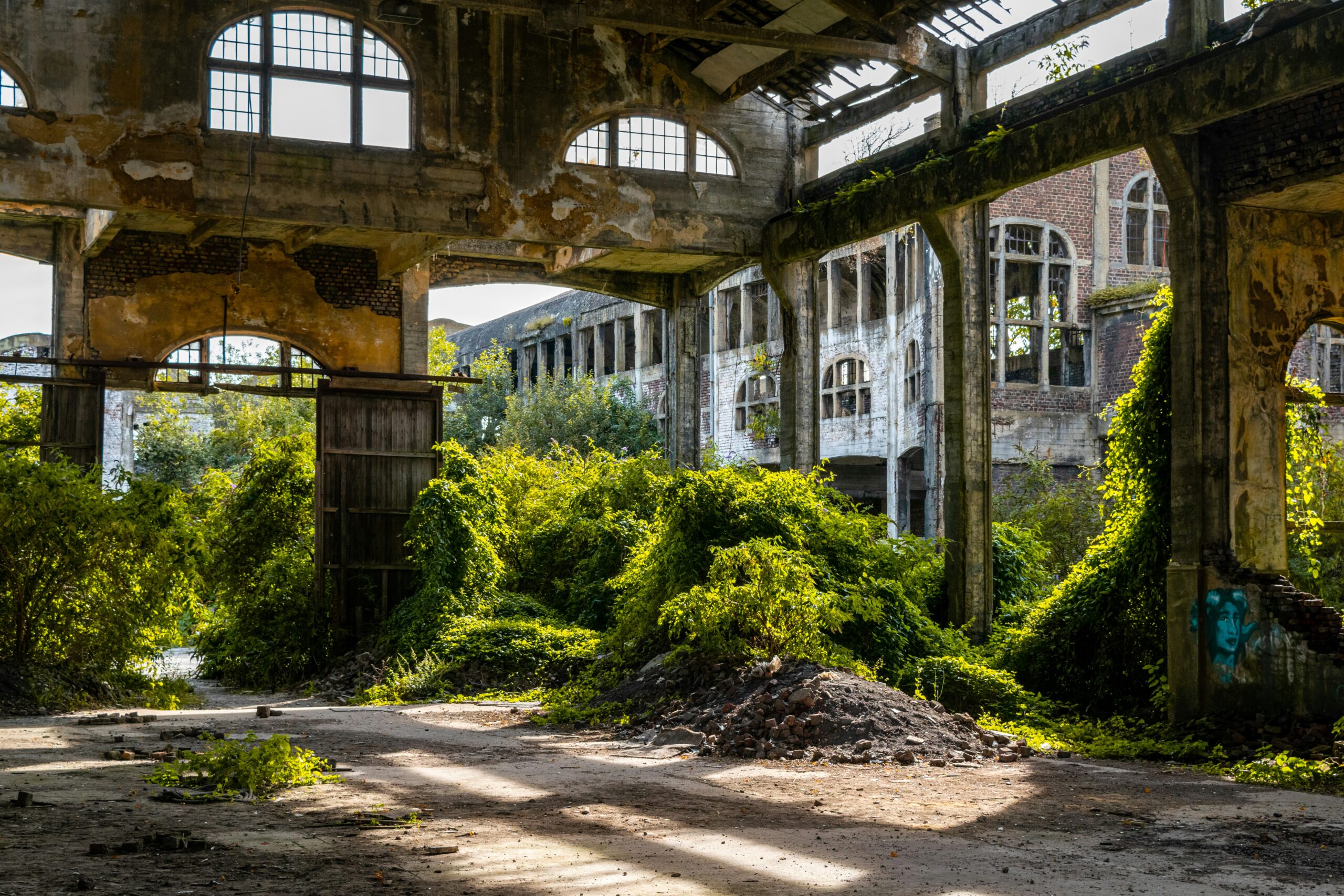
These abandoned places remind everyone that nothing lasts forever, no matter how permanent it seemed when people lived there. The buildings decay, nature moves back in, and the stories get stranger with each passing year.
What makes these locations truly eerie isn’t just their emptiness but the sudden way they were left behind.
More from Go2Tutors!

- The Romanov Crown Jewels and Their Tragic Fate
- 13 Historical Mysteries That Science Still Can’t Solve
- Famous Hoaxes That Fooled the World for Years
- 15 Child Stars with Tragic Adult Lives
- 16 Famous Jewelry Pieces in History
Like Go2Tutors’s content? Follow us on MSN.