Weirdest Archaeological Discoveries
Archaeology often feels like a long walk through time, and every so often something truly unexpected pops up from the dirt. Some finds seem so strange that they almost feel like a prank from the past, yet they are real pieces of history that help explain how people lived, worked, and solved problems.
Before diving in, it helps to get into a curious mindset. These discoveries may look odd at first, but they each show how creative and unpredictable human history can be.
The Antikythera mechanism
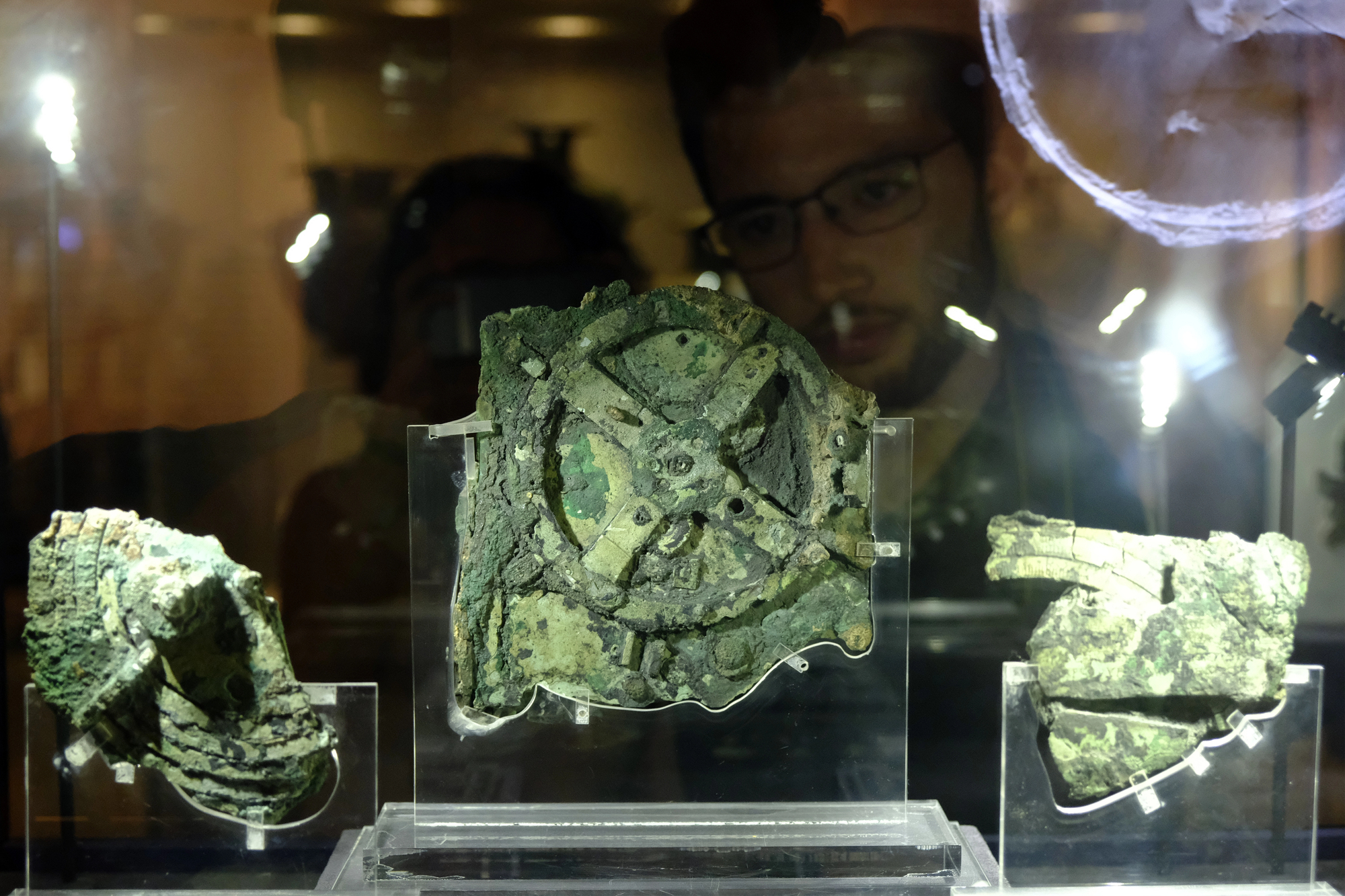
This ancient Greek device works like a small computer made of gears. It tracked the movement of the sun and moon with impressive accuracy for its age, showing that early inventors understood far more math than people often assume.
Its tiny metal parts feel similar to what you might find inside a modern clock.
The Shigir Idol
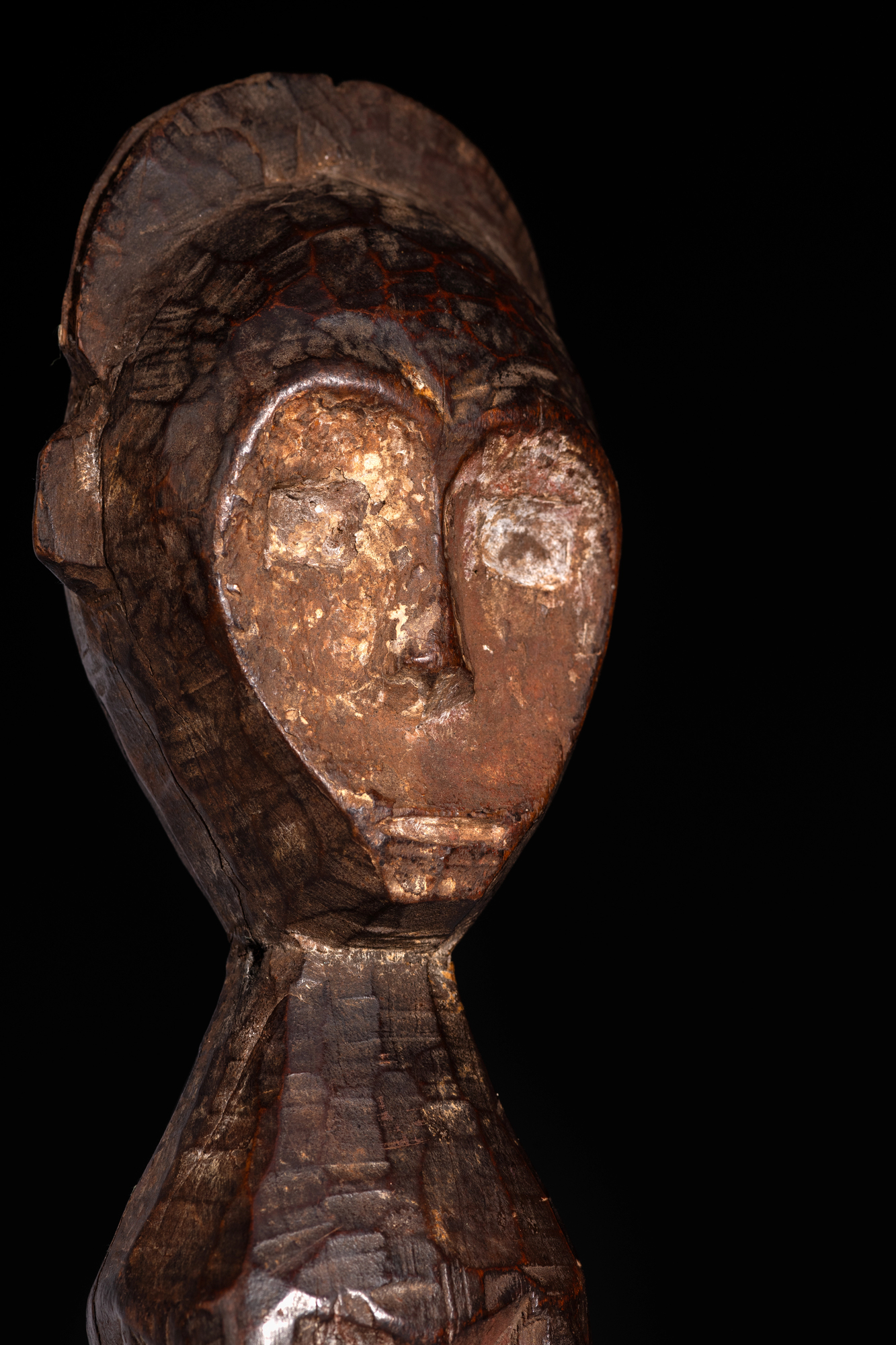
This wooden statue from Russia towers over most people, even after thousands of years buried in peat. Its carved zigzag lines look simple at first, yet their purpose still puzzles experts.
The age alone makes it shocking, since it is older than the Egyptian pyramids.
The Voynich manuscript
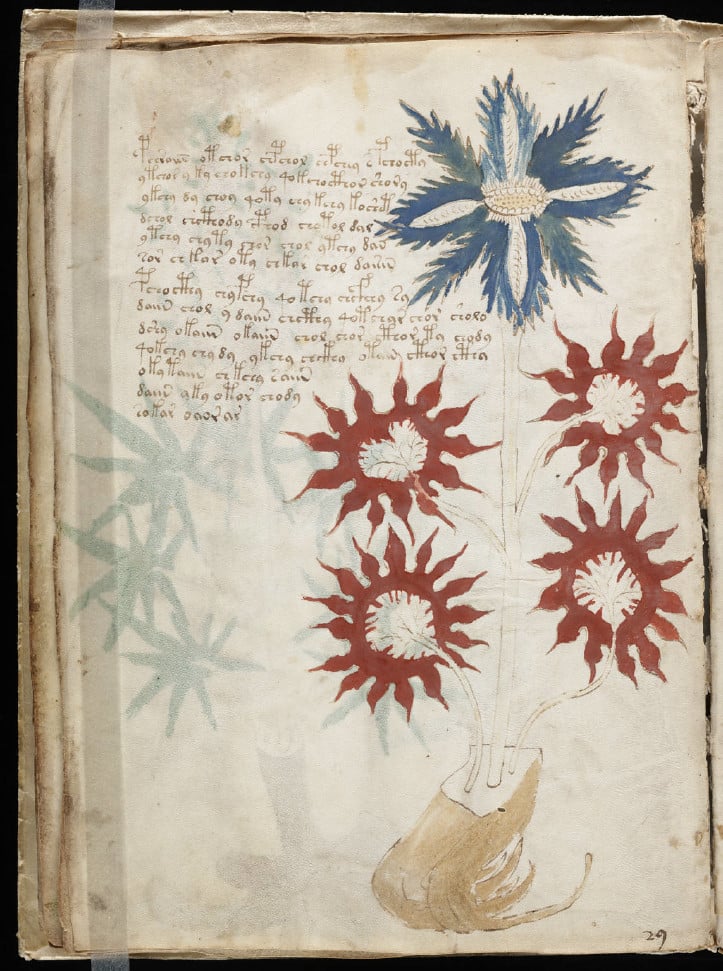
This book carries its own world of odd drawings and unknown writing. Each page feels like an attempt at a field guide for plants that never existed.
Even modern codebreakers cannot agree on what any of it means, giving it a quiet charm rooted in mystery.
The Baghdad artifact
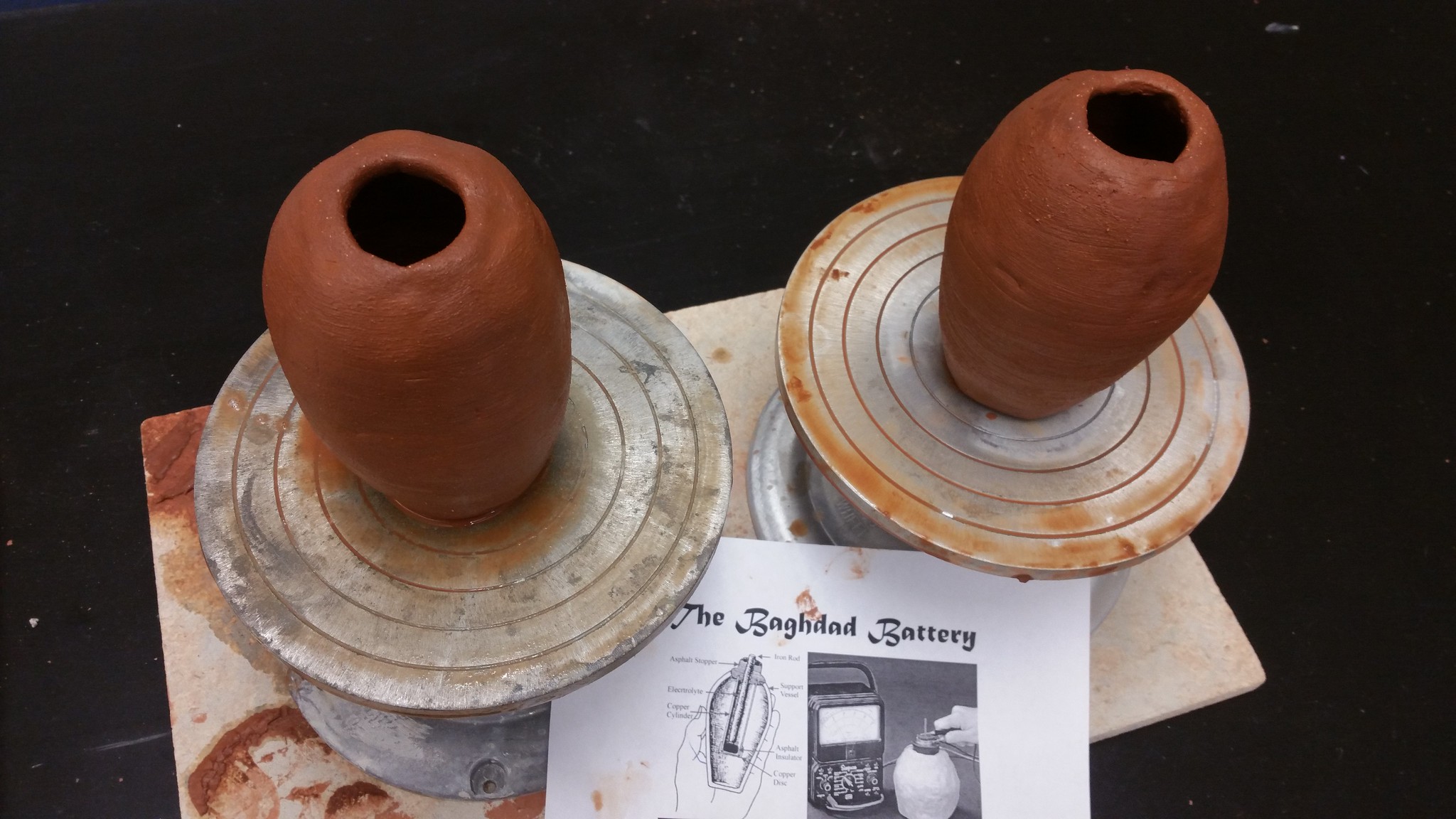
This small clay jar with metal pieces inside sparked talk about ancient experiments with electricity. While no one can say it powered anything important, it shows that early cultures played around with ideas that seem ahead of their time.
It also reminds us that invention has never followed a straight path.
The elongated skulls of Peru
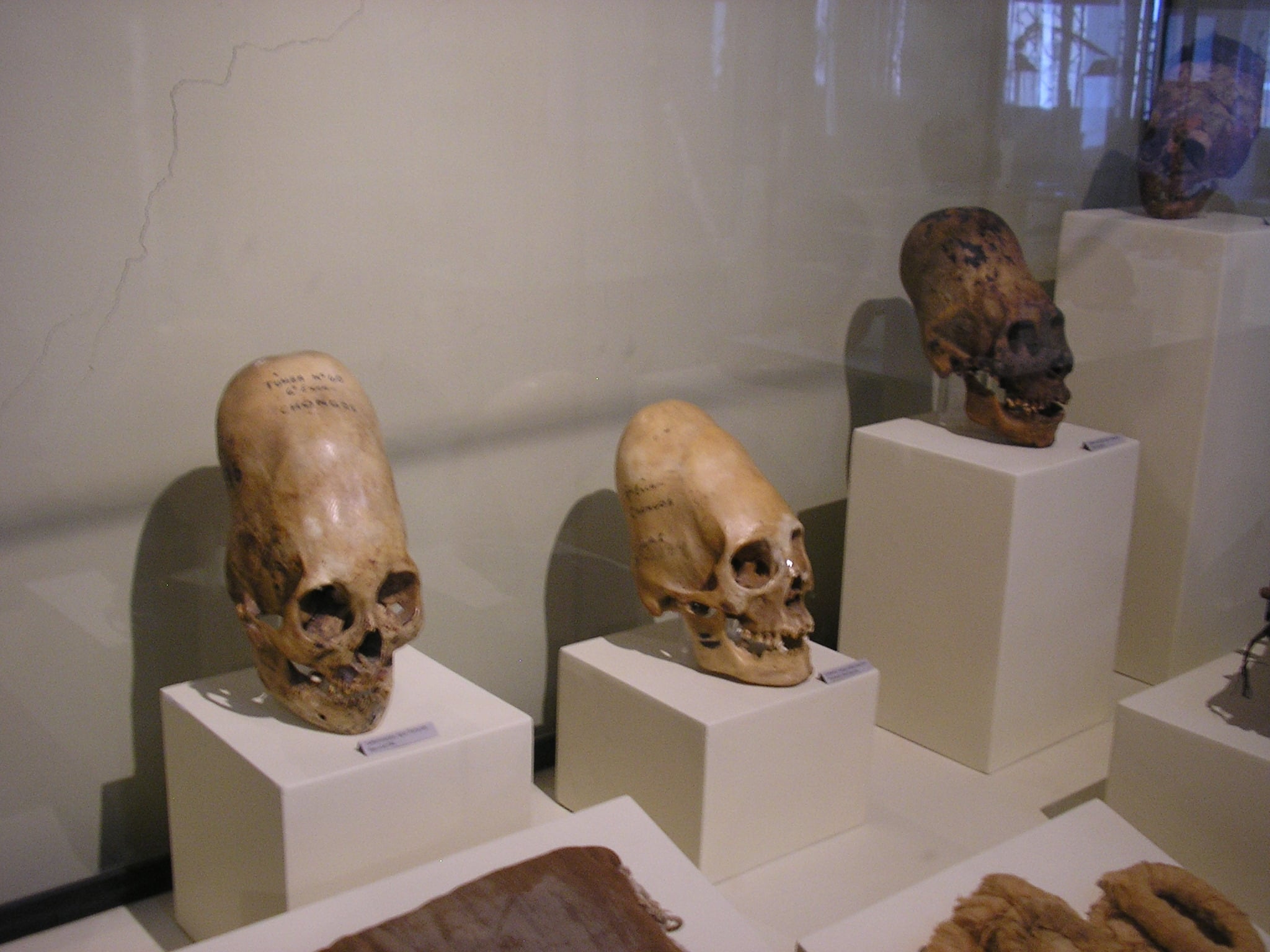
Some ancient communities shaped the heads of infants with cloth wraps to create long, sloping skulls. The result looks strange to modern eyes yet serves as a sign of beauty or status.
It reveals how far people went to fit into local traditions.
Göbekli Tepe carvings
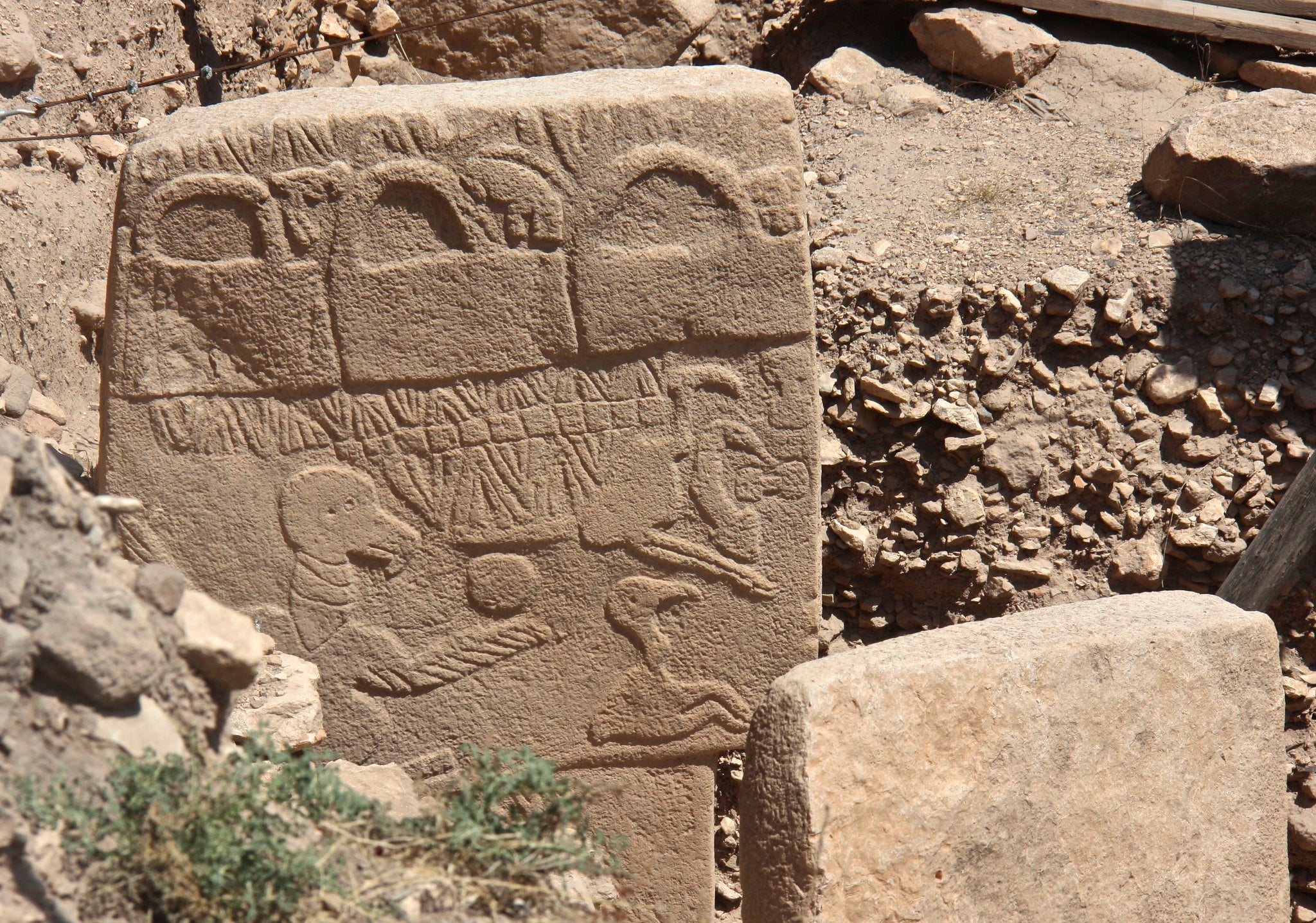
These huge stone circles in Turkey hold carved animals and symbols arranged with surprising care. The size of the stones alone shows incredible teamwork among early farmers and hunters.
It turns the idea of early settlements on its head, since it is older than many farming tools.
The London hammer
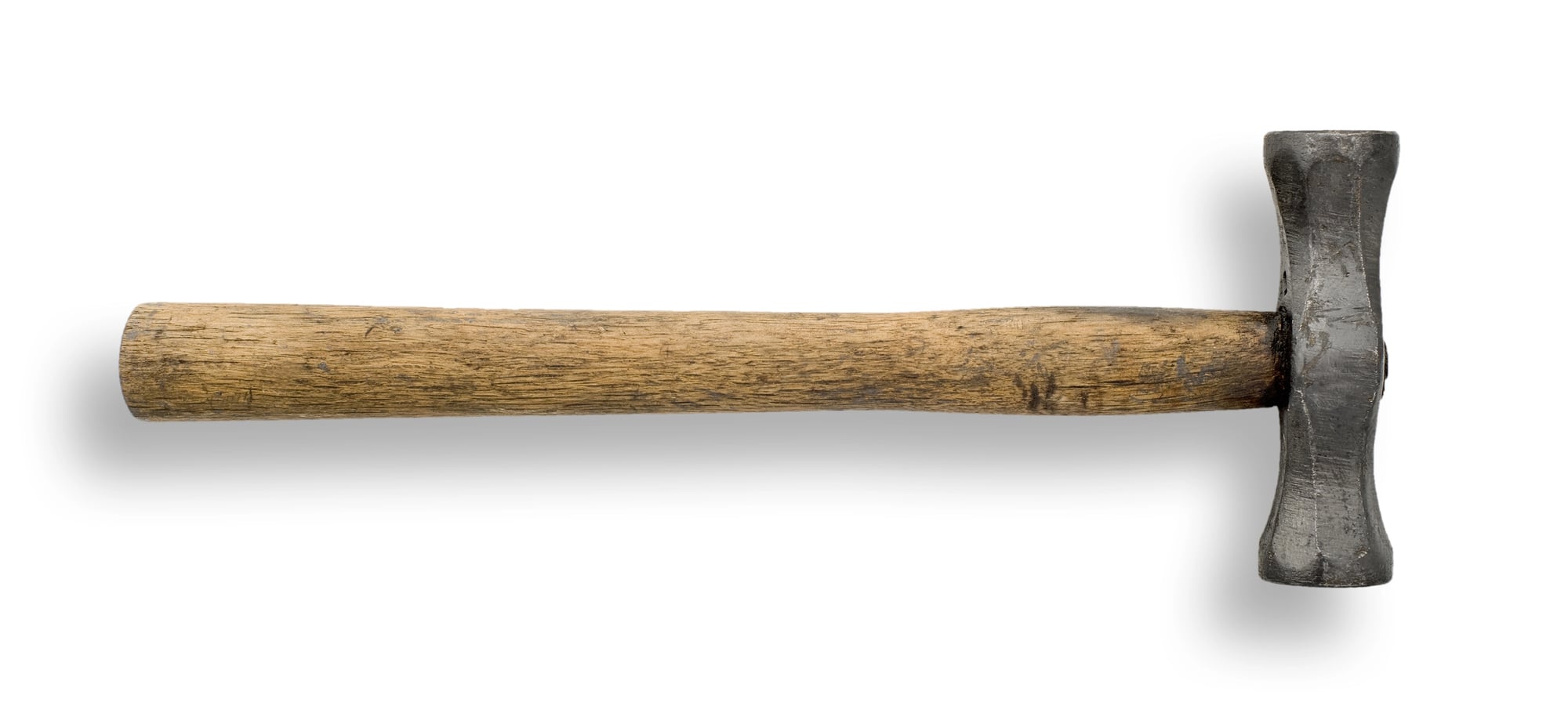
This simple hammer became famous because it was found trapped inside rock that formed long after the tool was made. It caused debate, of course, but the most accepted idea is that minerals built up around it over time.
Even so, its sealed appearance makes it memorable.
The Costa Rica spheres
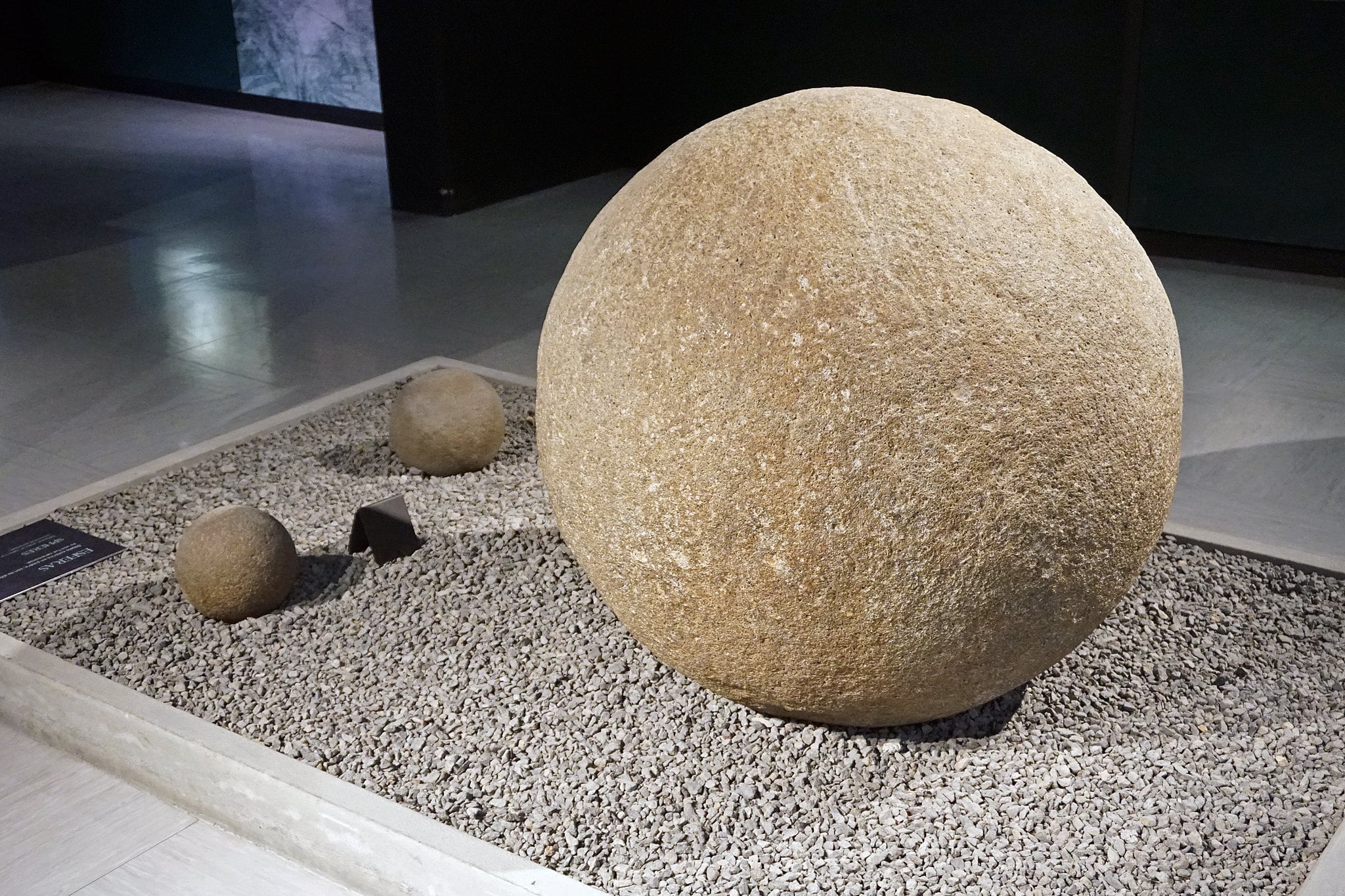
Across Costa Rica sit hundreds of smooth stone spheres, some the size of a small car. Their perfect shapes look almost too neat for hand tools, yet the makers carved them with steady patience.
They likely marked important paths or social areas.
The Piri Reis map
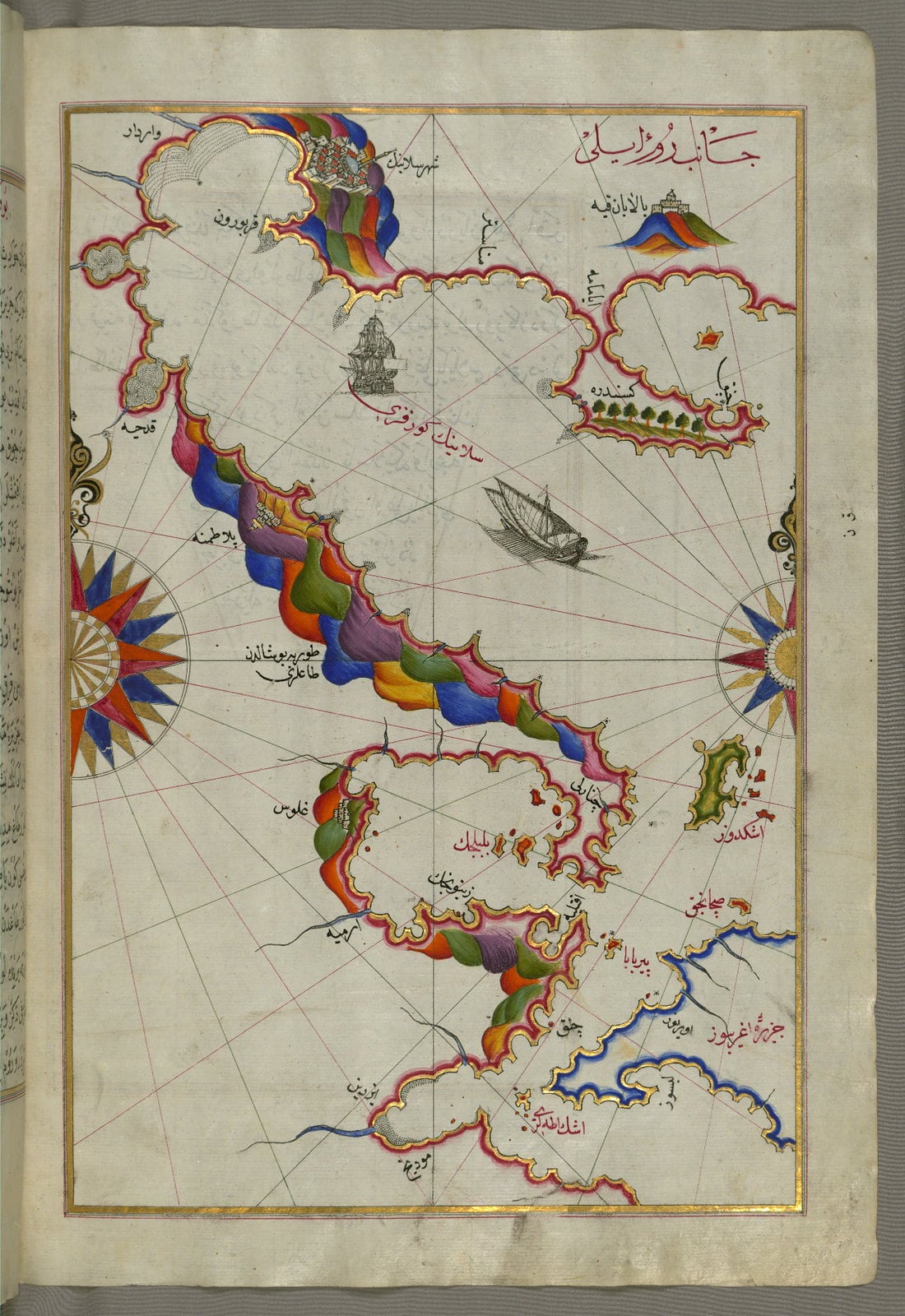
This early 1500s map shows parts of the world in ways that feel surprisingly accurate for its era. It mixes sailor stories, older charts, and sharp observation.
The clean lines along faraway coastlines still spark long discussions among history fans.
The Sutton Hoo helmet
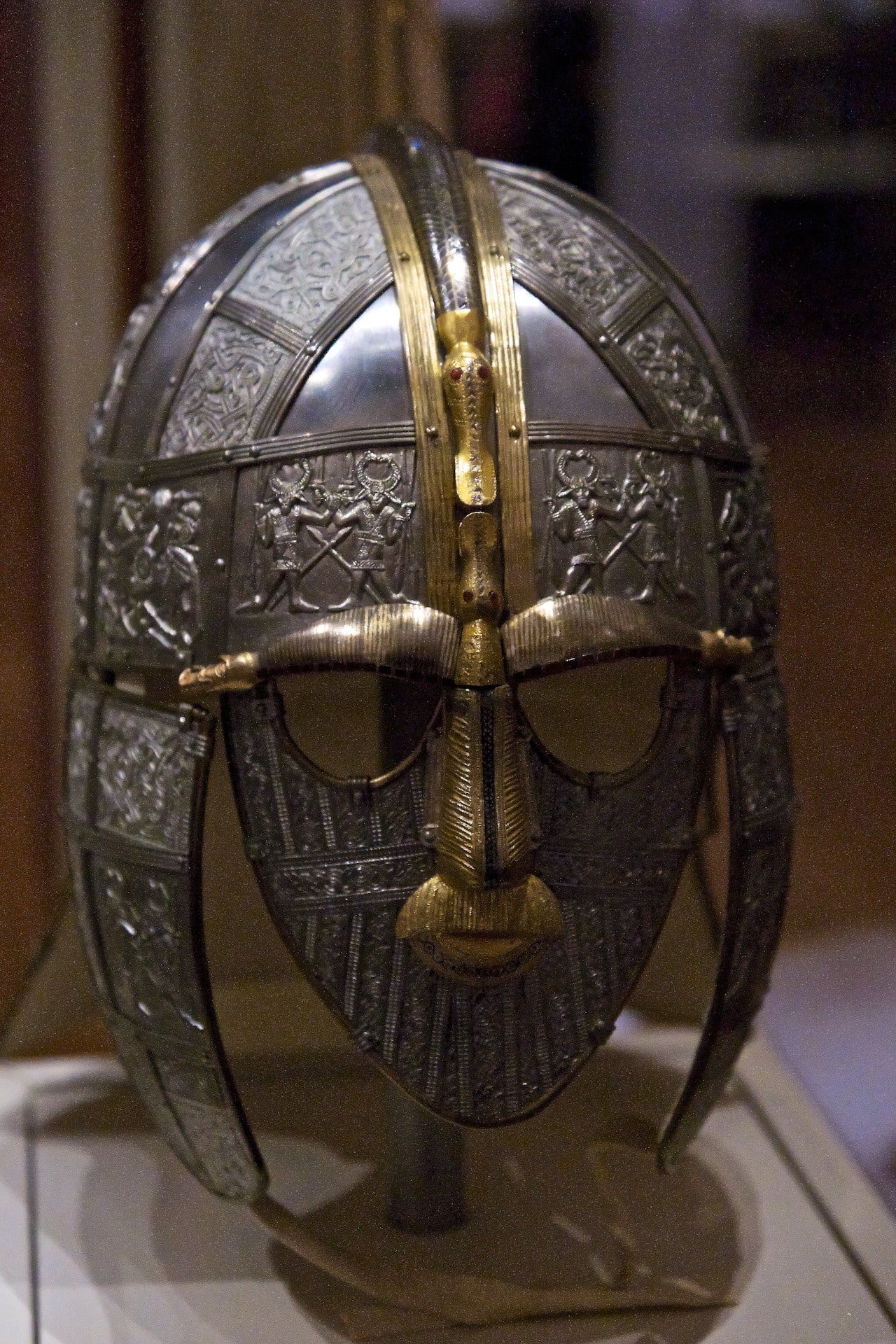
This English helmet looks like something from a legend, with its metal faceplate shaped like a calm warrior. When dug up, it showed that early kingdoms held skilled metalworkers and a taste for bold design.
Its detailed patterns help paint a clearer picture of life during that time.
The Tarim mummies
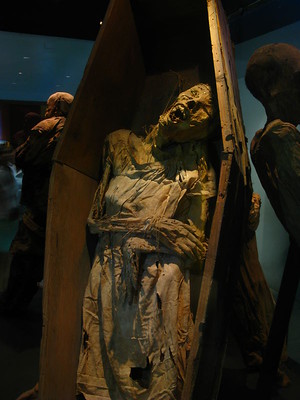
These ancient people found in China have striking clothing and well-preserved features. Their woven hats and bright fabrics hint at long travel routes across deserts.
They offer proof that cultures mixed and shared ideas even across harsh landscapes.
The Roman dodecahedron
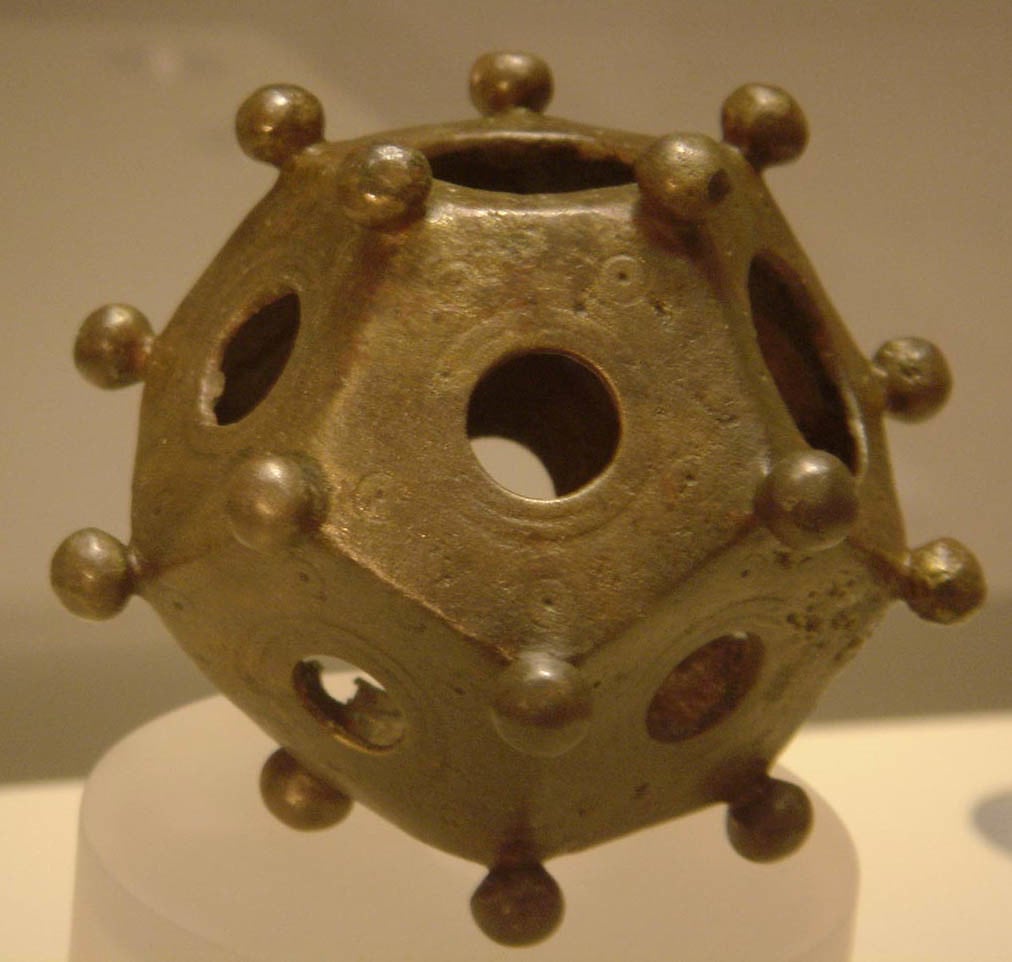
These small metal objects have twelve sides and round openings. No one fully agrees on their use, though guesses range from knitting helpers to simple measuring tools.
Their odd shape keeps them firmly in the spotlight.
The Atacama geoglyphs
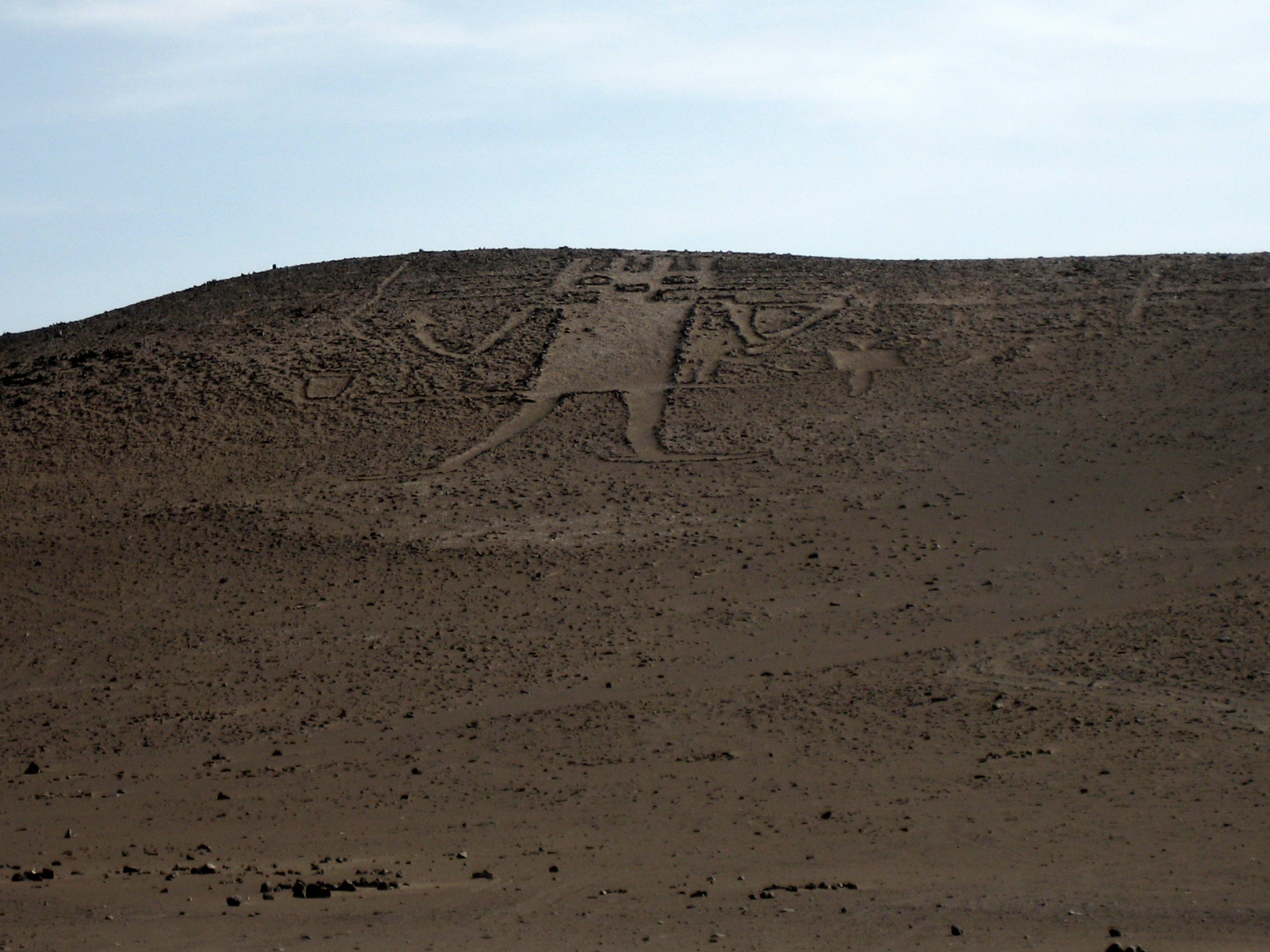
Large shapes stretch across this dry desert in Chile, visible only from high hills or the sky. People created them with simple lines in the soil, yet the images cover long distances.
They likely guided travelers or honored local beliefs.
The Yonaguni structure

Off the coast of Japan sits a set of underwater terraces that look carved. Some parts resemble steps wide enough for a parade.
Whether shaped by nature or human effort, the sight pulls divers back again and again.
The Clonycavan figure
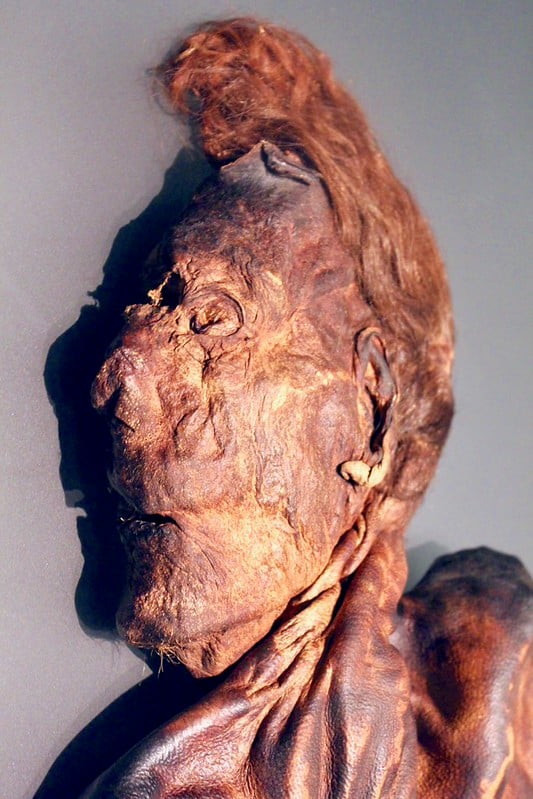
This small, preserved body from Ireland shows an early hairstyle held up by sticky plant resin. The hair sits several inches above the scalp, giving a look that would turn heads even today.
It hints at how far people went to stand out at special events.
The crystal skulls
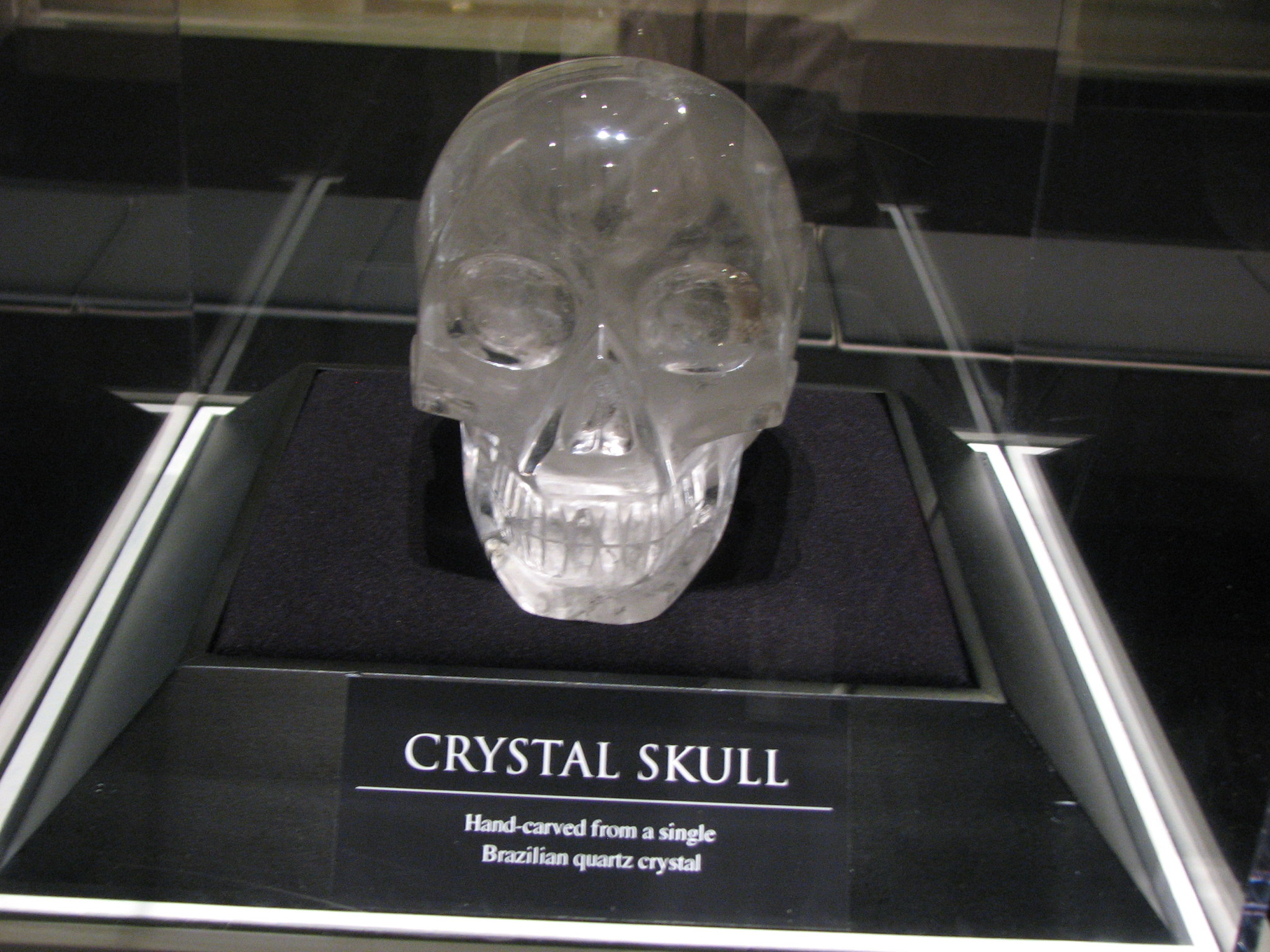
These clear quartz carvings appeared in several collections during the 1800s. Their smooth finish led many people to imagine ancient origins, though most evidence points to more recent craftsmanship.
Even so, the level of work involved keeps them interesting.
The Uffington horse
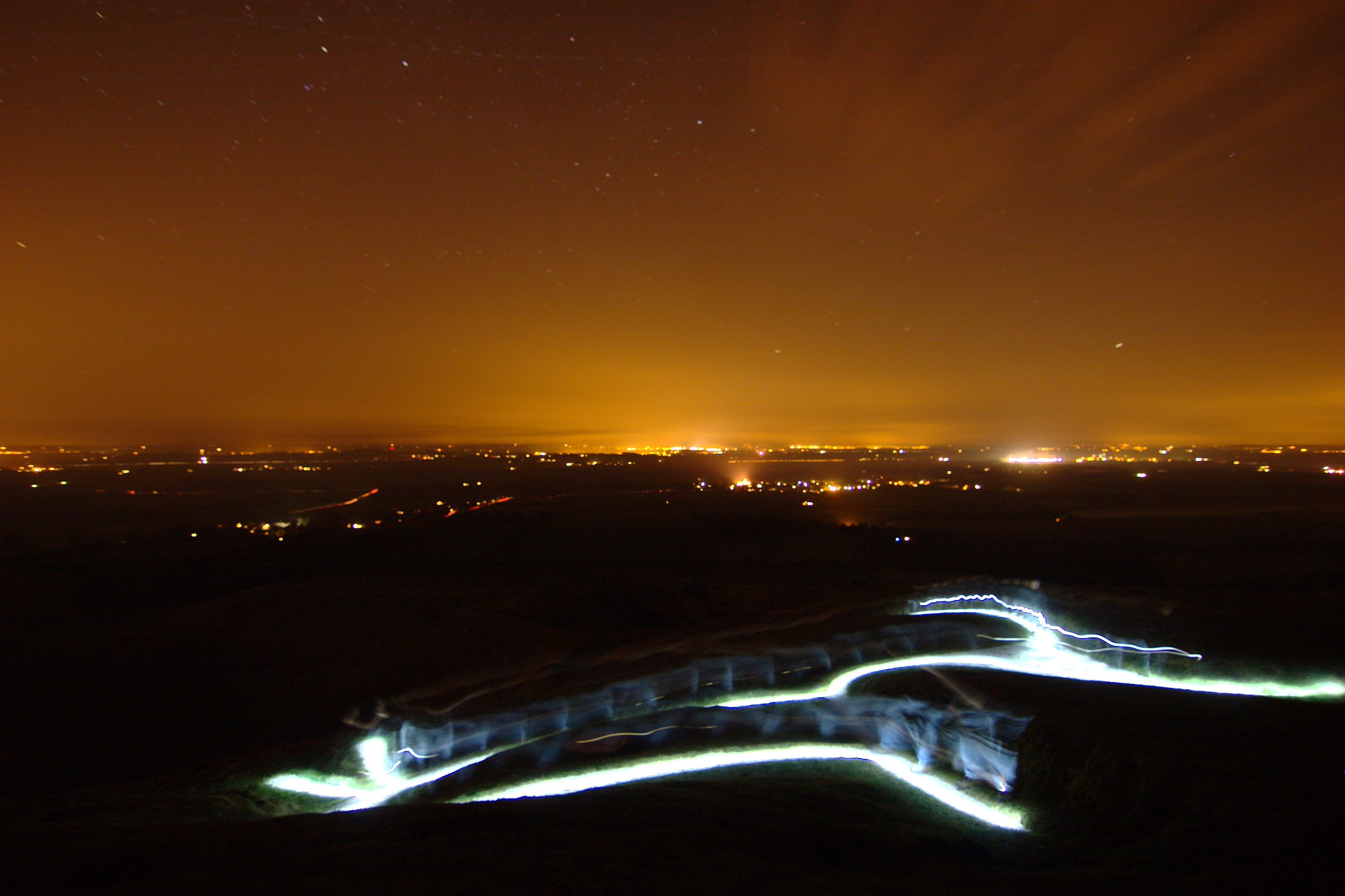
Carved into a hillside in England, this chalk figure stretches nearly 360 feet long. Its simple lines give it a lively shape, as if it is racing across the slope.
Generations kept it clean so the white outline would shine against the grass.
Past oddities that still shape curiosity today

These discoveries remind people that history rarely follows a neat plan. Each strange object or carving shows how curious and inventive early communities could be.
They also highlight how many ideas have been tried, forgotten, or rediscovered across time. Even now, new finds continue to reshape old assumptions. The past stays alive because it still surprises anyone willing to look closely.
More from Go2Tutors!

- The Romanov Crown Jewels and Their Tragic Fate
- 13 Historical Mysteries That Science Still Can’t Solve
- Famous Hoaxes That Fooled the World for Years
- 15 Child Stars with Tragic Adult Lives
- 16 Famous Jewelry Pieces in History
Like Go2Tutors’s content? Follow us on MSN.