Bizarre Conditions in Famous People’s Wills
Some well-known figures left behind instructions that still raise eyebrows. Their last wishes often reveal private fears, strong values, and a few surprising quirks that make people pause.
Now that the stage is set, it’s a good time to look at the odd requests they left behind. The list is long, and each one shows a different side of human nature.
Napoleon Bonaparte
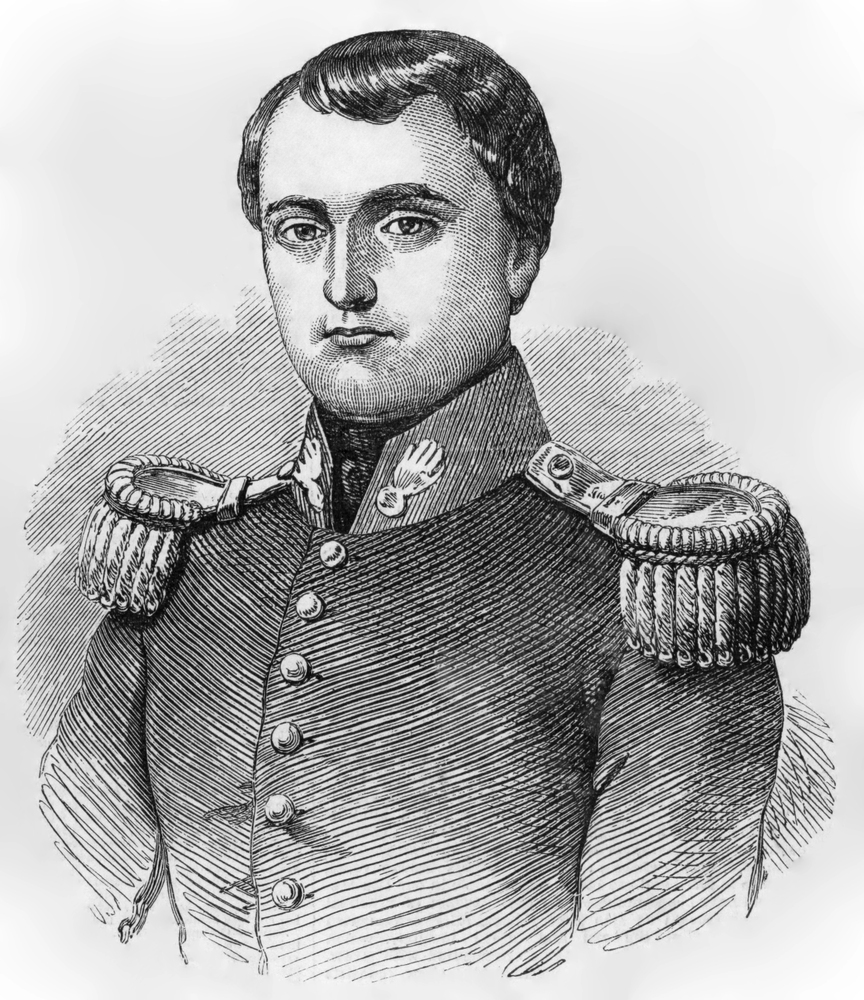
Napoleon asked for his hair to be cut and shared among people close to him. The gesture felt personal, almost like handing out souvenirs of a life spent chasing power across Europe.
His request adds a small, human note to a very dramatic legacy.
Benjamin Franklin
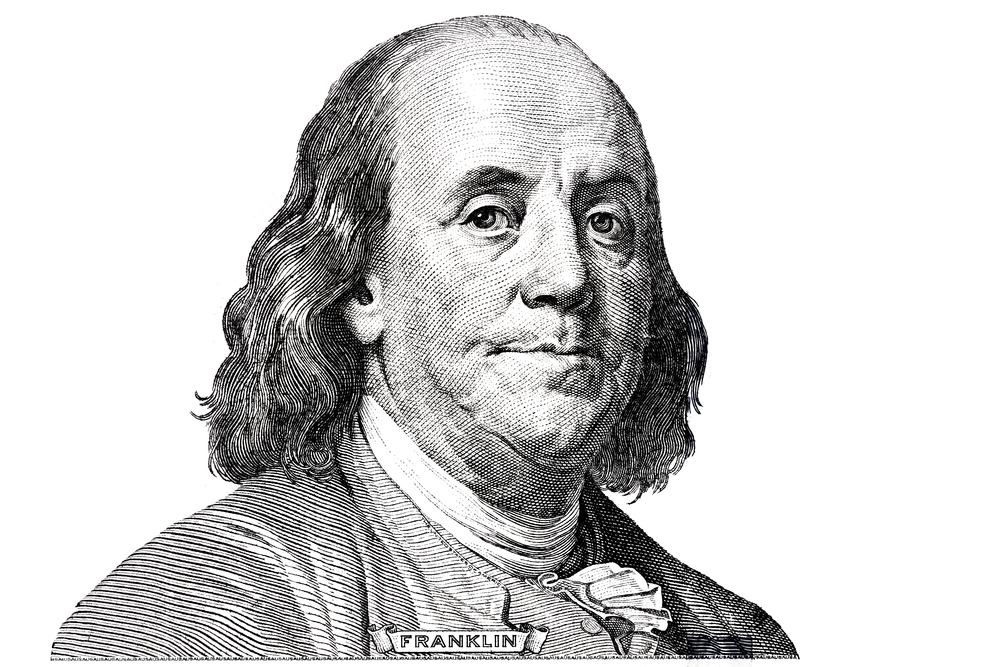
Franklin left money to two cities with a catch. The funds had to sit and grow for 100 years before they could be touched, which ended up turning the bequest into a long-term experiment in patience.
The plan showed how deeply he believed in future progress, even long after he was gone.
Leona Helmsley

Helmsley set aside a large sum for her dog, making the pet one of the richest in the country overnight. Many people were stunned, but it also showed how strongly she valued loyalty from the animals in her life.
The public reaction turned the entire story into a strange mix of confusion and amusement.
George Bernard Shaw
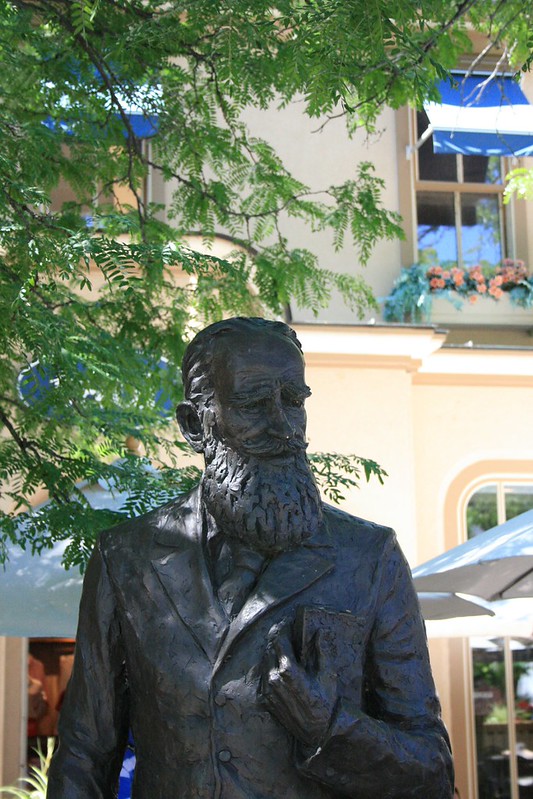
Shaw wanted his wealth used to reform the English alphabet. He believed the language needed a simpler system, and he hoped his money would push the effort forward.
The request was bold, though it never reshaped the alphabet in the way he imagined.
Harry Houdini
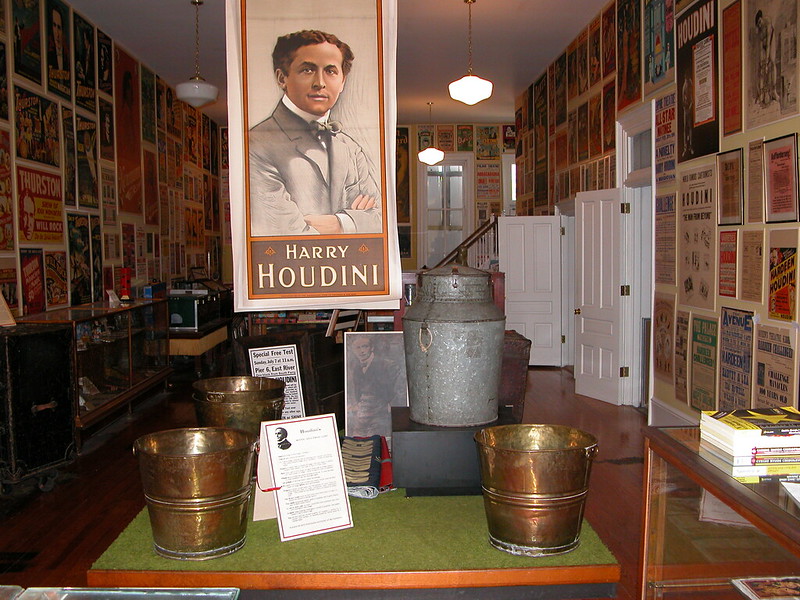
Houdini left instructions for his wife to hold a yearly gathering so he could try to send a message from beyond. The idea came from his long interest in exploring the unknown with a careful, practical mindset.
The meetings went on for years but never delivered the signal he hoped to send.
Jack Benny
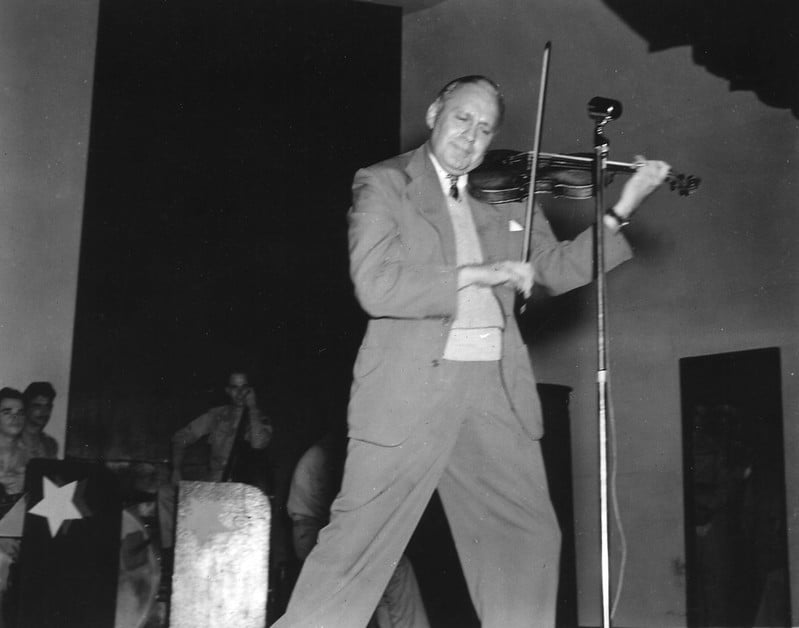
Benny arranged for a single red rose to be delivered to his wife every day for the rest of her life. The simple gesture created a steady reminder of affection that outlived him by many years.
It turned his passing into an ongoing expression of love that friends often admired.
Charles Dickens
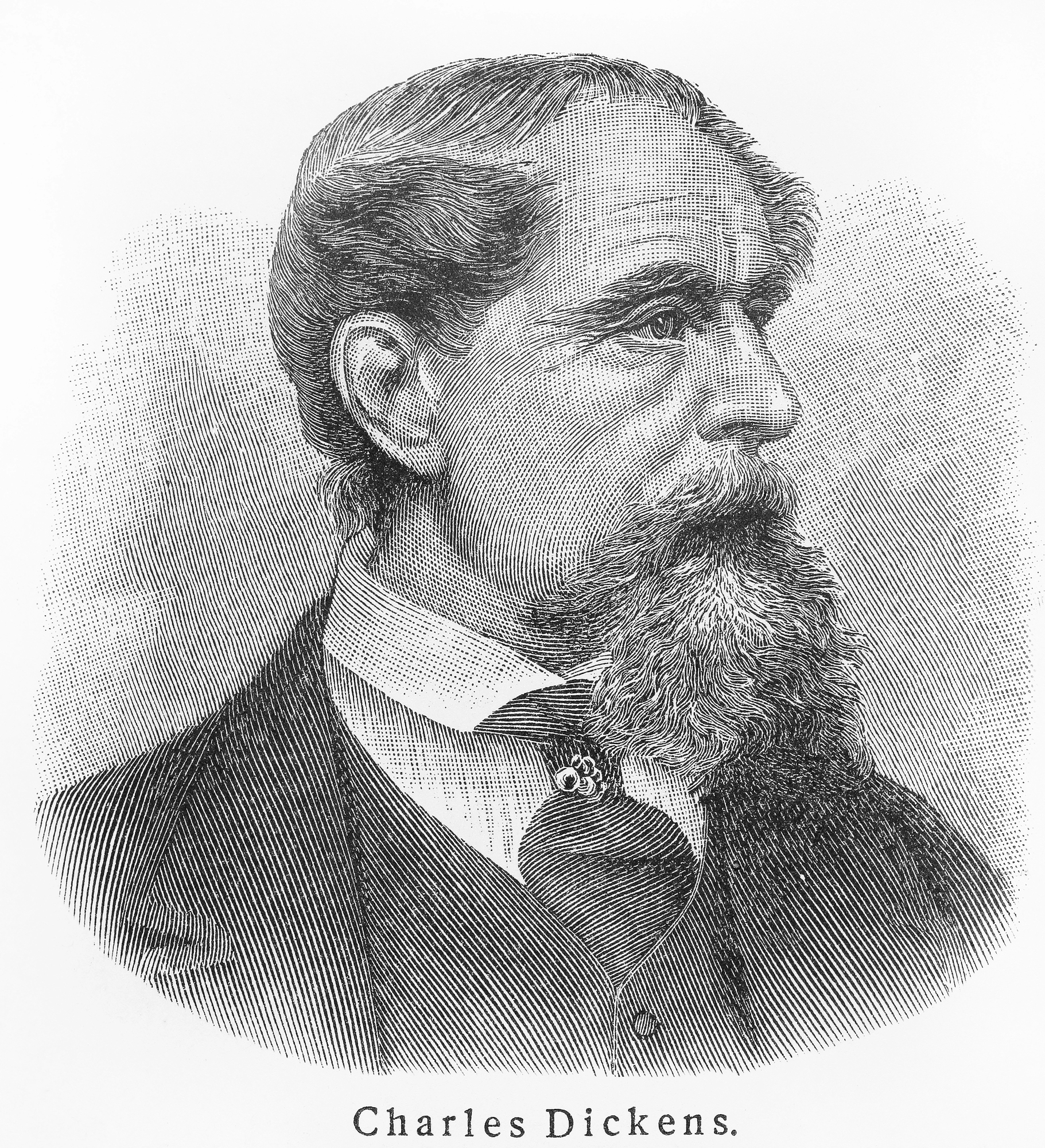
Dickens requested that his funeral stay small and quiet. It was a surprising choice for someone whose books reached so many people across the world.
His wish reflected a desire to keep the final moment personal rather than public.
Mark Twain
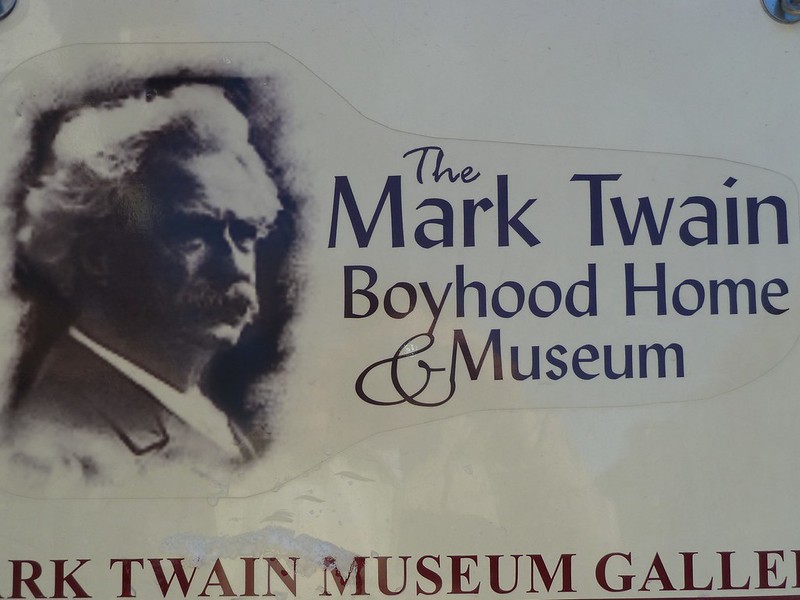
Twain asked that a particular manuscript be kept private for 100 years before anyone could read it. He liked the idea that time would change how people understood his words.
The delay turned the eventual release into a major event for readers and scholars.
Fred Baur

Baur, the inventor of the Pringles can, asked for part of his remains to be placed inside one of his own containers. His family honored the request and picked a flavor he enjoyed.
The choice added a touch of dry humor that matched his inventive spirit.
Gene Roddenberry
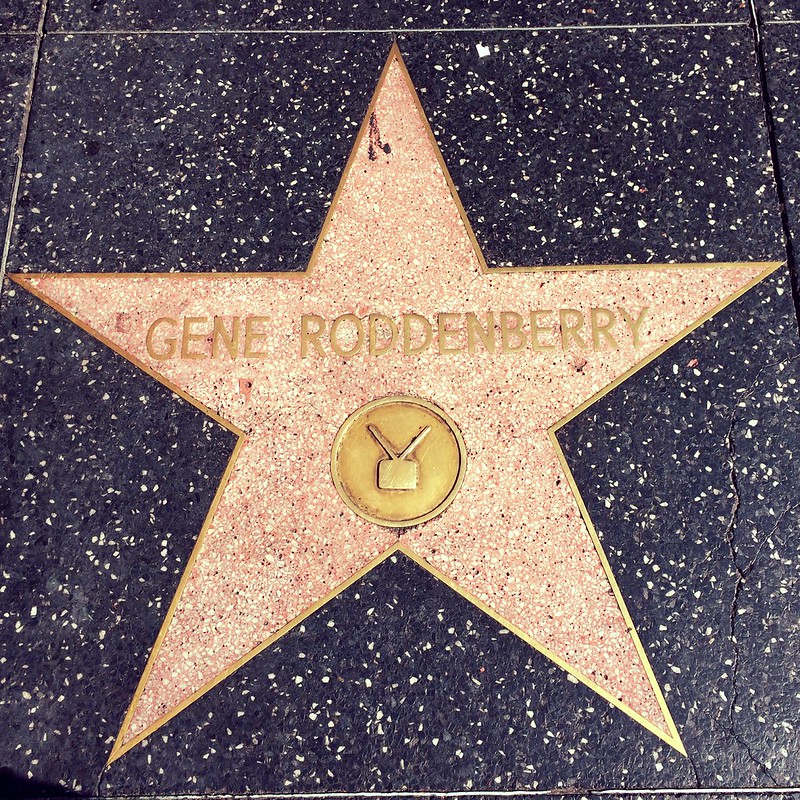
Roddenberry wanted some of his remains sent into space. The idea fit perfectly with the world he helped create on screen and echoed his belief in exploration.
The launch turned his final wish into a fitting tribute to his imagination.
Dusty Springfield
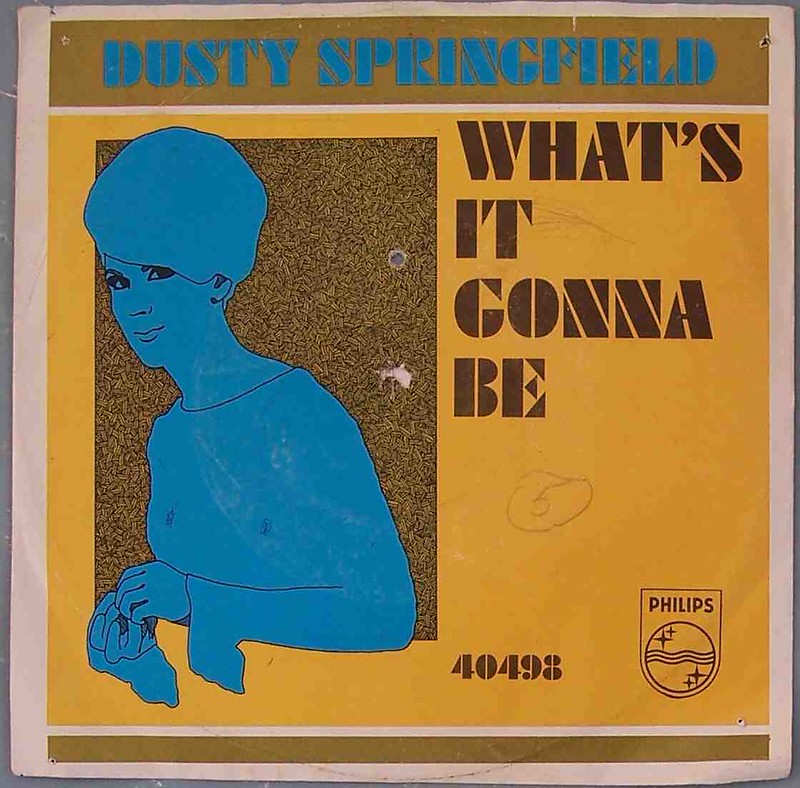
Springfield laid out a long list of instructions for her cat, including a diet of special foods and even serenades of her favorite songs. The level of detail showed how strongly she cared for the small companion in her life.
It also revealed her playful side, even in serious paperwork.
Philip Seymour Hoffman

Hoffman asked that his son avoid growing up in Hollywood. He preferred that the child experience a more grounded environment, away from the pressure that fame can bring.
The request underlined his wish for a simple, steady path for his family.
John Bowman

Bowman believed his family would return one day, so he set aside funds to keep dinner prepared every evening. The practice went on for decades, long after the house stood empty.
It became a local tale that mixed hope with a quiet sense of longing.
Wellington Burt

Burt delayed the distribution of his wealth until 21 years after the death of his last grandchild. The delay stretched the wait for almost a century.
When the funds were finally released, the beneficiaries were generations removed from the man who made the fortune.
Janis Joplin

Joplin arranged for a large celebration to take place after her passing. She wanted friends to gather with music and simple food, creating a warm send-off rather than a heavy one.
The gathering captured her free-spirited approach to life, even in the final details.
Heinrich Heine

Heine left his estate to his wife, but only if she remarried. He joked that he wanted at least one man to suffer after his passing, a comment that showed his sharp sense of humor.
The condition became one of the most quoted parts of his will.
William Randolph Hearst

Hearst included a strict rule banning certain people from attending his funeral. The list created plenty of talk, partly because he did not explain the reasons behind it.
The instruction added another layer to his already complicated public image.
How these last wishes echo today

These unusual conditions still spark curiosity because they show how personal values can surface in unexpected ways. Each request captures a moment when someone tried to shape the future with a simple instruction or a playful twist.
The echoes of these choices continue in conversations, articles, and quiet reflections.
More from Go2Tutors!

- The Romanov Crown Jewels and Their Tragic Fate
- 13 Historical Mysteries That Science Still Can’t Solve
- Famous Hoaxes That Fooled the World for Years
- 15 Child Stars with Tragic Adult Lives
- 16 Famous Jewelry Pieces in History
Like Go2Tutors’s content? Follow us on MSN.