Essential Vintage Video Games for Beginners
Getting into vintage gaming can feel overwhelming when you’re staring at decades worth of pixelated classics. The good news is that not every retro game requires the reflexes of a caffeinated teenager or the patience of a monk.
Some genuinely welcome newcomers with open arms, teaching you the ropes without punishing every misstep. Here is a list of essential vintage video games that make perfect starting points for beginners.
Super Mario Bros.
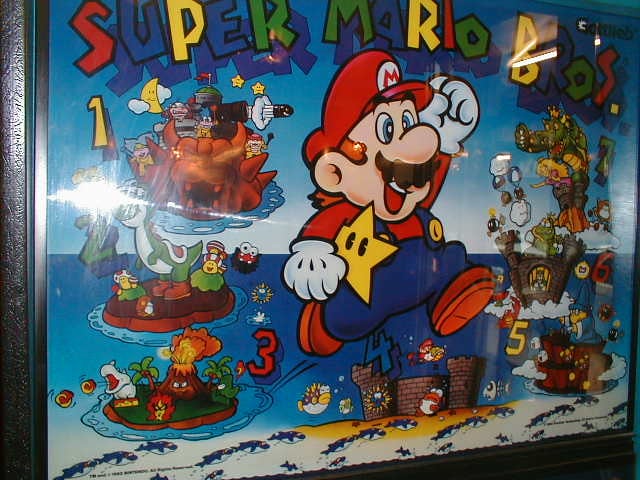
Super Mario Bros. features simple controls and bright, colorful graphics that make it beginner-friendly. You’re just running, jumping, and occasionally shooting fireballs—that’s it.
The beauty lies in how the first level quietly teaches you everything you need to know without a single tutorial prompt. If you know where the warp pipes are located early on, you can beat the entire game after playing only a handful of stages.
The game kicks you back to World 1-1 when you run out of lives, which sounds harsh but actually helps you master the fundamentals through repetition.
Kirby’s Adventure
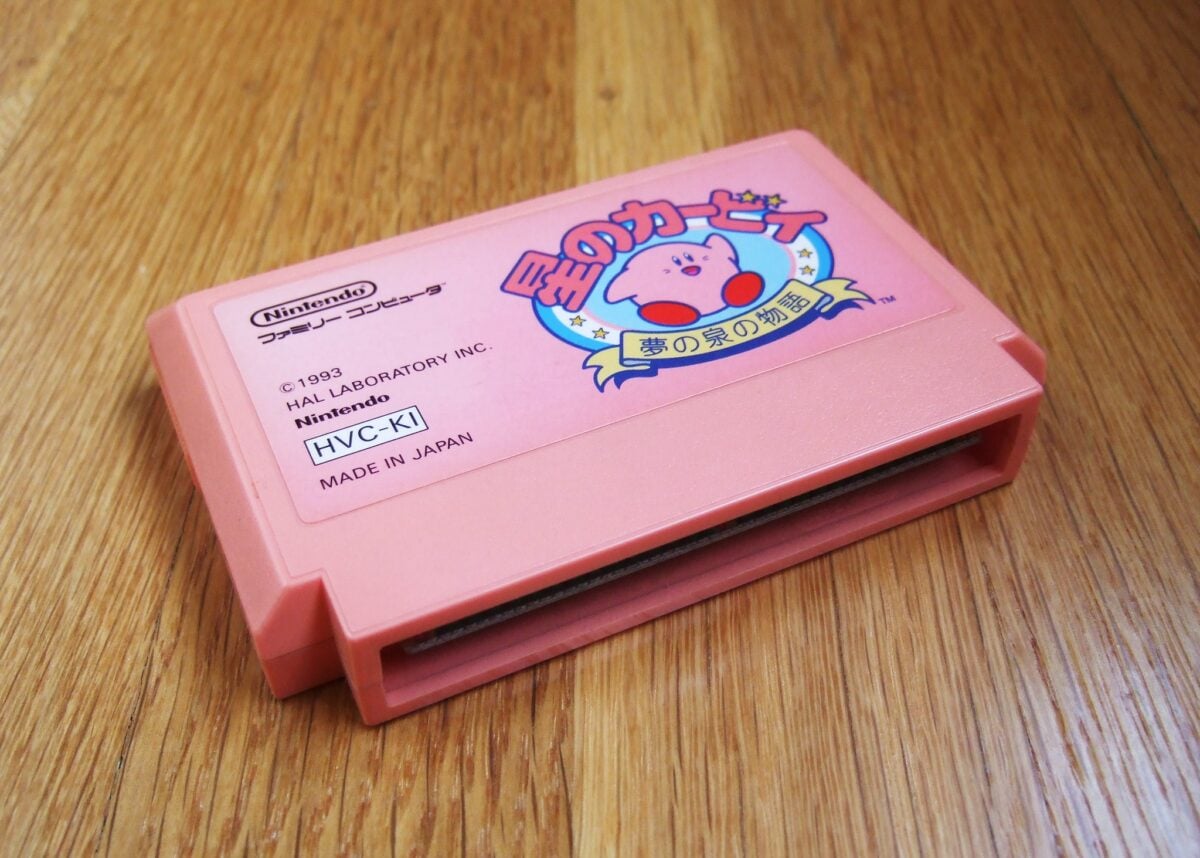
Kirby’s Adventure had groundbreaking technology for NES games—the ability to save your progress. This feature alone makes it far more accessible than most games from its era.
You don’t need to clear the entire adventure in one sitting or scribble down password codes on sticky notes. There aren’t too many enemies or bosses you’ll struggle with in this game.
Kirby’s copy abilities let you experiment with different playstyles, and if one approach isn’t working, you can simply inhale a different enemy and try something new.
Tetris

The puzzle game that conquered the world works on a brilliantly simple premise—make lines disappear by arranging falling blocks. Tetris is only as hard as the goals you set for yourself.
Want to casually clear a few lines while your coffee brews? Go for it. Feel like chasing a personal high score? The game accommodates that too.
There’s no story to follow, no complex button combinations to memorize, and no way to really ‘lose’ in the traditional sense. You just keep playing until the blocks stack too high, then you start fresh with all the knowledge from your previous attempt.
DuckTales

DuckTales for NES is one of the most popular and successful licensed video games of all time. Scrooge McDuck’s pogo-stick cane makes platforming feel different from the standard run-and-jump formula.
DuckTales has a fantastic soundtrack and isn’t too difficult. The levels let you explore at your own pace rather than forcing you through strict gauntlets of enemies.
You can even tackle most stages in whatever order you prefer, which gives you flexibility if one area proves trickier than expected.
Pac-Man

Sometimes the best games are the ones you can explain in a single sentence. In Pac-Man, you navigate mazes, eat dots, avoid ghosts, and occasionally turn the tables by munching power pellets.
Pong recreated table tennis for arcades and sold nearly 20,000 machines, but Pac-Man developed true mass appeal. The maze layout stays consistent, so you’ll naturally learn the patterns and develop strategies.
Each ghost has distinct behavior patterns—once you understand how Blinky, Pinky, Inky, and Clyde move, you’re halfway to mastering the game.
Super Mario World

Super Mario World was packed in with many SNES consoles, and there’s good reason for it—it’s still one of the best Mario games ever made. The game introduces Yoshi, who basically gives you an extra hit point and new abilities.
This is still one of the best platforming experiences you can have on any console, with timeless graphics, delightful music, and tremendous gameplay. The difficulty curve rises gradually, starting with straightforward levels before introducing more complex challenges.
Secret exits scattered throughout levels reward exploration without requiring you to find them all to finish the game.
Sonic the Hedgehog

Sonic took the platforming formula and injected it with pure speed. The blue hedgehog’s debut game on Sega Genesis lets you blast through levels at breakneck pace, but it also rewards careful exploration.
Many people spent their childhood afternoons playing with the most famous hedgehog of all time. The ring system provides excellent protection for beginners—as long as you’re holding at least one ring, you survive getting hit.
The Green Hill Zone remains one of gaming’s most welcoming first levels, gently introducing you to momentum-based platforming before things get serious.
The Legend of Zelda: A Link to the Past

The Zelda games returned to their top-down style in A Link to the Past, giving Link a whole host of new powers and putting him against an even more impressive array of bosses. Unlike the original Zelda, which could leave you wandering aimlessly, this adventure provides better direction about where to go next.
The game strikes a perfect balance between challenge and accessibility. A Link to the Past features a top-down Hyrule rammed with secrets and surprises that’s a delight to explore.
You can take breaks between dungeons to explore the overworld, find heart pieces, and upgrade your equipment at your own pace.
Bubble Bobble
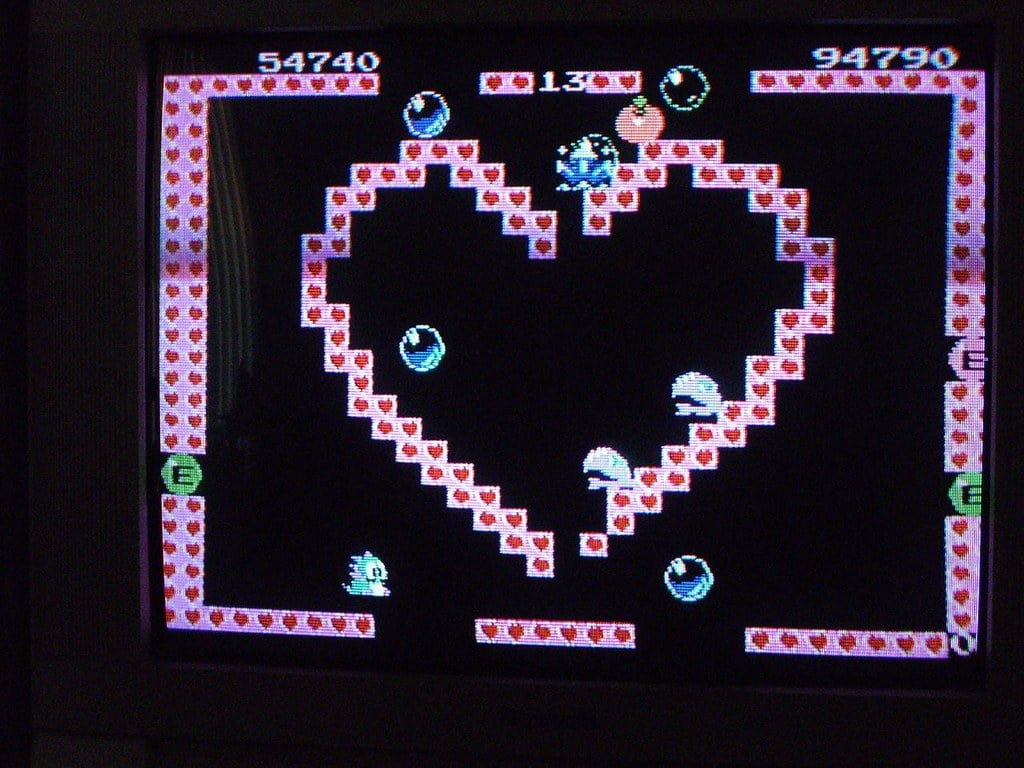
Bubble Bobble has you playing as a dragon that traps enemies in bubbles in each stage to win, with fairly simple level design and objectives. The concept is straightforward enough for anyone to grasp immediately.
Bubble Bobble features co-op gameplay, making it perfect if you want to learn alongside a friend. There are 100 levels total, and while later stages get challenging, the arcade-style gameplay means you can jump in for quick sessions without committing hours at a time.
You don’t need to beat it to have fun—each cleared screen feels like a small victory.
Dr. Mario
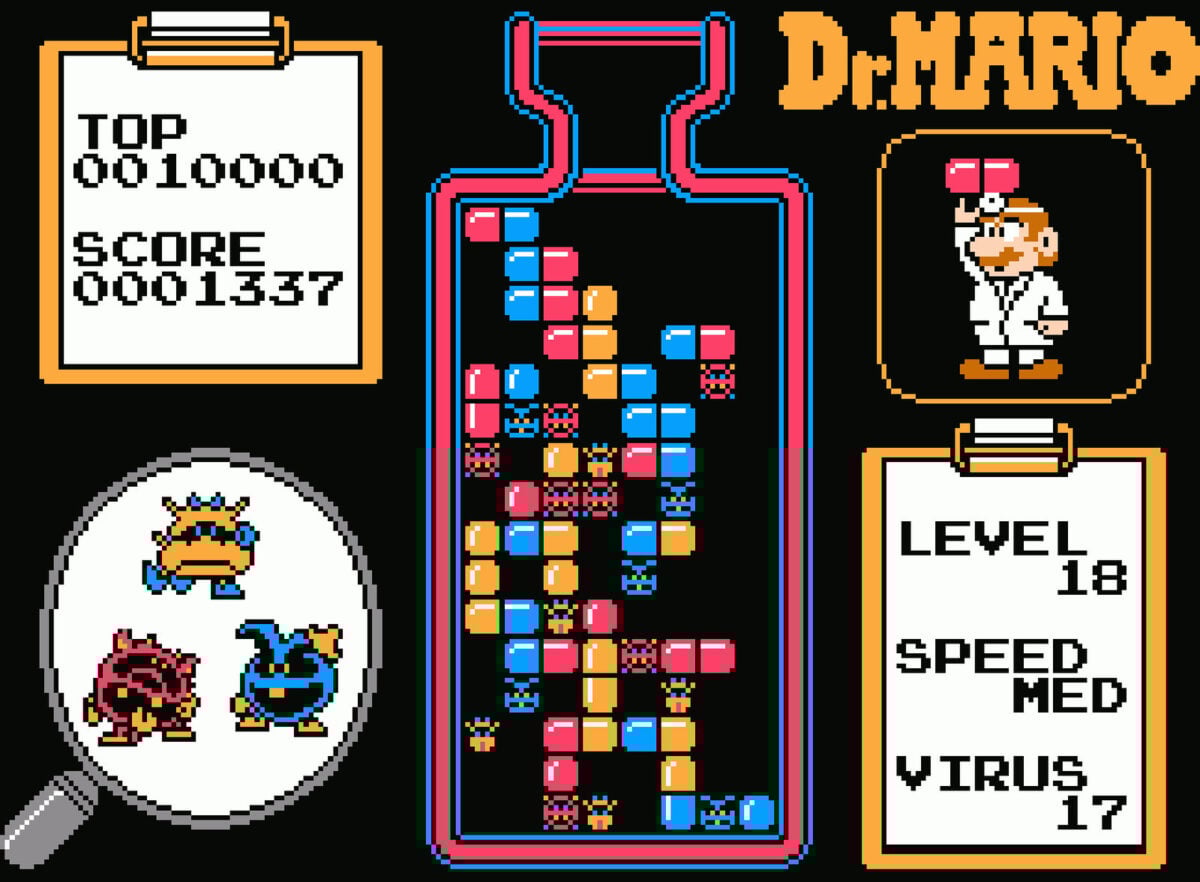
Dr. Mario offers fun and competitive two-player mode with simple gameplay where colorful vitamin capsules drop from the screen and players must align them to match viruses below. Think of it as Tetris with a medical twist.
You can adjust each player’s difficulty level, setting custom capsule speeds and virus counts to balance the challenge. This makes it ideal for playing with someone more experienced—they can crank up their difficulty while you ease into the mechanics.
The satisfying ‘clink’ sound when viruses disappear never gets old.
Mega Man 6

All six Mega Man games for NES follow a formula, but additions in newer titles made each successive game a little easier. Mega Man 6 represents the most refined version of the classic formula on the NES.
By Mega Man 6, you have the Energy Balancer, jet pack, and slide to make level traversal and special weapon management the easiest it’s ever been. You can tackle Robot Master stages in any order, so if one proves too difficult, you simply try another.
Defeating bosses earns you their weapons, which often provide the perfect counter to other bosses—learning these weaknesses becomes part of the fun.
Chip ‘N Dale Rescue Rangers
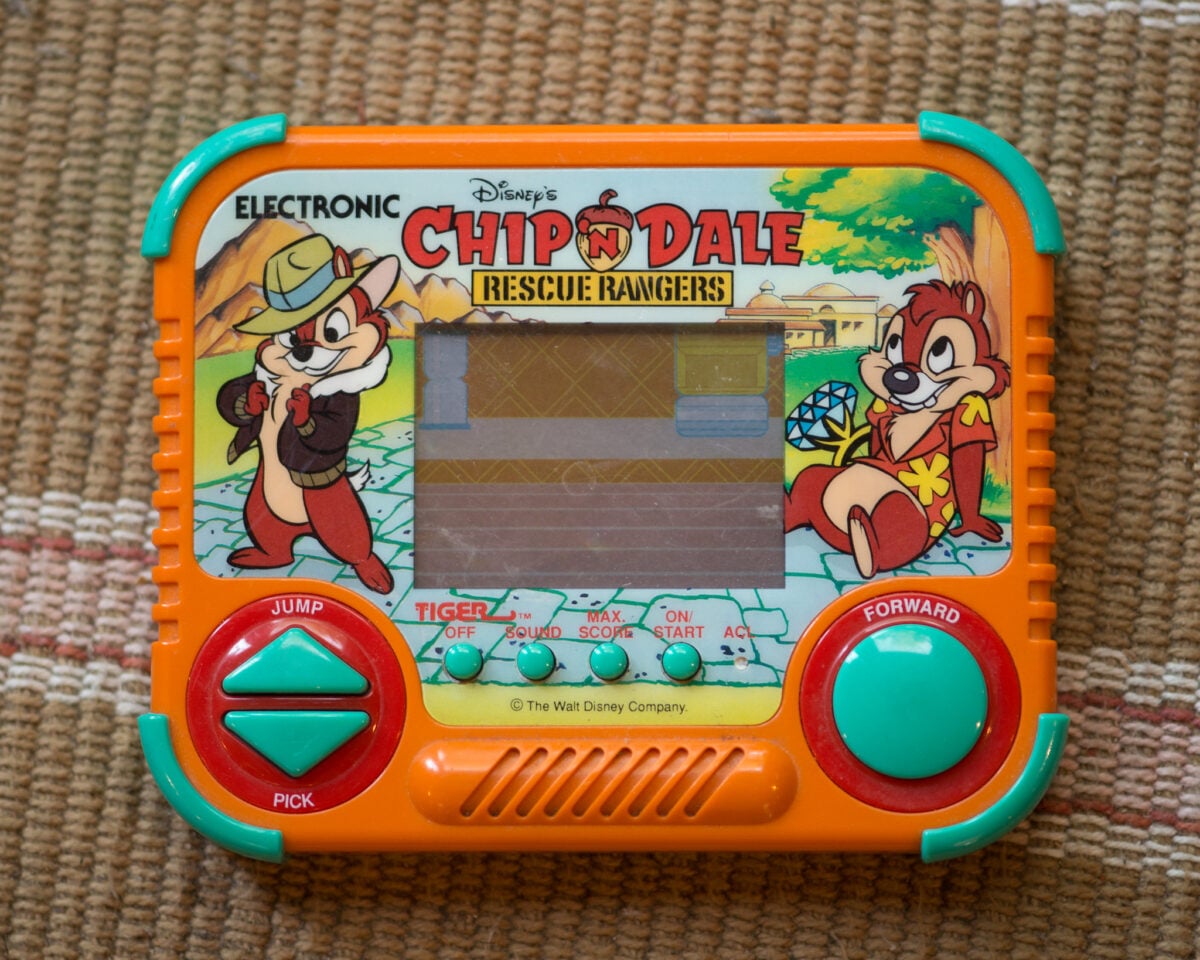
Chip ‘N Dale Rescue Rangers is a platformer that lets two players traverse through levels simultaneously, a feature that was rare for NES platformers at the time. The cooperative gameplay makes this gentler than most platformers—you can revive each other and tackle obstacles together.
Chip ‘N Dale Rescue Rangers is a great game with a fantastic soundtrack that isn’t too difficult. You pick up and throw boxes at enemies rather than jumping on them, which adds variety to the standard platforming formula.
The level design encourages teamwork without requiring perfect coordination.
Mario Kart

Mario Kart represents gaming’s finest spin-off, with the SNES version aging beautifully—unlike many successors, every victory is hard-earned. The racing mechanics are immediately intuitive—accelerate, turn, drift, and unleash items.
While everyone has their favorite Mario Kart, few would deny the SNES game’s claim to top spot. The item system introduces enough chaos to keep races unpredictable without feeling completely random.
You’ll lose races, absolutely, but the quick restart means you’re back in action within seconds. Each track teaches you something new about powersliding and optimal racing lines.
Space Invaders
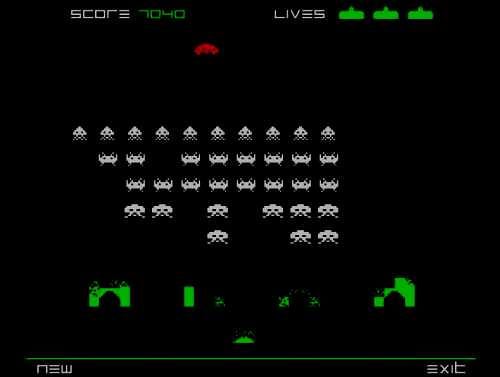
Space Invaders was the first cover shooter, as you attempt to fend off an extraterrestrial force with your pulse quickening along with the music as aliens come closer. The concept remains elegantly simple—shoot the descending aliens before they reach the bottom.
The four destructible barriers add strategic depth without complicating things. As you eliminate more invaders, the remaining ones speed up, creating natural tension.
Blasting the flying saucer is as satisfying as a modern headshot. Like Pac-Man, the consistent structure means each playthrough makes you slightly better.
Pokémon Red/Blue
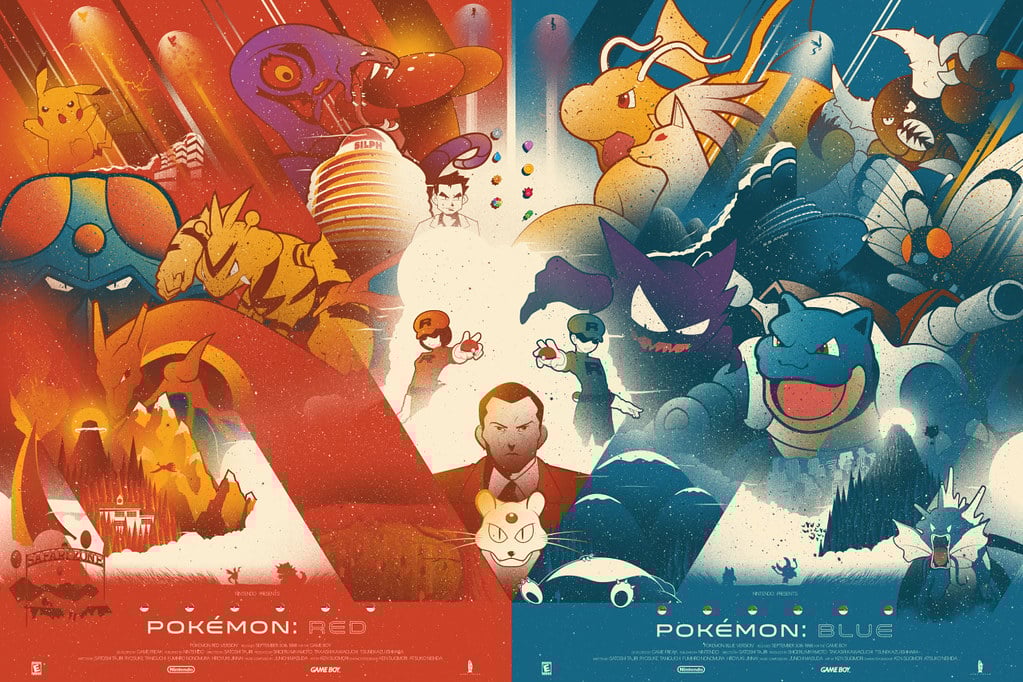
Pokémon Red and Blue propelled Game Freak into the public eye and became an unprecedented success. The turn-based battle system gives you time to think about each move without pressure.
Catching every Pokémon and beating the Elite Four remains a great challenge, and picking the best team was anything but plain sailing. The game introduces mechanics gradually—you start with one Pokémon and slowly build your team while learning about type advantages.
If a battle goes poorly, you simply heal at a Pokémon Center and try again. The adventure structure lets you explore at your own pace, grinding levels if you need more preparation before tackling the next gym.
Bringing It All Together

These fifteen games represent more than just easy entry points into vintage gaming. They’re the titles that defined entire genres, influenced countless developers, and proved that accessible gameplay doesn’t mean shallow gameplay.
Each one respects your time while teaching you the language of classic game design—pattern recognition, spatial awareness, and that peculiar kind of persistence that retro games demand. Start with any game on this list, and you’ll quickly understand why people still fire up their old consoles decades later.
More from Go2Tutors!

- 16 Historical Figures Who Were Nothing Like You Think
- 12 Things Sold in the 80s That Are Now Illegal
- 15 VHS Tapes That Could Be Worth Thousands
- 17 Historical “What Ifs” That Would Have Changed Everything
- 18 TV Shows That Vanished Without a Finale
Like Go2Tutors’s content? Follow us on MSN.