Fossils That Rewrote Evolution
The story of life on Earth has been rewritten time and again by bones buried in stone. Each fossil discovery pulls back the curtain on our planet’s past, revealing creatures that challenge what we thought we knew about how life evolved.
Some finds are so groundbreaking they force scientists to reconsider entire branches of the evolutionary tree. Here is a list of 14 fossils that changed everything we understood about evolution.
Archaeopteryx
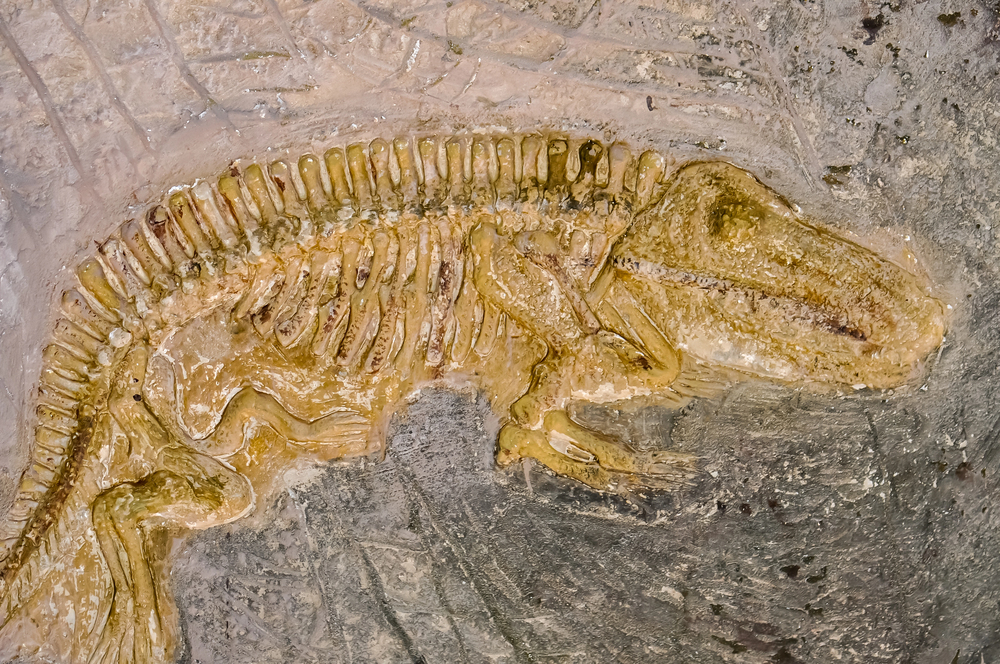
This ancient creature discovered in Germany in 1861 had feathers like a bird but teeth, claws, and a long bony tail like a reptile. The fossils of Archaeopteryx are considered some of the most important in evolutionary biology.
Finding this specimen just two years after Darwin published his theory provided immediate evidence for transitional forms. The creature didn’t fit neatly into either category of bird or reptile, which was exactly what evolution predicted.
It showed that major transformations happen through intermediate stages rather than sudden leaps.
Lucy
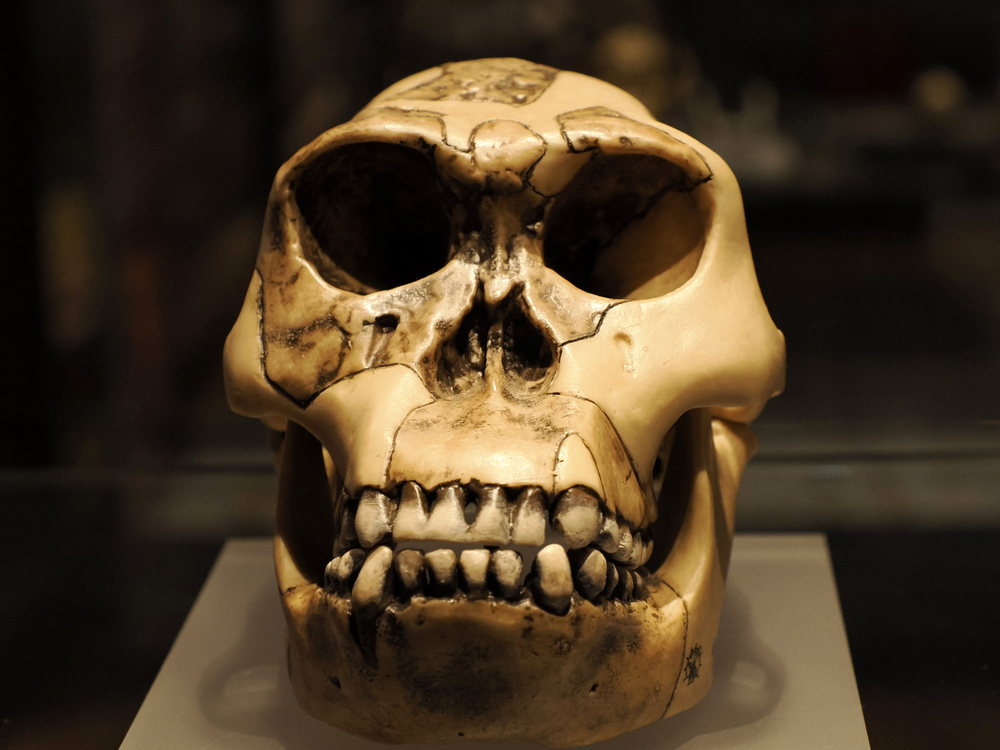
Discovered in Ethiopia in 1974, Lucy is a collection of bones comprising 40 percent of the skeleton of a female Australopithecus afarensis who lived about 3.2 million years ago. Her skeleton showed that walking on two legs came long before the development of larger brains, settling a major debate about which trait evolved first in human evolution.
The discovery fundamentally changed how scientists understood human origins. Lucy proved our ancestors were upright walkers with small brains, not big-brained creatures who later stood up.
Tiktaalik
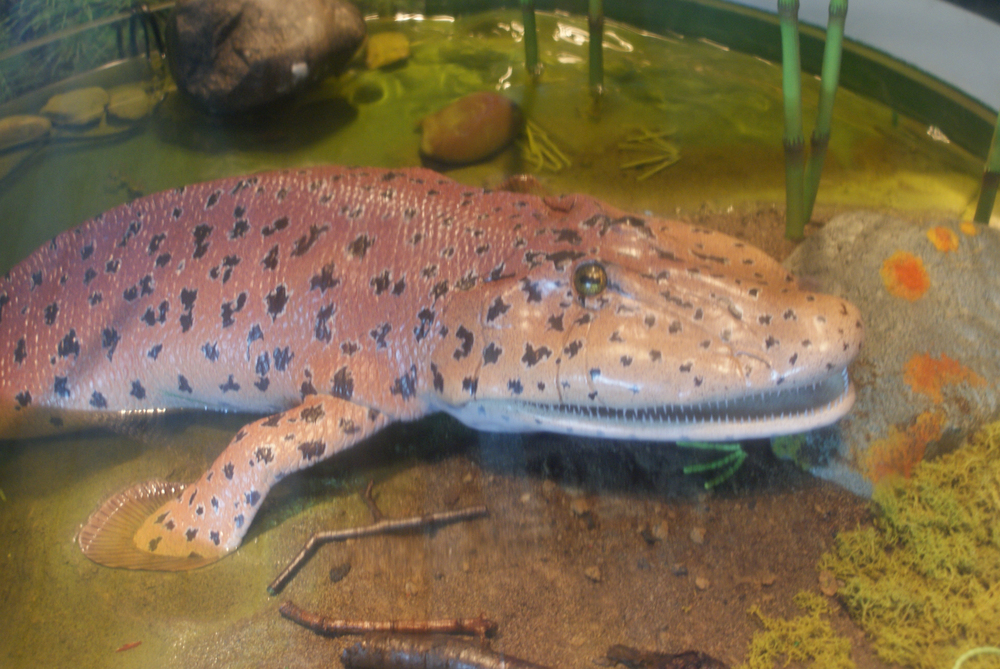
Discovered in 2004 in the Canadian Arctic, Tiktaalik had scales and fins but also a flat head, strong ribs, and fin bones that resembled the structure of a wrist. This fish from 375 million years ago had features that resembled both fish and four-legged animals, making it crucial for understanding the transition from aquatic creatures to land-dwelling animals.
Scientists had predicted what an intermediate form should look like, and Tiktaalik matched those predictions almost perfectly. The fossil illustrated how limbs capable of supporting weight on land gradually developed from fins.
Ambulocetus
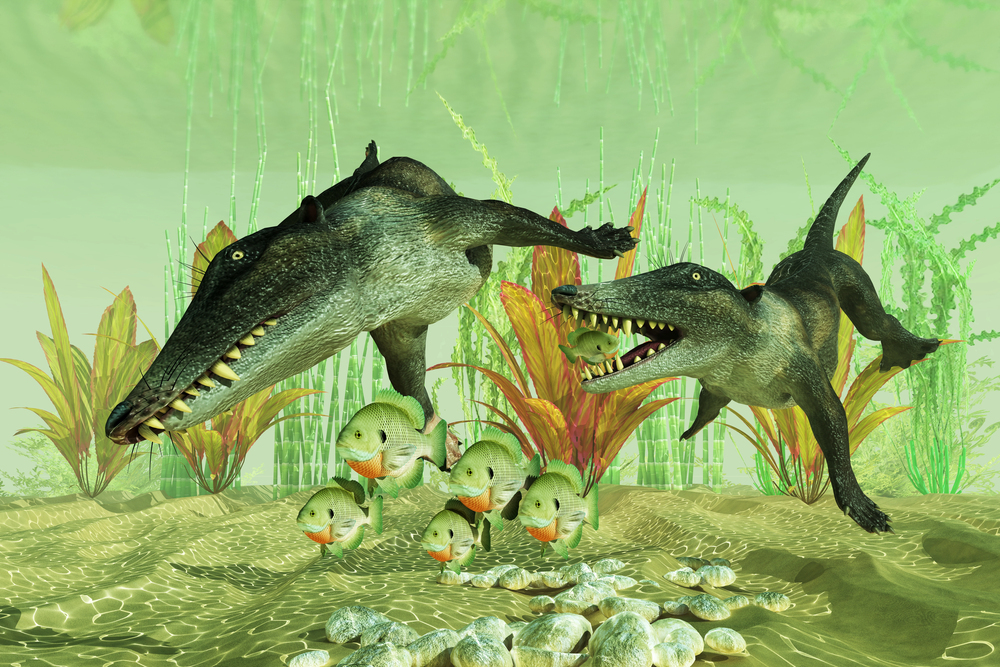
Ambulocetus, meaning ‘walking whale,’ was a strange-looking 10-foot-long creature from about 48 million years ago that could both walk on land and swim proficiently. It was clearly a whale ancestor, but it also had functional legs and a skeleton that still allowed some degree of walking on land.
Before this discovery, the idea that whales descended from land mammals seemed far-fetched to many. This fossil bridged the gap between terrestrial ancestors and modern ocean giants, showing evolution doesn’t always move from water to land.
Peking Man
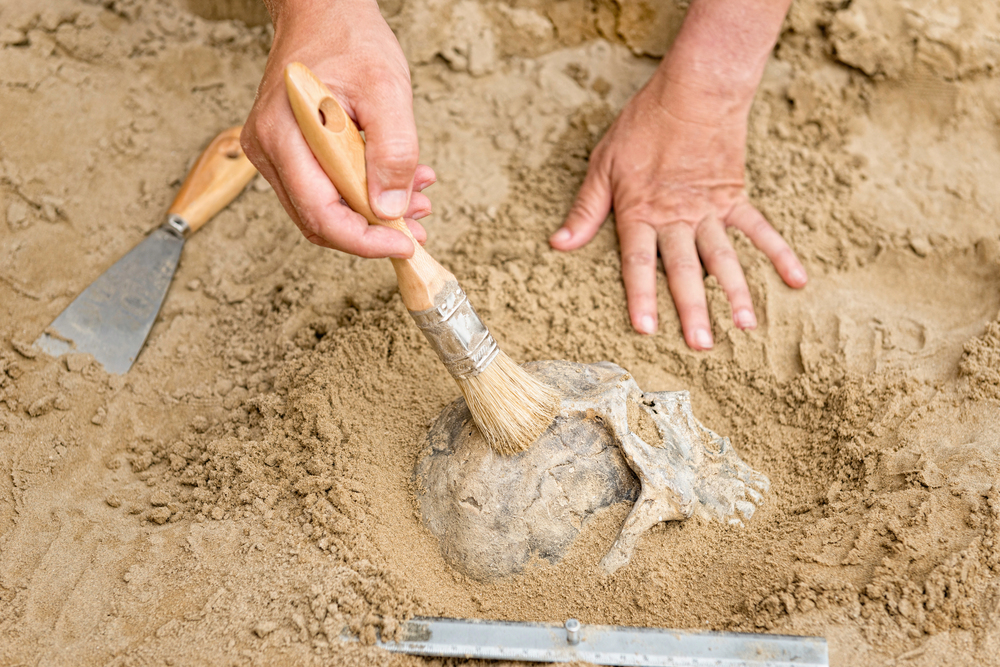
First discovered in 1929 near Beijing, Peking Man is a Homo erectus subspecies whose fossils date from about 770,000 to 230,000 years ago. Zhoukoudian became the most productive Homo erectus site in the world, with stone tools and potential evidence of early fire use.
The discovery was instrumental in showing that early humans had spread far beyond Africa. It demonstrated that our ancestors were capable of adapting to different environments across vast distances.
Java Man
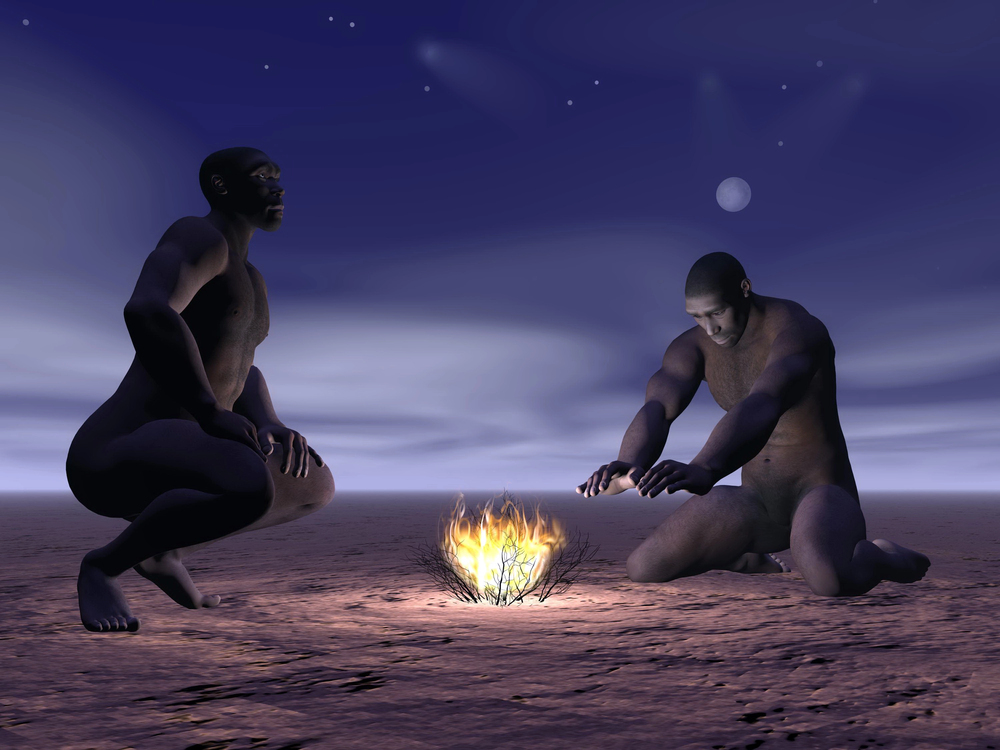
Discovered in Indonesia in 1891, Java Man was estimated to be between 700,000 and 1.49 million years old, making it the oldest human fossil ever found at that time. The fossil aroused controversy, with few accepting that it was a transitional form between apes and humans.
This find pushed back the timeline of human evolution significantly. It showed that our ancestors had been walking upright and spreading across the world much earlier than anyone had imagined.
Microraptor
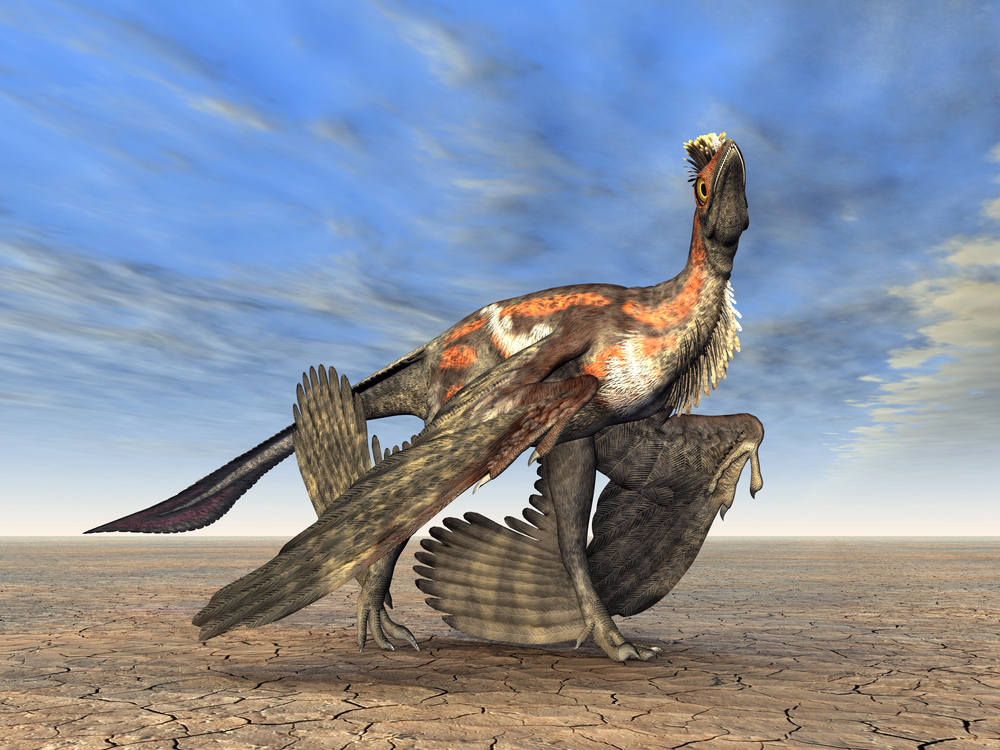
Microraptor is a small, four-winged dinosaur from the early Cretaceous period, 125 to 120 million years ago, discovered in Liaoning, China. Like Archaeopteryx, well-preserved fossils of Microraptor provide important evidence about the evolutionary relationship between birds and earlier dinosaurs.
This tiny dinosaur had feathers on its arms, legs, and tail, showing that feathered dinosaurs were more common than previously thought. The discovery strengthened the connection between modern birds and their dinosaur ancestors.
Anomalocaris
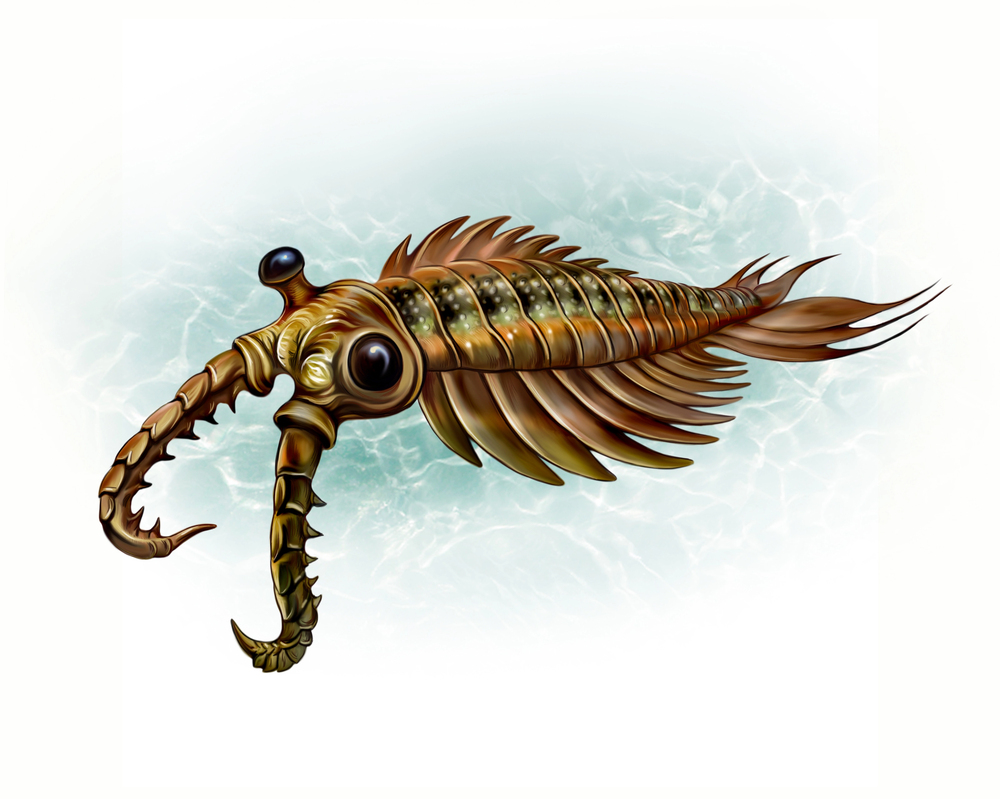
Anomalocaris lived during the Cambrian period and is estimated to reach about 14 inches long, making it one of the largest animals of the Cambrian. This giant predator from the famous Burgess Shale had stalked compound eyes with at least 16,000 lenses, rivaling the most acute compound eyes in modern arthropods.
Finding such a sophisticated predator so early in animal history changed ideas about the Cambrian Explosion. It showed that complex ecosystems with predators and prey relationships developed faster than scientists expected.
Laetoli Footprints
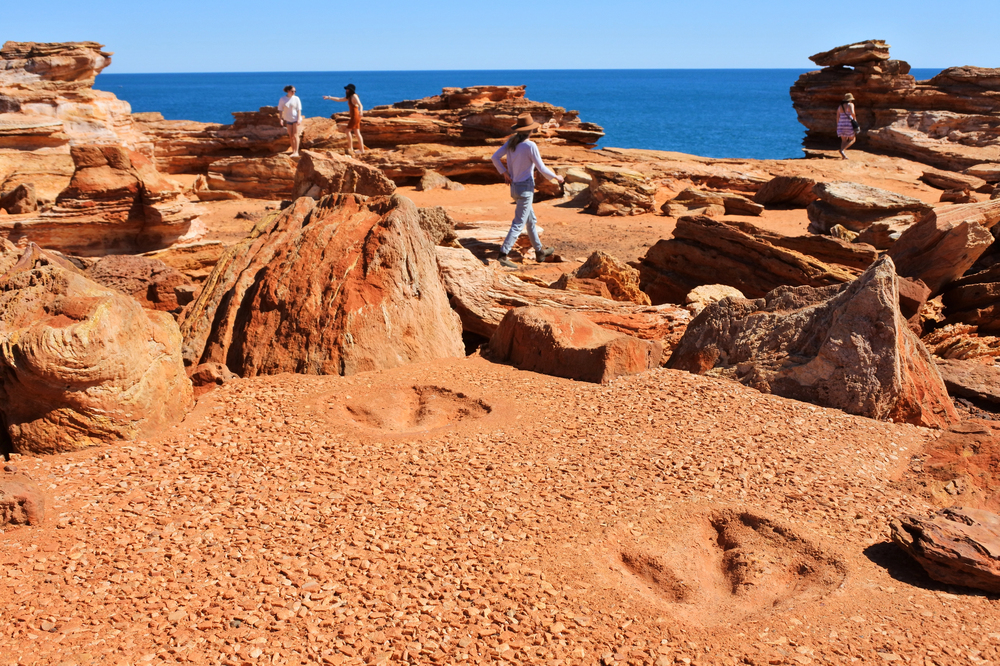
Discovered in 1978 in Tanzania, these footprints were made by human ancestors nearly four million years ago and show two individuals walking upright, side by side. The footprints proved that bipedal walking evolved long before larger brains or tool use.
Unlike skeletal fossils, these tracks captured behavior directly. They confirmed that our ancestors were committed to walking on two legs millions of years before other human characteristics emerged.
Ichthyostega
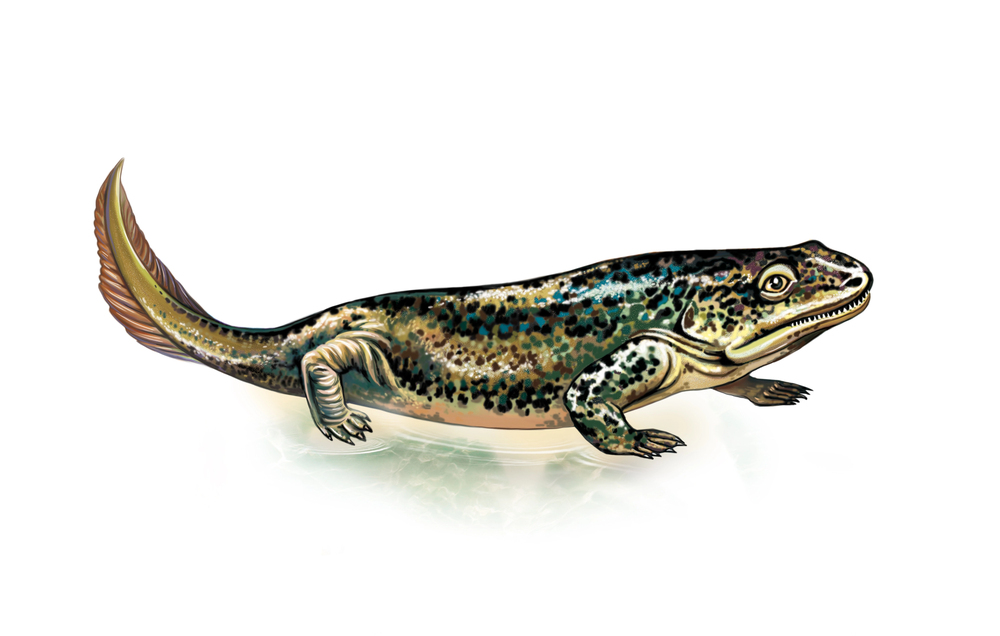
Ichthyostega from about 360 million years ago had a big, strong rib cage suggesting it could breathe out of water, though it probably still needed to return to the water to find food and reproduce. Both Ichthyostega and the related Acanthostega lived an estimated 360 to 370 million years ago in what is now Greenland.
This early tetrapod showed the difficulties of the water-to-land transition. The creature had limbs with digits but was still partly aquatic, revealing that evolution doesn’t happen in simple, direct steps.
Burgess Shale Organisms
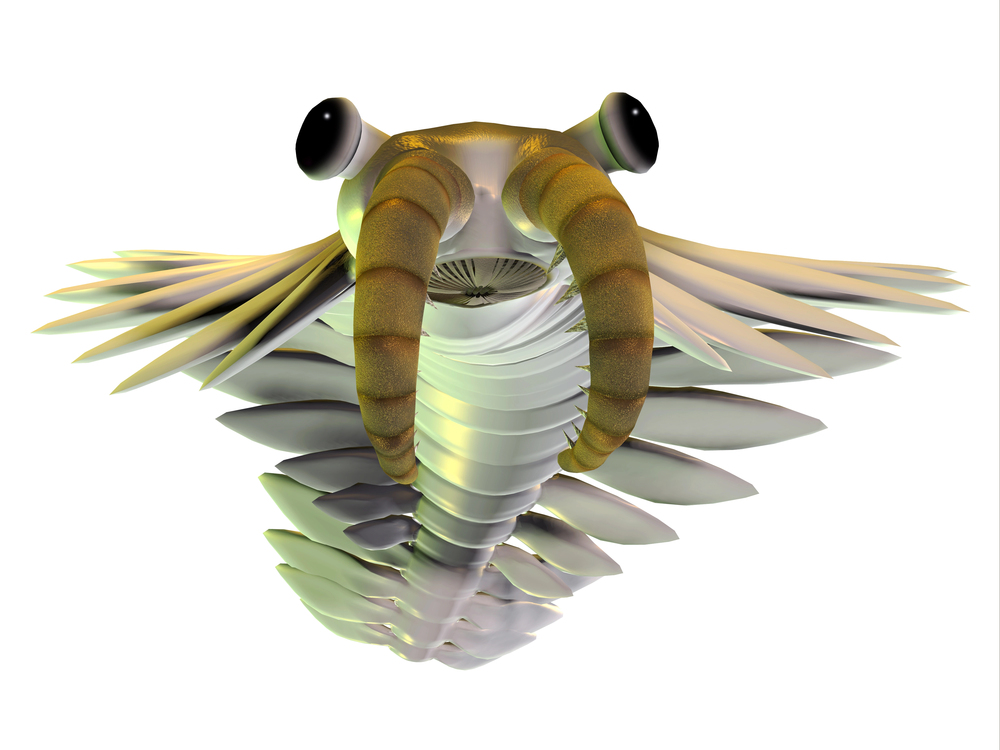
Discovered in 1909 high in the Canadian Rockies, this site preserved creatures from over 500 million years ago during the Cambrian Explosion, a period when life diversified at an astonishing rate. Darwin knew about the Burgess Shale and the sudden appearance of animals troubled him because his theory predicted species should evolve gradually.
The sheer diversity of body plans found here demonstrated that early animal evolution experimented with forms that have no modern equivalents. Many of these strange creatures left no descendants.
Basilosaurus
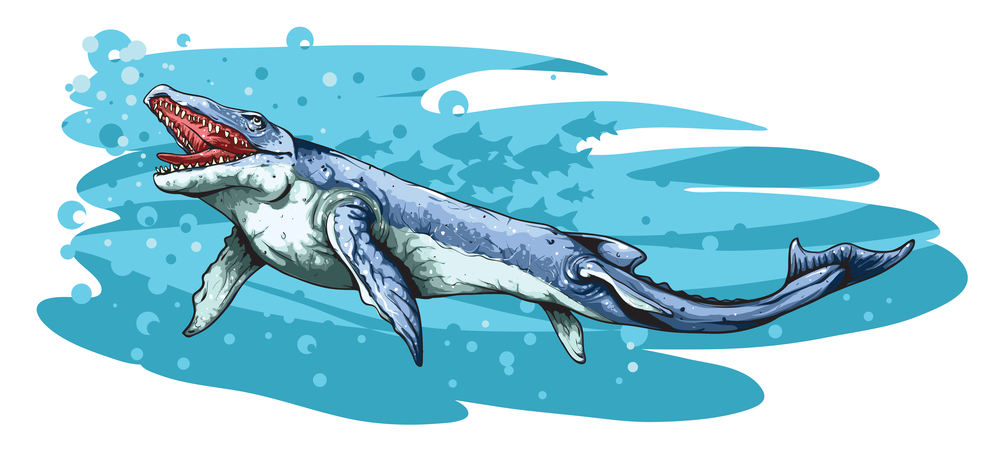
Basilosaurus was about 18 meters long and looked pretty much like a whale with a bit of a dog-like head. Fossil creatures like Basilosaurus had much smaller hind legs than earlier whale ancestors.
This massive ancient whale retained tiny hind legs, providing clear evidence of its terrestrial ancestry. The vestigial limbs showed that whales hadn’t always been ocean dwellers but had evolved from land mammals.
Dunkleosteus
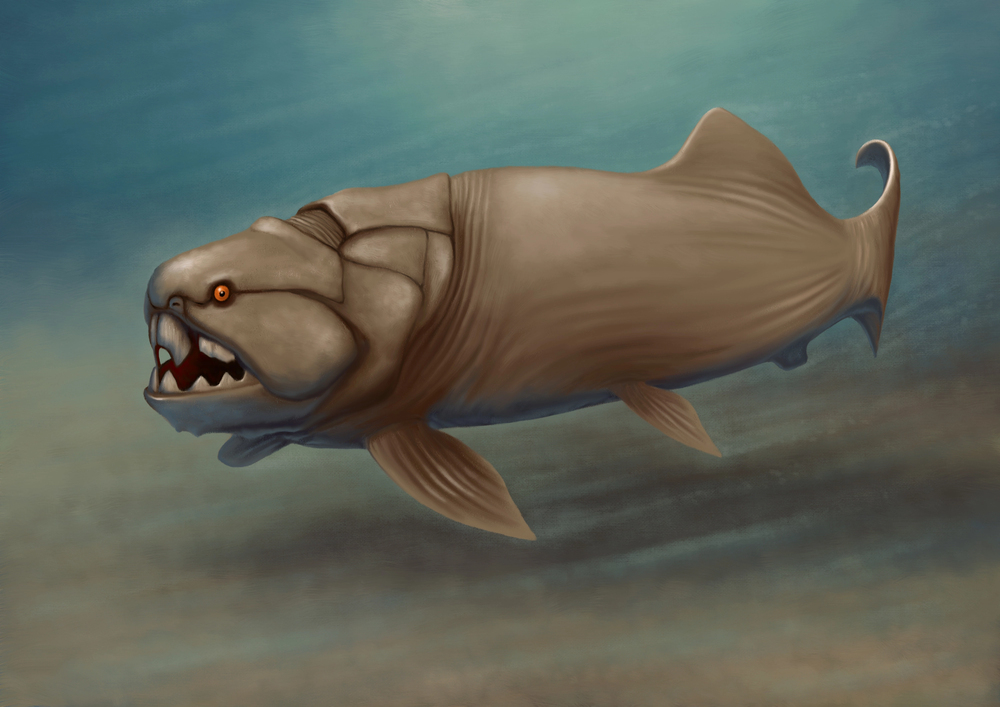
Dunkleosteus lived during the Late Devonian period, about 382 to 358 million years ago, and was one of the first vertebrate apex predators of any ecosystem. Living about 360 million years ago, this armored giant introduced jaws that snap shut with bone-crunching force, allowing it and its relatives to become top predators.
The evolution of powerful jaws transformed ocean ecosystems completely. Prey species had to develop tougher defenses, setting off an evolutionary arms race that shaped vertebrate diversity.
Darwin’s South American Fossils
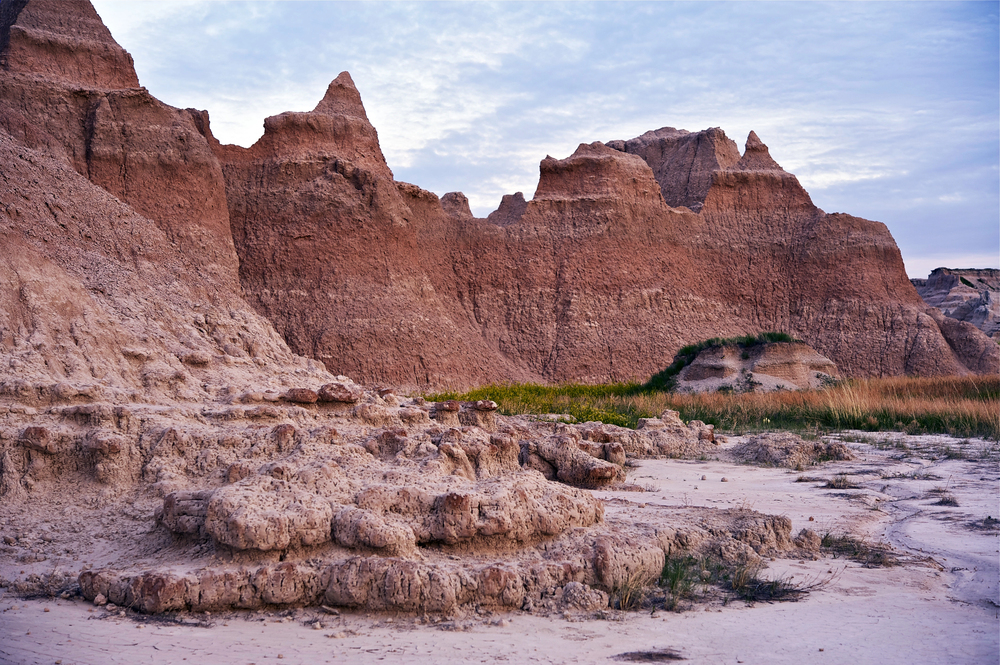
During his voyage on HMS Beagle, Darwin discovered four different species of giant ground sloth, a gomphothere, and the remains of an extinct horse in South America. These fossils were to revolutionize his worldview, impacting Darwin’s understanding of extinction and helping to persuade him of the reality of evolution.
Finding extinct mammals that resembled but differed from living South American species planted the seed of evolutionary theory in Darwin’s mind. These bones showed that species weren’t fixed but changed over time.
The Bigger Picture
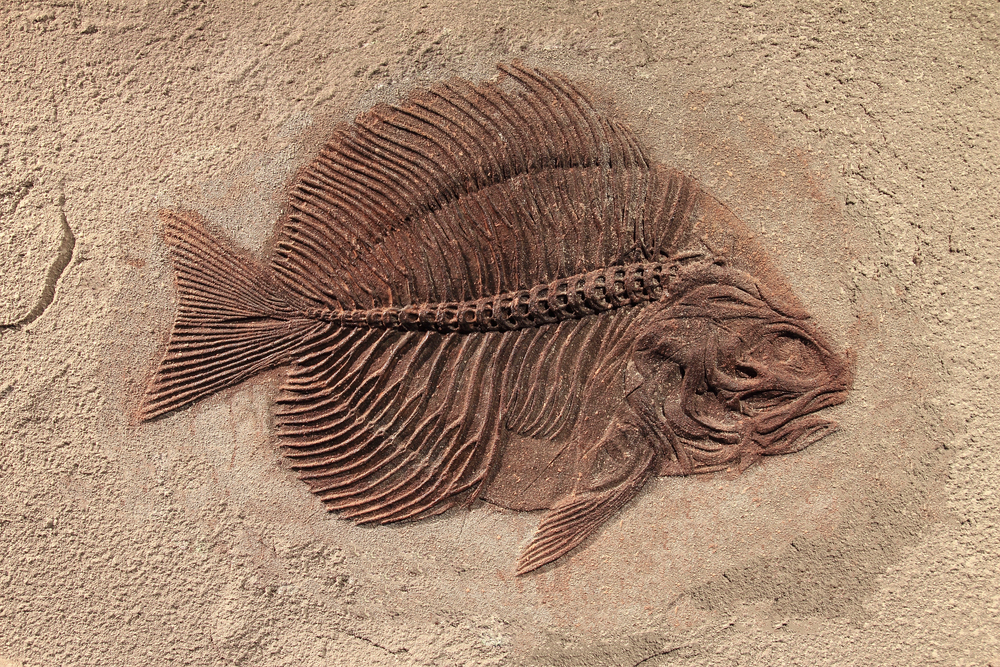
These 14 fossils represent just a fraction of the discoveries that have transformed our understanding of life’s history. Each one filled a gap in knowledge or answered a question that scientists had been debating for decades.
They demonstrated that evolution isn’t a straight line from simple to complex, but a branching tree with countless experiments, dead ends, and surprising transformations. The fossil record continues to grow richer every year, with new finds refining and sometimes overturning what we thought we knew about our planet’s past.
More from Go2Tutors!

- 16 Historical Figures Who Were Nothing Like You Think
- 12 Things Sold in the 80s That Are Now Illegal
- 15 VHS Tapes That Could Be Worth Thousands
- 17 Historical “What Ifs” That Would Have Changed Everything
- 18 TV Shows That Vanished Without a Finale
Like Go2Tutors’s content? Follow us on MSN.