Origins of Rituals Seen in Major Events Today
Every time someone throws rice at a wedding or breaks a champagne bottle on a ship, they’re unknowingly keeping ancient traditions alive. These everyday rituals didn’t just appear out of nowhere.
They traveled through centuries, changing shape and meaning along the way, yet somehow managing to stick around in our modern celebrations and ceremonies. Let’s take a closer look at where some of these familiar practices actually came from.
Throwing rice at weddings
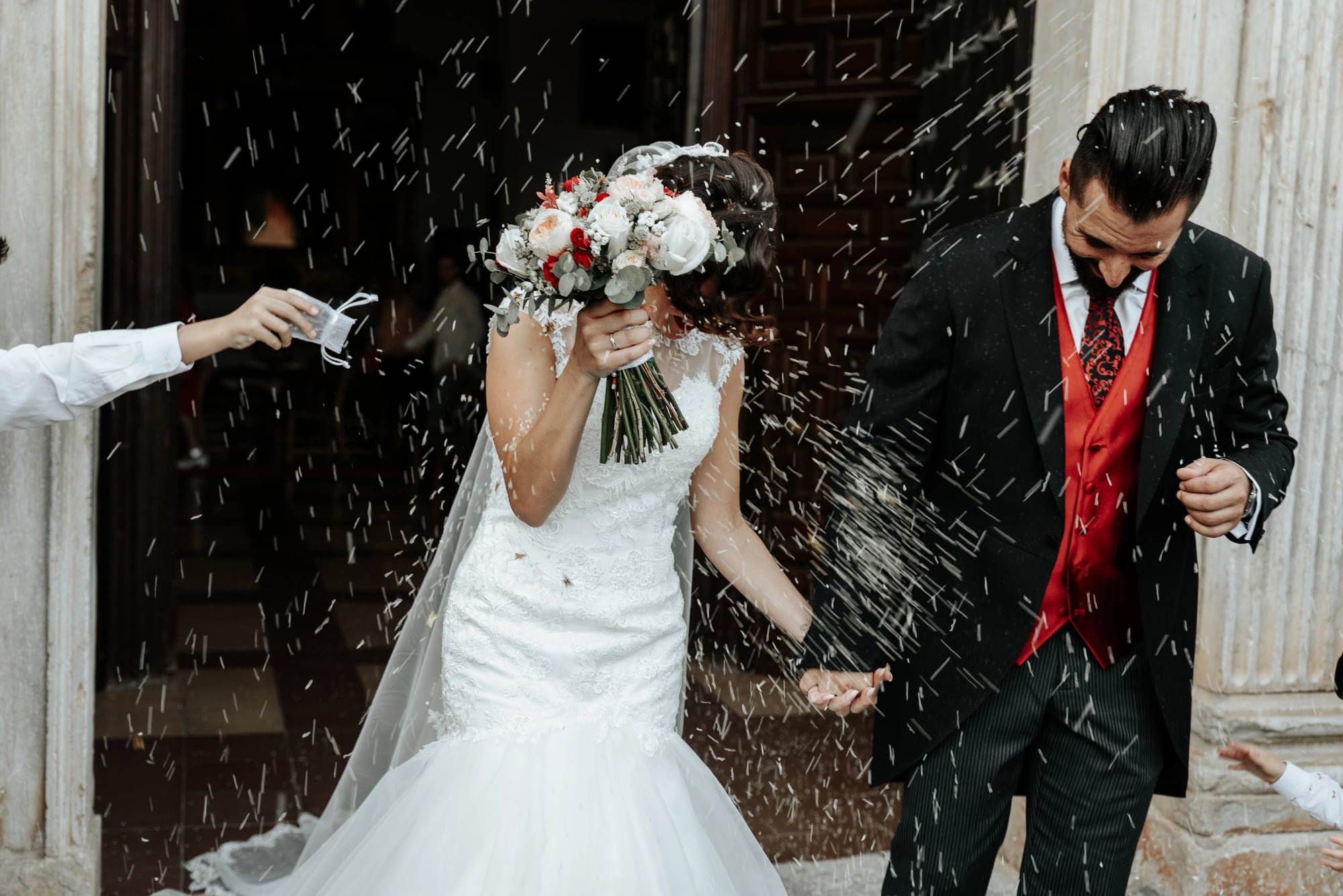
Ancient Romans started this tradition, but they didn’t use rice. They tossed wheat at newlyweds because they believed it would bring fertility and prosperity to the couple.
The grain symbolized abundance and a full life ahead. When the custom spread to Asia, people switched to rice since that was the main crop in those regions.
Today, many venues have banned rice because birds can’t digest it properly, so guests now throw biodegradable confetti or flower petals instead. The core idea remains the same though: showering the couple with wishes for a fruitful life together.
Breaking a bottle on a ship

Vikings used to sacrifice humans to the gods before launching their ships into water. Thankfully, this brutal practice evolved into something less violent over time.
By the 17th century, Europeans were christening ships with wine, believing it would bring good luck and safe travels across the ocean. The bottle-breaking part came later when someone decided that smashing it against the hull made the moment more dramatic and memorable.
Now it’s considered bad luck if the bottle doesn’t break on the first try. Modern cruise ships still follow this tradition, though the bottles are often pre-scored to make sure they shatter properly.
Blowing out birthday candles

The ancient Greeks baked round cakes to honor Artemis, the moon goddess, and topped them with lit candles to make them glow like the moon. They believed the smoke from blown-out candles carried prayers up to the gods living on Mount Olympus.
Germans brought this tradition into birthdays during the Middle Ages with their Kinderfest celebrations, where children got cakes with candles matching their age, plus one extra for good luck. The silent wish tradition came much later, probably in the 1800s.
People now gather around birthday cakes worldwide, making the simple act of blowing out flames one of childhood’s most anticipated moments.
Wearing white wedding dresses
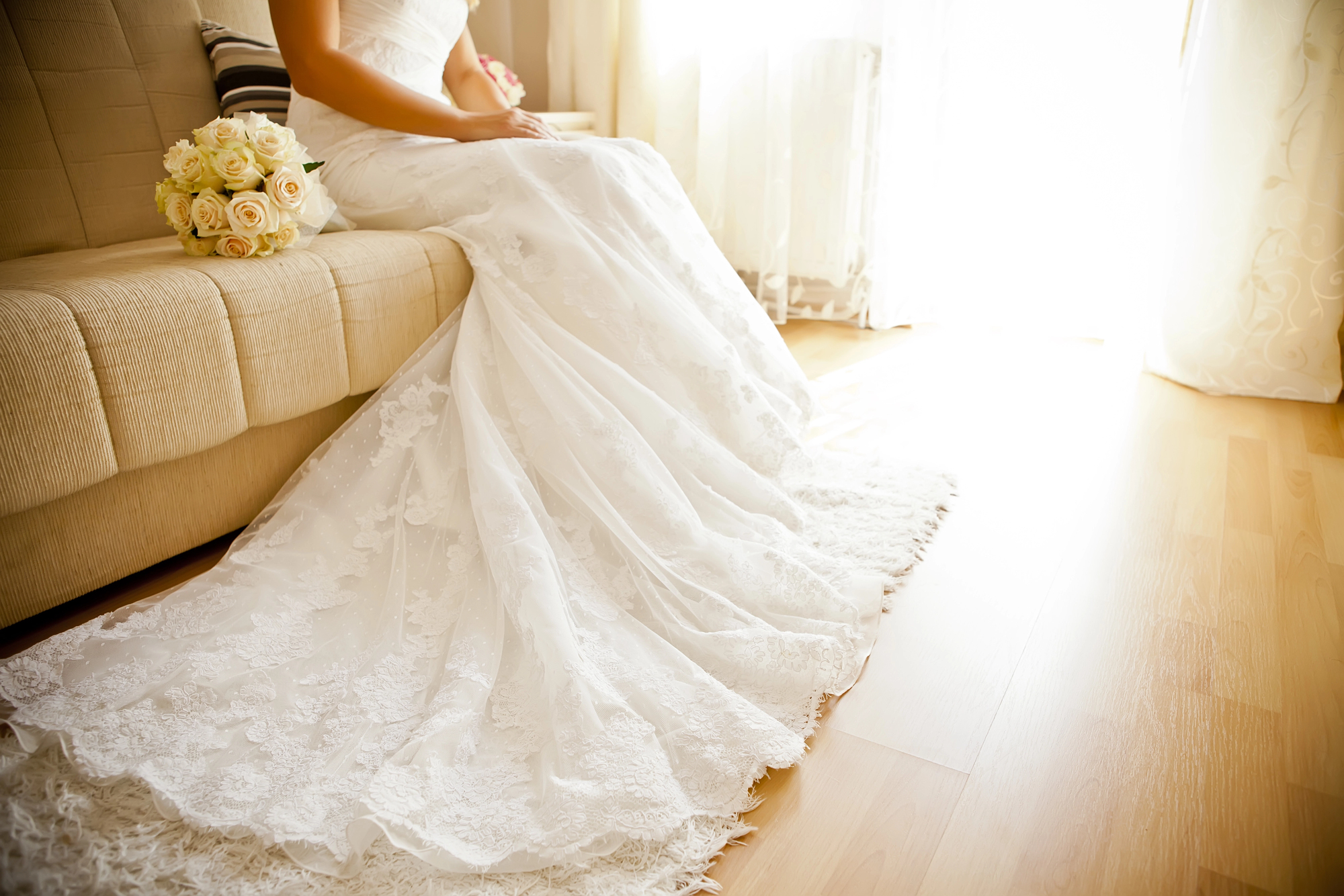
Before Queen Victoria walked down the aisle in 1840, brides wore their best dress in any color they owned. Red was actually popular in many cultures because it symbolized joy and good fortune.
Victoria chose white to show off some expensive lace she wanted to support, and the fashion magazines of the day went wild covering her choice. Suddenly, every bride in Europe and America wanted to copy the queen’s look.
White eventually became associated with purity and new beginnings, though that meaning was added after the fact. The tradition stuck so firmly that even today, wearing any other color can raise eyebrows at Western weddings.
Carrying a bride over the threshold

Medieval Europeans believed that evil spirits lurked around doorways, waiting to enter homes through the feet of new brides. Grooms carried their wives to protect them from these supposed threats and to start the marriage off safely.
Some historians think the tradition actually comes from the Roman practice of abducting brides from neighboring villages, where carrying them prevented escape attempts. Another theory suggests it protected the bride from tripping, which was considered terrible luck.
Modern couples keep doing it mostly for fun and photos, though some still see it as a romantic gesture that marks the official start of their shared home life.
Tossing graduation caps

This practice started at U.S. Naval Academy graduations in 1912. Midshipmen used to wear their officer caps after graduation, so they threw their midshipmen caps in the air because they wouldn’t need them anymore.
The gesture symbolized their transition from students to officers in one dramatic moment. Other universities loved the visual impact and copied it within a few decades.
Today, thousands of graduates fling their caps skyward at commencement ceremonies, creating that iconic scene of square hats against the sky. Many students never find their original cap in the chaos afterward, but that’s become part of the tradition too.
Clinking glasses before drinking

Medieval Europeans worried constantly about being poisoned by their enemies. When people clinked their glasses together with force, the drinks would slosh and mix a little between cups, which supposedly proved nobody had tampered with the beverages.
Hosts would often take the first sip to reassure their guests further. The tradition evolved into a gesture of trust and friendship over time.
Making eye contact during the toast became important in German culture, where they believe seven years of bad fortune in the bedroom awaits those who look away. Now people clink glasses at celebrations worldwide without thinking twice about poison, though the underlying message of trust remains.
Cutting a cake at weddings
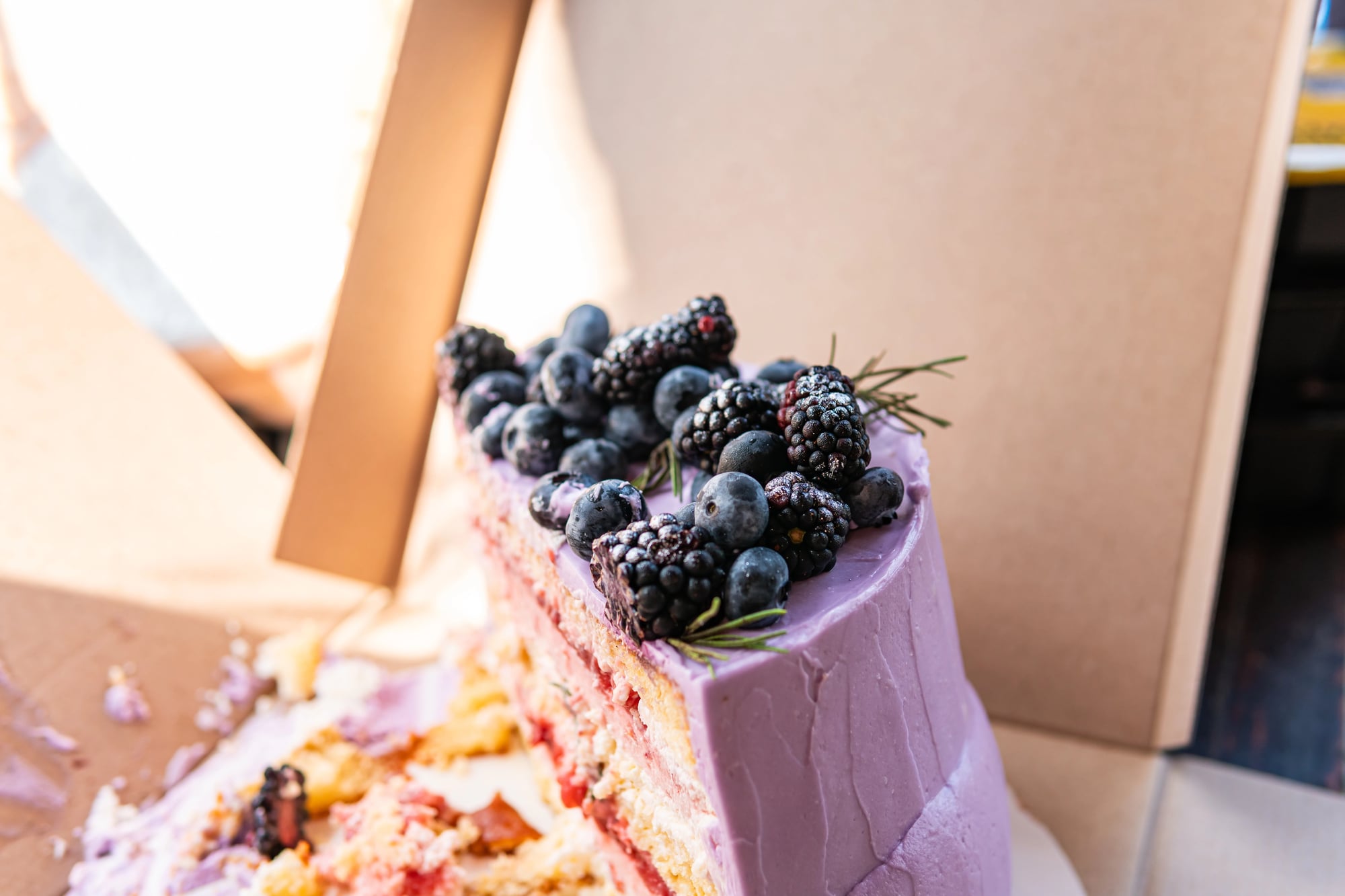
Romans had a tradition of breaking bread over the bride’s head to encourage fertility and good luck. Guests would scramble to grab crumbs because eating them was supposed to bring blessings.
This messy custom changed during medieval England when people started stacking small buns as high as possible, and the couple had to kiss over the pile without knocking it down. A French chef visiting England thought this looked ridiculous and invented the modern tiered wedding cake by icing all those buns together.
The cutting ceremony now represents the couple’s first joint task as partners, with feeding each other a bite showing their promise to provide for one another.
Saluting in the military

Knights in medieval times raised their visors to identify themselves to their commanders and show they came in peace. Keeping the right hand raised also proved they weren’t reaching for a weapon.
The gesture evolved as armor disappeared and hats replaced helmets. British soldiers started touching their hat brims as a simplified version of the original full hat removal that civilians did.
Americans adopted the palm-out salute to differentiate themselves from the British during the Revolutionary War. Different countries developed their own variations, but they all share the same core meaning of respect and recognition between service members.
Bridesmaids wearing matching dresses
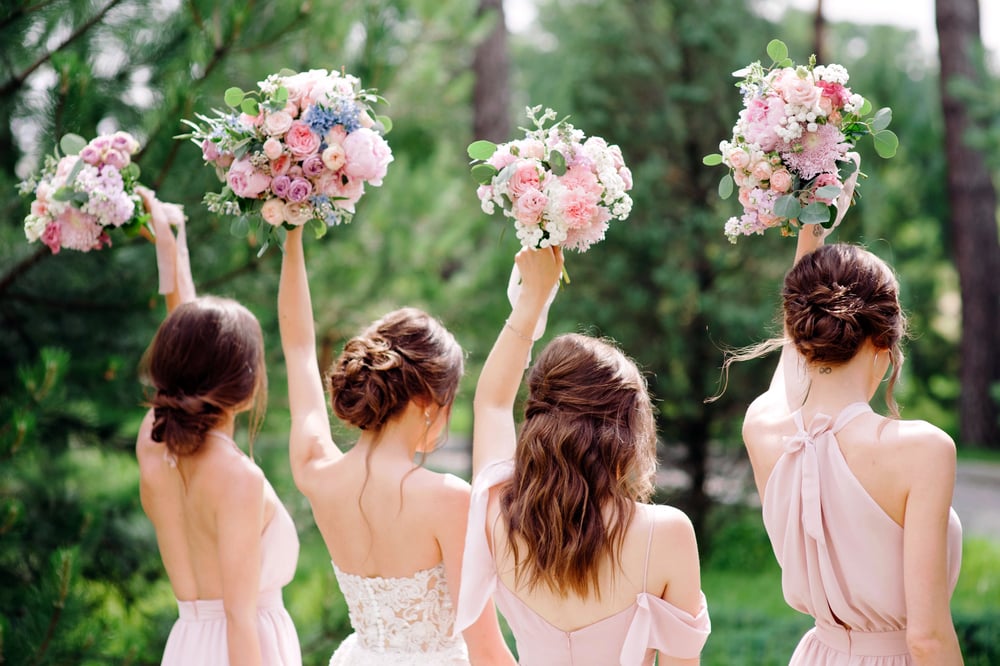
Ancient Roman law required ten witnesses at weddings to confuse evil spirits who might want to curse the bride. Everyone dressed similarly so the demons couldn’t figure out who was actually getting married.
Bridesmaids wore outfits nearly identical to the bride’s dress for this exact reason. The tradition continued through the Middle Ages when people still worried about curses and bad luck at weddings.
Victorian England turned it into a fashion statement, with bridesmaids wearing complementary but not identical dresses. Modern bridesmaids still dress alike, though now it’s purely for appearances in photos rather than spirit protection.
Fireworks at celebrations

The Chinese invented fireworks over a thousand years ago and believed the loud noises scared away evil spirits and bad luck. They used them during New Year celebrations and important ceremonies to start fresh without any lingering negativity.
Marco Polo brought the technology to Europe in the 13th century, where rulers quickly adopted fireworks for royal celebrations and military victories. Americans started using them for Independence Day in 1777, just one year after the Declaration was signed.
The tradition has grown so huge that cities now compete to have the most impressive displays, spending millions on shows that last less than half an hour.
Giving engagement rings

Ancient Egyptians believed circles represented eternity, so they exchanged rings made from reeds and hemp. Romans adopted this but made the rings from iron to symbolize strength and permanence in marriage.
The diamond engagement ring is actually a modern invention from 1947 when De Beers launched their ‘A Diamond Is Forever’ campaign. Before that, different gemstones were equally popular for engagement rings.
The company created artificial demand so successfully that most people now think diamonds are traditional, even though they’ve only been standard for about 75 years. The ring finger tradition comes from an ancient belief that a vein ran directly from that finger to the heart.
Standing for the national anthem
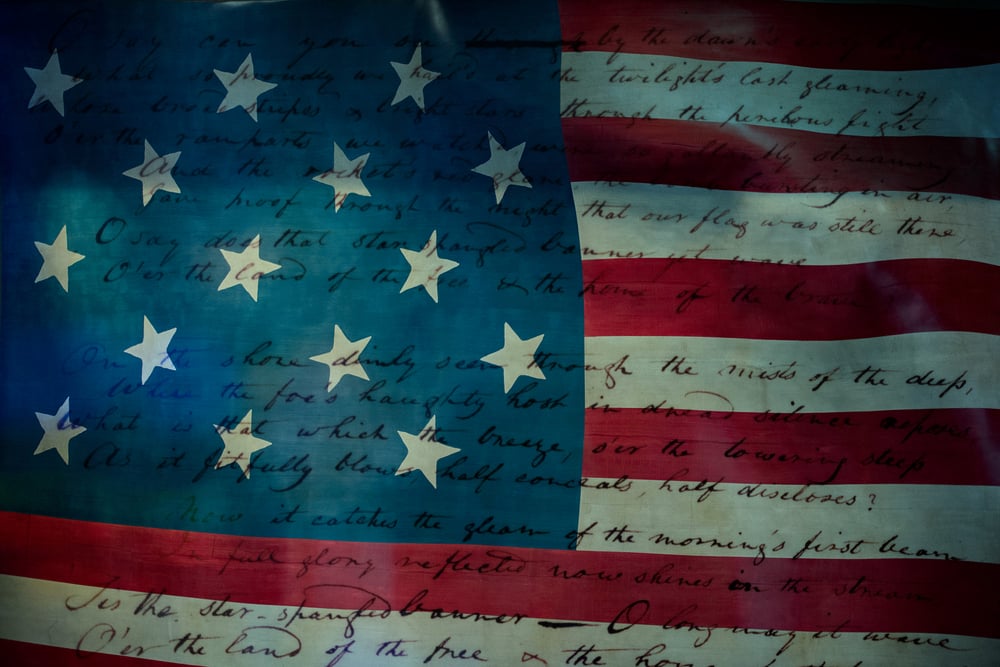
The tradition of standing during anthems emerged from military protocol where soldiers stood at attention for their commanding officers and royalty. When national anthems became common in the 1800s, citizens adopted the military stance to show the same respect for their country.
Americans made it official custom during World War I when patriotic feelings ran high and people wanted to demonstrate their loyalty publicly. Some countries require citizens by law to stand, while others leave it as a social expectation.
The hand-over-heart gesture Americans use came from the Pledge of Allegiance, created in 1892, and transferred to anthem performances later.
Ringing church bells
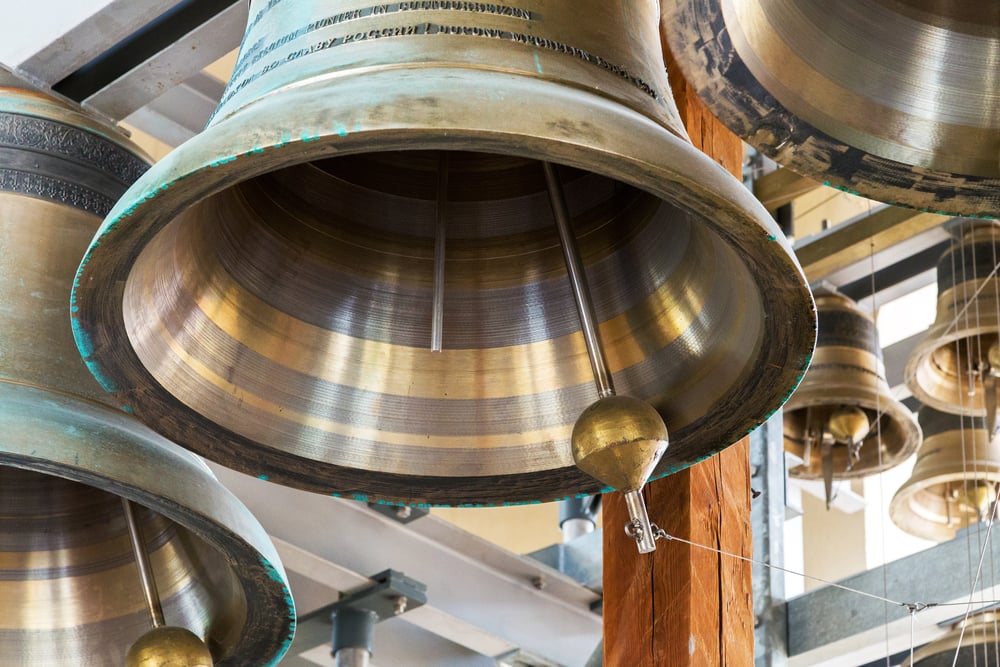
Early Christians rang bells to call people to worship since most folks couldn’t read schedules or tell time accurately. The loud sound carried for miles across the countryside, letting everyone know when to gather.
Medieval Europeans believed bell ringing drove away demons and bad weather, so they rang them during storms and plagues. Churches rang different patterns for different purposes—weddings, funerals, emergencies, or daily prayers—and locals learned to interpret each sequence.
The tradition expanded to marking important historical moments, like victory in war or the death of important figures. Digital speakers could easily replace bells now, but most churches keep the original bells because the sound connects present congregations to centuries of worshippers before them.
Wearing caps and gowns at graduation

Medieval European scholars wore robes because that’s what everyone wore daily in cold, drafty castle classrooms during the 12th century. The outfits weren’t ceremonial at first—they were just practical clothing that kept students and professors warm.
Universities standardized the look over time, with different colored hoods indicating which subject someone studied. The square cap, called a mortarboard, appeared in the 16th century and might have evolved from Catholic priest headwear.
American colleges adopted the full regalia in the late 1800s to add formality to graduation ceremonies. The tradition survived because it creates visual equality among graduates, hiding expensive clothes and economic differences under identical robes.
Opening champagne at victories

French royalty in the 1700s drank champagne at coronations and major celebrations because the fizzy wine from the Champagne region was expensive and special. The dramatic pop of the cork added excitement to toasts and announcements.
Race car drivers started spraying champagne in 1967 when Dan Gurney spontaneously shook his bottle and doused everyone after winning at Le Mans. Television cameras captured the moment, and suddenly every winning athlete wanted to recreate that celebration.
Sports teams now go through cases of champagne in locker rooms after championships, even though most of it ends up on the floor and walls rather than being drunk. The wasteful tradition continues because it photographs well and signals a party that’s so successful people can afford to throw expensive drinks around.
First dance at weddings
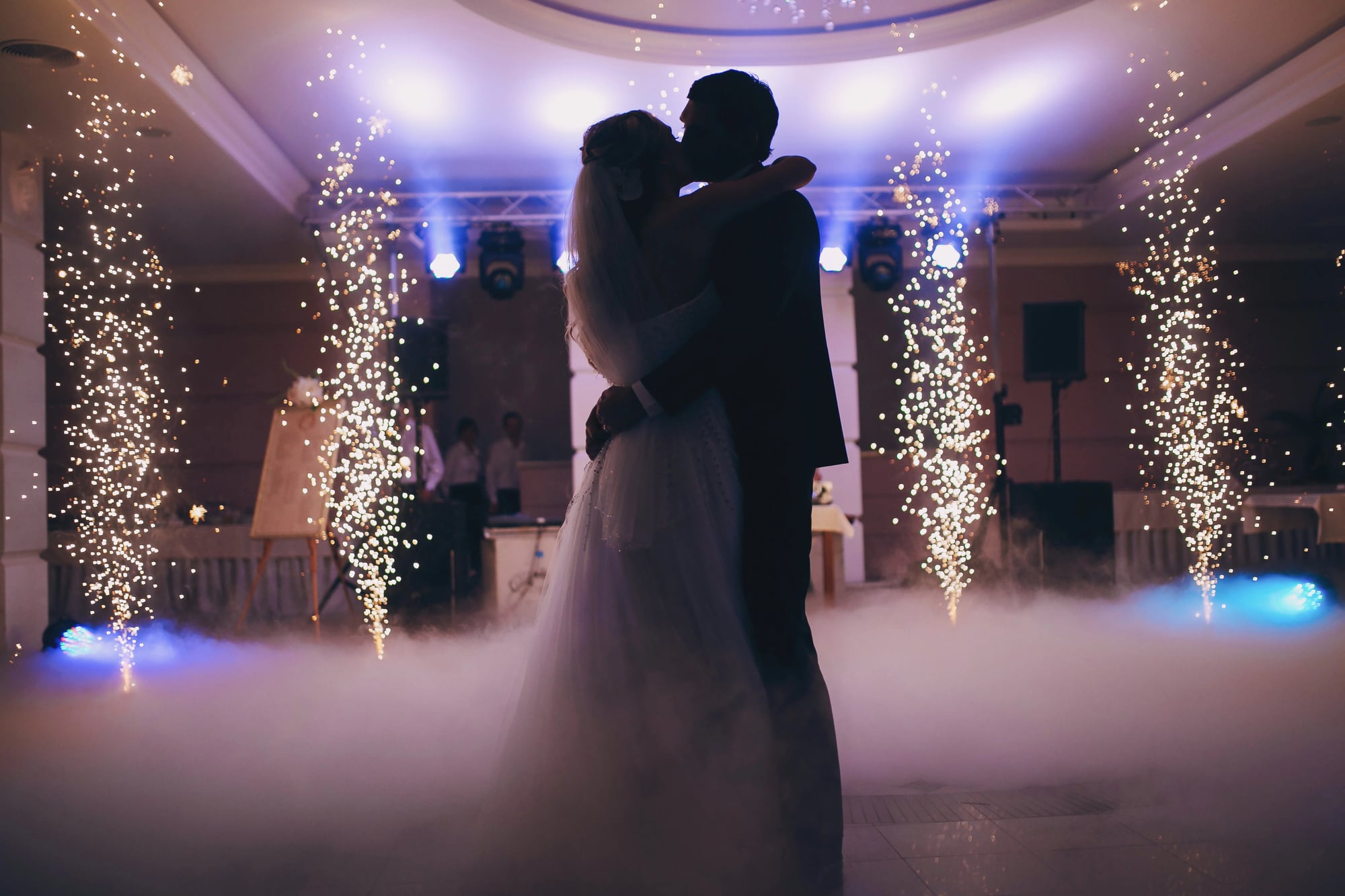
In the 1600s, European nobles started the first dance as a way to show off newly married pairs to everyone there. Others stood back, observing until the pair finished – this kept things orderly and showed who mattered most.
How well the two moved together was rated by onlookers, so nerves often ran high instead of love feelings. U.S. celebrations later softened this custom, shifting focus onto personal connection while people looked on warmly.
By the 1900s, dances pairing dads with daughters or moms with sons appeared – to give credit where it was due. Folks today worry over picking just the right tune or practicing moves, yet guests barely notice if things aren’t flawless.
This ritual sticks around since it brings a moment during the party when all eyes turn to the newlyweds.
Where old ways move next
These customs stuck around since folks crave signposts for big life events. They turn regular days into ones you actually remember.
Even when old reasons blur or shift, doing the thing still links people to more than just themselves. Each wave of people tweaks the habits – holding onto bits that matter, ditching what’s dead weight.
A few of these acts might vanish in a century, swapped out for fresh routines being made up by kids celebrating today.
More from Go2Tutors!

- The Romanov Crown Jewels and Their Tragic Fate
- 13 Historical Mysteries That Science Still Can’t Solve
- Famous Hoaxes That Fooled the World for Years
- 15 Child Stars with Tragic Adult Lives
- 16 Famous Jewelry Pieces in History
Like Go2Tutors’s content? Follow us on MSN.