How the Ozone Layer Is Healing
Remember those old spray cans from the 80s and 90s? The ones that came with warnings about harming the environment? Those little warnings were part of one of the most successful environmental rescue stories ever told. The ozone layer, that invisible shield protecting us from harmful sun rays, was in serious trouble just a few decades ago.
Scientists discovered huge gaps forming over Antarctica, and the world faced a real crisis.But here’s the amazing part: we actually fixed it.
Let’s look at how this incredible recovery happened and what it means for our planet today.
The moment scientists found the Antarctic gap
Back in 1985, researchers made a shocking discovery. A massive gap had opened up in the ozone layer above Antarctica, bigger than the entire continent.
This wasn’t just a small problem. The gap was so large that satellites had actually been programmed to ignore the readings, thinking the instruments were broken.
Scientists quickly realized this wasn’t a mistake but a real environmental emergency.
What everyday products were doing to our sky
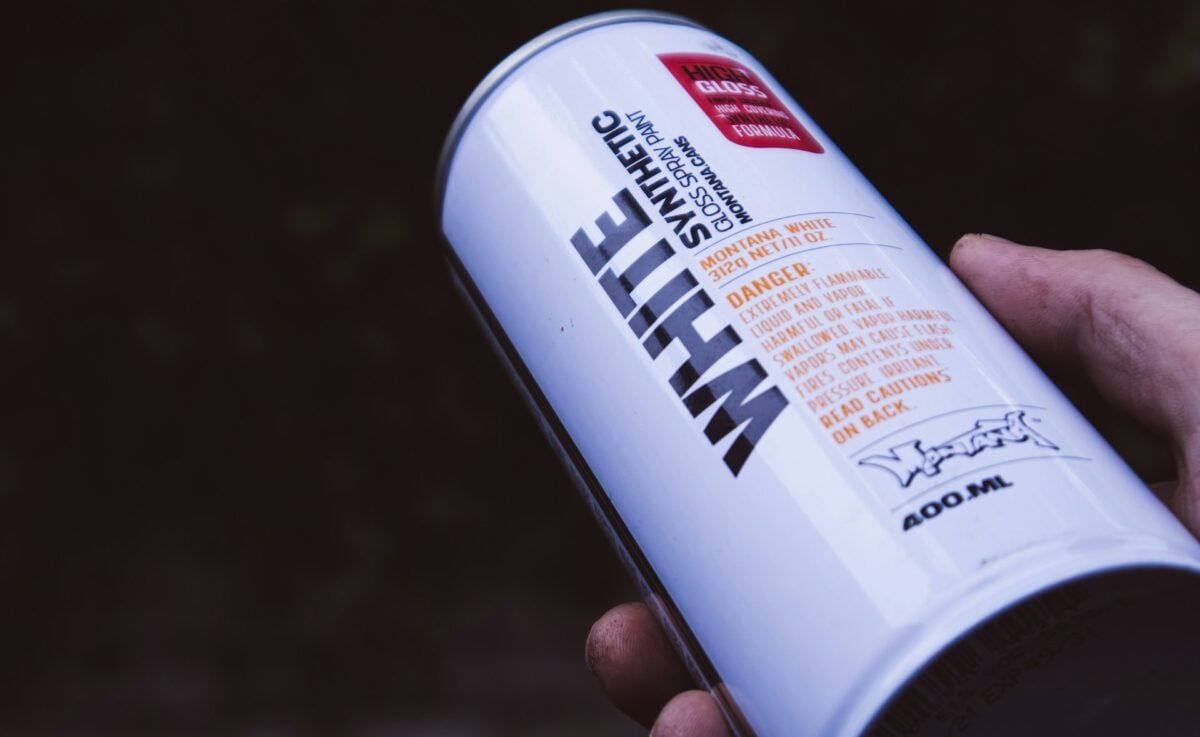
Common household items were quietly destroying our protective atmosphere. Chemicals used in everyday products like aerosols, packaging and refrigerators could deplete the ozone layer.
Hair spray, deodorants, air conditioners, and foam packaging all contained chlorofluorocarbons or CFCs. These chemicals seemed harmless on Earth, but once they drifted up into the atmosphere, they turned into ozone destroyers.
One CFC molecule could wipe out thousands of ozone molecules.
Like Go2Tutors’s content? Follow us on MSN.
Countries started banning the dangerous chemicals
In 1979 the USA and Scandinavia banned CFCs in aerosols. This was just the beginning of a worldwide movement.
The ban, initiated on March 17, 1978, was a collaborative effort involving the U.S. Consumer Product Safety Commission and other agencies.
Companies scrambled to find alternatives. Store shelves suddenly filled with products labeled “ozone friendly” as manufacturers raced to develop new formulas that wouldn’t harm the atmosphere.
The Montreal Protocol changed everything
Adopted on 16 September 1987, the Protocol is to date one of the rare treaties to achieve universal ratification. Every country in the world signed on to this agreement.
The 1987 Montreal Protocol on Substances That Deplete the Ozone Layer began the phaseout of CFCs in 1993 and sought to achieve a 50 percent reduction in global consumption from 1986 levels by 1998. Rich countries agreed to stop using these chemicals first, while developing nations got more time to find replacements.
Refrigerators and air conditioners got makeovers

The cooling industry faced a huge challenge. CFCs were perfect for refrigeration, cheap to make, and seemed safe for humans.
Engineers had to completely redesign cooling systems. New refrigerants appeared that worked almost as well but broke down before reaching the ozone layer.
HCFC production began to take off after countries agreed to phase out the use of CFCs in the 1980s. These replacement chemicals weren’t perfect, but they bought time while scientists developed even better alternatives.
Like Go2Tutors’s content? Follow us on MSN.
Scientists kept watching and measuring
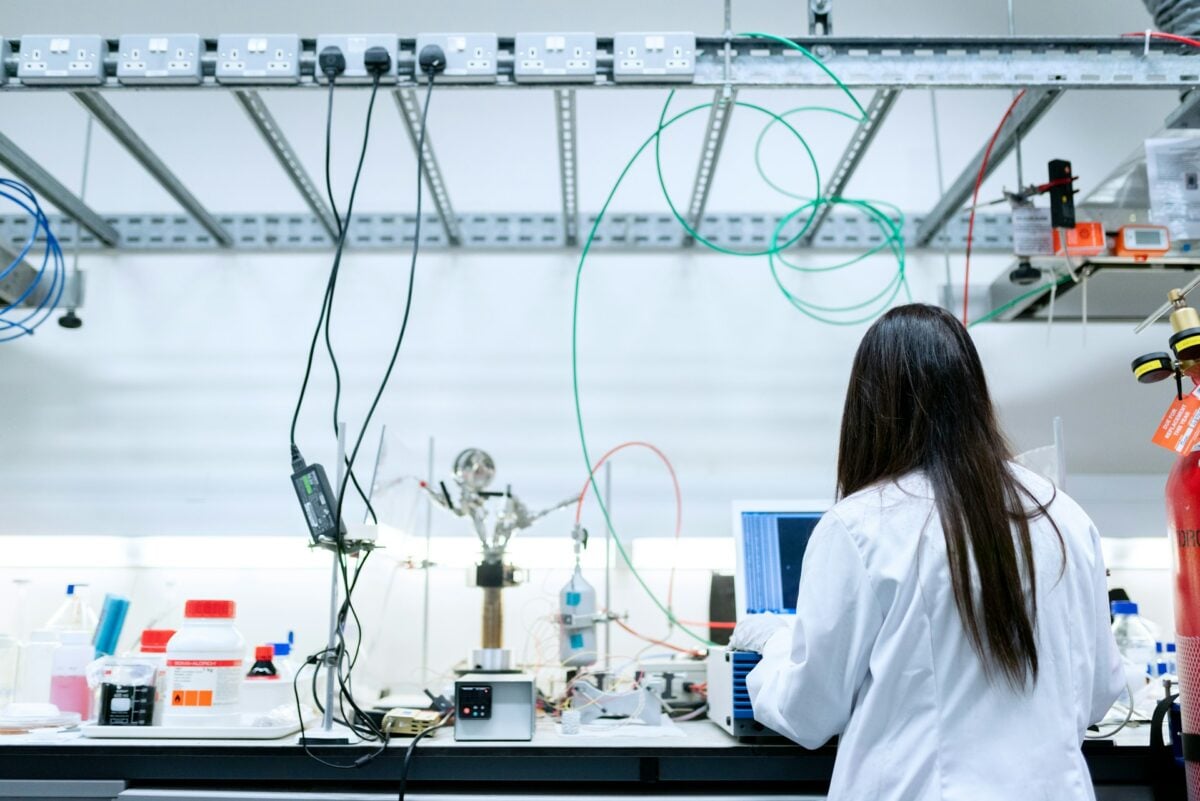
Researchers never stopped monitoring the ozone layer. Satellites, ground stations, and weather balloons constantly measured ozone levels around the world.
They tracked every change, looking for signs that the healing was really happening. The data showed good news and bad news from year to year, but the overall trend started moving in the right direction.
Scientists could finally see their efforts paying off.
The Antarctic gap started shrinking
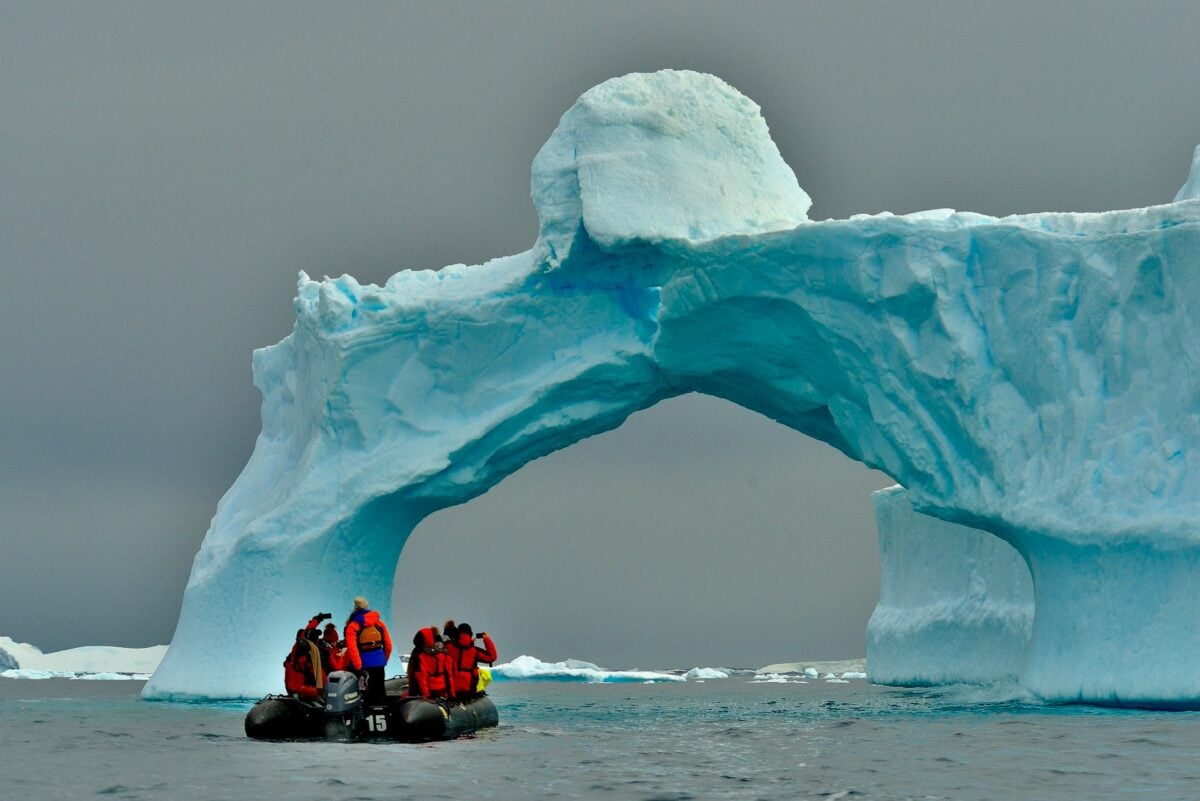
“For 2024, we can see that the ozone rupture’s severity is below average compared to other years in the past three decades. The massive gap that scared everyone in the 1980s began getting smaller.
The 2024 ozone rupture also formed relatively slowly and recovered relatively quickly—a good sign for the future of the ozone layer. Some years were better than others, but the long-term pattern showed steady improvement.
Natural processes helped the recovery

Nature played a big part in the healing process. Most HCFCs are broken down in the lowest part of the atmosphere and pose a much smaller risk to the ozone layer.
The atmosphere has natural cleaning systems that gradually remove the remaining harmful chemicals. Wind patterns, chemical reactions, and natural breakdown processes all worked together to speed up the recovery.
Like Go2Tutors’s content? Follow us on MSN.
Temperature changes affected the timeline
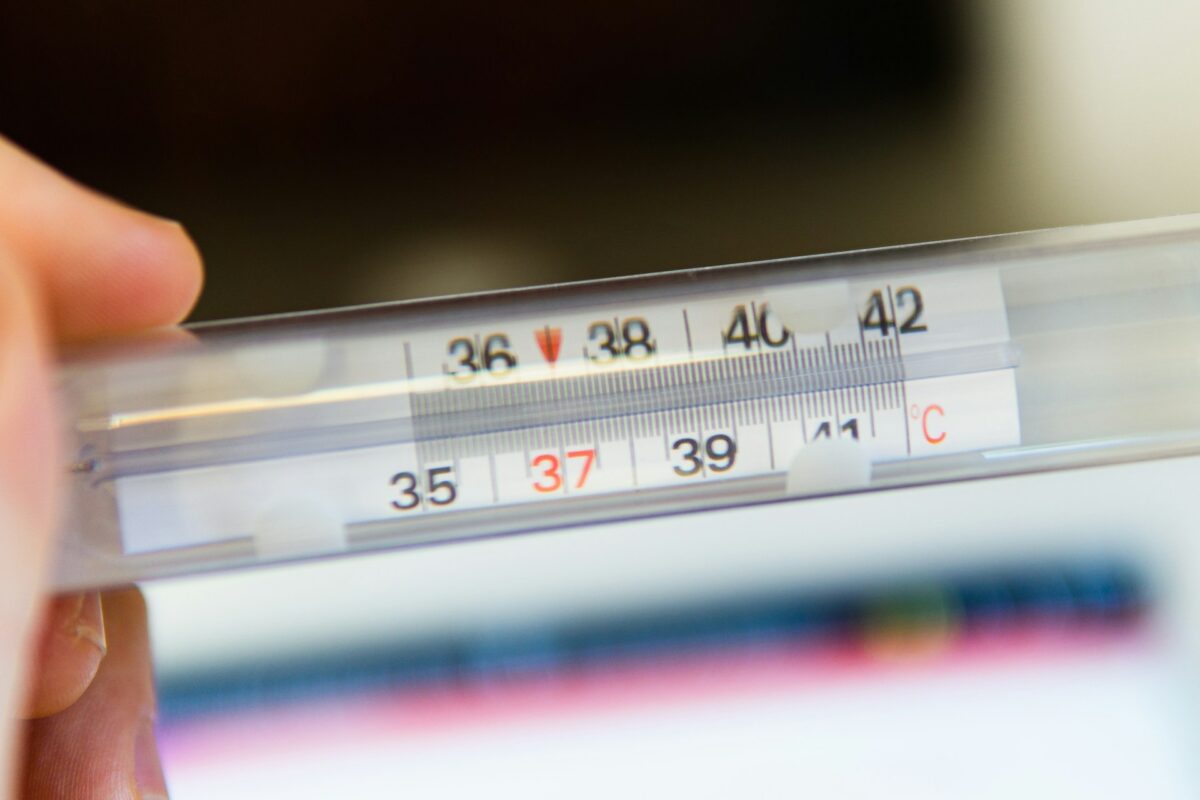
Weather patterns influenced how quickly the ozone layer healed in different places. Cold temperatures over Antarctica made the chemical reactions worse, while warmer areas recovered faster.
Climate change added another layer of complexity, sometimes helping and sometimes hindering the recovery process. Scientists had to account for these natural variations when tracking progress.
Developing countries got extra help
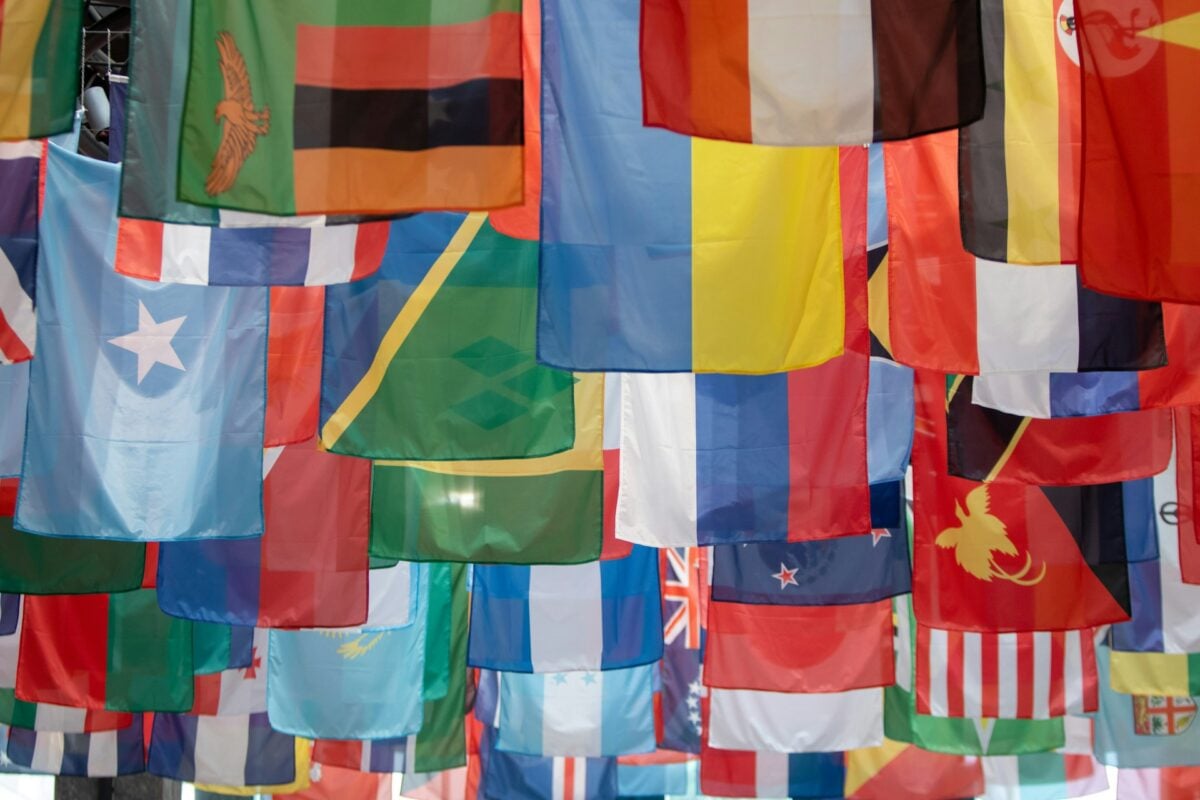
Richer nations recognized that everyone had to participate for the plan to work. They created funds to help developing countries switch to ozone-friendly alternatives.
Technology transfer programs shared new innovations. Training programs taught local technicians how to handle the new chemicals safely.
Developing countries will follow with a freeze of HFC consumption levels in 2024 and in 2028 for some nations.
Unexpected benefits appeared
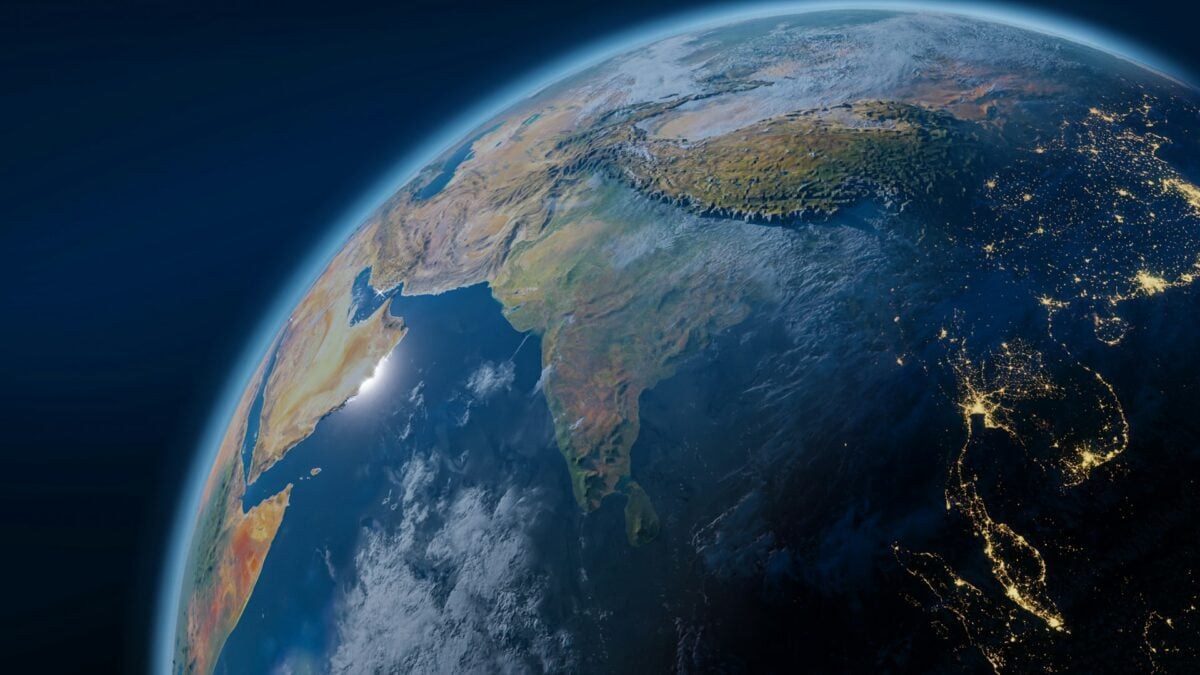
A new study has found that with the drop in CFCs and a healthier ozone layer, plants have been able to absorb more carbon. This change has had a notably positive effect on climate change.
The ozone recovery also reduced skin cancer rates and protected crops from harmful radiation. Marine ecosystems, especially tiny sea creatures that form the base of ocean food chains, started recovering from UV damage.
Like Go2Tutors’s content? Follow us on MSN.
New challenges emerged with replacements
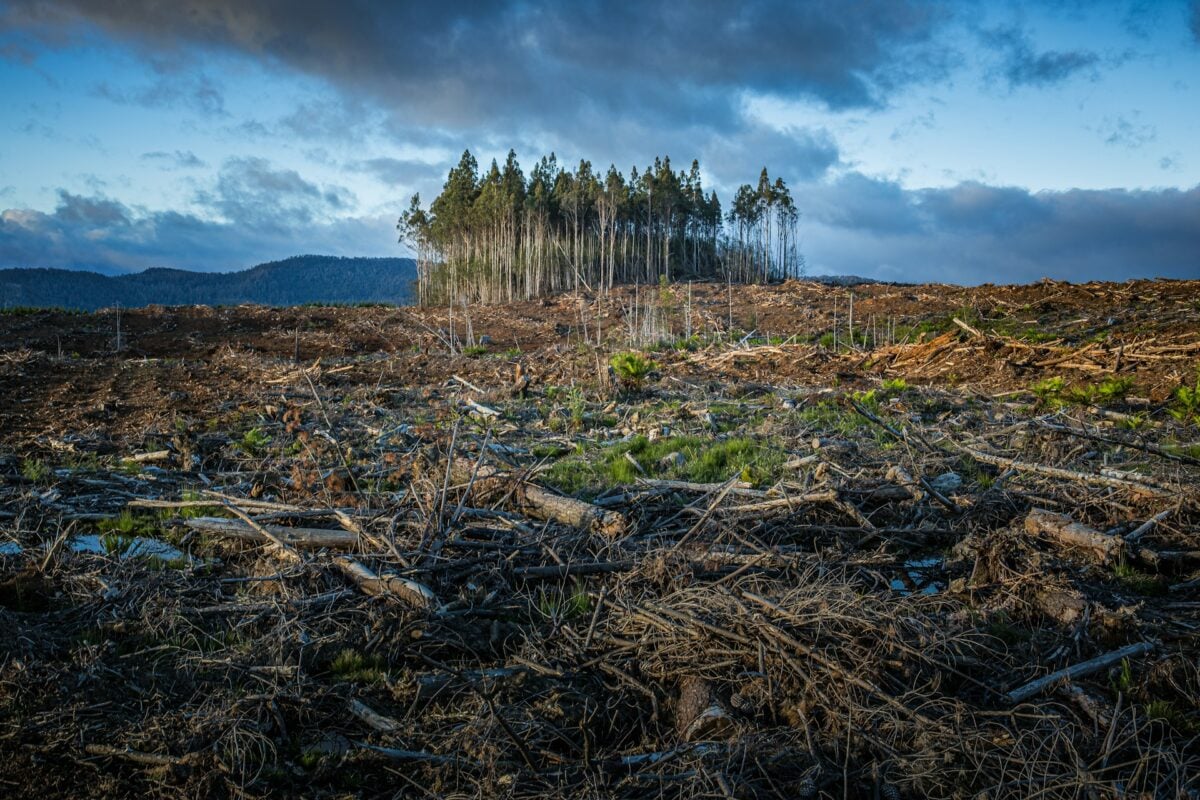
Some replacement chemicals created new problems. While they didn’t hurt the ozone layer, many were powerful greenhouse gases that contributed to climate change.
The Kigali Amendment to the Montreal Protocol addressed this issue by phasing down hydrofluorocarbons or HFCs. Countries agreed to reduce these chemicals too, showing they had learned from experience.
Technology kept improving

Scientists didn’t stop innovating after finding the first alternatives. Each generation of replacement chemicals worked better than the last.
Natural refrigerants like ammonia and carbon dioxide made comebacks with modern safety improvements. Heat pumps became more efficient.
Insulation materials got better without using any ozone-depleting substances.
From crisis to hope: what we learned
The ozone layer story proves that humans can fix the environmental problems they create. The ozone layer is still far from being fully healed, but the progress has been remarkable.
What seemed like an impossible crisis in the 1980s became one of environmental science’s greatest success stories. The world came together, made tough decisions, and stuck with the plan long enough to see results.
This experience shows that with good science, international cooperation, and commitment from everyone, we can solve even the biggest environmental challenges facing our planet today.
More from Go2Tutors!

- 16 Historical Figures Who Were Nothing Like You Think
- 12 Things Sold in the 80s That Are Now Illegal
- 15 VHS Tapes That Could Be Worth Thousands
- 17 Historical “What Ifs” That Would Have Changed Everything
- 18 TV Shows That Vanished Without a Finale
Like Go2Tutors’s content? Follow us on MSN.



