Surprising Facts About Famous Global Palaces
There’s something about palaces that makes them feel almost fictional — too grand, too old, too layered with history to be real. But when you look past the gilded ceilings and manicured gardens, you find stories that are far stranger and more human than any tour guide script.
Some of these places hide odd secrets. Others hold records most people have never heard of.
A few have histories that would make even the royals who lived there raise an eyebrow.
The Forbidden City Has Nearly 10,000 Rooms

China’s Forbidden City in Beijing covers 72 hectares and contains 980 surviving buildings — with a total room count that sits just under 10,000. The number wasn’t accidental.
According to Chinese legend, heaven’s palace had exactly 10,000 rooms, so the emperor’s earthly home had to have one fewer out of respect. Whether that story is historically accurate or not, the result is a complex so vast that the Ming emperors who built it in the early 1400s reportedly relocated over a million workers to complete it.
Versailles Once Had a Post Office
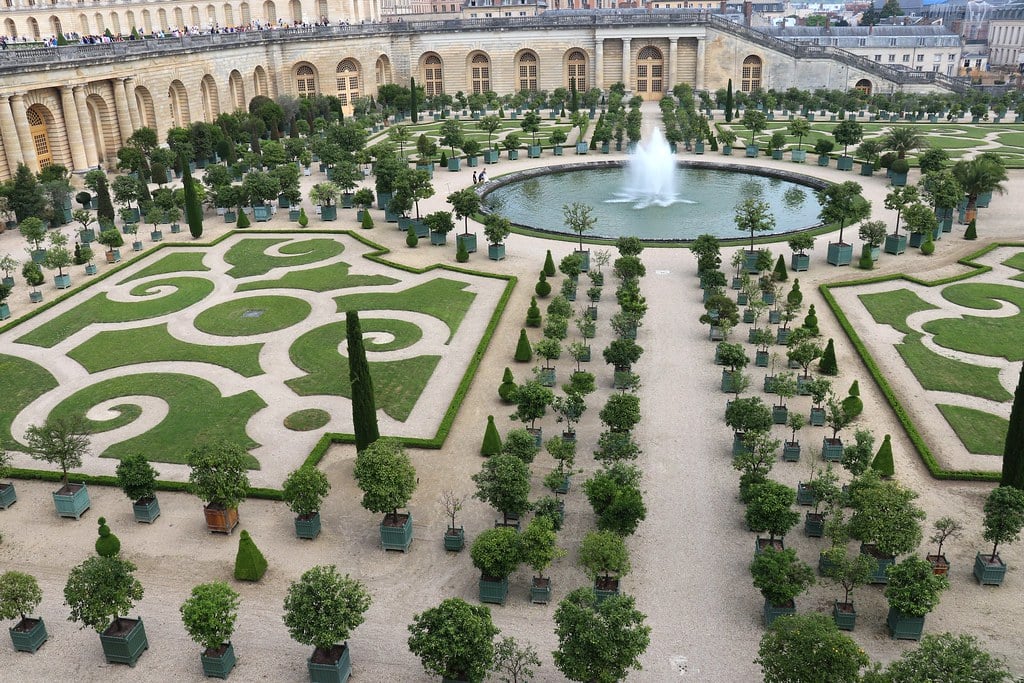
The Palace of Versailles in France is often described as the epicenter of European royal life in the 17th and 18th centuries, and in many ways it functioned less like a home and more like a small city. At its peak, around 20,000 people lived and worked within its walls — nobles, servants, guards, merchants, tradespeople.
To manage daily life at that scale, the palace had its own internal postal service. Letters moved between wings and apartments the same way they’d move between neighborhoods in Paris.
Buckingham Palace Has a Swimming Pool, a Cinema, and a Post Office
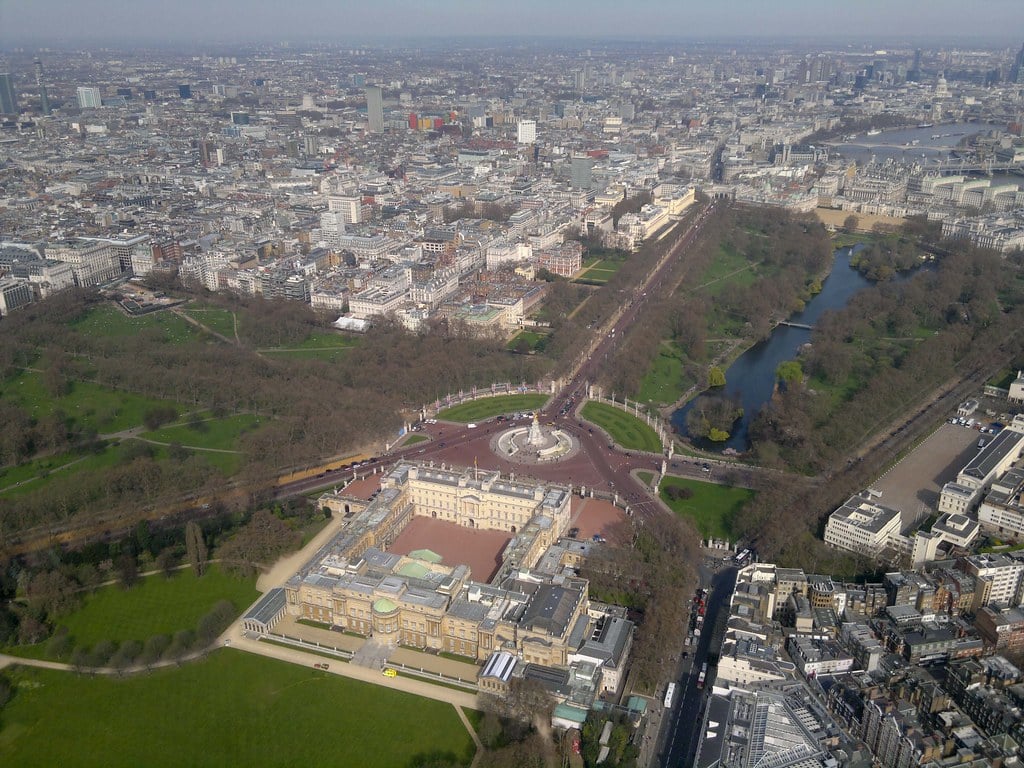
Inside its walls, Buckingham Palace holds 775 rooms – nineteen grand halls stand alongside fifty-two sleeping quarters for royals and guests. One hundred eighty-eight smaller bedrooms house workers who stay on site.
Ninety-two spaces serve as offices, while seventy-eight baths are scattered throughout. A swim area waits below ground, plus a small clinic runs medical care nearby.
Letters move through an in-house postal hub without leaving the grounds. Films play in a private screening room tucked within the complex.
Hundreds of people work full days inside, many staying overnight. Life moves steadily here, not unlike a village humming just beyond public view.
Royalty occupies only one part of this vast machine. What looks like a residence behaves more like a busy workplace wrapped in stone.
The Hermitage Employs Cats

Housed where the tsars’ Winter Palace once stood, the State Hermitage Museum in St. Petersburg shelters more than just art. Down below, among storage rooms and old hallways, lives a group of resident cats.
Back in the 1700s, mice became troublesome until Empress Elizabeth had felines brought in to help. Since then, whiskered guardians have remained part of daily life at the museum.
Wars came. Power shifted.
Yet these animals kept their quiet role beneath the surface. Fifty cats now work at the Hermitage, looked after by a few vets on site.
Though kept out of display rooms, these animals roam within the walls. Their presence ties into the place’s long story.
Each one belongs, in their own quiet way.
The Alhambra Once Had Vivid Paint
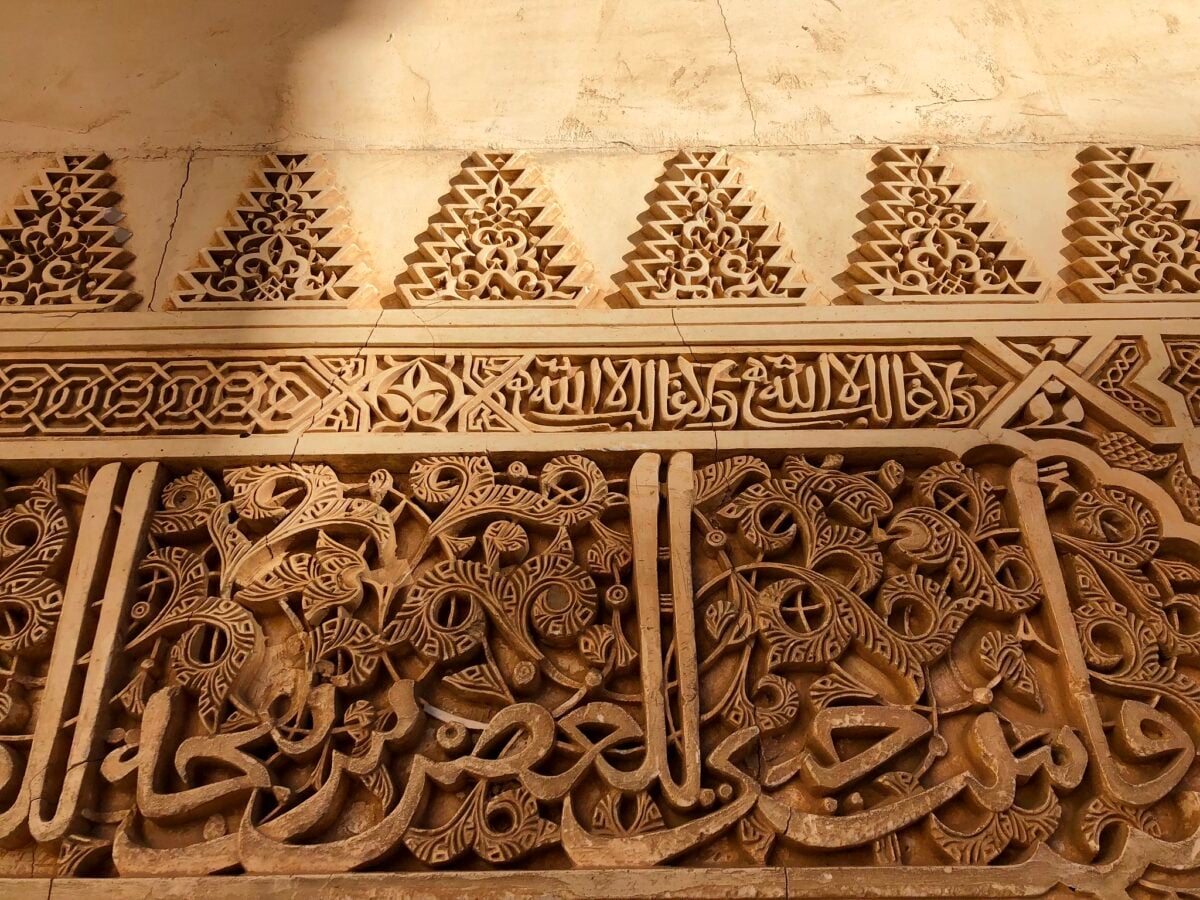
Walking into the Alhombra in Granada, eyes meet soft stone and delicate patterns shaped by hand, colored only by earthy light. Not so long ago, under Nasrid rule, none of it stayed bare.
Pigment remains dug up recently show splashes of bright blue, deep red, golden streaks, green like spring leaves – everywhere. Ceilings hummed with hue. Walls pulsed with tone. Time stripped most of it away.
Now what we see leans quiet, almost shy, compared to its roaring past. The structure holds, yet feels lighter somehow, emptied out.
Color once ruled here, shaping how voices echoed, how shadows fell. Without it, something essential slips just beyond reach.
Brunei royal palace largest residence on earth

Home to the Sultan of Brunei, Istana Nurul Iman earned its place in the Guinness World Records as the planet’s biggest home. With 1,788 rooms tucked inside, it also carries 257 restrooms across its vast layout.
A house of prayer stands within the compound – ready for daily worship. Guests fill a grand dining space built to hold four thousand at once.
Instead of just one garage, there’s room underground for more than seven thousand cars. Many of those luxury models stay protected indoors where temperature stays steady.
Lined beside slow-moving waters, the estate overlooks the Brunei River. Construction ended in 1984 after years of careful building.
Though mostly closed off, visitors can step inside three times each calendar year. Those chances come when festivities mark the end of Ramadan.
Stockholm Palace Has More Rooms Than Buckingham

One might think London holds the crown for royal space, yet Sweden’s Royal Palace in Stockholm packs nearly double the rooms – roughly 1,430 against Buckingham’s 775. Though vast, it isn’t where the royals sleep each night.
Instead, ceremonies and duties fill its halls, while home life unfolds at Drottningholm, just beyond the capital’s reach. This central palace hums with purpose: museums tucked inside, a chapel echoing voices, desks staffed by aides, rulers meeting protocol behind closed doors.
Mysore Palace Is Lit Up by Nearly 100,000 Light Bulbs

Every Sunday evening and on major festival nights, Mysore Palace in Karnataka, India, gets outlined in nearly 97,000 light bulbs. The illumination happens for exactly 45 minutes, and it draws crowds from across the country.
The palace itself was rebuilt in the early 1900s after a fire destroyed the original wooden structure, and the current version blends Hindu, Muslim, Rajput, and Gothic architectural styles into something that looks unlike almost any other royal building in the world. The weekly light display has become so popular it’s now one of the most photographed events in India.
The Potala Palace Sits Over 3,700 Meters Above Sea Level
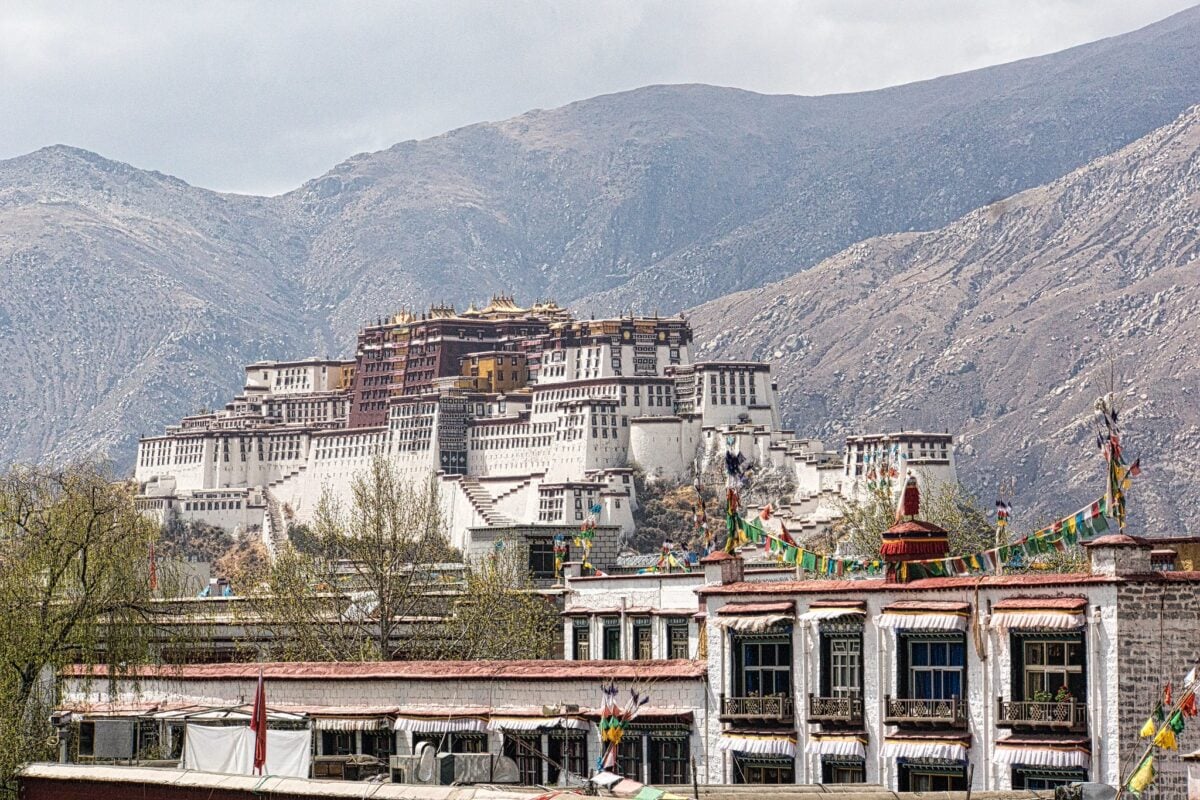
Built on a rocky hill in Lhasa, Tibet, the Potala Palace rises 13 stories and contains over 1,000 rooms. It served as the winter residence of the Dalai Lamas from the 17th century onward.
The altitude alone makes it remarkable — at over 3,700 meters above sea level, it’s one of the highest palaces ever built. The structure also contains thousands of murals, statues, and manuscripts, along with the tombs of previous Dalai Lamas encased in gold.
It took about 50 years and somewhere between 7,000 and 70,000 workers to build, depending on the historical source.
Topkapi Palace Had Its Own Economy

For nearly 400 years, Topkapi Palace in Istanbul served as the administrative heart of the Ottoman Empire. At its peak, the palace housed up to 10,000 people within its walls — including the sultan, his family, thousands of palace staff, military officers, and students in training.
It had its own bakeries, stables, treasuries, hospitals, and schools. Decisions that shaped three continents were made inside its gates.
The Harem section alone contained over 300 rooms. When the Ottoman Empire moved its administrative center elsewhere in the 19th century, Topkapi essentially became an abandoned city.
Schönbrunn Palace Was Nearly Demolished

A single moment changed everything at Schönbrunn Palace. Though Vienna’s grand estate boasts more than fourteen hundred chambers and vast landscaped grounds, survival wasn’t guaranteed.
Once the Austro-Hungarian realm fell apart during 1918, leaders questioned why a fledgling nation needed such an enormous residence. Plans emerged to either raze it completely or repurpose every wing for practical needs.
Yet hesitation slowed decisions while estimates revealed reconstruction or removal demanded funds similar to upkeep. Slowly, fate tilted toward preservation instead.
Now travelers stream through year after year – drawn to what nearly vanished without trace.
Hampton Court’s Maze Is Older Than Most Contemporary Mazes

Twisting through time, the hedges at Hampton Court Palace began growing near 1700, standing among the planet’s longest-lasting garden puzzles. Roughly filling a third of an acre, its trails twist and turn – some solve it fast, others wander much longer.
Once seized by Henry VIII from Cardinal Wolsey, the estate saw royal drama unfold: marriages bloomed then ended, one wife vanishing under grim orders. Later, William III reshaped the grounds, stretching walls and vision alike.
Though rulers faded, the green puzzle held on, now guiding more than five hundred thousand each year between its leafy walls.
The Vatican Palace Is More Than Just One Structure
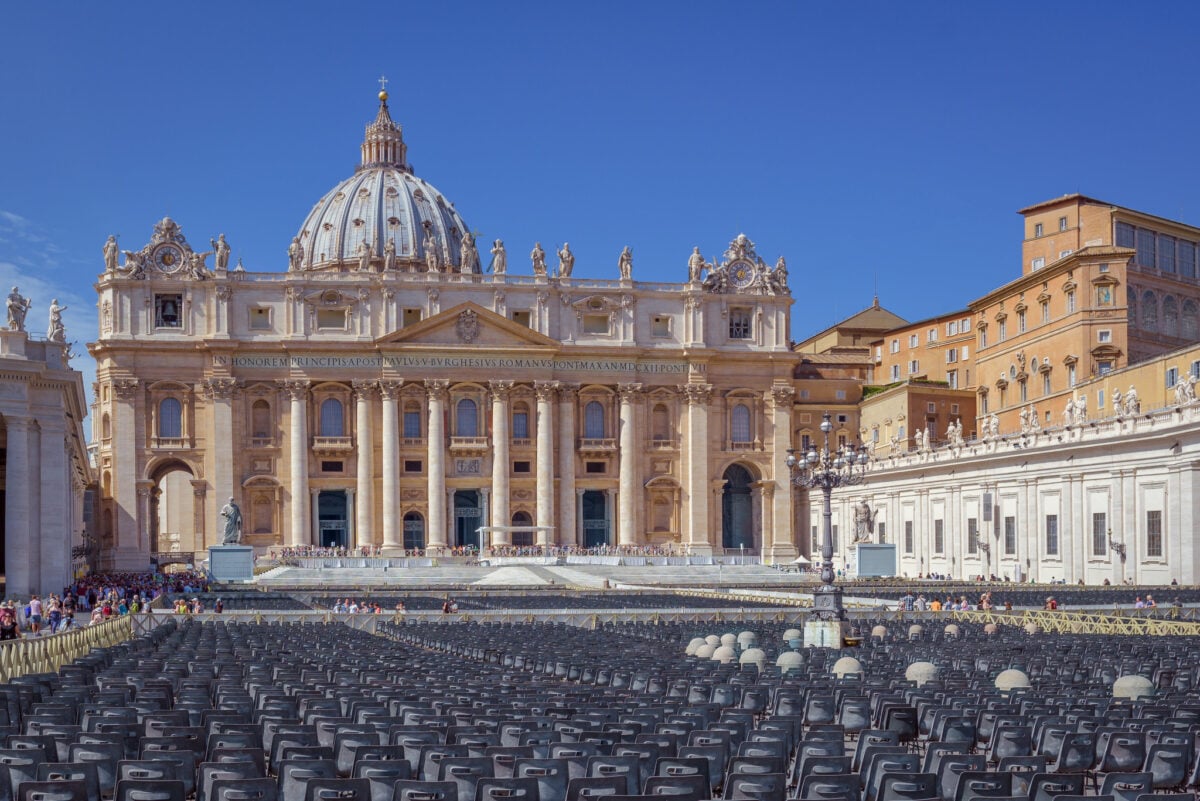
Inside, what seems like old church walls becomes a maze few ever walk through. Not many realize the Apostolic Palace isn’t just one structure, instead it’s grown slowly, piece by piece, across hundreds of years.
Rooms stack up – around a thousand – with private living quarters, places for prayer, shelves full of books, and workspaces where decisions are made. The famous Sistine Chapel?
Only a single chamber among them all. From afar, the view shows neat rows of historic stone; step closer, and hallways twist without warning, hiding inner yards and narrow stairs behind quiet doors.
Some Walls Speak Louder Than History Books
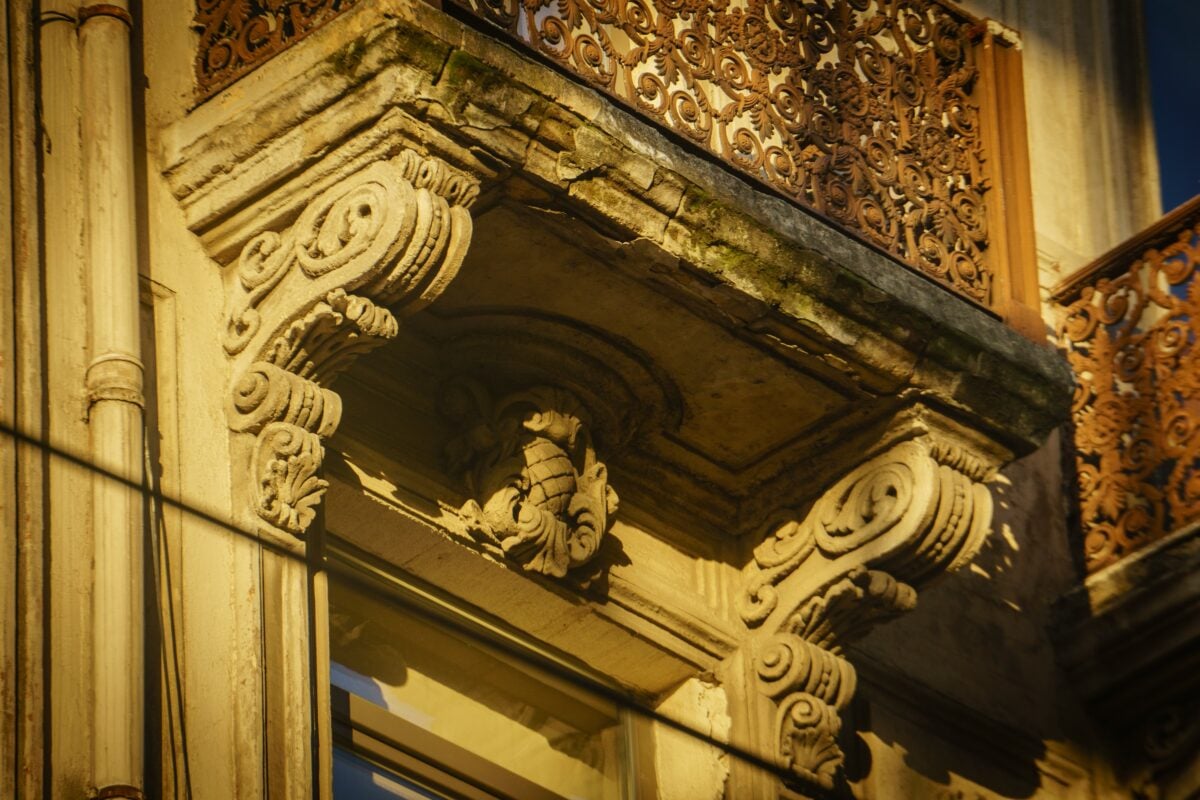
Step inside one of these palaces, get drawn to the big names – sweeping stairs, kings on walls, chambers where decisions shifted nations. Yet quieter tales stick around off to the side. A whisker here underground near snow-heavy roofs.
Peeling layers under southern sun. A small desk handing out letters behind gilded doors.
Out here, the quiet moments slip through the cracks of polished history books. Still, those small truths give a room its breath, turning grand halls into lived-in corners where someone once paused, unsure what came next.
Ordinary hands touched these surfaces. Even under heavy stone arches, life hummed in whispers, not declarations.
What sticks isn’t perfection but traces – smudges, creaks, half-finished thoughts left hanging. Inside massive frames, people simply did their best each day.
More from Go2Tutors!

- The Romanov Crown Jewels and Their Tragic Fate
- 13 Historical Mysteries That Science Still Can’t Solve
- Famous Hoaxes That Fooled the World for Years
- 15 Child Stars with Tragic Adult Lives
- 16 Famous Jewelry Pieces in History
Like Go2Tutors’s content? Follow us on MSN.



