Obscure Inventions That Changed Modern Life
You probably think about smartphones when someone mentions life-changing inventions. Or maybe electricity. The wheel.
But history is full of strange little breakthroughs that nobody remembers, even though they shape your daily routine in ways you’d never guess. These aren’t the inventions that get statues or museum exhibits.
They’re the ones that quietly slipped into existence and made everything else possible.
The Shipping Container Changed Everything About Stuff

Before 1956, moving products across the ocean meant hiring hundreds of dock workers to load individual crates, barrels, and boxes onto ships. It took weeks.
Malcolm McLean, a trucking company owner, got fed up watching this chaos and had a simple idea: what if you could just lift entire truck trailers onto ships? His first modified tanker ship carried 58 metal containers from Newark to Houston.
Shipping costs dropped by over 90% almost immediately. Today, about 90% of all goods travel in standardized metal boxes that stack, lock together, and transfer between ships, trains, and trucks without anyone touching what’s inside.
Your cheap furniture, your electronics, your clothes—they all exist at the prices you pay because of this boring metal box. Global trade exploded.
Manufacturing moved overseas. Cities that couldn’t handle container ships died while others boomed.
One man looked at a pile of cargo and thought “this seems inefficient” and accidentally redesigned the world economy.
Bubble Wrap Was Supposed to Be Wallpaper
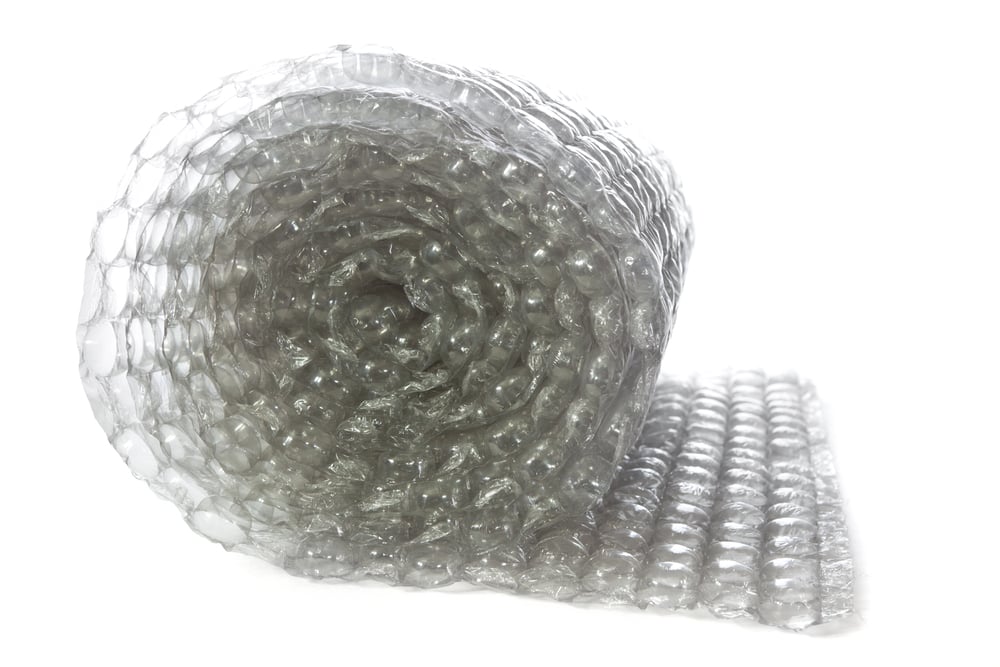
Two engineers in 1957 tried to create textured wallpaper by sealing shower curtains together. They failed.
The result looked stupid on the walls. But they noticed the material had small air pockets that might protect fragile items during shipping.
They spent years trying to sell their invention before IBM started using it to ship computers. Now bubble wrap protects billions of dollars in goods every year.
You’ve probably popped it for fun, which is a weird thing to say about a failed wallpaper experiment that became essential infrastructure. The satisfying pop comes from those tiny air cushions bursting.
That accidental feature makes people weirdly happy. Scientists have actually studied why humans enjoy popping bubble wrap.
Turns out protecting your new laptop and relieving stress both came from the same decorating mistake.
Bar Codes Made Modern Shopping Possible
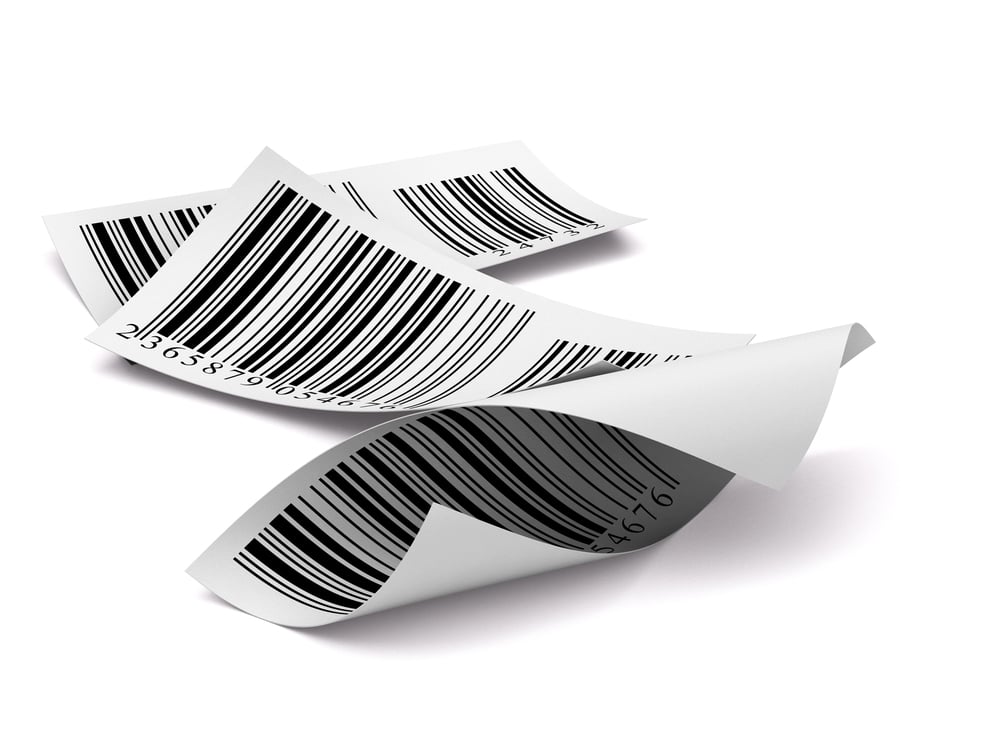
In 1974, a pack of Wrigley’s chewing gum became the first product ever scanned with a barcode at a supermarket in Ohio. That moment feels quaint now, but it completely changed retail.
Before barcodes, cashiers memorized prices or checked tags on every item. Stores struggled to track inventory.
You couldn’t efficiently manage thousands of products. The simple pattern of black lines encoding numbers let computers handle all that instantly.
Today, those lines are everywhere. Your mail, your library books, your concert tickets.
Supply chains run on them. Warehouses ship millions of items daily because scanners can read those patterns in milliseconds.
Self-checkout exists because machines can recognize products automatically. Norman Joseph Woodland and Bernard Silver invented the concept in 1952, inspired by Morse code.
Woodland drew lines in the sand at the beach one day and realized bars of different widths could encode information. It took over 20 years for technology to catch up to their idea.
The Stirrup Changed Warfare and Society

A metal loop for your foot seems obvious now. But for centuries, people rode without them.
The stirrup showed up in China around the 4th century and slowly spread west. What changed?
Everything about fighting on horseback. Before stirrups, riders could barely stay mounted during combat.
They mostly threw javelins or used light weapons. With stirrups, cavalry could brace themselves and use lances, turning horses into living battering rams.
This single invention transformed medieval warfare. Knights in heavy armor became possible.
Feudalism developed partly because you needed wealthy landowners who could afford horses and equipment. Castle sieges, charges, battles—the entire military landscape shifted because someone added a footrest to a saddle.
The social ripple effects lasted centuries. Power structures changed. Who could fight changed. All from a simple metal loop.
Corrugated Cardboard Keeps Your Packages Safe

You rip into cardboard boxes without thinking about them. That wavy middle layer between two flat sheets of paper was patented in 1856 by two British inventors who initially used it as a liner for tall hats.
Later, someone realized the fluted structure made incredibly strong, lightweight material perfect for shipping. Corrugated cardboard revolutionized packaging because it was cheap, recyclable, and protected contents better than wooden crates while weighing much less.
E-commerce only works at scale because cardboard is so practical. Amazon ships millions of boxes daily.
Without corrugated cardboard, online shopping would look completely different. The entire delivery infrastructure depends on this simple sandwich of paper layers.
Plus, it gave cats their favorite hiding spots. That’s not historically significant, but it matters to cat owners.
Concrete (The Modern Kind) Built Everything
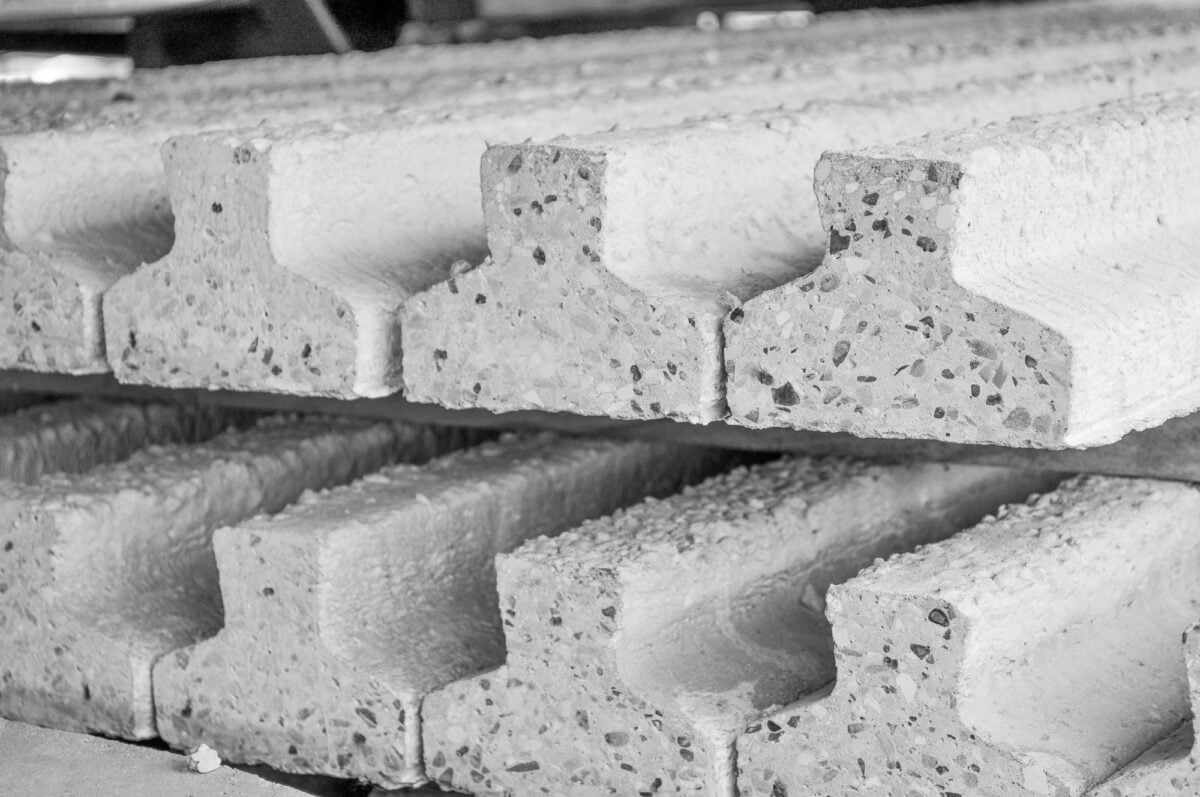
Romans used concrete, but it died out after their empire fell. Then in 1824, an English bricklayer named Joseph Aspdin patented Portland cement by burning limestone and clay together at high temperatures.
This new concrete was stronger, more reliable, and could be set underwater. It let engineers build things that were simply impossible before.
Skyscrapers. Dams. Highways.
Bridges that span miles. Your city is basically made of this stuff.
Modern life happens in concrete buildings, on concrete roads, behind concrete dams that provide power and water. It’s the most used material on Earth after water.
Cities with millions of people only work because you can pour this mixture into any shape and it becomes stone-hard infrastructure. People complain concrete is ugly.
They’re not wrong. But it’s also why modern civilization can house billions of people in dense urban centers with running water, electricity, and functioning sewers.
The Thermostat Made Climate Control Automatic
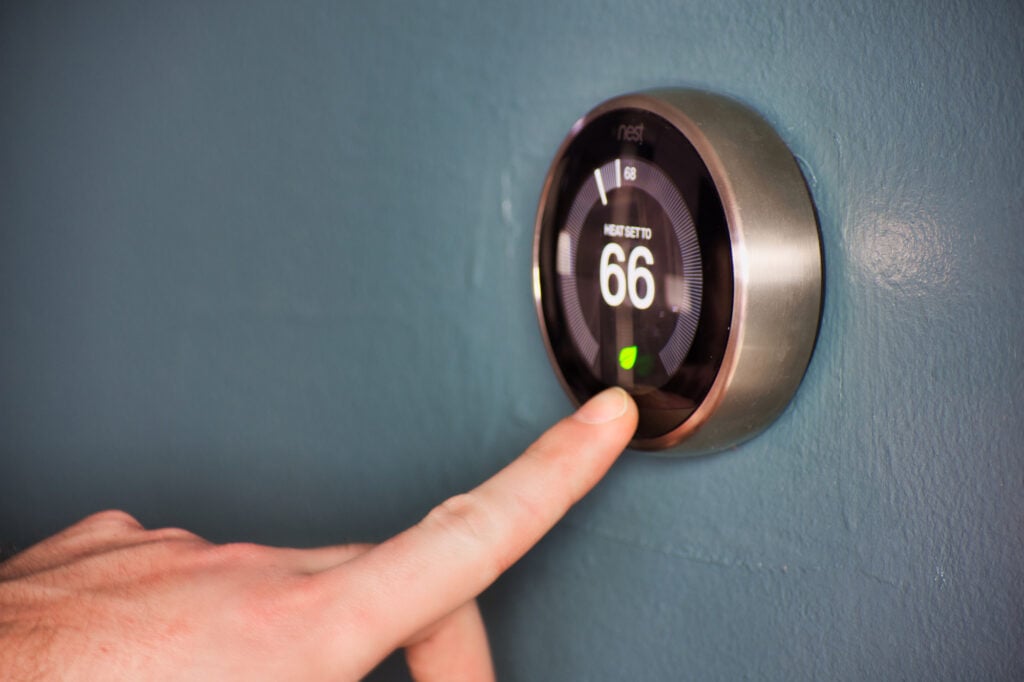
Warren S. Johnson, a schoolteacher, got tired of manually adjusting his classroom’s temperature in 1883. So he invented the first electric thermostat. It automatically controlled the building’s heating system based on temperature readings.
This seems basic now. But before thermostats, someone had to constantly tend furnaces or open and close vents manually.
Buildings were either too hot or too cold. Precise temperature control was impossible. Thermostats enabled modern HVAC systems.
They let data centers run without overheating. They made indoor farming viable.
They let factories maintain exact conditions for sensitive manufacturing processes. They made office buildings comfortable enough that people could actually think and work.
Your home probably has one. You set it and forget it.
That automatic adjustment saves energy while keeping you comfortable. Johnson just wanted a better teaching environment.
He ended up making buildings fundamentally smarter.
The Refrigerated Railcar Changed What You Eat
Before refrigeration on trains, people ate locally or ate preserved food. Fresh meat, fruits, and vegetables couldn’t travel far.
Diets were seasonal and regional out of necessity. Gustavus Swift figured out how to ship fresh beef from Chicago to eastern cities in refrigerated train cars in the 1870s.
Suddenly, fresh food could travel hundreds of miles. Food production centralized.
Farmers specialized. You could buy beef year-round regardless of where you lived.
This invention reshaped American agriculture and diet. It made national restaurant chains possible.
It turned certain cities into meatpacking centers. It meant your supermarket could stock produce from across the continent any day of the year.
People take grocery store variety for granted now. Your winter strawberries, your orange juice, your fresh fish—they all depend on the cold chain that started with insulated train cars full of ice.
Kevlar Was an Accidental Discovery
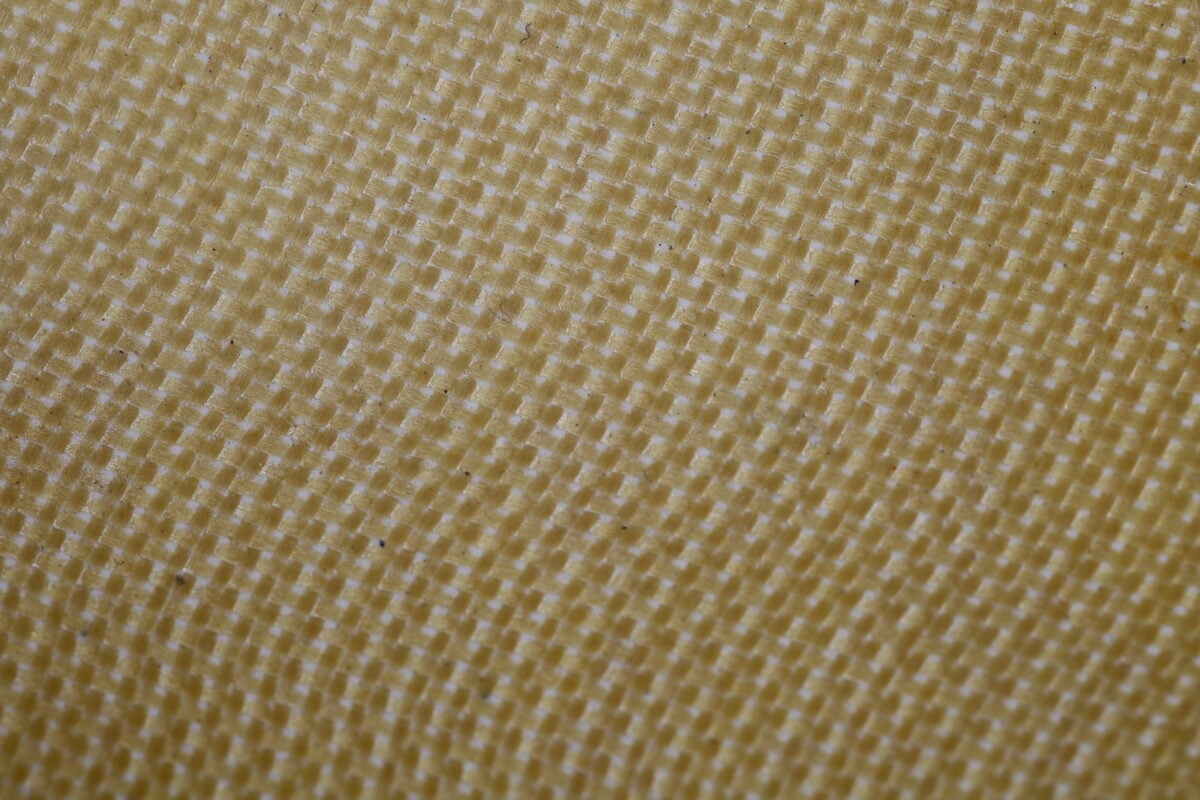
Stephanie Kwolek, a chemist at DuPont in 1965, was trying to create lightweight fibers for tires. She produced a cloudy liquid that should have been thrown out according to normal lab practice.
Instead, she convinced a colleague to spin it into fiber. The result was five times stronger than steel by weight.
Kevlar now stops bullets in body armor. It reinforces tires, helmets, and boats.
It’s in fiber optic cables. Firefighters wear it. It makes airplanes lighter and stronger.
Kwolek saved thousands of lives by trusting her instinct about a weird-looking liquid. Body armor alone has prevented countless deaths among police and soldiers.
She was trying to make better tires and instead created one of the toughest materials ever synthesized. Sometimes the most important breakthroughs come from not following the rules about what’s supposed to work.
The Quartz Watch Movement Killed an Industry
For centuries, mechanical watches dominated. Swiss watchmakers perfected their craft over generations.
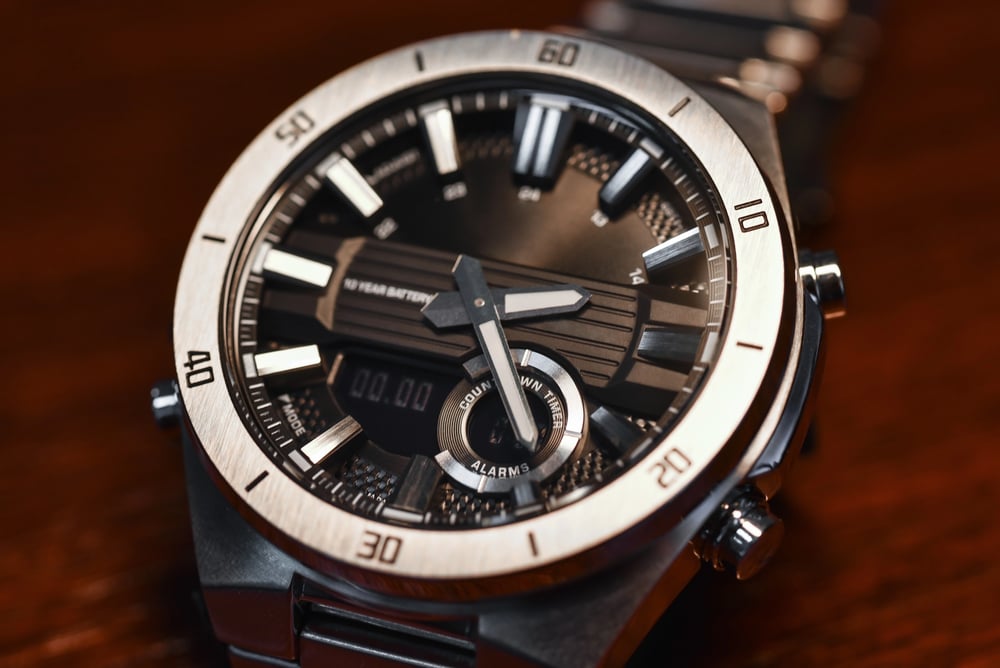
Then in 1969, Seiko released the first quartz watch. It used a quartz crystal oscillator powered by a battery instead of springs and gears.
Quartz watches were more accurate, cheaper to produce, and required less maintenance. They decimated the Swiss watch industry in what’s called the “quartz crisis.”
Thousands of watchmakers lost their jobs. Entire companies disappeared.
Now even cheap watches keep better time than expensive mechanical ones did. Your phone’s clock uses quartz oscillators.
So do computers, radios, and most electronics. That tiny vibrating crystal keeps the rhythm for digital life.
The Swiss watch industry eventually recovered by focusing on luxury and craftsmanship. But quartz technology democratized accurate timekeeping.
You don’t have to be wealthy to own a watch that barely loses a second per month.
Velcro Came from Annoying Burrs
George de Mestral went hunting in the Swiss Alps in 1941. He came home covered in burrs stuck to his clothes and his dog’s fur.
Most people would just curse and pull them off. He grabbed a microscope.
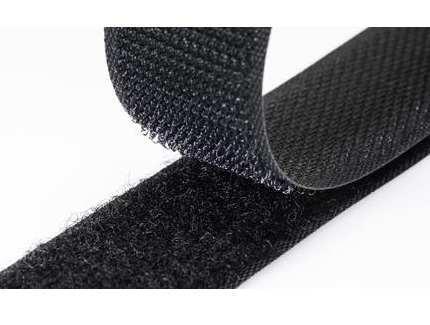
The burrs had tiny hooks that caught on fabric loops. He spent eight years figuring out how to recreate this in synthetic materials.
Velcro (from “velour” and “crochet”) became the result. NASA used it on spacesuits.
Shoes replaced laces with it. Surgeons use it instead of stitches in some procedures.
It’s in cars, clothes, military gear, and medical devices. That ripping sound is everywhere in modern life.
A simple walk with his dog led to a fastening system worth billions. Sometimes innovation means paying attention to annoying things everyone else ignores.
The LED Changed How We See at Night

Nick Holonyak Jr. created the first visible LED in 1962 while working at General Electric. He called it the “magic one.”
His bosses thought it was interesting but not particularly useful. They were spectacularly wrong.
LEDs now light homes, streets, screens, and stages. They use a fraction of the energy of incandescent bulbs and last for decades.
Cities are replacing millions of streetlights with LEDs and cutting energy costs dramatically. Your phone screen is LEDs.
Your TV probably is too. Traffic lights, car headlights, stadium displays—all LEDs.
They’ve reduced energy consumption for lighting worldwide by billions of watts. The invention was based on the principle that certain materials emit light when electricity passes through them.
This simple physics demonstration became the lighting technology that’s replacing everything that came before it.
3M’s Weak Glue Became Post-it Notes
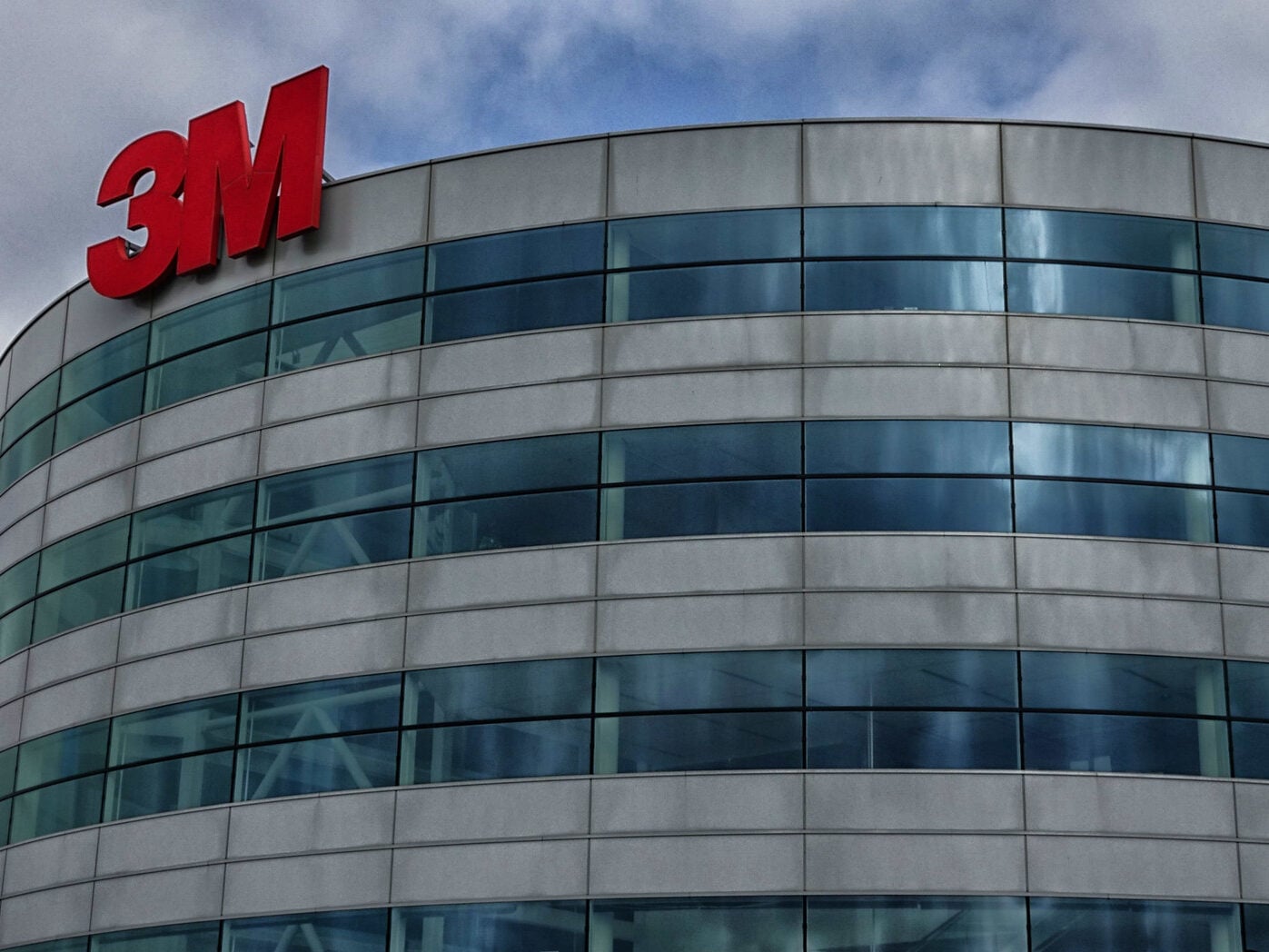
Back in 1968, Spencer Silver worked at 3M aiming to make a powerful glue – yet he didn’t succeed. Instead, his mix turned out way too weak, hardly holding things together.
Because of that, the sticky stuff sat around without purpose. Over time, folks just ignored it since it seemed totally pointless.
Later, Art Fry – a 3M researcher – got annoyed because his bookmarks kept slipping from his songbook at church. Then he thought of Silver’s low-tack adhesive.
So he tried spreading it on paper scraps. Right away, people could attach bits of paper wherever they liked – and peel them off clean.
Sticky notes turned out to be a huge hit across workplaces. You’ll find them stuck on desks, fridges, or school walls.
People use them to jot down ideas, sort tasks, or leave quick reminders. One odd lab mistake mixed with someone struggling to keep choir songs in place led to this handy tool we now rely on daily.
When Small Changes Echo Through Time

Those creations have more in common than being forgotten. Yet each fixed a real issue, even though no one saw how big it’d get.
The container guy aimed for smoother hauls by road. Meanwhile, the bubble wrap team hoped for cooler wall designs.
While the Velcro mind was curious about pesky burrs from weeds. Most weren’t aiming to change how people live.
Instead, they tackled what needed fixing right away. Yet tiny improvements build up over time – slow but steady.
Easy fixes for narrow problems often spread far without anyone planning it. You’re surrounded by stuff made by unknown inventors, burnt-out educators, plus folks in labs who kept strange mixtures instead of dumping them.
These people rarely show up in school books. Yet whenever you glance at your phone’s bright display, slap a sticky note on your screen, or get a package packed in rigid cardboard tucked inside a metal cargo box, you’re leaning on what they left behind.
The next time somebody brushes off a thought because it seems too basic or odd, keep in mind – big breakthroughs usually begin as quirky fixes for pesky issues. Could be the future’s sitting in your shed, your fridge, or even caught on your jeans from hiking through nature.
More from Go2Tutors!

- The Romanov Crown Jewels and Their Tragic Fate
- 13 Historical Mysteries That Science Still Can’t Solve
- Famous Hoaxes That Fooled the World for Years
- 15 Child Stars with Tragic Adult Lives
- 16 Famous Jewelry Pieces in History
Like Go2Tutors’s content? Follow us on MSN.