Curious Sleep Traditions in Different Cultures
Sleep feels like something everyone does the same way. Shut your eyes, fade out, rise feeling better.
Yet around the globe, habits vary in surprising ways. A few match local weather or routines – makes sense when you think about it.
Meanwhile, some customs appear odd at first glance. Still, there’s always a backstory rooted in culture if you look closer.
These traditions show how folks adjust to where they live, what matters to them, while hinting at what peace feels like.
The Spanish Siesta: More Than Just an Afternoon Nap

Spain’s siesta tradition has become famous worldwide, but it’s often misunderstood. The practice started as a practical response to intense midday heat, especially in rural areas where people worked outdoors.
Farmers and laborers would return home, eat a large meal, and rest during the hottest hours. The tradition also became more widespread during economic hardship after the Spanish Civil War, when many people worked multiple jobs and needed the midday break.
Modern Spain has shifted away from this pattern in cities. According to a 2009 survey, only 16.2 percent of Spaniards claimed to take a daily siesta, while 58.6 percent said they never took one.
Many businesses in large cities now stay open through lunch. But in smaller towns, you’ll still find shops closing between 2 PM and 5 PM.
The tradition persists partly because Spanish dinner happens late—often not until 9 or 10 PM. That makes the day long, and a midday break helps people manage.
The siesta isn’t really about long sleep. Most people rest for 20 to 40 minutes, which research shows can boost alertness without causing grogginess.
When Spaniards do nap, most fall asleep on their sofa rather than going to bed.
Japanese Inemuri: Sleeping While Present
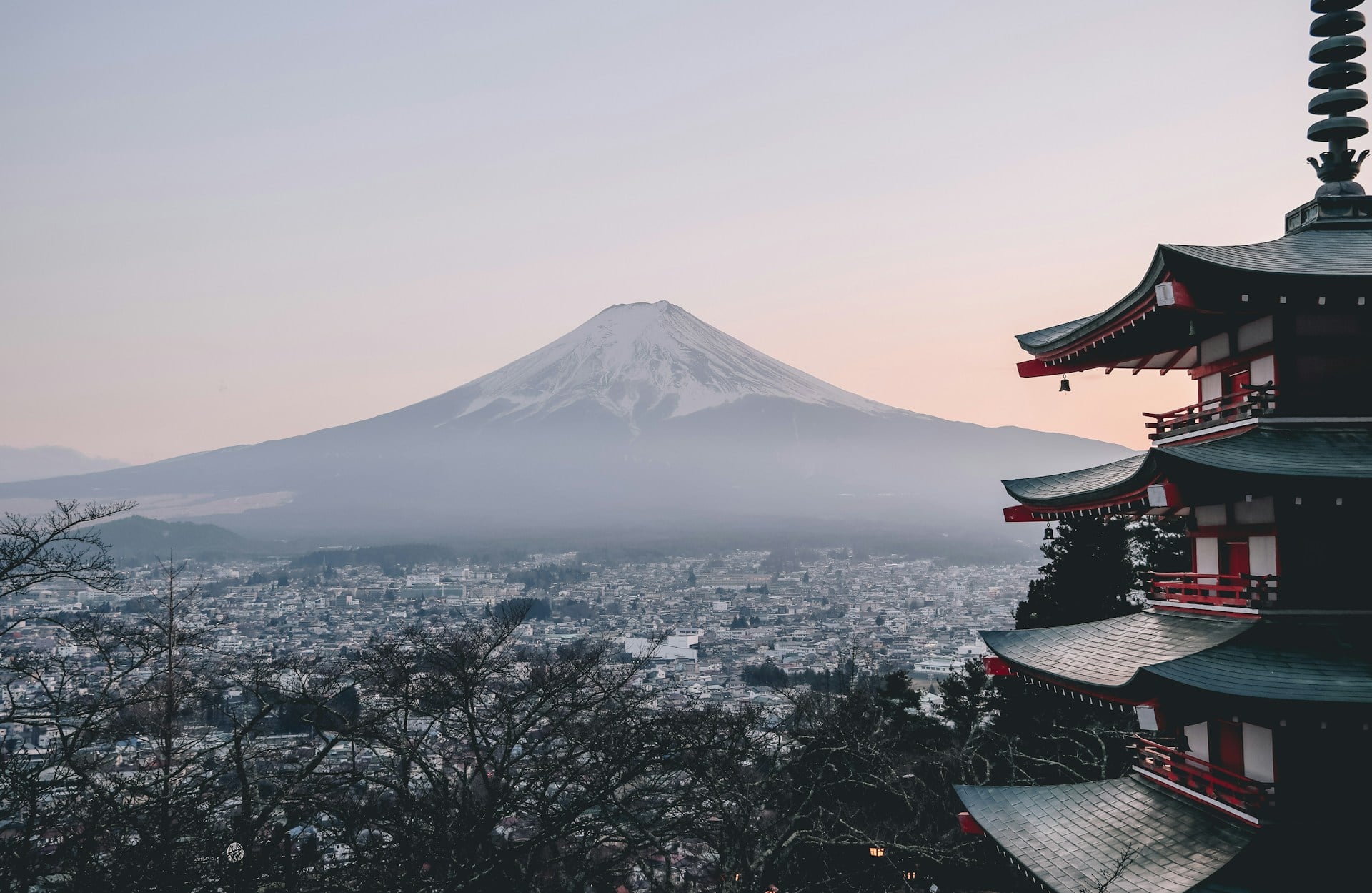
Japan has a practice called inemuri, which translates to “sleeping while present.” You’ll see it everywhere—commuters dozing on trains, students nodding off in libraries, even workers catching a few minutes at their desks during meetings.
This isn’t considered rude. It can suggest you’re working so hard that you’re exhausted.
The key is staying upright and somewhat alert to your surroundings. You’re not fully asleep, just resting your eyes and mind.
Japan ranks among the most sleep-deprived nations in the world, with many people sleeping less than six hours per night. Inemuri only works in safe environments.
People feel comfortable doing it on public transportation because crime rates are low. But there are rules.
Newer employees generally can’t practice inemuri at work—it’s more acceptable for those higher in the social hierarchy. The practice reflects how overwork has been normalized in Japanese culture, though that’s starting to change as younger generations push back.
The Balinese Calendar and Daily Rhythms
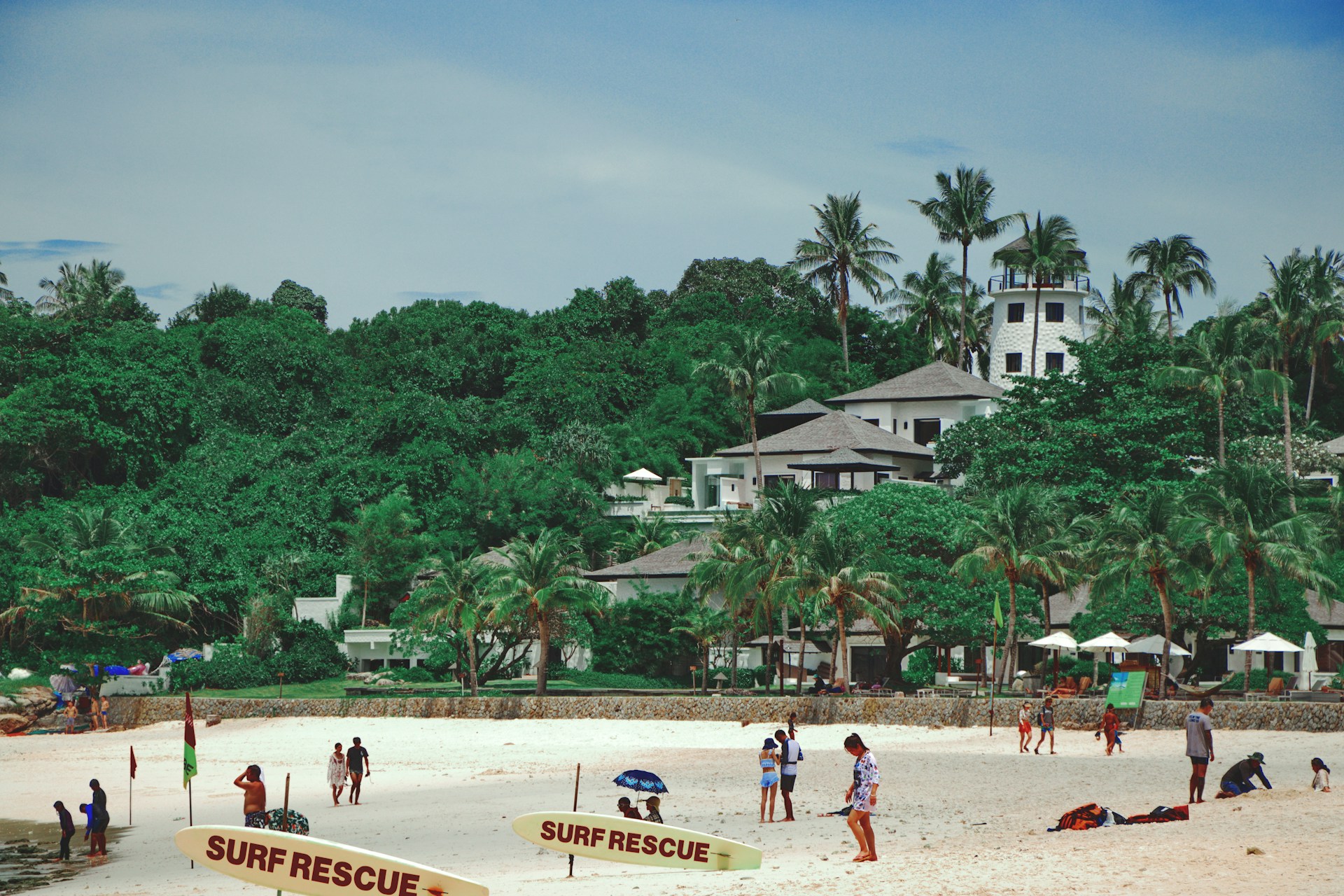
In Bali, traditional timekeeping follows two overlapping calendar systems. The Saka calendar tracks lunar cycles with twelve months, while the Pawukon calendar operates on a 210-day cycle divided into complex overlapping weeks.
This dual system affects daily life in ways outsiders might not expect. Certain days are considered better for specific activities.
Some days are ideal for working, others for ceremonies, and some for rest. Balinese Hindus consult priests to determine auspicious days for important activities, believing that cosmic forces influence daily life.
The calendar dictates when temples hold ceremonies and when families perform rituals. This creates rhythms of activity and rest that shift throughout the year.
What looks inconsistent to visitors actually follows a precise spiritual framework that’s been used for centuries.
Segmented Sleep Before the Industrial Revolution
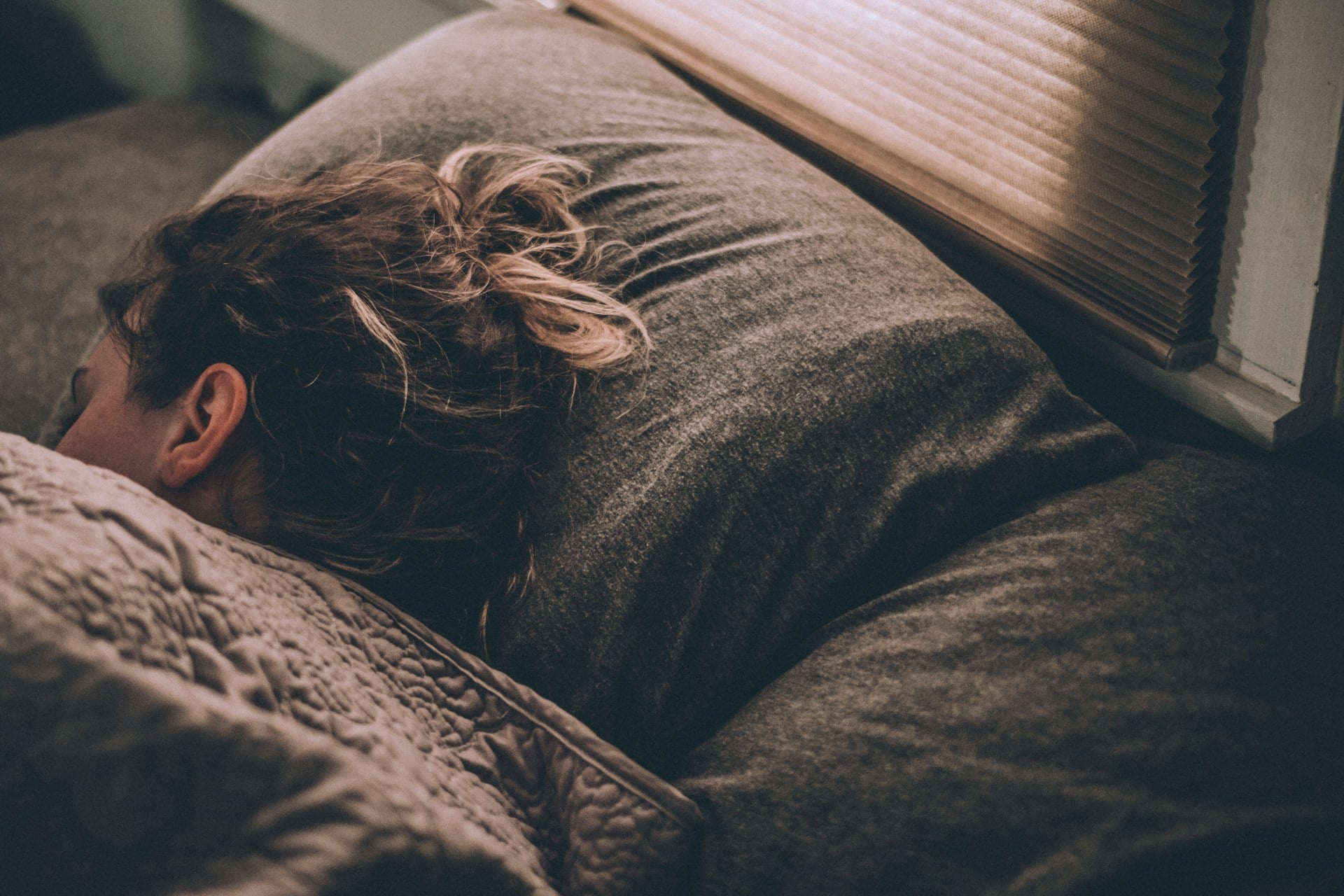
Before the Industrial Revolution, many Europeans practiced segmented sleep. People would go to bed shortly after dusk, sleep for four hours, then wake up for one or two hours in the middle of the night.
During this wakeful period, they’d pray, read, chat with family, or visit neighbors. Then they’d return to bed for a second sleep until morning.
Historical records, diaries, and literature from the 15th through 18th centuries reference “first sleep” and “second sleep” as normal parts of life. References appear in sources as varied as Geoffrey Chaucer’s Canterbury Tales and legal documents noting crimes occurring between the two sleepers.
This pattern wasn’t limited to Europe. Historian Roger Ekirch found evidence of similar practices in Africa, the Middle East, South and Southeast Asia, and other regions.
The practice faded when artificial lighting extended evening hours. People stayed up later, which pushed their sleep into one continuous block.
But some researchers think segmented sleep might be more natural for humans than the eight-hour stretch most people aim for now.
The Botswana San and Flexible Rest
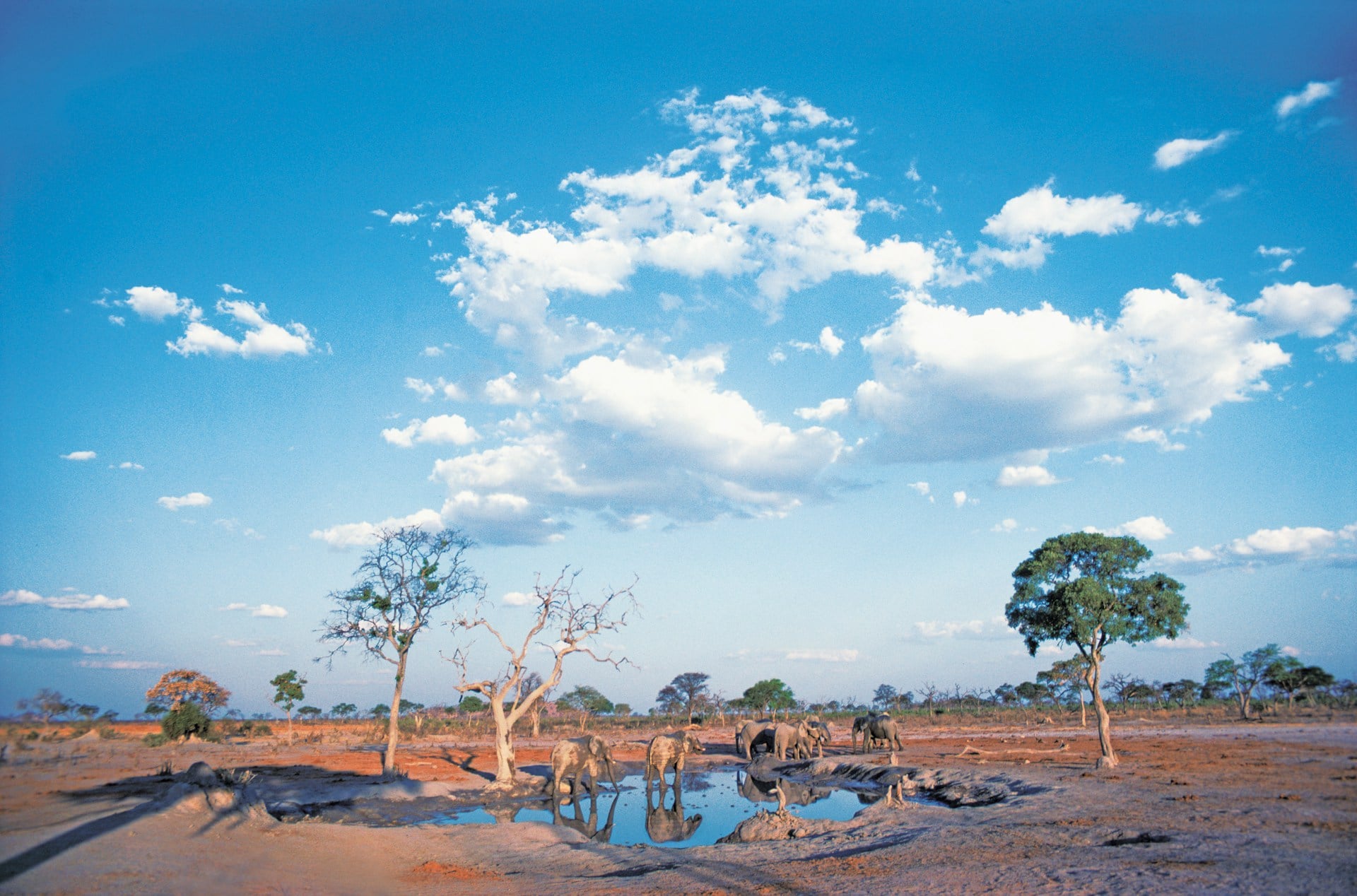
The San people of Botswana don’t have strict sleep schedules. Their rest patterns follow the demands of hunting, gathering, and social activities.
Someone might sleep for a few hours, wake to tend a fire or check on children, then sleep again. This flexibility extends to where they sleep.
During hunts that last several days, they’ll rest wherever they stop. Back at camp, sleeping arrangements are casual—family groups share spaces, and there’s less emphasis on privacy than in Western cultures.
The San also place high value on dreams. They discuss them openly and believe dreams provide guidance or warnings.
This makes the quality of sleep important beyond just physical rest.
Iranian Traditional Sleeping Platforms
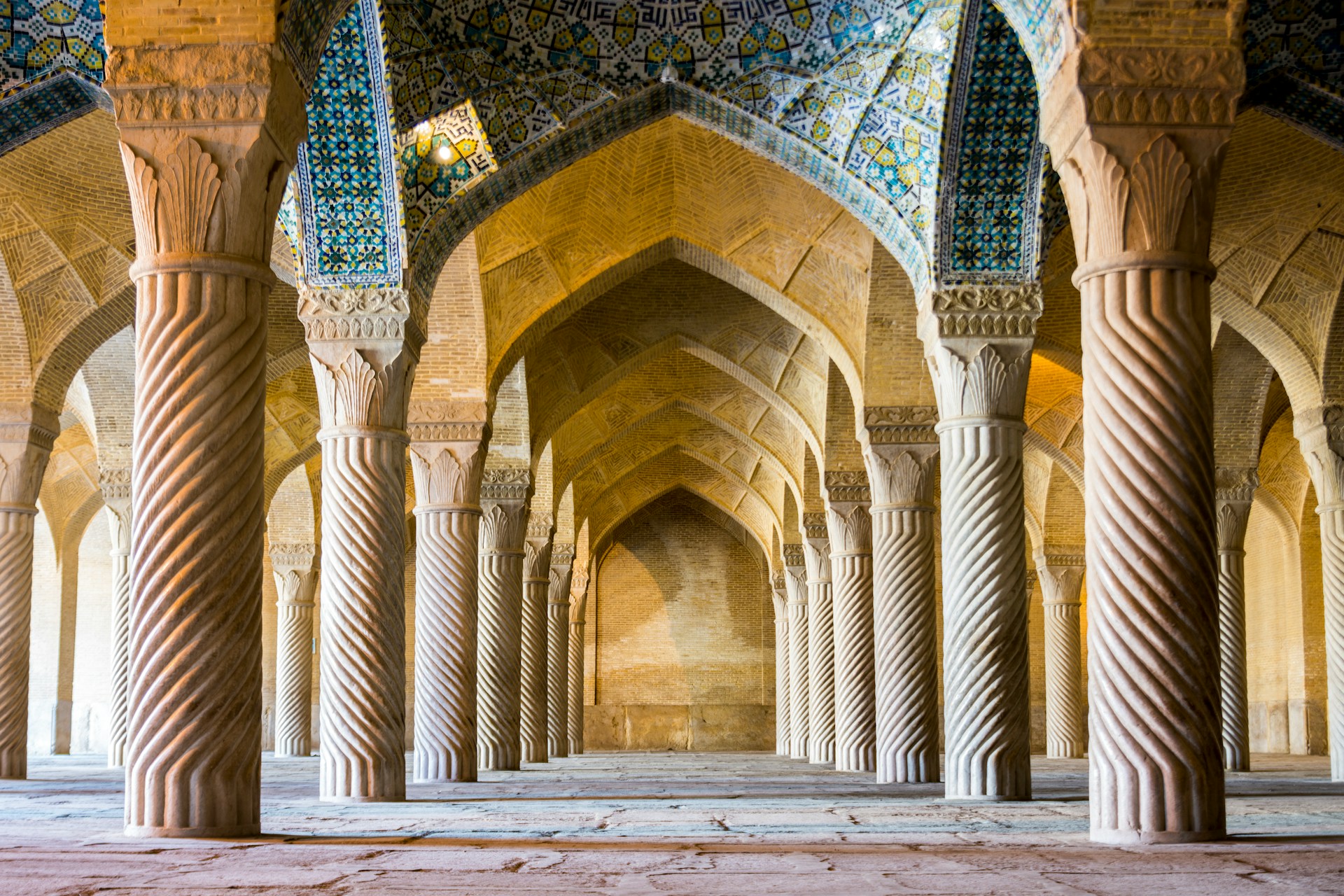
In traditional Iranian homes, particularly in rural areas, people sleep on raised platforms called takht. These wooden or stone platforms sit in courtyards or on rooftops during hot months.
Sleeping outside keeps people cooler in summer. The elevation also protects from insects and provides better air circulation.
Families roll out mattresses and blankets on these platforms at night, then pack them away each morning. This practice has declined with modern air conditioning, but many Iranians still remember sleeping under the stars on summer nights.
It’s a cherished memory that represents a slower, more connected way of life.
The Guatemalan Mayan Sleep Traditions
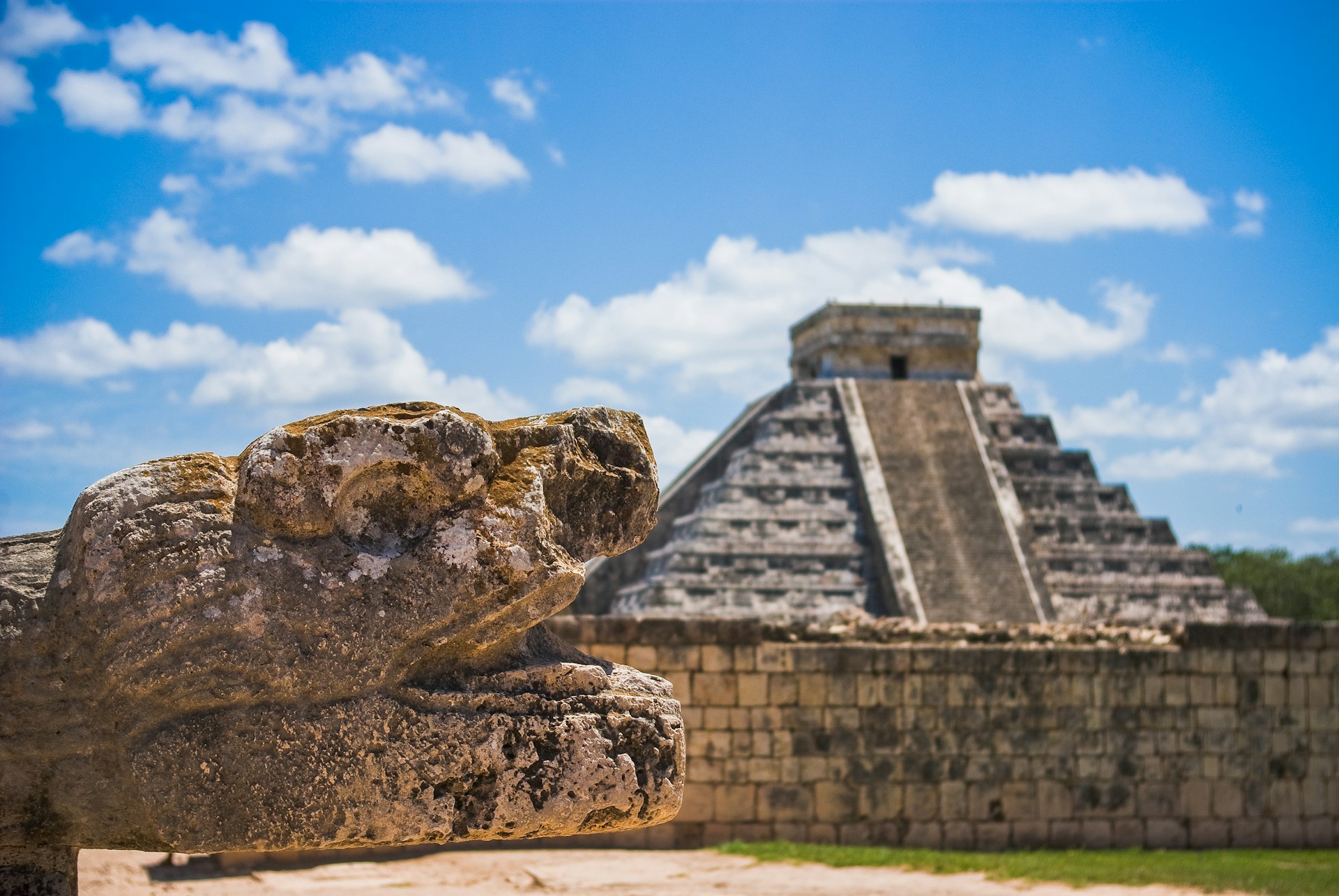
Many Mayan communities in Guatemala maintain traditional sleeping customs. Families often sleep together in one room, regardless of house size.
This isn’t about lack of space—it reflects values around closeness and protection. Hammocks are still common in some areas, particularly in the lowlands where they provide relief from heat and humidity.
The gentle rocking helps people fall asleep faster, and elevation keeps them away from ground-dwelling creatures. Mayan traditions also include specific rituals before sleep.
These vary by community but often involve prayers or small ceremonies to ensure peaceful rest and protection through the night.
Nordic Countries and Outdoor Napping for Babies

In Sweden, Denmark, Norway, and Finland, parents regularly leave babies to nap outside in strollers, even in freezing temperatures. You’ll see strollers lined up outside cafes and shops while parents eat or socialize inside.
In the Finnish city of Oulu, 95 percent of families let their babies nap outside, typically beginning when they’re two weeks old. This practice is rooted in the belief that fresh air strengthens children’s immune systems and helps them sleep better.
Babies are bundled in warm clothing and sleeping bags designed for cold weather. Parents check on them frequently, and many use baby monitors.
Research backs this up. A Finnish study found that 88 percent of parents reported their babies clearly enjoyed sleeping outdoors, and 66 percent said their babies appeared more active after outdoor naps compared to indoor ones.
Babies who nap outdoors tend to sleep longer and more soundly. The practice is so normal that daycare centers have outdoor napping areas equipped for winter conditions, and it’s even recommended by midwives and nurses as part of standard childcare advice.
The Afternoon Nap Culture in China
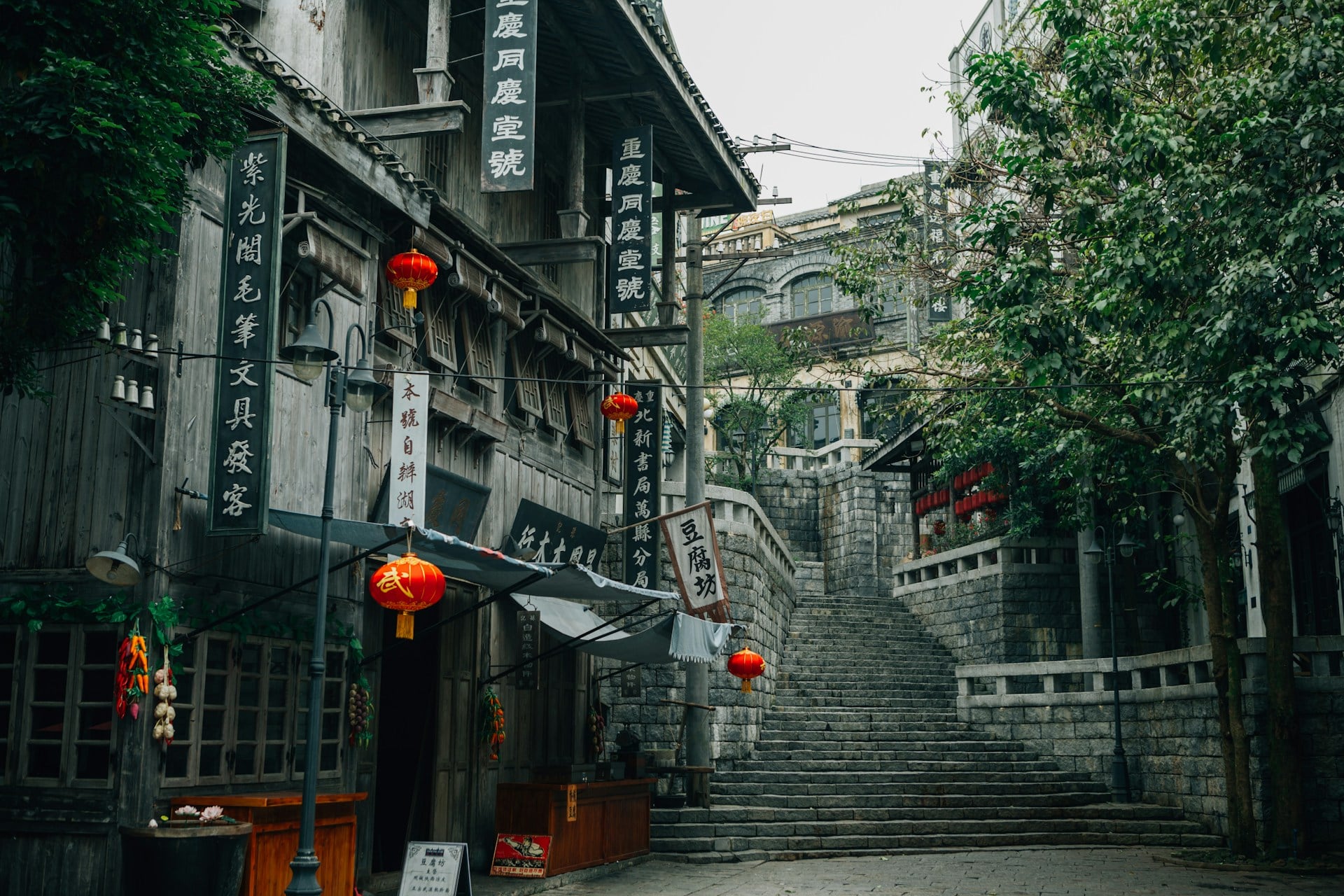
China has a constitutional right to rest after lunch. Many workplaces and schools include scheduled nap times, usually lasting 30 minutes to an hour.
This isn’t seen as laziness—it’s considered necessary for health and productivity. People nap in various ways.
Some put their heads down on desks. Others bring folding beds or reclining chairs to work.
Parks fill with nappers in nice weather. The practice is deeply ingrained, dating back thousands of years.
Recent decades have seen this tradition challenged by modern work culture. But many Chinese workers still insist on their midday rest, arguing it makes them more effective in the afternoon.
Aboriginal Australian Dreaming Sites

For Aboriginal Australians, certain locations hold special significance for sleep and dreams. These dreaming sites connect to ancestral stories and spiritual beliefs that shape the culture.
Sleeping at these sites is thought to bring powerful dreams that convey messages or connect people to their ancestors. Not everyone can sleep at every site—access depends on your kinship and spiritual connection to the place.
This tradition emphasizes that sleep isn’t just physical rest. It’s a way to maintain cultural and spiritual connections that have existed for tens of thousands of years.
The Russian Banya and Evening Rituals
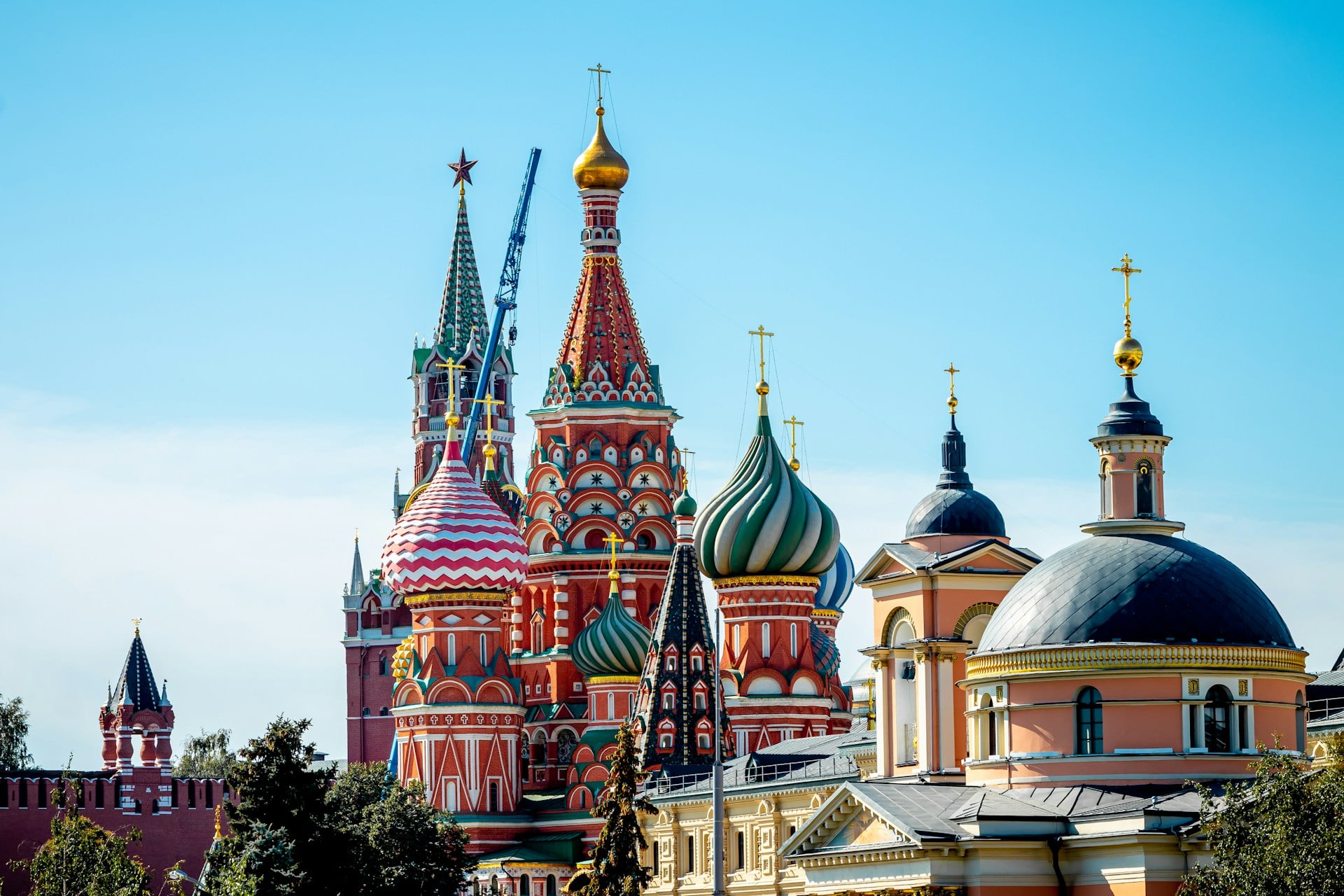
Russian culture includes the banya, a traditional sauna experience that many people do before bed. The intense heat, followed by cold water or snow, is believed to promote deeper sleep.
The ritual involves multiple cycles of heating, cooling, and resting. Friends or family members often do this together, making it a social event.
The physical exhaustion combined with relaxation prepares the body for quality rest. Many Russians consider the banya essential for health.
It’s not just about cleanliness—it’s a complete reset that affects sleep, mood, and wellbeing.
Indonesian Floor Sleeping
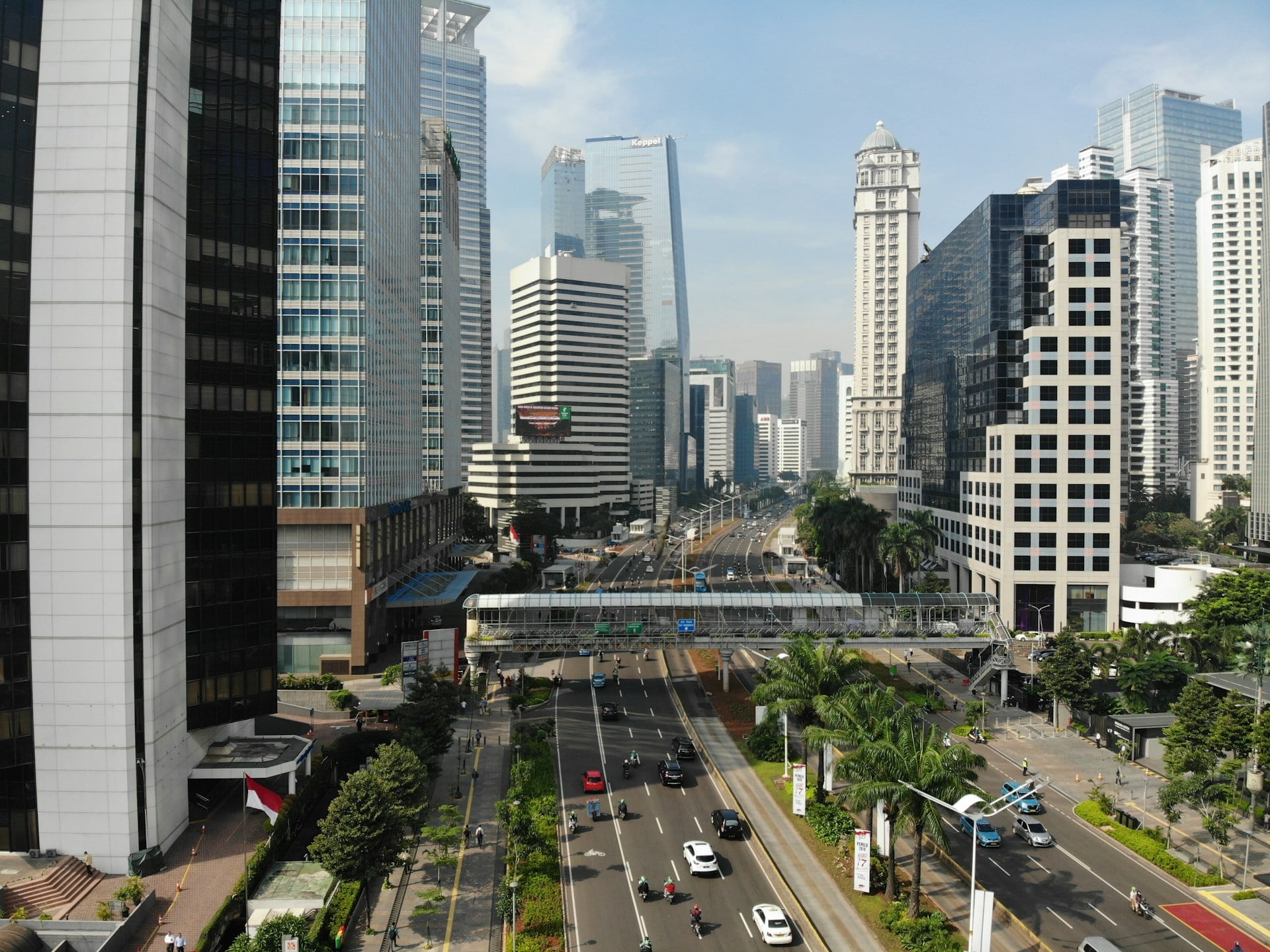
In Indonesia, particularly in Java, many people prefer sleeping on thin mats placed directly on the floor. Even families who can afford beds often choose this method.
The practice keeps people cooler in tropical heat. It’s also tied to beliefs about staying grounded and humble.
Some Indonesians think elevated beds create distance from the earth’s energy. Floor sleeping requires different bedding—thin mattresses, pillows that don’t elevate the head too much, and light covers.
People roll up their bedding each morning to reclaim the space for daytime activities.
The Igloo and Arctic Sleep Strategies
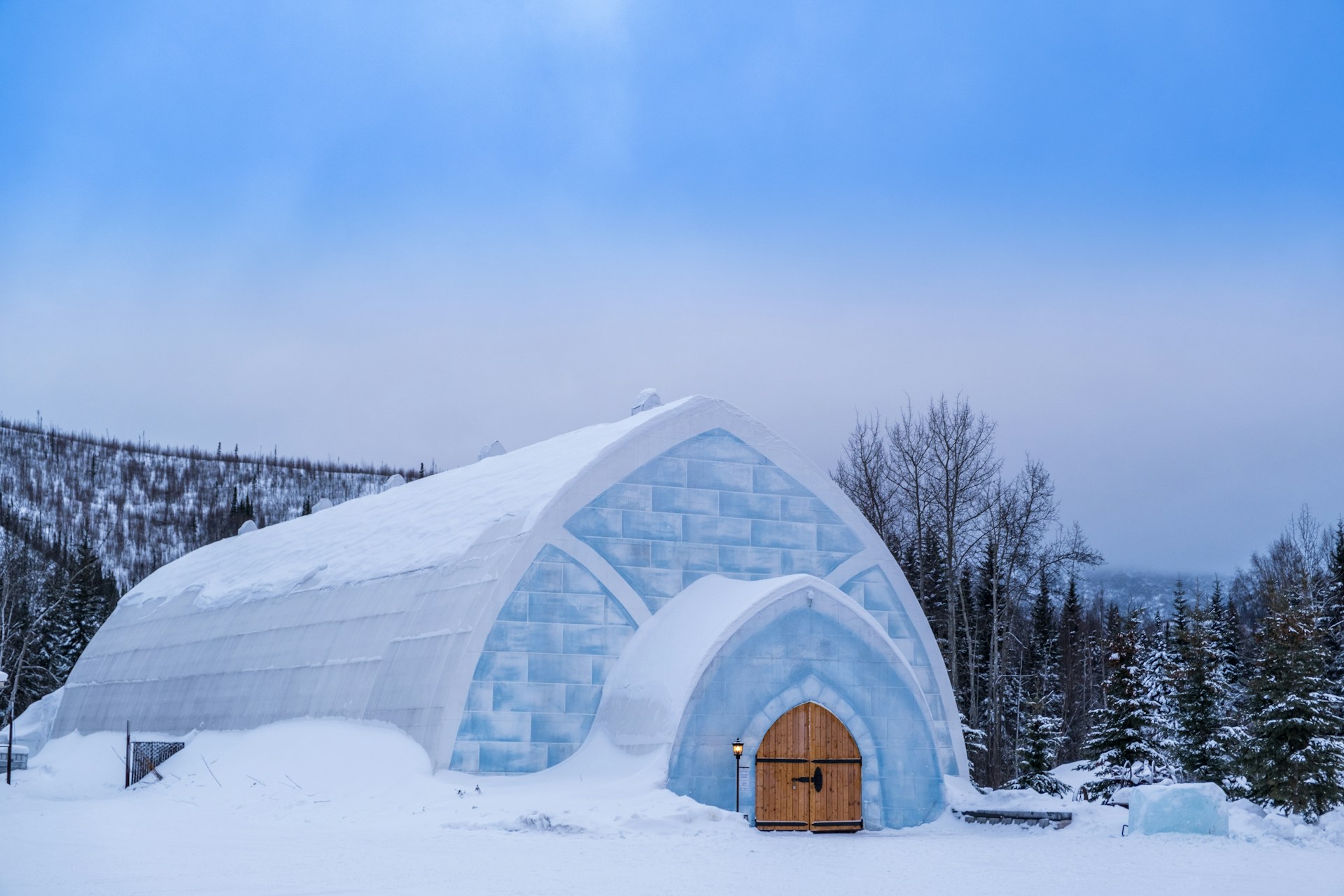
The Inuit figured out smart tricks for resting in brutal cold. Igloos made from snow hold heat well, since packed flakes block wind and chill.
Beds were placed above the doorway so warmth wouldn’t escape down low. Families huddle up beneath caribou or seal hides.
When cold hits hard, warmth from bodies makes survival possible. A barrier splits the sleeping spot from where meals are made and daily life unfolds.
That setup keeps different parts of the tiny shelter at varied temps. Life here proves how tough people can adapt when nature’s rough.
Today’s Inuit folks rarely stay in snow houses all year, yet they still pass down those old skills from back then.
When Rest Reflects What Matters
Sleep customs aren’t just about resting well – they reveal what matters most to a group, like unity, beliefs, wellness, or fitting into nature.
Some habits vanished when tech and global ties grew. Yet plenty stick around since they cover gaps modern living often misses.
In Spain, folks still value those calm midday moments. Over in Japan, people figure if work runs late, napping whenever possible makes sense.
Up north, moms believe fresh chilly air helps little ones grow tougher. These traditions show sleep isn’t only about biology – it’s shaped by culture.
How you unwind hints at your background, maybe even your identity.
More from Go2Tutors!

- The Romanov Crown Jewels and Their Tragic Fate
- 13 Historical Mysteries That Science Still Can’t Solve
- Famous Hoaxes That Fooled the World for Years
- 15 Child Stars with Tragic Adult Lives
- 16 Famous Jewelry Pieces in History
Like Go2Tutors’s content? Follow us on MSN.